
Light
Bright Indirect Light
Requires bright, indirect or filtered sunlight. Avoid direct, intense afternoon sun which can scorch the stems.
Rat-tail Cactus
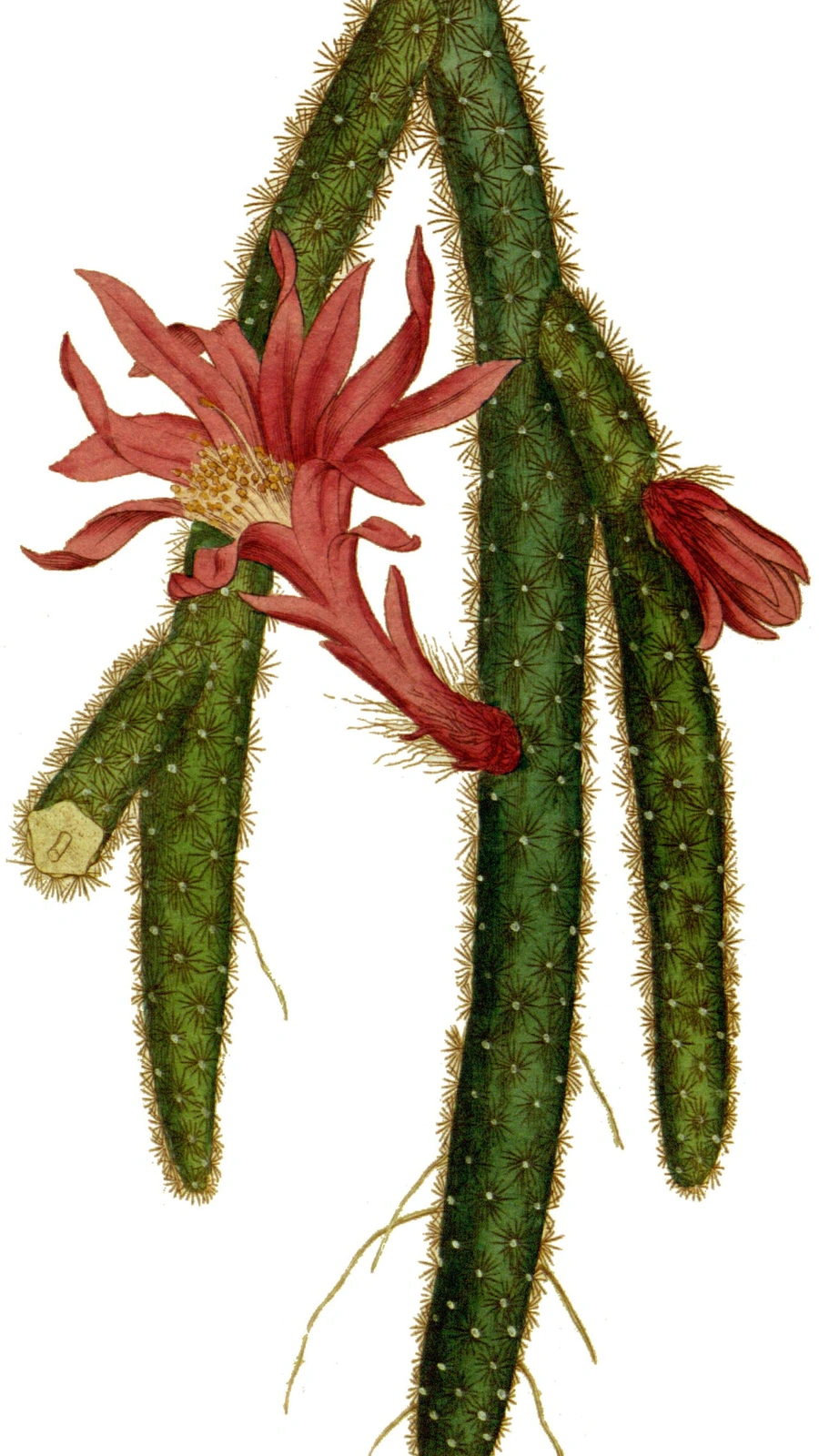
Aporocactus flagelliformis, commonly known as the "Rat-tail Cactus" or "Whip Cactus", is a highly popular epiphytic cactus species celebrated for its trailing growth habit and spectacular, bright pink to magenta flowers. It is widely cultivated as an ornamental hanging basket plant 1.
Belonging to the family Cactaceae, this species was historically known and sometimes still classified under the genus Disocactus as Disocactus flagelliformis. Originally described by Carl Linnaeus, it represents one of the earliest cacti introduced to European cultivation 2.
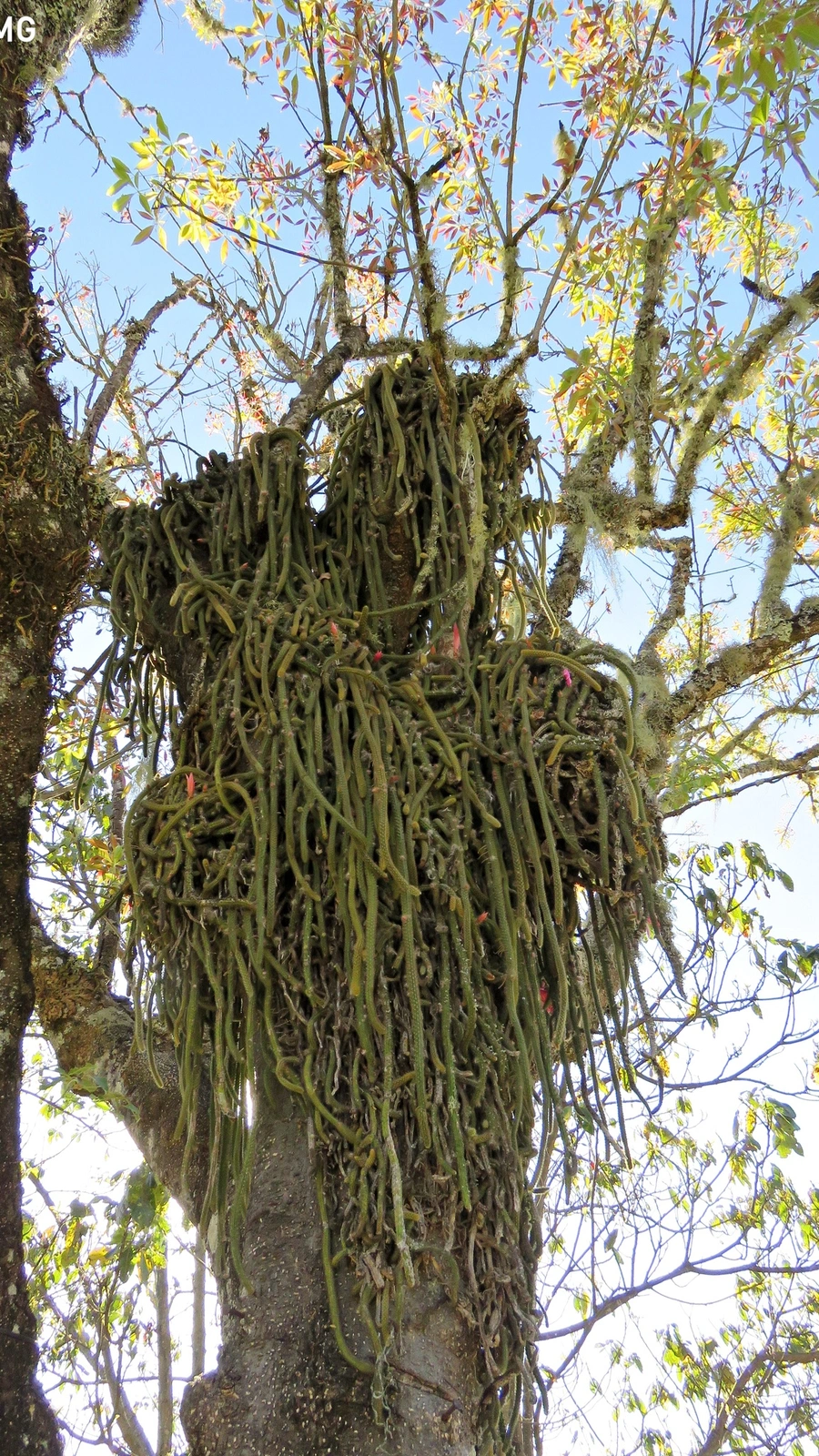
Native to southern and central Mexico, it thrives in dry subtropical forests. It primarily grows as an epiphyte, anchoring itself onto oak trees, or as a lithophyte, cascading down steep, rocky limestone cliffs 1.
This plant produces long, slender, whip-like stems that can reach up to 1.5 meters in length and 1 to 2 cm in diameter. The stems feature numerous shallow ribs covered in fine, bristly, yellowish-brown spines. In late spring, it produces showy, tubular, zygomorphic magenta-pink flowers that last for several days 2.
In cultivation, it requires bright, filtered sunlight and protection from harsh midday sun. Unlike desert cacti, it prefers slightly more organic soil mixes and appreciates regular watering during the active growing season. A cool, dry winter rest period is crucial to stimulate abundant spring blooming 3.
Overwatering during the winter rest period is the most common mistake, leading to immediate root and stem rot. Insufficient light results in weak, thin, etiolated stems and a lack of flowers.
Requires bright, indirect or filtered sunlight. Avoid direct, intense afternoon sun which can scorch the stems.
Water regularly from spring to autumn, allowing the top soil to dry. Keep almost completely dry in winter.
A rich, well-draining potting mix with added organic matter, perlit, and coarse sand.
Non-toxic to pets, but the fine, bristly spines can cause skin irritation; handle with gloves or tongs.
Moderate difficulty. Needs a cool winter period to trigger its famous spring blooming cycle.
Native to high-altitude dry forests of southern and central Mexico, where it naturally grows dangling from tree branches or rocky crevices.
