Family

Cactus Family

Cactaceae

Cactaceae, the cactus family, comprises succulent plants almost entirely native to the Americas, characterized by their ability to store water in their stems. Their most distinctive features are the spines and glochids that emerge from specialized structures called areoles .

Child Taxa

Subfamily Cactus Subfamily Cactoideae Genus Carnegiea Carnegiea Genus Acanthocalycium Acanthocalycium Genus Acanthocereus Acanthocereus Genus Acharagma Acharagma Genus Airampoa Airampoa Genus Anhalonium Anhalonium Genus Aporocactus Aporocactus Genus Armatocereus Armatocereus Genus Arrojadoa Arrojadoa Genus Arthrocereus Arthrocereus Genus Austrocactus Austrocactus Genus Austrocylindropuntia Austrocylindropuntia Genus Aylostera Aylostera Genus Aztekium Aztekium Genus Bergerocactus Bergerocactus Genus Blossfeldia Blossfeldia Genus Borzicactus Borzicactus Genus Brachycereus Brachycereus Genus Bragaia Bragaia Genus Brasilicereus Brasilicereus Genus Brasiliopuntia Brasiliopuntia Genus Browningia Browningia Genus Cactus Cactus Genus Calymmanthium Calymmanthium Genus Castellanosia Castellanosia Genus Cephalocereus Cephalocereus Genus Cephalocleistocactus Cephalocleistocactus Genus Cereaster Cereaster Genus Cereus Cereus Genus Cipocereus Cipocereus Genus Cleistocactus Cleistocactus Genus Cochemiea Cochemiea Genus Coleocephalocereus Coleocephalocereus Genus Consolea Consolea Genus Copiapoa Copiapoa Genus Corryocactus Corryocactus Genus Coryphantha Coryphantha Genus Cremnocereus Cremnocereus Genus Cumarinia Cumarinia Genus Cumulopuntia Cumulopuntia Genus Cylindropuntia Cylindropuntia Genus Deamia Deamia Genus Denmoza Denmoza Genus Discocactus Discocactus Genus Disocactus Disocactus Genus Echinocactus Echinocactus Genus Echinocereus Echinocereus Genus Echinofossulocactus Echinofossulocactus Genus Echinomastus Echinomastus Genus Echinonyctanthus Echinonyctanthus Genus Epiphyllum Epiphyllum Genus Epithelantha Epithelantha Genus Eriosyce Eriosyce Genus Escobaria Escobaria Genus Escontria Escontria Genus Espostoa Espostoa Genus Floribunda Floribunda Genus Frailea Frailea Genus Geohintonia Geohintonia Genus Glandulicactus Glandulicactus Genus Grusonia Grusonia Genus Gymnocactus Gymnocactus Genus Gymnocalycium Gymnocalycium Genus Haageocereus Haageocereus Genus Hariota Hariota Genus Harrisia Harrisia Genus Hatiora Hatiora Genus Homalocephala Homalocephala Genus Hylocereus Hylocereus Genus Isolatocereus Isolatocereus Genus Jasminocereus Jasminocereus Genus Kadenicarpus Kadenicarpus Genus Kimnachia Kimnachia Genus Kroenleinia Kroenleinia Genus Lactomamillara Lactomamillara Genus Lagenosocereus Lagenosocereus Genus Lasiocereus Lasiocereus Genus Lemaireocereus Lemaireocereus Genus Leocereus Leocereus Genus Lepismium Lepismium Genus Leptocereus Leptocereus Genus Leuchtenbergia Leuchtenbergia Genus Leucostele Leucostele Genus Leuenbergeria Leuenbergeria Genus Lobivia Lobivia Genus Lophocereus Lophocereus Genus Lophophora Lophophora Genus Loxanthocereus Loxanthocereus Genus Lymanbensonia Lymanbensonia Genus Maihuenia Maihuenia Genus Maihueniopsis Maihueniopsis Genus Mammillaria Mammillaria Genus Mammilloydia Mammilloydia Genus Marginatocereus Marginatocereus Genus Marshallocereus Marshallocereus Genus Matucana Matucana Genus Melocactus Melocactus Genus Micranthocereus Micranthocereus Genus Micropuntia Micropuntia Genus Mila Mila Genus Miqueliopuntia Miqueliopuntia Genus Mitrocereus Mitrocereus Genus Monvillea Monvillea Genus Morangaya Morangaya Genus Myrtillocactus Myrtillocactus Genus Neolloydia Neolloydia Genus Neolobivia Neolobivia Genus Neomammillaria Neomammillaria Genus Neoraimondia Neoraimondia Genus Neowerdermannia Neowerdermannia Genus Notocactus Notocactus Genus Nyctocereus Nyctocereus Genus Obregonia Obregonia Genus Oehmea Oehmea Genus Opuntia Opuntia Subfamily Opuntia Subfamily Opuntioideae

Plants In This Group

Acanthocalycium hoevenii

Acanthocalycium hoevenii

Acanthocalycium hoevenii

General Characteristics of Acanthocalycium hoevenii

Acanthocalycium hoevenii is a succulent subshrub species belonging to the Cactaceae family, native to the arid regions of Argentina 1. This cactus typically has a globular or short columnar stem that may slowly elongate as it matures. Prominent ribs are present on the stem, and strong spines emerge from areoles arranged along these ribs. The spines are usually brownish or grayish, giving the plant a distinctive appearance. This species naturally grows in desert and dry shrubland biomes and is known as a relatively hardy plant due to its adaptation to harsh conditions.

Growth and Flowering

Acanthocalycium hoevenii typically blooms in spring or early summer. The flowers are funnel-shaped and usually emerge from areoles near the apex of the plant. Their colors can vary by species, but are generally in shades ranging from white to pale pink, offering distinct beauty . These flowers usually open during the day, promoting insect pollination. When properly cared for, it can bloom regularly in a home environment. Soil selection and watering regimen are critical for the plant's healthy development and flowering. Key Features: Stem: Globular or short columnar, with prominent ribs. Spines: Strong, brownish/grayish. Flowers: White to pink, funnel-shaped, emerging from the apex. Habitat: Arid regions of Argentina. * Growth Rate: Slow.

References

  1. Plants of the World Online (POWO). Kew Science. "Acanthocalycium hoevenii". Global Biodiversity Information Facility (GBIF). "Acanthocalycium hoevenii".
Acanthocalycium keuhhasii

Acanthocalycium keuhhasii

Acanthocalycium keuhhasii

Acanthocalycium keuhhasii is a perennial, succulent subshrub in the family Cactaceae, native to the arid and semi-arid mountainous regions of western and northwestern Argentina 1. Known for its dense, fierce spination and showy funnel-shaped flowers, this cactus is highly adapted to withstand harsh alpine-like conditions in its natural habitat.

Sınıflandırma ve adlandırma

The species is classified under the genus Acanthocalycium. The generic name is derived from the Greek words "akantha" (spine) and "kalyx" (calyx/bud), referring to the characteristic spiny scales covering the flower tube 2. The specific epithet keuhhasii honors a prominent plant explorer or cactus enthusiast. Recent molecular and morphological studies maintain its status within Acanthocalycium.

Doğal yayılış ve habitat

This taxon is widespread across several provinces in Argentina, including Catamarca, La Rioja, San Juan, San Luis, Mendoza, Salta, and Jujuy 1. It is typically found at elevations between 1000 and 2500 meters above sea level, growing on rocky slopes, gravelly plains, and crevices within subtropical mountain biomes.

Görünüm

The stem is solitary, globose when young, and becomes short-cylindrical with age, displaying a dark green to grayish-green epidermis. It features prominent ribs lined with woolly areoles. The spines are stiff, varying from yellowish-brown to gray, providing excellent shade and protection. The summer-blooming flowers are yellow, orange, or reddish, distinguished by their uniquely spiny floral tubes.

Kültürde bakım

In cultivation, Acanthocalycium keuhhasii requires an extremely porous, mineral-based cactus substrate 2. It thrives under full, direct sunlight, which promotes strong spine development and abundant flowering. During the winter dormancy, the plant should be kept completely dry and placed in a cool, frost-free location to encourage the next season's blooms.

Sık görülen bakım hataları

The most common pitfall is overwatering, particularly during the cold winter months, which quickly leads to root rot 1. Poorly draining soil and insufficient light also cause etiolation, wherein the stem stretches unnaturally toward the light, weakening its overall structure and defense mechanisms.

References

  1. Plants of the World Online (POWO), Kew Royal Botanic Gardens.
  2. Anderson, E. F. (2001). The Cactus Family. Timber Press, Portland.

Acanthocalycium keuhhasii

Acanthocalycium keuhhasii

Acanthocalycium keuhhasii

Acanthocalycium keuhhasii is a perennial, succulent subshrub in the family Cactaceae, native to the arid and semi-arid mountainous regions of western and northwestern Argentina 1. Known for its dense, fierce spination and showy funnel-shaped flowers, this cactus is highly adapted to withstand harsh alpine-like conditions in its natural habitat.

Sınıflandırma ve adlandırma

The species is classified under the genus Acanthocalycium. The generic name is derived from the Greek words "akantha" (spine) and "kalyx" (calyx/bud), referring to the characteristic spiny scales covering the flower tube 2. The specific epithet keuhhasii honors a prominent plant explorer or cactus enthusiast. Recent molecular and morphological studies maintain its status within Acanthocalycium.

Doğal yayılış ve habitat

This taxon is widespread across several provinces in Argentina, including Catamarca, La Rioja, San Juan, San Luis, Mendoza, Salta, and Jujuy 1. It is typically found at elevations between 1000 and 2500 meters above sea level, growing on rocky slopes, gravelly plains, and crevices within subtropical mountain biomes.

Görünüm

The stem is solitary, globose when young, and becomes short-cylindrical with age, displaying a dark green to grayish-green epidermis. It features prominent ribs lined with woolly areoles. The spines are stiff, varying from yellowish-brown to gray, providing excellent shade and protection. The summer-blooming flowers are yellow, orange, or reddish, distinguished by their uniquely spiny floral tubes.

Kültürde bakım

In cultivation, Acanthocalycium keuhhasii requires an extremely porous, mineral-based cactus substrate 2. It thrives under full, direct sunlight, which promotes strong spine development and abundant flowering. During the winter dormancy, the plant should be kept completely dry and placed in a cool, frost-free location to encourage the next season's blooms.

Sık görülen bakım hataları

The most common pitfall is overwatering, particularly during the cold winter months, which quickly leads to root rot 1. Poorly draining soil and insufficient light also cause etiolation, wherein the stem stretches unnaturally toward the light, weakening its overall structure and defense mechanisms.

References

  1. Plants of the World Online (POWO), Kew Royal Botanic Gardens.
  2. Anderson, E. F. (2001). The Cactus Family. Timber Press, Portland.

Acanthocalycium klinglerianum

Acanthocalycium klinglerianum

Acanthocalycium klinglerianum

Acanthocalycium klinglerianum is a slow-growing, perennial succulent subshrub belonging to the Cactaceae family, native to the arid environments of South America . Highly appreciated by succulent collectors, it is famous for its attractive globular symmetry, fierce spination, and striking seasonal blooms.

Acanthocalycium leucanthum

Acanthocalycium leucanthum

Acanthocalycium leucanthum

Acanthocalycium leucanthum is a distinctive and highly resilient member of the Cactaceae family. Previously classified under Echinopsis leucantha, this species is well-known for its large, tubular white flowers and prominent, curved spine structure .

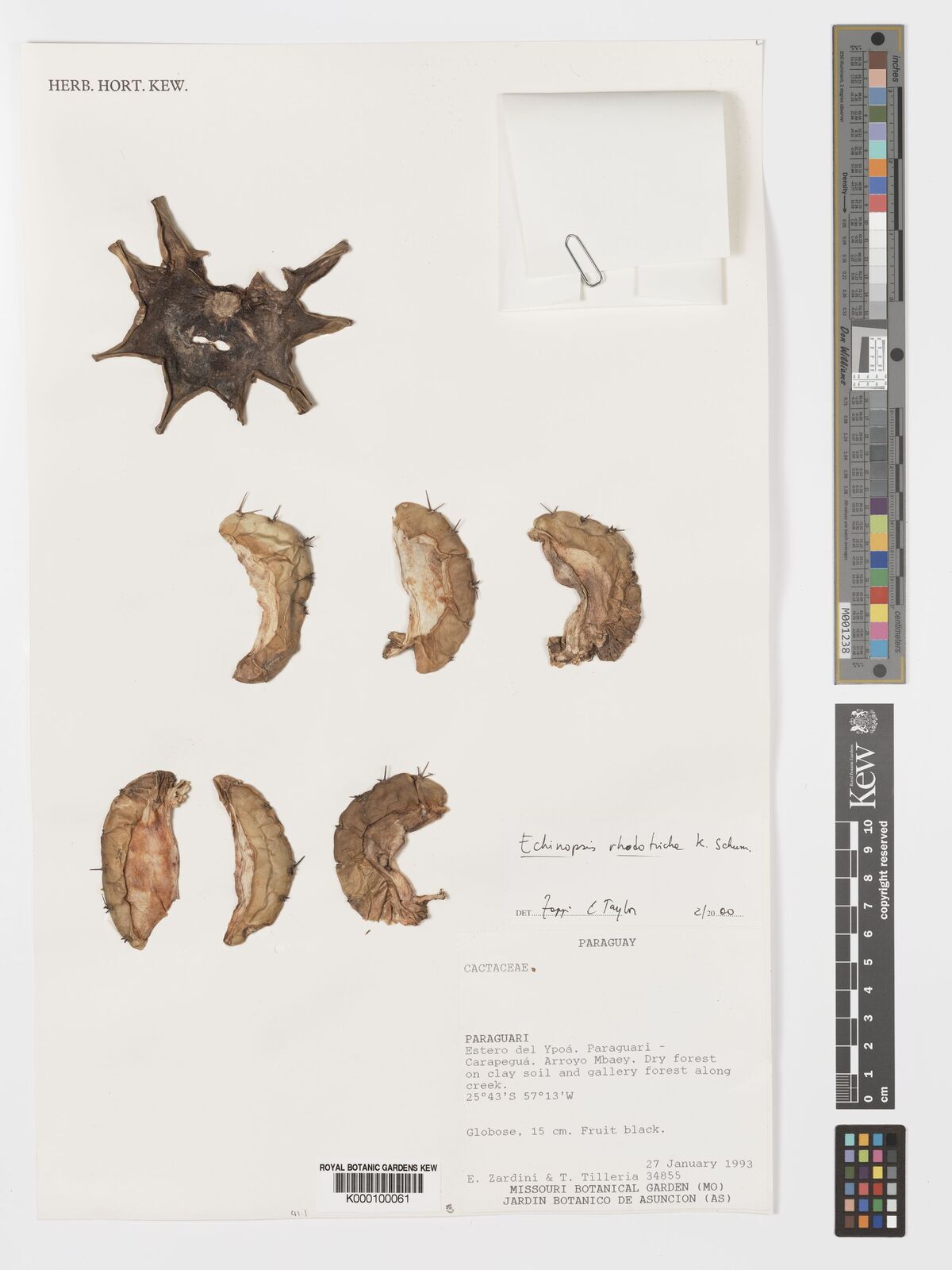
Acanthocalycium rhodotrichum

Acanthocalycium rhodotrichum

Acanthocalycium rhodotrichum

Acanthocalycium rhodotrichum is a prominent, globose to cylindrical succulent cactus belonging to the family Cactaceae. Known for its robust spination and attractive diurnal flowers, it is highly valued in amateur and professional succulent collections globally.

Acanthocalycium spiniflorum

Acanthocalycium spiniflorum

Acanthocalycium spiniflorum

Acanthocalycium spiniflorum: Argentina's Resilient Cactus

Acanthocalycium thionanthum

Acanthocalycium thionanthum

Acanthocalycium thionanthum

Acanthocalycium thionanthum is a hardy, globose to short-cylindrical cactus species within the family Cactaceae. Highly prized among collectors for its striking sulfur-yellow to orange-yellow blossoms, this species showcases remarkable adaptability to harsh semi-arid conditions .

Acanthocereus atropurpureus

Acanthocereus atropurpureus

Acanthocereus atropurpureus

Acanthocereus atropurpureus is an intriguing, semi-scandent or shrubby cactus species belonging to the Cactaceae family. Known for its remarkable dark purple-bronze coloration on its stems when exposed to bright light, it is a highly sought-after species among collectors.

Acanthocereus canoensis

Acanthocereus canoensis

Acanthocereus canoensis

Acanthocereus canoensis is a rare, semi-scandent or shrubby cactus species belonging to the family Cactaceae. It is adapted to growing in the understory of seasonally dry tropical forests.

Acanthocereus castellae

Acanthocereus castellae

Acanthocereus castellae

Acanthocereus castellae is a rare, scrambling succulent shrub or subshrub belonging to the family Cactaceae. In its native environment, it relies on surrounding vegetation and rocky outcrops for support. In cultivation, it requires sharp drainage and adequate indirect sunlight to thrive .

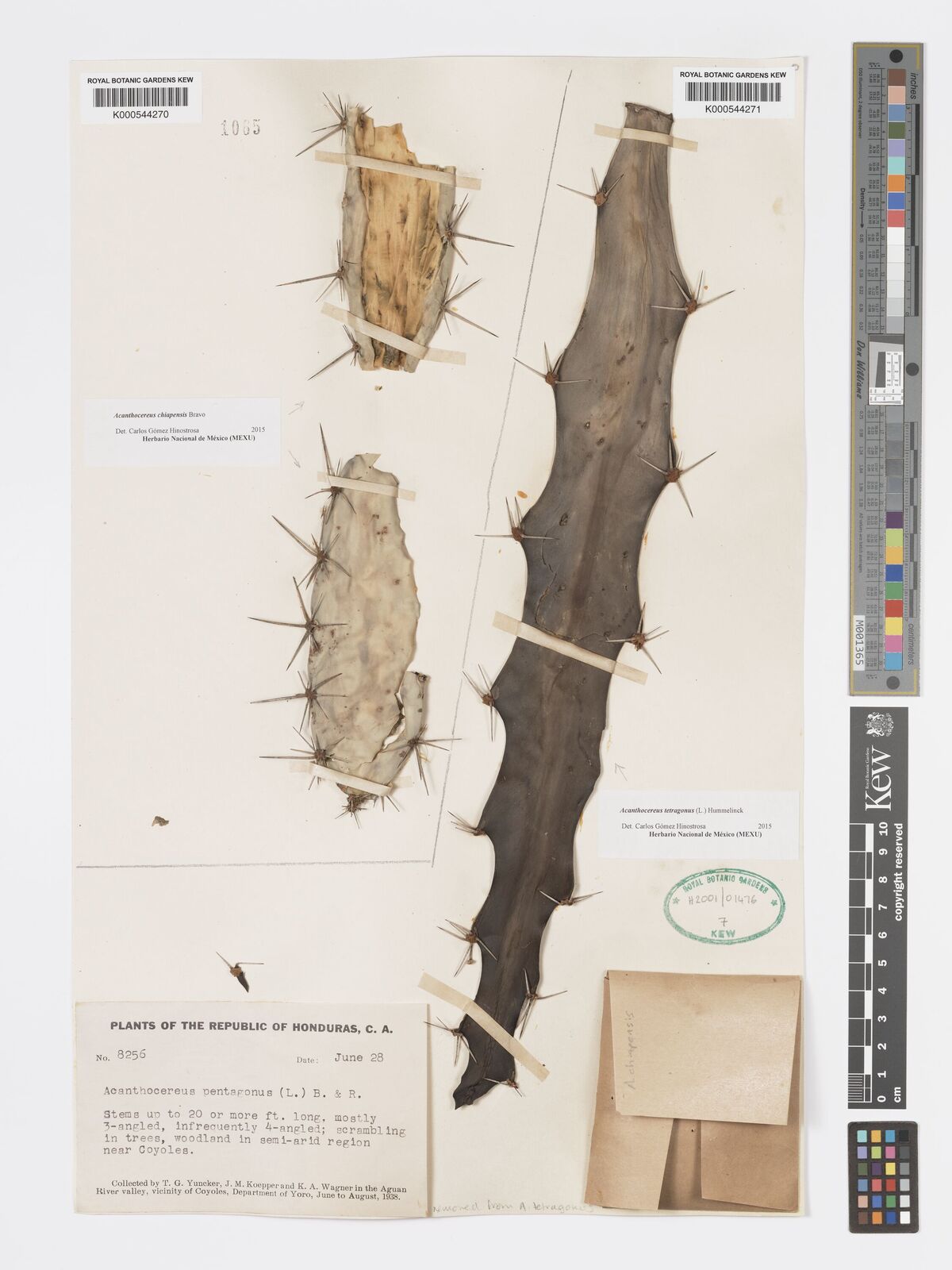
Acanthocereus chiapensis

Acanthocereus chiapensis

Acanthocereus chiapensis

Acanthocereus chiapensis is a succulent shrub or subshrub belonging to the Cactaceae family. Characterized by its branching, scandent habit, this species is highly adapted to seasonally dry tropical environments where it grows under the canopy of dry deciduous forests .

Acanthocereus cuixmalensis

Acanthocereus cuixmalensis

Acanthocereus cuixmalensis

Acanthocereus cuixmalensis is a rare, scrambling succulent shrub belonging to the family Cactaceae . It is characterized by its slender, angular stems and nocturnal white blooms that rely on specific pollinators.

Acanthocereus fosterianus

Acanthocereus fosterianus

Acanthocereus fosterianus

Acanthocereus fosterianus is an intriguing, scrambling succulent shrub belonging to the Cactaceae family. Characterized by its large subterranean tuberous root system and thin, sprawling branches, this cactus adapted to survive severe droughts in seasonally dry tropical environments by storing water underground .

Acanthocereus haackeanus

Acanthocereus haackeanus

Acanthocereus haackeanus

Acanthocereus haackeanus is a rare, scrambling or clambering succulent subshrub in the family Cactaceae . Known for its slender, multi-angled stems and nocturnal white flowers, this species is highly valued by collectors of epiphytic and semi-erect desert cacti.

Acanthocereus hesperius

Acanthocereus hesperius

Acanthocereus hesperius

Acanthocereus hesperius is a climbing or scrambling succulent shrub belonging to the Cactaceae family. Known for its tolerance to drought, it naturally anchors onto rocks and other vegetation.

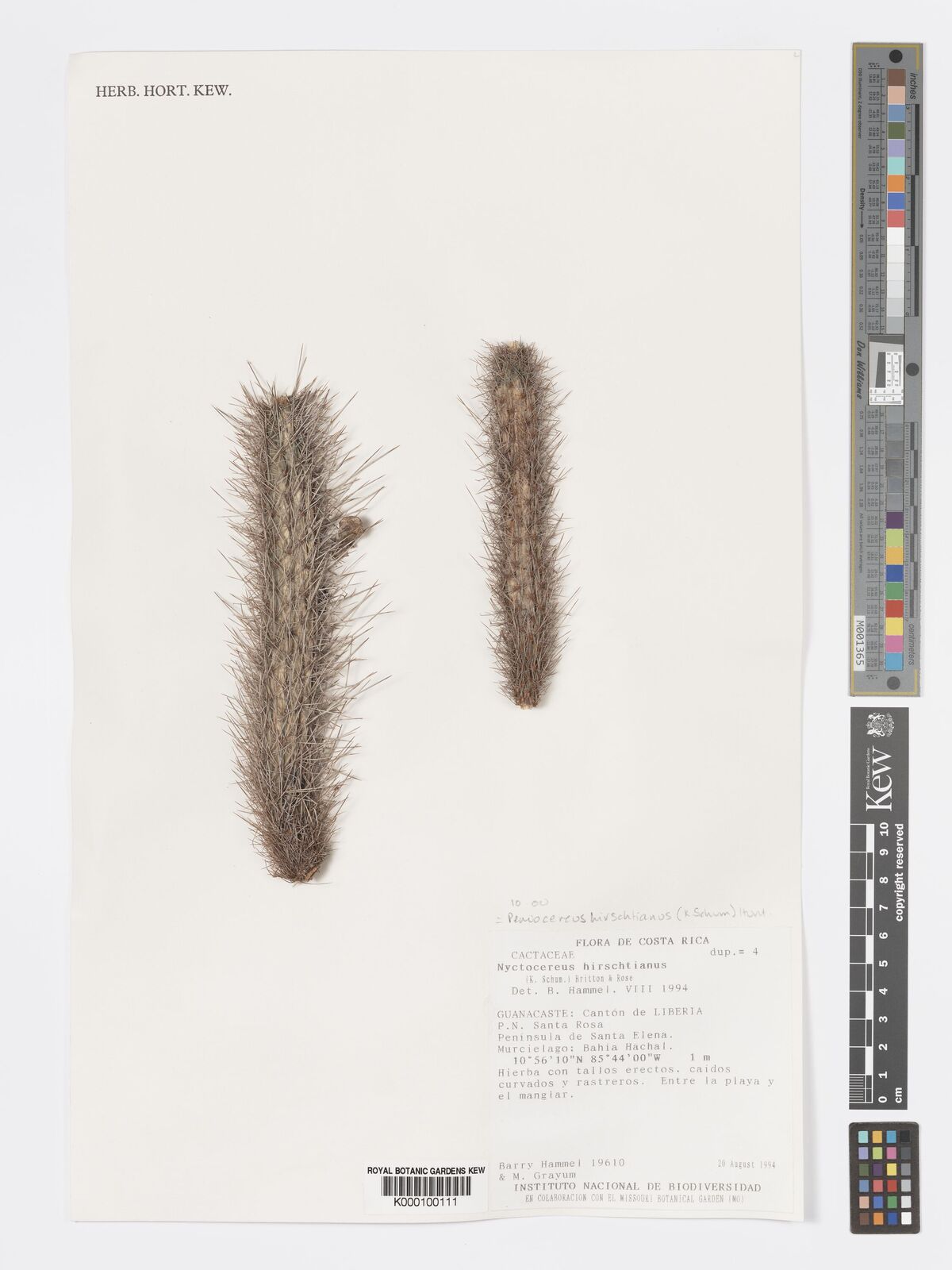
Acanthocereus hirschtianus

Acanthocereus hirschtianus

Acanthocereus hirschtianus

Acanthocereus hirschtianus is a scrambling, succulent subshrub or shrub belonging to the family Cactaceae. In its native habitat, it displays a semi-scandent growth habit, relying on surrounding vegetation for support . It is highly appreciated by succulent enthusiasts for its slender angled stems and nocturnal, fragrant flowers.

Acanthocereus lempirensis

Acanthocereus lempirensis

Acanthocereus lempirensis

Acanthocereus lempirensis is a rare and distinctive succulent subshrub or shrub belonging to the family Cactaceae. It thrives in seasonally dry tropical biomes, exhibiting a sprawling or semi-erect growth habit suitable for collectors of exotic cacti.

Acanthocereus macdougallii

Acanthocereus macdougallii

Acanthocereus macdougallii

Acanthocereus macdougallii is a scrambling, succulent subshrub or shrub belonging to the family Cactaceae. Known for its arching or climbing branches, it often relies on surrounding vegetation or rocky substrates for physical support in its native environment.

Acanthocereus macdougallii

Acanthocereus macdougallii

Acanthocereus macdougallii

Acanthocereus macdougallii is a scrambling, succulent subshrub or shrub belonging to the family Cactaceae. Known for its arching or climbing branches, it often relies on surrounding vegetation or rocky substrates for physical support in its native environment.

Acanthocereus maculatus

Acanthocereus maculatus

Acanthocereus maculatus

Acanthocereus maculatus is a distinctive scrambling, succulent, and tuberous shrub belonging to the Cactaceae family. Unlike many desert cacti, it is adapted to seasonally dry tropical environments, often growing semi-shaded under larger vegetation .

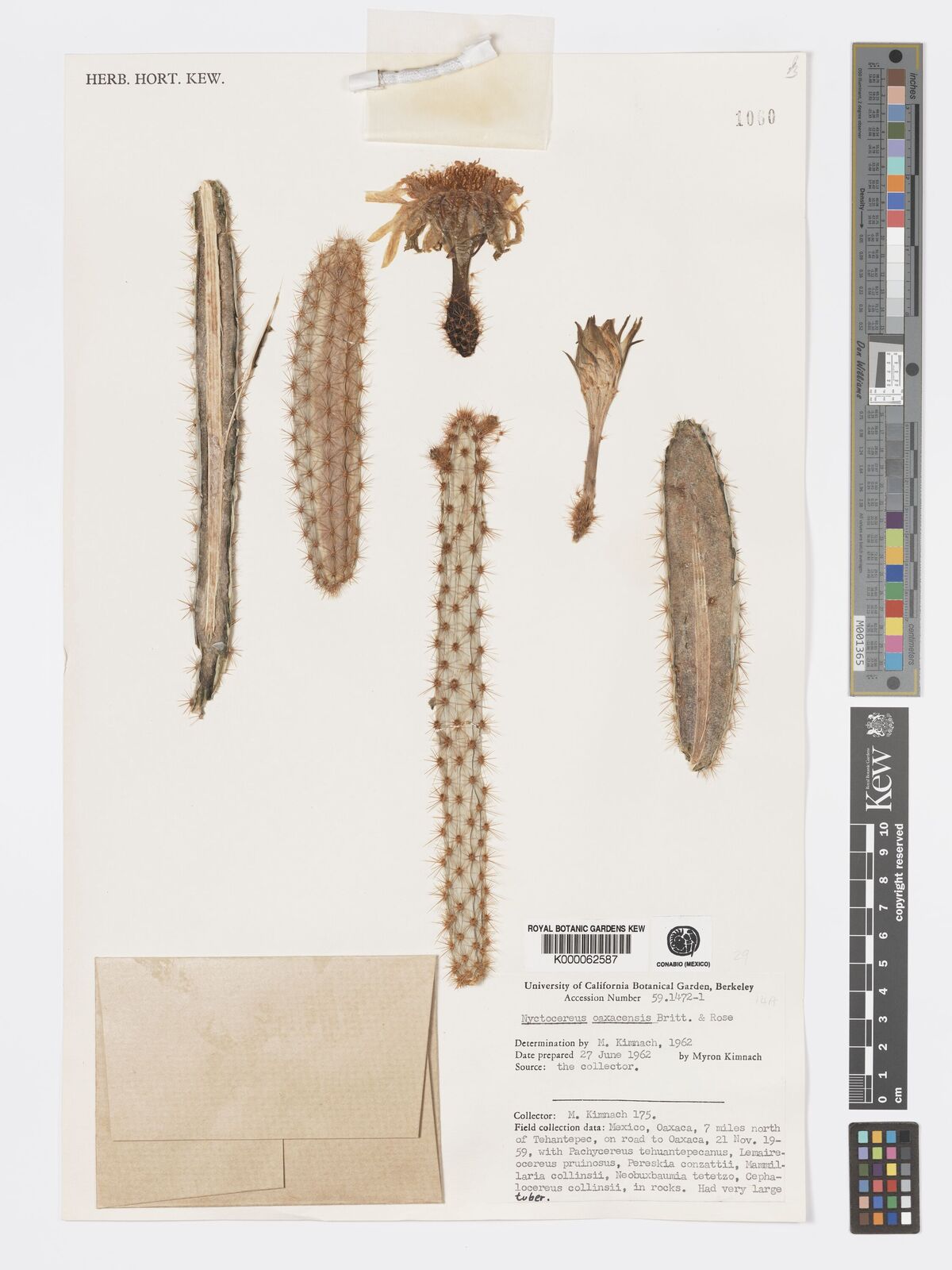
Acanthocereus oaxacensis

Acanthocereus oaxacensis

Acanthocereus oaxacensis

Acanthocereus oaxacensis is a scrambling or shrubby succulent cactus belonging to the family Cactaceae. Known for its climbing growth habit and nocturnal blooms, it integrates beautifully into arid landscapes and specialized succulent collections.

Acanthocereus paradoxus

Acanthocereus paradoxus

Acanthocereus paradoxus

Acanthocereus paradoxus is an exotic cactus species belonging to the genus Acanthocereus within the Cactaceae family. Highly appreciated by botanists and collectors, it is renowned for its unique adaptability to seasonally dry tropical environments and its unusual growth patterns .

Acanthocereus rosei

Acanthocereus rosei

Acanthocereus rosei

Acanthocereus rosei is a scrambling, tuberous-rooted succulent shrub belonging to the family Cactaceae. Known for its nocturnal blooming habit and slender branches, it is a fascinating species for specialized collectors .

Acanthocereus tepalcatepecanus

Acanthocereus tepalcatepecanus

Acanthocereus tepalcatepecanus

Acanthocereus tepalcatepecanus is a scrambling, semi-shrubby succulent cactus native to seasonally dry tropical ecosystems. Known for its slender, arching stems and large nocturnal blooms, this species is highly sought after by succulent collectors for its unique wild form and beautiful adaptation to dry forest understories .

Acanthocereus tetragonus

Acanthocereus tetragonus

Acanthocereus tetragonus

Acanthocereus tetragonus: The Cactus of Hedges and Flowers

Acharagma aguirreanum

Acharagma aguirreanum

Acharagma aguirreanum

Acharagma aguirreanum: A Desert Jewel

Acharagma aguirreanum is a small, rare, and highly sought-after cactus species endemic to the state of Coahuila, Mexico. This succulent typically grows solitarily but can form small clusters over time, thriving on the rocky slopes of limestone hills and in arid scrublands . It possesses a spherical to slightly cylindrical stem, usually measuring 2-5 cm in diameter. The plant's body is densely covered with short, whitish spines that offer both protection and contribute to its distinctive aesthetic.

Acharagma galeanense

Acharagma galeanense

Acharagma galeanense

Acharagma galeanense is an extremely rare and highly prized miniature cactus belonging to the family Cactaceae . Known for its restricted native range, it holds significant taxonomic and conservation value among succulent enthusiasts worldwide.

Acharagma roseanum

Acharagma roseanum

Acharagma roseanum

Acharagma roseanum: The Enigmatic Rose of Mexican Deserts

Airampoa ayrampo

Airampoa ayrampo

Airampoa ayrampo

Airampoa ayrampo (synonym: Tunilla soehrensii) is a low-growing, spreading succulent subshrub in the cactus family (Cactaceae), native to the high-altitude regions of the Andes. It is widely valued by indigenous communities for its deep red-purple fruits, which are traditionally used as a natural dye.

Airampoa corrugata

Airampoa corrugata

Airampoa corrugata

Airampoa corrugata is a succulent subshrub belonging to the Cactaceae family, native to the high-altitude arid regions of South America . Known for its segmented, jointed stems and formidable spines, it is a fascinating species for specialized cactus collectors.

Airampoa erectoclada

Airampoa erectoclada

Airampoa erectoclada

Airampoa erectoclada (syn. Tunilla erectoclada or Opuntia erectoclada) is a distinctive, low-growing, succulent subshrub in the family Cactaceae . It is well-known for its jointed, flattened stem segments and upright growth habit among the opuntioid cacti.

Airampoa tilcarensis

Airampoa tilcarensis

Airampoa tilcarensis

Airampoa tilcarensis is a highly resilient, succulent subshrub belonging to the Cactaceae family, well-adapted to arid environments and rocky terrains.

Anhalonium jourdanianum

Anhalonium jourdanianum

Anhalonium jourdanianum

Anhalonium jourdanianum (often classified in modern nomenclature as Lophophora jourdaniana) is a slow-growing, geophytic, spineless or weakly spined cactus highly prized among succulent enthusiasts for its distinct rose-purple flowers and mysterious origin .

Aporocactus flagelliformis

Aporocactus flagelliformis

Aporocactus flagelliformis

Aporocactus flagelliformis, commonly known as the "Rat-tail Cactus" or "Whip Cactus", is a highly popular epiphytic cactus species celebrated for its trailing growth habit and spectacular, bright pink to magenta flowers. It is widely cultivated as an ornamental hanging basket plant .

Aporocactus flagelliformis

Aporocactus flagelliformis

Aporocactus flagelliformis

Aporocactus flagelliformis, commonly known as the "Rat-tail Cactus" or "Whip Cactus", is a highly popular epiphytic cactus species celebrated for its trailing growth habit and spectacular, bright pink to magenta flowers. It is widely cultivated as an ornamental hanging basket plant .

Aporocactus martianus

Aporocactus martianus

Aporocactus martianus

Aporocactus martianus, commonly known as Martius' Rat Tail Cactus, is an attractive epiphytic or lithophytic succulent subshrub belonging to the Cactaceae family. Highly appreciated for its cascading, pendulous growth habit and vibrant pinkish-red trumpet-shaped flowers, it makes an outstanding ornamental plant for hanging baskets .

Ariocarpus agavioides

Ariocarpus agavioides

Ariocarpus agavioides

Ariocarpus agavioides: The Agave-like Living Rock Cactus

Ariocarpus agavioides, a unique succulent belonging to the Cactaceae family, is native to the dry, rocky regions of Mexico. Its name, derived from 'agave', refers to its rosette-like growth habit, strikingly similar to agave plants. It stands out as one of the most captivating members of the genus often associated with 'living rock' cacti.

Ariocarpus bravoanus

Ariocarpus bravoanus

Ariocarpus bravoanus

Ariocarpus bravoanus is an extremely slow-growing, highly prized geophytic cactus known for its unique rosette shape. In habitat, it grows flush with the ground, making it difficult to spot 1.

Taxonomy and naming

Belonging to the genus Ariocarpus, this species was described in 1992 and named in honor of the prominent Mexican botanist Helia Bravo-Hollis 1.

Distribution and habitat

Endemic to a very restricted area in San Luis Potosí, Mexico, it grows on limestone gravel slopes and plains within dry desert scrub ecosystems 2.

Appearance

The plant has a flattened, greyish-green subglobose stem with triangular, fissured tubercles. Central areoles are woolly, and vivid pink to magenta flowers emerge from the crown in autumn 1.

Cultivation and care

This species is highly sensitive to excess moisture due to its large taproot. Cultivation requires a highly porous, purely mineral substrate and careful watering restricted to the active growing season.

Common care mistakes$

Overwatering during the winter rest period or using standard peat-based potting soils will invariably lead to root rot and loss of the plant 2.

References

  1. Anderson, E. F. (2001). The Cactus Family. Timber Press.
  2. Fitz Maurice, B & Fitz Maurice, W.A. (2013). Ariocarpus bravoanus. IUCN Red List.
Ariocarpus fissuratus

Ariocarpus fissuratus

Ariocarpus fissuratus

Ariocarpus fissuratus, a unique succulent belonging to the Cactaceae family, is native to the arid regions of Northern Mexico and Southern Texas. Commonly known as the 'Living Rock Cactus', this species is remarkable for its excellent camouflage, blending seamlessly with its stony environment. It features a very slow-growing stem, typically 5-15 cm in diameter, composed of flattened, deeply fissured tubercles that lie close to the soil surface . These tubercles mimic the surrounding rocks so effectively that locating the plant in its natural habitat can be quite challenging.

Ariocarpus kotschoubeyanus

Ariocarpus kotschoubeyanus

Ariocarpus kotschoubeyanus

Ariocarpus kotschoubeyanus, a member of the Cactaceae family, is a rare and Critically Endangered (CR) succulent native to the arid regions of Mexico . Also known as "living rock" due to its unique camouflage, this species is highly prized among cactus collectors for its slow growth rate and distinctive appearance. The plant typically has a flattened to slightly domed stem that is largely buried in the soil, with only small, triangular, tuberculate rosettes visible on the surface. The color of these tubercles can vary from grayish-green to brownish, depending on the geographical origin of the specific plant.

Ariocarpus retusus

Ariocarpus retusus

Ariocarpus retusus

Ariocarpus retusus: The Enigmatic World of Living Rock Cacti

Ariocarpus retusus is a captivating species with a unique position among succulent cacti. Also known as the "Living Rock Cactus," this plant is remarkable for its flat, deeply fissured body that typically hides among rocks, close to the soil surface in its natural habitat. Belonging to the genus Ariocarpus within the Cactaceae family, this species is native to arid and semi-arid regions stretching from southern Texas to central Mexico, particularly in the states of Coahuila, Nuevo León, and San Luis Potosí . Its slow growth rate and distinctive structure have made it highly popular among collectors.

Ariocarpus scaphirostrus

Ariocarpus scaphirostrus

Ariocarpus scaphirostrus

Ariocarpus scaphirostrus (often spelled scapharostrus) is one of the rarest and most sought-after species within the family Cactaceae. Highly prized by specialists, this slow-growing geophytic cactus is severely threatened in its natural habitat due to illegal collection and environmental pressures .

Ariocarpus trigonus

Ariocarpus trigonus

Ariocarpus trigonus

Ariocarpus trigonus is a highly sought-after, extremely slow-growing succulent subshrub in the family Cactaceae. Known for its rock-like appearance in the wild, this geophytic cactus is a prized specimen among advanced collectors .

Ariocarpus × drabi

Ariocarpus × drabi

Ariocarpus × drabi

Ariocarpus × drabi is an exceptionally rare natural or artificial hybrid cactus within the Cactaceae family, generally understood to represent a cross between Ariocarpus kotschoubeyanus and Ariocarpus retusus. Highly prized by succulent connoisseurs, it is celebrated for its unique geometric aesthetics and extremely slow growth rate.

Ariocarpus × dubeniorum

Ariocarpus × dubeniorum

Ariocarpus × dubeniorum

Ariocarpus × dubeniorum is an extraordinary and highly prized geophytic cactus taxon within the family Cactaceae . Renowned for its exceptionally slow growth rate and unique rosette-like morphology, this hybrid commands immense value among succulent and cactus enthusiasts globally. It requires expert-level cultivation skills due to its delicate, moisture-sensitive root system.

Ariocarpus × nelissae

Ariocarpus × nelissae

Ariocarpus × nelissae

Ariocarpus × nelissae is an extremely rare and highly prized natural hybrid within the iconic Ariocarpus genus of the family Cactaceae . Characterized by its geophytic habit and absence of traditional spines, this cactus mimics limestone rock formations.

Armatocereus cartwrightianus

Armatocereus cartwrightianus

Armatocereus cartwrightianus

Armatocereus cartwrightianus is an impressive, tree-like columnar cactus belonging to the family Cactaceae. Known for its robust, multi-branched form and heavy spination, this species is a striking component of South American arid landscapes.

Armatocereus ghiesbreghtii

Armatocereus ghiesbreghtii

Armatocereus ghiesbreghtii

Armatocereus ghiesbreghtii is an arborescent (tree-like) cactus species belonging to the Cactaceae family. Known for its imposing stature in its native habitat, this species is highly prized by cactus enthusiasts for its distinct segmented growth and fierce spine armament .

Armatocereus godingianus

Armatocereus godingianus

Armatocereus godingianus

Armatocereus godingianus is a striking, tree-like or shrubby columnar cactus species belonging to the Cactaceae family . Characterized by its robust segmented branches and formidable spines, it is a prominent indicator species of seasonally dry environments.

Armatocereus laetus

Armatocereus laetus

Armatocereus laetus

Armatocereus laetus is an imposing arborescent or shrubby columnar cactus species belonging to the family Cactaceae. In its native dry-shrubland and desert habitats, it plays a vital ecological role, adapting perfectly to prolonged droughts . When cultivated, its sturdy, ribbed stems and sharp, formidable spination make it a prized specimen for arid-gardens and succulent collectors.

Armatocereus matucanensis

Armatocereus matucanensis

Armatocereus matucanensis

Armatocereus matucanensis is a striking, tree-like columnar cactus belonging to the Cactaceae family. Known for its segmented, glaucous-green stems and formidable spination, this species adds a dramatic, sculptural presence to arid gardens and specialized collections.

Armatocereus procerus

Armatocereus procerus

Armatocereus procerus

Armatocereus procerus is a striking, tree-like columnar cactus belonging to the Cactaceae family. Known for its massive, formidable spines and distinct segmented growth, it is a hallmark species of desert landscapes.

Armatocereus rauhii

Armatocereus rauhii

Armatocereus rauhii

Armatocereus rauhii is a massive, tree-like columnar cactus species belonging to the Cactaceae family. In its natural environment, it stands as a dominant and majestic architectural element of dry valley landscapes .

Arrojadoa albiflora

Arrojadoa albiflora

Arrojadoa albiflora

Arrojadoa albiflora is a rare and captivating columnar cactus species native to the seasonally dry tropical forests and shrublands of northeastern Brazil. Belonging to the family Cactaceae, this endemic succulent subshrub is highly valued for its unique growth form, ring-like woolly cephalium at the stem joints, and delicate white tubular flowers, distinguishing it from other members of its genus .

Arrojadoa dinae

Arrojadoa dinae

Arrojadoa dinae

Arrojadoa dinae is a unique, semi-shrubby succulent cactus endemic to Brazil, highly prized by collectors for its slender stems and distinct ring-like flowering structures called cephalia .

Arrojadoa eriocaulis

Arrojadoa eriocaulis

Arrojadoa eriocaulis

Arrojadoa eriocaulis is a rare, highly sought-after cactus species within the Cactaceae family, distinguished by its tuberous root system and slender, semi-scandent stems. Unlike typical desert cacti, it forms a fleshy subterranean caudex and exhibits a shrubby habit .

Arrojadoa marylaniae

Arrojadoa marylaniae

Arrojadoa marylaniae

Arrojadoa marylaniae is an exceedingly rare and highly sought-after cactus species belonging to the family Cactaceae. Known for its distinctive growth habit, this succulent subshrub is highly valued among collectors for its unique cephalium and vibrant flowers .

Arrojadoa multiflora

Arrojadoa multiflora

Arrojadoa multiflora

Arrojadoa multiflora is an elegant, slender, semi-erect succulent subshrub belonging to the family Cactaceae. Native to the seasonally dry tropical zones of northeastern Brazil, this species is highly sought after by cactus enthusiasts for its unique ring-like cephalium structures and profuse tubular flowers .

Arrojadoa olsthoorniana

Arrojadoa olsthoorniana

Arrojadoa olsthoorniana

Arrojadoa olsthoorniana is an intriguing succulent subshrub belonging to the Cactaceae family, celebrated for its unique growth form and colorful cephalium flowers 1. Unlike many massive columnar cacti, this species remains relatively slender, making it a prized specimen for collectors of rare succulent flora.

Taxonomy and naming

This species belongs to the genus Arrojadoa, which was named in honor of Miguel Arrojado Lisboa, a Brazilian railroad superintendent 2. It is distinct within its genus, characterized by specific stem and floral morphology.

Natural distribution and habitat

Native to northeastern Brazil, particularly regions like Bahia, Pernambuco, and Ceará, Arrojadoa olsthoorniana thrives in the seasonally dry tropical Caatinga biome 1. It grows on rocky soils and stony outcrops, often tucked under deciduous shrubs that offer partial shade.

Appearance

This succulent subshrub produces thin, erect to sprawling cylindrical stems. The stems are ribbed and adorned with small, dense clusters of spines. Its most striking feature is the terminal cephalium—a woolly, bristly structure at the stem tip from which small, tubular, pinkish-red flowers emerge during the warm season.

Care in cultivation

Arrojadoa olsthoorniana requires a porous, well-draining mineral substrate and bright, filtered sunlight. It benefits from regular watering during its active summer growing season, provided the soil dries out completely between waterings. Winter temperatures must be kept strictly above 10°C, with minimal moisture.

Common care mistakes

Overwatering is the primary cause of failure, quickly leading to root and stem rot. Placing the plant in heavy, organic soil or exposing it to freezing temperatures will also cause rapid decline.

References

  1. Plants of the World Online (POWO). Kew Science.
  2. Anderson, E. F. (2001). The Cactus Family. Timber Press.
Arrojadoa penicillata

Arrojadoa penicillata

Arrojadoa penicillata

Arrojadoa penicillata is an elegant, thin-stemmed, shrubby cactus species belonging to the family Cactaceae . It is highly prized by collectors for its unique, brush-like colorful cephalium that forms at the tip of its stems.

Arrojadoa rhodantha

Arrojadoa rhodantha

Arrojadoa rhodantha

Arrojadoa rhodantha is a unique, semi-scandent or shrubby cactus species belonging to the Cactaceae family, native to the seasonally dry regions of Brazil. Known for its slender, branching stems and characteristic woolly cephalium, it is a highly prized specimen among cactus enthusiasts and specialized collectors .

Arthrocereus glaziovii

Arthrocereus glaziovii

Arthrocereus glaziovii

Arthrocereus glaziovii is a rare, endangered succulent subshrub belonging to the family Cactaceae. Known for its jointed stems and beautiful nocturnal flowers, this species is highly prized by collectors but faces severe extinction risks in the wild .

Arthrocereus melanurus

Arthrocereus melanurus

Arthrocereus melanurus

Arthrocereus melanurus is an elegant, slender columnar cactus belonging to the Cactaceae family, highly appreciated for its dense covering of golden-yellow spines and fragrant nocturnal flowers . Endemic to Brazil, this species is a prized gem among succulent collectors.

Arthrocereus rondonianus

Arthrocereus rondonianus

Arthrocereus rondonianus

Arthrocereus rondonianus is a slender-stemmed, rare cactus species belonging to the family Cactaceae. Endemic to Brazil, this plant is highly prized by collectors for its elegant form and nocturnal blooms .

Arthrocereus spinosissimus

Arthrocereus spinosissimus

Arthrocereus spinosissimus

Arthrocereus spinosissimus is a rare, highly spiny, and slender succulent subshrub belonging to the Cactaceae family . Native to the seasonally dry tropical savannas of Brazil, this species is appreciated by collectors for its fragile, jointed stems and beautiful nocturnal flowers.

Astrophytum asterias

Astrophytum asterias

Astrophytum asterias

Astrophytum asterias: The Miniature Star of the Desert

Astrophytum asterias, commonly known as the "Sand Dollar Cactus" or "Star Cactus," is a highly sought-after, spineless cactus species native to the arid regions of Mexico and Texas. Its diminutive size and distinctive flattened, spherical form have made it a favorite among cactus enthusiasts. This plant typically grows solitarily, reaching up to 15 cm in diameter and 2-6 cm in height. Its body is usually divided into eight prominent, flat ribs; however, variations with fewer or more ribs also exist.

Astrophytum capricorne

Astrophytum capricorne

Astrophytum capricorne

Astrophytum capricorne, a captivating and unique cactus species belonging to the Cactaceae family, is native to the arid regions of Mexico. Commonly known as the 'Goat's Horn Cactus' due to its distinctive spines, this plant is highly prized among cactus collectors for its unusual appearance. It typically grows as a solitary, globular to cylindrical stem, reaching heights of 20-30 cm and diameters of 10-15 cm as it matures .

Astrophytum caput-medusae

Astrophytum caput-medusae

Astrophytum caput-medusae

Astrophytum caput-medusae is one of the most remarkable and fascinating species in the Cactaceae family. Diverging from the traditional globose or columnar cactus forms, it is famous for its long, cylindrical tubercles that resemble the writhing snakes of Medusa's head. Discovered in 2002, it instantly became a sensation in the botanical world .

Astrophytum caput-medusae

Astrophytum caput-medusae

Astrophytum caput-medusae

Astrophytum caput-medusae is one of the most remarkable and fascinating species in the Cactaceae family. Diverging from the traditional globose or columnar cactus forms, it is famous for its long, cylindrical tubercles that resemble the writhing snakes of Medusa's head. Discovered in 2002, it instantly became a sensation in the botanical world .

Astrophytum coahuilense

Astrophytum coahuilense

Astrophytum coahuilense

The Coahuila Star Cactus: Astrophytum coahuilense

Astrophytum myriostigma

Astrophytum myriostigma

Astrophytum myriostigma

Astrophytum myriostigma: The Bishop's Cap Cactus

Astrophytum ornatum

Astrophytum ornatum

Astrophytum ornatum

Astrophytum ornatum: The Elegant Star of the Desert

Austrocactus aonikenkensis

Austrocactus aonikenkensis

Austrocactus aonikenkensis

Austrocactus aonikenkensis is a rare and highly specialized cactus species belonging to the family Cactaceae. Adapted to the extreme weather of Patagonia, this succulent subshrub is renowned for its remarkable cold tolerance and adaptation to strong, desiccating winds .

Austrocactus bertinii

Austrocactus bertinii

Austrocactus bertinii

Austrocactus bertinii is an extraordinary cactus species belonging to the family Cactaceae, uniquely adapted to the harsh and cold climates of southern South America . It exhibits a highly resilient, subshrubby growth form.

Austrocactus coxii

Austrocactus coxii

Austrocactus coxii

Austrocactus coxii is a cold-hardy, succulent subshrub belonging to the Cactaceae family, native to the rugged and windswept landscapes of Patagonia in Southern South America . It is highly valued by collectors for its ability to withstand sub-zero temperatures.

Austrocactus decorus

Austrocactus decorus

Austrocactus decorus

Austrocactus decorus is a cold-hardy, relatively small-sized succulent subshrub belonging to the Cactaceae family. Originating from the harsh, high-altitude regions of southern South America, this species is highly valued among alpine cactus enthusiasts for its fierce spination and attractive diurnal flowers .

Austrocactus diamantinus

Austrocactus diamantinus

Austrocactus diamantinus

Austrocactus diamantinus is a rare, highly resilient succulent subshrub in the Cactaceae family, native to the challenging high-altitude regions of Argentina 1. It is well-regarded for its dense, heavily spined stem structure and adaptation to harsh environments.

Taxonomy and naming

Belonging to the genus Austrocactus, this species is named for either its crystalline, diamond-like structural presentation or geological features of its native discovery sites 2. It is highly prized by succulent collectors worldwide.

Natural distribution and habitat

Its native range spans western and northwestern Argentina, including San Juan, Mendoza, La Rioja, San Luis, Jujuy, and Salta. It thrives on rocky, nutrient-poor, gravelly slopes characterized by high wind exposure and drastic diurnal temperature changes 1.

Appearance

It forms cylindrical to semi-prostrate stems with well-defined ribs clothed in sharp, greyish-brown spines. During late spring and summer, it produces beautiful, funnel-shaped flowers in shades of yellow or pale pink near the stem tips.

Care in cultivation

Under cultivation, root rot is the primary concern. It demands exceptional drainage, bright filtered sunlight, and a strict dry winter dormancy period. In dry soil conditions, it can tolerate freezing temperatures remarkably well 2.

Common care mistakes

Overwatering during the winter rest period is almost always fatal, leading to immediate root rot. Growing the plant in stagnant, poorly ventilated indoor areas can also cause scale insect or mealybug infestations.

References

  1. Plants of the World Online (POWO), Royal Botanic Gardens, Kew.
  2. Anderson, E. F. (2001). The Cactus Family. Timber Press.
Austrocactus elegans

Austrocactus elegans

Austrocactus elegans

Austrocactus elegans is a rare, cold-hardy cactus species belonging to the family Cactaceae. Adapted to the challenging climates of Patagonia, this succulent subshrub is highly valued by collectors for its distinctive spination and attractive bell-shaped flowers .

Austrocactus ferrarii

Austrocactus ferrarii

Austrocactus ferrarii

Austrocactus ferrarii is a distinctive, highly sought-after cactus species within the Cactaceae family, known for its resilience and unique high-altitude aesthetic. It has adapted beautifully to the arid conditions of southern South America .

Austrocactus hibernus

Austrocactus hibernus

Austrocactus hibernus

Austrocactus hibernus is a rare and resilient succulent subshrub belonging to the Cactaceae family, native to the high-altitude Andean regions of Chile and Argentina . It is highly regarded for its extraordinary cold hardiness.

Austrocactus implexus

Austrocactus implexus

Austrocactus implexus

Austrocactus implexus is a unique, semi-shrubby succulent belonging to the Cactaceae family, highly adapted to the cold, windy, and arid regions of Patagonia. Unlike typical desert cacti, it thrives in cooler, temperate climates with high air movement .

Austrocactus nobilis

Austrocactus nobilis

Austrocactus nobilis

Austrocactus nobilis is a unique and resilient cactus species belonging to the family Cactaceae, native to the cold, windswept regions of Patagonia in Southern South America. Characterized as a succulent subshrub, this plant has evolved outstanding adaptations to withstand severe temperature fluctuations and dry environments .

Austrocactus occidentalis

Austrocactus occidentalis

Austrocactus occidentalis

Austrocactus occidentalis is a rare cactus species belonging to the family Cactaceae, native to the arid coastal and montane regions of Chile . Known for its semi-prostrate, shrubby growth habit, this succulent subshrub is highly prized among succulent collectors.

Austrocactus pauxillus

Austrocactus pauxillus

Austrocactus pauxillus

Austrocactus pauxillus is an exceptionally rare, slow-growing miniature cactus belonging to the Cactaceae family . Characterized as a succulent subshrub, this highly sought-after species is a true gem for specialized succulent collectors due to its compact nature and distinctive aesthetic.

Austrocactus philippii

Austrocactus philippii

Austrocactus philippii

Austrocactus philippii is a rare and highly specialized cactus species belonging to the family Cactaceae, native to the high-altitude, harsh environments of South America. Characterized by its succulent subshrub growth form, this species is highly prized among cactus enthusiasts for its unique spination and remarkable cold tolerance .

Austrocactus praecox

Austrocactus praecox

Austrocactus praecox

Austrocactus praecox is a rare and resilient cactus species belonging to the family Cactaceae, noted for its frost tolerance and distinct wild beauty . Native to the harsh habitats of Southern South America, it has developed robust water-storing stems and a strong root system to survive extreme winds and drought.

Austrocactus spiniflorus

Austrocactus spiniflorus

Austrocactus spiniflorus

Austrocactus spiniflorus is a unique, semi-prostrate succulent subshrub belonging to the Cactaceae family, highly adapted to the harsh montane environments of South America . It is highly prized by alpine cactus enthusiasts for its fierce spination and resilient nature.

Austrocactus subandinus

Austrocactus subandinus

Austrocactus subandinus

Austrocactus subandinus is a resilient cactus species native to the high-altitude regions of the Andes in Southern South America . It is characterized by its compact, spiny growth form adapted to harsh mountain climates.

Austrocylindropuntia cylindrica

Austrocylindropuntia cylindrica

Austrocylindropuntia cylindrica

Austrocylindropuntia cylindrica, commonly known as Cylindrical Opuntia or Eve's Pin Cactus, is a distinctive succulent shrub belonging to the Cactaceae family. Native to the high Andean regions of Peru, it can reach impressive heights of 3-4 meters in its natural habitat , though it remains more compact when grown indoors or in cultivation. This plant is most notable for its unusual cylindrical stems that resemble stout green fingers. When exposed to cooler temperatures or stress in winter, its stems may develop bronze or purplish tints. This color change is generally not harmful to the plant's health; rather, it indicates its adaptation to sun exposure. It also features cylindrical leaves that are prominent on young shoots but are deciduous with age.

Austrocylindropuntia floccosa

Austrocylindropuntia floccosa

Austrocylindropuntia floccosa

Austrocylindropuntia floccosa is a remarkable cushion-forming succulent shrub adapted to the harsh conditions of the high-altitude Andean plateaus. It is famous for its dense covering of white, wool-like hairs that shield the plant from freezing temperatures and intense solar radiation.

Austrocylindropuntia lagopus

Austrocylindropuntia lagopus

Austrocylindropuntia lagopus

Austrocylindropuntia lagopus is a fascinating high-altitude cactus species native to the Andean highlands. Characterized by its dense cushion-forming growth habit and a thick blanket of soft, white woolly hairs, this plant is evolutionary designed to withstand extreme cold and intense solar radiation . It is highly sought after by succulent collectors for its unique, cloud-like appearance.

Austrocylindropuntia lauliacoana

Austrocylindropuntia lauliacoana

Austrocylindropuntia lauliacoana

Austrocylindropuntia lauliacoana is a succulent subshrub in the family Cactaceae, native to the high-altitude Andean regions of Peru. Adapted to harsh mountain environments, this species is highly valued by specialized collectors for its unique cylindrical form and defensive spination .

Austrocylindropuntia pachypus

Austrocylindropuntia pachypus

Austrocylindropuntia pachypus

Austrocylindropuntia pachypus is a distinctive and highly sought-after columnar cactus species within the Cactaceae family. Developing a shrubby or subshrubby habit in its natural environment, this succulent is greatly valued by collectors for its unique spiraling tubercles and dense spine coverage .

Austrocylindropuntia shaferi

Austrocylindropuntia shaferi

Austrocylindropuntia shaferi

Austrocylindropuntia shaferi is a distinct, shrubby succulent cactus belonging to the family Cactaceae . Characterized by its upright cylindrical stems and prominent spination, this species is highly adapted to arid and semi-arid montane environments.

Austrocylindropuntia subulata

Austrocylindropuntia subulata

Austrocylindropuntia subulata

What is Austrocylindropuntia subulata?

Austrocylindropuntia subulata is an intriguing succulent species belonging to the Cactaceae family, notable for its distinctive appearance. Commonly known as "Eve's Needle Cactus" or "Eve's Pin," this plant is characterized by its cylindrical stems and prominent awl-shaped spines . Although native to Peru and Bolivia, it has naturalized across many arid and subtropical regions worldwide, becoming an invasive species in some areas. This plant is a highly resilient succulent shrub, capable of thriving with low water requirements thanks to its excellent adaptation to dry environments.

Morphological Characteristics and Growth Habit

A. subulata can grow into a shrub or small tree form, reaching up to 4 meters in height, with a main stem that becomes woody over time. Its stems are thick, cylindrical, and green; they are fleshy when young and become woody with age. Its most distinctive feature is its long, sharp, awl-shaped spines. These spines emerge from areoles, giving the plant a defensive appearance and protecting it from herbivory. Additionally, the areoles contain numerous glochids, which are tiny, easily detached, irritating hair-like bristles.Its flowers typically bloom in summer, are orange-red, and not particularly showy. The fruits are fleshy and often sterile, which explains the plant's predominant vegetative propagation through stem fragments or detached branches. This enables the plant to rapidly colonize areas outside its native range.

Ecological Role and Uses

In its native habitat, A. subulata is part of arid ecosystems and can play a role in the food web. However, in regions where it has naturalized, particularly in the Mediterranean basin and East Africa, it can have negative impacts on local flora . By growing densely, it can reduce the competitiveness of native species and lead to habitat degradation. Despite this, it is popular as an ornamental plant in landscaping and cactus collections. Its easy care and unique appearance make it a favorite among both experienced and novice plant enthusiasts.References:: Cactus and Succulent Society. (Austrocylindropuntia subulata species profile). [https://www.cactusandsuculents.org/austrocylindropuntia-subulata]: Invasive Species Specialist Group (ISSG). (Austrocylindropuntia subulata ecological impacts). [http://www.invasivespecies.org/austrocylindropuntia-subulata]

Austrocylindropuntia vestita

Austrocylindropuntia vestita

Austrocylindropuntia vestita

Austrocylindropuntia vestita: The Woolly Desert Dweller

Aylostera albiflora

Aylostera albiflora

Aylostera albiflora

Aylostera albiflora (formerly Rebutia albiflora) is a small, heavily clustering cactus species within the family Cactaceae, widely admired for its profuse white-to-pale pink blossoms. Characterized by its miniature clustering habit, it forms dense mats of globose heads covered with fine, soft white spines .

Aylostera albopectinata

Aylostera albopectinata

Aylostera albopectinata

Aylostera albopectinata is a miniature, perennial succulent subshrub belonging to the Cactaceae family. Highly appreciated by succulent collectors and beginners alike, this cactus is celebrated for its tight, silvery-white spine pattern and spectacular, contrastingly bright blossoms .

Aylostera atrovirens

Aylostera atrovirens

Aylostera atrovirens

Aylostera atrovirens (synonym: Rebutia atrovirens) is a small, clustering, succulent subshrub belonging to the Cactaceae family . Renowned among collectors for its prolific and vibrant floral display, this cactus is well-adapted to surviving high-altitude mountain environments.

Aylostera deminuta

Aylostera deminuta

Aylostera deminuta

Aylostera deminuta is a highly popular miniature cactus in the family Cactaceae. Famously known for its abundant red-orange flowers and clumping habit, it is an excellent plant for small pots and indoor succulent collections.

Aylostera einsteinii

Aylostera einsteinii

Aylostera einsteinii

Aylostera einsteinii (synonym: Rebutia einsteinii) is a small, slow-growing, clustering succulent subshrub in the Cactaceae family. Highly prized by succulent enthusiasts, it is famous for its striking yellow-to-orange spring blooms and neat, compact growth habit .

Aylostera fiebrigii

Aylostera fiebrigii

Aylostera fiebrigii

Aylostera fiebrigii, a small, spherical cactus species belonging to the Cactaceae family. Often known by its synonym, Rebutia fiebrigii, this plant is native to the high-altitude regions of South America . It typically grows in clumps, forming numerous stems that emerge from the soil. This succulent is notable for its vibrantly colored flowers that bloom between late winter and early spring. The flowers are usually bright red, orange, or pink, appearing profusely and almost entirely covering the plant's body. The stems are small, ranging from spherical to short cylindrical forms, and are densely covered with white spines. These spines protect the plant from excessive sun and herbivores in its natural habitat. Aylostera fiebrigii is popular among cactus collectors due to its relatively easy care and strikingly showy flowers. The plant's natural habitat includes the dry, rocky slopes of the Andes Mountains. In these environments, it typically settles among rocks or grows alongside other xerophytic plants. Its flowering period can last for a relatively long time, with each flower remaining open for several days. Despite its small size, Aylostera fiebrigii is a captivating ornamental plant that can bring joy to any setting with its intense blooming performance. The botanical classification of Aylostera fiebrigii has occasionally been a subject of debate, with some authorities placing it within the genus Rebutia. However, its characteristics and cultivation requirements are similar under both names. The most crucial elements in its care are adequate light, an appropriate watering regimen, and well-draining soil. Aylostera fiebrigii is assessed as "Least Concern" (LC) on the IUCN Red List of Threatened Species . This small cactus can be a charming decorative plant with minimal maintenance.

Aylostera flavistyla

Aylostera flavistyla

Aylostera flavistyla

Aylostera flavistyla (synonym: Rebutia flavistyla) is a small-bodied, highly floriferous cactus species belonging to the Cactaceae family. Highly adapted to harsh conditions in its native environment, this plant is popular among succulent collectors for its ease of growth indoors.

Aylostera fusca

Aylostera fusca

Aylostera fusca

Aylostera fusca is a highly prized cactus among succulent enthusiasts, known for its compact growth habit, dark distinctive spines, and contrasting bright orange-red blossoms. Its small size makes it an exceptional candidate for container gardening and indoor collections.

Aylostera heliosa

Aylostera heliosa

Aylostera heliosa

Aylostera Heliosa (Sunrise Cactus)

Aylostera hoffmannii

Aylostera hoffmannii

Aylostera hoffmannii

Aylostera hoffmannii (synonym: Rebutia hoffmannii) is a small, highly decorative perennial succulent subshrub belonging to the family Cactaceae. Known for its compact clustering growth habit and brilliant orange-red blooms, it is a prized species among cactus enthusiasts . It is well-suited for indoor container cultivation due to its drought tolerance.

Aylostera juckeri

Aylostera juckeri

Aylostera juckeri

Aylostera juckeri (synonym: Rebutia juckeri) is a charming, small-growing, and highly decorative succulent subshrub belonging to the Cactaceae family . It is highly prized by collectors for its clustering growth habit and its profusion of brilliant reddish-orange blossoms.

Aylostera kupperiana

Aylostera kupperiana

Aylostera kupperiana

Aylostera kupperiana (formerly Rebutia kupperiana) is a small-growing, clustering succulent subshrub in the Cactaceae family. Highly appreciated by succulent enthusiasts, this species is renowned for its spectacular displays of bright reddish-orange flowers and dense, protective spination.

Aylostera leucanthema

Aylostera leucanthema

Aylostera leucanthema

Aylostera leucanthema is a small-bodied, clustering perennial succulent cactus belonging to the Cactaceae family 1. Highly valued by collectors, it is well-known for its compact growth habit and beautiful summer blooms.

Taxonomy and Naming

Often classified under the synonym Rebutia leucanthema in historical databases, this species belongs to the genus Aylostera [1]. The epithet 'leucanthema' translates to 'white-flowered', pointing to its distinct floral characteristics, although color variations exist 2.

Distribution and Habitat

This cactus is native to Bolivia, thriving in high-altitude rocky terrains and dry shrublands of Western South America 1. It is adapted to growing in mineral-rich soil crevices on steep slopes exposed to high light.

Appearance

The stems are globose to short-cylindrical, dark green to purplish, covered with fine, pectinate, silver-grey spines. In late spring, funnel-shaped, vibrant flowers emerge from the lower parts of the stem.

Cultivation

It thrives in bright, filtered sunlight with excellent air circulation. The potting medium must be highly porous. Water thoroughly only when the soil has dried out completely. During winter dormancy, keep the plant completely dry in a cool environment.

Common Mistakes

Overwatering during the winter rest is the primary cause of root rot and plant loss 2. Inadequate light exposure leads to etiolation, stretching the natural compact form.

References

  1. Plants of the World Online (POWO), Royal Botanic Gardens, Kew.
  2. Global Biodiversity Information Facility (GBIF) Database.
Aylostera malochii

Aylostera malochii

Aylostera malochii

Aylostera malochii is a small-sized, perennial, and clustering succulent subshrub belonging to the family Cactaceae. Highly prized among collectors, this species is renowned for its symmetrical globular structure and vibrant orange-red blossoms .

Aylostera mamillosa

Aylostera mamillosa

Aylostera mamillosa

Aylostera mamillosa is a small, highly decorative succulent subshrub belonging to the family Cactaceae. Known for its compact growth and exceptionally vibrant flowers, it is a favored species among cactus enthusiasts worldwide . It adapts beautifully to container cultivation.

Aylostera mandingaensis

Aylostera mandingaensis

Aylostera mandingaensis

Aylostera mandingaensis is a small, perennial, clustering dwarf cactus belonging to the Cactaceae family. Highly adapted to survive in harsh desert and dry shrubland conditions, this succulent subshrub is highly valued by global collectors for its miniature growth habit and vibrant, prolific blossoms .

Aylostera muscula

Aylostera muscula

Aylostera muscula

Aylostera muscula: A Miniature Cactus Marvel

Aylostera narvaecense

Aylostera narvaecense

Aylostera narvaecense

Aylostera narvaecense (synonym: Rebutia narvaecensis) is a highly popular, small-growing, and heavy-flowering succulent subshrub belonging to the Cactaceae family, native to the high-altitude regions of Bolivia . Renowned for its prolific pink blooms and clustering habit, it is a favored species among cactus enthusiasts and indoor growers worldwide.

Aylostera nigricans

Aylostera nigricans

Aylostera nigricans

Aylostera nigricans (formerly known as Rebutia nigricans) is a highly sought-after miniature cactus in the Cactaceae family. Celebrated for its globular stems, dark contrasting spines, and vibrant fiery-colored flowers, it is exceptionally well-suited for container culture .

Aylostera perplexa

Aylostera perplexa

Aylostera perplexa

Aylostera perplexa is a highly popular, clump-forming succulent subshrub belonging to the Cactaceae family. It is widely treasured among collectors for its miniature growth habit and prolific display of vibrant pink-purple flowers.

Aylostera pseudominuscula

Aylostera pseudominuscula

Aylostera pseudominuscula

Aylostera pseudominuscula (often classified under the synonym Rebutia pseudominuscula) is a diminutive, highly attractive globose cactus species from the family Cactaceae. Celebrated for its prolific, brilliant red flowers and compact clustering growth habit, it is a prized specimen for indoor succulent collections.

Aylostera pulvinosa

Aylostera pulvinosa

Aylostera pulvinosa

Aylostera pulvinosa (formerly known as Rebutia pulvinosa) is a small, clustering succulent cactus in the family Cactaceae . Highly appreciated by collectors, it is well-known for its prolific clustering habit, forming dense, cushion-like mounds adorned with vibrant flowers.

Aylostera pygmaea

Aylostera pygmaea

Aylostera pygmaea

Aylostera pygmaea is a miniature, perennial succulent subshrub belonging to the family Cactaceae. Highly favored by succulent enthusiasts, this species is renowned for its remarkable drought tolerance and its ability to produce abundant, vibrant flowers even at a very young age .

Aylostera spinosissima

Aylostera spinosissima

Aylostera spinosissima

Aylostera spinosissima is a small-bodied, densely spined succulent subshrub belonging to the family Cactaceae. Highly prized by collectors, it is well-known for its abundant brilliant flowers and extremely dense, protective spine cover.

Aylostera steinmannii

Aylostera steinmannii

Aylostera steinmannii

Aylostera steinmannii is a small, clustering, perennial succulent subshrub belonging to the Cactaceae family 1. It is highly prized in collections for its compact form and prolific, vibrant blooms.

Taxonomy and naming

Originally described under the genus Rebutia, modern phylogenetic and morphological studies place this species within the genus Aylostera 2. It is still frequently encountered in literature and trade under its synonym, Rebutia steinmannii.

Distribution and habitat

This species is native to the high-altitude montane tropical biomes of the Andes, spanning southern Bolivia and northwestern Argentina 1. In its natural habitat, it thrives in rocky crevices and gravelly soils under intense solar radiation.

Appearance

It features small, cylindrical to globose dark green stems that clump over time. The body is covered with fine, soft, grayish to brownish spines. During spring and early summer, brilliant funnel-shaped flowers in shades of orange, red, or pink erupt from the base of the stems 2.

Cultivation and care

Cultivation is straightforward. It requires bright, filtered sunlight and excellent ventilation. Water thoroughly only when the soil has dried out completely during summer, and keep almost dry in winter. It can tolerate brief cold spells down to -5°C if the soil is bone-dry 1.

Common cultivation errors

The most frequent mistake is overwatering in poorly drained soil, which rapidly leads to root rot. Additionally, keeping the plant warm and wet during winter prevents the essential dormancy needed for spring flowering.

References

  1. Plants of the World Online (POWO), Kew Science.
  2. GBIF (Global Biodiversity Information Facility) Database.
Aylostera tarvitaensis

Aylostera tarvitaensis

Aylostera tarvitaensis

Aylostera tarvitaensis is a miniature, clustering succulent subshrub native to the dry valleys of Bolivia, highly prized by cactophiles for its vibrant orange-red blossoms and neat globose habit .

Aylostera tuberosa

Aylostera tuberosa

Aylostera tuberosa

Aylostera tuberosa is a small, highly decorative globose cactus belonging to the family Cactaceae. Often categorized under the genus Rebutia by some enthusiasts, it is highly appreciated in cultivation for its compact growth habit, tuberous root system, and profuse showy flowers . It is an excellent choice for indoor collections and rock gardens.

Aztekium hintonii

Aztekium hintonii

Aztekium hintonii

Aztekium hintonii is a rare and slow-growing cactus species belonging to the Cactaceae family, endemic to Mexico. It was introduced to the scientific world after its discovery by George S. Hinton in 1991. This species is one of the largest members of the Aztekium genus and is highly prized by cactus collectors due to its distinctive appearance. Although it typically features a single stem, it can form clusters over time by producing offsets from its base. The stem, which can reach 10-15 cm in diameter, is covered with 10-15 prominent, spiraling, and sharply edged ribs. The surface of these ribs is rough, grayish-green, giving the plant an aged, weathered look. Its areoles are located at the tips of the ribs and are usually covered with small, white wool; spines are almost absent or very fine . The plant's root system is generally fibrous and adapted to specialized gypsum soils.

Aztekium ritteri

Aztekium ritteri

Aztekium ritteri

Aztekium ritteri: The Living Rock Cactus

Aztekium valdezii

Aztekium valdezii

Aztekium valdezii

Overview of Aztekium valdezii

Bergerocactus emoryi

Bergerocactus emoryi

Bergerocactus emoryi

Bergerocactus emoryi, commonly known as the golden spine cactus, is a unique, shrubby succulent belonging to the family Cactaceae. It is highly valued by collectors and xeriscape landscapers for its dense cover of golden-yellow spines and erect, branching habits. This species is the sole member of the monotypic genus Bergerocactus.

Bergerocactus emoryi

Bergerocactus emoryi

Bergerocactus emoryi

Bergerocactus emoryi, commonly known as the golden spine cactus, is a unique, shrubby succulent belonging to the family Cactaceae. It is highly valued by collectors and xeriscape landscapers for its dense cover of golden-yellow spines and erect, branching habits. This species is the sole member of the monotypic genus Bergerocactus.

Blossfeldia liliputana

Blossfeldia liliputana

Blossfeldia liliputana

Blossfeldia liliputana, often referred to simply as the Liliput Cactus, holds the remarkable distinction of being the world's smallest cactus. Native to the harsh, high-altitude environments of the Andes in Bolivia and Argentina, this fascinating succulent forms tiny, button-like stems that rarely exceed 1-2 cm in diameter. Its spineless, grey-green bodies blend seamlessly into the crevices of rocks, where they absorb moisture from mist and dew rather than directly from soil. This adaptation allows Blossfeldia liliputana to thrive in incredibly arid conditions, often growing epiphytically on rock faces or in minuscule pockets of decaying organic matter .

Borzicactus fieldianus

Borzicactus fieldianus

Borzicactus fieldianus

Borzicactus fieldianus is an upright to semi-procumbent columnar cactus species in the family Cactaceae. Known for its shrubby growth habit and beautiful tubular flowers, it is a resilient and structurally striking specimen highly prized by succulent collectors .

Borzicactus hutchisonii

Borzicactus hutchisonii

Borzicactus hutchisonii

General overview

Borzicactus hutchisonii is an extraordinary, slow-growing columnar cactus prized by succulent enthusiasts for its architectural form and magnificent blooms. Having evolved in the rain shadows of the Peruvian Andes, it is built to survive extreme droughts .

Borzicactus icosagonus

Borzicactus icosagonus

Borzicactus icosagonus

Borzicactus icosagonus is a shrubby, semi-erect to decumbent cactus species in the family Cactaceae, celebrated for its dense golden spines and vibrant red tubular flowers. It is highly drought-tolerant due to its succulent nature.

Borzicactus leonensis

Borzicactus leonensis

Borzicactus leonensis

Borzicactus leonensis is an elegant, semi-erect or scrambling succulent shrub belonging to the Cactaceae family. Known for its tubular red flowers and resilient nature, it makes an excellent specimen for collectors of Andean cacti.

Borzicactus longiserpens

Borzicactus longiserpens

Borzicactus longiserpens

Borzicactus longiserpens is a unique succulent subshrub belonging to the Cactaceae family, characterized by its decumbent or creeping growth habit. In its native habitat, it cascades down rocky cliffs or spreads across the arid ground, making it an exotic and highly sought-after specimen for succulent enthusiasts .

Borzicactus neoroezlii

Borzicactus neoroezlii

Borzicactus neoroezlii

Borzicactus neoroezlii is a striking, perennial column-like cactus belonging to the family Cactaceae. It develops as a succulent subshrub and is highly valued for its ornamental appeal, especially due to its brightly colored, tubular flowers that attract pollinators in its native habitat.

Borzicactus plagiostoma

Borzicactus plagiostoma

Borzicactus plagiostoma

Borzicactus plagiostoma is a rare, columnar cactus species native to the arid valleys of South America . Notable for its dense spination and uniquely asymmetric flowers, it is highly valued by succulent collectors and desert plant enthusiasts alike.

Borzicactus sepium

Borzicactus sepium

Borzicactus sepium

Borzicactus sepium is a shrubby, columnar cactus species belonging to the Cactaceae family. Known for its erect to sprawling stems and vibrant reddish-orange flowers, it is a highly resilient and attractive plant suitable for dry gardens, rockeries, and container culture .

Borzicactus silvaticus

Borzicactus silvaticus

Borzicactus silvaticus

Borzicactus silvaticus is a rare and distinctive columnar cactus species belonging to the Cactaceae family. Found within limited natural ranges, this species is highly valued by botanists and specialized collectors for its unique adaptation to dry tropical forest microclimates.

Borzicactus tenuiserpens

Borzicactus tenuiserpens

Borzicactus tenuiserpens

Borzicactus tenuiserpens is a unique, trailing member of the Cactaceae family. Characterized by its thin, elongated stems, it is a highly prized collectors' plant representing the diverse flora of arid South America.

Borzicactus zanderi

Borzicactus zanderi

Borzicactus zanderi

Borzicactus zanderi is a rare, upright to semi-procumbent columnar cactus belonging to the Cactaceae family. Highly appreciated among succulent collectors for its sculptural form and beautiful spination, this species represents the classic morphological features of the Borzicactus genus .

Brachycereus nesioticus

Brachycereus nesioticus

Brachycereus nesioticus

Brachycereus nesioticus, commonly known as the Lava Cactus, is the sole representative of the monotypic genus Brachycereus within the family Cactaceae . Endemic to the Galápagos Islands, this extraordinary succulent is one of the few pioneer species capable of colonizing raw, barren basaltic lava flows.

Bragaia estevesii

Bragaia estevesii

Bragaia estevesii

Bragaia estevesii is one of the rarest and most unique members of the family Cactaceae. Exhibiting a limited natural distribution, this succulent shrubby cactus is named after the renowned botanist and cactus specialist Eddie Esteves Pereira. Its morphological structure, which differs from conventional globose or columnar cacti, makes it highly valuable for taxonomic studies and advanced plant collectors .

Brasilicereus markgrafii

Brasilicereus markgrafii

Brasilicereus markgrafii

Brasilicereus markgrafii is an endangered, slender columnar cactus belonging to the family Cactaceae. Named in honor of the renowned German botanist Friedrich Markgraf, this species is highly valued by collectors for its elegant form and nocturnal blooms .

Brasilicereus phaeacanthus

Brasilicereus phaeacanthus

Brasilicereus phaeacanthus

Brasilicereus phaeacanthus is an endangered, columnar cactus species endemic to Brazil . Belonging to the Cactaceae family, this plant develops a shrubby or tree-like growth habit in its native habitat, characterized by its dense spination and nocturnal blooms.

Brasiliopuntia brasiliensis

Brasiliopuntia brasiliensis

Brasiliopuntia brasiliensis

Brasiliopuntia brasiliensis is a distinctive, arborescent cactus species belonging to the family Cactaceae. Unlike typical desert cacti, this species has adapted to tropical and subtropical forest ecosystems. Known for its tree-like growth habit and leaf-like flat segments, it brings an exotic understory aesthetic to home collections.

Browningia altissima

Browningia altissima

Browningia altissima

Browningia altissima is an impressive, giant columnar cactus species native to Peru. Reaching a tree-like stature in its natural habitat, this species is highly sought after by cactus enthusiasts for its majestic form, prominent ribbing, and formidable spination . It is a key ecological component of dry shrublands and rocky valley slopes.

Browningia amstutziae

Browningia amstutziae

Browningia amstutziae

Browningia amstutziae is a rare, arborescent cactus species belonging to the Cactaceae family. Known for its tree-like growth habit in its natural environment, this species is highly prized among succulent enthusiasts for its distinct bluish-grey epidermis and architectural structure.

Browningia candelaris

Browningia candelaris

Browningia candelaris

Browningia candelaris is an extraordinary, tree-like cactus species native to the hyper-arid deserts of southern Peru and northern Chile . Commonly referred to as the 'Candelabra Cactus' due to its characteristic branched silhouette, older specimens exhibit a unique morphology where the lower trunk is completely bare of spines, contrasting with the heavily spined upper branches.

Browningia chlorocarpa

Browningia chlorocarpa

Browningia chlorocarpa

Browningia chlorocarpa is a rare and striking succulent shrub belonging to the Cactaceae family . Known for its branching, tree-like habit and heavily ribbed stems, this desert cactus is a highly prized specimen among collectors of Andean succulent flora.

Browningia columnaris

Browningia columnaris

Browningia columnaris

Browningia columnaris is a striking, rare, and columnar representative of the cactus family (Cactaceae). Highly prized among collectors, this species is known for its architectural form, glaucous blue-green stem, and distinct segmented growth. In its natural habitat, it develops slowly, eventually reaching a majestic presence.

Browningia hernandezii

Browningia hernandezii

Browningia hernandezii

Browningia hernandezii is an exceptionally rare, critically endangered arborescent cactus belonging to the Cactaceae family . Unlike most desert-dwelling cacti, this species has adapted to wet tropical climates, growing as a succulent tree in unique ecological niches .

Browningia hertlingiana

Browningia hertlingiana

Browningia hertlingiana

Browningia hertlingiana, commonly known as the Blue Cactus or Blue Wax Cactus, is a striking, columnar species belonging to the family Cactaceae. Highly prized by collectors for its brilliant metallic blue-azure stem coloration, this plant makes a dramatic statement in xeriscapes and container collections .

Browningia macracantha

Browningia macracantha

Browningia macracantha

Browningia macracantha is an imposing, tree-like columnar cactus belonging to the Cactaceae family. Known for its massive habit and heavily armed stems in the wild, this species is a prized specimen among succulent enthusiasts who appreciate its wild, architectural form . Due to its slow growth rate, it remains a rare and sought-after plant in domestic cultivation.

Browningia microsperma

Browningia microsperma

Browningia microsperma

Browningia microsperma is a column-like, shrubby succulent cactus belonging to the Cactaceae family. Known for its drought-tolerant properties and striking appearance, it represents the resilient flora of arid South American regions .

Browningia pilleifera

Browningia pilleifera

Browningia pilleifera

Browningia pilleifera is a distinctive and rare arborescent cactus species belonging to the family Cactaceae. Known for its bluish-green succulent stems and prominent woolly areoles, it is highly sought after by succulent collectors for its sculptural form and slow, steady growth rate [1].

Browningia utcubambensis

Browningia utcubambensis

Browningia utcubambensis

Browningia utcubambensis is a rare and majestic, tree-like columnar cactus belonging to the Cactaceae family . Endemic to the arid river valleys of Peru, this species is highly valued for its monumental architectural presence and glaucous, bluish-green stems.

Cactus alternatus

Cactus alternatus

Cactus alternatus

Cactus alternatus is an intriguing and historically elusive taxon within the Cactaceae family. Often associated with early botanical classifications, this slow-growing succulent represents a unique specimen sought after by specialist collectors .

Cactus americanus

Cactus americanus

Cactus americanus

Cactus americanus holds a significant place in botanical history, representing the early classification stages of the cactus family (Cactaceae). Although not widely recognized as an active, independent species in modern databases, it embodies the broad Linnaean concepts of early New World botany .

Cactus aurantiiformis

Cactus aurantiiformis

Cactus aurantiiformis

Cactus aurantiiformis is a rare and intriguing globular cactus species, characterized by its distinctive depressed spherical body resembling an orange, which frequently sparks interest among botanical collectors.

Cactus bonaerensis

Cactus bonaerensis

Cactus bonaerensis

Cactus bonaerensis is a distinct globose cactus species belonging to the family Cactaceae, often associated with historical classifications and modernly integrated within the Parodia or Wigginsia genera . It is highly appreciated by collectors for its neat rib pattern and vibrant yellow blooms.

Cactus brunneus

Cactus brunneus

Cactus brunneus

Cactus brunneus is an intriguing, historically recorded taxon within the family Cactaceae. In early botanical taxonomy, many globose or cylindrical cacti were broadly categorized under the catch-all genus Cactus before being reclassified into modern genera .

Cactus campechianus

Cactus campechianus

Cactus campechianus

Cactus campechianus is an intriguing and relatively rare species within the family Cactaceae. Known primarily from specific historical collections, this species requires precise environmental conditions to thrive in cultivation due to its sensitive root system .

Cactus chloranthus

Cactus chloranthus

Cactus chloranthus

Cactus chloranthus (most widely accepted today under the taxonomical combination Echinocereus viridiflorus var. chloranthus) is a small, highly cold-hardy cactus species in the family Cactaceae, celebrated for its unique greenish-bronze blooms and dense, colorful spination .

Cactus ensiformis

Cactus ensiformis

Cactus ensiformis

Cactus ensiformis is a historical botanical taxon representing early classification stages in the cactus family (Cactaceae). Today, it is largely recognized as a heterotypic synonym of the epiphytic species Epiphyllum phyllanthus . Unlike typical desert cacti, this species thrives in humid tropical forests as an epiphyte.

Cactus haworthianus

Cactus haworthianus

Cactus haworthianus

Cactus haworthianus is a historically intriguing and taxonomically complex succulent species belonging to the family Cactaceae. Named in honor of the eminent British botanist Adrian Hardy Haworth, this taxon represents a classic era of early succulent classification and remains a subject of study among botanical historians.

Cactus heterogonus

Cactus heterogonus

Cactus heterogonus

Cactus heterogonus is a taxonomically intriguing member of the Cactaceae family. First described in early botanical publications, this species remains a fascinating subject for succulent historians and collectors alike, representing early efforts to classify the diverse cacti of South America .

Cactus hexagonus

Cactus hexagonus

Cactus hexagonus

Cactus hexagonus (currently widely accepted as Cereus hexagonus) is a monumental, columnar cactus species belonging to the Cactaceae family. Known for its rapid growth and distinct ribbed structure, it is a prominent feature in arid landscapes and large indoor collections .

Cactus lecchii

Cactus lecchii

Cactus lecchii

Cactus lecchii is a historically documented cactus species whose taxonomic status remains somewhat ambiguous or resolved under other modern genera such as Mammillaria or Melocactus . It represents an intriguing botanical curiosity for succulent collectors and historians alike.

Cactus luteus

Cactus luteus

Cactus luteus

Cactus luteus is a historically significant taxon within the cactus family (Cactaceae), celebrated for its vibrant yellow blossoms and classic succulent structure . Although modern botanical databases often classify it as a synonym under revised genera, it remains an iconic reference point for historical taxonomy and succulent collectors worldwide. Its hardy nature makes it an excellent choice for indoor cultivation.

Cactus maculatus

Cactus maculatus

Cactus maculatus

Cactus maculatus is a historically intriguing and taxonomically rare member of the Cactaceae family. Although the name Cactus is often treated as a broad historical synonym, this species is noted in specialized collections for its unique spotted epidermis and architectural growth habit .

Cactus mensarum

Cactus mensarum

Cactus mensarum

Cactus mensarum is a rare and botanically fascinating member of the Cactaceae family, primarily adapted to arid, high-altitude mesa regions. This succulent is highly regarded for its robust structure and its specialized evolutionary adaptations to harsh environmental extremes .

Cactus neglectus

Cactus neglectus

Cactus neglectus

Cactus neglectus is a historical species designation with a complex standing in the taxonomic history of the cactus family (Cactaceae). In modern botany, it is largely treated as an unresolved name or a historical synonym . As the epithet "neglectus" suggests, this taxon was frequently overlooked or misclassified during early botanical expeditions.

Cactus nopal

Cactus nopal

Cactus nopal

The Nopal cactus (Opuntia ficus-indica) is one of the most prominent, culturally rich, and economically significant species within the Cactaceae family. Renowned for its edible flat stems (cladodes) and sweet fruit, it plays an important role in arid agriculture globally .

Cactus parvifolius

Cactus parvifolius

Cactus parvifolius

Cactus parvifolius is a historically classified member of the family Cactaceae, whose modern taxonomic status remains a subject of botanical discussion. The specific epithet "parvifolius" refers to its characteristic "small-leaved" morphology, aligning it with evolutionary primitive cactus lineages.

Cactus proteiformis

Cactus proteiformis

Cactus proteiformis

Cactus proteiformis is a historically fascinating and taxonomically enigmatic succulent species belonging to the family Cactaceae. Named after the mythical shape-shifter Proteus, it is celebrated for its highly variable morphological characteristics .

Cactus quadrangularis

Cactus quadrangularis

Cactus quadrangularis

Cactus quadrangularis is a historical cactus taxon, currently widely treated in botanical nomenclature as a synonym of Acanthocereus tetragonus (L.) Hummelinck . It is characterized by its distinct four-angled ribbed stems and scrambling growth habit.

Cactus reticulatus

Cactus reticulatus

Cactus reticulatus

Cactus reticulatus is a rare and unique cactus species within the family Cactaceae, characterized by its distinctive netted or reticulated surface pattern. It is highly valued among specialized succulent collectors for its geometric appeal.

Cactus robustior

Cactus robustior

Cactus robustior

Cactus robustior is a historical cactus taxon within the Cactaceae family, renowned for its highly resilient, robust growth habit and thick stem structure. While modern botanical databases often treat it as a historical synonym, it remains a plant of great interest among succulent historians and collectors 1.

Classification and Nomenclature

Originally classified under the broad Linnaean genus Cactus, its specific epithet 'robustior' reflects its sturdy spination and thicker epidermal walls. Modern taxonomic revisions often realign such historical taxa with genera like Opuntia, Echinocactus, or Coryphantha 2.

Distribution and Habitat

This species is historically native to the arid and semi-arid regions of North America, particularly throughout the rocky, limestone-rich slopes of Mexico. It thrives in high-elevation desert scrublands with excellent natural drainage 1.

Appearance

The stem is typically globose to cylindrical, featuring well-defined ribs. The areoles bear thick, rigid spines that are greyish-yellow to horn-colored. Mature specimens produce funnel-shaped, yellow or pale pink flowers at the crown during mid-summer 2.

Cultivation and Care

As a desert dweller, it requires maximum direct sunlight and a dry atmospheric environment. Watering must be strictly limited to when the substrate has dried out completely. Winter dormancy requires cool and dry conditions 1.

Common Cultivation Mistakes

Overwatering is the primary cause of failure, quickly leading to root and stem rot. Insufficient light exposure causes etiolation, where the stem stretches unnaturally towards light, losing its robust form 2.

References

  1. Plants of the World Online (POWO), Royal Botanic Gardens, Kew.
  2. International Plant Names Index (IPNI), Cactaceae Database.
Cactus salmianus

Cactus salmianus

Cactus salmianus

Cactus salmianus (currently widely accepted as Opuntia salmiana) is a delicate, slender-branched, shrubby cactus species belonging to the family Cactaceae. Compared to traditional heavy cacti, it is appreciated by collectors for its elegant, bushy growth form .

Cactus sepium

Cactus sepium

Cactus sepium

Cactus sepium is a fascinating and historically rich member of the Cactaceae family. Native to the arid and semi-arid regions of southern South America, this species showcases remarkable adaptation skills, making it a rugged yet beautiful addition to succulent collections .

Cactus speciosus

Cactus speciosus

Cactus speciosus

Cactus speciosus (currently taxonomically accepted as Disocactus speciosus) is a highly ornamental semi-epiphytic or lithophytic cactus belonging to the family Cactaceae . Renowned for its magnificent, large, scarlet-to-pink blossoms, it is commonly known as the 'Sun Cactus' or 'Orchid Cactus' and is widely cultivated for its breathtaking spring flower display.

Cactus spiriformis

Cactus spiriformis

Cactus spiriformis

Cactus spiriformis is a historically classified taxon within the Cactaceae family, renowned for its striking stem morphology characterized by ribs that twist in a spiral or helical pattern . While often regarded in modern botany as a cultivar or mutation of genera like Cereus, it remains a highly sought-after botanical curiosity.

Cactus splendidus

Cactus splendidus

Cactus splendidus

Cactus splendidus is an exquisite botanical taxon within the Cactaceae family, historically cataloged under the broad genus Cactus but often classified under modern synonyms such as Disocactus or Echinopsis in contemporary databases . It is highly appreciated by collectors for its robust structural beauty and vivid flowers.

Cactus sylvestris

Cactus sylvestris

Cactus sylvestris

Cactus sylvestris (widely recognized in modern botany as Chamaecereus silvestris or Echinopsis chamaecereus) is a highly popular, low-growing clumping cactus commonly known as the Peanut Cactus . It is beloved for its prolific growth habit and stunning seasonal blooms.

Cactus tamaulipensis

Cactus tamaulipensis

Cactus tamaulipensis

Cactus tamaulipensis is a rare and intriguing member of the Cactaceae family, primarily native to northeastern Mexico. Named after the state of Tamaulipas, this species is highly valued by succulent collectors and xeriscape enthusiasts due to its distinctive morphology and localized distribution .

Cactus teres

Cactus teres

Cactus teres

Cactus teres is an intriguing and historically complex member of the Cactaceae family. Although often categorized under synonymy or considered a lost taxon in modern nomenclature, it represents an essential historical record of Southern South American succulent flora. It requires careful drainage management in domestic cultivation due to its sensitive root system.

Cactus triflorus

Cactus triflorus

Cactus triflorus

Cactus triflorus is an enigmatic and historically significant member of the cactus family (Cactaceae). Native to the rocky and grassy hills of Uruguay, this species gets its name from its characteristic triple-flowered blooming habit. It is highly valued as a rare collector's specimen in indoor horticulture .

Cactus urinarius

Cactus urinarius

Cactus urinarius

Cactus urinarius is an intriguing historical taxon within early Cactaceae classifications. Today, it is largely recognized as a synonym or an unresolved name in botanical databases, historically noted for its ethnobotanical uses .

Cactus ventricosus

Cactus ventricosus

Cactus ventricosus

Cactus ventricosus is a historical and intriguing species within the Cactaceae family, known for its pendulous growth habit and epiphytic tendencies. In modern taxonomy, many species historically assigned to the broad Cactus genus have been reassessed under genera like Lepismium or Rhipsalis, yet C. ventricosus remains a significant botanical reference .

Calymmanthium substerile

Calymmanthium substerile

Calymmanthium substerile

Calymmanthium substerile is one of the most evolutionarily isolated and intriguing members of the cactus family (Cactaceae). Characterized by its tree-like growth habit and unique floral morphology, it occupies a highly specialized niche in succulent taxonomy .

Carnegiea gigantea

Carnegiea gigantea

Carnegiea gigantea

The Saguaro (Carnegiea gigantea) is one of the most iconic columnar cactus species in the world. This massive, extremely slow-growing succulent tree is a true symbol of the desert landscape, capable of living for well over a century.

Castellanosia caineana

Castellanosia caineana

Castellanosia caineana

Castellanosia caineana is an impressive columnar succulent shrub belonging to the cactus family (Cactaceae). It is highly prized by collectors for its imposing form and extreme drought tolerance 1.

Taxonomy and naming

Originally described by Bolivian botanist Martín Cárdenas, this species is sometimes classified under the genus Browningia (as Browningia caineana). However, it retains its distinct identity under the genus Castellanosia in various traditional taxonomies 1.

Distribution and habitat

This species is native to the dry valleys of the Caine River in Bolivia and the arid, stony plains of Paraguay. It typically grows on steep, rocky slopes and in dry deciduous shrublands at elevations between 1,000 and 2,000 meters 2.

Appearance

The cactus features grayish-green upright stems that branch with age and develop a woody base. Its ribs are prominent and lined with large, felted areoles bearing stout, gray-to-brownish spines. During the hot season, it produces night-blooming, tubular white-to-pinkish flowers 2.

Cultivation and care

It requires full sun exposure and excellent air circulation to thrive. The growing medium must be highly porous and mineral-heavy. Water deeply but infrequently, only when the soil is bone-dry. Keep completely dry in winter during its dormancy period.

Common cultivation mistakes

The most common issues are overwatering, which quickly causes root rot, and insufficient sunlight, which leads to weak, stretched, and pale stems (etiolation).

References

  1. Plants of the World Online (POWO), Kew Royal Botanic Gardens.
  2. IUCN Red List of Threatened Species, Castellanosia caineana Assessment.
Cephalocereus apicicephalium

Cephalocereus apicicephalium

Cephalocereus apicicephalium

Cephalocereus apicicephalium is a remarkable, columnar succulent shrub belonging to the family Cactaceae. Known for developing a dense, woolly cephalium at the absolute apex of its mature stems, this plant bears significant structural appeal for collectors. It forms branched or single columns that host nocturnal flowers within its protective woolly cap .

Cephalocereus columna-trajani

Cephalocereus columna-trajani

Cephalocereus columna-trajani

Cephalocereus columna-trajani is a magnificent, giant columnar cactus belonging to the Cactaceae family. Known for its striking single-column silhouette and lateral pseudocephalium, this slow-growing species is a iconic representative of North American desert flora .

Cephalocereus euphorbioides

Cephalocereus euphorbioides

Cephalocereus euphorbioides

Cephalocereus euphorbioides is an upright, columnar cactus species belonging to the family Cactaceae. Reaching impressive heights in its native desert habitats, this species derives its specific epithet from its striking morphological resemblance to certain succulent Euphorbia species . It is highly valued as a structural architectural plant in xeriscapes and succulent collections.

Cephalocereus fulviceps

Cephalocereus fulviceps

Cephalocereus fulviceps

Cephalocereus fulviceps is a monumental, tree-like columnar cactus belonging to the Cactaceae family. Highly prized by collectors, it is renowned for producing a dense, golden-brown woolly cap called a pseudocephalium at the top of its mature stems, from which flowers emerge .

Cephalocereus macrocephalus

Cephalocereus macrocephalus

Cephalocereus macrocephalus

Cephalocereus macrocephalus is a massive, arborescent columnar cactus belonging to the family Cactaceae. In its native habitats, it stands as a dominant forest-forming giant, famous for its stout trunk and the dense, woolly pseudocephalium at the stem tips .

Cephalocereus mezcalaensis

Cephalocereus mezcalaensis

Cephalocereus mezcalaensis

Cephalocereus mezcalaensis is a majestic, columnar, tree-like cactus species belonging to the Cactaceae family. Renowned for its imposing stature and structural beauty, this species is a staple of arid landscape designs and specialized succulent collections worldwide. It is characterized by slow growth and exceptional resilience against drought .

Cephalocereus novus

Cephalocereus novus

Cephalocereus novus

Cephalocereus novus is a prominent, column-like succulent tree belonging to the family Cactaceae. Known for its upright growing habit, this species is highly appreciated among cactus collectors for its majestic form and resilience in arid conditions.

Cephalocereus nudus

Cephalocereus nudus

Cephalocereus nudus

Cephalocereus nudus is a majestic, columnar, perennial cactus species native to the arid valleys of Mexico. Known for its treelike succulent growth habit, it plays a vital role in its native desert ecosystem . It is highly prized in cultivation for its architectural, minimalist silhouette.

Cephalocereus parvispinus

Cephalocereus parvispinus

Cephalocereus parvispinus

Cephalocereus parvispinus is a majestic columnar cactus native to the seasonally dry tropical regions of Mexico. Characterized by its ribbed stems and inconspicuous spines, it is highly valued by collectors.

Cephalocereus polylophus

Cephalocereus polylophus

Cephalocereus polylophus

Cephalocereus polylophus (often known by its synonym Neobuxbaumia polylopha) is a majestic, single-stemmed columnar cactus native to Mexico . Renowned for its impressive stature and neat ribs, it serves as a dominant architectural feature in desert landscapes and specialized succulent collections worldwide.

Cephalocereus scoparius

Cephalocereus scoparius

Cephalocereus scoparius

Cephalocereus scoparius is an impressive, tree-like columnar cactus belonging to the family Cactaceae. Known for its structural grandeur, it thrives as a succulent tree in seasonally dry tropical environments.

Cephalocereus senilis

Cephalocereus senilis

Cephalocereus senilis

The Cephalocereus senilis, commonly known as the Old Man Cactus, is an iconic and highly recognizable member of the cactus family (Cactaceae). It derives its name from the dense covering of long, white, hair-like bristles that resemble an old man's beard. Native to the arid regions of Mexico, this species exhibits a columnar growth habit and can reach impressive heights of up to 15 meters (50 feet) in its natural environment .

Cephalocereus tetetzo

Cephalocereus tetetzo

Cephalocereus tetetzo

Cephalocereus tetetzo is a majestic, arborescent columnar cactus species endemic to the arid valleys of Mexico . It is one of the most ecologically dominant and iconic plants of the Tehuacán-Cuicatlán Valley, known for its extremely slow growth and massive candelabra-like branching over many decades.

Cephalocleistocactus chrysocephalus

Cephalocleistocactus chrysocephalus

Cephalocleistocactus chrysocephalus

Cephalocleistocactus chrysocephalus is an upright, columnar cactus species belonging to the Cactaceae family. It develops a shrubby or treelike form in its native habitat and is highly appreciated for its golden-haired pseudocephalium at the top of the stems.

Cereaster bonplandii

Cereaster bonplandii

Cereaster bonplandii

Cereaster bonplandii (syn. Harrisia bonplandii) is an exotic, sprawling to climbing cactus species belonging to the family Cactaceae, famous for its magnificent nocturnal flowers .

Cereus acanthosphaera

Cereus acanthosphaera

Cereus acanthosphaera

Cereus acanthosphaera is a striking columnar member of the Cactaceae family, highly appreciated by collectors for its architectural form and symmetric spine clusters. It exhibits robust growth in domestic glasshouses and dry indoor gardens alike, representing the resilience typical of South American columnar cacti .

Cereus aethiops

Cereus aethiops

Cereus aethiops

Cereus aethiops: The Distinctive Columnar Cactus of South America

Cereus albicaulis

Cereus albicaulis

Cereus albicaulis

Cereus albicaulis is an intriguing succulent tree belonging to the cactus family (Cactaceae). Characterized by its semi-scandent or climbing growth habit, it is highly sought after by collectors for its striking white-to-bluish pruinose stems .

Cereus albisetosus

Cereus albisetosus

Cereus albisetosus

Cereus albisetosus is a rare and highly ornamental columnar cactus in the Cactaceae family. Distinguished by its bright green stems adorned with soft, white bristly spines, this species adds a unique, tactile element to succulent collections and arid-themed conservatories.

Cereus albispinus

Cereus albispinus

Cereus albispinus

Cereus albispinus is a striking columnar cactus belonging to the Cactaceae family, highly recognized for its prominent white spines and erect growth habit. Popular among collectors, this species is widely utilized in modern interior designs and xeriscapes due to its resilience and architectural form .

Cereus alex-bragae

Cereus alex-bragae

Cereus alex-bragae

Cereus alex-bragae is a rare and striking succulent tree belonging to the Cactaceae family. Characterized by its upright, columnar growth habit, this species eventually develops a tree-like structure in its natural habitat, highly adapted to seasonal drought .

Cereus amblygonus

Cereus amblygonus

Cereus amblygonus

Cereus amblygonus is a columnar cactus belonging to the family Cactaceae. Known for its distinctively ribbed stem and vertical growth habit, it is highly prized by collectors for its architectural form and exceptional resilience in both indoor and outdoor desert gardens.

Cereus anisacanthus

Cereus anisacanthus

Cereus anisacanthus

Cereus anisacanthus is a columnar cactus species belonging to the genus Cereus within the family Cactaceae. Known for its distinct, uneven spine arrangement and robust growth, this species is highly appreciated by succulent enthusiasts and botanical collectors alike.

Cereus arachnoides

Cereus arachnoides

Cereus arachnoides

Cereus arachnoides is an intriguing columnar cactus belonging to the family Cactaceae. Known for its slender stems and distinctive, web-like spine formations, this species is highly sought after by cactus enthusiasts and collectors worldwide.

Cereus arcuatus

Cereus arcuatus

Cereus arcuatus

Cereus arcuatus is an upright, columnar cactus species belonging to the Cactaceae family. Adapted to arid conditions, it features a distinctive ribbed structure that stores water efficiently, making it highly drought-tolerant and a valued addition to succulent collections.

Cereus aurantiacus

Cereus aurantiacus

Cereus aurantiacus

Cereus aurantiacus is a columnar cactus belonging to the family Cactaceae . It is highly appreciated by collectors for its robust vertical growth and striking nocturnal blooms.

Cereus auratus

Cereus auratus

Cereus auratus

Cereus auratus is a striking, yet relatively rare member of the Cactaceae family. Characterized by its dense cover of brilliant, golden-yellow spines, its specific epithet 'auratus' translates directly to 'golden' or 'gilded' in Latin.

Cereus aureus

Cereus aureus

Cereus aureus

Cereus aureus (currently widely accepted as Haageocereus aureus) is an outstanding columnar cactus species belonging to the family Cactaceae. Famed for its dense cover of brilliant golden-yellow spines, this plant is a highly prized specimen among succulent and cactus enthusiasts for its structural form and vibrant color .

Cereus bavosus

Cereus bavosus

Cereus bavosus

Cereus bavosus is a lesser-known, columnar cactus species belonging to the Cactaceae family. Resilient in its natural habitat, it develops an upright, tree-like structure that makes a striking focal point in dry gardens and specialized succulent collections.

Cereus beysiegelii

Cereus beysiegelii

Cereus beysiegelii

Cereus beysiegelii is a columnar cactus belonging to the family Cactaceae. Known as a rare taxon within the genus Cereus, this species exhibits the typical drought-tolerant characteristics, ribbed stem structure, and upright growth habit that define many columnar cacti . It is highly valued by succulent collectors for its sculptural form.

Cereus bicolor

Cereus bicolor

Cereus bicolor

Cereus bicolor is a striking columnar cactus belonging to the family Cactaceae, native to the seasonally dry tropical environments of Brazil . Known for its shrubby or tree-like growth habit, it is appreciated in cultivation for its impressive stature and distinct bicolored spines.

Cereus bonariensis

Cereus bonariensis

Cereus bonariensis

Cereus bonariensis is a robust, columnar cactus species belonging to the family Cactaceae. Known for its stately upright growth, it forms impressive branched columns in its natural habitat and cultivated gardens.

Cereus brachiatus

Cereus brachiatus

Cereus brachiatus

Cereus brachiatus is a rare and striking columnar cactus belonging to the Cactaceae family. Known for its upright stem and unique branching habit, this species is a prized specimen among succulent and cactus enthusiasts globally.

Cereus chalybaeus

Cereus chalybaeus

Cereus chalybaeus

Cereus chalybaeus is a striking columnar cactus member of the Cactaceae family, highly recognized for its beautiful steel-blue stem coloration. It develops a tree-like or shrubby branching habit, making it a dramatic architectural plant for landscapes and container gardens [].

Cereus chiloensoides

Cereus chiloensoides

Cereus chiloensoides

Cereus chiloensoides is a lesser-known but highly ornamental columnar cactus species within the Cactaceae family, appreciated for its rugged form and excellent drought tolerance .

Cereus claviformis

Cereus claviformis

Cereus claviformis

Cereus claviformis is a rare and intriguing cactus species within the family Cactaceae, highly sought after by collectors for its distinctive club-shaped stem morphology. Known for its low maintenance requirements and exceptional drought tolerance, it makes a resilient houseplant .

Cereus conformis

Cereus conformis

Cereus conformis

Cereus conformis is a columnar, upright-growing cactus species belonging to the family Cactaceae . Known for its robust structure and low-maintenance requirements, it represents a unique addition to succulent and cactus collections.

Cereus conicus

Cereus conicus

Cereus conicus

Cereus conicus is an erect, columnar cactus species belonging to the genus Cereus within the Cactaceae family. Known for its vertical growth habit and robust rib structure, this species is a striking addition to xerophytic collections and succulent gardens worldwide .

Cereus cossyrensis

Cereus cossyrensis

Cereus cossyrensis

Cereus cossyrensis is an intriguing, columnar cactus species belonging to the family Cactaceae. It is highly valued for its striking architectural form and extreme drought tolerance.

Cereus costatus

Cereus costatus

Cereus costatus

Cereus costatus is a striking columnar cactus species belonging to the Cactaceae family. Known for its deeply ribbed stems and architectural silhouette, this plant is highly prized among succulent collectors for its resilience and bold presence .

Cereus crenoides

Cereus crenoides

Cereus crenoides

Cereus crenoides is a lesser-known but botanically significant species belonging to the family Cactaceae. This columnar cactus exhibits the classic erect, ribbed growth habit typical of the genus, adapted perfectly to survive in harsh, arid conditions.

Cereus crenulatus

Cereus crenulatus

Cereus crenulatus

Cereus crenulatus is a columnar cactus species belonging to the family Cactaceae. It is characterized by its upright, ribbed growth form and adaptation to arid environments . Though less common in mainstream cultivation, it represents a unique specimen for cactus enthusiasts.

Cereus cumengei

Cereus cumengei

Cereus cumengei

Cereus cumengei is an upright, columnar cactus species belonging to the family Cactaceae. Adapted to harsh desert environments, it is recognized for its architectural form and high drought tolerance .

Cereus cumengii

Cereus cumengii

Cereus cumengii

Cereus cumengii is a columnar cactus species belonging to the genus Cereus within the family Cactaceae. Known primarily among succulent collectors, this species is appreciated for its architectural stature, vertical ribbing, and tolerance to drought conditions . It is highly adaptable to pot culture.

Cereus decandollei

Cereus decandollei

Cereus decandollei

Cereus decandollei is a striking columnar cactus belonging to the family Cactaceae . It is highly valued in cultivation for its architectural form and relative ease of maintenance.

Cereus del-moralii

Cereus del-moralii

Cereus del-moralii

Cereus del-moralii is a rare columnar cactus species belonging to the Cactaceae family. Characterized by its erect, ribbed stems, it is highly valued among collectors for its striking vertical architecture and night-blooming capabilities.

Cereus dichroacanthus

Cereus dichroacanthus

Cereus dichroacanthus

Cereus dichroacanthus is an intriguing, columnar member of the Cactaceae family, primarily sought after by specialized succulent collectors . Known for its upright habit, prominent ribbing, and distinctively hued spines, it represents the classic stature of South American columnar cacti.

Cereus donatii

Cereus donatii

Cereus donatii

Cereus donatii is a columnar cactus species belonging to the iconic genus Cereus within the family Cactaceae. Known for its upright, structural growth and prominent ribs, this species makes a striking statement both in natural landscapes and container collections .

Cereus duledevantii

Cereus duledevantii

Cereus duledevantii

Cereus duledevantii is a rare and lesser-known columnar cactus species in the family Cactaceae. Known mainly among specialized collectors, it features a classic upright growth form with excellent drought tolerance.

Cereus dyckii

Cereus dyckii

Cereus dyckii

Cereus dyckii is a columnar cactus species belonging to the family Cactaceae, carrying significant historical value in botanical literature. First described in 1837 by Ludwig Karl Georg Pfeiffer , modern taxonomic revisions widely treat this taxon as a synonym of Pilosocereus royenii, commonly known as the Royen's tree cactus .

Cereus edulis

Cereus edulis

Cereus edulis

Cereus edulis is a remarkable columnar cactus belonging to the Cactaceae family, primarily appreciated for its architectural stature and its delicious, edible fruits.

Cereus elegans

Cereus elegans

Cereus elegans

Cereus elegans is a columnar cactus species belonging to the Cactaceae family, native to the arid regions of Peru and western South America. In its natural habitat, it thrives along rocky slopes and dry valleys.

Cereus erectus

Cereus erectus

Cereus erectus

Cereus erectus is a distinctive columnar member of the Cactaceae family, highly appreciated for its architectural vertical growth and robust nature. It represents a classic desert aesthetic suitable for low-maintenance collections .

Cereus ericomus

Cereus ericomus

Cereus ericomus

General overview

Cereus ericomus is a rare, columnar cactus species belonging to the family Cactaceae. Known for its distinct woolly and spiny appearance, this plant holds a special appeal for succulent collectors and botanical enthusiasts worldwide due to its limited distribution in the wild .

Cereus fernambucensis

Cereus fernambucensis

Cereus fernambucensis

Cereus fernambucensis is a columnar, shrubby cactus species belonging to the Cactaceae family, native to the coastal sand dunes and restinga habitats of Brazil. It is highly adapted to intense solar radiation, wind, and saline environments, making it incredibly resilient .

Cereus ferox

Cereus ferox

Cereus ferox

Cereus ferox is an impressive, columnar cactus belonging to the Cactaceae family. Capable of reaching massive proportions in its native habitat, this robust and popular cactus is also highly valued for indoor and greenhouse cultivation due to its architectural structure and resilience.

Taxonomy and Naming

In botanical literature, the name Cereus ferox has historically been associated with various taxa, often treated as a synonym or subspecies within the Cereus jamacaru complex 1. The specific epithet \"ferox\" translates from Latin as \"fierce\" or \"strongly armed,\" directly referencing the formidable, sharp spine clusters protecting its ribs 2.

Distribution and Habitat

This cactus species is native to South America, particularly common in the semi-arid 'Caatinga' shrublands of northeastern Brazil. It is perfectly adapted to survive in harsh, rocky terrains, nutrient-poor soils, and areas characterized by prolonged dry seasons and high solar radiation 1.

Appearance

Featuring a striking blue-green to grayish-green epidermis, Cereus ferox grows upright with deep, well-defined ribs. The areoles bear clusters of sharp, rigid spines that range in color from yellow-brown to gray. Mature specimens produce nocturnal, funnel-shaped white flowers that attract nocturnal pollinators 2.

Care in Cultivation

Cereus ferox is remarkably easy to grow. It thrives in full, direct sunlight and requires a well-draining, mineral-rich potting medium. Water thoroughly during the active spring and summer growth phases, allowing the soil to dry completely between waterings. In winter, keep the plant almost entirely dry 1.

Common Care Mistakes

Overwatering during the winter dormancy and utilizing heavy, clay-rich soil without proper drainage are the most frequent mistakes, leading to lethal root rot. Insufficient light exposure causes the stems to stretch abnormally (etiolation) and weaken.

References

  1. Kew, Plants of the World Online (POWO), 'Cereus ferox' / 'Cereus jamacaru' Taxonomic Classification.
  2. Anderson, E. F. (2001). The Cactus Family. Timber Press, Portland, Oregon.
Cereus flexuosus

Cereus flexuosus

Cereus flexuosus

Cereus flexuosus is a unique, semi-scandent or sprawling columnar cactus belonging to the family Cactaceae. Known for its characteristically curving or flexing stems, this species is highly valued by succulent enthusiasts for its architectural form and resilience.

Cereus forbesii

Cereus forbesii

Cereus forbesii

Cereus forbesii: The Majestic Columnar Cactus of South America

Cereus formosus

Cereus formosus

Cereus formosus

Cereus formosus is an upright, columnar cactus species belonging to the Cactaceae family. Known for its stately structural form and spectacular nocturnal blooms, it is a highly valued ornamental plant suited for xeric gardens and sunny indoor spaces.

Cereus fricii

Cereus fricii

Cereus fricii

Cereus fricii is a distinctive and relatively rare climbing succulent within the Cactaceae family. Unlike many of its upright, columnar relatives in the Cereus genus, this species displays a sprawling or climbing habit . This unique growth form makes it highly sought after by cactus enthusiasts and collectors worldwide.

Cereus geminisetus

Cereus geminisetus

Cereus geminisetus

Cereus geminisetus is a striking columnar cactus belonging to the Cactaceae family. Known for its upright growth habit and distinct spination, this species is highly adapted to arid conditions and makes an excellent low-maintenance specimen for collectors .

Cereus gerardi

Cereus gerardi

Cereus gerardi

Cereus gerardi is a striking, columnar, succulent tree cactus belonging to the family Cactaceae. Highly appreciated in cultivation for its sculptural and majestic habit, this species is relatively easy to care for and represents an outstanding specimen for sunny patios, xeriscapes, and bright indoor spaces.

Cereus gladilger

Cereus gladilger

Cereus gladilger

Cereus gladilger is a columnar, rare cactus species belonging to the Cactaceae family. Characterized by its upright growth and sharp, sword-like spine structures, this plant is highly prized by succulent collectors for its sculptural and dramatic appearance.

Cereus glaucescens

Cereus glaucescens

Cereus glaucescens

Cereus glaucescens is a striking columnar cactus belonging to the family Cactaceae, highly appreciated for its dramatic blue-grey stem color and architectural stature .

Cereus glaucus

Cereus glaucus

Cereus glaucus

Cereus glaucus is a stunning, blue-green columnar cactus native to South America. It is highly valued among collectors for its striking glaucous stems and majestic nocturnal blooms . This species is well-adapted to seasonally dry tropical biomes, displaying excellent drought tolerance.

Cereus gonzalezii

Cereus gonzalezii

Cereus gonzalezii

Cereus gonzalezii is a columnar cactus species belonging to the family Cactaceae, characterized by its upright growth form. This species stands out as a characteristic element of dry tropical forests and arid regions, known for its resilience and adaptability to cultivation.

Cereus grandis

Cereus grandis

Cereus grandis

Cereus grandis is a stately, columnar member of the cactus family (Cactaceae). Known for its impressive upright growth habit and architectural presence, it is a favored specimen in arid landscapes and succulent collections.

Taxonomy and Naming

In botanical history, the name Cereus grandis has often been associated with or synonymized under other large columnar species such as Cereus jamacaru or Cereus hexagonus 1. While sometimes classified as an unresolved or horticultural name in modern databases, it remains recognized among collectors for its distinct robust form.

Distribution and Habitat

This cactus is native to the arid and semi-arid regions of South America 2. It thrives on rocky slopes, dry scrublands, and open plains where sunlight is abundant and soil moisture is scarce.

Appearance

The plant features thick, blue-green to grayish stems with 4 to 6 deep ribs. Areoles along the margins bear sharp, brownish spines. Mature specimens produce large, nocturnal white flowers that attract nocturnal pollinators.

Cultivation and Care

It requires full, direct sunlight to maintain its structural integrity. Water thoroughly only when the substrate is completely dry, and maintain dry conditions during the winter dormancy period.

Common Care Mistakes

Overwatering is the primary cause of root and stem rot 1. Placing the cactus in low-light environments causes etiolation, characterized by weak, pale, and narrow growth.

Bibliography

References

  1. Plants of the World Online, Kew Science Database, 2023.
  2. International Cactus Taxonomy Reference, 2022.
Cereus greggii

Cereus greggii

Cereus greggii

Cereus greggii (widely classified today as Peniocereus greggii ) is an extraordinary desert cactus celebrated for its cryptic appearance and spectacular, heavily scented nocturnal flowers. Known commonly as the "Arizona Queen of the Night", this species survives harsh desert droughts through a massive underground tuberous root system.

Cereus hermannianus

Cereus hermannianus

Cereus hermannianus

Cereus hermannianus is an upright, columnar cactus species belonging to the family Cactaceae . It is highly prized by succulent collectors for its architectural and striking rib structure.

Cereus hertrichianus

Cereus hertrichianus

Cereus hertrichianus

Cereus hertrichianus is a striking, columnar succulent tree belonging to the Cactaceae family . Known for its impressive upright stature and extreme drought tolerance, it is a prized specimen for arid landscapes and succulent collectors.

Cereus heteracanthus

Cereus heteracanthus

Cereus heteracanthus

Cereus heteracanthus is a columnar cactus species belonging to the family Cactaceae. Known for its striking upright stature and unique spine arrangement, this plant is highly prized among succulent and cactus collectors.

Cereus heterocanthus

Cereus heterocanthus

Cereus heterocanthus

Cereus heterocanthus is a columnar cactus belonging to the Cactaceae family. This species is characterized by its upright growth habit, prominent ribs, and highly variable spination .

Cereus hexagonus

Cereus hexagonus

Cereus hexagonus

Cereus hexagonus is a massive, tree-like columnar cactus belonging to the Cactaceae family. Known for its impressive height and nocturnal blooms, it is a distinctive species adapted to wet tropical environments.

Cereus hildmannianus

Cereus hildmannianus

Cereus hildmannianus

Cereus hildmannianus, commonly known as the Queen of the Night or Hedge Cactus, is a majestic, tree-like columnar cactus belonging to the family Cactaceae. It is highly valued for its dramatic stature and stunning nocturnal flowers .

Cereus horizontalis

Cereus horizontalis

Cereus horizontalis

Cereus horizontalis is a distinctive and rare cactus species belonging to the Cactaceae family, primarily native to the arid and semi-arid regions of South America. Known for its tendency to grow horizontally or decumbently, it is highly prized among succulent collectors .

Cereus horrens

Cereus horrens

Cereus horrens

Cereus horrens is a striking, columnar cactus species within the Cactaceae family, known for its heavily armed spine clusters and upright growth habit. This resilient succulent is highly valued by collectors for its dramatic structural appearance and low-maintenance requirements .

Cereus horrispinus

Cereus horrispinus

Cereus horrispinus

Cereus horrispinus is a striking columnar cactus belonging to the family Cactaceae, characterized by its formidable spination and robust, shrubby growth habit. Perfectly adapted to arid and seasonally dry environments, it is a highly prized species among succulent enthusiasts for its architectural form .

Cereus humboldtianus

Cereus humboldtianus

Cereus humboldtianus

Cereus humboldtianus is a columnar cactus belonging to the family Cactaceae. Known for its stately upright growth and resilience, this species is highly valued by succulent collectors for its dramatic architectural shape and classic desert aesthetic .

Cereus humilis

Cereus humilis

Cereus humilis

Cereus humilis is a relatively small, shrubby or semi-erect cactus species belonging to the Cactaceae family. Unlike its towering columnar relatives, it maintains a more modest and spreading growth habit.

Cereus huntingtonianus

Cereus huntingtonianus

Cereus huntingtonianus

Cereus huntingtonianus is an upright, columnar cactus species belonging to the Cactaceae family. Highly valued among succulent enthusiasts, it is recognized for its architectural growth form, prominent ribs, and beautiful nocturnal blooms. It has a high tolerance for drought and heat.

Cereus hystrix

Cereus hystrix

Cereus hystrix

Cereus hystrix is a robust, columnar cactus native to the Caribbean islands. Characterized by its branching, tree-like form and sharp, defensive spines, it is a prominent species in dry coastal ecosystems and xeric landscaping.

Cereus ingens

Cereus ingens

Cereus ingens

Cereus ingens is a massive, tree-like succulent cactus belonging to the family Cactaceae . Renowned for its towering columnar form and resilience, it is a magnificent architectural specimen in dry gardens and large landscapes.

Cereus insularis

Cereus insularis

Cereus insularis

Cereus insularis is a shrubby, clumping columnar cactus species belonging to the family Cactaceae. Known for its coastal resilience, this succulent shrub is native to rocky shorelines and seasonally dry tropical habitats . It is highly adapted to wind and salt spray.

Cereus jamacaru

Cereus jamacaru

Cereus jamacaru

Cereus jamacaru (Mandacaru)

Cereus jugatiflorus

Cereus jugatiflorus

Cereus jugatiflorus

Cereus jugatiflorus is a lesser-known, columnar cactus species belonging to the Cactaceae family. Adapted to arid conditions, it features succulent stems capable of storing significant water .

Cereus kreggii

Cereus kreggii

Cereus kreggii

Cereus kreggii (commonly accepted as Peniocereus greggii), is one of the most remarkable and enigmatic species of the Cactaceae family. For most of the year, it resembles a dry, lifeless stick, but during midsummer nights, it produces magnificent, intensely fragrant flowers .

Cereus lamprospermus

Cereus lamprospermus

Cereus lamprospermus

Cereus lamprospermus is an impressive, arborescent columnar cactus belonging to the Cactaceae family . It is highly appreciated for its dramatic architectural shape and nocturnal blooming habit.

Cereus lanceanus

Cereus lanceanus

Cereus lanceanus

Cereus lanceanus is a rare, column-forming cactus species belonging to the family Cactaceae. Due to limited literature and taxonomic records, it is often treated as a mysterious and highly sought-after plant among specialized succulent collectors . It exhibits a typical robust arborescent character with ribbed stems and prominent areoles.

Cereus lanosus

Cereus lanosus

Cereus lanosus

Cereus lanosus is a distinct, columnar cactus species belonging to the family Cactaceae. Appreciated by succulent collectors, this plant stands out due to its beautifully woolly areoles and architectural growth habit .

Cereus lasianthus

Cereus lasianthus

Cereus lasianthus

Cereus lasianthus is a distinctive yet lesser-known columnar cactus species belonging to the family Cactaceae. Known for its vertical, ribbed growth habit, it is particularly admired by collectors for the woolly or hairy characteristics found on its flower tubes and areoles.

Cereus lepidotus

Cereus lepidotus

Cereus lepidotus

Cereus lepidotus is a striking columnar cactus species native to northern and western South America. Characterized by its tree-like or shrubby growth habit, this succulent plant is highly valued for its imposing stature, bluish-green stems, and robust rib structure. In cultivation, it serves as a dramatic architectural element in xeriscapes and bright indoor spaces.

Cereus linnaei

Cereus linnaei

Cereus linnaei

Cereus linnaei is a columnar cactus belonging to the Cactaceae family, known for its erect growth pattern and low maintenance requirements. This less common species attracts succulent collectors due to its distinctive green ribbed stem and nocturnal blooms .

Cereus macracanthus

Cereus macracanthus

Cereus macracanthus

Cereus macracanthus is a striking, columnar cactus species belonging to the family Cactaceae . Known for its upright growth habit and impressively large spines, this species is highly valued in succulent collections.

Cereus magnus

Cereus magnus

Cereus magnus

Cereus magnus is an impressive columnar cactus belonging to the genus Cereus within the Cactaceae family. Known for its majestic height and sculptural form, this species serves as a dramatic architectural element in both arid landscapes and spacious indoor collections .

Cereus malletianus

Cereus malletianus

Cereus malletianus

Cereus malletianus is a striking, columnar cactus belonging to the family Cactaceae . Historically classified in early European botanical records, this species is highly valued by succulent collectors for its glaucous, bluish-green stems and structural silhouette.

Cereus micracanthus

Cereus micracanthus

Cereus micracanthus

Cereus micracanthus is a columnar cactus species belonging to the family Cactaceae. Known for its upright growth habit and distinctively small spines, this rare species thrives in arid and rocky natural environments . It is highly prized among succulent and cactus enthusiasts for its structural form.

Cereus mirabella

Cereus mirabella

Cereus mirabella

Cereus mirabella is a distinct, slender-stemmed, semi-scandent cactus species native to the arid regions of Brazil 1. Unlike typical massive columnar cacti, it exhibits a more delicate, sprawling, and branching growth habit.

Taxonomy and Naming

Classified under the genus Cereus in the family Cactaceae, this species is also known under the synonym Mirabella minensis 2. The specific epithet 'mirabella' derives from the Latin word for 'wonderful' or 'beautiful'.

Distribution and Habitat

Native to Minas Gerais and Bahia in Brazil, it thrives in the seasonally dry tropical forests of the Caatinga biome 1. It typically grows on rocky outcrops and sandy flats alongside deciduous scrub vegetation.

Appearance

It features slender, blue-green stems with 3 to 6 prominent ribs. The small areoles bear short, needle-like spines and light gray wool. It produces nocturnal, funnel-shaped white flowers that open for just one night.

Cultivation and Care

Highly tolerant of direct sun and high temperatures, it grows rapidly in porous, mineral-rich soils during summer. In winter, temperatures should not drop below 8°C, and the substrate must remain dry 2.

Common Cultivation Mistakes

Overwatering during the winter dormancy period is the most common cause of root rot. Insufficient sunlight leads to etiolation, causing the slender stems to weaken and lose their attractive coloration.

References

  1. Kew Plants of the World Online (POWO), 'Cereus mirabella' Entry.
  2. Anderson, E. F. (2001). The Cactus Family. Timber Press.
Cereus mortensenii

Cereus mortensenii

Cereus mortensenii

Cereus mortensenii is an intriguing, climbing succulent species belonging to the Cactaceae family. Unlike standard upright columnar cacti, this species displays a scandent or semi-clambering growth habit that adapts beautifully to supportive structures.

Cereus myriacanthus

Cereus myriacanthus

Cereus myriacanthus

Cereus myriacanthus is a lesser-known columnar cactus belonging to the family Cactaceae. Characterized by its extraordinarily dense and fine spination, this species is a prized find for cactus enthusiasts and specialized collectors.

Cereus myriacaulon

Cereus myriacaulon

Cereus myriacaulon

Cereus myriacaulon is a unique and highly branched columnar cactus belonging to the family Cactaceae . Known for its densely clustering growth habit, its specific epithet refers to its characteristic "myriad stems."

Cereus myriophyllus

Cereus myriophyllus

Cereus myriophyllus

Cereus myriophyllus is a columnar, slow-growing cactus belonging to the Cactaceae family, highly prized for its unique, multi-ribbed appearance and majestic growth form 1.

Taxonomy and Naming

Within the genus Cereus, the specific epithet \"myriophyllus\" translates from Greek as 'many-leaved' or 'countless structures', referring to its exceptionally dense areoles and ribs 2. It remains a fascinating subject for succulent taxonomists and collectors alike.

Distribution and Habitat

Native to the arid and semi-arid regions of South America, this cactus thrives on rocky slopes, dry shrublands, and plains that experience prolonged dry seasons. It has adapted to survive in low-nutrient, high-exposure conditions.

Appearance

The species forms erect blue-green to dark green columns with numerous vertical ribs. The areoles are closely set, bearing clusters of fine, golden to brownish spines. Large, nocturnal flowers of white or pale cream shades bloom near the stem tips during late spring or summer.

Cultivation and Care

In cultivation, it requires maximum sunlight and exceptionally well-draining soil. It is relatively cold-tolerant if kept completely dry during the winter dormancy period 1.

Common Care Mistakes

Overwatering during cold months is the primary cause of root rot and plant loss. Placing the plant in low-light indoor environments leads to etiolation, where the stem becomes weak, thin, and pale.

References

  1. Anderson, E. F. (2001). The Cactus Family. Timber Press.
  2. Hunt, D. (2006). The New Cactus Lexicon. DH Books.
Cereus nickelsii

Cereus nickelsii

Cereus nickelsii

Cereus nickelsii is a striking columnar cactus belonging to the Cactaceae family . Valued for its structural blue-green stems and contrasting dark spines, it serves as a prominent ornamental piece in both xeriscapes and interior plant collections.

Cereus nigrospinus

Cereus nigrospinus

Cereus nigrospinus

Cereus nigrospinus is a striking columnar cactus prized for its dramatic aesthetic. Known for its dark, often jet-black spines contrasting against blue-green cylindrical stems, this species is highly valued by succulent collectors .

Cereus ochroleucus

Cereus ochroleucus

Cereus ochroleucus

Cereus ochroleucus is a rare, columnar cactus belonging to the Cactaceae family. Known for its stately upright growth and striking yellowish-white spines, this species can reach tree-like proportions in its natural habitat, while remaining manageable in domestic cultivation .

Cereus olivaceus

Cereus olivaceus

Cereus olivaceus

Cereus olivaceus is an upright, columnar cactus species belonging to the Cactaceae family. Displaying a classic desert cactus silhouette, it is highly valued by collectors and xeriscape designers for its structural beauty and low-maintenance nature .

Cereus pachyrrhizus

Cereus pachyrrhizus

Cereus pachyrrhizus

Cereus pachyrrhizus is a distinctive columnar member of the Cactaceae family . Renowned for its thickened, tuber-like root system and erect growth habit, this cactus species exhibits remarkable resilience to extremely arid conditions.

Cereus palmeri

Cereus palmeri

Cereus palmeri

Cereus palmeri is a remarkable columnar, drought-resistant cactus species belonging to the family Cactaceae. In its native arid landscapes, it can grow into a magnificent tree-like form, while in indoor cultivation and modern landscaping, it is highly valued for its striking, architectural, vertical growth habit.

Cereus paraguayensis

Cereus paraguayensis

Cereus paraguayensis

Cereus paraguayensis is a striking, columnar cactus species belonging to the family Cactaceae. Known for its upright, tree-like growth and deeply ribbed stems, it is a resilient and low-maintenance ornamental plant .

Cereus parvisetus

Cereus parvisetus

Cereus parvisetus

Cereus parvisetus is a rare, semi-columnar cactus species belonging to the Cactaceae family, endemic to the eastern regions of Brazil . Known for its relatively slender stems and short, delicate spines, this species holds a special place in collectors' circles.

Cereus pentapterus

Cereus pentapterus

Cereus pentapterus

Cereus pentapterus is a distinctive columnar cactus belonging to the Cactaceae family. Known for its unique five-ribbed morphology, this species is highly sought after by collectors for its architectural form and nocturnal blooms, flourishing in semi-shaded tropical dry forests .

Cereus phatnospermus

Cereus phatnospermus

Cereus phatnospermus

Cereus phatnospermus is a perennial succulent shrub belonging to the Cactaceae family. Characterized by its semi-erect, clumping columnar branches and large nocturnal white flowers, it is a resilient and ornamental species suited for dry environments.

Cereus pierre-braunianus

Cereus pierre-braunianus

Cereus pierre-braunianus

Cereus pierre-braunianus is a magnificent, upright, columnar cactus belonging to the Cactaceae family. Capable of reaching large, tree-like proportions in its native habitat, this special plant is one of the rare and prized cacti endemic to Brazil .

Cereus polyachaetus

Cereus polyachaetus

Cereus polyachaetus

Cereus polyachaetus is a columnar, rare, and highly collectible cactus species belonging to the family Cactaceae. Known for its erect growth habit and dense, hair-like spine clusters, it thrives on rocky outcrops and arid shrublands in its native range.

Cereus prismaticus

Cereus prismaticus

Cereus prismaticus

Cereus prismaticus is a striking columnar cactus species belonging to the Cactaceae family, highly appreciated for its sharply angled, geometric stems and nocturnal blooms. It remains a prized specimen among succulent collectors due to its architectural symmetry .

Cereus procumbens

Cereus procumbens

Cereus procumbens

Cereus procumbens is a fascinating, low-growing, clustering cactus species belonging to the Cactaceae family . In modern botanical classification, it is widely recognized as a synonym of Echinocereus pentalophus, commonly known as the Ladyfinger Cactus.

Cereus punctatus

Cereus punctatus

Cereus punctatus

Cereus punctatus is a columnar cactus belonging to the family Cactaceae. Known for its historical botanical record and distinct structural aesthetics, this species represents a fascinating subject for succulent collectors and taxonomists alike.

Cereus purpureopilosus

Cereus purpureopilosus

Cereus purpureopilosus

Cereus purpureopilosus is a rare and highly sought-after columnar cactus within the Cactaceae family. Distinguished by the purple-pinkish felt-like wool on its areoles, this species forms striking columns that add architectural structure to any succulent collection.

Cereus quadrangulispinus

Cereus quadrangulispinus

Cereus quadrangulispinus

Cereus quadrangulispinus is a rare and striking columnar cactus belonging to the Cactaceae family. Known for its upright growth habit and distinct spine morphology, it is highly sought after by succulent collectors.

Cereus repandus

Cereus repandus

Cereus repandus

Cereus repandus, commonly known as the Peruvian Apple Cactus, is a large, columnar, tree-like succulent species belonging to the Cactaceae family. Celebrated for its giant nocturnal white flowers and edible, thornless red fruits, it is widely used in xeriscaping and interior design .

Cereus resupinatus

Cereus resupinatus

Cereus resupinatus

Cereus resupinatus is a columnar cactus belonging to the genus Cereus within the Cactaceae family. It remains a somewhat enigmatic taxon with ongoing debates regarding its distinct species status or synonymy . It is characterized by its erect growth, ribbed stems, and prominent spines.

Cereus rigidispinus

Cereus rigidispinus

Cereus rigidispinus

Cereus rigidispinus is a unique and sought-after member of the Cactaceae family, highly appreciated by collectors for its robust columnar form and exceptionally rigid spine structure .

Cereus robustus

Cereus robustus

Cereus robustus

Cereus robustus is one of the most majestic and massive columnar cacti of the Cactaceae family. Known for its thick stems and heavily branched growth habit, this species is highly valued in arid landscaping for its dramatic, sculptural appearance .

Cereus rostratus

Cereus rostratus

Cereus rostratus

Cereus rostratus is a relatively rare, climbing or semi-shrubby columnar cactus belonging to the family Cactaceae. Native to the dry, coastal shrublands of the Caribbean islands, this species is appreciated by collectors for its slender ribbed stems and spectacular, nocturnal white flowers .

Cereus ruber

Cereus ruber

Cereus ruber

Cereus ruber is an upright, columnar cactus species belonging to the family Cactaceae. Known for its imposing stature in its native range, it makes a striking architectural statement in indoor plant collections and xeriscape gardens .

Cereus saddianus

Cereus saddianus

Cereus saddianus

Cereus saddianus is an upright, tree-like cactus species belonging to the Cactaceae family. Known for its columnar growth form in its native habitats, it is highly valued by succulent enthusiasts for its resilience to drought and structured architectural appeal.

Cereus sartorianus

Cereus sartorianus

Cereus sartorianus

Cereus sartorianus is a striking, columnar cactus species within the Cactaceae family, prized for its architectural form and dramatic presence in desert landscapes and indoor collections alike .

Cereus schomburgkii

Cereus schomburgkii

Cereus schomburgkii

Cereus schomburgkii is a rare and distinctive columnar cactus belonging to the family Cactaceae. It is highly valued among collectors for its elegant upright growth habit and geometric stem structure.

Cereus serruliflorus

Cereus serruliflorus

Cereus serruliflorus

Cereus serruliflorus is a rare, tree-like or shrubby columnar cactus belonging to the family Cactaceae. Known for its imposing stature in the wild, it features deeply ribbed succulent stems with prominent spination.

Cereus setiger

Cereus setiger

Cereus setiger

Cereus setiger is a columnar cactus belonging to the family Cactaceae, characterized by its upright growth and distinctive bristly spines. This resilient species is highly sought after by succulent collectors for its unique hair-like spine clusters and hardy nature .

Cereus setosus

Cereus setosus

Cereus setosus

Cereus setosus is a unique columnar cactus belonging to the family Cactaceae. Recognized by its distinct bristly spines and segmented green ribs, this species is highly valued among collectors for its sculptural appearance. It is well-adapted to survive prolonged dry spells by storing substantial water in its fleshy stems .

Cereus siedelii

Cereus siedelii

Cereus siedelii

Cereus siedelii is a columnar, upright-growing cactus belonging to the Cactaceae family. Highly appreciated by collectors, it is distinguished by its structural growth pattern and robust nature 1.

Taxonomy and Nomenclature

Part of the genus Cereus within the Cactaceae family, this species is sometimes referenced in historical taxonomic databases as 'Cereus seidelii'. The genus name Cereus translates to 'torch' or 'wax candle' in Latin, describing its growth form 1.

Distribution and Habitat

This cactus is native to South America, primarily occupying the arid and semi-arid regions of Brazil. It thrives on rocky outcrops and sandy plains where soils are highly permeable and direct sunlight is abundant 2.

Morphological Characteristics

Cereus siedelii features a blue-green cylindrical stem with prominent longitudinal ribs. Its areoles bear strong, grayish-brown spines. During the warm summer months, it produces large, nocturnal white blossoms that open for a single night 2.

Cultivation and Care

It requires well-draining, mineral-rich soil mixes. Watering should be conducted using the 'soak and dry' method during the active spring and summer growth phases. In winter, watering should be stopped almost entirely to allow dormancy 1.

Common Care Mistakes

Overwatering and placing the cactus in heavy clay soils lacking drainage are the most common causes of root rot. Insufficient light exposure will lead to etiolation, making the stems thin, weak, and pale.

References

  1. Anderson, E. F. (2001). The Cactus Family. Timber Press.
  2. Hunt, D. (2006). The New Cactus Lexicon. DH Books.
Cereus similis

Cereus similis

Cereus similis

Cereus similis is a columnar cactus belonging to the family Cactaceae. Known for its upright, architectural growth, this species exhibits the typical resilience and geometric beauty characteristic of the genus Cereus.

Cereus sirul

Cereus sirul

Cereus sirul

Cereus sirul is a column-shaped, upright-growing rare cactus species belonging to the Cactaceae family . Prized in indoor collections for its architectural, majestic stature, this cactus stands out for its high resilience and minimal maintenance needs.

Cereus spegazzinii

Cereus spegazzinii

Cereus spegazzinii

Cereus Spegazzinii: The Mystery of Twisted Stems

Cereus spegazzinii, a striking member of the Cactaceae family, is a captivating succulent shrub native to the arid and semi-arid regions of South America. Often known as "Twisted Cereus" or "Snake Cactus," this plant is remarkable for its distinctive spiral and angular stems. This twisted growth habit is one of its most defining features, captivating the interest of many cactus enthusiasts .

Cereus spinosissimus

Cereus spinosissimus

Cereus spinosissimus

Cereus spinosissimus is a columnar cactus species belonging to the family Cactaceae. Known for its extremely dense, needle-like spine coverage, this plant is highly favored by succulent enthusiasts and xeriscape designers for its imposing, architectural growth form.

Cereus spinosus

Cereus spinosus

Cereus spinosus

Cereus spinosus is a striking columnar cactus species belonging to the Cactaceae family, known for its dense, protective spine coverage and upright growth habit. It is highly valued both in native arid landscapes and global botanical collections for its structural form and extreme drought tolerance .

Cereus stenogonus

Cereus stenogonus

Cereus stenogonus

Cereus stenogonus is a large, arborescent columnar cactus belonging to the family Cactaceae. Known for its imposing stature in the wild, this species is a popular ornamental choice for expansive outdoor xeriscapes and bright indoor botanical collections.

Cereus subintortus

Cereus subintortus

Cereus subintortus

Cereus subintortus is an erect, columnar cactus species belonging to the Cactaceae family . Known for its architectural silhouette and night-blooming flowers, it is a highly sought-after specimen for succulent collectors.

Cereus subulifer

Cereus subulifer

Cereus subulifer

Cereus subulifer is a rare and highly specialized columnar cactus species belonging to the Cactaceae family . It remains an intriguing species among collectors due to its distinct, stiff spine structure and classical columnar growth form.

Cereus tapacalaensis

Cereus tapacalaensis

Cereus tapacalaensis

Cereus tapacalaensis is a rare columnar cactus species belonging to the Cactaceae family. Exhibiting a limited distribution in its natural habitat, this plant holds significant value for both academic collections and succulent enthusiasts .

Cereus tehuacanus

Cereus tehuacanus

Cereus tehuacanus

Cereus tehuacanus is a striking columnar cactus belonging to the Cactaceae family. Endemic to the arid valleys of Mexico, this species stands out with its tall, majestic growth and night-blooming flowers, making it a prized specimen for xeriscaping and succulent collectors .

Cereus tenellus

Cereus tenellus

Cereus tenellus

Cereus tenellus is a slender, columnar, and semi-shrubby cactus species belonging to the Cactaceae family. Although frequently synonymized under Acanthocereus tetragonus in modern botanical databases, it remains highly appreciated among collectors for its elegant, thin stem structure .

Cereus tenuatus

Cereus tenuatus

Cereus tenuatus

Cereus tenuatus is a rare, upright columnar cactus species belonging to the genus Cereus within the Cactaceae family. Named for its relatively slender stem structure, this species is highly valued by succulent collectors .

Cereus tenuissimus

Cereus tenuissimus

Cereus tenuissimus

Cereus tenuissimus is a rare and intriguing cactus species belonging to the Cactaceae family, highly appreciated for its remarkably slender and delicate stem structure compared to typical columnar cacti.

Cereus tineoi

Cereus tineoi

Cereus tineoi

Cereus tineoi is an elegant, columnar, and erect member of the Cactaceae family. Highly appreciated by succulent collectors, this species is known for its structural silhouette and architectural appeal in modern interiors .

Cereus tonelianus

Cereus tonelianus

Cereus tonelianus

Cereus tonelianus is a columnar, perennial cactus species belonging to the Cactaceae family. Celebrated for its architectural form and robust nature, it is a classic representative of the columnar cacti group, highly favored by collectors and xeriscape designers alike .

Cereus torulosus

Cereus torulosus

Cereus torulosus

Cereus torulosus is a mysterious columnar cactus species belonging to the Cactaceae family . Exhibiting a preference for arid desert or dry shrubland biomes, this species remains relatively obscure in commercial cultivation and holds high interest for specialized collectors due to its limited morphological records.

Cereus trigonodendron

Cereus trigonodendron

Cereus trigonodendron

Cereus trigonodendron is a majestic, tree-like columnar cactus native to the seasonally dry tropical forests of South America. Known for its distinct angular stems, it creates a dramatic, structural architectural statement both in landscape designs and specialized collections.

Cereus tripteris

Cereus tripteris

Cereus tripteris

Cereus tripteris is a lesser-known cactus species belonging to the Cactaceae family. Characterized by its ribbed, climbing or erect growth habit, this resilient succulent is adapted to arid environments, making it a highly drought-tolerant plant ideal for low-maintenance collections .

Cereus triqueter

Cereus triqueter

Cereus triqueter

Cereus triqueter is an intriguing, climbing or scrambling succulent member of the Cactaceae family, recognizable by its distinct three-angled stems . Displaying a semi-epiphytic habit, it is highly valued by collectors for its large, nocturnal white blossoms.

Cereus undiflorus

Cereus undiflorus

Cereus undiflorus

Cereus undiflorus is a rare and lesser-known columnar cactus species belonging to the family Cactaceae . Native to the Caribbean islands, this species is characterized by its upright green stems and nocturnal white flowers with distinctive wavy-edged petals.

Cereus ureacanthus

Cereus ureacanthus

Cereus ureacanthus

Cereus ureacanthus is a rare, upright columnar cactus belonging to the family Cactaceae. Native to the arid valleys of South America, this species is highly valued by succulent collectors for its striking architectural shape and formidable spination . With proper light and seasonal watering, it makes an excellent long-lived specimen.

Cereus validus

Cereus validus

Cereus validus

Cereus validus is an imposing, column-forming cactus species from the Cactaceae family, widely recognized for its beautiful blue-green stem coloration and architectural silhouette. Highly resilient, it is a favored choice for both xeriscaping and indoor collection displays.

Cereus vargasianus

Cereus vargasianus

Cereus vargasianus

Cereus vargasianus is a majestic, columnar succulent shrub or tree belonging to the family Cactaceae, endemic to the dry valleys of Peru. Reaching impressive heights in its native habitat, it is distinguished by its upright growth and prominent ribbed structure.

Cereus violaceus

Cereus violaceus

Cereus violaceus

Cereus violaceus is an intriguing and relatively rare columnar cactus species belonging to the Cactaceae family. Renowned for its stunning violet-tinted epidermis and nocturnal blooms, it is a highly prized specimen among succulent and cactus enthusiasts worldwide .

Cereus xanthochaetus

Cereus xanthochaetus

Cereus xanthochaetus

Cereus xanthochaetus is a striking columnar cactus belonging to the Cactaceae family. Known for its erect growth habit, dense golden spines, and large nocturnal white flowers, this species is highly valued by succulent collectors and desert landscaping enthusiasts alike .

Cereus yungasensis

Cereus yungasensis

Cereus yungasensis

Cereus yungasensis is a rare and intriguing columnar cactus belonging to the family Cactaceae. Exhibiting a shrubby to tree-like growth habit in its natural environment, it has captured the interest of succulent enthusiasts for its unique ecological adaptations.

Cereus × beckmannii

Cereus × beckmannii

Cereus × beckmannii

Cereus × beckmannii is a rare, column-forming cactus taxon within the family Cactaceae. Known for its hybrid origins, this upright and structurally striking plant is highly prized by succulent collectors and xeriscape enthusiasts alike for its architectural form.

Cereus × colvillii

Cereus × colvillii

Cereus × colvillii

Cereus × colvillii is a rare and historic hybrid cactus belonging to the family Cactaceae . Known for its columnar growth habit and prominent ribs, this plant is highly prized among succulent collectors for its robust nature and classic architectural form.

Cereus × funkii

Cereus × funkii

Cereus × funkii

Cereus × funkii is a striking columnar hybrid cactus belonging to the family Cactaceae. Recognized for its erect growth habit and defined ribs, this plant is a favored choice among botanical gardens and succulent enthusiasts worldwide . It functions beautifully both as an accent landscape plant and as a structural houseplant.

Cereus × ruferi

Cereus × ruferi

Cereus × ruferi

Cereus % ruferi is a fast-growing, columnar hybrid cactus belonging to the Cactaceae family. Highly appreciated in the horticultural world for its distinctive blue-green skin and symmetrical form, it serves as a stunning structural accent in succulent collections .

Cereus × smithianus

Cereus × smithianus

Cereus × smithianus

Cereus × smithianus is a rare natural hybrid cactus within the Cactaceae family, known for its erect, columnar growth habit and distinctive ribbed stems.

Chocolate Cactus

Echinopsis 'Chocolate'

Chocolate Cactus

Echinopsis 'Chocolate' should be treated as a horticultural cultivar or trade form, not as a formally accepted wild species name. On the product page, “Chocolate Cactus” is a clear buyer-facing name. In the botanical dictionary, the display name can be Echinopsis 'Chocolate', with an explicit note that it is a collector/cultivar name used around Echinopsis material rather than a settled species-level taxon.

Cipocereus bradei

Cipocereus bradei

Cipocereus bradei

Cipocereus bradei is a highly sought-after, rare columnar cactus species celebrated for its distinctive intense blue-pruinose stems . It is a prized specimen among succulent collectors worldwide.

Cipocereus crassisepalus

Cipocereus crassisepalus

Cipocereus crassisepalus

Cipocereus crassisepalus is a rare and striking columnar cactus species endemic to Brazil. Renowned for its distinct glaucous blue stems and robust spine clusters, this succulent shrub is highly sought after by cactus enthusiasts and specialized botanical collections.

Cipocereus laniflorus

Cipocereus laniflorus

Cipocereus laniflorus

Cipocereus laniflorus is a rare, columnar succulent shrub belonging to the Cactaceae family. Characterized by its stunning bluish-green stems and dense woolly structures covering its flower-bearing areoles, this species is highly valued among collectors but faces conservation challenges due to its limited native range .

Cipocereus minensis

Cipocereus minensis

Cipocereus minensis

Cipocereus minensis is a striking columnar cactus species belonging to the family Cactaceae, highly regarded for its distinctive blue-green stems and elegant spination. Endemic to the rocky terrains of Brazil, it is a prized specimen among succulent and cactus enthusiasts worldwide .

Cipocereus pleurocarpus

Cipocereus pleurocarpus

Cipocereus pleurocarpus

Cipocereus pleurocarpus is a columnar, shrubby succulent species belonging to the family Cactaceae. Known for its striking glaucous bluish-green stems and prominent spination, this species is highly valued among collectors of specialized cacti .

Cleistocactus aurantiacus

Cleistocactus aurantiacus

Cleistocactus aurantiacus

Cleistocactus aurantiacus is a slender, columnar cactus species belonging to the Cactaceae family. Known for its clustering growth habit and striking, tubular orange-red flowers, this species is highly valued among succulent enthusiasts and xeriscape gardeners .

Cleistocactus baumannii

Cleistocactus baumannii

Cleistocactus baumannii

Cleistocactus baumannii, commonly known as the Scarlet Bugler, is an erect, multi-stemmed column-like cactus belonging to the family Cactaceae. It is highly valued in horticulture for its vibrant, tubular scarlet flowers that bloom intermittently throughout the warm season .

Cleistocactus brookeae

Cleistocactus brookeae

Cleistocactus brookeae

Cleistocactus brookeae is a column-forming, highly floriferous succulent shrub in the Cactaceae family, native to the seasonally dry valleys of Bolivia . Known for its dense silvery-white spines and tubular blossoms, it is highly prized by cactus enthusiasts.

Cleistocactus buchtienii

Cleistocactus buchtienii

Cleistocactus buchtienii

Cleistocactus buchtienii is an upright, multi-branching columnar cactus belonging to the Cactaceae family. Known for its dense spination and tubular, brightly colored flowers, it is a favored species among succulent enthusiasts.

Cleistocactus candelilla

Cleistocactus candelilla

Cleistocactus candelilla

Cleistocactus candelilla is a stunning, perennial, shrubby succulent species belonging to the Cactaceae (Cactus) family. Characterized by its slender, erect stems and vibrant tubular flowers, it is highly favored in xeriscaping and indoor succulent collections .

Cleistocactus capadalensis

Cleistocactus capadalensis

Cleistocactus capadalensis

Cleistocactus capadalensis is a columnar, semi-shrubby cactus species belonging to the Cactaceae family, native to the arid valleys of Bolivia . Known for its slender stems covered in dense, fine spines, it is a highly resilient succulent shrub that adds architectural structure to any succulent collection.

Cleistocactus colademononis

Cleistocactus colademononis

Cleistocactus colademononis

Cleistocactus colademononis, commonly known as the Monkey's Tail Cactus, is an exceptionally ornamental lithophytic cactus prized for its trailing stems covered in soft, white, hair-like spines. It is an ideal specimen for hanging baskets.

Cleistocactus colademononis

Cleistocactus colademononis

Cleistocactus colademononis

Cleistocactus colademononis, commonly known as the Monkey's Tail Cactus, is an exceptionally ornamental lithophytic cactus prized for its trailing stems covered in soft, white, hair-like spines. It is an ideal specimen for hanging baskets.

Cleistocactus crassicaulis

Cleistocactus crassicaulis

Cleistocactus crassicaulis

Cleistocactus crassicaulis is a striking succulent subshrub or shrub belonging to the Cactaceae family. Characterized by its relatively robust, columnar stems compared to other members of its genus, this plant is valued in collections for its ornamental spination and uniquely adapted tubular flowers . It is well-suited for indoor cultivation and arid landscaping.

Cleistocactus dependens

Cleistocactus dependens

Cleistocactus dependens

Cleistocactus dependens is a scrambling, succulent subshrub or shrub belonging to the family Cactaceae. Known for its cascading growth habit, this endemic cactus is highly sought after by collectors for its unique hanging stems and distinct tubular, semi-closed flowers that adapt beautifully to hanging containers .

Cleistocactus glaucus

Cleistocactus glaucus

Cleistocactus glaucus

Cleistocactus glaucus is an upright, perennial succulent subshrub or shrub belonging to the family Cactaceae. It is highly valued among collectors for its striking blue-green (glaucous) stem coloration and tubular, brightly colored flowers that arise along the columns .

Cleistocactus hildegardiae

Cleistocactus hildegardiae

Cleistocactus hildegardiae

Cleistocactus hildegardiae is an upright, columnar cactus in the family Cactaceae, highly regarded for its attractive golden-yellow spines and slender stature . It grows as a succulent subshrub and is native to South American dry habitats. In cultivation, it is prized by succulent collectors for its sculptural columnar form and brilliant tubular red to orange flowers.

Cleistocactus hyalacanthus

Cleistocactus hyalacanthus

Cleistocactus hyalacanthus

Cleistocactus hyalacanthus is an upright, densely spined columnar cactus in the family Cactaceae. Commonly known as the silver column cactus, this species is highly valued in cultivation for its glistening white spine cover and its contrasting bright reddish-orange tubular flowers that emerge from the sides of the stems .

Cleistocactus laniceps

Cleistocactus laniceps

Cleistocactus laniceps

Cleistocactus laniceps is an upright, columnar, perennial succulent shrub or tree belonging to the family Cactaceae . Famous for its woolly areoles and tubular reddish-orange flowers, this species can reach several meters in height in its native habitat.

Cleistocactus luribayensis

Cleistocactus luribayensis

Cleistocactus luribayensis

Cleistocactus luribayensis is an upright, columnar, and semi-shrubby cactus species belonging to the family Cactaceae. Reaching up to several meters in height in its native habitat, this species is highly appreciated in succulent collections for its dense spination and tubular, brightly colored red-orange flowers. It is an exceptionally hardy and architecturally striking plant suitable for both container growth and xeriscape gardens .

Cleistocactus morawetzianus

Cleistocactus morawetzianus

Cleistocactus morawetzianus

Cleistocactus morawetzianus is a shrubby, columnar cactus species in the family Cactaceae, native to the arid valleys of Peru . It is highly appreciated by succulent enthusiasts for its shimmering silvery spines and distinctive tubular flowers.

Cleistocactus nivosus

Cleistocactus nivosus

Cleistocactus nivosus

Cleistocactus nivosus is an upright, columnar cactus species in the family Cactaceae, highly prized by enthusiasts for its strikingly dense, snow-white spination cover .

Cleistocactus orthogonus

Cleistocactus orthogonus

Cleistocactus orthogonus

Cleistocactus orthogonus is a columnar, perennial, and succulent shrubby cactus belonging to the genus Cleistocactus within the Cactaceae family. It is known for its distinct rib structure and showy tubular flowers adapted to arid habitats.

Cleistocactus parviflorus

Cleistocactus parviflorus

Cleistocactus parviflorus

Cleistocactus parviflorus is an upright, columnar cactus species belonging to the family Cactaceae . Characterized by its slender stems and dense spination, this succulent shrub is well-suited to dry, arid environments.

Cleistocactus pungens

Cleistocactus pungens

Cleistocactus pungens

Cleistocactus pungens is a unique, shrubby cactus species belonging to the family Cactaceae, native to the arid valleys of Peru . It is well-regarded for its sprawling to semi-erect cylindrical stems covered in sharp spines and its striking tubular flowers.

Cleistocactus ritteri

Cleistocactus ritteri

Cleistocactus ritteri

Cleistocactus ritteri is an attractive, columnar cactus native to the arid valleys of South America, renowned for its dense covering of soft-looking white spines. This species is highly prized among succulent collectors for its striking silvery-white woolly appearance and contrasting tubular yellow-green flowers .

Cleistocactus samaipatanus

Cleistocactus samaipatanus

Cleistocactus samaipatanus

Cleistocactus samaipatanus is an attractive, slender, column-forming succulent shrub in the Cactaceae family. Known for its golden spines and brilliant reddish-pink tubular flowers, it is highly valued in horticulture for its rapid growth and free-flowering habit.

Cleistocactus smaragdiflorus

Cleistocactus smaragdiflorus

Cleistocactus smaragdiflorus

Cleistocactus smaragdiflorus is an attractive, slender-stemmed cactus belonging to the family Cactaceae. It is highly valued in succulent collections for its unique, tubular red-orange flowers tipped with a striking emerald-green margin .

Cleistocactus strausii

Cleistocactus strausii

Cleistocactus strausii

Cleistocactus strausii, commonly known as the Silver Torch Cactus, is a striking succulent species belonging to the Cactaceae family. Native to the high mountain regions of Bolivia, Peru, and Argentina, this cactus earns its name from the dense, silvery-white, fine, and hairy spines that cover its stems, giving it the appearance of a torch glowing in snow or a frost-covered column. Although generally a slow-growing species, it can reach considerable sizes under proper conditions and live for many years .

Cleistocactus tominensis

Cleistocactus tominensis

Cleistocactus tominensis

Cleistocactus tominensis is a shrubby, columnar cactus species native to the dry valleys of Bolivia . Characterized by its dense spination and tubular, brightly colored flowers, it is a highly valued species among succulent and cactus enthusiasts worldwide.

Cleistocactus variispinus

Cleistocactus variispinus

Cleistocactus variispinus

Cleistocactus variispinus is an upright, perennial, succulent shrub belonging to the Cactaceae family. Known for its dense and color-variable spine cover, this columnar cactus is highly valued among collectors for its ornamental appeal .

Cleistocactus viridiflorus

Cleistocactus viridiflorus

Cleistocactus viridiflorus

Cleistocactus viridiflorus is a distinctive succulent subshrub belonging to the family Cactaceae. Known for its slender, columnar growth and unusual green-shaded tubular flowers, it forms multi-stemmed clumps over time. This plant is highly prized by cactus enthusiasts for its unique floral pigmentation .

Cleistocactus winteri

Cleistocactus winteri

Cleistocactus winteri

Cleistocactus winteri: The Golden Rat Tail Cactus

Cochemiea albicans

Cochemiea albicans

Cochemiea albicans

Cochemiea albicans (formerly widely known as Mammillaria albicans) is a slow-growing, perennial succulent subshrub in the family Cactaceae. It is highly prized among succulent enthusiasts for its dense, snow-white spination and attractive globose-to-cylindrical growth habit.

Cochemiea angelensis

Cochemiea angelensis

Cochemiea angelensis

Cochemiea angelensis (syn. Mammillaria angelensis) is a highly ornamental cactus species belonging to the Cactaceae family, known for its dense spine coverage and beautiful striped flowers .

Cochemiea armillata

Cochemiea armillata

Cochemiea armillata

Cochemiea armillata (formerly recognized as Mammillaria armillata) is a perennial succulent subshrub in the family Cactaceae. It is characterized by its cylindrical, clustering stems and strongly hooked central spines, forming attractive clumps in its native environment .

Cochemiea barbata

Cochemiea barbata

Cochemiea barbata

Cochemiea barbata (formerly known as Mammillaria barbata) is a small, clustering, globose succulent subshrub belonging to the family Cactaceae. In its native habitats, it has adapted perfectly to survive in harsh arid conditions . It is popular among succulent collectors for its hooked central spines and delicate fringed flowers.

Cochemiea blossfeldiana

Cochemiea blossfeldiana

Cochemiea blossfeldiana

Cochemiea blossfeldiana (formerly known as Mammillaria blossfeldiana) is a small-growing, cylindrical, perennial succulent subshrub in the family Cactaceae . Well-adapted to harsh arid conditions, this species is highly prized among succulent enthusiasts for its stunning, large pink-striped flowers and architectural spination.

Cochemiea boolii

Cochemiea boolii

Cochemiea boolii

Cochemiea boolii (formerly known as Mammillaria boolii) is a slow-growing, highly sought-after cactus species prized among succulent enthusiasts for its stunning, large trumpet-shaped pink flowers and delicate hooked spines. It exhibits a succulent subshrub growth habit, typically remaining solitary but occasionally offsetting around the base with age .

Cochemiea bullardiana

Cochemiea bullardiana

Cochemiea bullardiana

Cochemiea bullardiana (formerly classified as Mammillaria bullardiana) is a delicate, decorative cactus species endemic to the arid regions of Mexico . Favored by cactus enthusiasts, it is highly appreciated for its cylindrical, clustering stems, intricate hook spines, and lovely pink blooms. Its small, compact size makes it perfect for container gardening.

Cochemiea capensis

Cochemiea capensis

Cochemiea capensis

Cochemiea capensis (formerly classified as Mammillaria capensis) is a charming clumping, cylindrical cactus native to the southern tip of the Baja California Peninsula . Perfectly adapted to arid desert conditions, this succulent subshrub is highly valued among collectors for its distinctive hooked spines and creamy-yellow cylindrical flowers.

Cochemiea cerralboa

Cochemiea cerralboa

Cochemiea cerralboa

Cochemiea cerralboa (synonym: Mammillaria cerralboa) is a rare columnar and clustering cactus species belonging to the Cactaceae family. In its natural habitat, it thrives on rocky slopes and dry shrublands .

Cochemiea dioica

Cochemiea dioica

Cochemiea dioica

Cochemiea dioica (commonly known as the California fishhook cactus) is a perennial, succulent subshrub belonging to the Cactaceae family. Renowned for its distinctive hooked spines and delicate cream-colored blossoms, it is a highly resilient desert species popular among succulent collectors .

Cochemiea estebanensis

Cochemiea estebanensis

Cochemiea estebanensis

Cochemiea estebanensis is a rare, clustering succulent subshrub native to the desert islands of Mexico. Well-adapted to extreme arid environments, this cactus is highly prized by collectors for its attractive columnar growth, dense spination, and delicate funnel-shaped blooms .

Cochemiea fraileana

Cochemiea fraileana

Cochemiea fraileana

Cochemiea fraileana (formerly known as Mammillaria fraileana) is a delicate, clustering cactus species native to the arid peninsula of Baja California . Characterized by its slender cylindrical stems, hooked spines, and showy pink flowers, this succulent subshrub is highly valued among collectors of desert flora.

Cochemiea goodridgei

Cochemiea goodridgei

Cochemiea goodridgei

Cochemiea goodridgei is an attractive succulent subshrub belonging to the Cactaceae family, highly appreciated by collectors for its intricate spine patterns and delicate funnel-shaped flowers. It is uniquely adapted to thrive in harsh desert environments.

Cochemiea grahamii

Cochemiea grahamii

Cochemiea grahamii

Cochemiea grahamii (formerly known as Mammillaria grahamii) is an iconic desert cactus renowned for its sharply hooked central spines and vibrant pink blossoms .

Cochemiea guelzowiana

Cochemiea guelzowiana

Cochemiea guelzowiana

Cochemiea guelzowiana (formerly classified under the genus Mammillaria) is an exquisite, globose cactus species from the Cactaceae family. Renowned for its dense covering of soft, hair-like white spines and disproportionately large, brilliant pink flowers, it is highly prized yet challenging to cultivate.

Cochemiea halei

Cochemiea halei

Cochemiea halei

Cochemiea halei (synonym Mammillaria halei) is a striking, shrubby succulent cactus species endemic to Mexico. Characterized by its clustering growth habit and vibrant red tubular flowers, it is highly prized among cactus collectors for its unique ornamental and structural appeal.

Cochemiea hutchisoniana

Cochemiea hutchisoniana

Cochemiea hutchisoniana

Cochemiea hutchisoniana is a rare and distinctive succulent subshrub in the family Cactaceae. Known for its cylindrical stems and prominent hooked spines, this resilient cactus is highly adapted to extreme desert environments, making it a highly sought-after specimen among succulent collectors.

Cochemiea insularis

Cochemiea insularis

Cochemiea insularis

Cochemiea insularis is a low-growing, multi-stemmed succulent subshrub in the Cactaceae family, natively adapted to desert and dry shrubland biomes . It is highly valued among collectors for its compact, clustering habit and showy blossoms.

Cochemiea mainiae

Cochemiea mainiae

Cochemiea mainiae

Cochemiea mainiae is a highly specialized succulent subshrub belonging to the cactus family (Cactaceae). Revered among cactus enthusiasts, this species is well-adapted to surviving the harsh, arid conditions of North American deserts, showing off characteristic hooked spines and delicate pink-striped blossoms .

Cochemiea maritima

Cochemiea maritima

Cochemiea maritima

Cochemiea maritima (synonym Mammillaria maritima) is a unique succulent subshrub in the family Cactaceae, highly adapted to coastal desert environments. It is characterized by its clustering cylindrical stems, prominent spines, and showy scarlet-red tubular flowers .

Cochemiea mazatlanensis

Cochemiea mazatlanensis

Cochemiea mazatlanensis

Cochemiea mazatlanensis is a clustering, perennial succulent cactus in the Cactaceae family. Known for its sprawling and decumbent habit, it forms large colonies by producing numerous basal offsets in its natural habitat . It is highly prized by collectors for its striking cylindrical stems and brilliant magenta flowers.

Cochemiea multidigitata

Cochemiea multidigitata

Cochemiea multidigitata

Cochemiea multidigitata (formerly known as Mammillaria multidigitata) is a highly specialized, clump-forming cactus species endemic to Mexico. Known for its distinct "finger-like" clustering growth habit, it is a highly sought-after specimen among succulent collectors and botanists alike due to its rare wild status and unique structural form.

Cochemiea palmeri

Cochemiea palmeri

Cochemiea palmeri

Cochemiea palmeri is a small, clump-forming succulent cactus native to the arid desert regions of northwestern Mexico . Formerly classified under the genus Mammillaria, recent taxonomic revisions based on phylogenetic data have reinstated it into the genus Cochemiea. It is highly valued by succulent enthusiasts for its intricate hooked spines and delicate flowers.

Cochemiea phitauiana

Cochemiea phitauiana

Cochemiea phitauiana

Cochemiea phitauiana is a perennial succulent subshrub belonging to the Cactaceae (Cactus) family. It typically forms clusters by branching from the base, producing cylindrical stems. Exceptionally adapted to arid desert conditions, this species is highly valued by collectors for its unique hook-spined appearance and delicate blossoms .

Cochemiea pondii

Cochemiea pondii

Cochemiea pondii

Cochemiea pondii is a distinctive, slow-growing succulent subshrub in the family Cactaceae. Known for its cylindrical stems, fierce hooked spines, and brilliant scarlet tubular flowers, this cactus is highly prized among succulent enthusiasts for its wild, coastal-desert aesthetic .

Cochemiea poselgeri

Cochemiea poselgeri

Cochemiea poselgeri

Cochemiea poselgeri is a striking, decumbent to semi-erect succulent subshrub in the family Cactaceae. Endemic to the arid landscapes of the Baja California peninsula in Mexico, this species is highly valued for its long, cylindrical stems and showy, bird-pollinated red flowers .

Cochemiea saboae

Cochemiea saboae

Cochemiea saboae

Cochemiea saboae (formerly known as Mammillaria saboae) is a miniature, clump-forming perennial succulent cactus highly prized for its tiny bodies and disproportionately large, vibrant flowers .

Cochemiea schumannii

Cochemiea schumannii

Cochemiea schumannii

Cochemiea schumannii (formerly widely known as Mammillaria schumannii) is a small, clump-forming succulent subshrub belonging to the Cactaceae family. This species is highly prized among collectors for its striking hook-shaped spines and disproportionately large, bell-shaped pink-magenta flowers that appear in summer .

Cochemiea setispina

Cochemiea setispina

Cochemiea setispina

Cochemiea setispina is a distinctive and visually striking member of the Cactaceae family. This succulent subshrub is known for forming multi-stemmed, sprawling colonies in the arid valleys of Baja California. Characterized by its strong hooked spines and tubular scarlet flowers, it is a prized species among cactus collectors and desert landscapers.

Cochemiea sheldonii

Cochemiea sheldonii

Cochemiea sheldonii

Cochemiea sheldonii, formerly known as Mammillaria sheldonii, is a slow-growing, clump-forming succulent subshrub belonging to the Cactaceae family. It is highly valued among collectors for its striking hooked central spines and beautiful pink blossoms.

Cochemiea tetrancistra

Cochemiea tetrancistra

Cochemiea tetrancistra

Cochemiea tetrancistra (formerly known as Mammillaria tetrancistra) is a striking, hook-spined succulent subshrub belonging to the Cactaceae family. Renowned for its delicate flowers contrasted by fierce spines, this desert-dwelling species is highly adapted to hyper-arid environments . While coveted by succulent collectors globally, it remains a sensitive plant in cultivation due to its strict watering requirements.

Cochemiea theresae

Cochemiea theresae

Cochemiea theresae

Cochemiea theresae (formerly Mammillaria theresae) is a highly sought-after miniature succulent subshrub in the family Cactaceae. Famed for its disproportionately large, vivid purple-pink blossoms and feathery spine clusters, this species is a jewel in specialist collections but demands careful cultivation.

Cochemiea thomasii

Cochemiea thomasii

Cochemiea thomasii

Cochemiea thomasii is a distinctive and highly sought-after succulent subshrub in the Cactaceae family. Originating from arid desert regions, this plant has adapted to withstand extreme conditions, making it an excellent specimen for dedicated cactus collectors and arid greenhouse cultivation .

Cochemiea thornberi

Cochemiea thornberi

Cochemiea thornberi

Cochemiea thornberi is a low-growing, clustering succulent subshrub belonging to the Cactaceae family. This species is highly adapted to arid desert conditions, characterized by its slender cylindrical stems and delicate flowers .

Cochemiea viridiflora

Cochemiea viridiflora

Cochemiea viridiflora

Cochemiea viridiflora is a small, globose to cylindrical succulent subshrub belonging to the Cactaceae family, highly specialized for survival in harsh arid regions .

Cochemiea wrightii

Cochemiea wrightii

Cochemiea wrightii

Cochemiea wrightii (formerly known as Mammillaria wrightii) is a small, typically solitary cactus species within the Cactaceae family, highly prized for its large, showy purple-pink flowers and distinctive hooked central spines.

Coleocephalocereus aureus

Coleocephalocereus aureus

Coleocephalocereus aureus

Coleocephalocereus aureus is a rare and striking columnar cactus within the family Cactaceae. It is highly valued among collectors for its dense golden-yellow spination and the distinct lateral cephalium that develops on mature stems to bear flowers.

Coleocephalocereus braunii

Coleocephalocereus braunii

Coleocephalocereus braunii

Coleocephalocereus braunii is an exceedingly rare, columnar cactus species native to the seasonally dry tropical environments of Brazil . It is highly prized by collectors for its distinctive lateral cephalium, from which nocturnal flowers emerge.

Coleocephalocereus buxbaumianus

Coleocephalocereus buxbaumianus

Coleocephalocereus buxbaumianus

Coleocephalocereus buxbaumianus is a striking, columnar cactus species belonging to the Cactaceae family. Highly prized by succulent enthusiasts, it is famous for developing a distinct, woolly lateral cephalium (flower zone) along one side of its stem as it reaches maturity .

Coleocephalocereus decumbens

Coleocephalocereus decumbens

Coleocephalocereus decumbens

Coleocephalocereus decumbens is a unique and sought-after succulent shrub in the Cactaceae family, known for its prostrate or decumbent growth habit. Unlike many columnar cacti, it sprawls close to the ground and develops a specialized lateral cephalium from which flowers emerge.

Coleocephalocereus dolichospermaticus

Coleocephalocereus dolichospermaticus

Coleocephalocereus dolichospermaticus

Coleocephalocereus dolichospermaticus is a rare columnar cactus species native to the arid landscapes of eastern Brazil. It belongs to the family Cactaceae and is highly prized among collectors for its specialized flowering zone, known as a lateral cephalium, which develops on mature specimens .

Coleocephalocereus fluminensis

Coleocephalocereus fluminensis

Coleocephalocereus fluminensis

Coleocephalocereus fluminensis is a unique columnar cactus species native to the coastal regions of Brazil. Belonging to the family Cactaceae, it is widely appreciated among enthusiasts for its dramatic habit of forming a lateral cephalium—a specialized woolly and bristly flowering structure—along one side of its mature stems.

Coleocephalocereus goebelianus

Coleocephalocereus goebelianus

Coleocephalocereus goebelianus

Coleocephalocereus goebelianus is a magnificent and rare columnar cactus in the family Cactaceae. It is highly prized by collectors for its dramatic growth form and the development of a woolly lateral cephalium along one side of its stem when mature, from which flowers emerge .

Coleocephalocereus pluricostatus

Coleocephalocereus pluricostatus

Coleocephalocereus pluricostatus

Coleocephalocereus pluricostatus is a rare, column-forming succulent shrub or tree belonging to the Cactaceae family, native to the seasonally dry tropical zones of Brazil. It is highly valued among collectors for its numerous ribs and the striking lateral cephalium it develops as it matures, from which flowers emerge .

Coleocephalocereus purpureus

Coleocephalocereus purpureus

Coleocephalocereus purpureus

Coleocephalocereus purpureus is a rare, columnar cactus belonging to the Cactaceae family, renowned for its highly specialized lateral cephalium and restricted natural range . Endemic to the seasonally dry tropical environments of Brazil, this critically endangered succulent is a prized collector's plant.

Coleocephalocereus superbus

Coleocephalocereus superbus

Coleocephalocereus superbus

Coleocephalocereus superbus is a striking, rare columnar cactus species belonging to the Cactaceae family, native to the arid rocky outcrops of Brazil. It is highly valued among collectors for its unique lateral cephalium.

Consolea falcata

Consolea falcata

Consolea falcata

Consolea falcata is an arborescent cactus species belonging to the family Cactaceae, characterized by its unique tree-like growth habit and limited wild population . It is highly prized by collectors and remains a critical subject of botanical conservation efforts.

Consolea intermedia

Consolea intermedia

Consolea intermedia

Consolea intermedia is a rare, tree-like cactus species belonging to the family Cactaceae, native to the Caribbean region . Often referred to as a road-kill cactus relative, it is characterized by its distinct tree-like structure and flattened, paddle-like segments.

Consolea macracantha

Consolea macracantha

Consolea macracantha

Consolea macracantha is a striking, tree-like succulent belonging to the Cactaceae family. Commonly referred to as the "Large-Spined Consolea," this species is famous for its distinct, tree-like habit and jointed, flattened segments featuring formidable spines . It represents a unique evolutionary lineage within Caribbean dry forests.

Consolea millspaughii

Consolea millspaughii

Consolea millspaughii

Consolea millspaughii is a rare, tree-like succulent species belonging to the Cactaceae (Cactus) family. Native to the arid coastal regions of the Caribbean, this species is highly distinguished by its tree-like growth habit and flattened green stem segments .

Consolea moniliformis

Consolea moniliformis

Consolea moniliformis

Consolea moniliformis is one of the most striking arborescent members of the Cactaceae family. Originating from the dry scrub forests of the Caribbean, this species eventually develops a thick, woody trunk, acquiring a miniature tree-like form. It is highly sought after by succulent collectors for its sculptural posture and uniquely segmented branches .

Consolea nashii

Consolea nashii

Consolea nashii

Consolea nashii is a unique, arborescent succulent cactus species belonging to the family Cactaceae. Known for its tree-like growth habit, this species features a distinct, upright woody trunk topped with flattened, jointed photosynthetic branches.

Consolea picardae

Consolea picardae

Consolea picardae

Consolea picardae is an extremely rare and magnificent tree-like succulent species belonging to the family Cactaceae. Native to the arid scrublands of the Caribbean, this species is characterized by its upright, cylindrical main trunk and flattened branch segments (cladodes) branching out in a fan-like habit.

Consolea rubescens

Consolea rubescens

Consolea rubescens

Consolea rubescens is a striking arborescent cactus species known for its erect, dark green to reddish-purple trunk and flat pads. Growing as a small succulent tree, it is highly sought after by collectors for its architectural value and dramatic form.

Consolea spinosissima

Consolea spinosissima

Consolea spinosissima

Consolea spinosissima, commonly known as the 'Prickly Consolea' or 'Semaphore Cactus', is a rare and striking tree-like succulent belonging to the family Cactaceae . It is characterized by its distinct arborescent growth habit and flattened, pad-like photosynthetic stems.

Consolea testudinis-crus

Consolea testudinis-crus

Consolea testudinis-crus

Consolea testudinis-crus is an extraordinary, tree-like succulent species belonging to the family Cactaceae . Commonly referred to as a road-kill or turtle-foot cactus due to its unique flattened branch structure, it is a striking ornamental plant for arid gardens.

Copiapoa ahremephiana

Copiapoa ahremephiana

Copiapoa ahremephiana

Copiapoa ahremephiana is an extraordinary, slow-growing cactus species endemic to the extremely arid coastal areas of the Atacama Desert in northern Chile. It is highly prized by collectors for its beautiful wild form and resilience to harsh environments .

Copiapoa algarrobensis

Copiapoa algarrobensis

Copiapoa algarrobensis

Copiapoa algarrobensis is an extremely rare and highly specialized succulent cactus belonging to the Cactaceae family, perfectly adapted to the hyper-arid conditions of the Atacama Desert. It is highly prized by collectors for its unique tuberous root system and striking appearance .

Copiapoa angustiflora

Copiapoa angustiflora

Copiapoa angustiflora

Copiapoa angustiflora is a rare and highly prized globose cactus in the family Cactaceae, native to the hyper-arid coastal regions of Chile. This succulent subshrub is distinguished by its compact growth habit and slender, funnel-shaped yellow flowers, making it a coveted specimen among desert plant enthusiasts .

Copiapoa aphanes

Copiapoa aphanes

Copiapoa aphanes

Copiapoa aphanes is an extremely rare, slow-growing, succulent subshrub belonging to the Cactaceae family. Endemic to the harsh coastal deserts of northern Chile, this highly coveted species is prized by collectors for its incredible adaptation to hyper-arid conditions and its distinctively cryptic appearance.

Copiapoa armata

Copiapoa armata

Copiapoa armata

Copiapoa armata is a highly resilient, slow-growing cactus species in the family Cactaceae, native to the arid coastal deserts of Chile. Adapted to the extreme conditions of the Atacama, this plant is highly prized among collectors for its distinctive spination and glaucous stem.

Copiapoa atacamensis

Copiapoa atacamensis

Copiapoa atacamensis

Copiapoa atacamensis is an extraordinary cactus species endemic to the extremely arid coastal regions of the Atacama Desert in Chile . Known for its remarkable adaptation to hyper-arid conditions, this slow-growing succulent subshrub is highly prized by cactus enthusiasts worldwide for its unique wild morphology.

Copiapoa australis

Copiapoa australis

Copiapoa australis

Copiapoa australis is a rare and critically endangered cactus species belonging to the Cactaceae family, native to the arid coastal regions of Chile. Characterized as a succulent subshrub, this species represents the southernmost limit of the genus Copiapoa and exhibits remarkable adaptations to hyper-arid desert environments .

Copiapoa calderana

Copiapoa calderana

Copiapoa calderana

Copiapoa calderana is a slow-growing, highly sought-after succulent subshrub native to the hyper-arid coastal deserts of northern Chile . Belonging to the Cactaceae family, this species is highly adapted to extreme drought and is prized by collectors for its attractive grayish-green globose stems.

Copiapoa cinerascens

Copiapoa cinerascens

Copiapoa cinerascens

Copiapoa cinerascens is a rare, slow-growing globose to subcylindrical cactus species belonging to the Cactaceae family, native to the hyper-arid coastal regions of the Atacama Desert in Chile .

Copiapoa cinerea

Copiapoa cinerea

Copiapoa cinerea

Copiapoa cinerea is a highly prized, extremely slow-growing succulent subshrub native to the hyper-arid Atacama Desert in Chile. Recognized for its striking white-gray epidermis contrasted against jet-black spines, it represents one of the most iconic and coveted species within the family Cactaceae .

Copiapoa coquimbana

Copiapoa coquimbana

Copiapoa coquimbana

Copiapoa coquimbana is a clump-forming perennial cactus species in the family Cactaceae, endemic to the coastal desert regions of northern Chile. Renowned for its resilience and striking spination, it is a highly sought-after species among succulent enthusiasts.

Copiapoa corralensis

Copiapoa corralensis

Copiapoa corralensis

Copiapoa corralensis is an extremely rare, highly coveted succulent subshrub belonging to the Cactaceae family, native to the hyper-arid coastal deserts of Chile . Adapted to the unique climate of the Atacama Desert, this species survives primarily on coastal fog (camanchaca) and is distinguished by its slow growth rate and striking grayish-green globose stem.

Copiapoa decorticans

Copiapoa decorticans

Copiapoa decorticans

Copiapoa decorticans is a highly specialized and critically endangered cactus species belonging to the Cactaceae family, native to the hyper-arid coastal cliffs of the Atacama Desert in Chile. It is renowned for its shrubby growth form and unique woody base .

Copiapoa desertorum

Copiapoa desertorum

Copiapoa desertorum

Copiapoa desertorum is a slow-growing, perennial succulent subshrub in the family Cactaceae, highly adapted to the extreme arid conditions of the Atacama Desert.

Copiapoa echinoides

Copiapoa echinoides

Copiapoa echinoides

Copiapoa echinoides is a highly sought-after, slow-growing succulent subshrub belonging to the Cactaceae family, perfectly adapted to the extreme arid conditions of the Atacama Desert .

Copiapoa esmeraldana

Copiapoa esmeraldana

Copiapoa esmeraldana

Copiapoa esmeraldana is an extraordinary globose cactus species native to the coastal cliffs of the Atacama Desert in Chile. Recognized as a succulent subshrub, it has evolved sophisticated survival strategies to thrive in one of the driest regions on Earth .

Copiapoa fiedleriana

Copiapoa fiedleriana

Copiapoa fiedleriana

Copiapoa fiedleriana is a highly sought-after, slow-growing succulent subshrub belonging to the Cactaceae family, native to the hyper-arid regions of Chile . Known for its remarkable adaptation to extreme desert environments, this species is a prized specimen among cacti collectors worldwide due to its rugged aesthetics and extreme drought tolerance.

Copiapoa fusca

Copiapoa fusca

Copiapoa fusca

Copiapoa fusca is a highly specialized, slow-growing cactus species native to the hyper-arid coastal regions of the Atacama Desert. Belonging to the family Cactaceae, it is widely prized by succulent enthusiasts for its distinct dark coloration and rugged wild appearance .

Copiapoa gigantea

Copiapoa gigantea

Copiapoa gigantea

Copiapoa gigantea is a slow-growing, globose to columnar succulent subshrub in the family Cactaceae. Endemic to the harsh coastal regions of the Atacama Desert in Chile, this species is highly prized among succulent enthusiasts for its striking glaucous-grey, waxy epidermis and dense spination .

Copiapoa grandiflora

Copiapoa grandiflora

Copiapoa grandiflora

Copiapoa grandiflora is an extraordinary cactus species native to the hyper-arid coastal cliffs of Chile. Well-adapted to the extreme dryness of the Atacama Desert, this species is highly coveted by succulent enthusiasts for its clump-forming growth and unusually large, yellow blossoms .

Copiapoa hoffmanniana

Copiapoa hoffmanniana

Copiapoa hoffmanniana

Copiapoa hoffmanniana is an extremely rare, slow-growing succulent subshrub belonging to the Cactaceae family. Endemic to the hyper-arid coastal cliffs of northern Chile, it is highly prized among succulent enthusiasts for its globose, dark-pigmented stem, robust dark spines, and the dense woolly crown that develops on mature specimens.

Copiapoa humilis

Copiapoa humilis

Copiapoa humilis

Copiapoa humilis is a highly sought-after, relatively small globose cactus species belonging to the family Cactaceae. Famously adapted to some of the most arid conditions on Earth, this succulent subshrub is highly valued among collectors for its distinctive dark body coloration and neat spination .

Copiapoa hypogaea

Copiapoa hypogaea

Copiapoa hypogaea

Copiapoa hypogaea is an extraordinary geophytic cactus native to the extremely arid coastal hills of the Atacama Desert. Adapting to one of the driest places on Earth, it survives primarily on moisture harvested from coastal fogs .

Copiapoa intricata

Copiapoa intricata

Copiapoa intricata

Copiapoa intricata is a highly specialized cactus species belonging to the family Cactaceae, renowned for its remarkable adaptation to the hyper-arid deserts of Chile 1. It is highly prized by succulent collectors for its dense, protective spine network and tough nature.

Classification and Naming

This species is classified under the genus Copiapoa. The specific epithet 'intricata' refers to the intricate, tangled, and interwoven nature of its heavy spination 2. It is sometimes considered a closely related form or synonym under the variable Copiapoa coquimbana complex.

Distribution and Habitat

Copiapoa intricata is endemic to the coastal hills of the Atacama Desert in Chile, particularly around the Huasco province 1. This habitat experiences virtually zero rainfall; survival depends almost entirely on the dense coastal fog known as 'camanchaca', which condensation the plants absorb through their spines and specialized epidermis.

Appearance

The plant features a globose to short cylindrical stem that eventually offsets from the base to form dense clumps. The epidermis is a chalky grey-green. Areoles host strong, dark-colored, interwoven spines that shade the stem. Bell-shaped yellow flowers appear at the woolly apex during summer 2.

Cultivation and Care

In cultivation, it demands maximum direct sunlight and an exceptionally porous mineral substrate. Water should only be applied when the substrate is completely dry. During winter, it must be kept dry and in a cool, well-ventilated location to encourage dormancy.

Common Cultivation Mistakes

The most prevalent mistake is overwatering or using soils with high organic matter, which rapidly triggers root rot. Insufficient sunlight leads to etiolation, where the cactus loses its compact shape and stretches weakly.

References

  1. Plants of the World Online (POWO), Royal Botanic Gardens, Kew.
  2. Anderson, E. F. (2001). The Cactus Family. Timber Press.
Copiapoa laui

Copiapoa laui

Copiapoa laui

Copiapoa laui is the smallest and one of the most highly prized species within the genus Copiapoa (family Cactaceae). Its miniature size makes it an exceptional specimen for specialized collections.

Copiapoa leonensis

Copiapoa leonensis

Copiapoa leonensis

Copiapoa leonensis is a rare and highly sought-after cactus species, perfectly adapted to the hyper-arid conditions of the Atacama Desert . It is characterized by its slow growth rate and clustering growth habit.

Copiapoa longispina

Copiapoa longispina

Copiapoa longispina

Copiapoa longispina is a highly sought-after, slow-growing globose cactus native to the coastal deserts of northern Chile. It is renowned among succulent enthusiasts for its globose, grey-green stems and remarkably long, dramatic spines .

Copiapoa longistaminea

Copiapoa longistaminea

Copiapoa longistaminea

Copiapoa longistaminea is a highly prized cactus species belonging to the family Cactaceae, adapted to the extreme hyper-arid conditions of the Atacama Desert. Known for its clumping habit and dense yellow-to-brown spines, it is a flagship species in specialty succulent collections .

Copiapoa magnimamma

Copiapoa magnimamma

Copiapoa magnimamma

Copiapoa magnimamma is a highly sought-after, slow-growing cactus species native to the arid coastal regions of Chile . Part of the unique genus Copiapoa, this species is highly adapted to extreme drought and is prized by collectors for its striking structural appearance and heavily armed tuberous stems.

Copiapoa malletiana

Copiapoa malletiana

Copiapoa malletiana

Copiapoa malletiana is an extraordinary, slow-growing succulent subshrub endemic to the hyper-arid Atacama Desert of Chile. Highly prized by cactus enthusiasts for its glaucous, chalky-blue stem coloration and fierce spination, this species is a master of survival in one of the harshest environments on Earth .

Copiapoa marginata

Copiapoa marginata

Copiapoa marginata

Copiapoa marginata is a remarkable cactus species in the family Cactaceae, endemic to the hyper-arid coastal cliffs of northern Chile. Superbly adapted to the extreme environment of the Atacama Desert, this succulent subshrub is highly prized by collectors for its globose to cylindrical gray-green stems and striking black spines .

Copiapoa megarhiza

Copiapoa megarhiza

Copiapoa megarhiza

Copiapoa megarhiza is a highly specialized, slow-growing cactus species native to the hyper-arid coastal deserts of northern Chile. It is celebrated among collectors for its extraordinary evolutionary adaptation: a massive, turnip-like taproot that dwarfs the aerial stem .

Copiapoa mollicula

Copiapoa mollicula

Copiapoa mollicula

Copiapoa mollicula is an extremely rare and highly prized cactus species in the Cactaceae family, endemic to the hyper-arid Atacama Desert of Chile. Growing as a succulent subshrub, this species has adapted to some of the harshest conditions on Earth through a specialized morphology that is highly sought after by succulent enthusiasts .

Copiapoa montana

Copiapoa montana

Copiapoa montana

Copiapoa montana is a slow-growing, perennial cactus species belonging to the family Cactaceae. Famously adapted to the hyper-arid environment of the Atacama Desert, this species is highly valued by collectors for its rugged appearance and clustering habit.

Copiapoa pendulina

Copiapoa pendulina

Copiapoa pendulina

Copiapoa pendulina is an endangered and highly specialized cactus species belonging to the family Cactaceae, native to the hyper-arid coastal cliffs of the Atacama Desert . Well-adapted to extreme drought, this succulent subshrub has evolved highly efficient physiological mechanisms to survive with minimal water resources.

Copiapoa rupestris

Copiapoa rupestris

Copiapoa rupestris

Copiapoa rupestris is a highly resilient and visually striking succulent subshrub belonging to the Cactaceae family, native to the hyper-arid coastal zones of Chile. Adapted to thrive in the harsh conditions of the Atacama Desert, this cactus is highly prized by collectors for its beautiful body texture and dense spination.

Copiapoa saxifraga

Copiapoa saxifraga

Copiapoa saxifraga

Copiapoa saxifraga is a highly resilient, slow-growing succulent cactus belonging to the family Cactaceae, native to the arid coastal regions of Chile 1.

Taxonomy and Naming

The genus name Copiapoa refers to the Copiapó province in Chile where these cacti are highly diverse. The specific epithet saxifraga is derived from the Latin words for 'stone' (saxum) and 'to break' (frangere), highlighting the species' ability to grow within narrow rocky crevices 2. It is sometimes taxonomically associated with the Copiapoa coquimbana complex.

Distribution and Habitat

This species is naturally restricted to the steep rocky slopes and coastal cliffs of Chile's Atacama Desert 1. In this hyper-arid habitat, rainfall is scarce, and the plants rely heavily on condensing moisture from the dense coastal fog known as 'Camanchaca' 2.

Appearance

The stem is globose to short cylindrical, clustering over time to form dense low-growing mounds. The epidermis has a grayish-green to glaucous blue waxy coating. It features strong, dark spines rising from woolly areoles. Bright yellow, bell-shaped flowers emerge from the woolly crown during the active growing season 1.

Cultivation

In cultivation, it requires maximum direct sunlight and a very gritty, mineral-dominated substrate. Watering must be strictly limited to the active growing period and only when the soil is dry. Winter requires a cold, dry dormancy 2.

Common Care Mistakes

The most frequent mistake is using water-retaining organic soils and overwatering, which quickly triggers root rot. Insufficient sunlight leads to etiolation, causing the natural globose form to stretch and weaken.

References

  1. Kew Plants of the World Online (POWO), 'Copiapoa saxifraga' entry.
  2. Anderson, E. F. (2001). The Cactus Family. Timber Press.
Copiapoa schulziana

Copiapoa schulziana

Copiapoa schulziana

Copiapoa schulziana is an exceptionally rare and highly coveted cactus species belonging to the family Cactaceae. Endemic to the hyper-arid coastal regions of Chile, this slow-growing succulent subshrub has adapted to survive in some of the harshest desert environments on Earth .

Copiapoa serpentisulcata

Copiapoa serpentisulcata

Copiapoa serpentisulcata

Copiapoa serpentisulcata is a highly specialized cactus species belonging to the family Cactaceae, perfectly adapted to the hyper-arid coastal environments of the Atacama Desert . It is valued by succulent enthusiasts for its distinct wavy ribs and attractive golden-brown spination.

Copiapoa solaris

Copiapoa solaris

Copiapoa solaris

Copiapoa solaris is a rare and highly sought-after cactus species, famous among succulent enthusiasts for its rugged, ancient appearance and extreme survival adaptations . Native to the hyper-arid coastal cliffs of the Atacama Desert, it is a true slow-growing collector's plant.

Copiapoa taltalensis

Copiapoa taltalensis

Copiapoa taltalensis

Copiapoa taltalensis is a highly prized, slow-growing succulent subshrub belonging to the Cactaceae family, native to the hyper-arid coastal regions of Chile . Renowned for its dramatic dark spination and contrasting yellow blooms, this cactus is a masterpiece of evolutionary adaptation, thriving where few other plants can survive.

Corryocactus apiciflorus

Corryocactus apiciflorus

Corryocactus apiciflorus

Corryocactus apiciflorus is a rare, shrubby, semi-erect to sprawling cactus species belonging to the Cactaceae family. Known for its striking golden-yellow to orange flowers that cluster at the branch tips, this resilient plant is highly valued by collectors for its rugged natural appearance and magnificent floral displays .

Corryocactus aureus

Corryocactus aureus

Corryocactus aureus

Corryocactus aureus is a succulent subshrub belonging to the family Cactaceae, characterized by its semi-erect to decumbent growth habit. Known for its brilliant golden spines and showy yellow blooms, it is a prized species among succulent and cacti enthusiasts .

Corryocactus ayacuchoensis

Corryocactus ayacuchoensis

Corryocactus ayacuchoensis

Corryocactus ayacuchoensis is a rare, upright to semi-erect columnar cactus belonging to the Cactaceae family. Highly adapted to arid montane environments, this species is prized among collectors for its rugged architectural form .

Corryocactus ayopayanus

Corryocactus ayopayanus

Corryocactus ayopayanus

Corryocactus ayopayanus is a shrubby, branching cactus species native to the arid valleys and rocky slopes of Bolivia. Characterized by its spiny cylindrical stems, this succulent shrub is highly valued among collectors for its rugged appearance and adaptability to dry container culture .

Corryocactus brachypetalus

Corryocactus brachypetalus

Corryocactus brachypetalus

Corryocactus brachypetalus is a remarkable, large shrubby to tree-like cactus species belonging to the family Cactaceae . Native to arid desert environments, this plant is highly prized by collectors for its robust columnar growth and brilliant, golden-yellow summer blooms.

Corryocactus brevistylus

Corryocactus brevistylus

Corryocactus brevistylus

Corryocactus brevistylus is a massive, shrubby to tree-like columnar cactus belonging to the Cactaceae family. Locally known as 'Sancayo' or 'Sanku', this species is highly valued for its extremely sour, refreshing, and vitamin-C-rich fruits .

Corryocactus chachapoyensis

Corryocactus chachapoyensis

Corryocactus chachapoyensis

Corryocactus chachapoyensis is a rare and distinct cactus species belonging to the family Cactaceae. Native to specific arid regions of Peru, this plant is appreciated by succulent collectors for its upright growth habit and dense spine clusters .

Corryocactus dillonii

Corryocactus dillonii

Corryocactus dillonii

Corryocactus dillonii is a rare, column-like cactus species native to the arid valleys of western South America, highly valued by succulent collectors for its dramatic spiny architecture.

Corryocactus erectus

Corryocactus erectus

Corryocactus erectus

Corryocactus erectus is a lesser-known but botanically significant columnar cactus belonging to the Cactaceae family. Renowned for its upright growth habit and extreme drought tolerance, this species is a prized find for succulent and cactus collectors .

Corryocactus melanotrichus

Corryocactus melanotrichus

Corryocactus melanotrichus

Corryocactus melanotrichus is a distinctive yet lesser-known member of the family Cactaceae. Native to the arid valleys of Bolivia, this species is recognized for its columnar growth habit and striking spination . It thrives naturally in dry shrublands and rocky slopes.

Corryocactus pulquinensis

Corryocactus pulquinensis

Corryocactus pulquinensis

Corryocactus pulquinensis is a shrubby to tree-like succulent cactus belonging to the family Cactaceae. It is characterized by its upright, branching habit and robust stems, thriving in dry, arid valleys .

Corryocactus quadrangularis

Corryocactus quadrangularis

Corryocactus quadrangularis

Corryocactus quadrangularis is a distinctive columnar cactus species belonging to the family Cactaceae. Native to the arid environments of Peru, this plant is well-adapted to surviving under intense sun and minimal moisture.

Corryocactus serpens

Corryocactus serpens

Corryocactus serpens

Corryocactus serpens is a unique, sprawling, or semi-climbing cactus species belonging to the Cactaceae family. Known for its creeping growth habit, it is highly sought after by succulent collectors.

Corryocactus squarrosus

Corryocactus squarrosus

Corryocactus squarrosus

Corryocactus squarrosus is a rare, columnar to shrubby cactus species belonging to the family Cactaceae, native to the arid high-altitude regions of Peru . It is highly prized among succulent collectors for its rigid spination and distinct growth habit.

Corryocactus tarijensis

Corryocactus tarijensis

Corryocactus tarijensis

Corryocactus tarijensis is a columnar, heavily spined cactus species native to the high-altitude arid regions of South America. It is characterized by its resilient growth habit and unique skeletal branching.

Corryocactus volcanicus

Corryocactus volcanicus

Corryocactus volcanicus

Corryocactus volcanicus is a rare and localized succulent subshrub belonging to the Cactaceae family. This resilient cactus is highly adapted to extreme arid environments and is treasured by succulent collectors.

Coryphantha clavata

Coryphantha clavata

Coryphantha clavata

Coryphantha clavata is an erect, cylindrical-stemmed cactus species belonging to the family Cactaceae, native to the arid highlands of Mexico. Known for its distinct tubercle structure and stunning yellow crown flowers, it is highly prized by succulent collectors for its geometric appeal and cold tolerance when kept dry .

Coryphantha compacta

Coryphantha compacta

Coryphantha compacta

Coryphantha compacta is a small, usually solitary, globose to somewhat flattened cactus in the family Cactaceae. It is highly valued by collectors for its neat, pectinate spine arrangement and vivid yellow blossoms .

Coryphantha conspicua

Coryphantha conspicua

Coryphantha conspicua

Coryphantha conspicua is a distinctive and highly ornamental globose cactus belonging to the family Cactaceae. It is prized by succulent enthusiasts for its intricate spination and beautiful contrasting summer blooms.

Coryphantha echinus

Coryphantha echinus

Coryphantha echinus

Coryphantha echinus, commonly known as the Sea-Urchin Cactus or rhinoceros cactus, is a heavily spined, highly decorative globose cactus belonging to the family Cactaceae. Adapted to survival in arid, rocky environments, this species is highly valued by collectors for its geometric spiral tubercles and sharp, protective spine shield .

Coryphantha elephantidens

Coryphantha elephantidens

Coryphantha elephantidens

Coryphantha elephantidens is a highly sought-after, globose-depressed cactus species belonging to the family Cactaceae. Known for its remarkably large, smooth tubercles and striking summer blooms, it is a favorite among succulent collectors and rock garden enthusiasts .

Coryphantha erecta

Coryphantha erecta

Coryphantha erecta

Coryphantha erecta is a perennial succulent subshrub in the family Cactaceae, characterized by its cylindrical growth habit, distinct spiral tubercles, and golden-yellow spines. In its natural habitat, it often offsets from the base to form dense, attractive clumps.

Coryphantha georgii

Coryphantha georgii

Coryphantha georgii

Coryphantha georgii is a distinctive succulent subshrub cactus belonging to the family Cactaceae. Well-known among succulent enthusiasts, this species is highly valued for its geometric tubercle arrangement and robust spine clusters, displaying perfect adaptations to arid desert environments .

Coryphantha glanduligera

Coryphantha glanduligera

Coryphantha glanduligera

Coryphantha glanduligera is a small to medium-sized succulent subshrub belonging to the Cactaceae family . It is highly distinguished by its prominent nectar-secreting glands located in the axils of its tubercles.

Coryphantha glassii

Coryphantha glassii

Coryphantha glassii

Coryphantha glassii is a rare and highly sought-after cactus species belonging to the family Cactaceae. Endemic to the arid regions of Mexico, this succulent subshrub forms attractive small clumps with distinct tubercles and intricate spine patterns.

Coryphantha gracilis

Coryphantha gracilis

Coryphantha gracilis

Coryphantha gracilis is a small, globose to cylindrical cactus belonging to the Cactaceae family. Known for its elegant spine arrangement and delicate appearance, this succulent subshrub is highly valued by succulent enthusiasts and collectors worldwide.

Coryphantha heterophylla

Coryphantha heterophylla

Coryphantha heterophylla

Coryphantha heterophylla is a unique globose to short-cylindrical cactus species in the family Cactaceae. Known for its distinct spiraling tubercles and robust spine configuration, this species is highly prized among succulent enthusiasts for its geometrical symmetry and large, golden-yellow apical blooms .

Coryphantha hintoniorum

Coryphantha hintoniorum

Coryphantha hintoniorum

Coryphantha hintoniorum is a rare, globose to short-cylindrical cactus species in the family Cactaceae. Known for its distinct spiraled tubercles and yellow woolly crown, this succulent subshrub is highly prized by succulent collectors for its resilience and beautiful summer blooms .

Coryphantha hookeri

Coryphantha hookeri

Coryphantha hookeri

Coryphantha hookeri is a rare, globose to cylindrical cactus belonging to the Cactaceae family . Highly prized by collectors, it is recognized for its symmetric spine arrangement and showy terminal flowers.

Coryphantha ibarrana

Coryphantha ibarrana

Coryphantha ibarrana

Coryphantha ibarrana is a distinct, succulent subshrub belonging to the family Cactaceae . Highly adapted to harsh, arid desert conditions, this cactus species is appreciated among collectors for its striking spiraling tubercles and beautiful apical flowers.

Coryphantha jalpanensis

Coryphantha jalpanensis

Coryphantha jalpanensis

Coryphantha jalpanensis is a fascinating, slow-growing succulent subshrub belonging to the Cactaceae family, known for forming attractive dense clumps over time in arid environments.

Taxonomy and nomenclature

The species is named after the town of Jalpan in Querétaro, Mexico, where it was originally collected 1. The genus name Coryphantha is derived from Greek words meaning 'flowering on the summit', referencing its apical bloom habit 2.

Natural range and habitat

Native to Mexico, specifically within the states of Querétaro, San Luis Potosí, and Hidalgo 1. It thrives on rocky limestone hillsides, semi-desert scrublands, and dry slopes at moderate to high elevations.

Appearance

The stems are spherical to short cylindrical, featuring prominent tubercles tipped with clusters of needle-like, grayish-yellow spines. The apex is covered in whitish wool, from which large, funnel-shaped yellow flowers emerge in late spring 2.

Cultivation care

It requires a well-drained mineral substrate and bright, direct sunlight to maintain its compact shape and promote flowering. Water thoroughly but infrequently during the growing season, and keep completely dry in winter.

Common care mistakes

Overwatering during the winter dormancy is the leading cause of root rot. Lack of adequate sunlight leads to etiolation, causing the cactus to stretch and weaken.

References

  1. Plants of the World Online (POWO), Royal Botanic Gardens, Kew.
  2. Anderson, E. F. (2001). The Cactus Family. Timber Press.
Coryphantha kracikii

Coryphantha kracikii

Coryphantha kracikii

Coryphantha kracikii is a rare and highly sought-after cactus species within the family Cactaceae . Known for its robust, globose body and heavily armored spine cluster, this succulent subshrub is a classic representative of desert survival and slow-growing ornamental flora.

Coryphantha longicornis

Coryphantha longicornis

Coryphantha longicornis

Coryphantha longicornis, commonly referred to under its scientific name or related to beehive cacti, is a distinctive, globose succulent belonging to the Cactaceae family. This species is highly valued by succulent enthusiasts for its striking, horn-like central spines and beautiful bright yellow summer blooms .

Coryphantha maiz-tablasensis

Coryphantha maiz-tablasensis

Coryphantha maiz-tablasensis

Coryphantha maiz-tablasensis is a slow-growing, highly sought-after cactus species belonging to the family Cactaceae. Due to its limited distribution and habitat loss, it is considered vulnerable in the wild .

Coryphantha neglecta

Coryphantha neglecta

Coryphantha neglecta

Coryphantha neglecta is a small, slow-growing globose cactus native to the arid expanses of Mexico. Known for its geometric tubercle arrangement and prominent spines, it is a prized species among cactus and succulent enthusiasts worldwide.

Coryphantha nickelsiae

Coryphantha nickelsiae

Coryphantha nickelsiae

Coryphantha nickelsiae is a small, globose to short-cylindrical cactus belonging to the family Cactaceae. It is highly appreciated by succulent enthusiasts for its clustering habit and beautiful silver-white spination .

Coryphantha octacantha

Coryphantha octacantha

Coryphantha octacantha

Coryphantha octacantha is a captivating, globose to cylindrical cactus belonging to the family Cactaceae . Adapted to the arid shrublands and limestone rocky habitats of Mexico, it is highly prized by collectors for its geometric spiral tubercles and robust spine cluster.

Coryphantha ottonis

Coryphantha ottonis

Coryphantha ottonis

Coryphantha ottonis is a small, slow-growing, globose to subglobose succulent subshrub belonging to the Cactaceae family. Highly appreciated by succulent enthusiasts, it is characterized by its prominent tubercles and showy, bright yellow flowers .

Coryphantha pallida

Coryphantha pallida

Coryphantha pallida

Coryphantha pallida is a distinct, globose member of the Cactaceae family, highly appreciated by succulent enthusiasts for its intricate spine arrangement and prominent tubercles. Fully adapted to arid and semi-arid desert landscapes, this species is noted for its pale-colored spination and large, showy yellow flowers .

Coryphantha poselgeriana

Coryphantha poselgeriana

Coryphantha poselgeriana

Coryphantha poselgeriana is a robust, globose to short-cylindrical cactus species within the Cactaceae family . Adapted to extreme desert climates, this succulent subshrub is highly valued among collectors for its geometric, heavy tubercles, stout colorful spines, and large summer blooms. It is a slow-growing specimen that tolerates dry, harsh conditions with great resilience.

Coryphantha potosiana

Coryphantha potosiana

Coryphantha potosiana

Coryphantha potosiana is an extremely rare and highly sought-after cactus species belonging to the family Cactaceae. Due to habitat loss and illegal collection in the wild, it is classified as Critically Endangered . It is highly prized by succulent collectors for its geometric spiral tubercles and bright, crown-like yellow blooms.

Coryphantha pseudechinus

Coryphantha pseudechinus

Coryphantha pseudechinus

Coryphantha pseudechinus is a small, globose to short-cylindrical cactus belonging to the Cactaceae family, native to the arid expanses of Mexico. It is categorized as a succulent subshrub adapted to severe desert conditions.

Coryphantha pseudonickelsiae

Coryphantha pseudonickelsiae

Coryphantha pseudonickelsiae

Coryphantha pseudonickelsiae is a rare, globose to slightly cylindrical succulent cactus species belonging to the Cactaceae family .

Coryphantha pulleineana

Coryphantha pulleineana

Coryphantha pulleineana

Coryphantha pulleineana is a highly sought-after, slow-growing succulent subshrub belonging to the Cactaceae family. Originating from the arid zones of Mexico, it has evolved key adaptations to survive prolonged droughts and intense light .

Coryphantha pycnacantha

Coryphantha pycnacantha

Coryphantha pycnacantha

Coryphantha pycnacantha is a rare, globose to short-cylindrical cactus species highly prized among succulent enthusiasts for its robust spine clustering and striking yellow blossoms.

Coryphantha ramillosa

Coryphantha ramillosa

Coryphantha ramillosa

Coryphantha ramillosa is a charming, slow-growing globose cactus native to the harsh, rocky terrains of the Chihuahuan Desert . Renowned for its fierce spine coverage and contrasting soft pink flowers, this species is a prized possession among succulent collectors and desert plant enthusiasts.

Coryphantha recurvata

Coryphantha recurvata

Coryphantha recurvata

Coryphantha recurvata, commonly known as the Golden-chested Beehive Cactus, is a beautiful clustering succulent in the family Cactaceae. Known for its dense, golden-yellow spines and capability to form large, impressive mounds, it is highly prized by collectors .

Coryphantha retusa

Coryphantha retusa

Coryphantha retusa

Coryphantha retusa is a slow-growing, globose to short-cylindrical succulent subshrub belonging to the Cactaceae family. Resilient and highly adapted to arid environments, this species is highly valued among collectors for its neat, flat-lying spines, pronounced tuberous body, and beautiful golden-yellow summer blossoms.

Coryphantha robustispina

Coryphantha robustispina

Coryphantha robustispina

Coryphantha robustispina is a slow-growing, globose to cylindrical succulent subshrub belonging to the Cactaceae family. Known for its menacingly strong spines and extreme drought tolerance, it is a classic representative of desert flora.

Coryphantha salinensis

Coryphantha salinensis

Coryphantha salinensis

Coryphantha salinensis is a robust, globose to cylindrical cactus species belonging to the family Cactaceae. Well-adapted to harsh desert environments, it is highly valued by succulent collectors for its strong spination and attractive golden-yellow flowers.

Coryphantha sublanata

Coryphantha sublanata

Coryphantha sublanata

Coryphantha sublanata is a slow-growing globose to short cylindrical cactus in the family Cactaceae. Known for its distinct woolly crown and large golden-yellow flowers, it makes a prized specimen for dry gardens and succulent collections .

Coryphantha sulcata

Coryphantha sulcata

Coryphantha sulcata

Coryphantha sulcata is a low-growing, clumping succulent perennial cactus famous for its attractive yellow flowers with reddish centers . It is commonly known as the pineapple cactus or furrowed nipple cactus due to its unique tubercular structure.

Coryphantha tripugionacantha

Coryphantha tripugionacantha

Coryphantha tripugionacantha

Coryphantha tripugionacantha is a captivating globular cactus belonging to the Cactaceae family. Highly appreciated by succulent collectors, it is prominent for its geometric body shape and robust, fiercely curved spine clusters. It develops as a slow-growing succulent subshrub .

Coryphantha vaupeliana

Coryphantha vaupeliana

Coryphantha vaupeliana

Coryphantha vaupeliana is a small, globose cactus species belonging to the family Cactaceae, native to the arid expanses of northern and central Mexico . Highly sought after by succulent enthusiasts, this species is appreciated for its geometrically arranged spines and large, showy yellow flowers that bloom from the plant's apex.

Coryphantha vogtherriana

Coryphantha vogtherriana

Coryphantha vogtherriana

Coryphantha vogtherriana is a small, slow-growing succulent subshrub in the family Cactaceae. Appreciated by succulent collectors, it is distinguished by its highly symmetrical spination and showy apical flowers. It is well-adapted to arid desert conditions and dry rocky environments .

Coryphantha werdermannii

Coryphantha werdermannii

Coryphantha werdermannii

Coryphantha werdermannii is a highly rare and slow-growing globose cactus species belonging to the Cactaceae family, strictly protected due to habitat loss and illegal collection .

Coryphantha wohlschlageri

Coryphantha wohlschlageri

Coryphantha wohlschlageri

Coryphantha wohlschlageri is a small, globose to cylindrical cactus belonging to the family Cactaceae. This succulent subshrub is highly valued among collectors for its geometric tubercle arrangement and attractive, pale yellow flowers, reflecting its superb adaptation to harsh desert environments .

Cremnocereus albipilosus

Cremnocereus albipilosus

Cremnocereus albipilosus

Cremnocereus albipilosus is an extraordinary and highly specialized cliff-dwelling succulent cactus belonging to the Cactaceae family . Distinguished by its pendulous stems covered in dense, silky white hairs, this species is highly coveted by cacti enthusiasts and specialized collectors for its unique hanging habit and woolly appearance.

Cumarinia odorata

Cumarinia odorata

Cumarinia odorata

Cumarinia odorata is a highly specialized, small succulent subshrub belonging to the Cactaceae family, native to the arid and semi-arid zones of Mexico. Celebrated among collectors for its intricate, hooked spination and unique sweet aroma when dried, this miniature cactus is a prized specimen for specialized collections .

Cumulopuntia berteroi

Cumulopuntia berteroi

Cumulopuntia berteroi

Cumulopuntia berteroi is a fascinating cushion-forming succulent subshrub belonging to the Cactaceae family. Highly adapted to arid environments, it is appreciated by succulent collectors for its compact, segmented growth and dense spine structure.

Cumulopuntia chichensis

Cumulopuntia chichensis

Cumulopuntia chichensis

Cumulopuntia chichensis is a cushion-forming succulent subshrub in the family Cactaceae. Highly prized by specialized collectors, this high-altitude cactus is exceptionally adapted to the harsh conditions of the Andean plains.

Cumulopuntia corotilla

Cumulopuntia corotilla

Cumulopuntia corotilla

Cumulopuntia corotilla is a cushion-forming succulent subshrub belonging to the Cactaceae family. Adapted to harsh mountain desert environments in its native range, this species grows in compact mounds to shield itself from high winds and excessive transpiration .

Cumulopuntia dactylifera

Cumulopuntia dactylifera

Cumulopuntia dactylifera

Cumulopuntia dactylifera is a cushion-forming, succulent subshrub belonging to the Cactaceae family. Adapted to harsh alpine conditions, this species is highly valued by succulent collectors for its compact growth habit and uniquely shaped stem segments.

Cumulopuntia dimorpha

Cumulopuntia dimorpha

Cumulopuntia dimorpha

Cumulopuntia dimorpha is a fascinating, small-segmented, succulent subshrub in the family Cactaceae. Known for forming dense, low-growing mounds, this species is highly adapted to arid conditions and features a unique growth habit suitable for collectors of high-altitude Andean cacti.

Cumulopuntia echinacea

Cumulopuntia echinacea

Cumulopuntia echinacea

Cumulopuntia echinacea is a cushion-forming, perennial succulent subshrub belonging to the Cactaceae family. Extremely well-adapted to harsh high-altitude deserts, this cactus is highly recognized for its compact growing habit and dense, protective spination.

Cumulopuntia flexibilispina

Cumulopuntia flexibilispina

Cumulopuntia flexibilispina

Cumulopuntia flexibilispina is a small, succulent subshrub belonging to the Cactaceae (Cactus) family. Characterized by its cushion-forming growth habit, this rare species is highly sought after by succulent collectors for its compact segmented structure and uniquely pliable, non-aggressive spines.

Cumulopuntia ignescens

Cumulopuntia ignescens

Cumulopuntia ignescens

Cumulopuntia ignescens is a striking, cushion-forming succulent subshrub belonging to the Cactaceae family. This species is highly adapted to the extreme alpine conditions of the high-altitude Andean mountains .

Cumulopuntia iturbicola

Cumulopuntia iturbicola

Cumulopuntia iturbicola

Cumulopuntia iturbicola is a dwarf, cushion-forming succulent shrub belonging to the Cactaceae family. Resilient and highly adapted to extreme conditions, this high-altitude species is a prized gem among specialist succulent and cactus collectors .

Cumulopuntia leucophaea

Cumulopuntia leucophaea

Cumulopuntia leucophaea

Cumulopuntia leucophaea is a robust, cushion-forming succulent subshrub belonging to the Cactaceae family. Extremely adapted to harsh desert environments, it is characterized by its heavily armed, segmented stems and compact growth habit .

Cumulopuntia mollispina

Cumulopuntia mollispina

Cumulopuntia mollispina

Cumulopuntia mollispina is a specialized, high-altitude cactus species belonging to the family Cactaceae, adapted to the extreme arid regions of the Andes. Forming low, dense mounds of small, globose stem segments, this plant exhibits a growth habit highly optimized for survival in dry, windy mountain environments.

Cumulopuntia pentlandii

Cumulopuntia pentlandii

Cumulopuntia pentlandii

Cumulopuntia pentlandii is a low-growing, cushion-forming succulent subshrub belonging to the family Cactaceae. It is native to the harsh, high-altitude environments of the Andes, where it forms dense, defensive mounds .

Cumulopuntia rossiana

Cumulopuntia rossiana

Cumulopuntia rossiana

Cumulopuntia rossiana is a captivating cushion-forming succulent subshrub belonging to the Cactaceae family. Renowned for its compact segment growth and striking diurnal flowers, it is a prized specimen for alpine cactus enthusiasts.

Cumulopuntia sphaerica

Cumulopuntia sphaerica

Cumulopuntia sphaerica

Cumulopuntia Sphaerica: The Tiny Sphere of the Andes

Cumulopuntia subterranea

Cumulopuntia subterranea

Cumulopuntia subterranea

Cumulopuntia subterranea, often referred to as the Subterranean Cumulopuntia, is a fascinating member of the Cactaceae family, native to the high-altitude regions of Bolivia and Argentina. This species is particularly notable for its unique growth habit, where a significant portion of its stem segments remains buried beneath the soil surface, earning it the epithet "subterranea" . This adaptation allows the plant to protect itself from extreme environmental conditions, including harsh sun exposure and cold temperatures, typical of its montane tropical habitat.

Cumulopuntia unguispina

Cumulopuntia unguispina

Cumulopuntia unguispina

Cumulopuntia unguispina is a clump-forming succulent subshrub belonging to the family Cactaceae . Native to the high-altitude arid regions of Peru, this resilient cactus is highly appreciated by collectors for its distinctive dense growth habit and unique hooked spines.

Cumulopuntia zehnderi

Cumulopuntia zehnderi

Cumulopuntia zehnderi

Cumulopuntia zehnderi is a rare and highly specialized succulent subshrub in the family Cactaceae, native to the high-altitude regions of the Andes. It is characterized by its compact, cushion-forming habit, which serves as an adaptation to survive extreme drought and harsh alpine winds.

Cylindropuntia abyssi

Cylindropuntia abyssi

Cylindropuntia abyssi

Cylindropuntia abyssi, commonly known as the Abyss Cholla, is a shrubby, cylindrical-jointed succulent belonging to the family Cactaceae . It is well-adapted to extremely arid environments and is notable for its heavily armed stems.

Cylindropuntia acanthocarpa

Cylindropuntia acanthocarpa

Cylindropuntia acanthocarpa

Cylindropuntia acanthocarpa, commonly known as the Buckhorn Cholla, is a robust, shrubby cactus species in the Cactaceae family, native to the arid expanses of the Sonoran and Mojave Deserts. It is well-known for its intricate branching structure and highly defensive armor of spines .

Cylindropuntia alcahes

Cylindropuntia alcahes

Cylindropuntia alcahes

Cylindropuntia alcahes is a highly spiny, shrubby cactus species belonging to the family Cactaceae. Famously adapted to hyper-arid conditions, this species is noted for its tough, architectural form and extreme drought tolerance .

Cylindropuntia anteojoensis

Cylindropuntia anteojoensis

Cylindropuntia anteojoensis

Cylindropuntia anteojoensis is a resilient, cylindrical cactus species belonging to the Cactaceae family. Highly adapted to harsh arid climates, it is appreciated by succulent enthusiasts for its intricate, heavily armed jointed stems and structural growth form.

Cylindropuntia arbuscula

Cylindropuntia arbuscula

Cylindropuntia arbuscula

Cylindropuntia arbuscula, commonly known as the Pencil Cholla, is a shrubby, tree-like cactus native to the arid desert regions of North America. It is highly valued for its striking, multi-branched form in xeriscape gardens .

Cylindropuntia bernardina

Cylindropuntia bernardina

Cylindropuntia bernardina

Cylindropuntia bernardina is a robust, shrubby succulent species belonging to the cactus family (Cactaceae). Highly adapted to arid desert ecosystems, this species is characterized by its heavily armed cylindrical joints and resilient nature, making it a prominent component of xeric landscapes.

Cylindropuntia bigelovii

Cylindropuntia bigelovii

Cylindropuntia bigelovii

Cylindropuntia bigelovii, commonly known as the "Teddy Bear Cholla," is an iconic desert cactus known for its deceptive fuzzy appearance, which is actually composed of a dense matrix of incredibly sharp, barbed spines .

Cylindropuntia californica

Cylindropuntia californica

Cylindropuntia californica

Cylindropuntia californica, commonly known as the California cholla or snake cholla, is a perennial succulent shrub belonging to the Cactaceae family . It is a prominent structural plant found in coastal sage scrub, chaparral, and desert transition zones.

Cylindropuntia calmalliana

Cylindropuntia calmalliana

Cylindropuntia calmalliana

Cylindropuntia calmalliana is a shrubby, succulent cactus species belonging to the family Cactaceae. Commonly referred to as a cholla, this species is well-adapted to arid desert ecosystems and is characterized by its cylindrical, jointed stems and defensive spines .

Cylindropuntia caribaea

Cylindropuntia caribaea

Cylindropuntia caribaea

Cylindropuntia caribaea, commonly known as the Caribbean Cholla, is a shrubby, heavily spined cactus species belonging to the family Cactaceae. Known for its persistent and sharp spines, it is a resilient species ideal for xeriscaping .

Cylindropuntia cedrosensis

Cylindropuntia cedrosensis

Cylindropuntia cedrosensis

Cylindropuntia cedrosensis is a highly resilient, shrubby succulent cactus species within the Cactaceae family. Known for its heavily spined cylindrical joints, it is an exemplary extremophyte adapted to harsh desert environments.

Cylindropuntia cholla

Cylindropuntia cholla

Cylindropuntia cholla

Cylindropuntia cholla, commonly known as the chain-link cholla, is a robust, shrubby cactus species belonging to the family Cactaceae. Known for its heavily spined, segmented branches, this plant plays an essential ecological role in arid desert environments, providing nesting sites for desert birds and creating natural barriers .

Cylindropuntia chuckwallensis

Cylindropuntia chuckwallensis

Cylindropuntia chuckwallensis

Cylindropuntia chuckwallensis, commonly known as the Chuckwalla Cholla, is an upright, shrubby succulent cactus belonging to the Cactaceae family. This species is highly adapted to extreme arid desert environments, characterized by its heavily armed, segmented cylindrical stems.

Cylindropuntia ciribe

Cylindropuntia ciribe

Cylindropuntia ciribe

Cylindropuntia ciribe, commonly known as the Ciribe Cholla, is a highly spiny, drought-tolerant succulent shrub belonging to the family Cactaceae . This species is remarkably adapted to survive in extreme desert environments with very little moisture.

Cylindropuntia davisii

Cylindropuntia davisii

Cylindropuntia davisii

Cylindropuntia davisii, commonly known as Davis' Cholla, is a highly drought-tolerant succulent shrub belonging to the Cactaceae family . Renowned for its densely spiny stems and golden appearance, this species is a classic representative of desert flora.

Cylindropuntia densiaculeata

Cylindropuntia densiaculeata

Cylindropuntia densiaculeata

Cylindropuntia densiaculeata is a succulent subshrub belonging to the Cactaceae family, highly distinguished by its exceptionally dense and protective spiny covering . This species is beautifully adapted to arid desert conditions, utilizing its reflective spine sheaths to deflect intense solar radiation.

Cylindropuntia echinocarpa

Cylindropuntia echinocarpa

Cylindropuntia echinocarpa

Cylindropuntia echinocarpa, commonly known as silver cholla or golden cholla, is a highly branched, woody-stemmed desert succulent native to North America . Distinguished by its intensely spiny habit and shimmery silver-gold appearance, this species plays a vital role in providing shelter and nesting sites for desert wildlife.

Cylindropuntia fosbergii

Cylindropuntia fosbergii

Cylindropuntia fosbergii

Cylindropuntia fosbergii, commonly known as the pinkflower cholla or Mason Valley cholla, is a rare and heavily spined succulent shrub belonging to the Cactaceae family . It is well-known for its striking, formidable appearance and extreme adaptation to arid desert environments.

Cylindropuntia fulgida

Cylindropuntia fulgida

Cylindropuntia fulgida

Cylindropuntia fulgida, commonly known as the jumping cholla, is a distinctively spiny succulent shrub native to North American desert ecosystems. Famously known for its easily detached stem joints, this species plays an essential ecological role while presenting a formidable barrier to uninvited guests due to its intensely sharp armament .

Cylindropuntia ganderi

Cylindropuntia ganderi

Cylindropuntia ganderi

Cylindropuntia ganderi, commonly known as Gander's cholla, is a robust, spiny succulent shrub native to the desert biomes of western North America. It belongs to the Cactaceae family and is known for its intricate, branching cylindrical joints.

Cylindropuntia hystrix

Cylindropuntia hystrix

Cylindropuntia hystrix

Cylindropuntia hystrix is a heavily armed, shrubby succulent species belonging to the family Cactaceae. Known for its intense spination and cylindrical stem segments, this species is highly adapted to arid environments .

Cylindropuntia imbricata

Cylindropuntia imbricata

Cylindropuntia imbricata

Cylindropuntia imbricata, commonly known as tree cholla, cane cholla, or walking stick cholla, is a robust, tree-like succulent shrub belonging to the cactus family (Cactaceae). It is highly appreciated in xeriscaping for its dramatic architectural form, severe armaments, and vibrant summer blossoms .

Cylindropuntia kleiniae

Cylindropuntia kleiniae

Cylindropuntia kleiniae

Cylindropuntia kleiniae, commonly known as Klein's pencil cholla, is a shrubby, cylindrical cactus belonging to the family Cactaceae. It is celebrated for its slender stems and remarkable drought tolerance .

Cylindropuntia leptocaulis

Cylindropuntia leptocaulis

Cylindropuntia leptocaulis

Cylindropuntia leptocaulis, commonly known as Christmas Cholla, Desert Christmas Cactus, or Pencil Cholla, is a perennial, shrubby cactus species belonging to the family Cactaceae. Known for its slender branches and vibrant red winter-ripening fruits, it is a striking ornamental plant in desert landscapes and arid collections .

Cylindropuntia libertadensis

Cylindropuntia libertadensis

Cylindropuntia libertadensis

Cylindropuntia libertadensis is a distinctive, shrubby succulent species belonging to the family Cactaceae. Known for its cylindrical, segmented stems and robust spination, it represents a classic adapted survivor of extreme arid environments.

Cylindropuntia lindsayi

Cylindropuntia lindsayi

Cylindropuntia lindsayi

Cylindropuntia lindsayi is a spiny, succulent shrub belonging to the Cactaceae family, highly adapted to arid desert and dry shrubland ecosystems. Known for its distinctive structural design, this cactus possesses deep-seated physiological adaptations that help it conserve moisture in harsh, water-scarce regions . It is primarily sought after by succulent collectors for its sculptural form.

Cylindropuntia molesta

Cylindropuntia molesta

Cylindropuntia molesta

Cylindropuntia molesta, commonly known as the Molesta Cholla, is a robust, shrubby succulent native to the desert ecosystems of northwestern Mexico. Known for its menacing and clinging spine structure, it is a resilient survivor in arid landscapes .

Cylindropuntia multigeniculata

Cylindropuntia multigeniculata

Cylindropuntia multigeniculata

Cylindropuntia multigeniculata, commonly known as the Blue Diamond Cholla, is a highly armored, succulent shrub belonging to the family Cactaceae. It is celebrated for its incredibly dense spination and exceptional resilience in extremely arid environments .

Cylindropuntia munzii

Cylindropuntia munzii

Cylindropuntia munzii

Cylindropuntia munzii, commonly known as Munz's cholla, is an impressive, heavily spined succulent shrub or small tree belonging to the Cactaceae family. Highly adapted to arid environments, it is appreciated in xeric landscaping for its sculptural form and shimmering spination .

Cylindropuntia pallida

Cylindropuntia pallida

Cylindropuntia pallida

Cylindropuntia pallida, commonly known as Pale Cholla or Hudson Pear, is a heavily armed, shrubby succulent cactus belonging to the Cactaceae family . It is well-known for its aggressive growth and vicious spines.

Cylindropuntia perrita

Cylindropuntia perrita

Cylindropuntia perrita

Cylindropuntia perrita is a succulent subshrub in the family Cactaceae, native to the arid desert and dry shrublands of central and northern Mexico . Like other cholla cacti, it is characterized by its heavily armed, segmented stems.

Cylindropuntia prolifera

Cylindropuntia prolifera

Cylindropuntia prolifera

Cylindropuntia prolifera, commonly known as the coastal cholla, is a robust, shrubby succulent native to the maritime desert scrub of western North America. It is characterized by its heavily armed, segmented branches and peculiar, proliferating chains of fruit.

Cylindropuntia ramosissima

Cylindropuntia ramosissima

Cylindropuntia ramosissima

Cylindropuntia ramosissima, commonly known as the diamond cholla or branched pencil cholla, is a highly drought-tolerant, shrubby cactus species belonging to the family Cactaceae . It is well-known for its intricate branching and distinctively patterned cylindrical joints.

Cylindropuntia sanfelipensis

Cylindropuntia sanfelipensis

Cylindropuntia sanfelipensis

Cylindropuntia sanfelipensis, commonly known as the San Felipe Cholla, is a highly drought-tolerant, spiny succulent shrub belonging to the Cactaceae family. It is well-adapted to surviving the harsh conditions of extremely arid desert regions .

Cylindropuntia santamaria

Cylindropuntia santamaria

Cylindropuntia santamaria

Cylindropuntia santamaria is a shrubby, heavily spined succulent belonging to the family Cactaceae. Commonly known as a 'cholla', this group of cacti is well-known for their cylindrical, jointed stems that separate easily .

Cylindropuntia tesajo

Cylindropuntia tesajo

Cylindropuntia tesajo

Cylindropuntia tesajo, commonly known as the Tesajo Cholla or Pencil Cholla, is a highly drought-resistant, slender-stemmed succulent subshrub belonging to the family Cactaceae. It is celebrated for its intricate branching habits and survival strategies in extreme desert biomes.

Cylindropuntia thurberi

Cylindropuntia thurberi

Cylindropuntia thurberi

Cylindropuntia thurberi is a shrubby, branching cactus belonging to the family Cactaceae. Known for its distinct cylindrical joints and formidable spines, it is highly adapted to arid environments.

Cylindropuntia tunicata

Cylindropuntia tunicata

Cylindropuntia tunicata

Cylindropuntia tunicata, commonly known as the sheathed cholla or glowing cactus, is an extremely drought-tolerant and heavily armed succulent shrub belonging to the Cactaceae family. It is easily distinguished by its dense cover of long spines enclosed in reflective, papery sheaths.

Cylindropuntia waltoniorum

Cylindropuntia waltoniorum

Cylindropuntia waltoniorum

Cylindropuntia waltoniorum is a robust, shrubby cactus species belonging to the family Cactaceae. Known for its cylindrical stem segments and dense spine cover, it plays an important ecological role in arid desert communities. It is highly adapted to extreme drought and intensive sunlight .

Cylindropuntia whipplei

Cylindropuntia whipplei

Cylindropuntia whipplei

Cylindropuntia whipplei, commonly known as Whipple Cholla, is an exceptionally cold-hardy, shrubby cylindrical cactus belonging to the family Cactaceae. Known for its dense armature of shimmering spines, it is a prominent feature of high-desert xeriscapes .

Cylindropuntia wolfii

Cylindropuntia wolfii

Cylindropuntia wolfii

Cylindropuntia wolfii is a robust, densely spiny succulent shrub belonging to the family Cactaceae. Known for its highly branched, cylindrical stems and formidable spine armor, it is an iconic representative of desert flora.

Cylindropuntia × antoniae

Cylindropuntia × antoniae

Cylindropuntia × antoniae

Cylindropuntia × antoniae is a shrubby, succulent hybrid cactus belonging to the family Cactaceae. Famously adapted to severe arid environments, this species is characterized by its cylindrical, jointed stems and aggressive spination . Cultivating this plant in pots requires moderate experience due to its fast growth, sharp spines, and strict winter dormancy requirements.

Cylindropuntia × campii

Cylindropuntia × campii

Cylindropuntia × campii

Cylindropuntia × campii is a rare, naturally occurring hybrid cactus species belonging to the Cactaceae family. Classified as a succulent shrub, it is highly adapted to arid desert environments and characterized by its intensely spiny, cylindrical jointed stems .

Cylindropuntia × cardenche

Cylindropuntia × cardenche

Cylindropuntia × cardenche

Cylindropuntia × cardenche is a natural hybrid cactus within the family Cactaceae, highly adapted to arid and semi-arid desert environments . Growing as a succulent shrub, this plant is recognized for its sculptural form and dense covering of papery-sheathed spines.

Cylindropuntia × congesta

Cylindropuntia × congesta

Cylindropuntia × congesta

Cylindropuntia × congesta is an extremely hardy, drought-tolerant, shrubby succulent hybrid in the cactus family (Cactaceae) . It represents a natural hybrid between Cylindropuntia acanthocarpa and Cylindropuntia whipplei . Characterized by its dense and complex branching structure, this cactus is highly valued in xeriscaping and botanical collections.

Cylindropuntia × deserta

Cylindropuntia × deserta

Cylindropuntia × deserta

Cylindropuntia × deserta is a resilient, hybrid succulent shrub belonging to the Cactaceae family, highly adapted to survive in extreme desert environments. Known for its heavily spined, segmented stems, it represents an outstanding example of desert evolution .

Cylindropuntia × grantiorum

Cylindropuntia × grantiorum

Cylindropuntia × grantiorum

Cylindropuntia × grantiorum is a rare natural hybrid cactus species belonging to the family Cactaceae, native to the arid desert landscapes of Arizona . This shrubby, upright succulent plant possesses an outstanding adaptation ability to survive under extreme drought and high-temperature conditions.

Cylindropuntia × kelvinensis

Cylindropuntia × kelvinensis

Cylindropuntia × kelvinensis

Cylindropuntia × kelvinensis, commonly known as the Kelvin cholla, is a fascinating natural hybrid cactus species belonging to the Cactaceae family. Native to the arid deserts of Arizona, this succulent shrub is a product of natural hybridization between Cylindropuntia spinosior and Cylindropuntia fulgida . Known for its resilient nature and heavily armed joints, it exhibits exceptional adaptation to harsh desert environments.

Cylindropuntia × neoarbuscula

Cylindropuntia × neoarbuscula

Cylindropuntia × neoarbuscula

Cylindropuntia × neoarbuscula is a naturally occurring hybrid cholla cactus belonging to the Cactaceae family . Exhibiting a shrubby or subshrubby growth habit, this plant is well-adapted to extremely arid desert conditions and stands out with its densely spined cylindrical joints.

Cylindropuntia × tetracantha

Cylindropuntia × tetracantha

Cylindropuntia × tetracantha

Cylindropuntia × tetracantha is a unique, shrubby succulent cactus species belonging to the family Cactaceae. Known for its cylindrical stem segments and striking spination, this plant is a natural hybrid adapted to withstand the harsh conditions of arid desert environments .

Cylindropuntia × viridiflora

Cylindropuntia × viridiflora

Cylindropuntia × viridiflora

Cylindropuntia × viridiflora, commonly known as the Santa Fe cholla, is a rare, naturally occurring hybrid succulent shrub in the cactus family (Cactaceae). Known for its extreme cold hardiness, it forms an intricately branched shrub suited for xeric gardens.

Cylindropuntia × vivipara

Cylindropuntia × vivipara

Cylindropuntia × vivipara

Cylindropuntia × vivipara is a naturally occurring hybrid succulent shrub in the Cactaceae (cactus) family. It is renowned for its exceptional adaptation to harsh, arid desert conditions .

Deamia chontalensis

Deamia chontalensis

Deamia chontalensis

Deamia chontalensis is an exotic, scrambling, and climbing epiphytic or lithophytic cactus belonging to the family Cactaceae. Known for its segmented, winged stems that cascade beautifully from hanging baskets or cling to supports, it produces magnificent, nocturnal, fragrant white flowers that captivate collectors.

Deamia funis

Deamia funis

Deamia funis

Deamia funis is an intriguing, climbing and epiphytic member of the family Cactaceae. Unlike typical desert cacti, this species has adapted to climb up tree trunks or rocky cliffs in tropical forests. Its specific epithet 'funis' translates from Latin as 'rope', referencing its slender, elongated, rope-like stem structure . It is highly suited for hanging baskets or vertical trellises in cultivation.

Deamia montalvoae

Deamia montalvoae

Deamia montalvoae

Deamia montalvoae is a rare epiphytic and climbing cactus belonging to the family Cactaceae . It is well-suited to climbing trees or growing on rocky outcroppings in seasonally dry tropical environments.

Deamia testudo

Deamia testudo

Deamia testudo

Deamia testudo is a remarkable epiphytic and lithophytic cactus species native to the tropical forests of southern Mexico and Central America. Known for its climbing growth habit and climbing aerial roots, it clings to host trees and rocky cliffs. It is commonly referred to as the "Dog-Tail Cactus" or "Tortoise Cactus" due to its flattened, armored segment look as it matures .

Denmoza rhodacantha

Denmoza rhodacantha

Denmoza rhodacantha

Denmoza rhodacantha is an iconic, slow-growing cactus species belonging to the monotypic genus Denmoza within the Cactaceae family. Renowned for its globose-to-columnar growth habit, striking reddish spines, and tubular flowers, it is a highly prized ornamental specimen among succulent collectors .

Discocactus bahiensis

Discocactus bahiensis

Discocactus bahiensis

Discocactus bahiensis is a highly sought-after, disk-shaped cactus species belonging to the family Cactaceae. It is classified as Vulnerable due to agricultural expansion and habitat destruction in its wild range .

Discocactus boliviensis

Discocactus boliviensis

Discocactus boliviensis

Discocactus boliviensis is a rare, critically endangered miniature cactus species belonging to the Cactaceae family . Renowned for its flat-globose stem and the white, woolly cephalium that develops at its apex, this species is highly prized among specialized succulent collectors.

Discocactus braunii

Discocactus braunii

Discocactus braunii

Discocactus braunii is a rare and critically endangered tropical cactus species belonging to the family Cactaceae . Renowned for its disk-like, flattened-globose shape and the distinctive woolly cephalium at its apex, it is highly prized among specialized succulent collectors.

Discocactus buenekeri

Discocactus buenekeri

Discocactus buenekeri

Discocactus buenekeri is an extremely rare and highly sought-after miniature cactus species from the Cactaceae family, known for its flattened globose body and woolly apical cephalium .

Discocactus catingicola

Discocactus catingicola

Discocactus catingicola

Discocactus catingicola is a highly sought-after, rare, slow-growing succulent subshrub belonging to the family Cactaceae. Known for its disc-like flattened-globose shape and its distinctive woolly cephalium, this species is prized by collectors but demands meticulous care due to its extreme sensitivity to cold and overwatering.

Discocactus diersianus

Discocactus diersianus

Discocactus diersianus

Discocactus diersianus is an extremely rare, highly sought-after globular cactus species belonging to the family Cactaceae, native to the seasonal tropical regions of Brazil . Characterized by its flattened spherical stem and the prominent woolly cephalium it develops at maturity, it represents an exquisite challenge for advanced succulent collectors.

Discocactus fariae-peresii

Discocactus fariae-peresii

Discocactus fariae-peresii

Discocactus fariae-peresii is a highly coveted, endangered globose cactus belonging to the family Cactaceae . Endemic to the seasonal dry tropical regions of Brazil, it is characterized by its flattened globose stem, strong spination, and the distinctive cephalium at the crown from which nocturnal, highly fragrant white flowers emerge.

Discocactus ferricola

Discocactus ferricola

Discocactus ferricola

Discocactus ferricola is a rare, globose cactus species belonging to the Cactaceae family . Known for its specific association with iron-rich substrates, this highly sought-after plant is characterized by its prominent apical cephalium and highly fragrant, nocturnal white blooms. It is currently classified as Endangered due to habitat loss.

Discocactus hartmannii

Discocactus hartmannii

Discocactus hartmannii

Discocactus hartmannii is a rare and highly sought-after succulent cactus belonging to the Cactaceae family. Known for its flattened-globose shape, woolly terminal cephalium, and intensely fragrant nocturnal white flowers, it is a prized specimen among expert collectors .

Discocactus heptacanthus

Discocactus heptacanthus

Discocactus heptacanthus

Discocactus heptacanthus is a rare, highly collectible, flattened-globose cactus species belonging to the family Cactaceae . It is renowned for the prominent woolly cephalium it develops at maturity and its nocturnal, intensely fragrant white flowers.

Discocactus horstii

Discocactus horstii

Discocactus horstii

Discocactus horstii is one of the most highly prized and sought-after miniature species in the Cactaceae family. Characterized by its flattened, dark globose stem and woolly terminal cephalium, this species represents the pinnacle of specialized succulent collections. Due to its extremely sensitive root system, it is widely considered an expert-only plant .

Discocactus petr-halfarii

Discocactus petr-halfarii

Discocactus petr-halfarii

Discocactus petr-halfarii is an extremely rare and highly sought-after cactus species belonging to the Cactaceae family . Native to the arid, seasonally dry tropical regions of Brazil, this species is distinguished by its flattened globose stem and the development of a distinct woolly cephalium at its apex. It is critically endangered in the wild and demands expert cultivation skills due to its highly sensitive root system.

Discocactus piscibarbarus

Discocactus piscibarbarus

Discocactus piscibarbarus

Discocactus piscibarbarus is one of the rarest and most highly coveted species within the family Cactaceae. It is distinguished by its flat-globose stem and the production of a dense, woolly terminal cephalium from which beautiful, nocturnal white flowers arise . Highly prized by specialist collectors, this species is considered a challenging but rewarding plant to cultivate.

Discocactus placentiformis

Discocactus placentiformis

Discocactus placentiformis

Discocactus placentiformis is a rare cactus species native to Brazil, distinguished by its distinctly flattened, disc-shaped body and the characteristic white, woolly cephalium that develops at its apex when mature. This cephalium is a specialized structure that bears the plant's flowers and fruits. Typically growing to 10-20 cm in diameter, this cactus derives its name from its flat, compressed "disc" appearance. Its body is characterized by prominent, few ribs, upon which sharp, short spines are found. The nocturnal, white or cream-colored, tube-shaped flowers usually open for only a few hours at night, emitting a strong, sweet fragrance . Flowering generally occurs during the summer months.

Discocactus pseudoinsignis

Discocactus pseudoinsignis

Discocactus pseudoinsignis

Discocactus pseudoinsignis is a highly sought-after, flattened-globose cactus species belonging to the Cactaceae family . Renowned among collectors, it is distinguished by its unique woolly cephalium and intensely fragrant nocturnal white flowers.

Discocactus subnudus

Discocactus subnudus

Discocactus subnudus

Discocactus subnudus is an exceptionally rare and challenging cactus species belonging to the Cactaceae family. Highly sought after by advanced succulent enthusiasts, it is critically endangered in its native habitat and is famous for its disk-shaped growth and woolly cephalium .

Discocactus zehntneri

Discocactus zehntneri

Discocactus zehntneri

Discocactus zehntneri is a rare, globose cactus species in the family Cactaceae, famous for its flattened spherical stem and the distinctive woolly cephalium that forms at its apex upon maturity .

Disocactus ackermannii

Disocactus ackermannii

Disocactus ackermannii

Disocactus ackermannii, commonly known as the orchid cactus, is an epiphytic cactus species celebrated for its magnificent, brilliant red flowers. Native to the tropical forests of Mexico, this plant grows on tree trunks and rock crevices, displaying a striking cascading habit .

Disocactus anguliger

Disocactus anguliger

Disocactus anguliger

Disocactus anguliger, commonly referred to as the 'Fishbone Cactus' or 'Zigzag Cactus', is an epiphytic cactus species belonging to the family Cactaceae. Known for its distinctive, deeply lobed zigzag stems and nocturnal, highly fragrant flowers, it is a highly prized ornamental plant.

Disocactus aurantiacus

Disocactus aurantiacus

Disocactus aurantiacus

Disocactus aurantiacus is a captivating epiphytic and lithophytic succulent subshrub belonging to the Cactaceae family. Unlike desert cacti, this tropical species grows on trees and rock faces in seasonally dry forests, cascading downwards in a graceful hanging habit . It is highly prized by collectors for its brilliant, flame-orange blooms.

Disocactus biformis

Disocactus biformis

Disocactus biformis

Disocactus biformis is a tropical epiphytic cactus species in the family Cactaceae, highly valued for its elegant, cascading habit . It is an exceptional and graceful plant commonly grown in hanging baskets.

Disocactus blomianus

Disocactus blomianus

Disocactus blomianus

Disocactus blomianus is a striking epiphytic cactus species belonging to the Cactaceae family, native to the tropical regions of southern Mexico . Growing on tree branches, this highly ornamental succulent is celebrated for its flattened, leaf-like stems and elegant fragrant blooms.

Disocactus crenatus

Disocactus crenatus

Disocactus crenatus

Disocactus crenatus (formerly widely known as Epiphyllum crenatum) is an epiphytic cactus species celebrated for its large, fragrant, creamy-white flowers. Growing on trees or rock crevices in the wild, this magnificent species has played a pivotal role in the history of hybrid orchid cacti, serving as a primary parent for countless Epiphyllum cultivars .

Disocactus eichlamii

Disocactus eichlamii

Disocactus eichlamii

Disocactus eichlamii is a rare tropical epiphytic cactus belonging to the family Cactaceae . Known for its drooping, leaf-like green branches and vibrant flowers, it is highly valued by collectors.

Disocactus heterodoxus

Disocactus heterodoxus

Disocactus heterodoxus

Disocactus heterodoxus is a rare, epiphytic cactus species belonging to the family Cactaceae, native to wet tropical forests. Unlike terrestrial desert cacti, it thrives as an epiphyte on trees, requiring high humidity, filtered light, and an organic-rich, airy substrate rather than dry, sandy soils .

Disocactus hondurensis

Disocactus hondurensis

Disocactus hondurensis

Disocactus hondurensis is a rare and delicate epiphytic cactus belonging to the Cactaceae family, natively growing on tree trunks in tropical forests . It thrives in high-humidity ecosystems that receive frequent rainfall but guarantee rapid drainage. Collectors prize it for its trailing, pendulous growth habit and elegant flowers.

Disocactus lepidocarpus

Disocactus lepidocarpus

Disocactus lepidocarpus

Disocactus lepidocarpus is a unique epiphytic succulent subshrub belonging to the Cactaceae family. Unlike desert cacti, it thrives on tree branches or rocky outcroppings in high-humidity montane forests rather than arid environments .

Disocactus lodei

Disocactus lodei

Disocactus lodei

Disocactus lodei is a rare and striking epiphytic cactus belonging to the family Cactaceae. Unlike typical desert cacti, this species has evolved to thrive on the branches of tropical forest trees, absorbing moisture and nutrients from the humid air and surrounding organic detritus .

Disocactus macdougallii

Disocactus macdougallii

Disocactus macdougallii

Disocactus macdougallii is a rare and highly ornamental epiphytic cactus belonging to the Cactaceae family. Due to habitat loss and narrow distribution, this species is considered critically endangered . It is highly prized by succulent and cactus collectors worldwide.

Disocactus macranthus

Disocactus macranthus

Disocactus macranthus

Disocactus macranthus is an outstanding epiphytic cactus species belonging to the Cactaceae family, prized for its pendulous habits and highly fragrant, yellow-green blossoms. Unlike desert cacti, it lives on tree trunks in moist, shady tropical forests, making it an excellent hanging basket specimen .

Disocactus nelsonii

Disocactus nelsonii

Disocactus nelsonii

Disocactus nelsonii is a captivating, pendulous epiphytic cactus species belonging to the family Cactaceae. In its native habitat, it grows nestled on tree trunks or within rock crevices. It is widely cultivated for its cascading, leaf-like flattened stems and spectacular pink-to-purple tubular flowers that bloom abundantly in spring .

Disocactus phyllanthoides

Disocactus phyllanthoides

Disocactus phyllanthoides

Disocactus phyllanthoides, commonly known as the Pond Lily Cactus or German Empress, is an epiphytic cactus species celebrated for its prolific, brilliant pink flowers . Unlike typical desert cacti, this plant grows on tree trunks and rocky ledges in humid, forested environments, cascading elegantly over pots.

Disocactus quezaltecus

Disocactus quezaltecus

Disocactus quezaltecus

Disocactus quezaltecus is an elegant, pendulous epiphytic cactus belonging to the family Cactaceae, admired for its unique growth habit and delicate spring blooms.

Disocactus salvadorensis

Disocactus salvadorensis

Disocactus salvadorensis

Disocactus salvadorensis is an epiphytic cactus species within the family Cactaceae, characterized by its cascading growth habit and beautiful tubular pinkish-red flowers . It is highly prized by collectors of forest cacti.

Disocactus speciosus

Disocactus speciosus

Disocactus speciosus

Disocactus speciosus is a spectacular epiphytic or lithophytic cactus renowned for its large, vibrant scarlet-red flowers with a brilliant purplish-blue sheen. It is one of the parent species of many modern orchid cactus hybrids (epiphyllums) .

Disocactus × amaranthinus

Disocactus × amaranthinus

Disocactus × amaranthinus

Disocactus × amaranthinus is a highly decorative, pendulous epiphytic hybrid cactus belonging to the family Cactaceae . Celebrated for its cascades of vibrant fuchsia-magenta flowers, it is an exceptional choice for hanging baskets, vertical gardens, and indoor horticultural displays.

Disocactus × capelleanus

Disocactus × capelleanus

Disocactus × capelleanus

Disocactus × capelleanus is a captivating epiphytic member of the Cactaceae family. Unlike desert-dwelling cacti, this hybrid is native to moist, humid tropical forest environments where it thrives on tree trunks and rocky ledges . It is highly valued as an ornamental hanging plant due to its trailing growth habit and spectacular blooms.

Disocactus × charltonii

Disocactus × charltonii

Disocactus × charltonii

Disocactus × charltonii is a hybrid epiphytic cactus belonging to the family Cactaceae. Known for its cascading growth habit, this taxon is highly valued in horticulture for its spectacular, large blossoms and flattened, leaf-like cladodes .

Disocactus × coopermannii

Disocactus × coopermannii

Disocactus × coopermannii

Disocactus × coopermannii is an exquisite epiphytic hybrid cactus belonging to the family Cactaceae . Renowned in the horticultural world for its pendulous habit and large, showy scarlet-to-orange flowers, it is commonly cultivated as a hanging basket plant.

Disocactus × hansii

Disocactus × hansii

Disocactus × hansii

Disocactus × hansii is an exquisite artificial hybrid within the Cactaceae family, known for its epiphytic growth habit, trailing stems, and highly attractive, vivid flowers. It is deeply appreciated among succulent enthusiasts and collectors .

Disocactus × jenkinsonii

Disocactus × jenkinsonii

Disocactus × jenkinsonii

Disocactus × jenkinsonii is a highly popular, eye-catching epiphytic hybrid cactus belonging to the family Cactaceae. Renowned for its cascading growth habit and massive, funnel-shaped vivid red flowers that bloom in spring, it is a staple in hanging basket cultivation worldwide.

Disocactus × moennighoffii

Disocactus × moennighoffii

Disocactus × moennighoffii

Disocactus × moennighoffii is an attractive, cultivated hybrid cactus belonging to the family Cactaceae . Renowned for its cascading stems and brilliant pinkish-red blooms, this taxon is a highly sought-after plant among epiphyte and hanging cactus enthusiasts.

Disocactus × splendens

Disocactus × splendens

Disocactus × splendens

Disocactus × splendens is an eye-catching hybrid cactus belonging to the family Cactaceae. Known primarily for its spectacular, large, and vibrantly colored reddish-pink blossoms, it is highly sought after by collectors of epiphytic cacti .

Echinocactus acanthion

Echinocactus acanthion

Echinocactus acanthion

Echinocactus acanthion is a highly distinctive and relatively rare member of the Cactaceae family. It is appreciated among succulent enthusiasts for its spherical growth, prominent ribs, and dense spine coverage .

Echinocactus adversispinus

Echinocactus adversispinus

Echinocactus adversispinus

Echinocactus adversispinus is a globose cactus species belonging to the family Cactaceae, highly sought after by collectors for its rare status. Characterized by its slow growth rate, this plant gets its botanical name from its uniquely arranged, rigid, and opposing spine structure .

Echinocactus amazonicus

Echinocactus amazonicus

Echinocactus amazonicus

Echinocactus amazonicus is one of the most enigmatic and taxonomically debated species within the family Cactaceae. While the genus Echinocactus is classically associated with North American deserts, this species represents a unique botanical puzzle .

Echinocactus anconianus

Echinocactus anconianus

Echinocactus anconianus

Echinocactus anconianus is a highly sought-after and robust member of the Cactaceae family. Characterized by its globose to columnar growth, prominent ribs, and stout spines, it represents the classic aesthetic of desert cacti. It is prized by collectors for its geometric symmetry.

Echinocactus armatissimus

Echinocactus armatissimus

Echinocactus armatissimus

Echinocactus armatissimus is a rare and heavily armed member of the Cactaceae family, renowned for its formidable spination and robust structure . The epithet 'armatissimus' translates to 'most armed', highlighting its defensive armor of spines.

Echinocactus aureicentrua

Echinocactus aureicentrua

Echinocactus aureicentrua

Echinocactus aureicentrua, commonly known as the Golden Centered Barrel Cactus, is an iconic and majestic member of the Cactaceae family. It is highly valued for its striking, bright golden-yellow spines and perfectly symmetrical ribbed growth habit, making it a prized specimen among succulent and cactus enthusiasts .

Echinocactus brachycentrus

Echinocactus brachycentrus

Echinocactus brachycentrus

Echinocactus brachycentrus is a distinct and highly sought-after member of the Cactaceae family. Characterized by its globose body and remarkably short, stout spines pressed against the ribs, it represents a classic example of desert adaptation. It is a prized specimen for collectors of slow-growing globose cacti .

Echinocactus candidus

Echinocactus candidus

Echinocactus candidus

Echinocactus candidus is a highly sought-after cactus species prized by collectors for its brilliant, dense white spine cover. Characterized by its globose to slightly cylindrical stem, the species derives its epithet from the Latin word "candidus," meaning dazzling white .

Echinocactus cereiformis

Echinocactus cereiformis

Echinocactus cereiformis

Echinocactus cereiformis is a highly intriguing and less common botanical taxon within the family Cactaceae. Unlike most well-known members of the genus Echinocactus, which typically exhibit massive globular or barrel shapes, this species possesses a more elongated, column-like growth habit . This makes it a fascinating transitional form for succulent collectors.

Echinocactus criocerus

Echinocactus criocerus

Echinocactus criocerus

Echinocactus criocerus is a historical cactus taxon belonging to the family Cactaceae, currently recognized in modern botanical taxonomy as a synonym of Ferocactus latispinus . It is highly prized by succulent collectors for its fierce, decorative spine clusters.

Echinocactus cristatus

Echinocactus cristatus

Echinocactus cristatus

Echinocactus cristatus is a rare and highly sought-after cactus mutation characterized by its crested (fasciated) growth form. Instead of the typical globular shape of the genus Echinocactus, the apical meristem elongates along a line, creating beautiful, wavy, brain-like folds .

Echinocactus debilispinus

Echinocactus debilispinus

Echinocactus debilispinus

Echinocactus debilispinus is a rare and highly distinctive member of the Cactaceae family. Unlike most species in the Echinocactus genus, which are famous for their formidable, heavy armors of stiff spines, this particular taxon is characterized by its remarkably weak, flexible, and slender spine structures .

Echinocactus dyckii

Echinocactus dyckii

Echinocactus dyckii

Echinocactus dyckii is an iconic and rare species within the Cactaceae family. Known for its spherical structure and highly resilient stem, this cactus is perfectly adapted to arid environments. It is highly sought after by collectors for its geometric symmetry and robust spination .

Echinocactus ellemeetii

Echinocactus ellemeetii

Echinocactus ellemeetii

Echinocactus ellemeetii is a historic and taxonomically intriguing member of the Cactaceae family. First documented in the 19th century, this taxon represents a classic example of early botanical classification, often linked with large globular cacti of North America .

Echinocactus flexuosus

Echinocactus flexuosus

Echinocactus flexuosus

Echinocactus flexuosus is a distinctive species within the Cactaceae family, known for its rigid spherical stem and unique wavy, curling spines . Fully adapted to arid environments, it is highly valued by succulent collectors worldwide.

Echinocactus fluctuosus

Echinocactus fluctuosus

Echinocactus fluctuosus

Echinocactus fluctuosus is a globose cactus species belonging to the family Cactaceae. Known for its historical taxonomic debates and relative rarity, this species is highly prized among succulent enthusiasts for its beautifully structured stem and symmetrical spine arrangement, adapting wonderfully to arid conditions .

Echinocactus foersteri

Echinocactus foersteri

Echinocactus foersteri

Echinocactus foersteri is a mysterious cactus species belonging to the family Cactaceae, with a highly debated taxonomic history in botanical science .

Echinocactus foliosus

Echinocactus foliosus

Echinocactus foliosus

Echinocactus foliosus is a fascinating historical taxon in cactology, known for its intriguing taxonomic history . Historically grouped within the broad genus Echinocactus, modern botanical consensus connects this name with the unique South American leafy-cushion cacti of the genus Maihuenia (particularly Maihuenia patagonica), characterized by persistent, fleshy, leaf-like appendages denoted by the epithet "foliosus".

Echinocactus griseispinus

Echinocactus griseispinus

Echinocactus griseispinus

Echinocactus griseispinus is an exquisite, globose member of the Cactaceae family, highly prized by succulent enthusiasts for its dense, chalky grey spine cover . Growing slowly over decades, this species retains a tight spherical form before gradually becoming short-columnar with advanced age.

Echinocactus hemifossus

Echinocactus hemifossus

Echinocactus hemifossus

Echinocactus hemifossus is a rare and highly sought-after cactus species belonging to the Cactaceae family . Known for its unique semi-buried growth habit in the wild, this resilient plant showcases remarkable morphological adaptations to survive in extreme and arid environments.

Echinocactus hexacanthus

Echinocactus hexacanthus

Echinocactus hexacanthus

Echinocactus hexacanthus is a unique, highly sought-after cactus species within the Cactaceae family, prized by collectors for its geometric shape and robust spine arrangement. It is perfectly adapted to survive in harsh desert conditions with minimal care .

Echinocactus hexaedrus

Echinocactus hexaedrus

Echinocactus hexaedrus

Echinocactus hexaedrus is a classic, highly sought-after cactus species recognized for its unique hexagonal tubercles and formidable spination 1. While contemporary taxonomists often classify it under the synonym Thelocactus hexaedrophorus, it retains historical significance under its original Echinocactus designation.

Classification and Naming

Belonging to the Cactaceae family, this species was described in the 19th century. The specific epithet 'hexaedrus' refers to the distinct six-sided, geometric shape of the tubercles supporting its woolly areoles 2.

Distribution and Habitat

This species is native to the arid highlands of central and northern Mexico, predominantly across San Luis Potosí and Nuevo León. It thrives on limestone-rich substrates, rocky slopes, and xerophytic shrublands 1.

Appearance

The stem is solitary, globose to flattened-globose, sporting a glaucous blue-green hue. It features prominent, angular, hexagonal tubercles instead of continuous ribs. Strong, reddish-grey or yellowish radial and central spines emerge from the upper aeroles. Funnel-shaped, silvery-white to pale pink flowers bloom from the stem apex in spring 2.

Cultivation and Care

Cultivation requires maximum light exposure and highly mineral, well-draining soil. Watering should follow the 'soak and dry' method, allowing the medium to dry completely. A dry winter rest is essential for promoting healthy spring blooms.

Common Care Mistakes

Overwatering in poorly drained soils is the most frequent cause of root rot. Insufficient sunlight results in etiolation, weakening the plant's natural geometric form and spine development 1.

References

  1. Anderson, E. F. (2001). The Cactus Family. Timber Press.
  2. Hunt, D. (2006). The New Cactus Lexicon. DH Books.
Echinocactus heyderi

Echinocactus heyderi

Echinocactus heyderi

Echinocactus heyderi (currently widely accepted as Mammillaria heyderi) is a remarkably resilient, flat-bodied perennial cactus species belonging to the family Cactaceae . Adapted to harsh arid environments, this plant is well-known for its low-profile growth habit, often sitting flush with the soil surface in its native habitat.

Echinocactus hookeri

Echinocactus hookeri

Echinocactus hookeri

Echinocactus hookeri is a globular to cylindrical cactus species belonging to the Cactaceae family . Characterized by its sharp spines and prominent ribs, this species represents the classic desert cactus morphology. It is highly appreciated by succulent collectors for its geometric symmetry.

Echinocactus horizonthalonius

Echinocactus horizonthalonius

Echinocactus horizonthalonius

Echinocactus horizonthalonius is a slow-growing, highly drought-tolerant cactus species belonging to the family Cactaceae. Known for its distinct blue-gray globose stem, it is highly prized among succulent collectors.

Echinocactus hybocentrus

Echinocactus hybocentrus

Echinocactus hybocentrus

Echinocactus hybocentrus is a highly distinctive and sought-after member of the Cactaceae family. Known for its robust spination and solitary globose growth habit, it represents a classic desert cactus aesthetic appreciated by collectors worldwide .

Echinocactus hystrichocentrus

Echinocactus hystrichocentrus

Echinocactus hystrichocentrus

Echinocactus hystrichocentrus is a highly distinctive and rare member of the Cactaceae family. Renowned for its incredibly dense, stiff, and porcupine-like spination, this species is a prized find for succulent collectors and desert botanical gardens looking for unique architectural specimens.

Echinocactus intricatus

Echinocactus intricatus

Echinocactus intricatus

Echinocactus intricatus is a distinctive, heavily armed, and globose cactus species within the family Cactaceae. Known for its intricate network of dense spines, this plant is highly adapted to surviving extreme dry conditions in its native habitats .

Echinocactus linkeanus

Echinocactus linkeanus

Echinocactus linkeanus

Echinocactus linkeanus is a rare, globose to cylindrical cactus belonging to the Cactaceae family . Characterized by its dense spination and prominent ribs, this taxon is highly sought after by succulent collectors worldwide for its ornamental and historical value.

Echinocactus lutens

Echinocactus lutens

Echinocactus lutens

Echinocactus lutens (frequently referenced in historical literature alongside Echinocactus luteus) is a rare and taxonomically intriguing cactus species within the Cactaceae family . Celebrated for its golden-yellow spines and neat ribbed structure, it is highly prized among succulent enthusiasts.

Echinocactus macrocephalus

Echinocactus macrocephalus

Echinocactus macrocephalus

Echinocactus macrocephalus is a majestic, slow-growing globose to cylindrical cactus belonging to the Cactaceae family. Today, it is widely treated as a historical synonym or taxonomic variant of the giant barrel cactus, Echinocactus platyacanthus .

Echinocactus mammillifer

Echinocactus mammillifer

Echinocactus mammillifer

Echinocactus mammillifer is a highly specialized and historically significant cactus species belonging to the genus Echinocactus within the Cactaceae family . Renowned among collectors for its prominent tubercle structure and dense spination, it represents classic desert adaptation.

Echinocactus mutabilis

Echinocactus mutabilis

Echinocactus mutabilis

Echinocactus mutabilis is a rare and taxonomically intriguing cactus species belonging to the family Cactaceae, native to the high-altitude regions of Peru . Adapted to the harsh environmental conditions of the Peruvian Altiplano, this species is highly valued among collectors for its distinct spination and compact form.

Echinocactus ochroleucus

Echinocactus ochroleucus

Echinocactus ochroleucus

Echinocactus ochroleucus is a rare and historically significant cactus species belonging to the family Cactaceae. Known for its globose shape and prominent yellowish-white spines, it is highly prized among cactus collectors.

Echinocactus octacanthus

Echinocactus octacanthus

Echinocactus octacanthus

Echinocactus octacanthus is a rare and highly prized member of the Cactaceae family, known for its globose to cylindrical growth habit and formidable spine structure. Characterized by its stout, geometric appearance, it is a classic desert survivor that appeals greatly to succulent enthusiasts.

Echinocactus oligacanthus

Echinocactus oligacanthus

Echinocactus oligacanthus

Echinocactus oligacanthus is a historical cactus taxon within the family Cactaceae . Highly sought after by collectors, this specimen is renowned for its prominent ribbing and rigid, distinct spine configuration.

Echinocactus pepinianus

Echinocactus pepinianus

Echinocactus pepinianus

Echinocactus pepinianus is an intriguing and historically significant cactus species belonging to the family Cactaceae. Known for its robust spination and classic desert appearance, it is highly prized by succulent taxonomists and specialized collectors worldwide.

Echinocactus platyacanthus

Echinocactus platyacanthus

Echinocactus platyacanthus

Echinocactus platyacanthus, commonly known as the giant barrel cactus, is one of the most majestic and largest species in the family Cactaceae. Native to Mexico, this iconic plant is famous for its massive globular to cylindrical stems that dominate the dry arid landscapes .

Echinocactus praegnacanthus

Echinocactus praegnacanthus

Echinocactus praegnacanthus

Echinocactus praegnacanthus is a rare and intriguing member of the Cactaceae family, highly appreciated by succulent enthusiasts for its geometric symmetry and formidable spine cluster. It remains a taxonomically mysterious species with scarce records .

Echinocactus pseudocereus

Echinocactus pseudocereus

Echinocactus pseudocereus

Echinocactus pseudocereus is a taxonomically intriguing and rare member of the Cactaceae family . It is characterized by its transition from a globose juvenile form to a slightly columnar mature structure, earning it the specific epithet 'pseudocereus' (false cereus).

Echinocactus pulverulentus

Echinocactus pulverulentus

Echinocactus pulverulentus

Echinocactus pulverulentus is a distinctive cactus species within the family Cactaceae, historically noted for its unique morphological features and adaptations to arid environments. Although classified under Echinocactus, its exact taxonomic placement has been a subject of discussion among succulent experts .

Echinocactus pyramidatus

Echinocactus pyramidatus

Echinocactus pyramidatus

Echinocactus pyramidatus is a historical and distinct member of the Cactaceae family, recognized for its stout, pyramidal growth form and formidable spination . Often curated in specialized succulent collections, this slow-growing barrel cactus is highly prized for its structural symmetry and resilience.

Echinocactus quadrinatus

Echinocactus quadrinatus

Echinocactus quadrinatus

Echinocactus quadrinatus is a rare and highly collectible globose to cylindrical cactus belonging to the family Cactaceae . Renowned for its rigid spine configuration and deeply ribbed body, this species is a classic example of desert adaptation.

Echinocactus rapa

Echinocactus rapa

Echinocactus rapa

Echinocactus rapa is a rare and taxonomically intriguing cactus species belonging to the family Cactaceae, historically described within Echinocactus and closely allied with the Turbinicarpus or Gymnocactus complex . Known for its extremely slow growth rate, this geophytic cactus is named after its prominent turnip-like (rapa) tuberous root system, which acts as a primary water reservoir in dry seasons.

Echinocactus raphidacanthus

Echinocactus raphidacanthus

Echinocactus raphidacanthus

Echinocactus raphidacanthus is a rare and highly prized member of the family Cactaceae. Known for its globose to slightly cylindrical body, this species exhibits high resilience to extreme drought .

Echinocactus raphidocentrus

Echinocactus raphidocentrus

Echinocactus raphidocentrus

Echinocactus raphidocentrus is a rare and highly sought-after cactus species belonging to the Cactaceae family. Characterized by its globose to shortly cylindrical stem and dense, rigid spination, this species poses an exciting challenge for succulent collectors due to its strict watering requirements and susceptibility to root rot .

Echinocactus rhodophthalmus

Echinocactus rhodophthalmus

Echinocactus rhodophthalmus

Echinocactus rhodophthalmus is a striking, globose to cylindrical cactus known for its beautiful bicolored flowers. Historically described under Echinocactus, modern taxonomy generally places this taxon as a synonym or variety of Thelocactus bicolor .

Echinocactus rotherianus

Echinocactus rotherianus

Echinocactus rotherianus

Echinocactus rotherianus is an iconic and highly sought-after member of the family Cactaceae, prized among collectors for its striking spine configuration and robust, symmetrical growth habit. Adapted to arid wilderness, it displays exceptional drought tolerance .

Echinocactus salmii

Echinocactus salmii

Echinocactus salmii

Echinocactus salmii is a fascinating member of the Cactaceae family, highly appreciated by succulent enthusiasts for its distinct rib structure and robust spination. It typically grows as a solitary, globose to short cylindrical stem that exhibits a beautifully symmetrical growth pattern .

Echinocactus sclerothrix

Echinocactus sclerothrix

Echinocactus sclerothrix

Echinocactus sclerothrix is a distinctive, slow-growing succulent species belonging to the Cactaceae family. Known for its heavily armored appearance, it features a spherical-to-columnar body wrapped in dense, rigid spines.

Echinocactus sessiliflorus

Echinocactus sessiliflorus

Echinocactus sessiliflorus

Echinocactus sessiliflorus is a slow-growing, majestic globose-to-cylindrical cactus in the family Cactaceae. Modern taxonomists generally class this taxon as a synonym or local form of the widespread Echinocactus platyacanthus . It is highly prized for its massive ribbed stem, stout spines, and woolly apex.

Echinocactus sessilis

Echinocactus sessilis

Echinocactus sessilis

Echinocactus sessilis is a rare and taxonomically fascinating cactus species within the Cactaceae family. Known for its globose shape and prominent spination, this species is highly sought after by succulent enthusiasts . It is highly specialized for arid survival.

Echinocactus sickmannii

Echinocactus sickmannii

Echinocactus sickmannii

Echinocactus sickmannii is a rare and taxonomically historical cactus species belonging to the family Cactaceae, characterized by its globose to cylindrical growth habit. It is highly valued among collectors for its robust spine structure.

Echinocactus spinosissmus

Echinocactus spinosissmus

Echinocactus spinosissmus

Echinocactus spinosissmus is a highly distinctive and densely spined member of the Cactaceae family. Characterized by its spherical body cloaked in a dense web of defensive spines, this plant is remarkably adapted to intense solar radiation and arid environments .

Echinocactus subniger

Echinocactus subniger

Echinocactus subniger

Echinocactus subniger is an intriguing, globose cactus species belonging to the family Cactaceae . Characterized by its dark, dark-green to almost blackish epidermis and sturdy spine clusters, this taxon occupies a unique historical niche in succulent collections.

Echinocactus teretispinus

Echinocactus teretispinus

Echinocactus teretispinus

Echinocactus teretispinus is a sought-after succulent species within the Cactaceae family, highly appreciated by collectors for its globose growth habit and robust spination. Unlike species with flat spines, it features rounder, cylindrical central spines that shield its ribbed body from extreme solar radiation .

Echinocactus tetracentrus

Echinocactus tetracentrus

Echinocactus tetracentrus

Echinocactus tetracentrus is a historical cactus species belonging to the family Cactaceae, often associated with or synonymized under the genera Sclerocactus or Ancistrocactus in modern taxonomy. It is highly prized by succulent enthusiasts for its intricate spine formation .

Echinocactus theloideus

Echinocactus theloideus

Echinocactus theloideus

Echinocactus theloideus is a historical cactus species belonging to the family Cactaceae, widely known for its taxonomic ambiguity and synonymous relationships in modern botany . First described by Salm-Dyck in the 19th century, this plant is closely aligned with the genus Thelocactus due to its distinct morphological traits .

Echinocactus tribolacanthus

Echinocactus tribolacanthus

Echinocactus tribolacanthus

Echinocactus tribolacanthus is a lesser-known, historically documented taxon belonging to the family Cactaceae . Highly esteemed by specialized collectors, it is distinguished by its dense spination and pronounced ribs.

Echinocactus trifurcatus

Echinocactus trifurcatus

Echinocactus trifurcatus

Echinocactus trifurcatus is a rare and taxonomically intriguing cactus species belonging to the genus Echinocactus within the Cactaceae family . It is characterized by its globose to slightly cylindrical stem, prominent ribs, and a robust spination pattern typical of classic desert cacti.

Echinocactus urselianus

Echinocactus urselianus

Echinocactus urselianus

Echinocactus urselianus is an intriguing and relatively rare cactus species belonging to the genus Echinocactus within the Cactaceae family. Known for its globose growth habit and robust spine structure, this species is highly prized among succulent and cactus collectors . It is characterized by slow growth and excellent drought tolerance.

Echinocactus vargasii

Echinocactus vargasii

Echinocactus vargasii

Echinocactus vargasii is a rare and highly sought-after species within the Cactaceae family. Characterized by its globose stem and robust spination, this species embodies the classic resilience of barrel cacti while presenting unique challenges and rewards for specialized collectors.

Echinocactus wegeneri

Echinocactus wegeneri

Echinocactus wegeneri

Echinocactus wegeneri is an intriguing, globe-shaped to cylindrical cactus species belonging to the Cactaceae family, highly appreciated by succulent enthusiasts for its robust and decorative spination.

Echinocactus × constrictus

Echinocactus × constrictus

Echinocactus × constrictus

Echinocactus × constrictus is a rare natural hybrid cactus taxon belonging to the Cactaceae family . It is highly prized among succulent enthusiasts for its robust body shape and distinctive ribbing.

Echinocactus × diabolicus

Echinocactus × diabolicus

Echinocactus × diabolicus

Echinocactus × diabolicus is a rare natural hybrid succulent subshrub belonging to the Cactaceae family. Originating from the arid regions of Mexico, this plant is highly prized by collectors for its formidable and attractive spination .

Echinocereus acanthosetus

Echinocereus acanthosetus

Echinocereus acanthosetus

Echinocereus acanthosetus is a highly sought-after succulent subshrub belonging to the Cactaceae family. Known for its clustering habit and remarkably fine, bristly spination, this species is highly valued by succulent collectors for both its architectural form and its spectacular, large magenta flowers .

Echinocereus acifer

Echinocereus acifer

Echinocereus acifer

Echinocereus acifer is a striking member of the Cactaceae family, known for its clumping growth habit, cylindrical stems, and brilliant scarlet-to-orange flowers. This succulent subshrub is highly prized by cactus enthusiasts for its fierce spination contrasted with its glowing floral display, as well as its overall resilience.

Echinocereus adustus

Echinocereus adustus

Echinocereus adustus

Echinocereus adustus is a small-growing, highly ornamental cactus species belonging to the family Cactaceae. Well-adapted to harsh desert environments in its native habitat, it is cherished by collectors for its attractive dark-tipped spines and vibrant, funnel-shaped flowers .

Echinocereus albatus

Echinocereus albatus

Echinocereus albatus

Echinocereus albatus is a striking, highly sought-after cactus species in the family Cactaceae, famous for its dense, snowy-white spination and attractive growth habit. As a succulent subshrub adapted to arid environments, it is a prized specimen for arid-land gardens and indoor collections 1.

Taxonomy and naming

Classified under the diverse genus Echinocereus, the species name Echinocereus albatus features the Latin specific epithet \"albatus,\" meaning \"clothed in white,\" directly referring to the heavy cover of bright white spines that obscure the green stem 2.

Native range and habitat

This species is native to Mexico, spanning across the arid regions of Aguascalientes, Coahuila, Durango, Hidalgo, Nuevo León, and San Luis Potosí. It thrives in desert biomes, dry shrublands, and rocky limestone slopes 1.

Appearance

The stems of Echinocereus albatus are cylindrical, growing erect or slightly decumbent, and tend to cluster from the base over time. Radial and central spines are intensely white, needle-like, and create a protective screen against the harsh sun. In late spring, it produces beautiful, funnel-shaped flowers, typically displaying vibrant shades of pink to magenta 2.

Care in cultivation

Cultivating this species requires mimicking its desert home: maximum direct sunlight, low humidity, and a very coarse, fast-draining substrate. Watering should follow a strict 'soak and dry' method during the active growth period, while winter watering must be suspended entirely to prevent root rot 1.

Common care mistakes

The most prominent mistake is overwatering, particularly in heavy soils, which quickly causes root loss. Inadequate light exposure leads to weak, elongated stems (etiolation) and a reduction in the density and brightness of its characteristic white spines.

Bibliography

References

  1. Plants of the World Online (POWO), Kew Royal Botanic Gardens.
  2. Anderson, E. F. (2001). The Cactus Family. Timber Press.
Echinocereus apachensis

Echinocereus apachensis

Echinocereus apachensis

Echinocereus apachensis, commonly known as the Apache Hedgehog Cactus, is a perennial, succulent subshrub belonging to the Cactaceae family. It is highly valued for its striking pinkish-magenta blooms and dense spination.

Echinocereus arizonicus

Echinocereus arizonicus

Echinocereus arizonicus

Echinocereus arizonicus is a striking perennial succulent subshrub belonging to the Cactaceae family, highly celebrated for its brilliant scarlet-to-orange flowers . It is well-adapted to arid desert slopes and rocky terrains.

Echinocereus bakeri

Echinocereus bakeri

Echinocereus bakeri

Echinocereus bakeri is a distinctive and highly resilient member of the Cactaceae family. Perfectly adapted to arid desert environments, this succulent subshrub is renowned for its formidable spine structure and brilliant spring-blooming flowers .

Echinocereus barthelowianus

Echinocereus barthelowianus

Echinocereus barthelowianus

Echinocereus barthelowianus is a highly cespitose, heavily spined succulent subshrub belonging to the Cactaceae family. Resilient to extreme heat and prolonged drought in its native desert habitats, this species is prized among cactus enthusiasts for its fierce spination and attractive floral displays .

Echinocereus berlandieri

Echinocereus berlandieri

Echinocereus berlandieri

Echinocereus berlandieri is a decumbent, clumping succulent subshrub belonging to the Cactaceae family. Known for its prostrate growth habit and spectacular magenta flowers, this species is highly valued in rock gardens, xeriscapes, and succulent collections around the world .

Echinocereus blumii

Echinocereus blumii

Echinocereus blumii

Echinocereus blumii is a fascinating succulent subshrub belonging to the Cactaceae family. Known for its appealing growth habit and striking flowers, it is highly valued by cacti enthusiasts and xeriscape gardeners worldwide .

Echinocereus bonkerae

Echinocereus bonkerae

Echinocereus bonkerae

Echinocereus bonkerae, commonly known as the pinkflower hedgehog cactus, is a small succulent subshrub belonging to the family Cactaceae. It is highly valued among collectors for its vibrant magenta blooms and compact, clump-forming habit .

Echinocereus brandegeei

Echinocereus brandegeei

Echinocereus brandegeei

Echinocereus brandegeei is a highly distinctive clumping cactus in the Cactaceae family, known for its heavily-armed stems and spectacular magenta blooms. It forms large, sprawling colonies of cylindrical stems covered in flattened, dagger-like spines . It is highly sought after by succulent collectors for its wild, sculptural appearance.

Echinocereus bristolii

Echinocereus bristolii

Echinocereus bristolii

Echinocereus bristolii is a distinctive and highly ornamental member of the Cactaceae family. Often branching from the base to form small, clustered groups, this succulent subshrub is renowned for its spectacular pinkish-magenta spring blooms .

Echinocereus canus

Echinocereus canus

Echinocereus canus

Echinocereus canus is a rare and highly sought-after cactus species belonging to the family Cactaceae, characterized by its extremely dense spine cover and compact habit .

Echinocereus carmenensis

Echinocereus carmenensis

Echinocereus carmenensis

Echinocereus carmenensis is a highly ornamental and resilient cactus species belonging to the Cactaceae family, perfectly adapted to the arid habitats of northern Mexico . Its low-growing, clumping habit makes it a favorite among succulent enthusiasts.

Echinocereus chisoensis

Echinocereus chisoensis

Echinocereus chisoensis

Echinocereus chisoensis, commonly known as the Chisos Mountain hedgehog cactus, is a rare and threatened succulent species belonging to the Cactaceae family. Characterized by its slender stems, delicate spination, and stunning magenta blossoms, it is a highly sought-after specimen for specialized cactus collectors .

Echinocereus chloranthus

Echinocereus chloranthus

Echinocereus chloranthus

Echinocereus chloranthus is a small to medium-sized, cylindrical, perennial succulent cactus belonging to the family Cactaceae . Commonly referred to as the "green-flowered hedgehog cactus," it is widely appreciated by collectors for its dense, colorful spination and unique chartreuse or brownish-green blossoms.

Echinocereus cinerascens

Echinocereus cinerascens

Echinocereus cinerascens

Echinocereus cinerascens is a robust, highly drought-tolerant perennial succulent subshrub in the family Cactaceae . Renowned for its clustering growth habit and vibrant magenta flowers, it is a highly valued species among succulent enthusiasts and botanical collections.

Echinocereus coccineus

Echinocereus coccineus

Echinocereus coccineus

Echinocereus coccineus, commonly known as the scarlet hedgehog cactus, is a clumping, highly cold-hardy succulent belonging to the family Cactaceae. It is celebrated for its spectacular, chalice-shaped scarlet-to-orange blooms that emerge in spring .

Echinocereus dasyacanthus

Echinocereus dasyacanthus

Echinocereus dasyacanthus

Echinocereus dasyacanthus is a highly sought-after desert succulent subshrub famed for its multicolored spination and large, showy yellow flowers. It represents one of the quintessential cacti of the Chihuahuan Desert .

Echinocereus davisii

Echinocereus davisii

Echinocereus davisii

Echinocereus davisii is one of the smallest and most fascinating members of the Cactaceae family. Often growing flush with the ground and virtually invisible in its natural habitat, this miniature cactus is highly prized by collectors .

Echinocereus engelmannii

Echinocereus engelmannii

Echinocereus engelmannii

Echinocereus engelmannii, commonly known as Engelmann's hedgehog cactus or strawberry cactus, is a highly characteristic member of the Cactaceae family. This multi-stemmed, clumping succulent subshrub is remarkably adapted to the hyper-arid and scorching conditions of its native desert habitats .

Echinocereus enneacanthus

Echinocereus enneacanthus

Echinocereus enneacanthus

Echinocereus enneacanthus, commonly known as the strawberry cactus or pitaya, is a caespitose, multi-stemmed succulent subshrub renowned for its large, vibrant magenta flowers and delicious, edible strawberry-scented fruits.

Echinocereus fasciculatus

Echinocereus fasciculatus

Echinocereus fasciculatus

Echinocereus fasciculatus, commonly known as the strawberry hedgehog cactus, is a cold-hardy, clumping succulent subshrub belonging to the Cactaceae family. Highly appreciated for its spectacular magenta blooms and robust, spiny clusters, it represents a classic element of North American desert landscapes .

Echinocereus felixianus

Echinocereus felixianus

Echinocereus felixianus

Echinocereus felixianus is a prominent succulent subshrub belonging to the Cactaceae (Cactus) family . Well-adapted to harsh arid desert environments, it is highly valued among collectors for its stout spination and showy floral displays.

Echinocereus fendleri

Echinocereus fendleri

Echinocereus fendleri

Echinocereus fendleri, commonly known as Fendler's hedgehog cactus, is a highly frost-tolerant, perennial succulent subshrub in the family Cactaceae. It is renowned for its spectacular, large magenta-pink flowers and robust spine clusters .

Echinocereus ferreiranus

Echinocereus ferreiranus

Echinocereus ferreiranus

Echinocereus ferreiranus is a perennial succulent subshrub belonging to the Cactaceae family, highly specialized to survive in arid, barren desert environments. It is renowned among collectors for its formidable spination and striking, vibrant flowers.

Echinocereus freudenbergeri

Echinocereus freudenbergeri

Echinocereus freudenbergeri

Echinocereus freudenbergeri is a perennial succulent subshrub belonging to the Cactaceae family. Known for its compact growth habit and brilliant diurnal flowers, it is highly valued among cactus enthusiasts and collector gardens .

Echinocereus polyacanthus

Echinocereus polyacanthus

Echinocereus polyacanthus

Echinocereus polyacanthus, commonly known as the many-spined hedgehog cactus, is a clumping, succulent subshrub belonging to the family Cactaceae . It is highly prized by collectors for its brilliant scarlet flowers and dense spination.

Echinocereus poselgeri

Echinocereus poselgeri

Echinocereus poselgeri

Echinocereus poselgeri: The Rosebud Cactus

Echinocereus poselgeri, commonly known as the "Rosebud Cactus," is a small, clumping, succulent subshrub belonging to the Cactaceae family . Native to the arid regions of south-central USA and Mexico, it typically thrives in deserts, rocky slopes, and grasslands. This captivating cactus earns its name from its vibrant pink to magenta flowers that bloom in late spring or early summer.

Echinocereus primolanatus

Echinocereus primolanatus

Echinocereus primolanatus

Echinocereus primolanatus is a highly sought-after, small-bodied cactus species renowned for its intricate pectinate spine structure and dense, woolly areoles . Recognized as a succulent subshrub in desert ecosystems, this species captivates collectors with its stunningly large, vibrant pink to magenta flowers that erupt in early spring.

Echinocereus princeps

Echinocereus princeps

Echinocereus princeps

Echinocereus princeps is a remarkable cactus species in the family Cactaceae, celebrated for its stout cylindrical stems and exceptionally vibrant blossoms. It is well-adapted to surviving the harsh, arid landscapes of its native habitats .

Echinocereus pseudopectinatus

Echinocereus pseudopectinatus

Echinocereus pseudopectinatus

Echinocereus pseudopectinatus, commonly known as the False Rainbow Cactus, is a highly ornamental, slow-growing succulent subshrub belonging to the Cactaceae family. Renowned for its neat, comb-like spine arrangement and vibrant magenta blooms, it is highly prized by collectors for both its architectural symmetry and seasonal floral display .

Echinocereus pulchellus

Echinocereus pulchellus

Echinocereus pulchellus

Echinocereus pulchellus is a small, geophytic cactus species celebrated for its flattened globose stem and strikingly beautiful pastel flowers. The specific epithet pulchellus translates from Latin to "quite beautiful," capturing the charm of its delicate structure and showy blooms .

Echinocereus raphicephalus

Echinocereus raphicephalus

Echinocereus raphicephalus

Echinocereus raphicephalus is a relatively rare and highly sought-after cactus species belonging to the family Cactaceae. Known for its cylindrical to globose growth form, it is well-adapted to surviving under extreme drought conditions and makes an excellent choice for xeriscape gardens and indoor collections .

Echinocereus rayonesensis

Echinocereus rayonesensis

Echinocereus rayonesensis

Echinocereus rayonesensis is a highly attractive, clustering cactus species belonging to the family Cactaceae. Known for its dense, snowy-white spination and spectacular magenta-pink spring flowers, this succulent subshrub is highly prized by cactus enthusiasts for its ability to form large, tight cushions over time.

Echinocereus rebmanii

Echinocereus rebmanii

Echinocereus rebmanii

Echinocereus rebmanii is a distinctive, slow-growing succulent subshrub belonging to the Cactaceae family. Highly adapted to arid desert conditions, this species is cherished by succulent collectors for its robust spination and spectacular, colorful funnel-shaped flowers.

Echinocereus reichenbachii

Echinocereus reichenbachii

Echinocereus reichenbachii

Echinocereus reichenbachii, commonly known as the Lace Cactus, is a highly cold-tolerant and visually stunning species within the Cactaceae family. It is famous for its intricate, comb-like spination that resembles delicate lace .

Echinocereus reichii

Echinocereus reichii

Echinocereus reichii

Echinocereus reichii is a rare and highly sought-after miniature cactus species belonging to the family Cactaceae. Known for its compact body shape and fine spination, it is a prized specimen among succulent and cactus enthusiasts worldwide .

Echinocereus relictus

Echinocereus relictus

Echinocereus relictus

Echinocereus relictus is a perennial succulent subshrub belonging to the Cactaceae family, remarkably adapted to the arid and temperate conditions of southwestern North America.

Echinocereus rigidispinus

Echinocereus rigidispinus

Echinocereus rigidispinus

Echinocereus rigidispinus, commonly known as the Rainbow Cactus or Arizona Rainbow Cactus, is a highly prized, slow-growing solitary cactus belonging to the family Cactaceae. It is famous for its dense, colorful pectinate spines that form distinct horizontal bands around the stem .

Echinocereus rigidissimus

Echinocereus rigidissimus

Echinocereus rigidissimus

Echinocereus rigidissimus, commonly known as the Arizona Rainbow Cactus, is a highly sought-after, solitary-growing cactus famous for its colorful bands of spines . Belonging to the family Cactaceae, this species adds architectural beauty and vibrant colors to arid gardens and indoor collections.

Echinocereus russanthus

Echinocereus russanthus

Echinocereus russanthus

Echinocereus russanthus, commonly known as the rusty hedgehog cactus, is a cold-hardy succulent subshrub belonging to the family Cactaceae . Renowned for its dense, rust-colored spine cover and unusual dark reddish-brown flowers, this species is a prized addition to arid gardens and succulent collections worldwide.

Echinocereus salm-dyckianus

Echinocereus salm-dyckianus

Echinocereus salm-dyckianus

Echinocereus salm-dyckianus is a clump-forming, perennial succulent shrub in the family Cactaceae. Renowned for its brilliant, showy flowers and clustering growth habit, this species is highly valued by succulent collectors and desert gardeners alike for its resilience and aesthetic charm .

Echinocereus santaritensis

Echinocereus santaritensis

Echinocereus santaritensis

Echinocereus santaritensis, commonly known as the Santa Rita hedgehog cactus, is a robust and highly drought-resistant member of the Cactaceae family. This succulent subshrub is adapted to harsh arid climates and is highly prized for its brilliant reddish-orange spring blossoms and dense, protective spination .

Echinocereus scheeri

Echinocereus scheeri

Echinocereus scheeri

Echinocereus scheeri is a succulent subshrub in the family Cactaceae, characterized by its decumbent to semi-erect stems. Renowned for its magnificent, trumpet-shaped pink to orange-red flowers, this species is a favored ornamental among succulent collectors worldwide.

Echinocereus schereri

Echinocereus schereri

Echinocereus schereri

Echinocereus schereri is a highly sought-after species within the Cactaceae family, treasured by collectors for its dense, symmetrical spination and spectacular, oversized magenta blooms that appear in spring. It is a resilient succulent subshrub adapted to arid desert environments .

Echinocereus schmollii

Echinocereus schmollii

Echinocereus schmollii

Echinocereus schmollii, commonly known as the lamb's tail cactus, is an extraordinary, rare succulent subshrub belonging to the Cactaceae family . It is highly sought after by collectors for its unique tuberous root system and delicate, hairy stems.

Echinocereus sciurus

Echinocereus sciurus

Echinocereus sciurus

Echinocereus sciurus, commonly known as the Squirrel Tail Cactus, is a beautifully clustering, multi-stemmed succulent in the family Cactaceae. Known for its dense, soft-looking spines and showy magenta blossoms, it forms impressive low-growing mounds in its natural desert environment.

Echinocereus scopulorum

Echinocereus scopulorum

Echinocereus scopulorum

Echinocereus scopulorum, commonly known as the Rock Hedgehog Cactus, is an iconic desert-dwelling succulent subshrub native to northwestern Mexico. Highly valued by collectors, this plant is celebrated for its highly defensive, attractive spine configurations and its spectacular, fragrant magenta-pink blossoms that emerge in late spring .

Echinocereus sharpii

Echinocereus sharpii

Echinocereus sharpii

Echinocereus sharpii is a miniature, highly decorative globose to cylindrical cactus belonging to the family Cactaceae . Celebrated among succulent enthusiasts, this species has developed remarkable adaptations to withstand extreme arid conditions.

Echinocereus spinigemmatus

Echinocereus spinigemmatus

Echinocereus spinigemmatus

Echinocereus spinigemmatus is a charming and highly sought-after member of the Cactaceae family. This succulent subshrub is characterized by its cylindrical stems and highly protective, spiny flower buds, from which its specific epithet is derived. It is prized by succulent collectors for its beautiful symmetry and brilliant floral display .

Echinocereus stoloniferus

Echinocereus stoloniferus

Echinocereus stoloniferus

Echinocereus stoloniferus is a distinctive member of the Cactaceae family, renowned for its unusual habit of forming clumps via underground runners or stolons . This growth pattern is relatively rare among cacti, making it highly sought after by succulent enthusiasts and collectors. It is well-adapted to survive in arid environments and dry shrublands.

Echinocereus stramineus

Echinocereus stramineus

Echinocereus stramineus

Echinocereus stramineus, commonly known as the strawberry cactus or straw-colored hedgehog cactus, is a highly clustering succulent subshrub belonging to the family Cactaceae . It is celebrated for forming massive mounds consisting of up to several hundred individual stems, and for its showy, bright magenta-pink blooms followed by delicious, edible red fruits .

Echinocereus subinermis

Echinocereus subinermis

Echinocereus subinermis

Echinocereus subinermis, commonly known as the "Golden Hedgehog Cactus," is a captivating species belonging to the genus Echinocereus within the Cactaceae family. Native to the desert and semi-desert regions of Mexico, this plant is recognized by its stems which are typically globular when young, gradually becoming cylindrical with age, often growing solitarily or forming small clusters over time . Its stems generally exhibit shades ranging from light green to bluish-green and are characterized by prominent ribs.

Echinocereus triglochidiatus

Echinocereus triglochidiatus

Echinocereus triglochidiatus

Echinocereus triglochidiatus, commonly known as the claret cup cactus or kingcup cactus, is a highly cold-tolerant and visually spectacular member of the Cactaceae family . This succulent subshrub is renowned for its brilliant scarlet, cup-shaped blooms that appear in late spring, making it a highly prized specimen for xeric gardens and rockeries .

Echinocereus viereckii

Echinocereus viereckii

Echinocereus viereckii

Echinocereus viereckii is a clustering, semi-prostrate cactus species belonging to the Cactaceae family . It is highly prized among succulent enthusiasts for its soft green stems and spectacular, large magenta-purple flowers that bloom in late spring.

Echinocereus viridiflorus

Echinocereus viridiflorus

Echinocereus viridiflorus

Echinocereus viridiflorus, commonly known as the Nylon Hedgehog Cactus, is a small, cold-hardy succulent highly prized for its unique greenish-yellow blossoms and distinct citrus-like fragrance. Its compact growth habit makes it an excellent candidate for alpine gardens and container cultivation.

Echinocereus waldeisii

Echinocereus waldeisii

Echinocereus waldeisii

Echinocereus waldeisii is an extraordinary, slender-stemmed perennial succulent subshrub belonging to the Cactaceae family. Unlike typical globose cacti, it is characterized by its inconspicuous, pencil-thin branches and large underground tuberous roots that store water and nutrients .

Echinocereus websterianus

Echinocereus websterianus

Echinocereus websterianus

Echinocereus websterianus is a striking and highly sought-after cactus species within the Cactaceae family. Characterized by its beautiful dense golden-yellow spines and large, vivid pink flowers, this succulent subshrub forms attractive multi-stemmed clumps in its native habitat and is a prized specimen for collectors worldwide .

Echinocereus weinbergii

Echinocereus weinbergii

Echinocereus weinbergii

Echinocereus weinbergii is an exquisite, low-growing cactus species within the family Cactaceae. Known for its flattened-globose shape and tightly appressed spines, this slow-growing succulent subshrub is highly valued by plant enthusiasts but requires careful watering and specific care conditions .

Echinocereus yavapaiensis

Echinocereus yavapaiensis

Echinocereus yavapaiensis

Echinocereus yavapaiensis is a perennial succulent subshrub belonging to the hedgehog cactus genus (Echinocereus) within the family Cactaceae. Known for its remarkable cold and drought tolerance, it is a resilient species that thrives in rocky crevice habitats.

Echinocereus zapalinamensis

Echinocereus zapalinamensis

Echinocereus zapalinamensis

Echinocereus zapalinamensis is a rare and highly specialized succulent subshrub belonging to the Cactaceae family. Renowned among succulent enthusiasts for its dense spine coverage and vibrant blossoms, this species is perfectly adapted to survive in harsh, arid mountainous terrains .

Echinocereus × neomexicanus

Echinocereus × neomexicanus

Echinocereus × neomexicanus

Echinocereus × neomexicanus is a naturally occurring hybrid cactus within the family Cactaceae . Renowned for its cylindrical, ribbed stems clad in sharp spines and its brilliant scarlet to orange-red spring blooms, this succulent subshrub is highly valued by collectors for its extreme drought tolerance and cold hardiness.

Echinocereus × roetteri

Echinocereus × roetteri

Echinocereus × roetteri

Echinocereus × roetteri is a remarkable natural hybrid succulent subshrub in the Cactaceae family . It is widely recognized as a naturally occurring hybrid between Echinocereus coccineus and Echinocereus dasyacanthus. Celebrated for its resilience and extraordinarily vibrant, multicolored flowers, it is a prized specimen for desert gardens and succulent enthusiasts.

Echinofossulocactus harrisii

Echinofossulocactus harrisii

Echinofossulocactus harrisii

Echinofossulocactus harrisii is a sought-after succulent collector's item, famous for its densely wavy ribs. This unique growth form helps the plant cast shade on itself and store water efficiently under arid conditions.

Echinofossulocactus ignotus-venosus

Echinofossulocactus ignotus-venosus

Echinofossulocactus ignotus-venosus

Echinofossulocactus ignotus-venosus is a rare and intriguing member of the Cactaceae family, known for its unique deeply wavy ribs . Like other members of its genus, it exhibits a fascinating architectural form adapted to arid environments.

Echinofossulocactus micracanthus

Echinofossulocactus micracanthus

Echinofossulocactus micracanthus

Echinofossulocactus micracanthus: The Small-Spined Ribbed Cactus

Echinomastus kakui

Echinomastus kakui

Echinomastus kakui

Echinomastus kakui is a rare and highly sought-after cactus species within the Cactaceae family, prized by specialized collectors for its spherical to cylindrical body and formidable spine armor . Requiring meticulous care, this species is notorious for its intolerance to excess moisture, making it best suited for seasoned enthusiasts.

Echinonyctanthus monstrosus

Echinonyctanthus monstrosus

Echinonyctanthus monstrosus

Echinonyctanthus monstrosus is a fascinating, historically recognized cactus taxon, now taxonomically classified within the genus Echinopsis . Characterized by its monstrose growth habit, this plant exhibits an asymmetrical, distorted, and highly sculptural stem structure that makes it highly prized among succulent collectors.

Echinonyctanthus sulcatus

Echinonyctanthus sulcatus

Echinonyctanthus sulcatus

Echinonyctanthus sulcatus is an aesthetically striking and historically significant cactus taxon belonging to the Cactaceae family, renowned for its deeply furrowed stems and spectacular night-blooming flowers . While often treated under the genus Echinopsis in modern botany, it retains a distinct status in classic literature due to its unique morphological features.

Echinopsis albispinosa

Echinopsis albispinosa

Echinopsis albispinosa

Echinopsis albispinosa is a striking, ribbed succulent subshrub in the family Cactaceae, celebrated for its brilliant white spines and magnificent nocturnal blossoms . Native to the arid regions of Southern South America, this resilient species is a highly favored specimen among global succulent and cactus enthusiasts.

Echinopsis amoenissima

Echinopsis amoenissima

Echinopsis amoenissima

Echinopsis amoenissima is an attractive, collectable cactus species within the Cactaceae family, highly appreciated for its stunning floral displays. It represents the classic globose growth form of South American high-altitude cacti .

Echinopsis ancistrophora

Echinopsis ancistrophora

Echinopsis ancistrophora

Echinopsis ancistrophora: The Hooked-Spined Beauty of the Andes

Echinopsis angelesiae

Echinopsis angelesiae

Echinopsis angelesiae

Echinopsis angelesiae (also classified under Trichocereus angelesiae) is a perennial, succulent subshrub belonging to the Cactaceae family . It is characterized by its semi-erect columnar stems, prominent spines, and beautiful nocturnal-opening flowers.

Echinopsis apiculata

Echinopsis apiculata

Echinopsis apiculata

Echinopsis apiculata is a resilient and highly sought-after member of the Cactaceae family. Known for its globose to cylindrical growth and spectacular nocturnal flowers, it is a favorite among succulent collectors and desert plant enthusiasts alike .

Echinopsis arachnacantha

Echinopsis arachnacantha

Echinopsis arachnacantha

Echinopsis arachnacantha: The Spiny Beauty of Bolivia

Echinopsis arboricola

Echinopsis arboricola

Echinopsis arboricola

Echinopsis arboricola is a fascinating and highly unusual epiphytic cactus species belonging to the family Cactaceae. Unlike most of its terrestrial, desert-dwelling relatives in the Echinopsis genus, this species adapted to grow on trees or rocky cliffs in tropical regions .

Echinopsis aurea

Echinopsis aurea

Echinopsis aurea

Echinopsis Aurea: Golden Hedgehog Cactus

Echinopsis ayopayana

Echinopsis ayopayana

Echinopsis ayopayana

Echinopsis ayopayana is a semi-shrubby, succulent cactus native to the montane tropical valleys of Bolivia. Characterized by its clumping habit and pale green stems, it is highly valued by succulent enthusiasts for its resilience and beautiful, nocturnal white flowers.

Echinopsis backebergii

Echinopsis backebergii

Echinopsis backebergii

Echinopsis backebergii is a small, globose to shortly cylindrical cactus species within the Cactaceae family, highly appreciated for its showy carmine-red to purplish-pink flowers. It forms small clumps and functions as a succulent subshrub in its natural habitat, making it a favorite for container gardening .

Echinopsis berlingii

Echinopsis berlingii

Echinopsis berlingii

Echinopsis berlingii is a resilient and visually striking member of the Cactaceae family. Known for its symmetrical growth and spectacular nocturnal blooms, this species is highly valued by succulent enthusiasts and collectors worldwide . Its robust nature makes it highly adaptable to indoor cultivation.

Echinopsis breviflora

Echinopsis breviflora

Echinopsis breviflora

Echinopsis breviflora is a compact, attractive cactus species belonging to the family Cactaceae. Recognized for its structural beauty and showy flowers, this succulent subshrub is highly valued by horticulturists and beginner gardeners for its resilience to drought and ease of cultivation [1].

Echinopsis bridgesii

Echinopsis bridgesii

Echinopsis bridgesii

Echinopsis bridgesii is a columnar, perennial cactus species belonging to the family Cactaceae, native to the arid valleys of Bolivia. Growing as a succulent subshrub in its natural habitat, it is highly favored by indoor and outdoor collectors for its resilience and spectacular, fragrant nocturnal blooms .

Echinopsis bruchii

Echinopsis bruchii

Echinopsis bruchii

Echinopsis bruchii (syn. Lobivia bruchii or Soehrensia bruchii) is a cold-hardy, slow-growing, multi-ribbed succulent cactus in the family Cactaceae, famous for its magnificent and large red-orange flowers .

Echinopsis caineana

Echinopsis caineana

Echinopsis caineana

Echinopsis caineana is a succulent subshrub in the family Cactaceae, native to the arid valleys of Bolivia. Highly sought after by collectors, it is celebrated for its spectacular magenta to pink flowers .

Echinopsis calochlora

Echinopsis calochlora

Echinopsis calochlora

Echinopsis calochlora is a captivating cactus species belonging to the genus Echinopsis within the Cactaceae family, native to South America. This plant typically grows in a globular to slightly columnar form, distinguished by its bright green stem and prominent ribs . The name "Calochlora" is derived from the Greek words "kalos" (beautiful) and "chloros" (green), referring to the plant's vibrant green hue. This cactus is particularly renowned for its spectacular, funnel-shaped, often white or pink flowers that bloom, especially during the summer months. Its flowers usually open at night and last for only a brief period, lending them an ephemeral beauty .

Echinopsis calorubra

Echinopsis calorubra

Echinopsis calorubra

Echinopsis calorubra is a spectacular succulent subshrub belonging to the Cactaceae family, highly praised for its large, intensely colored red-orange blossoms and robust growth habit. It is a favored specimen among succulent collectors and desert gardening enthusiasts.

Echinopsis camarguensis

Echinopsis camarguensis

Echinopsis camarguensis

Echinopsis camarguensis is a perennial, succulent subshrub cactus belonging to the Cactaceae family. Known for its semi-prostrate to erect growth habit, it forms dense clusters in its natural habitat and is highly prized by cactus enthusiasts for its spectacular, large white flowers.

Echinopsis candicans

Echinopsis candicans

Echinopsis candicans

Echinopsis candicans (formerly Trichocereus candicans), known as the Argentine Giant, is a striking succulent subshrub belonging to the Cactaceae family. Famous for its massive, fragrant white flowers and low-scrambling, multi-stemmed habit, it forms large colonies in its natural habitat. It is highly valued in xeriscaping and cactus collections for its nocturnal summer blooms and resilience .

Echinopsis cardenasiana

Echinopsis cardenasiana

Echinopsis cardenasiana

Echinopsis cardenasiana is a highly prized perennial succulent subshrub in the family Cactaceae, famous for its magnificent, disproportionately large magenta to pink flowers that bloom in late spring . Its compact size makes it perfect for container culture.

Echinopsis caulescens

Echinopsis caulescens

Echinopsis caulescens

Echinopsis caulescens is a stem-forming, columnar to subshrubby succulent cactus belonging to the family Cactaceae. Known for its erect, ribbed stems and spectacular white nocturnal flowers, this species is a prized specimen among succulent enthusiasts and collectors . It is highly valued for both its architectural presence and its resilience in indoor cultivation.

Echinopsis chalaensis

Echinopsis chalaensis

Echinopsis chalaensis

Echinopsis chalaensis is a columnar, shrubby succulent perennial belonging to the family Cactaceae. Native to the coastal deserts of Peru, this resilient cactus is popular among collectors for its upright growth habit and spectacular, night-blooming white flowers .

Echinopsis chamaecereus

Echinopsis chamaecereus

Echinopsis chamaecereus

Echinopsis Chamaecereus: The Peanut Cactus

Echinopsis chereauniana

Echinopsis chereauniana

Echinopsis chereauniana

Echinopsis chereauniana is a rare and striking cactus taxon within the Cactaceae family, known for its globular to cylindrical growth form. Members of the genus Echinopsis are highly celebrated for their spectacular, large, funnel-shaped flowers . This species is particularly sought after by collectors for its vibrant floral displays and resilient nature.

Echinopsis chrysantha

Echinopsis chrysantha

Echinopsis chrysantha

Echinopsis chrysantha (synonym Acanthocalycium chrysanthanum) is a striking globose to cylindrical cactus species in the Cactaceae family, highly prized for its brilliant golden-yellow flowers . It grows as a succulent subshrub in its natural habitat.

Echinopsis chrysochete

Echinopsis chrysochete

Echinopsis chrysochete

Echinopsis chrysochete is a beautiful, globose cactus species belonging to the family Cactaceae. It is highly prized among succulent enthusiasts for its dense covering of needle-like, golden-yellow spines and its large, showy white or cream-colored flowers that bloom from the crown .

Echinopsis cinnabarina

Echinopsis cinnabarina

Echinopsis cinnabarina

Echinopsis cinnabarina is a highly sought-after, flattened-globose cactus species famous for its stunning, vibrant scarlet flowers . Growing primarily as a solitary succulent subshrub, it is highly valued by growers for its compact size and prolific seasonal blooms.

Echinopsis clavata

Echinopsis clavata

Echinopsis clavata

Echinopsis clavata is a distinctive, succulent subshrub belonging to the Cactaceae family. Known for its erect, club-like growth habit and minimal spination, it represents an outstanding adaptation to semi-arid montane environments .

Echinopsis crassicaulis

Echinopsis crassicaulis

Echinopsis crassicaulis

Echinopsis crassicaulis is a striking, slow-growing globose cactus belonging to the Cactaceae family. It is highly valued in container culture and xeriscaping for its impressive hardiness and vivid floral display .

Echinopsis cuzcoensis

Echinopsis cuzcoensis

Echinopsis cuzcoensis

Echinopsis cuzcoensis (syn. Trichocereus cuzcoensis) is a majestic, multi-stemmed columnar cactus belonging to the family Cactaceae. In its native habitats, it forms large, shrubby thickets, valued in rock gardens and collections for its formidable spination and large white nocturnal flowers 1.

Taxonomy and Naming

First described by Britton & Rose in 1920, the specific epithet cuzcoensis refers to the historic city of Cusco (Cuzco), Peru, near which the species was first collected. While categorized under the broad genus Echinopsis in modern systems, many collectors and taxonomists still refer to it as a classic member of the Trichocereus group 2.

Distribution and Habitat

This species is native to the high-elevation valleys and slopes of the Andes in southern Peru, particularly in the regions of Cusco and Apurímac, at elevations of up to 3,000 meters above sea level. It thrives in arid shrublands, rocky slopes, and dry desert environments under intense solar radiation 1.

Appearance

It is a treelike cactus growing up to 5-6 meters tall, branching freely from the base. The light-green stems have 9 to 14 deep, well-defined ribs. The large, rounded areoles bear extremely strong, rigid spines up to 10 cm in length. These spines are initially golden-yellow or brown, eventually weathering to a light grey. Large, funnelform white flowers open at night and last into the next morning 2.

Cultivation

Echinopsis cuzcoensis is an exceptionally hardy cactus when kept dry. It requires full sun exposure and a highly porous, mineral-based potting medium. Water thoroughly during the hot summer months only after the soil has dried completely, and withhold water almost entirely during the winter. It has mild frost tolerance for brief periods 1.

Common Cultivation Mistakes

Overwatering is the primary cause of failure, quickly leading to root rot. Insufficient sunlight causes etiolation, where the stems stretch, become pale green, and produce weak, sparse spines.

Bibliography

References

  1. Anderson, E. F. (2001). The Cactus Family. Timber Press.
  2. Hunt, D. (2006). The New Cactus Lexicon. DH Books.
Echinopsis densispina

Echinopsis densispina

Echinopsis densispina

Echinopsis densispina (commonly associated with Lobivia densispina) is a slow-growing, highly ornamental cactus species within the family Cactaceae. Known for its dense defensive spine coverage and vibrant funnel-shaped flowers, this succulent subshrub is a favorite among desert plant collectors.

Echinopsis ferox

Echinopsis ferox

Echinopsis ferox

Echinopsis ferox is a robust, globose to short-cylindrical cactus renowned for its formidable, long, and fiercely curved spines. The specific epithet ferox derives from Latin, meaning 'wild' or 'fierce', which vividly describes the plant's heavily armed appearance .

Echinopsis formosa

Echinopsis formosa

Echinopsis formosa

Echinopsis formosa (syn. Soehrensia formosa) is a robust, globose to cylindrical cactus species in the Cactaceae family, known for its dense golden spines and striking mountain habitat adaptability .

Echinopsis friedrichii

Echinopsis friedrichii

Echinopsis friedrichii

Echinopsis friedrichii is an intriguing succulent subshrub belonging to the Cactaceae family. Known for its resilient nature and striking structural form, this cactus has adapted exceptionally well to arid environments and is highly sought after by succulent enthusiasts .

Echinopsis gigantea

Echinopsis gigantea

Echinopsis gigantea

Echinopsis gigantea is an impressive columnar or globular cactus belonging to the family Cactaceae. Known for its potential to reach significant dimensions, it is highly valued by collectors for its majestic growth form.

Echinopsis haematantha

Echinopsis haematantha

Echinopsis haematantha

Echinopsis haematantha is a remarkable, small-sized, semi-shrubby succulent cactus species belonging to the Cactaceae family. Known for its intensely colored, showy flowers and sturdy resilience, it has become a highly sought-after plant for succulent collectors and home gardeners worldwide .

Echinopsis hahniana

Echinopsis hahniana

Echinopsis hahniana

Echinopsis hahniana is a slow-growing cactus species within the family Cactaceae, characterized by its globose to short-cylindrical body and delicate, sometimes sparse spination. It grows as a succulent subshrub adapted to severe arid conditions and dry shrublands 1.

Taxonomy and Naming

Classified under the diverse genus Echinopsis, this species has historically been associated with the genus Acanthocalycium, often referred to as Acanthocalycium hahnianum. The specific epithet honors the German cactus enthusiast Hahn, who contributed to early succulent collections 2.

Distribution and Habitat

This species is native to Southern South America, specifically endemic to Paraguay. It thrives in hyper-arid biomes, sandy soils, and rocky terrains where vegetation is sparse, relying on infrequent rainfall and high mineral content substrates 1.

Appearance

It features a grayish-green, solitary stem that can become slightly columnar over time. The ribs are well-defined, adorned with small woolly areoles and brief, inconspicuous spines. During the warm summer months, it produces funnel-shaped flowers ranging from white to pale pink or cream at the crown 2.

Cultivation

In cultivation, it demands maximum light and highly porous soil. Watering should follow a strict dry-out schedule during the spring and summer. In the winter, the plant enters a dormant phase and requires cold temperatures combined with dry conditions to thrive and flower next season 1.

Common Care Mistakes

Overwatering during the winter dormancy and using heavy, water-retaining soils are the primary causes of root rot. Lack of adequate direct sunlight leads to etiolation, causing the stems to stretch weakly toward light sources.

Bibliography

References

  1. Plants of the World Online (POWO), Royal Botanic Gardens, Kew.
  2. GBIF Secretariat (2023). GBIF Backbone Taxonomy.
Echinopsis hamatispina

Echinopsis hamatispina

Echinopsis hamatispina

Echinopsis hamatispina is a distinctive and ornamental member of the Cactaceae family. Known for its hook-like spines and large, beautiful blooms, it is a favored species among succulent and cactus enthusiasts worldwide . It adapts well to indoor cultivation and rock gardens.

Echinopsis hertrichiana

Echinopsis hertrichiana

Echinopsis hertrichiana

Echinopsis hertrichiana is a sought-after succulent subshrub in the Cactaceae family, widely celebrated among collectors for its massive, vivid red to orange blooms and clustering growth habit .

Echinopsis huascha

Echinopsis huascha

Echinopsis huascha

Echinopsis huascha, commonly known as the Red Torch Cactus, is a multi-stemmed, shrubby cactus species belonging to the family Cactaceae. It is highly celebrated for its spectacular, large funnel-shaped flowers that bloom in vibrant shades of red, orange, or yellow . Its robust spination and clustering growth habit make it a prized specimen in desert landscaping and succulent collections.

Echinopsis jajoana

Echinopsis jajoana

Echinopsis jajoana

Echinopsis jajoana (synonym Lobivia jajoana) is a small, globose cactus species belonging to the Cactaceae family, highly prized for its stunningly vibrant flowers . It is especially famous among collectors for the distinctive dark, near-black or deep purple throat inside its colorful blossoms.

Echinopsis lageniformis

Echinopsis lageniformis

Echinopsis lageniformis

Echinopsis lageniformis (syn. Trichocereus bridgesii), commonly known as the Bolivian Torch Cactus, is a fast-growing columnar cactus native to the high-altitude deserts of Bolivia. It holds a significant place in traditional Andean ethnobotany and is widely cultivated worldwide for its architectural form and striking appearance.

Echinopsis lageniformis

Echinopsis lageniformis

Echinopsis lageniformis

Echinopsis lageniformis (syn. Trichocereus bridgesii), commonly known as the Bolivian Torch Cactus, is a fast-growing columnar cactus native to the high-altitude deserts of Bolivia. It holds a significant place in traditional Andean ethnobotany and is widely cultivated worldwide for its architectural form and striking appearance.

Echinopsis lateritia

Echinopsis lateritia

Echinopsis lateritia

Echinopsis lateritia is a globose to cylindrical cactus species belonging to the family Cactaceae, highly regarded by collectors for its solitary growth habit and brilliant brick-red flowers. It is well-adapted to survive arid environments .

Echinopsis luisramirezii

Echinopsis luisramirezii

Echinopsis luisramirezii

Echinopsis luisramirezii is a distinct, succulent subshrub species belonging to the Cactaceae family. Adapted to harsh, arid climates, this cactus is highly regarded by collectors for its resilient nature and structural beauty .

Echinopsis macrodiscus

Echinopsis macrodiscus

Echinopsis macrodiscus

Echinopsis macrodiscus is a distinctive species within the Cactaceae family, renowned for its flattened-globose shape that resembles a thick, spiny disc . Often grown as a solitary specimen, it is highly prized for its symmetrical geometry and beautiful, multi-petaled flowers.

Echinopsis macrogona

Echinopsis macrogona

Echinopsis macrogona

Echinopsis macrogona, commonly known as the Blue Torch Cactus, is a column-forming succulent tree species in the family Cactaceae. It is highly valued among collectors and landscapers for its striking glaucous blue-green stem color and massive upright growth habit .

Echinopsis mamillosa

Echinopsis mamillosa

Echinopsis mamillosa

Echinopsis mamillosa is a popular, perennial cactus species belonging to the family Cactaceae. Known for its spherical to short-cylindrical green stems, it is highly sought after by collectors for its extraordinarily large, funnel-shaped white to pale pink blossoms.

Echinopsis marsoneri

Echinopsis marsoneri

Echinopsis marsoneri

Echinopsis marsoneri is a distinctive cactus species in the family Cactaceae, highly regarded for its attractive globose stem and vibrantly colored blossoms. It typically grows as a solitary individual or forms small, tight clusters over time, making it an excellent choice for rock gardens and container culture .

Echinopsis maximiliana

Echinopsis maximiliana

Echinopsis maximiliana

Echinopsis maximiliana is a highly resilient, globose to short-cylindrical cactus species in the family Cactaceae, well-adapted to high-altitude montane environments .

Echinopsis mihanovichii

Echinopsis mihanovichii

Echinopsis mihanovichii

Echinopsis mihanovichii is a highly popular cactus species praised among collectors for its striking rib patterns and diverse color forms. The wild type displays dark green, greyish-green, or reddish-brown bodies, which allow it to blend into its natural habitat .

Echinopsis minutiflora

Echinopsis minutiflora

Echinopsis minutiflora

Echinopsis minutiflora is a perennial succulent subshrub belonging to the Cactaceae (Cactus) family. Known for its compact growth habit and beautifully delicate blooms, it is a highly appreciated species among succulent collectors and desert plant enthusiasts.

Echinopsis obrepanda

Echinopsis obrepanda

Echinopsis obrepanda

Echinopsis obrepanda is a robust, globose cactus species from the family Cactaceae, highly regarded for its flattened spherical body and exceptionally large, showy flowers . It is a popular species in succulent collections due to its ease of care and reliable seasonal blooming.

Echinopsis oligotricha

Echinopsis oligotricha

Echinopsis oligotricha

Echinopsis oligotricha is a succulent subshrub in the family Cactaceae, native to the arid and semi-arid regions of Bolivia. Known for its resilience and low maintenance requirements, it is highly favored by collectors .

Echinopsis oxygona

Echinopsis oxygona

Echinopsis oxygona

Echinopsis oxygona: The Easter Lily Cactus

Echinopsis pachanoi

Echinopsis pachanoi

Echinopsis pachanoi

Echinopsis pachanoi (San Pedro Cactus) Botanical Dictionary

Echinopsis pampana

Echinopsis pampana

Echinopsis pampana

Echinopsis pampana is a highly sought-after, globose to short-cylindrical cactus species native to the high-altitude arid regions of South America. Known for its spectacular, large, and vividly colored flowers, this succulent subshrub is highly valued among collectors for its extreme cold hardiness and striking appearance .

Echinopsis pamparuizii

Echinopsis pamparuizii

Echinopsis pamparuizii

Echinopsis pamparuizii is a robust, globose to semi-columnar cactus species native to the high-altitude arid valleys of Bolivia and Peru. Renowned for its large, funnel-shaped nocturnal flowers and structural elegance, it is a highly sought-after specimen among succulent collectors .

Echinopsis pentlandii

Echinopsis pentlandii

Echinopsis pentlandii

Echinopsis pentlandii, belonging to the family Cactaceae, is a perennial globose succulent subshrub renowned for its remarkably vibrant flowers. Well-adapted to rugged mountain terrains in its native habitat, this resilient species is highly favored by global succulent hobbyists .

Echinopsis pereziensis

Echinopsis pereziensis

Echinopsis pereziensis

Echinopsis pereziensis is a succulent subshrub belonging to the Cactaceae family, native to the arid valleys of Bolivia . Known for its resilient nature and beautiful flowering displays, it is a highly valued species among cactus enthusiasts and casual growers alike.

Echinopsis pugionacantha

Echinopsis pugionacantha

Echinopsis pugionacantha

Echinopsis pugionacantha is a highly resilient cactus species native to the high-altitude Andes, famed for its formidable, dagger-like spines and large, vibrantly colored yellow-to-orange flowers. It exhibits a geophytic growth habit, often shrinking flush with the soil during dry periods .

Echinopsis quadratiumbonata

Echinopsis quadratiumbonata

Echinopsis quadratiumbonata

Echinopsis quadratiumbonata is a succulent subshrub belonging to the Cactaceae family . Characterized by its upright growth habit and distinct morphological features, this species thrives in dry shrublands and rocky environments, making it a unique addition to succulent collections.

Echinopsis rauschii

Echinopsis rauschii

Echinopsis rauschii

Echinopsis rauschii (syn. Lobivia rauschii) is an attractive, highly clustering cactus species from the family Cactaceae . It is well-regarded among succulent enthusiasts for its compact growth habit and showy, colorful blossoms.

Echinopsis rojasii

Echinopsis rojasii

Echinopsis rojasii

Echinopsis rojasii is a highly ornamental and resilient cactus species belonging to the Cactaceae family, native to the seasonally dry tropical valleys of Bolivia . It is well-loved by succulent enthusiasts for its easy-to-grow nature and large, spectacular funnel-shaped flowers.

Echinopsis rubescens

Echinopsis rubescens

Echinopsis rubescens

Echinopsis rubescens is a robust, globose cactus species belonging to the Cactaceae family, highly appreciated by collectors for its stunning floral displays and ease of cultivation .

Echinopsis salpigophara

Echinopsis salpigophara

Echinopsis salpigophara

Echinopsis salpigophara is an attractive and resilient member of the Cactaceae family. Known for its symmetrical spination and spectacular, trumpet-shaped nocturnal flowers, it is highly favored by succulent enthusiasts and beginner growers alike.

Echinopsis saltensis

Echinopsis saltensis

Echinopsis saltensis

Echinopsis saltensis is a small, globose to cylindrical cactus species belonging to the family Cactaceae . Known for its attractive, funnel-shaped red flowers and resilient nature, it is highly valued by succulent enthusiasts and collectors worldwide.

Echinopsis sandiensis

Echinopsis sandiensis

Echinopsis sandiensis

Echinopsis sandiensis is a columnar, clustering cactus belonging to the Cactaceae family. In its native environment, it thrives in challenging desert conditions and dry shrublands .

Echinopsis schickendantzii

Echinopsis schickendantzii

Echinopsis schickendantzii

Echinopsis schickendantzii is a perennial, shrubby, and erect succulent cactus belonging to the Cactaceae family . Renowned for its large, white, fragrant nocturnal blooms, it is a highly popular species in xeriscaping and container cultivation due to its robust nature.

Echinopsis schieliana

Echinopsis schieliana

Echinopsis schieliana

Echinopsis schieliana (synonym Lobivia schieliana) is a small-growing, clumping perennial succulent subshrub in the Cactaceae family . Native to the high-altitude Andean regions of Peru and Bolivia, this species is highly valued in amateur collections and rock gardens.

Echinopsis schreiteri

Echinopsis schreiteri

Echinopsis schreiteri

Echinopsis schreiteri is a small, globose to short-cylindrical, clump-forming succulent subshrub in the Cactaceae (Cactus) family. Highly valued by collectors for its compact growth and vibrant funnel-shaped blossoms, it is a resilient desert specialist well-adapted to rocky mountain terrains .

Echinopsis serpentina

Echinopsis serpentina

Echinopsis serpentina

Echinopsis serpentina is an intriguing succulent subshrub in the Cactaceae family, known for its sprawling, trailing, or semi-erect growth habit. It makes an excellent addition to hanging baskets and rock gardens due to its uniquely flexible stems and spectacular nocturnal blooms .

Echinopsis setosa

Echinopsis setosa

Echinopsis setosa

Echinopsis setosa is an exquisite cactus species belonging to the family Cactaceae. Known for its dense, needle-like bristly spines and spectacular funnel-shaped flowers, it is highly prized among succulent collectors worldwide .

Echinopsis simplex

Echinopsis simplex

Echinopsis simplex

Echinopsis simplex is a distinctive cactus species belonging to the family Cactaceae, characterized by its globose to slightly cylindrical stem growth . It is highly appreciated by succulent enthusiasts for its ease of growth and spectacular nocturnal flowers.

Echinopsis smrziana

Echinopsis smrziana

Echinopsis smrziana

Echinopsis smrziana is a resilient, subshrubby cactus species belonging to the Cactaceae family . Highly appreciated by succulent and cactus enthusiasts worldwide, it is celebrated for its attractive spination and large, showy white nocturnal blossoms.

Echinopsis spachiana

Echinopsis spachiana

Echinopsis spachiana

Echinopsis spachiana, commonly known as the Torch Cactus or White Torch Cactus, is a columnar cactus species belonging to the Cactaceae family. Its natural habitat spans the arid regions of South America. The plant is named after the German botanist Eduard Spach. This species typically features upright, unbranched, or slightly branched stems from the base, which can grow up to 1.5 to 2 meters tall over time. It begins with a globose form when young, gradually developing into its characteristic columnar structure as it matures .

Echinopsis sphacelata

Echinopsis sphacelata

Echinopsis sphacelata

Echinopsis sphacelata is a columnar, spiny cactus species belonging to the family Cactaceae . Often classified historically under other genera like Leocereus or Trichocereus, it remains highly appreciated among collectors for its symmetrical spine arrangements and robust growth form.

Echinopsis spinibarbis

Echinopsis spinibarbis

Echinopsis spinibarbis

Echinopsis spinibarbis is a perennial, shrubby cactus species belonging to the family Cactaceae. Native to the arid coastal and inland regions of Chile, this resilient, heavily spined cactus forms dense, low-growing clumps and is highly valued in rock gardens, xeriscaping, and succulent collections worldwide .

Echinopsis stilowiana

Echinopsis stilowiana

Echinopsis stilowiana

Echinopsis stilowiana is a perennial, succulent subshrub in the family Cactaceae, native to the arid environments of South America . Highly valued by collectors, it is recognized for its sculptural ribbed stem and vibrant summer blossoms.

Echinopsis strigosa

Echinopsis strigosa

Echinopsis strigosa

Echinopsis strigosa is a multi-branched, columnar cactus species belonging to the Cactaceae family. Known for its dense, golden-yellow to whitish spines and large, nocturnal white flowers, it is highly valued for its striking desert aesthetic.

Echinopsis sucrensis

Echinopsis sucrensis

Echinopsis sucrensis

Echinopsis sucrensis is a perennial succulent subshrub in the family Cactaceae, native to the arid mountainous regions of Bolivia . It is highly appreciated by cactus enthusiasts for its striking flowers and rugged appearance.

Echinopsis tacaquirensis

Echinopsis tacaquirensis

Echinopsis tacaquirensis

Echinopsis tacaquirensis is a robust, columnar cactus native to the high-altitude, semi-arid regions of Bolivia. Belonging to the Cactaceae family, this species grows as a large shrub or small tree, adding dramatic vertical structure to arid gardens and collections .

Echinopsis tacuarembense

Echinopsis tacuarembense

Echinopsis tacuarembense

Echinopsis tacuarembense is a rare and highly sought-after South American cactus belonging to the Cactaceae family . Prized by collectors for its elegant spination and beautiful blooms, this plant is well-adapted to surviving in rocky, arid landscapes.

Echinopsis tarijensis

Echinopsis tarijensis

Echinopsis tarijensis

Echinopsis tarijensis is a massive, tree-like columnar cactus native to the high-altitude, arid regions of Southern South America . Known for its formidable spination and spectacular funnel-shaped flowers, it is a prominent species in high-desert landscapes.

Echinopsis tegeleriana

Echinopsis tegeleriana

Echinopsis tegeleriana

Echinopsis tegeleriana is a globose to short cylindrical succulent subshrub belonging to the Cactaceae family . Renowned for its fierce spination and striking orange-red blossoms, this high-altitude cactus is a highly prized species among collectors.

Echinopsis tephracantha

Echinopsis tephracantha

Echinopsis tephracantha

Echinopsis tephracantha is a robust and highly attractive cactus species belonging to the Cactaceae family. Known for its globular to cylindrical growth habit and spectacular nocturnal blooms, this species is highly valued in horticulture for its resilience and low-maintenance requirements.

Echinopsis thelegona

Echinopsis thelegona

Echinopsis thelegona

Echinopsis thelegona (syn. Trichocereus thelegonus) is a distinct, decumbent or semi-prostrate columnar cactus species belonging to the family Cactaceae . Highly sought after by collectors, it is prominent for its beautifully tessellated stems and spectacular, nocturnal white flowers.

Echinopsis thelegonoides

Echinopsis thelegonoides

Echinopsis thelegonoides

Echinopsis thelegonoides (syn. Trichocereus thelegonoides) is a shrubby, columnar succulent plant in the Cactaceae family . Renowned for its large, nocturnal white flowers and distinctive tuberculate ribs, it is an architectural specimen suited for xeriscaping.

Echinopsis tiegeliana

Echinopsis tiegeliana

Echinopsis tiegeliana

Echinopsis tiegeliana is a popular, highly resilient miniature cactus species from the family Cactaceae. Famously known for its vibrant purple-magenta flowers and spider-like appressed spines, it is highly valued by succulent collectors. It is often cultivated under its synonym, Lobivia tiegeliana, representing an excellent choice for both novice and experienced growers .

Echinopsis torrefluminensis

Echinopsis torrefluminensis

Echinopsis torrefluminensis

Echinopsis torrefluminensis is a columnar, subshrubby cactus species native to the arid valleys of Bolivia. Known for its robust ribbed stems and striking nocturnal white flowers, this species is highly valued by succulent collectors worldwide.

Echinopsis tucumanensis

Echinopsis tucumanensis

Echinopsis tucumanensis

Echinopsis tucumanensis is a robust, columnar to globose cactus species belonging to the Cactaceae family. Known for its imposing body and striking spination, it is highly valued by succulent collectors and rock garden enthusiasts for its resilience and beautiful nocturnal blooms .

Echinopsis uyupampensis

Echinopsis uyupampensis

Echinopsis uyupampensis

Echinopsis uyupampensis is a rare, semi-prostrate, shrubby cactus species belonging to the family Cactaceae, native to the arid valleys of Peru and Bolivia. It is highly valued among collectors for its slender, branching stems and night-blooming white flowers .

Echinopsis vasquezii

Echinopsis vasquezii

Echinopsis vasquezii

Echinopsis vasquezii is a distinct, shrubby succulent cactus belonging to the family Cactaceae. Native to the semi-arid, high-altitude regions of Bolivia, this plant is highly valued by collectors for its robust growth, dramatic spination, and resilient nature.

Echinopsis volliana

Echinopsis volliana

Echinopsis volliana

Echinopsis volliana is a prominent, shrubby to treelike columnar cactus belonging to the Cactaceae family. Initially classified under the genus Trichocereus, this species is highly appreciated by collectors for its robust golden spination and architectural vertical growth . It is well-suited for both container culture and xeriscaping.

Echinopsis walteri

Echinopsis walteri

Echinopsis walteri

Echinopsis walteri (often referred to as Lobivia walteri) is a small to medium-sized, perennial succulent cactus belonging to the Cactaceae family .

Echinopsis werdermannii

Echinopsis werdermannii

Echinopsis werdermannii

Echinopsis werdermannii is a globose, attractive cactus species belonging to the Cactaceae family, highly prized by collectors for its symmetrical ribbed body and large, showy pinkish-lilac flowers. It is adapted to thrive in subtropical arid environments with minimal care .

Echinopsis yuquina

Echinopsis yuquina

Echinopsis yuquina

Echinopsis yuquina is a perennial succulent subshrub in the family Cactaceae, native to the high-altitude arid regions of Bolivia . Characterized by its spiny cylindrical stems and vibrant funnel-shaped blossoms, this species is highly valued by succulent collectors for its resilience and striking floral display.

Echinopsis × droegeana

Echinopsis × droegeana

Echinopsis × droegeana

Echinopsis × droegeana is an eye-catching hybrid cactus taxon belonging to the genus Echinopsis within the family Cactaceae . Highly favored by collectors for its large, trumpet-shaped, showy blossoms and robust nature, it is exceptionally easy to cultivate, making it suitable for both novice and expert growers .

Echinopsis × duvallii

Echinopsis × duvallii

Echinopsis × duvallii

Echinopsis × duvallii is a highly sought-after hybrid cactus taxon within the family Cactaceae. Known for its columnar to globular growth habit, it is particularly celebrated for its large, nocturnal, funnel-shaped flowers that display brilliant colorations.

Echinopsis × lagemannii

Echinopsis × lagemannii

Echinopsis × lagemannii

Echinopsis × lagemannii is an erect, columnar hybrid cactus within the family Cactaceae. It is highly valued among succulent enthusiasts for its large, nocturnal, funnel-shaped blossoms that provide stunning displays during the warmer months .

Echinopsis × muelleri

Echinopsis × muelleri

Echinopsis × muelleri

Echinopsis × muelleri is an attractive hybrid cactus within the Cactaceae family, highly esteemed among succulent enthusiasts for its large, vibrant blossoms. Like many of its relatives, it displays strong adaptability to indoor pot culture .

Echinopsis × nigerrima

Echinopsis × nigerrima

Echinopsis × nigerrima

Echinopsis × nigerrima is a hybrid cactus taxon belonging to the genus Echinopsis within the family Cactaceae . It is highly appreciated by succulent enthusiasts for its dark-toned epidermis and striking spination.

Echinopsis × poselgeri

Echinopsis × poselgeri

Echinopsis × poselgeri

Echinopsis × poselgeri is a notable hybrid cactus taxon within the family Cactaceae . Renowned among succulent enthusiasts, it features an upright or semi-decumbent growth habit and produces remarkably large, nocturnal or diurnal funnel-shaped flowers that capture the essence of the South American desert flora.

Echinopsis × tougardii

Echinopsis × tougardii

Echinopsis × tougardii

Echinopsis × tougardii is a historic and highly sought-after hybrid cactus taxon within the family Cactaceae, predominantly appreciated by succulent collectors for its robust nature and spectacular floral displays .

Epiphyllum baueri

Epiphyllum baueri

Epiphyllum baueri

Epiphyllum baueri is an epiphytic cactus species belonging to the family Cactaceae. Known for its flattened, leaf-like stems and fragrant, nocturnal blooms, it is a prized species among collectors of tropical cacti .

Epiphyllum cartagense

Epiphyllum cartagense

Epiphyllum cartagense

Epiphyllum cartagense is a captivating, night-blooming epiphytic cactus belonging to the Cactaceae family . Commonly referred to as an orchid cactus, this plant grows on tree trunks in wet tropical forests, relying on high humidity and dappled light.

Epiphyllum chrysocardium

Epiphyllum chrysocardium

Epiphyllum chrysocardium

Epiphyllum chrysocardium, commonly known as the fern leaf cactus, is a stunning epiphytic cactus prized for its deeply lobed, dramatic foliage and spectacular nocturnal blooms.

Epiphyllum grandilobum

Epiphyllum grandilobum

Epiphyllum grandilobum

Epiphyllum grandilobum is a striking epiphytic cactus species belonging to the family Cactaceae, highly recognized for its deeply lobed, leaf-like flattened stems and nocturnal blooming habits . Unlike typical terrestrial desert cacti, this tropical epiphyte thrives on tree branches in rainforest canopies.

Epiphyllum hookeri

Epiphyllum hookeri

Epiphyllum hookeri

Epiphyllum hookeri, commonly known as Hooker's orchid cactus, is a striking epiphytic cactus species belonging to the Cactaceae family. Renowned for its nocturnal, fragrant, dinner-plate-sized white flowers and long, flattened, leaf-like stems, this species is highly valued in tropical horticulture and as an elegant hanging houseplant .

Epiphyllum laui

Epiphyllum laui

Epiphyllum laui

Epiphyllum laui is an epiphytic cactus species belonging to the Cactaceae family, highly valued for its elegant funnel-shaped flowers and trailing growth habit . Unlike many strictly nocturnal night-blooming cereus species, this plant features diurnal elements, remaining open during the daytime.

Epiphyllum macropterum

Epiphyllum macropterum

Epiphyllum macropterum

Epiphyllum macropterum is an epiphytic cactus species celebrated for its massive, nocturnal blooms and broad, leaf-like flattened stems 1. Unlike desert cacti, it thrives in humid environments.

Taxonomy and naming

Classified under the tribe Hylocereeae within the Cactaceae family, this species showcases the typical epiphytic growth habit of the genus Epiphyllum 2. The specific epithet refers to its large, wing-like stem margins.

Natural distribution and habitat

It is native to wet tropical forests in Central and Southern America, specifically ranging across Guatemala, Honduras, and Panama 1. Here, it grows high in the canopy on host trees.

Appearance

The plant features long, pendant, flattened green branches that act as leaves. The flowers are stunningly large, white, highly fragrant, and adapted to open exclusively at night to attract nocturnal pollinators 2.

Cultivation and care

It requires a well-aerated, organic-rich substrate, frequent misting to maintain high humidity, and protection from direct midday sun. Water thoroughly but allow the top layer to dry out slightly between waterings.

Common care mistakes

Overwatering in heavy soils leads to root rot, while placing the plant in dry, low-humidity rooms prevents flowering and causes stem tip dieback 1.

References

  1. Plants of the World Online (POWO), Royal Botanic Gardens, Kew.
  2. IPNI, International Plant Names Index.
Epiphyllum oxypetalum

Epiphyllum oxypetalum

Epiphyllum oxypetalum

Epiphyllum oxypetalum, commonly known as the 'Queen of the Night' or 'Dutchman's Pipe Cactus', is a highly celebrated epiphytic cactus species. Renowned for its large, fragrant, nocturnal white flowers, this species belongs to the Cactaceae family and is widely cultivated as an ornamental plant .

Epiphyllum oxypetalum

Epiphyllum oxypetalum

Epiphyllum oxypetalum

Epiphyllum oxypetalum, commonly known as the 'Queen of the Night' or 'Dutchman's Pipe Cactus', is a highly celebrated epiphytic cactus species. Renowned for its large, fragrant, nocturnal white flowers, this species belongs to the Cactaceae family and is widely cultivated as an ornamental plant .

Epiphyllum phyllanthus

Epiphyllum phyllanthus

Epiphyllum phyllanthus

Epiphyllum phyllanthus is a striking epiphytic succulent belonging to the family Cactaceae . Commonly known as the climbing cactus, this species is highly valued among collectors for its flat, leaf-like photosynthetic stems and nocturnal, tubular flowers.

Epiphyllum pumilum

Epiphyllum pumilum

Epiphyllum pumilum

Epiphyllum pumilum is an elegant, night-blooming epiphytic cactus belonging to the family Cactaceae. Commonly known as the Dwarf Queen of the Night, this species thrives in tropical humid forests rather than arid deserts, growing on tree trunks and relying on atmospheric humidity and leaf litter for sustenance .

Epiphyllum thomasianum

Epiphyllum thomasianum

Epiphyllum thomasianum

Epiphyllum thomasianum is a majestic epiphytic cactus belonging to the family Cactaceae, famous for its giant, nocturnal white flowers and arching, leaf-like flattened stems .

Epiphyllum × bauericardium

Epiphyllum × bauericardium

Epiphyllum × bauericardium

Epiphyllum × bauericardium is a hybrid epiphytic cactus belonging to the family Cactaceae. Unlike desert cacti, this plant grows on tree branches in its ancestral humid environments, absorbing moisture and nutrients from the air and organic debris . It is highly prized by collectors for its stunning, fragrant nocturnal blooms and architectural leaf-like stems.

Epiphyllum × cupreum

Epiphyllum × cupreum

Epiphyllum × cupreum

Epiphyllum × cupreum is an exquisite hybrid epiphytic cactus within the family Cactaceae . Widely celebrated as the orchid cactus, this cultivar is highly prized in horticulture for its stunning copper-bronze flowers and gracefully cascading, flattened stem segments.

Epiphyllum × floribundum

Epiphyllum × floribundum

Epiphyllum × floribundum

Epiphyllum × floribundum is a pendulous, epiphytic hybrid cactus belonging to the Cactaceae family . It is highly prized in horticulture for its spectacular, abundant flowering habit, from which its epithet 'floribundum' is derived.

Epiphyllum × jenkinsonii

Epiphyllum × jenkinsonii

Epiphyllum × jenkinsonii

Epiphyllum × jenkinsonii is a highly celebrated epiphytic hybrid cactus belonging to the family Cactaceae. Famed for its spectacular, fiery red blooms, this classic cultivar is a favorite worldwide for hanging baskets and indoor culture .

Epiphyllum × rollissonii

Epiphyllum × rollissonii

Epiphyllum × rollissonii

Epiphyllum × rollissonii is a historically significant artificial hybrid within the family Cactaceae. Celebrated for its large, vibrant reddish-orange flowers, this epiphytic cactus is a highly sought-after specimen among horticultural collectors 1.

Taxonomy and Naming

The '×' in its botanical name denotes its hybrid origin, created by crossing species within the genus Epiphyllum. The epithet 'rollissonii' pays tribute to the Rollisson nursery, where early hybridization work took place 2.

Natural Distribution and Habitat

This plant does not exist in the wild. While wild Epiphyllum species are native to the tropical rainforests of Central and South America, this specific hybrid was intentionally bred in cultivation 1.

Appearance

It features flattened, leaf-like green stems with undulating margins that initially grow upright before gracefully cascading. The spectacular, funnel-shaped flowers bloom in late spring, often opening at night 2.

Care in Cultivation

It thrives in high humidity and bright, indirect or filtered sunlight. Because of its epiphytic nature, the root system requires excellent aeration. Water thoroughly only when the top layers of the soil feel dry 1.

Common Care Mistakes

Exposing the plant to harsh, direct sunlight causes severe stem scorching. Overwatering combined with dense, heavy soil mixes is the most common cause of root rot.

References

  1. Royal Botanic Gardens, Kew (POWO). Epiphyllum Hybridization Records.
  2. International Cactus Lizard Association - Cultivar Monographs.
Epiphyllum × splendens

Epiphyllum × splendens

Epiphyllum × splendens

Epiphyllum × splendens is a magnificent hybrid orchid cactus belonging to the family Cactaceae . Renowned for its large, showy, and often fragrant blossoms, it is highly sought after by collectors and indoor plant enthusiasts alike for its cascading growth habit.

Epiphyllum × splendidum

Epiphyllum × splendidum

Epiphyllum × splendidum

Epiphyllum × splendidum is one of the most stunning hybrid cultivars within the orchid cactus group. Celebrated for its massive, vibrant blossoms, this epiphytic cactus has secured a lasting spot among indoor plant collectors .

Epithelantha bokei

Epithelantha bokei

Epithelantha bokei

Epithelantha bokei is an extremely slow-growing, miniature succulent subshrub belonging to the Cactaceae (Cactus) family. Commonly referred to as "Boke's Button Cactus," it is highly prized among succulent enthusiasts for its dense, porcelain-like white spine cover and neat, geometric appearance .

Epithelantha cryptica

Epithelantha cryptica

Epithelantha cryptica

Epithelantha cryptica is a miniature, globose cactus species belonging to the family Cactaceae. Highly prized among succulent collectors, this species is distinguished by its extremely dense, white spination and petite growth habit. It grows very slowly and is well-adapted to the harsh conditions of its native arid environment .

Epithelantha greggii

Epithelantha greggii

Epithelantha greggii

Epithelantha greggii is a miniature, slow-growing succulent subshrub belonging to the Cactaceae family . Known for its densely packed, white spination, it forms small, button-like globose stems that blend beautifully with gravelly soils in its natural habitat.

Epithelantha ilariae

Epithelantha ilariae

Epithelantha ilariae

Epithelantha ilariae is a highly sought-after miniature succulent subshrub belonging to the Cactaceae family. Renowned among succulent enthusiasts, this species is characterized by its compact, globose body and dense covering of tiny white spines .

Epithelantha micromeris

Epithelantha micromeris

Epithelantha micromeris

Epithelantha micromeris is one of the smallest and most delicate members of the Cactaceae family. Highly prized by succulent collectors, it is commonly known as the "Button Cactus" due to its miniature, globose growth form and dense covering of tiny white spines .

Epithelantha micromeris

Epithelantha micromeris

Epithelantha micromeris

Epithelantha micromeris is one of the smallest and most delicate members of the Cactaceae family. Highly prized by succulent collectors, it is commonly known as the "Button Cactus" due to its miniature, globose growth form and dense covering of tiny white spines .

Epithelantha pachyrhiza

Epithelantha pachyrhiza

Epithelantha pachyrhiza

Epithelantha pachyrhiza is an extremely slow-growing, miniature succulent subshrub in the Cactaceae family. Highly prized by succulent enthusiasts, it is distinguished by its dense, lace-like covering of tiny white spines and a pronounced, thick taproot system. It is exquisitely adapted to survive in harsh desert and dry shrubland conditions .

Epithelantha polycephala

Epithelantha polycephala

Epithelantha polycephala

Epithelantha polycephala is a miniature, clustering succulent subshrub belonging to the Cactaceae family. Renowned for its incredibly dense, chalky-white spine cover, it resembles tiny, intricate yarn balls or white buttons. This slow-growing species is highly coveted by succulent enthusiasts worldwide for its geometric appeal and extreme adaptation to arid environments [1].

Epithelantha potosina

Epithelantha potosina

Epithelantha potosina

Epithelantha potosina is a highly prized miniature cactus within the family Cactaceae. In its native habitat, this succulent subshrub grows almost flush with the ground, showing exquisite morphological adaptations to survive the harsh limestone terrains of semi-arid regions .

Epithelantha pulchra

Epithelantha pulchra

Epithelantha pulchra

Epithelantha pulchra is a highly prized miniature cactus species within the Cactaceae family, renowned for its diminutive size and elegant appearance . Its body is densely shrouded in fine, white spines that function as a natural shield against intense desert sunlight.

Epithelantha spinosior

Epithelantha spinosior

Epithelantha spinosior

Epithelantha spinosior is a miniature globose cactus species belonging to the Cactaceae family. Renowned among succulent enthusiasts, this plant is characterized by its extremely dense spine cover and symmetric growth pattern.

Eriosyce aconcaguensis

Eriosyce aconcaguensis

Eriosyce aconcaguensis

Eriosyce aconcaguensis is a distinctive and highly sought-after member of the Cactaceae family, native to the rugged mountainous terrains of South America. Known as a succulent subshrub, it forms a globose to short cylindrical body heavily armed with spines, adapted to survive extreme droughts and high diurnal temperature swings .

Eriosyce andicola

Eriosyce andicola

Eriosyce andicola

Eriosyce andicola is a highly specialized cactus species within the family Cactaceae, belonging to the genus Eriosyce. It exhibits a succulent subshrub lifeform, adapted to endure extreme high-altitude alpine climates, characterized by intense solar radiation and sharp diurnal temperature drops .

Eriosyce andreaeana

Eriosyce andreaeana

Eriosyce andreaeana

Eriosyce andreaeana is a slow-growing, highly sought-after succulent subshrub in the family Cactaceae. Known for its compact habit and intricate, dark spination, this species is a prized gem among succulent collectors and represents a classic high-altitude desert dweller .

Eriosyce armata

Eriosyce armata

Eriosyce armata

Eriosyce armata is a highly sought-after, slow-growing member of the Cactaceae family. Originating from the hyper-arid coastal and semi-desert regions of Chile, this succulent subshrub has evolved remarkable adaptations to survive some of the harshest environments on Earth .

Eriosyce aspillagae

Eriosyce aspillagae

Eriosyce aspillagae

Eriosyce aspillagae is a rare, slow-growing, globose cactus species belonging to the family Cactaceae. In its native habitat, it displays a geophytic tendency, often remaining semi-buried in the soil to endure extreme dry periods .

Eriosyce atroviridis

Eriosyce atroviridis

Eriosyce atroviridis

Eriosyce atroviridis is an exquisite, slow-growing cactus species native to the arid desert regions of Chile. Characterized by its dark, almost black-green globose stem, this plant is highly prized among succulent enthusiasts for its rugged texture and unique presentation .

Eriosyce aurata

Eriosyce aurata

Eriosyce aurata

Eriosyce aurata is an iconic, slow-growing succulent subshrub in the Cactaceae family, renowned for its massive globose body clothed in dense golden-yellow spines. Adapted to extremely arid montane environments, this species is highly prized among succulent collectors for its sculptural form and challenging cultivation .

Eriosyce bulbocalyx

Eriosyce bulbocalyx

Eriosyce bulbocalyx

Eriosyce bulbocalyx is a slow-growing, solitary globose cactus species from the Cactaceae family, highly appreciated by collectors for its dense, beautifully curved spine cover .

Eriosyce calderana

Eriosyce calderana

Eriosyce calderana

Eriosyce calderana is a rare and highly prized succulent subshrub cactus in the Cactaceae family, native to the hyper-arid coastal regions of Chile. Shaped by extreme drought and dense coastal fogs (locally known as camanchaca), its morphological adaptation is a testament to survival in hostile desert terrains.

Eriosyce caliginiphila

Eriosyce caliginiphila

Eriosyce caliginiphila

Eriosyce caliginiphila is an extremely rare, highly specialized cactus species endemic to the hyper-arid coastal cliffs of northern Chile. Its specific epithet translates to "fog-loving," reflecting its reliance on coastal fog .

Eriosyce camanaensis

Eriosyce camanaensis

Eriosyce camanaensis

Eriosyce camanaensis is a remarkable and highly collectible member of the Cactaceae family. Characterized as a succulent subshrub, it has evolved brilliant strategies to survive in extremely arid coastal desert conditions, boasting a dense spiny covering and a globose structure .

Eriosyce castanea

Eriosyce castanea

Eriosyce castanea

Eriosyce castanea is an exquisite, slow-growing globular cactus native to the arid environments of Chile. Belonging to the succulent subshrub lifeform of the Cactaceae family, this species is highly valued among collectors for its distinctive deep brownish-copper epidermis and thick, resilient body structure .

Eriosyce chilensis

Eriosyce chilensis

Eriosyce chilensis

Eriosyce chilensis is a highly sought-after, rare cactus species belonging to the family Cactaceae. Due to its very restricted natural habitat and anthropogenic pressures, it is classified as Critically Endangered on the IUCN Red List .

Eriosyce choapensis

Eriosyce choapensis

Eriosyce choapensis

Eriosyce choapensis is a highly prized and rare globose cactus species belonging to the family Cactaceae, endemic to the arid regions of Chile 1. It is well-adapted to surviving in hyper-arid habitats.

Taxonomy

Named after the Choapa province in Chile, this species has historically been classified under Neoporteria or Pyrrhocactus 2. Modern botanical consensus places it firmly within the diverse genus Eriosyce.

Distribution and Habitat

Its natural range is confined to the Choapa Valley in the Coquimbo region of Chile. It grows on rocky slopes, barren scree, and mineral-heavy soils with practically no organic matter 1.

Appearance

The plant is single-stemmed, globose to short-cylindrical, with a dark-green to greyish epidermis. It features pronounced ribs adorned with strong, central, and radial spines. It produces funnel-shaped flowers ranging from yellow to reddish hues near the apex 2.

Cultivation

This species demands exceptional drainage and maximum sunlight exposure. Watering must follow the "soak and dry" method, and the soil must remain completely dry throughout the cold winter rest.

Common Mistakes

Overwatering is the primary cause of failure, rapidly leading to root rot. Using standard potting soils instead of gritty mineral mixes, and keeping the plant in shaded conditions will cause etiolation.

References

  1. Kew Plants of the World Online (POWO), Eriosyce Database.
  2. International Cactus Adventures, Taxonomic review of Chilean Cactaceae.
Eriosyce clavata

Eriosyce clavata

Eriosyce clavata

Eriosyce clavata is a small, succulent subshrub in the Cactaceae family, highly prized by collectors for its rugged spine pattern and distinct growth form . It is adapted to survival in the arid, sun-baked environments of South America.

Eriosyce coimasensis

Eriosyce coimasensis

Eriosyce coimasensis

Eriosyce coimasensis is an attractive and hardy cactus species native to the arid mountains and dry shrublands of Chile . Belonging to the family Cactaceae, it is highly valued by succulent enthusiasts for its dense, colorful spination and beautiful funnel-shaped flowers.

Eriosyce crispa

Eriosyce crispa

Eriosyce crispa

Eriosyce crispa is a slow-growing, highly sought-after succulent subshrub belonging to the family Cactaceae. It is widely appreciated among cactus enthusiasts for its globose, dark-toned stems and dramatic, upward-curving blackish spines contrasting with delicate pastel flowers.

Eriosyce curvispina

Eriosyce curvispina

Eriosyce curvispina

Eriosyce curvispina is a perennial, globose succulent subshrub in the Cactaceae family, highly appreciated by collectors for its robust spination and beautiful bell-shaped flowers.

Eriosyce duripulpa

Eriosyce duripulpa

Eriosyce duripulpa

Eriosyce duripulpa is a highly specialized, small-bodied geophytic cactus species belonging to the Cactaceae family. Native to the extremely arid coastal deserts of Chile, it is highly prized among succulent enthusiasts for its massive, water-storing taproot and its ability to retract into the ground during dry spells .

Eriosyce elquiensis

Eriosyce elquiensis

Eriosyce elquiensis

Eriosyce elquiensis is an exquisite and rare succulent subshrub in the Cactaceae family, highly prized by collectors for its dense, dark spination and neat globular growth habit. It is native to the arid valleys of Chile, where it survives under extreme desert conditions.

Eriosyce engleri

Eriosyce engleri

Eriosyce engleri

Eriosyce engleri is a slow-growing, solitary globose cactus native to the high-altitude regions of Central Chile. Belonging to the Cactaceae family, this species is highly valued by collectors for its dense, fierce spination and capability to withstand harsh, arid conditions 1.

Taxonomy and Naming

Named in honor of the renowned German botanist Adolph Engler, this species has been classified under several genera over time. Its synonyms include Pyrrhocactus engleri and Horridocactus engleri . Modern classification places it firmly within the diverse genus Eriosyce due to floral and seed morphology.

Distribution and Habitat

It is endemic to central Chile, specifically across the Santiago, Valparaíso, O'Higgins, and Coquimbo regions. It thrives in montane desert habitats and dry shrublands on steep, rocky slopes at elevations ranging from 1,000 to 2,000 meters above sea level.

Appearance

The dark green to grayish-green stem is initially globose, eventually becoming shortly cylindrical with age. It features prominent ribs armed with strong, rigid, grayish-brown to blackish spines. The diurnal flowers appear at the apex, presenting shades of yellow, copper, or pale red.

Cultivation and Care

In cultivation, Eriosyce engleri requires exceptional drainage to prevent root loss. A mineral-heavy substrate enriched with pumice, lava grit, and coarse sand is essential. Water deeply but infrequently during the hot summer months, and keep completely dry throughout the cold winter dormancy.

Common Care Mistakes

The most prevalent issue is overwatering during winter, which leads to immediate root rot. Lack of adequate ventilation and bright light will cause etiolation, weak spine growth, and make the plant susceptible to fungal pathogens.

References

  1. IUCN Red List of Threatened Species, Eriosyce engleri assessment. Royal Botanic Gardens, Kew - Plants of the World Online (POWO).
Eriosyce eriosyzoides

Eriosyce eriosyzoides

Eriosyce eriosyzoides

Eriosyce eriosyzoides is a slow-growing, globose to subcylindrical succulent cactus in the Cactaceae family. Known for its tough epidermis and remarkably dense, curved spine structure, this species is highly valued by collectors for its rugged, wild appearance and attractive flowers that emerge from woolly crown areoles .

Eriosyce esmeraldana

Eriosyce esmeraldana

Eriosyce esmeraldana

Eriosyce esmeraldana is a highly sought-after, miniature cactus species endemic to the extremely arid coastal regions of northern Chile . It is well-regarded among collectors for its dark, globose stem and substantial underground taproot.

Eriosyce fankhauseri

Eriosyce fankhauseri

Eriosyce fankhauseri

Eriosyce fankhauseri is an extremely rare, solitary, and globose cactus species native to the arid coastal regions of Chile. Highly prized by specialized succulent collectors, it is known for its intense spine cover and beautiful, slow-growing form .

Eriosyce fulva

Eriosyce fulva

Eriosyce fulva

Eriosyce fulva is a rare, slow-growing globose cactus in the family Cactaceae, native to the highly arid desert regions of Chile . Known for its stunning coat of golden-brown to tawny spines, it is highly valued by succulent collectors worldwide.

Eriosyce garaventae

Eriosyce garaventae

Eriosyce garaventae

Eriosyce garaventae is a rare and highly prized globose cactus species belonging to the family Cactaceae, native to the high-altitude regions of central Chile . Adapted beautifully to extreme mountainous microclimates, this succulent subshrub is defined by its robust spination and slow-growing nature.

Eriosyce glabrescens

Eriosyce glabrescens

Eriosyce glabrescens

Eriosyce glabrescens is a highly specialized cactus species native to the hyper-arid coastal regions of Chile. Characterized by its solitary, globose body and a thick, tuberous taproot, this slow-growing succulent subshrub is prized among collectors for its neat, almost spineless mature appearance.

Eriosyce grandiflora

Eriosyce grandiflora

Eriosyce grandiflora

Eriosyce grandiflora is a slow-growing, globose to cylindrical succulent subshrub belonging to the Cactaceae family, highly prized by collectors for its large and colorful diurnal flowers . It is well-adapted to survive severe drought conditions due to its specialized tuberous root system and dense spination.

Eriosyce heinrichiana

Eriosyce heinrichiana

Eriosyce heinrichiana

Eriosyce heinrichiana is a small, highly decorative cactus species in the family Cactaceae, native to the arid coastal regions and valleys of Chile . Formerly classified under the genera Neoporteria or Pyrrhocactus, it is prized by succulent enthusiasts for its dark-pigmented stem and elegant blooms.

Eriosyce horrida

Eriosyce horrida

Eriosyce horrida

Eriosyce horrida is a highly ornamental and densely spiny cactus species native to the arid regions of Chile, belonging to the Cactaceae family. It is well-known for its globose shape and stiff, dark, formidable spines, adapted to survive in harsh subtropical environments.

Eriosyce iquiquensis

Eriosyce iquiquensis

Eriosyce iquiquensis

Eriosyce iquiquensis is a rare and highly prized succulent subshrub in the family Cactaceae, native to the hyper-arid coastal deserts of northern Chile. Adapted to survive in some of the driest places on Earth, this cactus is characterized by its slow growth rate and dense, protective spination . It is highly valued by specialized collectors for its rugged, wild appearance.

Eriosyce islayensis

Eriosyce islayensis

Eriosyce islayensis

Eriosyce islayensis is a slow-growing, highly xerophytic, and coveted globose cactus species belonging to the Cactaceae family . It is well-regarded for its dense spination and bright yellow apical flowers.

Eriosyce jussieui

Eriosyce jussieui

Eriosyce jussieui

Botanical Overview

Eriosyce jussieui is a remarkable succulent subshrub in the family Cactaceae, endemic to the coastal desert environments of Chile . It is highly appreciated by enthusiasts for its dark-pigmented epidermis and fierce spination.

Eriosyce krausii

Eriosyce krausii

Eriosyce krausii

Eriosyce krausii is an extremely rare, miniature geophytic cactus belonging to the family Cactaceae, endemic to the hyper-arid regions of Chile . Highly prized by specialist succulent collectors, this slow-growing species is characterized by its large taproot, which acts as an underground water reservoir during prolonged droughts.

Eriosyce kunzei

Eriosyce kunzei

Eriosyce kunzei

Eriosyce kunzei is a highly robust, densely spined globose cactus belonging to the family Cactaceae. Famously adapted to survive the harsh arid conditions of South American deserts, this succulent subshrub is highly prized by cactus enthusiasts for its fierce spine coverage and beautiful pastel-toned flowers .

Eriosyce lichyi

Eriosyce lichyi

Eriosyce lichyi

Eriosyce lichyi is a remarkable, small-sized succulent subshrub in the family Cactaceae. Known for its dense, protective spine cover and beautiful funnel-shaped flowers, this cactus is a prized specimen among succulent and cactus enthusiasts worldwide due to its compact growth and desert adaptation .

Eriosyce limariensis

Eriosyce limariensis

Eriosyce limariensis

Eriosyce limariensis is a distinctive, slow-growing globose cactus native to Chile, renowned for its dense spine coverage and solitary growth form. Highly adapted to hyper-arid conditions, this species is coveted by succulent enthusiasts for its geometrical structure and vibrant apical blooms .

Eriosyce litoralis

Eriosyce litoralis

Eriosyce litoralis

Eriosyce litoralis is a slow-growing, highly ornamental cactus species endemic to the arid coastal regions of Chile . Renowned among succulent enthusiasts for its dense spine coverage and vibrant funnel-shaped flowers, this plant is well-adapted to survive in extremely harsh, coastal desert environments.

Eriosyce malleolata

Eriosyce malleolata

Eriosyce malleolata

Eriosyce malleolata is a highly specialized, slow-growing succulent subshrub belonging to the Cactaceae family. Native to the arid landscapes of Chile, this species is admired by succulent enthusiasts for its distinct dark-pigmented epidermis and robust spination .

Eriosyce marksiana

Eriosyce marksiana

Eriosyce marksiana

Eriosyce marksiana is a striking cactus species belonging to the Cactaceae family, native to the subtropical regions of central Chile . Highly appreciated by succulent collectors, it is known for its globular shape and dense yellowish spines.

Eriosyce megliolii

Eriosyce megliolii

Eriosyce megliolii

Eriosyce megliolii is a distinctive, slow-growing succulent subshrub belonging to the family Cactaceae . Celebrated among succulent enthusiasts for its rugged spine pattern and globose form, this species is a highly specialized desert survivor.

Eriosyce mutabilis

Eriosyce mutabilis

Eriosyce mutabilis

Eriosyce mutabilis is a slow-growing, succulent subshrub in the family Cactaceae, native to the arid landscapes of Chile . It is highly prized by cactus enthusiasts for its striking, variable spination and beautiful funnel-shaped flowers.

Eriosyce napina

Eriosyce napina

Eriosyce napina

Eriosyce napina is a highly specialized, slow-growing geophytic cactus from the family Cactaceae. Known for its remarkable adaptation to extreme drought, this species naturally grows almost completely flush with the surrounding soil, making it a highly sought-after specimen among succulent collectors due to its dark, geophytic stem and massive taproot.

Eriosyce nigrihorrida

Eriosyce nigrihorrida

Eriosyce nigrihorrida

Eriosyce nigrihorrida is a slow-growing cactus species within the Cactaceae family, highly appreciated by collectors for its intensely dark, rigid spines and robust nature. It typically grows as a solitary globose stem and is extremely drought-tolerant .

Eriosyce occulta

Eriosyce occulta

Eriosyce occulta

Eriosyce occulta is a highly sought-after, geophytic cactus species native to the hyper-arid coastal deserts of Chile. Its specific epithet 'occulta' translates to 'hidden', referencing its cryptic habit of growing flush with or slightly below the soil surface in its natural habitat .

Eriosyce odieri

Eriosyce odieri

Eriosyce odieri

Eriosyce odieri is a highly prized, dwarf geophytic cactus species belonging to the family Cactaceae. Known for its remarkable adaptation to hyper-arid conditions, this succulent subshrub remains mostly subterranean in its natural habitat, making it a fascinating subject for specialized succulent collectors .

Eriosyce orientalis

Eriosyce orientalis

Eriosyce orientalis

Eriosyce orientalis is a rare and highly sought-after cactus species within the family Cactaceae. Native to the arid coastal regions of Chile, this slow-growing succulent subshrub is prized by collectors for its compact, globular form and dramatic spination .

Eriosyce paucicostata

Eriosyce paucicostata

Eriosyce paucicostata

Eriosyce paucicostata is a slow-growing, highly ornamental succulent subshrub belonging to the family Cactaceae . Highly prized by cactus enthusiasts, it is easily distinguished by its smoky, bluish-grey stem and rigid, dark spines.

Eriosyce recondita

Eriosyce recondita

Eriosyce recondita

Eriosyce recondita is a miniature, slow-growing succulent subshrub in the family Cactaceae, native to the hyper-arid coastal cliffs of northern Chile. Highly prized by succulent enthusiasts, this species is well-known for its flattened globose stem, dark skin coloration, and delicate seasonal flowers .

Eriosyce riparia

Eriosyce riparia

Eriosyce riparia

Eriosyce riparia is a rare and highly sought-after cactus species belonging to the family Cactaceae, native to the semi-arid coastal valleys of Chile . Characterized by its succulent subshrub habit, this solitary cactus is perfectly adapted to survive extreme droughts thanks to its water-storing stem and protective spination.

Eriosyce robusta

Eriosyce robusta

Eriosyce robusta

Eriosyce robusta is a distinctive, resilient succulent subshrub belonging to the Cactaceae family. Native to Chile, this species is highly valued by collectors for its compact, globose form and formidable spination .

Eriosyce rodentiophila

Eriosyce rodentiophila

Eriosyce rodentiophila

Eriosyce rodentiophila is a highly specialized, slow-growing globose cactus native to the hyper-arid coastal regions of the Atacama Desert in Chile . It is well-regarded among collectors for its formidable spination and extreme drought tolerance.

Eriosyce senilis

Eriosyce senilis

Eriosyce senilis

Eriosyce senilis is a highly sought-after succulent subshrub in the family Cactaceae, renowned for its dense, often flexible, and hair-like white spines that cloak the stem. This dense spiny cover gives the cactus its specific epithet "senilis" (meaning elderly or senile), as it resembles the white hair of an old man . Known for its striking contrast of white spines and magenta flowers, it is a favorite among desert plant enthusiasts.

Eriosyce simulans

Eriosyce simulans

Eriosyce simulans

Eriosyce simulans is a highly sought-after, rare globose cactus in the family Cactaceae, endemic to the extremely arid coastal regions of Chile . It is renowned for its remarkable ability to camouflage against the gravelly desert soils of its native habitat.

Eriosyce sociabilis

Eriosyce sociabilis

Eriosyce sociabilis

Eriosyce sociabilis is a rare and highly sought-after succulent subshrub cactus species within the family Cactaceae. Native to the harsh coastal desert regions of Chile, this species is well-known for its slow growth rate, intricate spine formation, and specialized survival strategies in hyper-arid conditions .

Eriosyce spectabilis

Eriosyce spectabilis

Eriosyce spectabilis

Eriosyce spectabilis is an extremely rare and critically endangered succulent subshrub belonging to the family Cactaceae. This highly specialized cactus species is renowned for its compact growth form and exceptional resilience to the hyper-arid conditions of its native desert habitats .

Eriosyce strausiana

Eriosyce strausiana

Eriosyce strausiana

Eriosyce strausiana is a slow-growing, solitary, succulent subshrub belonging to the family Cactaceae. Well-adapted to the extreme, arid conditions of its native environment, this cactus is highly prized among collectors for its dense, fierce spination and attractive, warm-toned flowers .

Eriosyce subgibbosa

Eriosyce subgibbosa

Eriosyce subgibbosa

Eriosyce subgibbosa is a highly resilient and decorative cactus species native to the coastal cliffs of Chile. Known for its globose to cylindrical stem covered in dense spines, it is highly prized among succulent enthusiasts for its bright magenta-pink flowers that bloom from late winter to early spring .

Eriosyce taltalensis

Eriosyce taltalensis

Eriosyce taltalensis

Eriosyce taltalensis is a slow-growing, highly resilient cactus belonging to the family Cactaceae. Appreciated for its striking spine configuration and vibrant funnel-shaped blossoms, it is a prized species among succulent enthusiasts.

Eriosyce tenebrica

Eriosyce tenebrica

Eriosyce tenebrica

Eriosyce tenebrica is an extremely rare and miniature cactus species belonging to the family Cactaceae. Highly prized among collectors for its dark, mystical coloration and compact stature, this species faces severe threats in its native environment .

Eriosyce tuberculosa

Eriosyce tuberculosa

Eriosyce tuberculosa

Eriosyce tuberculosa is a slow-growing, highly attractive succulent subshrub in the family Cactaceae, native to the hyper-arid coastal deserts of Chile . It is highly prized by succulent collectors worldwide for its dense, protective spination and exceptional resilience under harsh conditions.

Eriosyce umadeave

Eriosyce umadeave

Eriosyce umadeave

Eriosyce umadeave is a highly specialized and rare cactus species belonging to the family Cactaceae, native to the high-altitude Andean regions of Argentina . It is widely celebrated among collectors for its imposing, dense spines and neat globose habit.

Eriosyce vallenarensis

Eriosyce vallenarensis

Eriosyce vallenarensis

Eriosyce vallenarensis is a globose, slow-growing succulent subshrub in the family Cactaceae, adapted to the hyper-arid coastal and sub-coastal deserts of Chile .

Eriosyce villicumensis

Eriosyce villicumensis

Eriosyce villicumensis

Eriosyce villicumensis is a unique, globose to slightly cylindrical succulent subshrub belonging to the Cactaceae family . Highly prized by collectors, it is distinguished by its dark, often brownish-black epidermis and rigid, curved spines. It is an extremely drought-tolerant species adapted to hyper-arid conditions.

Eriosyce villosa

Eriosyce villosa

Eriosyce villosa

Eriosyce villosa, previously widely classified under the genus Neoporteria, is a highly prized cactus species characterized by its distinctive woolly crown, dense interlacing spines, and vibrant magenta flowers . It is well-adapted to hyper-arid coastal desert environments.

Eriosyce wagenknechtii

Eriosyce wagenknechtii

Eriosyce wagenknechtii

Eriosyce wagenknechtii is a unique cactus species from the family Cactaceae, native to the arid coastal regions of Chile. This slow-growing succulent subshrub is excellently adapted to withstand extreme drought conditions .

Escobaria boregui

Escobaria boregui

Escobaria boregui

Escobaria boregui is a rare and highly sought-after cactus species within the Cactaceae family. Known for its miniature growth habit and dense spination, this species is well-adapted to surviving extreme desert conditions 1. While it demands discipline in cultivation, it rewards growers with incredible resilience and beautiful blooms.

Classification and Naming

Belonging to the genus Escobaria (which is sometimes grouped under Pelecyphora in modern studies), this species occupies a unique niche. Its botanical epithet reflects its distinctive localization and morphological traits within the tribal classification of Cacteae 2.

Distribution and Habitat

This cactus is native to the arid highlands of northern Mexico. It typically thrives in rocky crevices, limestone gravel slopes, and semi-desert scrublands, where water drains away instantly. Its natural environment highlights its absolute intolerance to standing water 1.

Appearance

The stem is primarily solitary, becoming slightly clumped with age, featuring a globose to short-cylindrical shape. The body is heavily covered in prominent tubercles. From the areoles atop these tubercles emerge dense, white to grayish spines that shield the plant from harsh UV rays. It produces small, delicate pink or cream-colored flowers near the apex in late spring.

Cultivation Care

Providing full, direct sunlight and excellent ventilation is crucial. The potting medium must be predominantly mineral-based with almost no organic content. Water thoroughly but only when the soil is completely dry.

Common Mistakes

Watering during the cold winter dormancy or using heavy, peat-rich soil is the leading cause of root rot. Lack of light will cause the stem to stretch unnaturally, ruining its compact shape.

References

  1. Plants of the World Online (POWO), Kew Science.
  2. GBIF Secretariat (2023). Escobaria taxonomic resources.
Escontria chiotilla

Escontria chiotilla

Escontria chiotilla

Escontria chiotilla is an arborescent, treelike cactus species native to Mexico. Belonging to the family Cactaceae, it is commonly known as "Chiotilla" or "Chioti" due to its edible, scaly fruits. In its natural habitat, it forms a prominent component of dry desert scrublands, reaching heights of up to 7 meters .

Espostoa blossfeldiorum

Espostoa blossfeldiorum

Espostoa blossfeldiorum

Espostoa blossfeldiorum is an elegant, columnar cactus belonging to the family Cactaceae. Known for its dense covering of woolly white hairs, this species is highly prized among succulent enthusiasts for its striking, bearded appearance.

Espostoa calva

Espostoa calva

Espostoa calva

Espostoa calva is a columnar, shrubby succulent species belonging to the Cactaceae (cactus) family. Notable for the dense, white woolly hairs covering its stems, this species is a distinctive element of arid ecosystems, adapted to extreme solar radiation and dry conditions .

Espostoa cremnophila

Espostoa cremnophila

Espostoa cremnophila

Espostoa cremnophila is a highly specialized, columnar cactus belonging to the Cactaceae family, known for its preference for growing on steep cliff faces in Peru. Like other members of the Espostoa genus, it is heavily adorned with fine, white, wool-like spines that protect it from extreme mountain environments.

Espostoa frutescens

Espostoa frutescens

Espostoa frutescens

Espostoa frutescens is a striking, shrubby cactus of the family Cactaceae, renowned for the dense, woolly white hairs that coat its stems. This fibrous, cotton-like covering serves as a natural shield, protecting the plant from intense solar radiation and high diurnal temperature swings in its high-altitude native habitat .

Espostoa gigantea

Espostoa gigantea

Espostoa gigantea

Espostoa gigantea is a spectacular columnar cactus belonging to the family Cactaceae, famous for its dense, wool-like white hair covering the stems. This hair acts as a natural sun and temperature shield. In its native habitat, it can reach impressive heights, making it a dramatic architectural plant .

Espostoa humboldtiana

Espostoa humboldtiana

Espostoa humboldtiana

Espostoa humboldtiana is an attractive columnar cactus species belonging to the family Cactaceae, celebrated for its dense coating of fine, woolly white hairs. This fluffy outer layer serves as a natural shield against intense solar radiation and extreme temperature fluctuations in its native environment . It is highly prized by succulent collectors worldwide.

Espostoa humboldtii

Espostoa humboldtii

Espostoa humboldtii

Espostoa humboldtii is an attractive columnar cactus species famed for its dense covering of white, wool-like hairs. Often sought after by collectors, this plant possesses a unique woolly coat that shields it from harsh alpine sun in its natural habitat.

Espostoa hylaea

Espostoa hylaea

Espostoa hylaea

Espostoa hylaea is a fascinating, columnar cactus species belonging to the family Cactaceae. Known for its dense covering of white, wool-like hairs, this plant is native to the dry tropical valleys of Peru. While it can grow into a multi-branched tree-like structure in the wild, it remains a slow-growing, highly ornamental indoor specimen under cultivation .

Ferocactus chrysacanthus

Ferocactus chrysacanthus

Ferocactus chrysacanthus

Ferocactus chrysacanthus is a slow-growing, highly ornamental globose to cylindrical cactus belonging to the family Cactaceae. Famed for its dense, golden-yellow armor of heavy spines, it is a highly sought-after species among succulent and cacti enthusiasts 1.

Classification and Nomenclature

The species was classified under the genus Ferocactus, which comprises the robust barrel cacti of North America. The specific epithet 'chrysacanthus' derives from the Ancient Greek words 'chrysos' (gold) and 'akantha' (spine), directly referencing its brilliant yellow spination 2.

Natural Distribution and Habitat

This cactus is endemic to Mexico, specifically restricted to Cedros Island and the San Benito Islands off the west coast of Baja California. It thrives on steep, rocky coastal cliffs and windswept desert slopes, highly adapted to maritime fogs and arid conditions 1.

Appearance

Typically solitary, it begins as a globose stem and matures into a cylindrical body reaching up to 1 meter in height. It features around 21 prominent ribs covered in dense clusters of rigid, ringed, and slightly curved central spines that range from pale yellow to deep golden-red. The funnel-shaped flowers appear at the crown in summer, bearing yellow to orange hues 2.

Cultivation and Care

In cultivation, it requires full sun exposure and an exceptionally porous mineral substrate to prevent water retention. Water thoroughly only when the growing medium is completely dry, and suspend watering almost entirely during the winter dormancy. It exhibits moderate frost tolerance if kept absolutely dry 1.

Common Cultivation Errors

Overwatering and poor soil drainage are the primary causes of root rot. Lack of sufficient direct sunlight leads to etiolation, loss of its compact shape, and duller, weaker spine development.

References

  1. Plants of the World Online (POWO), Royal Botanic Gardens, Kew.
  2. IUCN Red List of Threatened Species, Ferocactus chrysacanthus Conservation Status.
Ferocactus diguetii

Ferocactus diguetii

Ferocactus diguetii

Ferocactus diguetii is one of the most spectacular and massive species within the Cactaceae family. Known for its towering barrel-like form, it represents a remarkable evolutionary adaptation to island desert environments .

Ferocactus echidne

Ferocactus echidne

Ferocactus echidne

Ferocactus echidne, commonly known as the Sonora barrel cactus, is a robust, globose to cylindrical cactus species belonging to the Cactaceae family. Highly appreciated for its fierce golden spines and resilience, this species is a classic representative of the dry-land flora of North America .

Ferocactus emoryi

Ferocactus emoryi

Ferocactus emoryi

Ferocactus emoryi, commonly known as Emory's barrel cactus, is an iconic, heavily-spined member of the Cactaceae family . Adapted beautifully to harsh desert conditions, this slow-growing succulent shrub is highly prized for its structural shape and longevity.

Ferocactus flavovirens

Ferocactus flavovirens

Ferocactus flavovirens

Ferocactus flavovirens is a clumping, succulent subshrub belonging to the family Cactaceae. Unlike many other solitary barrel cacti, this species is highly social, forming dense, multi-headed mounds over time.

Ferocactus fordii

Ferocactus fordii

Ferocactus fordii

Ferocactus fordii is a distinctive, slow-growing globose cactus within the Cactaceae family, highly prized by succulent enthusiasts for its stout, curved central spines and beautiful magenta blooms . It is well-suited for xeriscaping and container cultivation.

Ferocactus glaucescens

Ferocactus glaucescens

Ferocactus glaucescens

Ferocactus glaucescens, commonly known as the Blue Barrel Cactus, is a highly sought-after succulent subshrub famed for its glaucous blue-green stem and contrasting bright yellow spines . It offers an iconic architectural shape ideal for xeriscaping.

Ferocactus gracilis

Ferocactus gracilis

Ferocactus gracilis

Ferocactus gracilis, commonly known as the Fire Barrel Cactus, is an iconic, column-forming succulent in the Cactaceae family. Famous for its fiercely beautiful red spines and robust nature, it is a highly sought-after specimen for desert landscaping and container collections.

Ferocactus haematacanthus

Ferocactus haematacanthus

Ferocactus haematacanthus

Ferocactus haematacanthus is a striking and highly sought-after cactus species in the family Cactaceae. Known for its globose to columnar growth habit, it is particularly famous among succulent collectors for its vibrant, deep blood-red spines that densely coat the stem, providing an extraordinary contrast against its dark green epidermis .

Ferocactus hamatacanthus

Ferocactus hamatacanthus

Ferocactus hamatacanthus

Ferocactus hamatacanthus, commonly known as the Turk's Head Cactus or Texas Hookedcactus, is a robust species within the Cactaceae family. Widely appreciated for its fearsome hooked spines and massive, fragrant yellow blossoms, it is a quintessential desert-dwelling succulent.

Ferocactus herrerae

Ferocactus herrerae

Ferocactus herrerae

Ferocactus herrerae, commonly known as Herrera's Barrel Cactus, is a massive, solitary barrel cactus belonging to the Cactaceae family. Celebrated for its formidable spination and imposing stature, this succulent subshrub is highly prized in xeriscaping and professional succulent collections globally .

Ferocactus histrix

Ferocactus histrix

Ferocactus histrix

Ferocactus histrix is a robust, globose to cylindrical cactus belonging to the family Cactaceae, distinguished by its heavily ribbed stem and sharp, rigid spines . Commonly known as the Mexican Barrel Cactus, it is a classic representative of desert succulents.

Ferocactus johnstonianus

Ferocactus johnstonianus

Ferocactus johnstonianus

Ferocactus johnstonianus, commonly known as Johnston's Barrel Cactus, is a rare and striking succulent species belonging to the Cactaceae family. Renowned for its prominent cylindrical growth habit and bright golden-yellow spines, it is highly valued among collectors for its architectural beauty and extreme drought tolerance.

Ferocactus latispinus

Ferocactus latispinus

Ferocactus latispinus

Ferocactus latispinus: The Candy Barrel Cactus

Ferocactus lindsayi

Ferocactus lindsayi

Ferocactus lindsayi

Ferocactus lindsayi is a rare, globose to cylindrical barrel cactus within the Cactaceae family. Characterized by its robust, solitary growth habit and formidable spination, this succulent subshrub is highly adapted to surviving in extremely dry and harsh desert environments.

Ferocactus macrodiscus

Ferocactus macrodiscus

Ferocactus macrodiscus

Ferocactus macrodiscus, commonly known as the Candy Cactus, is an attractive, flattened-globose cactus species belonging to the family Cactaceae .

Ferocactus peninsulae

Ferocactus peninsulae

Ferocactus peninsulae

Ferocactus peninsulae is a slow-growing, highly ornamental barrel cactus famous for its dramatic, hook-shaped spines and vibrant summer flowers . It is highly appreciated by succulent enthusiasts for its structural symmetry and hardy nature in desert landscaping.

Ferocactus pilosus

Ferocactus pilosus

Ferocactus pilosus

Ferocactus pilosus, commonly known as the Mexican Fire Barrel or Lime Cactus, is a striking, heavily-ribbed columnar cactus. It is famous for its bright red spines and thin white radial hairs.

Ferocactus pottsii

Ferocactus pottsii

Ferocactus pottsii

Ferocactus pottsii is a robust, heavily spined cactus species belonging to the Cactaceae family. Known for its distinct ribbed glaucous stem, it is a classic representative of the North American desert flora .

Ferocactus robustus

Ferocactus robustus

Ferocactus robustus

Ferocactus robustus is one of the most remarkable clumping species within the family Cactaceae. Commonly known as the Robust Barrel Cactus, it is celebrated for its unique ability to form massive, multi-headed mounds .

Ferocactus santa-maria

Ferocactus santa-maria

Ferocactus santa-maria

Ferocactus santa-maria is a striking, slow-growing barrel cactus adapted to extreme desert environments. It is highly valued among collectors for its robust columnar growth and architectural spine structure .

Ferocactus schwarzii

Ferocactus schwarzii

Ferocactus schwarzii

Ferocactus schwarzii is a slow-growing, highly ornamental barrel cactus belonging to the family Cactaceae. Solitary in nature, this species starts as a globose plant and gradually becomes cylindrical with age. It is distinguished from other barrel cacti by its relatively few, short, and deciduous spines as it matures .

Ferocactus tiburonensis

Ferocactus tiburonensis

Ferocactus tiburonensis

Ferocactus tiburonensis is a highly resilient, barrel-shaped succulent subshrub belonging to the family Cactaceae. Endemic to Tiburon Island, this cactus is brilliantly adapted to extreme desert heat, saline coastal winds, and prolonged periods of drought.

Ferocactus townsendianus

Ferocactus townsendianus

Ferocactus townsendianus

Ferocactus townsendianus is a distinctive and highly ornamental member of the Cactaceae family. Characterized by its solitary stem, stout spine structure, and prominent ribs, this succulent subshrub is highly adapted to extreme arid conditions . It is widely favored in succulent collections for its geometric symmetry and colorful, fierce spination.

Ferocactus viridescens

Ferocactus viridescens

Ferocactus viridescens

Ferocactus viridescens, commonly known as the San Diego barrel cactus or coast barrel cactus, is a globose to cylindrical perennial succulent belonging to the Cactaceae family. Highly adapted to maritime-influenced desert habitats, it is prized for its architectural form, dense spines, and chartreuse-colored flowers.

Ferocactus wislizeni

Ferocactus wislizeni

Ferocactus wislizeni

Ferocactus wislizeni, commonly known as the Arizona barrel cactus or fishhook barrel cactus, is a prominent, slow-growing succulent shrub famed for its stout cylindrical body and colorful, hook-like spines .

Floribunda pusilliflora

Floribunda pusilliflora

Floribunda pusilliflora

Floribunda pusilliflora is a rare, shrubby succulent species belonging to the Cactaceae (Cactus) family. Unlike typical globose or columnar cacti, it forms a branched, woody-shrubby structure and is highly prized by collectors for its unique growth habit and delicate miniature flowers .

Frailea alexandri

Frailea alexandri

Frailea alexandri

Frailea alexandri is a highly sought-after, miniature succulent subshrub in the family Cactaceae. Known for its extremely compact growth habit and its ability to produce cleistogamous flowers, this tiny cactus spends much of its life partially subterranean in its natural habitat to survive harsh periods .

Frailea altasensis

Frailea altasensis

Frailea altasensis

Frailea altasensis is a highly sought-after, miniature cactus species belonging to the family Cactaceae . Characterized as a succulent subshrub, this tiny cactus is famous among specialized collectors for its compact growth habit and interesting cleistogamous flowering, where flowers can self-pollinate without even opening.

Frailea amerhauseri

Frailea amerhauseri

Frailea amerhauseri

Frailea amerhauseri is an extremely small, solitary-growing miniature succulent subshrub belonging to the family Cactaceae. Like most members of the genus Frailea, it is highly prized by collectors for its tiny size and fascinating cleistogamous (self-pollinating without opening) flowering behavior .

Frailea buenekeri

Frailea buenekeri

Frailea buenekeri

Frailea buenekeri is one of the smallest and most fascinating members of the family Cactaceae, highly prized among collectors for its miniature size and distinctive cleistogamous flowering habit.

Frailea castanea

Frailea castanea

Frailea castanea

Frailea castanea: The Chestnut Ball Cactus

Frailea castanea is a diminutive, flattened-globose succulent species belonging to the Cactaceae family, native to South America. Also known as the "Chestnut Cactus" or "Dwarf Ball Cactus," this plant derives its name from its characteristic brownish or purplish-brown body color and its somewhat flattened, chestnut-like appearance. These miniature cacti typically do not exceed 3-5 cm in diameter, making them highly sought after by collectors .

Frailea cataphracta

Frailea cataphracta

Frailea cataphracta

Frailea cataphracta is a highly prized miniature cactus species belonging to the family Cactaceae. It is celebrated among succulent enthusiasts for its tiny, globose, and flattened stem, which features remarkable dark crescent-shaped markings .

Frailea chiquitana

Frailea chiquitana

Frailea chiquitana

Frailea chiquitana is a miniature, globose to cylindrical succulent subshrub belonging to the family Cactaceae. Known for its extremely small size, this species is highly sought after by succulent collectors for its charming geometric structure and its fascinating cleistogamous flowering habit, where flowers can produce seeds without even opening .

Frailea curvispina

Frailea curvispina

Frailea curvispina

Frailea curvispina is a small-sized, globose succulent subshrub belonging to the family Cactaceae. It is highly valued among collectors for its compact growth habit and distinct spine morphology .

Frailea diersiana

Frailea diersiana

Frailea diersiana

Frailea diersiana is a miniature, succulent subshrub belonging to the Cactaceae family . It is highly prized by collectors for its tiny size and its cleistogamous flowering habit, where flowers often self-pollinate and set seed without fully opening.

Frailea erythracantha

Frailea erythracantha

Frailea erythracantha

Frailea erythracantha is a tiny, highly prized succulent cactus species belonging to the family Cactaceae. Known for its extremely compact size and reddish spine clusters, this miniature cactus is a fascinating subject for specialized succulent collectors .

Frailea fulviseta

Frailea fulviseta

Frailea fulviseta

Frailea fulviseta is a highly sought-after miniature cactus species belonging to the family Cactaceae. It is prominent among succulent collectors for its dark, globose stem and fine, golden-brownish bristly spines .

Frailea gracillima

Frailea gracillima

Frailea gracillima

Frailea gracillima is a miniature, highly sought-after succulent subshrub belonging to the Cactaceae family. Characterized by its small size and cylindrical growth habit, this species is fascinating to collectors due to its cleistogamous flowering mechanism, where flowers often self-pollinate without even opening .

Frailea magnifica

Frailea magnifica

Frailea magnifica

Frailea magnifica is a miniature succulent subshrub belonging to the Cactaceae family. Highly prized by succulent collectors, this species is renowned for its tiny spherical stem and its remarkable cleistogamous flowers, which can self-pollinate and set seed without ever opening .

Frailea mammifera

Frailea mammifera

Frailea mammifera

Frailea mammifera is a diminutive, solitary or clump-forming succulent subshrub belonging to the family Cactaceae. It is highly prized among succulent enthusiasts for its dark, purplish-green stem and prominent, rounded tubercles .

Frailea phaeodisca

Frailea phaeodisca

Frailea phaeodisca

Frailea phaeodisca is a miniature, disk-shaped succulent subshrub belonging to the family Cactaceae. Highly prized among collectors, this tiny cactus is famous for its extremely flattened, dark-colored body and its fascinating cleistogamous flowering habit, making it an exquisite addition to indoor succulent collections .

Frailea piltzii

Frailea piltzii

Frailea piltzii

Frailea piltzii is a highly sought-after, miniature geophytic cactus belonging to the Cactaceae family. Known for its extremely compact size and unique growth habit, this succulent subshrub is a favorite among specialist collectors for its ability to retract into the soil during dry periods.

Frailea pumila

Frailea pumila

Frailea pumila

Frailea pumila is a miniature, globose cactus species belonging to the family Cactaceae. Highly prized by succulent collectors, it is well-known for its diminutive size and its fascinating cleistogamous flowers, which self-pollinate without fully opening.

Frailea pumila

Frailea pumila

Frailea pumila

Frailea pumila is a miniature, globose cactus species belonging to the family Cactaceae. Highly prized by succulent collectors, it is well-known for its diminutive size and its fascinating cleistogamous flowers, which self-pollinate without fully opening.

Frailea pygmaea

Frailea pygmaea

Frailea pygmaea

Frailea pygmaea, commonly known as the Pygmy Ball Cactus or Pygmy Spiny Globe Cactus, is a captivating member of the Cactaceae family, native to the diverse subtropical landscapes of South America.

Frailea schilinzkyana

Frailea schilinzkyana

Frailea schilinzkyana

Frailea schilinzkyana is a remarkably small-sized, usually solitary cactus species in the family Cactaceae. Known for its extremely compact growth and fascinating cleistogamous flowers, this miniature cactus is highly sought after by succulent collectors .

Frailea stockingeri

Frailea stockingeri

Frailea stockingeri

Frailea stockingeri is an extremely small, globose succulent subshrub belonging to the family Cactaceae. It is highly prized by collectors for its miniature size and unique reproductive biology .

Geohintonia mexicana

Geohintonia mexicana

Geohintonia mexicana

Geohintonia Mexicana: A Rare Jewel of Gypsum Soils

Glandulicactus mathssonii

Glandulicactus mathssonii

Glandulicactus mathssonii

Glandulicactus mathssonii is a slow-growing, globose to cylindrical succulent subshrub belonging to the family Cactaceae . Known for its dramatically hooked spines and dark, wine-red blossoms, it is a highly prized species among collectors of desert flora.

Glandulicactus uncinatus

Glandulicactus uncinatus

Glandulicactus uncinatus

Glandulicactus uncinatus, commonly known as the Chihuahuan Fishhook Cactus, is a highly prized species among succulent collectors due to its dramatic, long hooked spines and unusually dark, brownish-purple to maroon flowers . Adapting to harsh desert climates, this succulent subshrub forms a striking architectural profile.

Golf Ball Cactus

Tephrocactus geometricus

Golf Ball Cactus

Tephrocactus geometricus, commonly known as the 'Golf Ball Cactus', is a distinctive species of cactus belonging to the Opuntioideae subfamily, native to arid regions of Argentina. It is characterized by its segmented stem structure, where individual segments are spherical to ovoid, measuring 2-5 cm in diameter, and range in color from greenish-grey to bluish-green. Each segment is covered with pronounced geometric tubercles. The areoles typically bear short, whitish spines, though some specimens may be nearly spineless. Its flowers are white, cream, or pale pink, usually appearing in summer. The plant forms low, sprawling clumps over time, growing in stony soils where it often camouflages with its surroundings .

Green Bishop's Cap Cactus

Astrophytum myriostigma var. nudum

Green Bishop's Cap Cactus

Astrophytum myriostigma var. nudum is a cleaner green, reduced-flecking form of Astrophytum myriostigma, the Bishop's Cap cactus. It should not be presented as Star Cactus; Star Cactus belongs to the Astrophytum asterias line.

Green Bishop's Cap Cactus

Astrophytum myriostigma var. nudum

Green Bishop's Cap Cactus

Astrophytum myriostigma var. nudum is a cleaner green, reduced-flecking form of Astrophytum myriostigma, the Bishop's Cap cactus. It should not be presented as Star Cactus; Star Cactus belongs to the Astrophytum asterias line.

Grusonia aggeria

Grusonia aggeria

Grusonia aggeria

Grusonia aggeria (synonym: Corynopuntia aggeria), commonly known as the mounded dog cholla, is a low-growing, heavily-spined succulent subshrub belonging to the Cactaceae family. Highly adapted to harsh, arid desert conditions, this species is prized by collectors for its compact, architectural, and fiercely armed mounding form.

Grusonia bradtiana

Grusonia bradtiana

Grusonia bradtiana

Grusonia bradtiana is an upright, heavily branched, and intensely spiny succulent shrub belonging to the family Cactaceae. In its native habitats, it often forms dense, impenetrable thickets, highly valued for its extreme drought tolerance and unique architectural form .

Grusonia bulbispina

Grusonia bulbispina

Grusonia bulbispina

Grusonia bulbispina is a low-growing, mat-forming cactus species belonging to the subfamily Opuntioideae of the cactus family (Cactaceae). Commonly referred to as a "club cholla," this group is highly distinguished by its jointed cylindrical stems and unique spine morphology .

Grusonia clavata

Grusonia clavata

Grusonia clavata

Grusonia clavata, commonly known as the Club Cholla or Dagger Cholla, is a low-growing, mat-forming succulent subshrub belonging to the Cactaceae family . Characterized by its club-shaped stem segments and fierce, flattened spines, this species is highly adapted to arid and semi-arid environments.

Grusonia deinacantha

Grusonia deinacantha

Grusonia deinacantha

Grusonia deinacantha is a distinctive succulent subshrub belonging to the family Cactaceae. Known for its heavily spined, low-growing form, this species is a hardy survivor of the arid North American deserts and a prized addition to specialized cactus collections due to its wild, architectural appearance .

Grusonia densispina

Grusonia densispina

Grusonia densispina

Grusonia densispina is a highly branched, low-growing succulent subshrub belonging to the cactus family (Cactaceae). Characterized by its extremely dense spine coverage and club-like segments, this species is well-adapted to surviving the intense heat and dry conditions of North American deserts .

Grusonia emoryi

Grusonia emoryi

Grusonia emoryi

Grusonia emoryi is a low-growing, clump-forming succulent subshrub in the family Cactaceae, characterized by its formidable spination and rugged habit . It is commonly known as Emory's club cholla or devil's club, reflecting its prickly and defensive nature.

Grusonia grahamii

Grusonia grahamii

Grusonia grahamii

Grusonia grahamii, commonly known as Graham's dog cholla or mounded cholla, is a low-growing, heavily spined succulent subshrub belonging to the Cactaceae family. This species forms dense, spreading mats on dry soils, perfectly adapted to extreme desert environments .

Grusonia guccinii

Grusonia guccinii

Grusonia guccinii

Grusonia guccinii is a highly specialized, low-growing succulent subshrub belonging to the Cactaceae family. This rare species is adapted to survive in some of the most arid environments of North America, featuring segmented, heavily armed stems .

Grusonia halophila

Grusonia halophila

Grusonia halophila

Grusonia halophila is a highly specialized succulent subshrub in the Cactaceae family, renowned for its incredible resilience in arid, saline desert environments . It represents a fascinating evolutionary adaptation within the opuntioid lineage.

Grusonia invicta

Grusonia invicta

Grusonia invicta

Grusonia invicta (synonym: Corynopuntia invicta), commonly known as the dagger cholla, is a low-growing, heavily armed succulent subshrub belonging to the Cactaceae family. It forms dense, formidable mats in its native arid habitats .

Grusonia kunzei

Grusonia kunzei

Grusonia kunzei

Grusonia kunzei, commonly known as Kunze's club cholla or devil's club, is a resilient succulent subshrub belonging to the family Cactaceae. Adapted to hyper-arid environments, it forms low, sprawling, and impenetrable mats that stabilize desert soils.

Grusonia marenae

Grusonia marenae

Grusonia marenae

Grusonia marenae (also known under the synonym Corynopuntia marenae) is a highly specialized succulent subshrub in the family Cactaceae . It is well-adapted to extremely arid desert conditions and dry shrublands, growing in low, spreading clumps.

Grusonia moelleri

Grusonia moelleri

Grusonia moelleri

Grusonia moelleri is a low-growing, heavily spined succulent subshrub belonging to the Cactaceae (Cactus) family . Adapted to extremely arid desert ecosystems, this species is highly appreciated among cactus enthusiasts for its fierce, protective spine cover and characteristic cylindrical segment growth.

Grusonia nigrispina

Grusonia nigrispina

Grusonia nigrispina

Grusonia nigrispina is a distinctive succulent subshrub belonging to the Cactaceae family. Characterized by its segmented cylindrical stems and prominent dark spines, it is a highly specialized species adapted to harsh desert environments.

Grusonia parishiorum

Grusonia parishiorum

Grusonia parishiorum

Grusonia parishiorum (syn. Corynopuntia parishiorum) is a low-growing, heavily spined succulent subshrub belonging to the cactus family (Cactaceae). It forms dense, prostrate mats on dry desert floors, showcasing incredible resilience to extreme heat and drought .

Grusonia pulvinata

Grusonia pulvinata

Grusonia pulvinata

Grusonia pulvinata is a unique, low-growing succulent subshrub in the family Cactaceae. This species is highly adapted to extreme arid environments, forming dense, cushion-like mounds of heavily spined segments that protect it from grazing animals and intense solar radiation.

Grusonia reflexispina

Grusonia reflexispina

Grusonia reflexispina

Grusonia reflexispina is a unique, low-growing succulent subshrub belonging to the Cactaceae family. Highly adapted to hyper-arid desert environments, this cactus is prized by collectors for its distinctive architectural growth form and protective armor .

Grusonia schottii

Grusonia schottii

Grusonia schottii

Grusonia schottii (syn. Corynopuntia schottii) is a low-growing, mat-forming succulent subshrub in the Cactaceae family. Known for its extremely spiny, impenetrable clusters, this resilient species is a classic representative of North American desert flora .

Gymnocactus roseiflorus

Gymnocactus roseiflorus

Gymnocactus roseiflorus

Gymnocactus roseiflorus is a miniature, slow-growing cactus highly prized by succulent collectors. Belonging to the family Cactaceae, it is widely celebrated for its showy pink, rose-colored blossoms that appear from the crown .

Gymnocalycium affine

Gymnocalycium affine

Gymnocalycium affine

Gymnocalycium affine is a highly sought-after, flattened-globose cactus species belonging to the family Cactaceae, admired by collectors for its geometric ribbing and elegant spination .

Gymnocalycium alboareolatum

Gymnocalycium alboareolatum

Gymnocalycium alboareolatum

Gymnocalycium alboareolatum is a highly sought-after, rare succulent subshrub belonging to the Cactaceae family. It is distinguished by its prominent, woolly white areoles from which its scientific epithet is derived.

Gymnocalycium alenae

Gymnocalycium alenae

Gymnocalycium alenae

Gymnocalycium alenae is a small-bodied, highly decorative, and resilient cactus species belonging to the Cactaceae family . It is well-regarded among succulent collectors for its charming symmetrical ribs and elegant summer flowers.

Gymnocalycium amerhauseri

Gymnocalycium amerhauseri

Gymnocalycium amerhauseri

Gymnocalycium amerhauseri is a small, globose, slow-growing cactus species in the family Cactaceae. It is highly sought after by collectors for its beautiful symmetry and attractive white-to-pink blossoms .

Gymnocalycium andreae

Gymnocalycium andreae

Gymnocalycium andreae

Gymnocalycium andreae, commonly known as the Yellow Chin Cactus, is a small, clump-forming globose cactus prized by collectors for its stunning bright sulfur-yellow flowers. While most species within the genus Gymnocalycium display white, pink, or red blooms, this species stands out with its vibrant yellow petals .

Gymnocalycium angelae

Gymnocalycium angelae

Gymnocalycium angelae

Gymnocalycium angelae is a highly sought-after, rare, and slow-growing solitary cactus of the family Cactaceae . Famous for its flattened globose stem and gorgeous, large cream-white blossoms, it makes an outstanding specimen for indoor cactus collectors worldwide.

Gymnocalycium anisitsii

Gymnocalycium anisitsii

Gymnocalycium anisitsii

Gymnocalycium Anisitsii: A Southern Beauty

Gymnocalycium arzbergeri

Gymnocalycium arzbergeri

Gymnocalycium arzbergeri

Gymnocalycium arzbergeri is a highly sought-after, succulent subshrub in the family Cactaceae. Native to the seasonally dry tropical environments of Paraguay, this cactus is prized by collectors for its beautiful dark, olive-green to brownish globose stem and delicate spination .

Gymnocalycium baldianum

Gymnocalycium baldianum

Gymnocalycium baldianum

Gymnocalycium baldianum: The Red-Flowered Cactus

Gymnocalycium basiatrum

Gymnocalycium basiatrum

Gymnocalycium basiatrum

Gymnocalycium basiatrum is a slow-growing, globose succulent subshrub belonging to the Cactaceae family . It is highly prized by collectors for its compact growth and beautiful apical flowers.

Gymnocalycium bayrianum

Gymnocalycium bayrianum

Gymnocalycium bayrianum

Gymnocalycium bayrianum is a slow-growing, solitary succulent subshrub in the family Cactaceae. Highly prized by succulent collectors, it is appreciated for its neat, symmetrical spine formation and beautiful bell-shaped flowers .

Gymnocalycium berchtii

Gymnocalycium berchtii

Gymnocalycium berchtii

Gymnocalycium berchtii is a highly sought-after, small, solitary cactus belonging to the Cactaceae family. It is distinct for its extremely dark, matte epidermis and compact growth .

Gymnocalycium bodenbenderianum

Gymnocalycium bodenbenderianum

Gymnocalycium bodenbenderianum

Gymnocalycium bodenbenderianum is a highly sought-after, geophytic, solitary globose cactus species from the family Cactaceae. Known for its flattened, disc-like brownish-grey stem and appressed spider-like spines, it is a classic representation of the low-profile "chin cacti" favored by succulent enthusiasts .

Gymnocalycium bruchii

Gymnocalycium bruchii

Gymnocalycium bruchii

Gymnocalycium bruchii: Argentina's Little Gem

Gymnocalycium bruchii is a small, spherical cactus species belonging to the genus Gymnocalycium within the Cactaceae family, native to Argentina. Commonly known as the "Dwarf Chin Cactus" or "Bruch's Gymnocalycium," it is named after the German cactus collector and botanist Carlos Bruch . This species naturally thrives in dry shrublands and mountainous regions within temperate and subtropical climates. It typically grows solitarily but can form clumps over time by producing offsets.

Gymnocalycium cabreraense

Gymnocalycium cabreraense

Gymnocalycium cabreraense

Gymnocalycium cabreraense is a highly sought-after, slow-growing globose cactus valued by collectors for its compact form and beautiful, naked-bud flowers .

Gymnocalycium calochlorum

Gymnocalycium calochlorum

Gymnocalycium calochlorum

Gymnocalycium calochlorum is a small, succulent subshrub belonging to the Cactaceae family. Highly favored by succulent enthusiasts, it is renowned for its globose, symmetric growth pattern and delicate white-to-pinkish funnel-shaped blossoms.

Gymnocalycium campestre

Gymnocalycium campestre

Gymnocalycium campestre

Gymnocalycium campestre is a charming, flattened-globose cactus species belonging to the Cactaceae family. Adapted to subtropical biomes, it exemplifies the characteristic compact form and beautiful symmetry of the chin cacti group.

Gymnocalycium capillense

Gymnocalycium capillense

Gymnocalycium capillense

Gymnocalycium capillense is a small-sized, succulent subshrub belonging to the Cactaceae (Cactus) family. Well-regarded for its flattened globose stem and delicate pastel blossoms, it is a favored species among succulent enthusiasts globally .

Gymnocalycium castellanosii

Gymnocalycium castellanosii

Gymnocalycium castellanosii

Gymnocalycium castellanosii is a slow-growing, solitary, and globose cactus species belonging to the family Cactaceae. Highly prized by succulent enthusiasts, this species is distinguished by its attractive bluish-grey epidermis, prominent tubercles, and robust, recurved spines that give it a highly textured, wild appearance.

Gymnocalycium chacoense

Gymnocalycium chacoense

Gymnocalycium chacoense

Gymnocalycium chacoense is a highly sought-after, solitary to slowly offsetting globose cactus in the family Cactaceae. It is appreciated by succulent enthusiasts for its distinctive ribs and elegant spination.

Gymnocalycium chiquitanum

Gymnocalycium chiquitanum

Gymnocalycium chiquitanum

Gymnocalycium chiquitanum is a popular, slow-growing, globose cactus species from the Cactaceae family, prized by succulent enthusiasts for its compact size and delicate pale pink flowers .

Gymnocalycium denudatum

Gymnocalycium denudatum

Gymnocalycium denudatum

Gymnocalycium denudatum, a popular cactus species belonging to the Cactaceae family, is native to the warm and arid regions of South America. Commonly known as the "Spider Cactus" or "Spider Lily Cactus", this plant is a favorite among cactus enthusiasts for its distinctive appearance and striking flowers . The genus name "Gymnocalycium" derives from the Greek words "gymnos" (naked) and "calyx" (cup), referring to the spineless flower buds, while "denudatum" is Latin for "denuded" or "naked," alluding to its sparse spines on the stem.

Gymnocalycium erinaceum

Gymnocalycium erinaceum

Gymnocalycium erinaceum

Gymnocalycium erinaceum is a charming, small-growing cactus species within the family Cactaceae. Highly prized by succulent enthusiasts, this species is known for its compact size, dense spination, and ease of culture .

Gymnocalycium esperanzae

Gymnocalycium esperanzae

Gymnocalycium esperanzae

Gymnocalycium esperanzae is a rare and highly sought-after collector's cactus belonging to the Cactaceae family . It features a flattened globose stem, characterized by its deep greyish-green to bluish-green coloration and stout, recurved spines that hug the plant body tightly.

Gymnocalycium eurypleurum

Gymnocalycium eurypleurum

Gymnocalycium eurypleurum

Gymnocalycium eurypleurum is a highly prized, solitary globose cactus species from the family Cactaceae. Known for its aesthetic symmetry, flat-topped ribs, and robust nature, it is an outstanding addition to any succulent collection and adapts beautifully to indoor pot culture .

Gymnocalycium gibbosum

Gymnocalycium gibbosum

Gymnocalycium gibbosum

Gymnocalycium gibbosum, commonly known as the Black Chin Cactus, is a robust and highly variable globose cactus species from the family Cactaceae . It is highly appreciated by collectors for its attractive spine pattern and ease of cultivation.

Gymnocalycium glaucum

Gymnocalycium glaucum

Gymnocalycium glaucum

Gymnocalycium glaucum is a highly sought-after, solitary globose cactus in the family Cactaceae. It is distinguished by its stunning matte blue-green (glaucous) epidermis and structured spine arrangement, making it a favorite among succulent collectors .

Gymnocalycium horstii

Gymnocalycium horstii

Gymnocalycium horstii

Gymnocalycium Horstii: The Rose of Rio Grande do Sul

Gymnocalycium hossei

Gymnocalycium hossei

Gymnocalycium hossei

Gymnocalycium hossei is an attractive, globose, and heavily spined succulent subshrub in the family Cactaceae. Known for its robust, dark spines and beautiful funnel-shaped flowers, it is a highly sought-after species among succulent enthusiasts.

Taxonomy and Naming

The genus name Gymnocalycium derives from the Greek for "naked calyx," referring to the smooth, spineless flower buds that distinguish this genus 1. The specific epithet hossei commemorates the German botanist and plant collector Carl Curt Hosseus, who active in South America.

Distribution and Habitat

This species is native to northwestern Argentina, specifically in provinces such as La Rioja, Catamarca, and San Juan 2. It thrives at elevations of 500 to 1500 meters, growing in rocky crevices and gravelly soils under the sparse cover of xerophytic shrubs.

Appearance

The stem is solitary, flattened-globose, up to 15 cm in diameter, and ranges in color from olive green to brownish or greyish-green. It features 9 to 12 ribs divided into prominent tubercles. Its spines are sturdy, curved backward toward the stem, and initially dark brown before turning greyish-white. Flowers are borne at the crown, displaying white to pale pinkish petals with dark throats.

Cultivation and Care

It requires bright, indirect sunlight or filtered sun. Direct mid-day summer sun can cause sunburn. Implement a soak-and-dry watering regimen, ensuring the substrate dries out completely between waterings. In winter, maintain dry conditions to induce dormancy and prevent rot.

Common Cultivation Mistakes

Overwatering is the single most common cause of failure, quickly leading to root rot. Additionally, using heavy clay soils or placing the cactus in low-light environments causes etiolation and weak tissue growth.

References

  1. Hunt, D. (2006). The New Cactus Lexicon. DH Books.
  2. Anderson, E. F. (2001). The Cactus Family. Timber Press.
Gymnocalycium hyptiacanthum

Gymnocalycium hyptiacanthum

Gymnocalycium hyptiacanthum

Gymnocalycium hyptiacanthum is a perennial succulent subshrub belonging to the family Cactaceae. Known for its flattened-globose shape and resilience, it is highly valued among collectors for its easy-care nature .

Gymnocalycium kieslingii

Gymnocalycium kieslingii

Gymnocalycium kieslingii

Gymnocalycium kieslingii is a small, globose cactus species within the family Cactaceae. Known for its compact habit and ease of care, it is highly valued by succulent enthusiasts for its neat appearance and beautiful blooms .

Gymnocalycium kroenleinii

Gymnocalycium kroenleinii

Gymnocalycium kroenleinii

Gymnocalycium kroenleinii is a small, globose, and highly decorative succulent subshrub belonging to the Cactaceae family . It is highly appreciated among collectors for its compact growth and attractive spine formation.

Gymnocalycium kuehhasii

Gymnocalycium kuehhasii

Gymnocalycium kuehhasii

Gymnocalycium kuehhasii is a highly sought-after, small-growing globose cactus species within the family Cactaceae. Known for its charming flattened-globular shape and prominent tubercle architecture, it is a prized specimen among succulent enthusiasts .

Gymnocalycium kulhanekii

Gymnocalycium kulhanekii

Gymnocalycium kulhanekii

Gymnocalycium kulhanekii is an attractive, globular cactus belonging to the Cactaceae family. Highly appreciated by succulent collectors, this species is characterized by its flattened-spherical stem and robust, decorative spination. It naturally grows as a succulent subshrub in subtropical environments.

Gymnocalycium leptanthum

Gymnocalycium leptanthum

Gymnocalycium leptanthum

Gymnocalycium leptanthum is a miniature, highly sought-after succulent subshrub belonging to the Cactaceae family. It is widely appreciated by collectors for its elegant, slender-tubed white flowers and its compact growth habit .

Gymnocalycium marekiorum

Gymnocalycium marekiorum

Gymnocalycium marekiorum

Gymnocalycium marekiorum is a miniature, highly sought-after succulent subshrub belonging to the Cactaceae family, prized by collectors for its flattened body shape and neat spination.

Gymnocalycium marsoneri

Gymnocalycium marsoneri

Gymnocalycium marsoneri

Gymnocalycium marsoneri is a slow-growing, solitary, perennial succulent subshrub belonging to the Cactaceae family . Highly appreciated by succulent collectors, it is known for its flattened globose stem and low-maintenance profile.

Gymnocalycium mendozaense

Gymnocalycium mendozaense

Gymnocalycium mendozaense

Gymnocalycium mendozaense is a highly sought-after, small succulent subshrub belonging to the family Cactaceae. Known for its geometric rib patterns and neatly arranged spines, it is a classic representative of the 'chin cacti' group.

Gymnocalycium mesopotamicum

Gymnocalycium mesopotamicum

Gymnocalycium mesopotamicum

Gymnocalycium mesopotamicum is a small, solitary or slowly offsetting globose cactus native to Argentina. Highly valued by succulent collectors, it is well-known for its compact habit, dark glossy green body, and reliable production of attractive white flowers during the summer months .

Gymnocalycium mihanovichii

Gymnocalycium mihanovichii

Gymnocalycium mihanovichii

Gymnocalycium mihanovichii, commonly known as "Moon Cactus" or "Hibotan Cactus," is a popular succulent species belonging to the genus Gymnocalycium within the Cactaceae family, native to South America. Its vibrant, chlorophyll-deficient mutant forms, which are typically bright red, yellow, or orange, are widely recognized and often sold as "Moon Cacti" when grafted onto a green rootstock cactus. These mutant forms cannot produce chlorophyll and therefore rely on a photosynthetic rootstock plant to survive .

Gymnocalycium monvillei

Gymnocalycium monvillei

Gymnocalycium monvillei

Gymnocalycium monvillei is a robust, globose cactus species belonging to the family Cactaceae. Highly favored by succulent enthusiasts, it is celebrated for its fierce, thick golden spines and large, showy pinkish-white blossoms.

Gymnocalycium mostii

Gymnocalycium mostii

Gymnocalycium mostii

Gymnocalycium mostii is a highly sought-after, solitary globose cactus belonging to the Cactaceae family. Known for its distinctively chin-like tubercles and large, elegant white-to-pink blossoms, it is a classic representative of the chin cactus genus, suitable for both beginner and expert succulent collectors.

Gymnocalycium multiproliferum

Gymnocalycium multiproliferum

Gymnocalycium multiproliferum

Gymnocalycium multiproliferum is a highly popular and attractive globose cactus known for its exceptional ability to produce numerous offsets (pups), forming dense, beautiful clumps over time . Belonging to the family Cactaceae, it is classified as a succulent subshrub and is highly valued by collectors for its resilient nature.

Gymnocalycium neuhuberi

Gymnocalycium neuhuberi

Gymnocalycium neuhuberi

Gymnocalycium neuhuberi is a highly sought-after, solitary globose cactus in the family Cactaceae. Due to its restricted natural distribution and habitat degradation, this species is considered critically endangered in the wild.

Gymnocalycium nigriareolatum

Gymnocalycium nigriareolatum

Gymnocalycium nigriareolatum

Gymnocalycium nigriareolatum is a distinctive species within the family Cactaceae, highly regarded by succulent collectors for its striking dark felted areoles and large, funnel-shaped white flowers. Its compact size and robust nature make it an excellent specimen for indoor cultivation and rock gardens .

Gymnocalycium ochoterenae

Gymnocalycium ochoterenae

Gymnocalycium ochoterenae

Gymnocalycium ochoterenae is a highly ornamental, flattened-globose cactus species belonging to the Cactaceae family. Known for growing almost flush with the soil level in its natural habitat, this succulent subshrub is prized by collectors for its unique comb-like spine arrangement and delicate pastel flowers . It is remarkably easy to cultivate in indoor settings.

Gymnocalycium oenanthemum

Gymnocalycium oenanthemum

Gymnocalycium oenanthemum

Gymnocalycium oenanthemum is a highly sought-after globular cactus within the Cactaceae family, prized for its distinctive wine-red blossoms and robust, spiny appearance . It is well-regarded for its slow, predictable growth and easy adaptation to indoor culture.

Gymnocalycium ottonis

Gymnocalycium ottonis

Gymnocalycium ottonis

Gymnocalycium ottonis is a highly popular, small-sized, globose cactus species within the family Cactaceae. It is celebrated among enthusiasts for its reliable blooming habit and neat, clustering growth form.

Gymnocalycium paediophylum

Gymnocalycium paediophylum

Gymnocalycium paediophylum

Gymnocalycium paediophylum is a slow-growing, perennial succulent cactus species within the family Cactaceae. Highly prized by collectors, it is appreciated for its symmetrical, globular stem and prominent, neat spine arrangement. Over time, the solitary stems may produce offsets or become slightly columnar with age.

Gymnocalycium paraguayense

Gymnocalycium paraguayense

Gymnocalycium paraguayense

Gymnocalycium paraguayense is a highly sought-after succulent subshrub in the family Cactaceae, native to Paraguay. Known for its flattened-globose stem and relatively smooth appearance, it is a classic representative of the "chin cacti" group.

Gymnocalycium parvulum

Gymnocalycium parvulum

Gymnocalycium parvulum

Gymnocalycium parvulum is a charming, miniature succulent subshrub belonging to the Cactaceae family. Highly appreciated by succulent collectors worldwide, its specific epithet parvulum translates to "very small" or "puny", accurately describing the diminutive size and compact growth habit of this species .

Gymnocalycium pflanzii

Gymnocalycium pflanzii

Gymnocalycium pflanzii

Gymnocalycium pflanzii is a robust, globose cactus species from the Cactaceae family, highly appreciated for its unique tuberculated ribs and strong, curved spines . Characterized by its solitary growth habit, it is a slow-growing plant ideal for collectors and succulent enthusiasts.

Gymnocalycium pinalii

Gymnocalycium pinalii

Gymnocalycium pinalii

Gymnocalycium pinalii is a distinctive, globose member of the Cactaceae family, highly prized by succulent collectors for its solitary growth habit, exquisite rib structure, and delicate blossoms.

Gymnocalycium platense

Gymnocalycium platense

Gymnocalycium platense

Gymnocalycium platense is a small, solitary globose cactus species from the family Cactaceae, highly appreciated by collectors for its attractive flattened-globular body and reliable flowering .

Gymnocalycium ponomarevae

Gymnocalycium ponomarevae

Gymnocalycium ponomarevae

Gymnocalycium ponomarevae is a highly attractive, globose cactus species belonging to the family Cactaceae. Known for its compact growth and geometric appearance, it is a prized specimen among succulent collectors and fits perfectly on sunny windowsills.

Gymnocalycium quehlianum

Gymnocalycium quehlianum

Gymnocalycium quehlianum

Gymnocalycium quehlianum is a widely cultivated, slow-growing globose cactus highly favored by succulent enthusiasts for its flattened disk-like stem and showy, bi-colored summer blooms. It is a highly resilient succulent subshrub that easily adapts to windowsill culture .

Gymnocalycium quehlianum

Gymnocalycium quehlianum

Gymnocalycium quehlianum

Gymnocalycium quehlianum is a widely cultivated, slow-growing globose cactus highly favored by succulent enthusiasts for its flattened disk-like stem and showy, bi-colored summer blooms. It is a highly resilient succulent subshrub that easily adapts to windowsill culture .

Gymnocalycium ragonesei

Gymnocalycium ragonesei

Gymnocalycium ragonesei

Gymnocalycium ragonesei is an extremely miniature and rare cactus species belonging to the family Cactaceae. It is highly prized by collectors for its almost completely flat, soil-level growth habit and distinctive dark brownish-grey or chocolate-colored body .

Gymnocalycium reductum

Gymnocalycium reductum

Gymnocalycium reductum

Gymnocalycium reductum is a robust, globose to short-cylindrical cactus species in the family Cactaceae. Known for its symmetrical growth and beautiful summer blossoms, it is a highly valued specimen among succulent and cactus enthusiasts worldwide.

Gymnocalycium rhodantherum

Gymnocalycium rhodantherum

Gymnocalycium rhodantherum

Gymnocalycium rhodantherum is a globose, succulent subshrub cactus species native to Argentina, belonging to the Cactaceae family . Celebrated by collectors for its beautiful rose-tinted flowers and geometric stem structure, this species represents the hardiness and structural elegance typical of the Gymnocalycium genus.

Gymnocalycium ritterianum

Gymnocalycium ritterianum

Gymnocalycium ritterianum

Gymnocalycium ritterianum is a highly sought-after, solitary, globose cactus species belonging to the family Cactaceae. It is appreciated by succulent enthusiasts for its beautifully segmented ribs and pale pink blossoms.

Gymnocalycium roboreanum

Gymnocalycium roboreanum

Gymnocalycium roboreanum

Gymnocalycium roboreanum is a small to medium-sized, globose, perennial succulent cactus belonging to the Cactaceae family. Known for its distinct stem coloration and elegant floral display, it grows either solitary or in small clumps in its natural habitat .

Gymnocalycium robustum

Gymnocalycium robustum

Gymnocalycium robustum

Gymnocalycium robustum is a slow-growing, globose succulent subshrub belonging to the family Cactaceae. It is highly valued among collectors for its robust nature and distinctive deep dark stem coloration.

Gymnocalycium saglionis

Gymnocalycium saglionis

Gymnocalycium saglionis

Gymnocalycium saglionis, commonly known as the Giant Chin Cactus, is a prominent, slow-growing globular cactus species celebrated for its impressive size and robust, curved spine formation .

Gymnocalycium saglionis

Gymnocalycium saglionis

Gymnocalycium saglionis

Gymnocalycium saglionis, commonly known as the Giant Chin Cactus, is a prominent, slow-growing globular cactus species celebrated for its impressive size and robust, curved spine formation .

Gymnocalycium sanluisense

Gymnocalycium sanluisense

Gymnocalycium sanluisense

Gymnocalycium sanluisense is a small, globose cactus species belonging to the Cactaceae family. Highly appreciated by succulent collectors, it exhibits the characteristic chin-like tubercles below the areoles that define the Gymnocalycium genus .

Gymnocalycium schickendantzii

Gymnocalycium schickendantzii

Gymnocalycium schickendantzii

Gymnocalycium schickendantzii is a robust, globose to short-cylindrical cactus species within the family Cactaceae . It is highly appreciated by succulent enthusiasts for its distinctive recurved spines and elegant, cream to olive-greenish blossoms.

Gymnocalycium schroederianum

Gymnocalycium schroederianum

Gymnocalycium schroederianum

Gymnocalycium schroederianum is a species of cactus in the family Cactaceae, recognized for its flattened-globose stem and elegant, long-lasting flowers . Highly adapted to indoor culture, this slow-growing succulent is a prized addition to any cactus collection.

Gymnocalycium spegazzinii

Gymnocalycium spegazzinii

Gymnocalycium spegazzinii

Gymnocalycium spegazzinii, commonly known as Spegazzini's Chin Cactus, is a captivating and resilient member of the Cactaceae family, native to the arid and semi-arid regions of Bolivia and Northern Argentina. This fascinating succulent subshrub is highly prized by collectors for its distinctive globular to flattened-globular stems, which can reach up to 10 cm in diameter. Its surface is typically adorned with prominent, warty tubercles (chins), from which its common name "Chin Cactus" derives. The body color can vary from dark green to reddish-brown, often developing a rich purplish hue when exposed to intense sunlight, providing excellent camouflage in its rocky natural habitat .

Gymnocalycium stenopleurum

Gymnocalycium stenopleurum

Gymnocalycium stenopleurum

Gymnocalycium stenopleurum is a highly sought-after, solitary globose cactus belonging to the family Cactaceae. It is widely appreciated among succulent enthusiasts for its distinctive banding, sharp ribs, and beautiful dark green to purplish-brown body color.

Gymnocalycium striglianum

Gymnocalycium striglianum

Gymnocalycium striglianum

Gymnocalycium striglianum is a distinctive, slow-growing globose cactus highly prized for its dark, dull-green to bronze-toned epidermis and contrasting dark brown to near-black curved spines. It is an ideal specimen for small pots and succulent collections.

Gymnocalycium taningaense

Gymnocalycium taningaense

Gymnocalycium taningaense

Gymnocalycium taningaense is a small-sized, solitary-growing perennial succulent cactus belonging to the Cactaceae family. Highly appreciated by succulent collectors, it is prominent for its compact form and beautiful, delicate blossoms.

Gymnocalycium tucavocense

Gymnocalycium tucavocense

Gymnocalycium tucavocense

Gymnocalycium tucavocense is a compact cactus species belonging to the Cactaceae family, native to the seasonally dry tropical valleys of Bolivia . Renowned for its delicate pinkish-white flowers, this succulent grows primarily as a solitary stem, occasionally offsetting with age.

Gymnocalycium uebelmannianum

Gymnocalycium uebelmannianum

Gymnocalycium uebelmannianum

Gymnocalycium uebelmannianum is a highly sought-after, flattened globose cactus belonging to the Cactaceae family. Known for its appressed, spider-like spines and neat growth habit, it is an ideal specimen for container culture and indoor succulent collections .

Gymnocalycium uruguayense

Gymnocalycium uruguayense

Gymnocalycium uruguayense

Gymnocalycium uruguayense is a flattened-globose, highly aesthetic, and resilient succulent subshrub belonging to the family Cactaceae. It is popular among collectors for its distinctive matte green-blue epidermis and large, cream-to-yellow blossoms .

Gymnocalycium victorii

Gymnocalycium victorii

Gymnocalycium victorii

Gymnocalycium victorii is a highly sought-after succulent subshrub belonging to the Cactaceae family. The genus Gymnocalycium is well-known for its "naked calyx" (from the Greek words for naked and bud), referring to the flower buds that are completely free of hair or spines .

Gymnocalycium volskyi

Gymnocalycium volskyi

Gymnocalycium volskyi

Gymnocalycium volskyi is a highly sought-after, slow-growing succulent subshrub belonging to the Cactaceae family. Characterized by its solitary, flattened-globose stem, it is a classic representation of the chin cacti group .

Gymnocalycium × applanatum

Gymnocalycium × applanatum

Gymnocalycium × applanatum

Gymnocalycium × applanatum is a naturally occurring hybrid cactus belonging to the family Cactaceae . Known for its flattened-globose shape and elegant spination, it is highly sought after by succulent collectors. It grows as a succulent subshrub adapted to subtropical environments.

Gymnocalycium × contractum

Gymnocalycium × contractum

Gymnocalycium × contractum

Gymnocalycium × contractum is a rare and taxonomically fascinating hybrid cactus belonging to the family Cactaceae . Appreciated among collectors for its compact growth habit and elegant spine formation, this plant makes an ideal houseplant for both beginners and experienced succulent enthusiasts.

Gymnocalycium × heidiae

Gymnocalycium × heidiae

Gymnocalycium × heidiae

Gymnocalycium × heidiae is a rare and highly sought-after natural hybrid within the family Cactaceae. The genus Gymnocalycium is well-known for its 'naked calyx' flower buds, which lack hairs or spines. This particular hybrid is prized by collectors for its compact form and vibrant, showy flowers 1.

Taxonomy and Naming

First formally described by the Austrian cactus taxonomist Wolfgang Neuhuber, the '×' in its scientific name denotes its status as a natural hybrid. It is believed to have originated from natural hybridization events involving Gymnocalycium baldianum and related species in its native habitat 2.

Distribution and Habitat

This hybrid is endemic to the rocky, high-altitude regions of Catamarca Province in northwestern Argentina. It grows in mineral-rich, stony soils, often nestled under the protective shade of low shrubs or tucked inside rock crevices to shield itself from extreme midday heat 1.

Appearance

The stem is solitary, globose to slightly flattened, and has a dark green to grayish-green epidermis. It features well-defined ribs with small aeroles bearing curved, slightly appressed radial spines. During late spring and summer, it produces gorgeous, bell-shaped flowers ranging in color from deep pink to rich brick red 2.

Cultivation and Care

In cultivation, Gymnocalycium × heidiae thrives in porous, well-draining soil and prefers bright, filtered light. Water thoroughly only when the substrate is completely dry. During the winter dormancy, watering should be suspended almost entirely to prevent root rot 1.

Common Cultivation Mistakes

Overwatering during the cold season is the primary cause of plant loss through rot. Insufficient light leads to etiolation (stretching), which permanently ruins the plant's spherical form. Conversely, sudden exposure to harsh, direct summer sun can cause permanent scarring and sunburn.

Bibliography

References

  1. Plants of the World Online (POWO), Kew Royal Botanic Gardens.
  2. GBIF (Global Biodiversity Information Facility) Database.
Gymnocalycium × intermedium

Gymnocalycium × intermedium

Gymnocalycium × intermedium

Gymnocalycium × intermedium is a natural hybrid cactus taxon belonging to the genus Gymnocalycium within the family Cactaceae . Highly appreciated by succulent collectors, this cactus is known for its elegant, globose stem, aesthetic spination, and beautiful satiny flowers, coupled with a robust constitution.

Gymnocalycium × momo

Gymnocalycium × momo

Gymnocalycium × momo

Gymnocalycium × momo is a highly sought-after hybrid succulent subshrub in the family Cactaceae. Known for its compact structure and geometrically arranged ribs, it represents a remarkable selection loved by collectors .

Gymnocalycium × pazoutianum

Gymnocalycium × pazoutianum

Gymnocalycium × pazoutianum

Gymnocalycium × pazoutianum is an intriguing and highly prized hybrid taxon within the Cactaceae family, treasured by succulent enthusiasts for its beautifully symmetrical growth habit and radial spine formation . Like many species in the genus Gymnocalycium, commonly known as chin cacti, this plant is well-suited for container culture due to its modest size and willingness to flower readily in cultivation.

Haageocereus acranthus

Haageocereus acranthus

Haageocereus acranthus

Haageocereus acranthus is a columnar, woody cactus species belonging to the family Cactaceae, native to the arid coastal regions of Peru . Characterized by its upright to sprawling habit and dense golden-brown spines, it plays a significant role in its native desert ecosystem.

Haageocereus decumbens

Haageocereus decumbens

Haageocereus decumbens

Haageocereus decumbens is a perennial succulent subshrub belonging to the family Cactaceae. Known for its distinct sprawling or decumbent growth habit, this species is highly adapted to hyper-arid desert conditions and is appreciated by collectors for its dense spination and unique prostrate form .

Haageocereus fascicularis

Haageocereus fascicularis

Haageocereus fascicularis

Haageocereus fascicularis is a shrubby, columnar cactus species in the family Cactaceae, native to the extremely arid coastal regions of Chile and Peru. Exceptionally adapted to hyper-arid conditions, this species is highly valued among collectors for its dense spine coverage and rugged resilience .

Haageocereus platinospinus

Haageocereus platinospinus

Haageocereus platinospinus

Haageocereus platinospinus is an elegant, column-forming cactus species belonging to the Cactaceae family . Famed for its distinctive platinum-to-silver colored spine armature, it is highly valued by xerophytic plant enthusiasts and collectors for its structural form.

Haageocereus pseudomelanostele

Haageocereus pseudomelanostele

Haageocereus pseudomelanostele

Haageocereus pseudomelanostele is an upright, columnar cactus belonging to the family Cactaceae. Known for its dense, golden-yellow to brownish spines, it is a highly prized ornamental species adapted to harsh desert environments .

Haageocereus repens

Haageocereus repens

Haageocereus repens

Haageocereus repens is a rare and distinctive prostrate cactus species in the family Cactaceae, native to the arid coastal strip of Peru. Unlike most columnar or globose cacti, this species is highly specialized for crawling horizontally across sandy ground, forming dense mats .

Haageocereus versicolor

Haageocereus versicolor

Haageocereus versicolor

Haageocereus versicolor is an upright columnar cactus native to the arid coastal regions of Peru, highly valued for its striking, multi-colored golden-brown spination . The dense spine cover acts as a natural sun screen against harsh desert rays.

Haageocereus × comosus

Haageocereus × comosus

Haageocereus × comosus

Haageocereus × comosus is an intriguing natural hybrid cactus species in the family Cactaceae . Native to the arid slopes and valleys of Peru, this succulent shrub forms clumps of erect to decumbent cylindrical stems heavily adorned with dense spines. It is a resilient taxon adapted to thrive in highly mineralized soils.

Haageocereus × seticeps

Haageocereus × seticeps

Haageocereus × seticeps

Haageocereus × seticeps is an intriguing hybrid cactus belonging to the Cactaceae family. Native to the arid and rugged slopes of Peru, it is highly appreciated by collectors for its columnar growth habit and dense, bristly spine coverage.

Haageocereus × smaragdiflorus

Haageocereus × smaragdiflorus

Haageocereus × smaragdiflorus

Haageocereus × smaragdiflorus is a rare, naturally occurring hybrid columnar cactus belonging to the Cactaceae family, native to the arid coastal valleys of Peru . Highly prized by collectors, it is distinguished by its dense spination and uniquely colored emerald-tipped flowers.

Hariota cinerea

Hariota cinerea

Hariota cinerea

Hariota cinerea (commonly synonymized under Hatiora cinerea or Rhipsalis cinerea) is an intriguing, lesser-known epiphytic cactus belonging to the family Cactaceae. Adapted to high-canopy forest life, it grows as an epiphyte on trees or a lithophyte in rock crevices. Its delicate, segmented cylindrical stems make it a unique addition for collectors .

Harrisia aboriginum

Harrisia aboriginum

Harrisia aboriginum

Harrisia aboriginum, commonly known as the Aboriginal prickly apple, is an endangered, column-forming cactus species native to the coastal regions of Florida . Characterized by its nocturnal white blooms, sprawling growth habit, and bright yellow globose fruits, this subtropical succulent shrub is heavily associated with the historic coastal shell mounds of the region.

Harrisia adscendens

Harrisia adscendens

Harrisia adscendens

Harrisia adscendens is a scrambling or semi-erect, succulent subshrub in the family Cactaceae . Native to the arid Caatinga region of Brazil, it is characterized by its slender, spiny branches and large, night-blooming flowers.

Harrisia bonplandii

Harrisia bonplandii

Harrisia bonplandii

Harrisia bonplandii is an exotic, night-blooming succulent subshrub belonging to the family Cactaceae. Known for its sprawling or climbing habit, it often relies on surrounding vegetation for structural support in its native habitats .

Harrisia brookii

Harrisia brookii

Harrisia brookii

Harrisia brookii is a rare, night-blooming succulent subshrub belonging to the Cactaceae family. Known for its elegant clambering habit, spectacular nocturnal white flowers, and fleshy edible fruits, this species represents the unique arid flora of the Caribbean islands. It is a highly sought-after specimen among succulent collectors.

Harrisia caymanensis

Harrisia caymanensis

Harrisia caymanensis

Harrisia caymanensis is a rare, critically endangered shrubby succulent cactus belonging to the Cactaceae family, endemic to a very restricted geographic range .

Harrisia divaricata

Harrisia divaricata

Harrisia divaricata

Harrisia divaricata is a scrambling or shrubby succulent cactus native to the Caribbean. It is characterized by its sprawling growth habit, often leaning on surrounding vegetation for support. It is highly valued for its large, nocturnal white flowers and subsequent edible yellow fruits .

Harrisia earlei

Harrisia earlei

Harrisia earlei

Harrisia earlei is a rare, scrambling or semi-erect succulent shrub belonging to the Cactaceae family. Known for its climbing growth habit and spectacular nocturnal white blooms, this species is a prized specimen among succulent collectors and botanical gardens .

Harrisia eriophora

Harrisia eriophora

Harrisia eriophora

Harrisia eriophora, commonly known as the fragrant applecactus, is a striking night-blooming columnar cactus belonging to the family Cactaceae. Highly prized for its nocturnal, large, white, and aromatic flowers, it makes a dramatic statement in succulent collections and arid landscapes.

Harrisia fernowii

Harrisia fernowii

Harrisia fernowii

Harrisia fernowii is an exotic, scrambling or shrubby cactus species belonging to the family Cactaceae . It is highly appreciated for its large, nocturnal white blossoms and decorative red fruits.

Harrisia fragrans

Harrisia fragrans

Harrisia fragrans

Harrisia fragrans, commonly known as the fragrant prickly apple cactus, is a rare, sprawling, and endangered succulent species in the family Cactaceae . Named for its incredibly sweet nocturnal blooms, this plant is highly prized by collectors for its horticultural value and conservation status.

Harrisia gracilis

Harrisia gracilis

Harrisia gracilis

Harrisia gracilis is an erect to sprawling, night-blooming, shrubby perennial cactus species known for its spectacular fragrant white flowers and edible red fruits .

Harrisia martinii

Harrisia martinii

Harrisia martinii

Harrisia martinii is a scrambling, climbing, or semi-prostrate succulent subshrub belonging to the cactus family (Cactaceae). Known for its spectacular, large white flowers that bloom at night, it is highly valued as an ornamental specimen in dry gardens and glasshouses .

Harrisia pomanensis

Harrisia pomanensis

Harrisia pomanensis

Harrisia pomanensis is a succulent subshrub belonging to the family Cactaceae. Known for its semi-erect, sprawling growth habit and spectacular nocturnal white flowers, this desert native is highly valued for its drought tolerance and minimal maintenance needs .

Harrisia portoricensis

Harrisia portoricensis

Harrisia portoricensis

Harrisia portoricensis, commonly known as the Puerto Rico apple cactus, is a rare and endangered columnar cactus belonging to the family Cactaceae. It is highly valued for its elegant slender branches and nocturnal blooms .

Harrisia regelii

Harrisia regelii

Harrisia regelii

Harrisia regelii is a distinctive scrambling or shrubby succulent cactus species belonging to the Cactaceae family. Known for its nocturnal, fragrant white flowers and attractive red fruits, this species is highly valued in succulent collections and sub-tropical landscaping .

Harrisia taetra

Harrisia taetra

Harrisia taetra

Harrisia taetra is a rare and striking member of the Cactaceae family. Characterized by its subshrubby, columnar growth and large nocturnal blooms, this succulent is a prized species among cactus collectors and desert plant enthusiasts .

Harrisia tetracantha

Harrisia tetracantha

Harrisia tetracantha

Harrisia tetracantha is a distinctive, arborescent or shrubby columnar cactus belonging to the family Cactaceae. It is highly valued among collectors for its impressive nocturnal white flowers and sculptural growth habit.

Harrisia tortuosa

Harrisia tortuosa

Harrisia tortuosa

Harrisia tortuosa is a distinctive, sprawling to semi-scandent cactus species belonging to the Cactaceae family . It is well-regarded for its dramatic nocturnal white flowers and highly decorative, bright red spherical fruits. It exhibits a hardy and resilient growth habit in both wild and cultivated settings.

Hatiora cylindrica

Hatiora cylindrica

Hatiora cylindrica

Hatiora cylindrica is an epiphytic cactus species of the Cactaceae family, known for its unique branched structure resembling small bones or jointed bottles. In its native environment, it grows on tree trunks or rocky substrates, utilizing them solely for physical support while drawing moisture from the humid air.

Hatiora herminiae

Hatiora herminiae

Hatiora herminiae

Hatiora herminiae is a delicate epiphytic cactus species belonging to the family Cactaceae, native to the canopy of wet tropical forests . Unlike typical desert cacti, this rainforest dweller is adapted to the shade and moisture of forest ecosystems.

Hatiora salicornoides

Hatiora salicornoides

Hatiora salicornoides

Hatiora salicornoides, belonging to the family Cactaceae, is an unusual, spineless epiphytic cactus species. Known for its distinctively branched, jointed stems, it is commonly referred to as the "Drunkard's Dream", "Bottle Cactus", or "Dancing Bones Cactus" due to the shape of its stem segments.

Homalocephala parryi

Homalocephala parryi

Homalocephala parryi

Homalocephala parryi (syn. Echinocactus parryi), commonly known as Parry's Eagle Claw, is a slow-growing, solitary, globose cactus highly prized among collectors for its formidable, curved, and heavy spine armor. It is adapted to extreme desert conditions and is considered one of the most challenging cacti to maintain in cultivation .

Homalocephala polycephala

Homalocephala polycephala

Homalocephala polycephala

Homalocephala polycephala (syn. Echinocactus polycephalus), commonly known as the Many-headed Barrel Cactus, is a slow-growing, heavily spined clumping cactus in the family Cactaceae . It is renowned for its extreme drought tolerance.

Homalocephala texensis

Homalocephala texensis

Homalocephala texensis

Homalocephala texensis, commonly known as the Horse Crippler or Devil's Head cactus, is a robust, globose cactus species belonging to the family Cactaceae . It is infamous for its incredibly stiff, heavy spines that can easily puncture the hooves of livestock.

Hylocereus × stendatus

Hylocereus × stendatus

Hylocereus × stendatus

Hylocereus × stendatus: Dragon Fruit Cactus

Hylocereus × stendatus is a hybrid cactus species popularly known as the dragon fruit cactus, cultivated for both ornamental purposes and fruit production. This plant exhibits the unique characteristics of tropical cacti, leading an epiphytic or lithophytic lifestyle. Its stems are typically triangular in cross-section, green, and segmented, tending to climb by developing aerial roots . The plant is notable for its large, showy, often white flowers that bloom primarily at night. Following successful pollination, these flowers give rise to delicious dragon fruits (pitaya), characterized by their bright pink or yellow scaly exterior and white or red pulpy interior dotted with black seeds.

Isolatocereus dumortieri

Isolatocereus dumortieri

Isolatocereus dumortieri

Isolatocereus dumortieri is a majestic, tree-like columnar cactus belonging to the family Cactaceae. Known for its bluish-green stems and dense spines, this species can reach massive, tree-like dimensions in its natural habitat, making it a dramatic architectural plant .

Jasminocereus thouarsii

Jasminocereus thouarsii

Jasminocereus thouarsii

Jasminocereus thouarsii is a highly unique, tree-like succulent cactus endemic to the Galapagos Islands . It is commonly referred to as the Jasmine Cactus due to the sweet, jasmine-like scent emitted by its nocturnal white flowers.

Kadenicarpus heliae

Kadenicarpus heliae

Kadenicarpus heliae

Kadenicarpus heliae is an extremely rare, specialized miniature cactus species belonging to the family Cactaceae. Native to the arid regions of Mexico, this highly sought-after succulent subshrub is prized among collectors for its distinct globose body and unique papery spines. Its natural adaptation to harsh desert environments makes it a slow-growing yet highly rewarding species to cultivate indoors .

Kadenicarpus horripilus

Kadenicarpus horripilus

Kadenicarpus horripilus

Kadenicarpus horripilus (synonym: Turbinicarpus horripilus) is a small-growing, highly ornamental cactus species belonging to the Cactaceae family . Highly sought-after by collectors for its striking spination and vibrant flowers, this species is unfortunately threatened in its native habitat due to land degradation and illegal collection.

Kadenicarpus pseudomacrochele

Kadenicarpus pseudomacrochele

Kadenicarpus pseudomacrochele

Kadenicarpus pseudomacrochele is a highly prized, miniature, globose cactus species belonging to the Cactaceae family . Known for its extremely slow growth rate and unique appearance, this species is a jewel among succulent collectors.

Kimnachia ramulosa

Kimnachia ramulosa

Kimnachia ramulosa

Kimnachia ramulosa (formerly known as Pseudorhipsalis ramulosa) is a captivating epiphytic cactus species characterized by its graceful cascading growth habit. Unlike terrestrial desert cacti, this tropical epiphyte grows on tree branches in moist forests, and is highly prized for its flat, strap-like stems that turn a brilliant reddish-purple when exposed to bright sunlight .

Kroenleinia grusonii

Kroenleinia grusonii

Kroenleinia grusonii

Kroenleinia grusonii, commonly known as the Golden Barrel Cactus, is a majestic succulent species belonging to the Cactaceae family. Formerly classified as Echinocactus grusonii, this species has been reclassified into the genus Kroenleinia following recent taxonomic revisions . Native to the arid and semi-arid regions of Mexico, this cactus derives its name from its golden-yellow spines and its distinctive barrel-like spherical form. While young, the plant is typically globular, but it can become more cylindrical with age, reaching up to 1 meter in diameter and height in the wild.

Lactomamillara aselliformoides

Lactomamillara aselliformoides

Lactomamillara aselliformoides

What is Lactomamillara aselliformoides?

The scientific name 'Lactomamillara aselliformoides' is generally considered a synonym or misidentification for the species Mammillaria aselliformis within botanical circles. Therefore, this description will focus on the characteristics of Mammillaria aselliformis, commonly known as the 'Woodlouse Cactus'. Mammillaria aselliformis is a small, rare, and highly sought-after cactus species, particularly popular among collectors.

Lagenosocereus luetzelburgii

Lagenosocereus luetzelburgii

Lagenosocereus luetzelburgii

Lagenosocereus luetzelburgii (synonym: Stephanocereus luetzelburgii), belonging to the Cactaceae family, is a unique columnar cactus species highly sought after by collectors. Known colloquially as the "bottle cactus" or "garrafa" in its native Brazil, it is famous for its swollen, flask-like basal stem .

Lasiocereus fulvus

Lasiocereus fulvus

Lasiocereus fulvus

Lasiocereus fulvus is a distinctive and relatively rare columnar cactus belonging to the family Cactaceae. It exhibits a treelike or shrubby growth form and is highly prized by succulent collectors for its dense, golden-brownish spination .

Lasiocereus rupicola

Lasiocereus rupicola

Lasiocereus rupicola

Lasiocereus rupicola is a rare, arborescent columnar cactus belonging to the Cactaceae family. Known for its rock-dwelling habit and woolly stem details, it represents a unique architectural element in succulent collections.

Lemaireocereus gladiger

Lemaireocereus gladiger

Lemaireocereus gladiger

Lemaireocereus gladiger is a striking columnar cactus belonging to the Cactaceae family . It is characterized by its dramatic, rigid spines and robust growth habit, suited to arid and semi-arid landscapes.

Lemaireocereus hollianus

Lemaireocereus hollianus

Lemaireocereus hollianus

Lemaireocereus hollianus is a prominent columnar cactus belonging to the family Cactaceae. Known for its distinct branching habit and robust spination, this species is highly valued in dry landscapes and specialized succulent collections .

Lemaireocereus lepidanthus

Lemaireocereus lepidanthus

Lemaireocereus lepidanthus

Lemaireocereus lepidanthus is a striking, slow-growing columnar cactus that develops a shrubby or treelike habit in its natural environment . Known for its impressive rib structure and unique scaly flowers, this species is highly prized by succulent collectors worldwide.

Leocereus bahiensis

Leocereus bahiensis

Leocereus bahiensis

Leocereus bahiensis is a slender, semi-shrubby cactus species belonging to the family Cactaceae. Known for its scandent or scrambling growth habit, this unique species is highly valued among collectors for its delicate stems and nocturnal blossoms, thriving in rocky and arid conditions .

Lepismium cruciforme

Lepismium cruciforme

Lepismium cruciforme

Lepismium cruciforme is a highly ornamental, trailing epiphytic cactus belonging to the Cactaceae family. Often recognized by its ribbed, ribbon-like stems and distinctive white woolly areoles, this species is a popular choice for hanging baskets in indoor plant collections due to its striking color changes and weeping growth habit.

Taxonomy and Naming

Originally described in the 1830s, this plant was long categorized under the genus Rhipsalis 1. Modern botanical consensus places it in the genus Lepismium due to its distinct floral and stem structures. The specific epithet "cruciforme" refers to the cross-like shape often formed by its 3-to-4-angled stem segments.

Distribution and Habitat

This cactus is native to the seasonally dry tropical forests of South America, spanning eastern, southern, and central Brazil, northeastern Argentina, Paraguay, and Uruguay 2. In its natural habitat, it thrives as an epiphyte on tree branches or as a lithophyte on rocky cliffs, absorbing moisture and nutrients from the air and detritus.

Appearance

Its stems are segmented, fleshy, and can be flat or angled with 3 to 5 ribs. The margins of the stems host areoles filled with conspicuous tufts of white, cotton-like wool. Under high light or mild stress, the deep green foliage transitions to vibrant shades of magenta or purple. It produces small, delicate cream-to-pink flowers followed by ornamental, translucent red berries.

Cultivation

Unlike desert cacti, Lepismium cruciforme prefers filtered light and consistent, moderate watering. It thrives in well-aerated, organic-rich epiphytic soil mixes and benefits from higher humidity than standard cacti.

Common Mistakes

Overwatering in dense, non-draining soil is the leading cause of root rot. Conversely, keeping the air too dry can cause stem shriveling, while freezing temperatures can cause irreversible tissue damage.

References

  1. Plants of the World Online (POWO), Royal Botanic Gardens, Kew.
  2. Anderson, E. F. (2001). The Cactus Family. Timber Press.
Lepismium duprei

Lepismium duprei

Lepismium duprei

Lepismium duprei is an epiphytic forest cactus belonging to the family Cactaceae. Unlike desert cacti, it grows suspended from tree branches in humid, semi-shaded environments . In cultivation, it serves as a highly ornamental trailing houseplant, valued for its cascading growth habit.

Lepismium floribundum

Lepismium floribundum

Lepismium floribundum

Lepismium floribundum is a unique epiphytic cactus species belonging to the family Cactaceae, characterized by its cascading, trailing stems . Unlike typical desert cacti, it thrives in the subtropical rainforest canopy, growing on tree trunks or rock crevices. It is a highly valued ornamental plant for hanging baskets due to its delicate structure and profuse blooming.

Lepismium houlletianum

Lepismium houlletianum

Lepismium houlletianum

Lepismium houlletianum, commonly known as the 'snowflake cactus', is a highly attractive and distinct epiphytic cactus with weeping, flattened stems and delicate cream-colored flowers. Unlike typical desert cacti, this plant is adapted to moist, humid forest canopies, making it an exceptional trailing specimen for indoor hanging baskets .

Lepismium lineare

Lepismium lineare

Lepismium lineare

Lepismium lineare is a semi-succulent, epiphytic cactus member of the family Cactaceae, characterized by its cascading growth habit . Naturally growing on tree trunks in subtropical and tropical environments, this elegant species has adapted well to indoor cultivation, particularly in hanging baskets where its slender, ribbon-like green stems and small cream-white flowers can be fully appreciated.

Lepismium lorentzianum

Lepismium lorentzianum

Lepismium lorentzianum

Lepismium lorentzianum is a hanging, epiphytic cactus belonging to the Cactaceae family . Thriving naturally on tree trunks without soil, this plant serves as an excellent, low-maintenance choice for indoor hanging baskets.

Lepismium lumbricoides

Lepismium lumbricoides

Lepismium lumbricoides

Lepismium lumbricoides, commonly known as the Worm Cactus, is a pendulous, epiphytic or lithophytic cactus species belonging to the family Cactaceae. Exhibiting a cascading growth habit, it is highly valued as an ornamental hanging basket plant due to its unique, slender, worm-like cylindrical stems .

Lepismium lumbricoides

Lepismium lumbricoides

Lepismium lumbricoides

Lepismium lumbricoides, commonly known as the Worm Cactus, is a pendulous, epiphytic or lithophytic cactus species belonging to the family Cactaceae. Exhibiting a cascading growth habit, it is highly valued as an ornamental hanging basket plant due to its unique, slender, worm-like cylindrical stems .

Lepismium marnierianum

Lepismium marnierianum

Lepismium marnierianum

Lepismium marnierianum is a unique, pendulous, semi-epiphytic cactus belonging to the Cactaceae family . Unlike typical desert cacti, it has adapted to humid, semi-shaded tropical forest environments, making it an excellent candidate for hanging baskets.

Lepismium warmingianum

Lepismium warmingianum

Lepismium warmingianum

Lepismium warmingianum is a cascading, epiphytic cactus species native to the tropical and subtropical forests of South America. Cultivated for its slender, angular stems and delicate spring blossoms, this species offers a unique jungle-dwelling aesthetic compared to arid desert cacti .

Leptocereus arboreus

Leptocereus arboreus

Leptocereus arboreus

Leptocereus arboreus is an extremely rare, tree-like cactus belonging to the Cactaceae family. Due to severe habitat fragmentation, this majestic species is currently classified as Critically Endangered .

Leptocereus assurgens

Leptocereus assurgens

Leptocereus assurgens

Leptocereus assurgens is a rare, sprawling, and shrubby cactus species belonging to the family Cactaceae . Endemic to Cuba, this resilient succulent is uniquely adapted to thrive in harsh, seasonally dry tropical climates, representing a fascinating lineage of Caribbean cacti.

Leptocereus bayahibensis

Leptocereus bayahibensis

Leptocereus bayahibensis

Leptocereus bayahibensis is an extremely rare and critically endangered shrubby cactus species belonging to the family Cactaceae 1. Endemic to the Caribbean islands, it is highly adapted to dry coastal habitats and possesses significant conservation value.

Classification and Naming

The species is named after the Bayahibe region in the southeastern part of the Dominican Republic 2. The genus Leptocereus is characterized by slender-stemmed, often scrambling or shrubby cacti native to the Caribbean. It is distinct in its stem ribbing and spination.

Distribution and Habitat

Its natural distribution is strictly restricted to the seasonally dry tropical forests and limestone terraces of the Dominican Republic 1. It thrives in coastal conditions with high humidity and saline wind exposure.

Appearance

It grows as a multi-branched, shrubby cactus with slender green to grayish-green ribbed stems. The ribs bear sharp, yellowish-brown spines. The nocturnal flowers are typically white or cream-colored, adapted to pollination by bats or moths.

Cultivation and Care

In cultivation, it requires a highly porous potting medium mixed with limestone chippings. Unlike desert cacti, it prefers slightly higher atmospheric humidity but demands exceptional drainage and warm winter temperatures above 12°C.

Common Care Mistakes

Overwatering during the winter rest period is the most frequent cause of root rot 2. Insufficient light leads to etiolated, weak stems that easily lose their structure.

Bibliography

References

  1. Plants of the World Online (POWO), Royal Botanic Gardens, Kew.
  2. International Union for Conservation of Nature (IUCN) Red List of Threatened Species.
Leptocereus carinatus

Leptocereus carinatus

Leptocereus carinatus

Leptocereus carinatus is an extremely rare, critically endangered shrubby cactus species belonging to the Cactaceae family. Endemic to Cuba, this plant struggles for survival on the rocky slopes of seasonally dry tropical forests .

Leptocereus cremnophilus

Leptocereus cremnophilus

Leptocereus cremnophilus

Leptocereus cremnophilus is an extremely rare and critically endangered cactus species belonging to the Cactaceae family . Known for its lithophytic lifestyle, it has adapted to survive on vertical cliffs where few other plants can establish.

Leptocereus demissus

Leptocereus demissus

Leptocereus demissus

Leptocereus demissus is a rare, critically endangered cactus species belonging to the family Cactaceae . It is characterized by its slender, often drooping or sprawling stems, which have adapted to specific microclimates in dry tropical zones.

Leptocereus gonzaleztorresii

Leptocereus gonzaleztorresii

Leptocereus gonzaleztorresii

Leptocereus gonzaleztorresii is an extremely rare, scrambling succulent shrub belonging to the family Cactaceae, endemic to Cuba. It is classified as Critically Endangered (CR) due to its limited distribution and continuous habitat destruction .

Leptocereus grantianus

Leptocereus grantianus

Leptocereus grantianus

Leptocereus grantianus is an extremely rare, critically endangered shrubby cactus belonging to the family Cactaceae . Endemic to specific dry coastal habitats in the Caribbean, it represents a unique evolutionary lineage adapted to seasonally dry tropical climates.

Leptocereus leonii

Leptocereus leonii

Leptocereus leonii

Leptocereus leonii is a rare, critically endangered shrubby cactus species belonging to the Cactaceae family. Highly prized by specialized succulent collectors, this species is strictly protected due to severe habitat loss in its native range .

Leptocereus nudiflorus

Leptocereus nudiflorus

Leptocereus nudiflorus

Leptocereus nudiflorus is one of the most remarkable and monumental members of the Cactaceae family. Often growing in the form of a large succulent tree, this rare cactus plays an essential ecological role within the arid Caribbean forest ecosystems.

Leptocereus paniculatus

Leptocereus paniculatus

Leptocereus paniculatus

Leptocereus paniculatus is an endangered, arborescent succulent cactus species endemic to the seasonally dry tropical forests of the Caribbean . Characterized by its tree-like habit, it represents a unique evolutionary lineage within the West Indian cacti.

Leptocereus quadricostatus

Leptocereus quadricostatus

Leptocereus quadricostatus

Leptocereus quadricostatus is a rare, treelike or shrubby cactus species belonging to the family Cactaceae. Known for its distinct angular branches, this species forms an integral part of the dry forest ecosystem in the Caribbean . Its architectural form makes it a highly prized specimen among specialized succulent collectors.

Leptocereus rosei

Leptocereus rosei

Leptocereus rosei

Leptocereus rosei is a rare and endangered shrubby cactus species belonging to the family Cactaceae. Adapted to the harsh, dry environments of the Caribbean, this unique species is characterized by its slender, ribbed stems and prominent spine clusters.

Leptocereus scopulophilus

Leptocereus scopulophilus

Leptocereus scopulophilus

Leptocereus scopulophilus is a critically endangered, tree-like cactus species belonging to the family Cactaceae. Confined to highly restricted limestone habitats, this species represents a prime subject for botanical conservation and specialized succulent collections .

Leptocereus septentrionalis

Leptocereus septentrionalis

Leptocereus septentrionalis

Leptocereus septentrionalis is an extremely rare and critically endangered shrubby cactus species within the Cactaceae family . Native to the Caribbean islands, this species is characterized by its slender ribbed stems and branching habit. Due to severe habitat loss, it is a high-priority species for botanical conservation.

Leptocereus sylvestris

Leptocereus sylvestris

Leptocereus sylvestris

Leptocereus sylvestris is an extremely rare, tree-like cactus species belonging to the family Cactaceae . Endemic to specific Cuban regions, this species is highly threatened in its natural habitat due to deforestation.

Leptocereus undulosus

Leptocereus undulosus

Leptocereus undulosus

Leptocereus undulosus is a rare, tree-like or shrubby cactus species belonging to the Cactaceae family . Native to the dry forests of the Caribbean, it is characterized by its distinct wavy ribs and arborescent growth habit.

Leptocereus velozianus

Leptocereus velozianus

Leptocereus velozianus

Leptocereus velozianus is an extremely rare, endemic shrubby cactus belonging to the Cactaceae family. Due to habitat loss, it is currently categorized as highly threatened in its wild environment.

Leptocereus weingartianus

Leptocereus weingartianus

Leptocereus weingartianus

Leptocereus weingartianus is a rare, scrambling or shrubby cactus species belonging to the Cactaceae family. Endemic to the Caribbean, this species is primarily found in the dry shrublands and seasonally dry tropical forests of Hispaniola . It is characterized by its slender, heavily spined stems and branching habit.

Leptocereus wrightii

Leptocereus wrightii

Leptocereus wrightii

Leptocereus wrightii is an extremely rare, climbing or shrubby cactus species belonging to the family Cactaceae. Known for its unique growth habit and endangered status, this plant holds significant value for botanical research and specialized succulent collections .

Leuchtenbergia principis

Leuchtenbergia principis

Leuchtenbergia principis

Leuchtenbergia principis is a unique succulent, representing the sole species of its genus within the cactus family (Cactaceae). Native to arid regions of Mexico, this plant is also known as the 'Agave Cactus' due to its distinctive appearance. Its stem is covered with long, fleshy, triangular prismatic tubercles, each terminating in flat, papery spines that are typically yellowish or brownish, giving the plant an agave-like look .

Leucostele atacamensis

Leucostele atacamensis

Leucostele atacamensis

Leucostele atacamensis, commonly known as cardón, is a massive, columnar tree-like cactus native to the high-altitude arid regions of the Andes. It plays a crucial ecological role in dry shrubland and desert ecosystems .

Leucostele bolligeriana

Leucostele bolligeriana

Leucostele bolligeriana

Leucostele bolligeriana is a rare, columnar succulent shrub belonging to the Cactaceae family, native to the coastal cliffs of central Chile. Due to habitat loss and highly localized distribution, it is considered an endangered species in the wild .

Leucostele chiloensis

Leucostele chiloensis

Leucostele chiloensis

Leucostele chiloensis (formerly classified as Echinopsis chiloensis) is a majestic columnar cactus species endemic to Chile. Notable for its robust, tree-like growth and formidable, needle-sharp spines, this member of the Cactaceae family is highly prized in xeric landscaping and specimen cactus collections .

Leucostele deserticola

Leucostele deserticola

Leucostele deserticola

Leucostele deserticola (formerly classified as Echinopsis deserticola) is an upright, shrubby columnar cactus belonging to the Cactaceae family. This resilient species is well-adapted to extremely arid environments and is characterized by its densely spiny stems and attractive white, funnel-shaped flowers .

Leucostele faundezii

Leucostele faundezii

Leucostele faundezii

Leucostele faundezii is a striking columnar cactus belonging to the family Cactaceae. In its native habitats, it develops into a robust succulent shrub or small tree . It is highly prized by succulent collectors for its dramatic, ribbed stem structures and prominent spination.

Leucostele litoralis

Leucostele litoralis

Leucostele litoralis

Leucostele litoralis (formerly known as Echinopsis litoralis or Trichocereus litoralis) is a robust, shrubby columnar cactus belonging to the Cactaceae family, native to the coastal cliffs of Chile . It is well-regarded for its adaptability to harsh seaside environments and its striking, large nocturnal white flowers.

Leucostele nigripilis

Leucostele nigripilis

Leucostele nigripilis

Leucostele nigripilis (formerly classified as Echinopsis nigripilis) is a shrubby columnar cactus in the family Cactaceae, endemic to the arid coastal regions of Chile . It is highly appreciated for its dense, dark spination and large, nocturnal white flowers.

Leucostele pectinifera

Leucostele pectinifera

Leucostele pectinifera

Leucostele pectinifera is an eye-catching, columnar, and heavily-spined member of the cactus family (Cactaceae). Known among collectors for its highly symmetrical, comb-like spine arrangement, this resilient species is exceptionally adapted to arid environments, making it a valued addition to succulent gardens and indoor collections.

Leucostele pectinifera

Leucostele pectinifera

Leucostele pectinifera

Leucostele pectinifera is an eye-catching, columnar, and heavily-spined member of the cactus family (Cactaceae). Known among collectors for its highly symmetrical, comb-like spine arrangement, this resilient species is exceptionally adapted to arid environments, making it a valued addition to succulent gardens and indoor collections.

Leucostele skottsbergii

Leucostele skottsbergii

Leucostele skottsbergii

Leucostele skottsbergii (syn. Echinopsis skottsbergii or Trichocereus skottsbergii) is an impressive, columnar, succulent shrub belonging to the family Cactaceae . Native to the arid and semi-arid coastal zones of Chile, this species forms large, branched specimens in its natural habitat.

Leucostele terscheckii

Leucostele terscheckii

Leucostele terscheckii

Leucostele terscheckii (formerly known as Trichocereus terscheckii), commonly referred to as the Cardon Grande or Argentine Saguaro, is a massive, tree-like columnar cactus belonging to the family Cactaceae . Despite its striking morphological resemblance to the North American Saguaro (Carnegiea gigantea), it represents an independent evolutionary lineage native to the Southern Hemisphere.

Leucostele tunariensis

Leucostele tunariensis

Leucostele tunariensis

Leucostele tunariensis is a shrubby, perennial succulent cactus species native to the high-altitude arid regions of Bolivia. Belonging to the Cactaceae family, this species is well-adapted to surviving on rocky slopes and dry shrublands, making it a highly sought-after plant for cactus collectors globally .

Leucostele undulosa

Leucostele undulosa

Leucostele undulosa

Leucostele undulosa is a distinctive, column-forming cactus species belonging to the family Cactaceae. Known for its heavily ribbed, wavy stems and robust spination, this species is highly adapted to arid environments and is prized among succulent enthusiasts.

Leucostele werdermanniana

Leucostele werdermanniana

Leucostele werdermanniana

Leucostele werdermanniana (formerly known as Trichocereus werdermannianus) is an impressive, columnar, perennial cactus species belonging to the family Cactaceae . Growing as a succulent shrub or tree in its natural habitat, it is highly sought after by collectors for its monumental stature and nocturnal blooms.

Leuenbergeria aureiflora

Leuenbergeria aureiflora

Leuenbergeria aureiflora

Leuenbergeria aureiflora is a unique, leafy cactus species belonging to the family Cactaceae. Unlike highly specialized desert cacti, this primitive genus retains large, photosynthetic leaves and a shrubby to small tree-like growth habit, making it an evolutionary link within the cactus family .

Leuenbergeria bleo

Leuenbergeria bleo

Leuenbergeria bleo

Leuenbergeria bleo, commonly known as the rose cactus, is a unique and primitive member of the family Cactaceae. Unlike most familiar cacti, it features prominent green leaves and a woody tree-like growth habit .

Leuenbergeria bleo

Leuenbergeria bleo

Leuenbergeria bleo

Leuenbergeria bleo, commonly known as the rose cactus, is a unique and primitive member of the family Cactaceae. Unlike most familiar cacti, it features prominent green leaves and a woody tree-like growth habit .

Leuenbergeria guamacho

Leuenbergeria guamacho

Leuenbergeria guamacho

Leuenbergeria guamacho (formerly classified as Pereskia guamacho) is an extraordinary semi-succulent, leafy tree or shrub belonging to the Cactaceae family . Challenging the typical perception of cacti as leafless, ribbed desert plants, this species features prominent true leaves and a woody habit. It is highly valued in botanical collections and dry tropical landscaping for its resilience, fierce spines, and bright yellow blooms.

Leuenbergeria lychnidiflora

Leuenbergeria lychnidiflora

Leuenbergeria lychnidiflora

Leuenbergeria lychnidiflora (formerly known as Pereskia lychnidiflora) is an extraordinary and primitive member of the family Cactaceae. Representing an ancestral lineage, this succulent tree retains fully functional, broad green leaves and a woody trunk, showcasing the evolutionary transition of cacti .

Leuenbergeria marcanoi

Leuenbergeria marcanoi

Leuenbergeria marcanoi

Leuenbergeria marcanoi (formerly classified as Pereskia marcanoi) is an exceptionally rare, leafy cactus species belonging to the Cactaceae family. Unlike typical desert cacti, it develops true leaves and grows as a shrub or small tree.

Lobivia areopegon

Lobivia areopegon

Lobivia areopegon

Lobivia areopegon is a distinctive and sought-after species within the family Cactaceae. Known for its globose growth habit and robust spination, it is highly valued by alpine cactus collectors and specialists .

Lobivia ducis-pauli

Lobivia ducis-pauli

Lobivia ducis-pauli

Lobivia ducis-pauli is a rare and highly sought-after cactus species belonging to the family Cactaceae, within the genus Lobivia (often classified under Echinopsis by modern taxonomists) . Known for its dense spination and vivid funnel-shaped flowers, it is a prized specimen for succulent enthusiasts.

Lobivia erosa

Lobivia erosa

Lobivia erosa

Lobivia erosa is a rare and highly sought-after cactus species belonging to the genus Lobivia within the Cactaceae family. Known for its compact growth habit and rugged appearance, this miniature globose cactus is highly resilient and perfectly adapted to extreme mountain climates. It makes an excellent specimen for windowsill culture and succulent collections.

Lobivia ikedae

Lobivia ikedae

Lobivia ikedae

Lobivia ikedae is a rare, globose succulent plant belonging to the cactus family (Cactaceae), celebrated for its striking, vibrant blooms . Highly sought after by collectors, this resilient cactus is well-suited for indoor cultivation due to its adaptable nature.

Lobivia katagirii

Lobivia katagirii

Lobivia katagirii

Lobivia katagirii is a rare and highly prized cactus taxon within the family Cactaceae, particularly sought after by specialized succulent collectors . Although many taxonomists currently group the genus Lobivia under Echinopsis, it maintains its distinct identity in horticulture due to its unique growth habit and spectacular flowering.

Lobivia matuzawae

Lobivia matuzawae

Lobivia matuzawae

Lobivia matuzawae is a rare, globose cactus species belonging to the family Cactaceae, highly regarded for its striking diurnal flowers and neat spination . It is a coveted specimen among succulent enthusiasts and collectors.

Lobivia megatae

Lobivia megatae

Lobivia megatae

Lobivia megatae (synonym Echinopsis megatae) is a perennial cactus species belonging to the family Cactaceae, characterized by its flattened globose to short cylindrical stem . It is highly appreciated by succulent enthusiasts for its resilience and beautiful nocturnal flowers.

Lobivia pilayensis

Lobivia pilayensis

Lobivia pilayensis

Lobivia pilayensis is a rare and highly prized cactus species within the Cactaceae family, native to the high-altitude arid regions of Bolivia. Classified as a succulent subshrub, it has evolved sophisticated adaptations to withstand intense solar radiation and prolonged drought .

Lobivia polaskiana

Lobivia polaskiana

Lobivia polaskiana

Lobivia polaskiana is a highly prized miniature member of the Cactaceae family, known for its striking floral display and compact growth form. While modern botanical consensus often lumps the genus Lobivia under Echinopsis, many taxonomists and collectors retain the original generic name to highlight its unique morphology and alpine adaptations .

Lobivia polyantha

Lobivia polyantha

Lobivia polyantha

Lobivia polyantha (syn. Echinopsis polyantha) is a compact, highly decorative cactus species in the family Cactaceae. Known for its prolific blooming habit, it is highly sought after by both novice growers and experienced succulent collectors .

Lobivia rigidispina

Lobivia rigidispina

Lobivia rigidispina

Lobivia rigidispina is a distinctive cactus species within the family Cactaceae, renowned for its extremely rigid spines and vibrant, showy flowers. Adapted to the harsh mountain environments of its native habitat, its compact growth habit makes it a favorite among succulent collectors 1.

Classification and Naming

In modern taxonomy, this species is often classified under the genus Echinopsis, with Echinopsis rigidispina being its primary synonym. The specific epithet \"rigidispina\" is derived from the Latin \"rigidus\" (stiff/rigid) and \"spina\" (spine), directly describing its formidable armament 2.

Distribution and Habitat

Lobivia rigidispina is native to the high-altitude Andean regions of South America, primarily spanning Bolivia and Peru. It thrives at elevations between 2000 and 3500 meters above sea level, growing on rocky, gravelly slopes with exceptional natural drainage 1.

Appearance

The stem is typically solitary or forming small clumps from the base, globose to shortly cylindrical with distinct vertical ribs. The areoles bear thick, stiff, greyish-brown radial and central spines. During late spring and summer, it produces large, funnel-shaped flowers in vivid shades of red, orange, or yellow near the apex 2.

Cultivation and Care

In cultivation, this cactus requires maximum sunlight and highly porous soil. It exhibits good cold hardiness, tolerating temperatures down to -5 °C if kept completely dry during winter dormancy. Water regularly during the active growing season, allowing the medium to dry out completely between waterings.

Common Cultivation Errors

The most frequent error is overwatering in poorly drained soils, which invariably leads to root rot. Keeping the plant in warm, humid conditions during winter prevents proper flower bud initiation. Insufficient light causes etiolation, stretching the cactus unnaturally 1.

References

  1. Anderson, E. F. (2001). The Cactus Family. Timber Press, Portland.
  2. Hunt, D. (2006). The New Cactus Lexicon. DH Books, Milborne Port.
Lobivia rowleyi

Lobivia rowleyi

Lobivia rowleyi

Lobivia rowleyi (widely classified as Echinopsis rowleyi in modern taxonomy) is a highly sought-after South American cactus species, cherished by collectors for its extraordinarily large, vibrant, funnel-shaped blossoms. It exhibits a compact, globose to short-cylindrical growth habit.

Lobivia vanurkiana

Lobivia vanurkiana

Lobivia vanurkiana

Lobivia vanurkiana is a perennial cactus species in the Cactaceae family, highly appreciated by collectors for its globose growth habit and spectacularly vibrant flowers . It is well-known for its high tolerance to extreme high-altitude conditions.

Lobivia watadae

Lobivia watadae

Lobivia watadae

Lobivia watadae is a highly sought-after miniature globose cactus among collectors, appreciated for its symmetrical growth habit and brilliant, large flowers .

Lophocereus bahiensis

Lophocereus bahiensis

Lophocereus bahiensis

Lophocereus bahiensis is a striking columnar cactus species belonging to the family Cactaceae. Known for its imposing vertical growth and the development of a bristly pseudocephalium in mature specimens, it is highly valued among collectors of xerophytic plants .

Lophocereus gatesii

Lophocereus gatesii

Lophocereus gatesii

Lophocereus gatesii is a rare, columnar succulent subshrub belonging to the Cactaceae family. It is highly valued among collectors for its distinctive, bristly pseudocephalium that forms on mature stems.

Lophocereus glaziovii

Lophocereus glaziovii

Lophocereus glaziovii

Lophocereus glaziovii (frequently treated under its accepted synonym Arthrocereus glaziovii) is an extremely rare, endangered columnar cactus endemic to the highland regions of Brazil . Known for its slender stems and elegant nocturnal blooms, it is a highly prized species among succulent enthusiasts.

Lophocereus melanurus

Lophocereus melanurus

Lophocereus melanurus

Lophocereus melanurus is a striking columnar cactus species belonging to the family Cactaceae. Known for its distinct pseudocephalium and nocturnal blooms, it is a prized specimen among succulent enthusiasts and botanical collectors .

Lophocereus schottii

Lophocereus schottii

Lophocereus schottii

Lophocereus schottii, commonly known as the 'Senita Cactus', is a slow-growing, column-like, shrubby or treelike succulent belonging to the family Cactaceae . Distinguished by its striking vertical habit and unique bristly stems, this species is a cornerstone of North American desert ecosystems and is widely appreciated as an architectural specimen in dry landscaping.

Lophophora alberto-vojtechii

Lophophora alberto-vojtechii

Lophophora alberto-vojtechii

Lophophora alberto-vojtechii is the smallest known species in the family Cactaceae, characterized by its geophytic growth habit. It grows as a solitary, spineless, slow-growing succulent subshrub .

Lophophora diffusa

Lophophora diffusa

Lophophora diffusa

Lophophora diffusa, commonly known as the False Peyote, is a spineless, slow-growing geophytic cactus belonging to the family Cactaceae.

Taxonomy and Naming

First described in the 19th century, Lophophora diffusa is distinguished from its close relative L. williamsii by its yellowish-green epidermis, the lack of well-defined ribs, and its chemical composition, containing predominantly pellotine rather than mescaline 1.

Distribution and Habitat

This species is micro-endemic to a small area in the state of Querétaro and Hidalgo, Mexico 2. It thrives in semi-arid desert shrublands, growing on limestone-rich soils, often sheltered under nurse plants.

Appearance

The stem is soft, globose, and yellowish-green, lacking distinct ribs but possessing diffuse, wavy podaria. The apex is covered in dense tufts of white trichomes (wool), from which small white to light pink flowers emerge during spring and summer.

Cultivation

Cultivation requires an strictly mineral-based substrate with excellent drainage. Watering should be sparse during the active growing season and completely suspended during winter dormancy to prevent root rot.

Common Cultivation Mistakes

Using standard organic potting soil and overwatering are the primary causes of failure, leading to rapid rot. Excessive direct sunlight can also scorch its sensitive, soft-textured epidermis.

References

  1. Plants of the World Online (POWO), Royal Botanic Gardens, Kew.
  2. IUCN Red List of Threatened Species, Lophophora diffusa.
Lophophora diffusa

Lophophora diffusa

Lophophora diffusa

Lophophora diffusa, commonly known as the False Peyote, is a spineless, slow-growing geophytic cactus belonging to the family Cactaceae.

Taxonomy and Naming

First described in the 19th century, Lophophora diffusa is distinguished from its close relative L. williamsii by its yellowish-green epidermis, the lack of well-defined ribs, and its chemical composition, containing predominantly pellotine rather than mescaline 1.

Distribution and Habitat

This species is micro-endemic to a small area in the state of Querétaro and Hidalgo, Mexico 2. It thrives in semi-arid desert shrublands, growing on limestone-rich soils, often sheltered under nurse plants.

Appearance

The stem is soft, globose, and yellowish-green, lacking distinct ribs but possessing diffuse, wavy podaria. The apex is covered in dense tufts of white trichomes (wool), from which small white to light pink flowers emerge during spring and summer.

Cultivation

Cultivation requires an strictly mineral-based substrate with excellent drainage. Watering should be sparse during the active growing season and completely suspended during winter dormancy to prevent root rot.

Common Cultivation Mistakes

Using standard organic potting soil and overwatering are the primary causes of failure, leading to rapid rot. Excessive direct sunlight can also scorch its sensitive, soft-textured epidermis.

References

  1. Plants of the World Online (POWO), Royal Botanic Gardens, Kew.
  2. IUCN Red List of Threatened Species, Lophophora diffusa.
Lophophora fricii

Lophophora fricii

Lophophora fricii

Lophophora fricii is a spineless, geophytic, slow-growing succulent subshrub belonging to the family Cactaceae. Highly prized among succulent collectors for its distinctive pale grey-green to yellow-green globose body and vibrant pink flowers, it requires careful cultivation due to its sensitive root system and chemical profile.

Lophophora fricii

Lophophora fricii

Lophophora fricii

Lophophora fricii is a spineless, geophytic, slow-growing succulent subshrub belonging to the family Cactaceae. Highly prized among succulent collectors for its distinctive pale grey-green to yellow-green globose body and vibrant pink flowers, it requires careful cultivation due to its sensitive root system and chemical profile.

Lophophora williamsii

Lophophora williamsii

Lophophora williamsii

Lophophora Williamsii: The Mysterious Button of the Desert

Lophophora williamsii, commonly known as Peyote, is a small, spineless, slow-growing cactus species belonging to the Cactaceae family. It is native to arid and semi-arid regions stretching from southern Texas into northern Mexico. The plant typically appears as a flattened, spherical "button" that barely rises above the ground, exhibiting a gray-green to blue-green hue. Its crown features distinct ribs covered with tufts of woolly hairs (areoles). It produces small, usually pink or white flowers that bloom during the day and fade within a few days. Peyote is notable for its extremely slow growth rate and unique morphology; it can take decades for a plant to reach maturity from seed .

Botanical and Chemical Properties

The most prominent feature of Lophophora williamsii is its rich content of various alkaloids, chief among them mescaline, known for its hallucinogenic effects. These chemical compounds serve both as a defense mechanism against herbivores and have led to its extensive use in religious and shamanic rituals by indigenous North American tribes for centuries. Due to its psychoactive properties, the cactus is subject to strict legal regulations internationally. In many countries, its cultivation, possession, and trade are illegal or heavily restricted .

Conservation Status and Threats

Peyote is listed as "Vulnerable" on the IUCN Red List. Populations of the plant are significantly declining due to both illegal harvesting (overcollection) and habitat loss and degradation. Its natural habitats, particularly in Texas, are under pressure from human activities such as agriculture and cattle grazing. This situation necessitates urgent conservation measures to ensure the species' survival. Sustainable harvesting practices and habitat protection efforts are crucial for the future of this iconic cactus.---Sources: "Lophophora williamsii". Plants of the World Online, Royal Botanic Gardens, Kew. Retrieved from: https://powo.science.kew.org/taxon/urn:lsid:ipni.org:names:130985-1 Schultes, Richard Evans, and Albert Hofmann. Plants of the Gods: Their Sacred, Healing, and Hallucinogenic Powers. Healing Arts Press, 1992.

Loxanthocereus acanthurus

Loxanthocereus acanthurus

Loxanthocereus acanthurus

Loxanthocereus acanthurus is a perennial succulent subshrub belonging to the Cactaceae family, native to Peru. It is characterized by its prostrate or sprawling stems, dense golden spines, and vibrant red tubular flowers .

Loxanthocereus camanaensis

Loxanthocereus camanaensis

Loxanthocereus camanaensis

Loxanthocereus camanaensis is a succulent subshrub in the family Cactaceae, characterized by its decumbent to semi-erect growth habit. Originating from the hyper-arid regions of Peru, this columnar cactus is highly valued by succulent enthusiasts for its dense spine coverage and vibrant, tubular orange-red flowers that stand out in any collection.

Loxanthocereus clavispinus

Loxanthocereus clavispinus

Loxanthocereus clavispinus

Loxanthocereus clavispinus is a remarkable, shrubby, semi-erect cactus representing the arid flora of Western South America . It is highly appreciated by collectors for its robust spine structure and showy, tubular flowers.

Loxanthocereus hoffmannii

Loxanthocereus hoffmannii

Loxanthocereus hoffmannii

Loxanthocereus hoffmannii is a succulent subshrub in the family Cactaceae. Known for its slender, cylindrical stems and dense spination, this species is native to the dry shrublands and deserts of Western South America. It is a prized specimen among collectors of Andean cacti due to its interesting growth habit and colorful blooms.

Loxanthocereus hoxeyi

Loxanthocereus hoxeyi

Loxanthocereus hoxeyi

Loxanthocereus hoxeyi is an endemic cactus species native to the arid valleys of Peru, characterized by its subshrubby, clustering growth habit and vibrant tubular flowers 1.

Taxonomy and Naming

The species was named in honor of the British cactus enthusiast and explorer Paul Hoxey, who made significant contributions to the study of Andean cacti 2. It belongs to the genus Loxanthocereus, which is highly valued for its specialized floral ecology.

Natural Distribution and Habitat

Endemic to western South America, specifically Peru, this species thrives in dry shrublands and rocky desert environments 3. It is found clinging to steep canyon walls and gravelly slopes where drainage is instantaneous.

Appearance

The stems are slender, cylindrical, light green, and densely covered with fine needle-like spines. The striking flowers are asymmetrical, tubular, and bright red to orange, adapted for hummingbird pollination.

Care in Cultivation

It requires a mineral-rich, porous soil medium and excellent air circulation. Water thoroughly in summer only after the substrate has dried out completely, and keep virtually dry in winter.

Common Cultivation Mistakes

Overwatering during the winter rest period and using heavy, organic peat-rich soils are the main causes of root rot. Lack of sufficient light leads to weak, etiolated growth.

References

  1. Plants of the World Online (POWO), Royal Botanic Gardens, Kew.
  2. Charles, G. (2010). 'Loxanthocereus hoxeyi: a new species from Peru'. Cactaceae Systematics Initiatives.
  3. GBIF (Global Biodiversity Information Facility) data portal.
Loxanthocereus hystrix

Loxanthocereus hystrix

Loxanthocereus hystrix

Loxanthocereus hystrix is a unique, column-forming succulent subshrub belonging to the Cactaceae family, native to the arid and rocky terrains of Peru . It is well-regarded for its dense spination and spectacular tubular flowers .

Loxanthocereus jajoanus

Loxanthocereus jajoanus

Loxanthocereus jajoanus

Loxanthocereus jajoanus is a perennial succulent shrub belonging to the family Cactaceae, characterized by its upright to decumbent cylindrical stems. Known for its tubular, brightly colored blooms, this species is a favored selection among specialized succulent and cactus collectors.

Loxanthocereus pachycladus

Loxanthocereus pachycladus

Loxanthocereus pachycladus

Loxanthocereus pachycladus is an attractive, columnar succulent subshrub belonging to the Cactaceae family. Known for its robust ribbed branches and distinctive golden-brown spines, it represents an outstanding specimen for succulent collectors . It is well-adapted to survive prolonged dry spells thanks to its specialized stem structure.

Loxanthocereus peculiaris

Loxanthocereus peculiaris

Loxanthocereus peculiaris

Loxanthocereus peculiaris is a distinctive cactus species native to the arid habitats of Peru, belonging to the Cactaceae family . Exhibiting a succulent subshrub lifeform, this species attracts enthusiast collectors due to its architectural growth and colorful tubular flowers.

Loxanthocereus sextonianus

Loxanthocereus sextonianus

Loxanthocereus sextonianus

Loxanthocereus sextonianus is a fascinating decumbent to semi-erect, sun-loving succulent subshrub belonging to the Cactaceae family. Known for its dense, needle-like spine cover and striking tubular orange-red flowers, this species is highly valued by succulent collectors .

Loxanthocereus sulcifer

Loxanthocereus sulcifer

Loxanthocereus sulcifer

Loxanthocereus sulcifer is a sprawling, succulent subshrub in the family Cactaceae, native to the arid valleys of Peru. It adapts beautifully to rocky slopes and dry shrubland biomes, developing a characteristic semi-prostrate growth form .

Loxanthocereus xylorhizus

Loxanthocereus xylorhizus

Loxanthocereus xylorhizus

Loxanthocereus xylorhizus is an extremely rare, critically endangered succulent shrub in the family Cactaceae, native to the arid coastal valleys of Peru. It is notable for its highly specialized woody root structure and bright tubular flowers .

Lymanbensonia brevispina

Lymanbensonia brevispina

Lymanbensonia brevispina

Lymanbensonia brevispina is a rare and intriguing epiphytic cactus species belonging to the family Cactaceae. Unlike typical desert cacti, this species has adapted to survive in humid, shady forest canopies . It is highly sought after by collectors of exotic tropical cacti due to its unique growth habit and delicate features.

Lymanbensonia choquequiraensis

Lymanbensonia choquequiraensis

Lymanbensonia choquequiraensis

Lymanbensonia choquequiraensis is a rare epiphytic or lithophytic cactus belonging to the family Cactaceae, native to the dramatic canyon slopes of Peru . Unlike desert cacti, it thrives in dry forest microclimates with filtered light.

Lymanbensonia crenata

Lymanbensonia crenata

Lymanbensonia crenata

Lymanbensonia crenata is a rare, epiphytic cactus species belonging to the family Cactaceae . Unlike typical desert cacti, it has adapted to life in humid, shaded forest canopies where it grows on tree trunks and branches.

Lymanbensonia incachacana

Lymanbensonia incachacana

Lymanbensonia incachacana

Lymanbensonia incachacana is a unique epiphytic cactus species belonging to the family Cactaceae, native to the seasonally dry tropical and montane forests of Bolivia . Unlike typical desert cacti, this species has evolved to thrive in high-humidity, dappled-light environments high up on forest canopies.

Lymanbensonia micrantha

Lymanbensonia micrantha

Lymanbensonia micrantha

Lymanbensonia micrantha is an intriguing, epiphytic or lithophytic cactus species belonging to the family Cactaceae. Unlike typical desert cacti, this plant is adapted to the humid, subtropical environments of South America, growing nestled on rocky cliffs or tree trunks under a canopy of filtered sunlight .

Maihuenia patagonica

Maihuenia patagonica

Maihuenia patagonica

Maihuenia patagonica is an exceptionally hardy, cushion-forming cactus species from the family Cactaceae, adapted to the cold, windswept steppes of southern South America. Unlike typical desert cacti, it forms low-growing, spreading mats composed of small cylindrical segments and persistent leaf-like structures, displaying a highly specialized evolutionary adaptation .

Maihuenia patagonica

Maihuenia patagonica

Maihuenia patagonica

Maihuenia patagonica is an exceptionally hardy, cushion-forming cactus species from the family Cactaceae, adapted to the cold, windswept steppes of southern South America. Unlike typical desert cacti, it forms low-growing, spreading mats composed of small cylindrical segments and persistent leaf-like structures, displaying a highly specialized evolutionary adaptation .

Maihuenia poeppigii

Maihuenia poeppigii

Maihuenia poeppigii

Maihuenia poeppigii is a unique and hardy member of the Cactaceae family, native to the rugged, high-altitude regions of Patagonia in Argentina and central Chile . Unlike most cacti, this species retains small, fleshy, persistent leaves on its stems, a primitive trait that sets it apart. It forms low-growing, sprawling mats or cushions, typically reaching up to 10-20 cm in height and spreading significantly wider .

Maihueniopsis archiconoidea

Maihueniopsis archiconoidea

Maihueniopsis archiconoidea

Maihueniopsis archiconoidea is a highly specialized, low-growing succulent subshrub in the Cactaceae family . Well-adapted to harsh alpine desert conditions, this unique cactus forms dense, ground-hugging mounds of geometrically striking segments, highly prized by succulent connoisseurs.

Maihueniopsis atacamensis

Maihueniopsis atacamensis

Maihueniopsis atacamensis

Maihueniopsis atacamensis is a highly specialized cactus species belonging to the family Cactaceae, native to the high-altitude regions of the Atacama Desert and the Andes in Chile . It forms dense, dome-shaped cushions that are superbly adapted to extreme drought and freezing mountain temperatures.

Maihueniopsis camachoi

Maihueniopsis camachoi

Maihueniopsis camachoi

Maihueniopsis camachoi is a highly resilient, high-altitude succulent subshrub belonging to the Cactaceae family, well-adapted to the harsh conditions of the Andes.

Maihueniopsis clavarioides

Maihueniopsis clavarioides

Maihueniopsis clavarioides

Maihueniopsis clavarioides is a unique and remarkable member of the cactus family (Cactaceae). Commonly known as 'club cactus' or 'finger cactus', this plant has perfectly adapted to arid and harsh environments thanks to its thick, tuberous root system that develops underground. The aerial parts of the plant typically exhibit a spherical or lobed structure, usually rising very little from the soil, offering a camouflaged appearance within its surroundings .

Maihueniopsis colorea

Maihueniopsis colorea

Maihueniopsis colorea

Maihueniopsis colorea is a low-growing, cushion-forming cactus species belonging to the Cactaceae family. Adapted to the extreme arid conditions of South America, it is renowned for its resilience and compact structure.

Maihueniopsis conoidea

Maihueniopsis conoidea

Maihueniopsis conoidea

Maihueniopsis conoidea is a highly specialized, cold-hardy succulent subshrub belonging to the Cactaceae family. Renowned for its tight, cushion-forming habit, this species is adapted to thrive in some of the most arid and high-altitude regions of South America.

Maihueniopsis crassispina

Maihueniopsis crassispina

Maihueniopsis crassispina

Maihueniopsis crassispina is a cushion-forming, low-growing succulent shrub in the family Cactaceae, highly adapted to the extreme arid environments of Chile. Known for its tough resilience, it represents the specialized survival strategies of the Tephrocacteae tribe.

Maihueniopsis darwinii

Maihueniopsis darwinii

Maihueniopsis darwinii

Maihueniopsis darwinii is an exceptionally cold-hardy, low-growing, cushion-forming succulent subshrub in the family Cactaceae. Adapted to the harsh, wind-swept environments of Patagonia, this unique cactus is named after the famous naturalist Charles Darwin .

Maihueniopsis domeykoensis

Maihueniopsis domeykoensis

Maihueniopsis domeykoensis

Maihueniopsis domeykoensis is a resilient succulent subshrub belonging to the Cactaceae family. Highly adapted to the extreme arid environments of the Atacama Desert, it forms dense prostrate mounds capable of surviving prolonged periods of drought .

Maihueniopsis glochidiata

Maihueniopsis glochidiata

Maihueniopsis glochidiata

Maihueniopsis glochidiata is a resilient succulent subshrub belonging to the Cactaceae family, uniquely adapted to thrive in highly arid and montane conditions. Forming low, spreading clumps in its natural habitat, this species displays exceptional tolerance to extreme droughts and freezing alpine temperatures alike .

Maihueniopsis glomerata

Maihueniopsis glomerata

Maihueniopsis glomerata

Maihueniopsis glomerata is a remarkable, high-altitude succulent subshrub belonging to the Cactaceae family . Native to the harsh Andean highlands, it has adapted to survive extreme cold, intense solar radiation, and severe drought by forming dense, low-growing mounds or cushions composed of tightly packed, globose segments.

Maihueniopsis glomerata

Maihueniopsis glomerata

Maihueniopsis glomerata

Maihueniopsis glomerata is a remarkable, high-altitude succulent subshrub belonging to the Cactaceae family . Native to the harsh Andean highlands, it has adapted to survive extreme cold, intense solar radiation, and severe drought by forming dense, low-growing mounds or cushions composed of tightly packed, globose segments.

Maihueniopsis grandiflora

Maihueniopsis grandiflora

Maihueniopsis grandiflora

Maihueniopsis grandiflora is a highly resilient, cushion-forming succulent subshrub belonging to the family Cactaceae. Adapted to high-altitude desert environments, it is renowned for its extreme cold hardiness and drought tolerance .

Maihueniopsis hickenii

Maihueniopsis hickenii

Maihueniopsis hickenii

Maihueniopsis hickenii is a cushion-forming, low-growing succulent shrub belonging to the Cactaceae family, highly adapted to the harsh conditions of Patagonia 1. It is known for its remarkable cold tolerance and compact growth habit.

Classification and naming

The species belongs to the genus Maihueniopsis. The specific epithet \"hickenii\" honors the prominent Argentine botanist Cristóbal María Hicken. It has historically been classified under Opuntia due to its segmented growth, but phylogenetic studies place it firmly within Maihueniopsis 2.

Distribution and habitat

This species is native to southern Argentina, particularly in the Patagonian provinces of Santa Cruz, Chubut, and Río Negro 1. It thrives in arid, wind-swept gravelly plains and rocky slopes at moderate to high elevations, enduring extreme temperature fluctuations.

Appearance

It forms dense, flat cushions composed of small, egg-shaped to cylindrical segments. The segments are dull greyish-green, bearing prominent areoles with sturdy, yellowish-brown, flattened spines. In late spring or summer, it produces beautiful, bright yellow cup-shaped flowers at the branch tips.

Cultivation and care

In cultivation, Maihueniopsis hickenii requires full sun and exceptionally well-drained, mineral-rich soil 2. Given its Patagonian origin, it is extremely cold-hardy, tolerating temperatures down to -15°C, provided the substrate is kept entirely dry during the winter resting period. Watering should be deep but infrequent in summer.

Common cultivation mistakes

The most common pitfall is overwatering, especially during winter. A combination of cold temperatures and wet soil quickly leads to root and stem rot. Insufficient sunlight will cause weak, elongated growth.

References

  1. Plants of the World Online (POWO). \"Maihueniopsis hickenii\". Kew Science.
  2. Anderson, E. F. (2001). \"The Cactus Family\". Timber Press.
Maihueniopsis leoncito

Maihueniopsis leoncito

Maihueniopsis leoncito

Maihueniopsis leoncito is an extremely resilient, high-altitude Andean cactus species belonging to the family Cactaceae . Adapted to survive severe alpine conditions, this succulent subshrub forms dense, heavily-spined cushions that thrive in arid, windswept environments.

Maihueniopsis minuta

Maihueniopsis minuta

Maihueniopsis minuta

Maihueniopsis minuta is a highly compact, cushion-forming alpine cactus belonging to the family Cactaceae . Renowned for its small egg-shaped segments and extreme resilience to harsh environments, it is a prized specimen for specialized succulent collectors.

Maihueniopsis minuta

Maihueniopsis minuta

Maihueniopsis minuta

Maihueniopsis minuta is a highly compact, cushion-forming alpine cactus belonging to the family Cactaceae . Renowned for its small egg-shaped segments and extreme resilience to harsh environments, it is a prized specimen for specialized succulent collectors.

Maihueniopsis molfinoi

Maihueniopsis molfinoi

Maihueniopsis molfinoi

Maihueniopsis molfinoi is a cushion-forming, dwarf succulent shrub belonging to the Cactaceae family, highly specialized for surviving the harsh Andean high-altitude environments .

Maihueniopsis ovata

Maihueniopsis ovata

Maihueniopsis ovata

Maihueniopsis ovata is a highly resilient, low-growing succulent subshrub belonging to the Cactaceae family. Known for its extreme cold tolerance, it forms dense, low cushions in some of the harshest alpine environments of South America.

Maihueniopsis platyacantha

Maihueniopsis platyacantha

Maihueniopsis platyacantha

Maihueniopsis platyacantha is an extraordinary succulent subshrub belonging to the family Cactaceae, highly adapted to survive some of the harshest environments on Earth. Forming low, dense cushions, this high-altitude specialist is prized among cactus enthusiasts for its unique, paper-like flat spines and robust cold hardiness .

Maihueniopsis reicheana

Maihueniopsis reicheana

Maihueniopsis reicheana

Maihueniopsis reicheana is a cushion-forming succulent subshrub belonging to the subfamily Opuntioideae within the cactus family (Cactaceae). Adapted to high-altitude Andean environments, this species is highly valued by specialized collectors for its extreme resilience and unique segmented structure .

Maihueniopsis wagenknechtii

Maihueniopsis wagenknechtii

Maihueniopsis wagenknechtii

Maihueniopsis wagenknechtii is a cushion-forming cactus species belonging to the family Cactaceae, highly adapted to extremely arid and windy mountain climates . It survives by forming dense, low-growing mounds.

Mammillaria adicantissima

Mammillaria adicantissima

Mammillaria adicantissima

Mammillaria adicantissima is a charming member of the Cactaceae family, known for its spherical to cylindrical stem and densely packed spine arrangement. Like other members of its genus, it features prominent tubercles rather than continuous ribs, creating a highly textured and geometric appearance.

Mammillaria albicoma

Mammillaria albicoma

Mammillaria albicoma

Mammillaria albicoma is a highly sought-after, miniature globose cactus renowned for its dense covering of soft, white, hair-like spines . These specialized spines act as a natural sun and temperature shield, adapting the plant to survive harsh environments while giving it a highly ornamental, woolly appearance.

Mammillaria albiflora

Mammillaria albiflora

Mammillaria albiflora

Mammillaria albiflora is a highly coveted, miniature, and extremely aesthetic succulent subshrub belonging to the family Cactaceae. Known for its snow-white appearance and delicate blossoms, it is a prized jewel among cactus collectors worldwide.

Mammillaria albilanata

Mammillaria albilanata

Mammillaria albilanata

Mammillaria albilanata is a beautiful globose to short-cylindrical succulent subshrub belonging to the Cactaceae family . It is highly prized among succulent enthusiasts for its dense, woolly white appearance and bright pink flowers.

Mammillaria ambigua

Mammillaria ambigua

Mammillaria ambigua

Mammillaria ambigua is a unique and intriguing cactus species belonging to the highly diverse genus Mammillaria within the Cactaceae family . Highly valued by collectors for its distinct symmetry and compact growth habit, it is a perfect candidate for indoor cultivation and rock gardens.

Mammillaria anancistria

Mammillaria anancistria

Mammillaria anancistria

Mammillaria anancistria is a relatively rare and highly specialized species within the Cactaceae family. Known for its compact growth and symmetrical tubercle arrangement, it represents an outstanding example of desert adaptation, highly sought after by succulent enthusiasts .

Mammillaria anniana

Mammillaria anniana

Mammillaria anniana

Mammillaria anniana is a small, clustering succulent subshrub belonging to the family Cactaceae. Known for its prolifically offsetting habit and delicate spination, this species is highly prized among succulent collectors but faces severe threats in its wild habitat.

Mammillaria argentea

Mammillaria argentea

Mammillaria argentea

Mammillaria argentea is an exquisite globose cactus belonging to the species-rich genus Mammillaria within the Cactaceae family. Revered by collectors for its striking silvery spination and tight, symmetrical growth, it makes a stunning addition to desert-themed collections .

Mammillaria ariasii

Mammillaria ariasii

Mammillaria ariasii

Mammillaria ariasii is a highly decorative cactus species belonging to the family Cactaceae, perfectly adapted to desert and dry shrubland biomes . Displaying the classic traits of the genus Mammillaria, this species is highly valued by collectors for its compact growth habit and symmetrical spine arrangement.

Mammillaria arreolae

Mammillaria arreolae

Mammillaria arreolae

Mammillaria arreolae is a succulent subshrub belonging to the species-rich genus Mammillaria within the Cactaceae family. Known for its drought tolerance and beautiful spination, it is highly valued by succulent collectors .

Mammillaria atrorubra

Mammillaria atrorubra

Mammillaria atrorubra

Mammillaria atrorubra is an elegant and highly sought-after cactus species belonging to the diverse genus Mammillaria within the Cactaceae family . It is characterized by its dense spination and beautiful crown of pinkish-red flowers.

Mammillaria aulacantha

Mammillaria aulacantha

Mammillaria aulacantha

Mammillaria aulacantha is an elegant and relatively rare miniature cactus belonging to the prominent genus Mammillaria within the Cactaceae family. Highly appreciated by succulent collectors, this species is well-suited for container gardening and indoor cultivation due to its compact growth habit and symmetrical spine arrangement.

Mammillaria aureilanata

Mammillaria aureilanata

Mammillaria aureilanata

Mammillaria aureilanata is an exquisite, globose cactus highly sought after by collectors for its dense covering of soft, golden-yellow, wool-like spines. Due to habitat loss and illegal wild collection, it is currently listed as Endangered on the IUCN Red List .

Mammillaria backebergiana

Mammillaria backebergiana

Mammillaria backebergiana

Mammillaria backebergiana is a cylindrical, succulent subshrub belonging to the prominent genus Mammillaria within the cactus family (Cactaceae). Celebrated for its neat, upright growth habit and its spectacular ring of magenta-pink flowers, it is highly valued by global collectors .

Mammillaria badispina

Mammillaria badispina

Mammillaria badispina

Mammillaria badispina is a distinctive and highly sought-after cactus species belonging to the Cactaceae family, prized for its robust body shape and sharp, dark reddish-brown spines .

Mammillaria baumii

Mammillaria baumii

Mammillaria baumii

Mammillaria baumii is a popular clustering cactus species in the family Cactaceae, famous for its sweet-scented yellow flowers and soft-looking white spines. It is highly valued in cultivation for its neat growth habit and ease of care .

Mammillaria beiselii

Mammillaria beiselii

Mammillaria beiselii

Mammillaria beiselii is a perennial, slow-growing succulent cactus species belonging to the Cactaceae family. Highly appreciated by succulent collectors, it is celebrated for its distinctive ivory-yellowish spine formation and neat geometric tubercle arrangement .

Mammillaria bergenii

Mammillaria bergenii

Mammillaria bergenii

Mammillaria bergenii is a rare and highly sought-after cactus species within the genus Mammillaria of the Cactaceae family . It is characterized by its exceptionally dense and symmetrical spine arrangement.

Mammillaria bertholdii

Mammillaria bertholdii

Mammillaria bertholdii

Mammillaria bertholdii is one of the most exciting and highly sought-after discoveries in the cactus family in recent decades. This geophytic, tuberous succulent grows almost flat or semi-submerged at the soil level, making it extremely well-camouflaged in its natural habitat .

Mammillaria bifurca

Mammillaria bifurca

Mammillaria bifurca

Mammillaria bifurca is a distinctive and highly sought-after cactus species within the species-rich genus Mammillaria of the Cactaceae family . Renowned among collectors for its geometric tubercle arrangement and uniquely patterned spine structures, this succulent plant is exceptionally hardy and well-suited for indoor and greenhouse cultivation.

Mammillaria binops

Mammillaria binops

Mammillaria binops

Mammillaria binops is a highly sought-after succulent cactus species belonging to the diverse genus Mammillaria within the Cactaceae family . Prized by collectors, it is well-known for its geometrically organized tubercle structures and prominent, attractive spine patterns.

Mammillaria bocasana

Mammillaria bocasana

Mammillaria bocasana

Mammillaria bocasana: The Powder Puff Cactus

Mammillaria bocensis

Mammillaria bocensis

Mammillaria bocensis

Mammillaria bocensis is a notable cactus species belonging to the Cactaceae family, native to the arid coastal regions of western Mexico . Growing as a succulent subshrub, it is highly valued by collectors for its drought resilience and decorative spine arrangement.

Mammillaria boelderliana

Mammillaria boelderliana

Mammillaria boelderliana

Mammillaria boelderliana is a succulent subshrub cactus species in the family Cactaceae, endemic to the arid and semi-arid regions of northern and central Mexico . It is highly appreciated by collectors for its compact, flattened globose body and symmetrical spine arrangement.

Mammillaria bombycina

Mammillaria bombycina

Mammillaria bombycina

Mammillaria bombycina, commonly known as the Silken Pincushion, is a highly esteemed succulent subshrub in the cactus family. It is widely recognized for its beautiful contrast of dense white radial spines and prominent, hooked central spines.

Mammillaria brandegeei

Mammillaria brandegeei

Mammillaria brandegeei

Mammillaria brandegeei is a resilient, perennial cactus species belonging to the diverse and highly popular genus Mammillaria within the family Cactaceae . Known for its clustering habit and robust nature, it is a favored choice among succulent collectors worldwide.

Mammillaria breviseta

Mammillaria breviseta

Mammillaria breviseta

Mammillaria breviseta is a rare and highly sought-after cactus species belonging to the diverse genus Mammillaria within the family Cactaceae. Known for its compact growth and short, fine spines, this taxon is perfectly suited for indoor cultivation and rock garden displays .

Mammillaria busonii

Mammillaria busonii

Mammillaria busonii

Mammillaria busonii is a highly drought-tolerant, spiny succulent belonging to the diverse Mammillaria genus of the Cactaceae family. Highly prized among cactus collectors, it is well-suited for bright windowsill culture .

Mammillaria canescens

Mammillaria canescens

Mammillaria canescens

Mammillaria canescens is a compact, beautifully spined succulent belonging to the highly diverse Cactaceae family. Known for its dense, whitish-grey spination and globular growth, this resilient cactus is highly favored by enthusiasts for its ornamental value and easy cultivation .

Mammillaria cantera

Mammillaria cantera

Mammillaria cantera

Mammillaria cantera is a highly prized and relatively rare member of the Cactaceae family. This species is named after 'cantera', a volcanic tuff rock widely found in Mexico, reflecting its natural preference for rocky, volcanic substrates . It is characterized by its prominent cylindrical tubercles and beautiful radial spine clusters, making it an excellent specimen for succulent enthusiasts.

Mammillaria carmeniae

Mammillaria carmeniae

Mammillaria carmeniae

Mammillaria carmeniae, commonly known as Carmen's pincushion, is a small, globose to cylindrical cactus highly prized for its densely packed, feather-like spines. Its soft appearance makes it a favorite among collectors.

Mammillaria carnea

Mammillaria carnea

Mammillaria carnea

Mammillaria carnea is a resilient, solitary to clustering succulent subshrub belonging to the Cactaceae family. Distinguished by its angled tubercles, milky sap, and flesh-pink flowers, this species is highly appreciated by succulent enthusiasts for its ease of culture and distinctive geometry .

Mammillaria carretii

Mammillaria carretii

Mammillaria carretii

Mammillaria carretii is a small, clustering, succulent subshrub in the family Cactaceae. Known for its appealing spiral arrangement of tubercles and pale-yellowish, slightly hooked central spines, it forms attractive low cushions in its natural habitat and is highly valued by succulent hobbyists.

Mammillaria caudata

Mammillaria caudata

Mammillaria caudata

Mammillaria caudata is a resilient and highly sought-after cactus species belonging to the extensive genus Mammillaria within the family Cactaceae . It is appreciated by collectors for its geometric tuberous pattern and extreme drought tolerance.

Mammillaria chionocephala

Mammillaria chionocephala

Mammillaria chionocephala

Mammillaria chionocephala, commonly known as the Snowhead Pincushion, is a highly attractive and robust member of the Cactaceae family, prized for its snowy white spines and woolly crown .

Mammillaria circumtexta

Mammillaria circumtexta

Mammillaria circumtexta

Mammillaria circumtexta is a distinct and highly collectible member of the Cactaceae family, belonging to the species-rich genus Mammillaria . It is valued by succulent collectors for its dense, symmetrical spination.

Mammillaria citrina

Mammillaria citrina

Mammillaria citrina

Mammillaria citrina is a charming, globose to cylindrical succulent belonging to the family Cactaceae. It is highly valued among cactus enthusiasts for its striking lemon-yellow spines and neat rings of small, bell-shaped pinkish flowers .

Mammillaria coahuilensis

Mammillaria coahuilensis

Mammillaria coahuilensis

Mammillaria coahuilensis is a highly sought-after, geophytic cactus species belonging to the family Cactaceae . Known for its flattened-globose shape, much of its body remains subterranean in the wild, making it a unique specimen for succulent collectors.

Mammillaria columbiana

Mammillaria columbiana

Mammillaria columbiana

Mammillaria columbiana is an appealing succulent subshrub belonging to the diverse genus Mammillaria within the family Cactaceae . Known for its cylindrical growth habit and dense, attractive spination, it is a favored species among succulent collectors worldwide.

Mammillaria columnaroides

Mammillaria columnaroides

Mammillaria columnaroides

Mammillaria columnaroides is a distinctive and sought-after cactus species belonging to the highly diverse genus Mammillaria within the family Cactaceae. It is prized by collectors for its cylindrical growth habit and symmetric spination.

Mammillaria compressa

Mammillaria compressa

Mammillaria compressa

Mammillaria compressa is a robust, clustering succulent subshrub belonging to the Cactaceae family . Highly appreciated by collectors, it is prominent for its chalky-green globose stems, striking whitish spines, and delicate bell-shaped pinkish flowers.

Mammillaria contacta

Mammillaria contacta

Mammillaria contacta

Mammillaria contacta is a rare and highly sought-after cactus species belonging to the Cactaceae family and the highly diverse genus Mammillaria . It is characterized by its attractive globose stem and symmetrical spine patterns.

Mammillaria corioides

Mammillaria corioides

Mammillaria corioides

Mammillaria corioides is an intriguing and relatively rare species within the prominent Mammillaria genus of the Cactaceae family . Known for its attractive, symmetrical tubercular growth and robust spine formation, it is highly valued by succulent enthusiasts.

Mammillaria corollaria

Mammillaria corollaria

Mammillaria corollaria

Mammillaria corollaria is a highly sought-after, geometrically pleasing cactus species belonging to the diverse genus Mammillaria within the Cactaceae family . It is characterized by its organized spine patterns and a crown-like ring of blossoms that forms around its apex.

Mammillaria coryphides

Mammillaria coryphides

Mammillaria coryphides

Mammillaria coryphides is a rare, slow-growing globose cactus belonging to the family Cactaceae. Highly prized by succulent collectors, this species is well-adapted to surviving under harsh, arid conditions owing to its specialized water-storing stem and protective spine structure .

Mammillaria crinigera

Mammillaria crinigera

Mammillaria crinigera

Mammillaria crinigera is a miniature, highly ornamental cactus species within the family Cactaceae. Known for its dense, hairy appearance and delicate yellow-to-pink flowers, it is highly favored by collectors worldwide for its compact size and resilience.

Mammillaria crinita

Mammillaria crinita

Mammillaria crinita

Mammillaria crinita is a small, globose cactus species in the family Cactaceae, native to the dry shrublands and deserts of central Mexico . Well-known for forming dense, multi-headed clumps, this succulent subshrub is highly valued for its hooked central spines and delicate star-shaped cream-colored flowers.

Mammillaria crucigera

Mammillaria crucigera

Mammillaria crucigera

Mammillaria crucigera is a slow-growing, highly sought-after succulent subshrub belonging to the Cactaceae family. Known for its geometric spine arrangement and clustering habit, this species is a gem among cactus enthusiasts .

Mammillaria cuneiflora

Mammillaria cuneiflora

Mammillaria cuneiflora

Mammillaria cuneiflora is a highly collectible and specialized cactus taxon belonging to the prominent genus Mammillaria within the Cactaceae family . Characterized by its globose to slightly flattened stem and prominent tubercles, this species is exceptionally well-suited for indoor and greenhouse cultivation.

Mammillaria cylindrica

Mammillaria cylindrica

Mammillaria cylindrica

Mammillaria cylindrica (often classified under or associated with Mammillaria backebergiana) is a popular, columnar succulent belonging to the Cactaceae family. Characterized by its dense spination and cylindrical growth habit, it produces beautiful rings of purple-pink flowers near the crown during spring, making it a highly desirable species for collectors .

Mammillaria decipiens

Mammillaria decipiens

Mammillaria decipiens

Mammillaria decipiens is a small, clump-forming succulent subshrub belonging to the Cactaceae family. Highly appreciated by collectors, this plant is well-known for its charming spination and delicate whitish flowers .

Mammillaria declivis

Mammillaria declivis

Mammillaria declivis

Mammillaria declivis is a compact, drought-tolerant cactus species belonging to the diverse genus Mammillaria within the Cactaceae family. It is highly adapted to harsh, arid coastal conditions in its native environment.

Taxonomy and Naming

It was first described by botanist Robert T. Craig in 1945 1. Taxonomically, it is closely related to the Mammillaria dioica complex, and is sometimes classified as a synonym or subspecies within that group 2. The specific epithet 'declivis' translates to 'sloping' or 'declivitous' in Latin, referencing its natural preference for growing on steep hillsides.

Distribution and Habitat

This species is native to Baja California, Mexico, and its adjacent islands (such as Natividad Island). It thrives on steep coastal cliffs, rocky limestone slopes, and windswept marine terraces at low elevations.

Appearance

The stems are cylindrical, reaching 10-15 cm in height and 4-6 cm in diameter. The surface is covered with prominent tubercles. Each areole features 1 to 4 central spines, often hooked and brownish, surrounded by numerous fine, white radial spines. In late spring, it produces small, cream to pale-yellow funnel-shaped flowers, followed by bright red, edible cylindrical fruits.

Cultivation and Care

It performs best in mineral-rich, highly porous soil mixes. It requires full sun and excellent air circulation to prevent fungal pathogens. Water thoroughly only when the substrate has completely dried out, and keep virtually dry during winter dormancy.

Common Care Mistakes

Overwatering is the primary cause of failure, quickly leading to root rot 1. Insufficient light exposure causes etiolation, stretching and weakening the stem.

References

  1. Craig, R. T. (1945). The Mammillaria Handbook. Abbey Garden Press.
  2. Hunt, D. (2006). The New Cactus Lexicon. DH Books.
Mammillaria decora

Mammillaria decora

Mammillaria decora

Mammillaria decora (frequently treated under the Mammillaria decipiens complex) is a small-sized, freely offsetting cactus in the family Cactaceae . Highly appreciated by indoor growers, it is cherished for its delicate appearance and fragrant blossoms.

Mammillaria deficiens

Mammillaria deficiens

Mammillaria deficiens

Mammillaria deficiens is a rare and highly sought-after cactus species belonging to the Cactaceae family. It is characterized by its globose form and prominent tubercles.

Mammillaria deficum

Mammillaria deficum

Mammillaria deficum

Mammillaria deficum is a rare and highly sought-after cactus species within the diverse Mammillaria genus of the Cactaceae family. Known primarily to specialized collectors, this species features distinctive spination and a compact, appealing growth form .

Mammillaria deherdtiana

Mammillaria deherdtiana

Mammillaria deherdtiana

Mammillaria deherdtiana is a highly prized, globose cactus species belonging to the family Cactaceae, renowned among succulent enthusiasts for its remarkably large, showy pink-magenta flowers . Despite its small, spiny stem, this slow-growing plant produces some of the most vibrant floral displays within the Mammillaria genus.

Mammillaria deliusiana

Mammillaria deliusiana

Mammillaria deliusiana

Mammillaria deliusiana is an attractive succulent plant belonging to the family Cactaceae, highly regarded by collectors for its compact form and ornate spination . It represents the classic traits of the diverse Mammillaria genus, producing a beautiful crown of flowers in favorable conditions.

Mammillaria densispina

Mammillaria densispina

Mammillaria densispina

Mammillaria densispina is a highly attractive cactus prized for its dense, golden-yellow to brownish spine cover. This succulent subshrub initially grows globose before maturing into a short cylindrical shape, adapted to arid habitats .

Mammillaria dichotoma

Mammillaria dichotoma

Mammillaria dichotoma

Mammillaria dichotoma is a distinctive and highly sought-after cactus species belonging to the family Cactaceae. It is characterized by its fascinating growth pattern of dichotomous branching, where the growing tip splits into two equal heads .

Mammillaria discolor

Mammillaria discolor

Mammillaria discolor

Mammillaria discolor is a captivating, small-growing globose cactus within the family Cactaceae. Highly appreciated for its ease of culture and symmetrical spine patterns, it makes an excellent addition to indoor succulent collections and rock gardens .

Mammillaria dixanthocentron

Mammillaria dixanthocentron

Mammillaria dixanthocentron

Mammillaria dixanthocentron is a highly sought-after cactus species within the Cactaceae family, prized for its dense spination and cylindrical growth habit. The plant is celebrated by succulent collectors for its dramatic contrast between bright white radial spines and golden-yellow central spines .

Mammillaria duoformis

Mammillaria duoformis

Mammillaria duoformis

Mammillaria duoformis is a distinctive, succulent subshrub in the family Cactaceae, native to the dry shrublands and deserts of Mexico. Highly valued by collectors, this plant is well-known for its clustering growth habit and ease of care .

Mammillaria duwei

Mammillaria duwei

Mammillaria duwei

Mammillaria duwei is a miniature, globose cactus species belonging to the family Cactaceae. Highly prized by succulent collectors, it is famous for its soft, feather-like radial spines and delicate cream-yellow flowers. It is highly threatened in its wild habitat .

Mammillaria eborina

Mammillaria eborina

Mammillaria eborina

Mammillaria eborina is an elegant, white-spined cactus belonging to the family Cactaceae. Highly prized by succulent collectors, it is celebrated for its highly symmetrical globose growth and striking ivory-colored spine cover .

Mammillaria ekmanii

Mammillaria ekmanii

Mammillaria ekmanii

Mammillaria ekmanii is a rare and highly prized succulent species belonging to the diverse genus Mammillaria within the family Cactaceae. Adapted to seasonally dry tropical environments, it represents a unique element of Caribbean xerophytic flora .

Mammillaria elongata

Mammillaria elongata

Mammillaria elongata

Mammillaria elongata (Ladyfinger Cactus) Botanical Dictionary Article

Mammillaria emundtsiana

Mammillaria emundtsiana

Mammillaria emundtsiana

Mammillaria emundtsiana is a highly rare and enigmatic member of the Cactaceae family. Highly sought after by specialized succulent collectors, this species is appreciated for its compact globular habit and dense spination . It is an exceptional candidate for container gardening.

Mammillaria enneacantha

Mammillaria enneacantha

Mammillaria enneacantha

Mammillaria enneacantha is a clump-forming, highly resilient cactus species in the family Cactaceae. Well-adapted to harsh arid conditions, this species is highly favored among succulent enthusiasts for its intricate spination and attractive magenta flowers.

Mammillaria eriacantha

Mammillaria eriacantha

Mammillaria eriacantha

Mammillaria eriacantha is a distinctive cactus species in the family Cactaceae, characterized by its cylindrical growth habit and beautiful golden-yellow spination . It is highly prized by collectors for its woolly floral characteristics.

Mammillaria erythrosperma

Mammillaria erythrosperma

Mammillaria erythrosperma

Mammillaria erythrosperma is a clustering, perennial succulent subshrub belonging to the prominent genus Mammillaria within the Cactaceae family . Celebrated for its bright pinkish-purple flowers and distinctive reddish seeds, it is a highly popular and easy-to-grow species among succulent enthusiasts.

Mammillaria euacantha

Mammillaria euacantha

Mammillaria euacantha

Mammillaria euacantha is a globose to cylindrical cactus species belonging to the genus Mammillaria within the family Cactaceae. It is highly appreciated by succulent enthusiasts for its geometrical symmetry and prominent spination.

Mammillaria euchlora

Mammillaria euchlora

Mammillaria euchlora

Mammillaria euchlora is a globose to somewhat flattened succulent cactus species belonging to the vast genus Mammillaria within the family Cactaceae 1. Frequently classified under the Mammillaria heyderi complex, this species is highly valued for its prominent tubercles and deep green stem.

Taxonomy and naming

Originally described by Christian Gottfried Ehrenberg, Mammillaria euchlora is taxonomically linked as a synonym of Mammillaria heyderi 2. The specific epithet 'euchlora' derives from Greek, meaning 'beautiful green', referencing its rich green body.

Distribution and habitat

Its native range spans across northern Mexico and the southwestern United States, particularly Texas and New Mexico 1. It thrives in limestone soils, semi-arid desert scrublands, and rocky crevices at varying elevations.

Appearance

The stem is dark green, globose-depressed, reaching up to 12 cm in diameter. Radial spines are whitish, while central spines are darker and stouter. It produces cream, yellowish, or pale pink flowers in spring, followed by attractive bright red, club-shaped berries 2.

Cultivation and care

It is highly adaptable and easy to cultivate in indoor containers. A position with plenty of bright, filtered sunlight or direct morning sun is ideal. Watering should be thorough but only applied when the potting medium has dried out completely. Winter watering must be minimal.

Common cultivation mistakes

Overwatering and using heavy, clay-rich soil are the most common issues leading to root rot 1. Insufficient lighting causes the cactus to stretch unnaturally (etiolation) and weakens its defense against pests.

References

  1. Kew Plants of the World Online (POWO).
  2. International Plant Names Index (IPNI).
Mammillaria eumorpha

Mammillaria eumorpha

Mammillaria eumorpha

Mammillaria eumorpha is an attractive globular cactus belonging to the family Cactaceae. Native to the arid regions of Mexico, it is highly valued by succulent enthusiasts for its neat spine arrangement and symmetrical growth habit .

Mammillaria evermanniana

Mammillaria evermanniana

Mammillaria evermanniana

Mammillaria evermanniana is a slow-growing, globose to short-cylindrical succulent cactus in the family Cactaceae. Highly prized among succulent collectors, it is known for its compact growth habit and beautifully dense woolly axils .

Mammillaria fellneri

Mammillaria fellneri

Mammillaria fellneri

Mammillaria fellneri is a captivating miniature cactus species belonging to the Cactaceae family. Highly appreciated among succulent collectors, it is distinguished by its compact, globose to short-cylindrical stem and intricate spine patterns, making it an excellent candidate for indoor container culture .

Mammillaria fittkaui

Mammillaria fittkaui

Mammillaria fittkaui

Mammillaria fittkaui is a delicate, clustering succulent subshrub belonging to the Cactaceae family. Native to Mexico, this miniature cactus is highly prized by collectors for its beautiful spination and attractive flowering habits.

Mammillaria flavicentra

Mammillaria flavicentra

Mammillaria flavicentra

Mammillaria flavicentra is a slow-growing, cylindrical, and highly attractive cactus species belonging to the Cactaceae family. In its natural habitat, it thrives on rocky surfaces and dry shrublands.

Taxonomy and Naming

It belongs to the genus Mammillaria within the family Cactaceae. The specific epithet 'flavicentra' is derived from the Latin 'flavus' (yellow) and 'centrum' (center), referring to the prominent yellow central spines clustered at the plant's apex 1.

Distribution and Habitat

This species is endemic to southern Mexico, particularly in the states of Oaxaca and Puebla. It typically grows at elevations of 1,000 to 2,000 meters above sea level on limestone hills, arid valley slopes, and as a lithophyte in rocky crevices 2.

Appearance

The stem is usually solitary but may branch sparsely from the base with age. The stem color ranges from light green to grayish-green. The body is densely covered with whitish radial spines, while the 4-6 central spines are a striking golden-yellow or brownish-yellow. In late spring, it produces small, funnel-shaped pinkish-red flowers in a ring near the crown.

Cultivation Care

It performs exceptionally well in bright, filtered sunlight or partial sun. Avoid overwatering; allow the substrate to dry out completely between waterings. During winter, watering must be suspended almost entirely.

Common Mistakes

The most frequent mistake is using poorly draining pots or heavy soil mixtures, combined with excessive watering. This easily leads to root rot. Keeping the cactus wet during cold winter months is also fatal.

References

  1. Hunt, D. (2006). The New Cactus Lexicon. DH Books.
  2. Pilbeam, J. (1999). Mammillaria: The Cactus File Handbook. Nuffield Press.
Mammillaria flavicoma

Mammillaria flavicoma

Mammillaria flavicoma

Mammillaria flavicoma is a highly sought-after member of the Cactaceae family, admired for its bright golden-yellow spines and compact, spherical-to-cylindrical growth. Its striking appearance and resilient nature make it a popular specimen for succulent enthusiasts .

Mammillaria formosa

Mammillaria formosa

Mammillaria formosa

Mammillaria formosa is an aesthetically striking cactus species belonging to the highly diverse genus Mammillaria within the family Cactaceae. Renowned for its geometric symmetry and resilience, it is a prized specimen among desert plant collectors and succulent enthusiasts . It possesses exceptional adaptations to withstand prolonged periods of drought.

Mammillaria fortispina

Mammillaria fortispina

Mammillaria fortispina

Mammillaria fortispina is a distinctive cactus species belonging to the large and diverse genus Mammillaria within the family Cactaceae . Celebrated for its prominent tubercles and robust, rigid spines, this species is highly favored by succulent collectors and casual indoor gardeners alike for its low maintenance and architectural aesthetic.

Mammillaria gasseriana

Mammillaria gasseriana

Mammillaria gasseriana

Mammillaria gasseriana is a small, highly sought-after, and rare cactus species belonging to the family Cactaceae. Due to habitat loss and narrow distribution, it is categorized as Critically Endangered (CR) on the IUCN Red List . It is well-regarded by collectors for its compact, globose shape and dense, white spine cover.

Mammillaria geminispina

Mammillaria geminispina

Mammillaria geminispina

Mammillaria geminispina, commonly known as the twin-spined cactus, is a highly attractive, clustering succulent subshrub famed for its chalky-white spines and contrasting deep pink flowers . It is highly prized by cactus enthusiasts globally.

Mammillaria gigantea

Mammillaria gigantea

Mammillaria gigantea

Mammillaria gigantea is a slow-growing, solitary or slowly clumping globose cactus known for its flattened, robust stem and formidable spine structure. Classified as a succulent subshrub, it thrives in dry and rocky environments, displaying remarkable resilience to drought.

Mammillaria glabrata

Mammillaria glabrata

Mammillaria glabrata

Mammillaria glabrata is a globose cactus species belonging to the diverse Mammillaria genus within the family Cactaceae . It is highly regarded by succulent collectors for its neatly arranged tubercles and relatively smooth appearance as it matures.

Mammillaria glassii

Mammillaria glassii

Mammillaria glassii

Mammillaria glassii is a charming, clustering succulent subshrub beloved by collectors for its soft, snow-white appearance and delicate pink flowers. The dense, hair-like spines cover its globular bodies, creating a cushion-like effect .

Mammillaria glochidiata

Mammillaria glochidiata

Mammillaria glochidiata

Mammillaria glochidiata is a rare, clustering succulent subshrub belonging to the Cactaceae family. Noted for its intricately hooked spines and delicate blossoms, this species holds significant botanical importance as it is currently classified as Extinct in the Wild (EW) by the IUCN .

Mammillaria grandis

Mammillaria grandis

Mammillaria grandis

Mammillaria grandis is a slow-growing, highly drought-tolerant succulent cactus belonging to the Cactaceae family. It is appreciated among collectors for its symmetrical form and prominent tubercles.

Mammillaria grusonii

Mammillaria grusonii

Mammillaria grusonii

Mammillaria grusonii is a prominent, globose to short-cylindrical succulent cactus in the family Cactaceae. Known for its symmetrical growth and stout golden-yellow spines, this solitary-growing species is highly sought after by cactus enthusiasts for its structural beauty and extreme drought tolerance.

Mammillaria guerreronis

Mammillaria guerreronis

Mammillaria guerreronis

Mammillaria guerreronis is a resilient and attractive cactus species in the family Cactaceae, characterized by its cylindrical stems and tendency to form dense, multi-headed clumps . It is highly valued in collections for its geometric spine arrangement and easy-going nature.

Mammillaria haageana

Mammillaria haageana

Mammillaria haageana

Mammillaria haageana is a small to medium-sized, globose to cylindrical perennial succulent cactus belonging to the Cactaceae family. Renowned for its resilience and the beautiful ring of pinkish-purple flowers that adorn its crown in spring, this species is highly favored by indoor plant enthusiasts and specialized succulent collectors alike .

Mammillaria haematactina

Mammillaria haematactina

Mammillaria haematactina

Mammillaria haematactina is a highly prized but relatively rare species within the large Mammillaria genus of the Cactaceae family. Celebrated by collectors for its striking reddish to blood-red spines, the specific epithet 'haematactina' derives from the Greek 'haima' (blood) and 'aktis' (ray), aptly describing the luminous, rich hue of its defensive armor .

Mammillaria hahniana

Mammillaria hahniana

Mammillaria hahniana

Mammillaria Hahniana: The Beautiful Woolly Cactus

Mammillaria helicteres

Mammillaria helicteres

Mammillaria helicteres

Mammillaria helicteres is a fascinating, lesser-known succulent species belonging to the diverse Mammillaria genus in the Cactaceae family. Characterized by its beautifully arranged, spiraling tubercles, this plant is highly prized by collectors for its geometric precision and compact growth habit .

Mammillaria hernandezii

Mammillaria hernandezii

Mammillaria hernandezii

Mammillaria hernandezii is a highly prized and rare miniature cactus species belonging to the Cactaceae family. Highly sought after by succulent collectors, this species is acclaimed for its small, geophytic growth form and remarkably vibrant winter flowers.

Mammillaria herrerae

Mammillaria herrerae

Mammillaria herrerae

Mammillaria herrerae, commonly known as the "Golf Ball Cactus," is a miniature, critically endangered globose cactus belonging to the Cactaceae family . It is highly prized among succulent collectors for its geometric precision and striking snow-white appearance.

Mammillaria heteracentra

Mammillaria heteracentra

Mammillaria heteracentra

Mammillaria heteracentra is a highly sought-after, globose to cylindrical cactus species belonging to the family Cactaceae. It is highly appreciated by succulent enthusiasts for its distinct tuberculate body and geometric aesthetic.

Mammillaria heyderi

Mammillaria heyderi

Mammillaria heyderi

Mammillaria heyderi, a prominent member of the Cactaceae family, is a flattened-globose cactus species that typically grows low to the ground 1. It is often referred to as the "pancake cactus" due to its distinctive shape.

Taxonomy and Naming

First described in 1848, this species bears the classic traits of the Mammillaria genus. Synonyms include Cactus heyderi 2.

Distribution and Habitat

It is native to northern Mexico and the southwestern United States, including Texas, Arizona, and New Mexico 1. It thrives in desert habitats and dry shrublands, often sheltered under nurse plants.

Appearance

The stem is depressed-globose, nearly level with the soil in winter. Areoles carry cream-to-brown spines. In spring, it produces cream, pink, or white flowers, followed by bright red, edible fruits.

Cultivation and Care

This cactus prefers highly well-draining sandy and pumiceous soils. It requires minimal watering and is remarkably cold-hardy if kept dry. Bright, filtered sun promotes robust growth 2.

Common Care Mistakes

Overwatering during the winter dormancy period is the most common cause of root rot. Lack of sufficient light leads to etiolation, causing the flattened stem to stretch and weaken.

References

  1. Plants of the World Online (POWO), Kew Science.
  2. GBIF (Global Biodiversity Information Facility) database.
Mammillaria huitzilopochtli

Mammillaria huitzilopochtli

Mammillaria huitzilopochtli

Mammillaria huitzilopochtli is a slow-growing, highly sought-after succulent subshrub in the family Cactaceae. It is prized among collectors for its neat spine arrangement and beautiful rings of contrasting carmine flowers.

Mammillaria humboldtii

Mammillaria humboldtii

Mammillaria humboldtii

Mammillaria humboldtii is an exquisite and rare succulent subshrub belonging to the family Cactaceae. Famously known for its dense, snow-white spine cover that completely envelops the stem, this species is highly coveted by cactus collectors for its snowball-like appearance .

Mammillaria hyatricina

Mammillaria hyatricina

Mammillaria hyatricina

Mammillaria hyatricina is a perennial cactus species belonging to the diverse genus Mammillaria within the family Cactaceae, celebrated for its robust spine structure and clumping habit . Often integrated into the complex of Mammillaria compressa, this plant is beautifully adapted to arid and semi-arid environments.

Mammillaria incurva

Mammillaria incurva

Mammillaria incurva

Mammillaria incurva is a distinctive member of the Cactaceae family, highly appreciated by succulent enthusiasts for its flattened globose body and elegant, inwardly curved spines . It is well-suited for xerophytic collections due to its extreme drought tolerance.

Mammillaria intricata

Mammillaria intricata

Mammillaria intricata

Mammillaria intricata is a highly sought-after, globose to cylindrical cactus species belonging to one of the largest genera in the Cactaceae family. It is prized by collectors for its highly organized, dense spination and neat growth habit.

Mammillaria irregularis

Mammillaria irregularis

Mammillaria irregularis

Mammillaria irregularis is a highly sought-after, miniature clustering cactus species within the Cactaceae family, prized by succulent collectors for its unique, irregular growth habit and compact form.

Mammillaria johnstonii

Mammillaria johnstonii

Mammillaria johnstonii

Mammillaria johnstonii is a notable species within the family Cactaceae, highly regarded by succulent enthusiasts for its globose to shortly cylindrical growth habit and symmetrical spine arrangement. This desert adaptation makes it an excellent subject for xeriscaping and potted cultivation .

Mammillaria joossensiana

Mammillaria joossensiana

Mammillaria joossensiana

Mammillaria joossensiana is an enigmatic and rare cactus species within the Cactaceae family, known for its distinct morphological appeal and taxonomic ambiguity . Highly sought after by specialized succulent collectors, it exhibits a compact growth habit that demands careful cultivation.

Mammillaria jucunda

Mammillaria jucunda

Mammillaria jucunda

Mammillaria jucunda is a globose to cylindrical succulent plant belonging to the diverse genus Mammillaria within the Cactaceae family . Highly valued in domestic cultivation and botanical collections for its structural symmetry and dense spine coverage, it is an exceptionally resilient cactus species.

Mammillaria karstenii

Mammillaria karstenii

Mammillaria karstenii

Mammillaria karstenii is a highly sought-after, slow-growing globose cactus belonging to the prominent genus Mammillaria within the family Cactaceae. Known for its compact habit and distinctive spination, it is perfectly adapted to survive in harsh arid environments .

Mammillaria karwinskiana

Mammillaria karwinskiana

Mammillaria karwinskiana

Mammillaria karwinskiana is a perennial succulent cactus belonging to the family Cactaceae, characterized by its globose to cylindrical growth habit. It is highly valued by collectors for its symmetrical spine arrangement and rings of diurnal flowers .

Mammillaria kleinii

Mammillaria kleinii

Mammillaria kleinii

Mammillaria kleinii is a small-bodied, clustering cactus belonging to the extensive Mammillaria genus within the Cactaceae family . Popular among collectors, it is highly valued for its neat symmetrical spine formation and delicate blooms.

Mammillaria klissingiana

Mammillaria klissingiana

Mammillaria klissingiana

Mammillaria klissingiana is a globose to short-cylindrical succulent subshrub belonging to the Cactaceae family. Known for its dense, silvery-white spination and woolly crown, it is highly prized among cactus collectors .

Mammillaria knippeliana

Mammillaria knippeliana

Mammillaria knippeliana

Mammillaria knippeliana is a highly sought-after, small-sized succulent subshrub belonging to the Cactaceae family. Characterized by its distinct globose to short cylindrical green stem covered with prominent tubercles and crowned with elegant, bell-shaped flowers, this cactus is a resilient and ornamental favorite among dry-loving plant enthusiasts .

Mammillaria kraehenbuehlii

Mammillaria kraehenbuehlii

Mammillaria kraehenbuehlii

Mammillaria kraehenbuehlii is a rare and endemic succulent subshrub belonging to the Cactaceae family. Highly prized by collectors, this Mexican native is known for its clustering growth habit and vibrant purplish-pink flowers .

Mammillaria lamprochaeta

Mammillaria lamprochaeta

Mammillaria lamprochaeta

Mammillaria lamprochaeta is an appealing and highly collectible cactus species belonging to the diverse genus Mammillaria within the family Cactaceae. Known for its resilient nature and glistening spine coloration, it makes an excellent choice for both novice and experienced succulent collectors .

Mammillaria lasiacantha

Mammillaria lasiacantha

Mammillaria lasiacantha

Mammillaria lasiacantha, commonly known as the Lace Cactus, is a small, highly prized species within the family Cactaceae. Known for its delicate, densely packed white spines that resemble intricate lace, this slow-growing succulent subshrub is a favorite among succulent collectors worldwide .

Mammillaria laui

Mammillaria laui

Mammillaria laui

Mammillaria laui is a highly prized cactus species among succulent enthusiasts, known for its dense, soft-looking white to golden spines and attractive pink flowers. This clustering succulent subshrub has a compact growth habit that makes it ideal for container culture.

Mammillaria lehmannii

Mammillaria lehmannii

Mammillaria lehmannii

Mammillaria lehmannii is a captivating succulent species within the genus Mammillaria, family Cactaceae . Highly favored in houseplant collections and specialized rock gardens, this cactus is appreciated for its symmetrical growth, prominent spines, and delicate ring of flowers, requiring minimal effort to thrive.

Mammillaria leidiae

Mammillaria leidiae

Mammillaria leidiae

Mammillaria leidiae is a rare and highly sought-after dwarf cactus belonging to the Cactaceae family . Exhibiting the classic characteristics of the Mammillaria genus, it is appreciated by collectors for its compact growth habit and distinct spiral tubercle arrangement.

Mammillaria lemaireana

Mammillaria lemaireana

Mammillaria lemaireana

Mammillaria lemaireana is a distinct and highly sought-after cactus species within the species-rich genus Mammillaria of the family Cactaceae. Known for its appealing globose-to-cylindrical stem and symmetric spination, this succulent is well-suited for indoor and greenhouse collections.

Mammillaria lenta

Mammillaria lenta

Mammillaria lenta

Mammillaria lenta is a slow-growing, highly sought-after cactus species belonging to the Cactaceae family. Its globose to slightly flattened stems are covered by a dense matrix of fine, whitish spines, giving it a stone-like appearance in its native habitat. It is highly prized by succulent collectors worldwide.

Mammillaria lesaunieri

Mammillaria lesaunieri

Mammillaria lesaunieri

Mammillaria lesaunieri is a fascinating, compact cactus species belonging to the genus Mammillaria within the family Cactaceae . Highly prized by collectors for its geometric spiral spine patterns and neat growth habit, this species is well-adapted to surviving arid, harsh conditions.

Mammillaria leucocephala

Mammillaria leucocephala

Mammillaria leucocephala

Mammillaria leucocephala is a perennial succulent cactus species within the Cactaceae family, highly prized for its dense, white, hair-like spines . Its attractive appearance makes it a popular choice for indoor growers and cactus enthusiasts.

Mammillaria lhuajuapensis

Mammillaria lhuajuapensis

Mammillaria lhuajuapensis

Mammillaria lhuajuapensis is a highly sought-after, small globose cactus species belonging to the family Cactaceae, native to the arid zones of Mexico. Celebrated for its neat spiral spine pattern and charming rings of pinkish flowers, this species is ideal for indoor windowsills, dish gardens, and specialized succulent collections .

Mammillaria limonensis

Mammillaria limonensis

Mammillaria limonensis

Mammillaria limonensis is a highly sought-after, small-growing succulent subshrub belonging to the prominent genus Mammillaria in the family Cactaceae. Known for its clustering habit and beautiful spine geometric arrangement, it is well-suited for specialized succulent collections .

Mammillaria linaresensis

Mammillaria linaresensis

Mammillaria linaresensis

Mammillaria linaresensis is an attractive, succulent subshrub belonging to the Cactaceae family. Native to the arid regions of Mexico, this species is highly valued by succulent collectors for its geometrically arranged tubercles, dense white woolly areoles, and contrasting spines, making it a rugged yet low-maintenance houseplant.

Mammillaria livida

Mammillaria livida

Mammillaria livida

Mammillaria livida is a highly sought-after and relatively rare cactus species within the species-rich genus Mammillaria of the Cactaceae family . Known for its symmetrical growth and beautiful spine arrangement, this succulent is perfectly adapted to arid environments.

Mammillaria longiflora

Mammillaria longiflora

Mammillaria longiflora

Mammillaria longiflora is a highly prized cactus species within the family Cactaceae, celebrated for its spectacular, oversized tubular flowers. This globose to slightly cylindrical succulent subshrub grows solitary or in small clumps, forming dense, white spiny cushions that look exceptionally elegant even when not in bloom .

Mammillaria longimamma

Mammillaria longimamma

Mammillaria longimamma

Mammillaria longimamma is an iconic succulent species within the Cactaceae family, highly sought after by collectors for its unusual, elongated morphology. Commonly known as the Finger Cactus or Nipple Cactus, it stands out from other members of its genus due to its solitary or clustering habit and remarkably prominent tubercles .

Mammillaria luethyi

Mammillaria luethyi

Mammillaria luethyi

Mammillaria luethyi: A Mysterious Dwarf Cactus

Mammillaria magnifica

Mammillaria magnifica

Mammillaria magnifica

Mammillaria magnifica is one of the most striking columnar species within the Cactaceae family. Known for its dense, golden-brown spination and showy rings of purplish-red flowers, this succulent subshrub forms impressive clustering colonies over time, making it highly prized by cactus collectors globally.

Mammillaria magnimamma

Mammillaria magnimamma

Mammillaria magnimamma

Mammillaria magnimamma, commonly known as the Mexican pincushion cactus, is a highly resilient and visually striking succulent subshrub belonging to the Cactaceae family. Renowned for its globose growth habit and distinctive prominent tubercles that exude a milky latex when damaged, this species is a staple in desert gardens and succulent collections worldwide .

Mammillaria mammillaris

Mammillaria mammillaris

Mammillaria mammillaris

Mammillaria mammillaris is the type species of the genus Mammillaria within the Cactaceae family, characterized by its globose growth form and symmetrical, nipple-like tubercles . Highly resilient and aesthetically appealing, it is a favored species among succulent collectors and indoor gardeners.

Mammillaria manana

Mammillaria manana

Mammillaria manana

Mammillaria manana is an exquisite succulent subshrub belonging to the family Cactaceae, native to the arid zones of Mexico. Renowned for its neat globose to cylindrical form and dense spine coverage, it is highly valued by succulent collectors for its charming symmetry and compact growth habit.

Mammillaria marksiana

Mammillaria marksiana

Mammillaria marksiana

Mammillaria marksiana: The Golden-Spined Cactus

Mammillaria mathildae

Mammillaria mathildae

Mammillaria mathildae

Mammillaria mathildae is a small, clustering, and highly delicate succulent shrubby cactus belonging to the Cactaceae family. Highly appreciated among collectors for its beautiful pinkish-white flowers and bright red fruits, this species is perfect for small windowsills due to its slow growth and compact nature.

Mammillaria matudae

Mammillaria matudae

Mammillaria matudae

Mammillaria matudae is a perennial succulent subshrub belonging to the species-rich genus Mammillaria in the family Cactaceae. Known for its cylindrical stem structure, this cactus typically grows solitary at first, eventually clustering from the base to form column-like groups . It is highly prized in collections for its vibrant pink-purple flowers that bloom in a neat ring near the crown.

Mammillaria meiacantha

Mammillaria meiacantha

Mammillaria meiacantha

Mammillaria meiacantha, commonly known as the little nipple cactus, is a highly drought-tolerant, low-growing succulent species belonging to the family Cactaceae. It is well-known for its solitary, flattened globose habit, often retracting into the soil during dry periods.

Mammillaria melaleuca

Mammillaria melaleuca

Mammillaria melaleuca

Mammillaria melaleuca is a highly prized cactus species belonging to the family Cactaceae, characterized by its neat spherical solitary stem and prominent tubercles. It is highly valued among collectors for its striking contrasting spines and vivid yellow blossoms.

Mammillaria melanacantha

Mammillaria melanacantha

Mammillaria melanacantha

Mammillaria melanacantha is an eye-catching species of the Cactaceae family, highly appreciated by succulent enthusiasts for its stark dark central spines and delicate, ring-forming pinkish blossoms .

Mammillaria melanocentra

Mammillaria melanocentra

Mammillaria melanocentra

Mammillaria melanocentra is a prominent and highly ornamental member of the Cactaceae family . Characterized by its solitary growth habit, sharp dark central spines, and bright magenta flowers, it is favored by collectors for its geometric beauty and resilience.

Mammillaria mercadensis

Mammillaria mercadensis

Mammillaria mercadensis

Mammillaria mercadensis is a small-growing, highly ornamental cactus species in the family Cactaceae. Known for its distinct hook-shaped central spines and crown of vibrant pinkish-purple flowers, this species is highly valued by succulent collectors worldwide .

Mammillaria meyranii

Mammillaria meyranii

Mammillaria meyranii

Mammillaria meyranii is a charming, slow-growing succulent subshrub native to the arid environments of Mexico. Known for its cylindrical stem and neat spination, it is highly valued in the global succulent trade.

Mammillaria micracantha

Mammillaria micracantha

Mammillaria micracantha

Mammillaria micracantha is a rare and highly sought-after miniature cactus belonging to the prominent genus Mammillaria within the Cactaceae family . Known for its tiny size and dense network of micro-spines, it is a perfect candidate for small-space succulent collections.

Mammillaria microhelia

Mammillaria microhelia

Mammillaria microhelia

Mammillaria microhelia is a charming, small-growing cactus species within the Cactaceae family, highly prized by succulent collectors for its dense, star-like spine arrangement and beautiful crown of apical flowers.

Mammillaria miqueliana

Mammillaria miqueliana

Mammillaria miqueliana

Mammillaria miqueliana is a globose to short-cylindrical cactus species within the Cactaceae family, highly valued by collectors for its geometric tuberous form and attractive spination. It is well-adapted to survive extreme drought in its native environment .

Mammillaria mitis

Mammillaria mitis

Mammillaria mitis

Mammillaria mitis is a relatively small, cylindrical cactus belonging to the prominent genus Mammillaria within the family Cactaceae . Highly adapted to arid conditions and prolonged droughts, this clustering succulent is a prized species among cactus enthusiasts and desert plant collectors.

Mammillaria moelleriana

Mammillaria moelleriana

Mammillaria moelleriana

Mammillaria moelleriana is a highly prized, slow-growing succulent subshrub belonging to the Cactaceae family. Known for its distinct, dense spination and cylindrical growth habit, this cactus is a favorite among enthusiasts. In its natural environment, it grows solitary or occasionally offsets from the base, producing a beautiful crown of pale pink flowers in late spring .

Mammillaria monocentra

Mammillaria monocentra

Mammillaria monocentra

Mammillaria monocentra is a captivating member of the Cactaceae family, highly appreciated by succulent enthusiasts for its orderly tubercular structure and its prominent, single central spine per areole. Its compact, globose habit makes it an excellent choice for windowsill culture .

Mammillaria monochrysacantha

Mammillaria monochrysacantha

Mammillaria monochrysacantha

Mammillaria monochrysacantha is a highly appreciated, compact-growing succulent subshrub in the family Cactaceae. Known for its appealing golden-yellow spination and cooperative nature, it is a staple in both beginner and expert cactus collections worldwide .

Mammillaria morentiniana

Mammillaria morentiniana

Mammillaria morentiniana

Mammillaria morentiniana is a small, highly ornamental globose cactus belonging to the Cactaceae family. Highly adapted to arid environments, it is a treasured addition to succulent collections due to its symetrical growth habit and striking spine arrangement .

Mammillaria mucronata

Mammillaria mucronata

Mammillaria mucronata

Mammillaria mucronata is a globose to cylindrical cactus species belonging to the Cactaceae family . Closely associated with the Mammillaria magnimamma complex, it is widely appreciated for its hardiness and distinctive geometric form.

Mammillaria muehlenpfordtii

Mammillaria muehlenpfordtii

Mammillaria muehlenpfordtii

Mammillaria muehlenpfordtii, widely recognized for its robust spination and beautiful crown of pink flowers, is a highly appreciated cactus species native to the arid highlands of Mexico . Its resilience and spectacular form make it a staple in xerophytic gardens and indoor succulent collections alike.

Mammillaria multicentralis

Mammillaria multicentralis

Mammillaria multicentralis

Mammillaria multicentralis is a fascinating cactus species belonging to the diverse and highly popular genus Mammillaria within the family Cactaceae. It is highly valued by succulent collectors for its symmetrical growth form and dense, protective network of spines .

Mammillaria multihamata

Mammillaria multihamata

Mammillaria multihamata

Mammillaria multihamata is a small, globose cactus species belonging to the highly diverse Mammillaria genus in the Cactaceae family. Highly appreciated among succulent collectors, it is well-known for its intricate spination with distinctive hooked central spines and rings of delicate blossoms.

Mammillaria multiradiata

Mammillaria multiradiata

Mammillaria multiradiata

Mammillaria multiradiata is an exquisite, globose to cylindrical cactus belonging to the Cactaceae family. Known for its densely packed and numerous radial spines, this species is highly prized among succulent collectors for its symmetrical beauty and resilience in indoor culture.

Mammillaria mystax

Mammillaria mystax

Mammillaria mystax

Mammillaria mystax is an attractive, globose to cylindrical succulent subshrub belonging to the species-rich genus Mammillaria within the Cactaceae family. It is highly valued among collectors for its dramatic, twisting spine clusters .

Mammillaria nana

Mammillaria nana

Mammillaria nana

Mammillaria nana is a small, slow-growing succulent subshrub belonging to the Cactaceae family. Highly appreciated by succulent enthusiasts, this miniature cactus is known for its compact globular habit and delicate spination, making it perfect for small container culture and rockeries.

Mammillaria napina

Mammillaria napina

Mammillaria napina

Mammillaria napina is a slow-growing, highly prized geophytic cactus species belonging to the family Cactaceae. It is unique for its large, turnip-like taproot that remains hidden beneath the soil surface.

Mammillaria nicholsonii

Mammillaria nicholsonii

Mammillaria nicholsonii

Mammillaria nicholsonii is a perennial succulent species belonging to the highly diverse genus Mammillaria within the Cactaceae family, appreciated by collectors for its attractive spine patterns .

Mammillaria nivosa

Mammillaria nivosa

Mammillaria nivosa

Mammillaria nivosa, commonly known as the Powderpuff Cactus or Snowy Cactus, is a distinctive member of the Cactaceae family, prized for the dense white wool between its tubercles .

Mammillaria nunezii

Mammillaria nunezii

Mammillaria nunezii

Mammillaria nunezii is a perennial, succulent subshrub in the family Cactaceae, native to the diverse arid landscapes of Mexico. Known for its symmetrical spine arrangement and beautiful crown of magenta flowers, it is highly valued by cacti enthusiasts and indoor plant growers alike .

Mammillaria obliqua

Mammillaria obliqua

Mammillaria obliqua

Mammillaria obliqua is a distinctive cactus species within the Cactaceae family, highly appreciated by succulent enthusiasts for its globose growth and attractive spiral tubercle arrangement.

Mammillaria occulta

Mammillaria occulta

Mammillaria occulta

Mammillaria occulta is a small, solitary or slowly clumping succulent subshrub belonging to the Cactaceae family . The specific epithet 'occulta' means hidden or concealed, referring to its habit of shrinking below the soil level in its native habitat during prolonged dry seasons.

Mammillaria olorina

Mammillaria olorina

Mammillaria olorina

Mammillaria olorina is an elegant, globose to short-cylindrical succulent species belonging to the family Cactaceae . Celebrated among succulent enthusiasts, it exhibits the distinct nodular body characteristic of the Mammillaria genus, adorned with white-toned spination.

Mammillaria orcuttii

Mammillaria orcuttii

Mammillaria orcuttii

Mammillaria orcuttii is a charming succulent subshrub in the family Cactaceae, native to the arid highlands of Mexico . It is highly valued by collectors for its neat growth habit and beautiful flowering display.

Mammillaria oteroi

Mammillaria oteroi

Mammillaria oteroi

Mammillaria oteroi is a highly sought-after miniature species within the Cactaceae family. Known among collectors for its clumping habit, tiny globular stems, and delicate pale yellow to cream-colored flowers that emerge in spring, this species is ideal for indoor cultivation and small container gardens .

Mammillaria palmeri

Mammillaria palmeri

Mammillaria palmeri

Mammillaria palmeri is a charming small cactus species native to the desert environments of Mexico . Belonging to the family Cactaceae, it is highly prized by succulent collectors for its dense, neat spination and delicate, funnel-shaped flowers.

Mammillaria parkinsonii

Mammillaria parkinsonii

Mammillaria parkinsonii

Mammillaria parkinsonii, commonly known as the Owl's Eye Cactus, is an iconic succulent member of the Cactaceae family. It is highly prized by collectors for its striking symmetrical growth habit, where mature stems split dichotomously to look like a pair of owl's eyes .

Mammillaria pectinifera

Mammillaria pectinifera

Mammillaria pectinifera

Mammillaria pectinifera: The Comb Mammillaria

Mammillaria peninsularis

Mammillaria peninsularis

Mammillaria peninsularis

Mammillaria peninsularis is a distinctive succulent cactus species belonging to the family Cactaceae, native to the arid environments of Mexico . Characterized by its succulent subshrub habit, it is highly adapted to extreme drought.

Mammillaria pennispinosa

Mammillaria pennispinosa

Mammillaria pennispinosa

Mammillaria pennispinosa is a highly sought-after, rare miniature cactus belonging to the family Cactaceae. Known for its distinct, feather-like spine structure, this globose succulent subshrub is highly prized by collectors but is increasingly threatened in its native environment .

Mammillaria perbella

Mammillaria perbella

Mammillaria perbella

Mammillaria perbella is a highly prized cactus species in the Cactaceae family, known for its small, exceptionally symmetrical, and spherical growth form. Its dense covering of white spines gives it a frosty, elegant appearance .

Mammillaria perezdelarosae

Mammillaria perezdelarosae

Mammillaria perezdelarosae

Mammillaria perezdelarosae is a highly sought-after and visually stunning miniature cactus belonging to the family Cactaceae. It is highly prized among succulent enthusiasts for its dense, snow-white radial spines that contrast beautifully with dark, hooked central spines .

Mammillaria persicina

Mammillaria persicina

Mammillaria persicina

Mammillaria persicina is a rare and highly sought-after cactus species belonging to the diverse genus Mammillaria within the family Cactaceae . Renowned for its delicate peach-colored blossoms, this plant features a compact and attractive growth habit.

Mammillaria petrophila

Mammillaria petrophila

Mammillaria petrophila

Mammillaria petrophila is a highly resilient cactus species belonging to the family Cactaceae. Growing as a succulent subshrub, this plant has adapted excellently to survive in rocky terrains and arid, nutrient-poor soils of dry shrublands .

Mammillaria petterssonii

Mammillaria petterssonii

Mammillaria petterssonii

Mammillaria petterssonii is a highly resilient and visually striking globose cactus belonging to the massive Mammillaria genus in the family Cactaceae. Native to the high-elevation arid regions of Mexico, it is well-regarded among hobbyists for its strong, robust spine formation and beautiful bell-shaped flowers .

Mammillaria phaeotricha

Mammillaria phaeotricha

Mammillaria phaeotricha

Mammillaria phaeotricha is a captivating yet relatively rare species within the highly diverse genus Mammillaria of the Cactaceae family . Renowned among succulent enthusiasts, it features globose to slightly cylindrical stems adorned with characteristic dark, spine-bearing areoles. Its robust nature allows it to thrive with minimal human intervention, making it an excellent candidate for drought-tolerant indoor plant collections.

Mammillaria picta

Mammillaria picta

Mammillaria picta

Mammillaria picta is a small-bodied, clump-forming perennial succulent cactus belonging to the Cactaceae family. It is highly valued among collectors for its symmetrical spine arrangements and delicate spring blooms .

Mammillaria picturata

Mammillaria picturata

Mammillaria picturata

Mammillaria picturata is a highly collectible and aesthetically pleasing cactus species belonging to the diverse Cactaceae family . Known for its compact growth and symmetrical spine arrangement, it makes an excellent specimen for windowsill culture and succulent gardens, requiring very little intervention to thrive.

Mammillaria pilispina

Mammillaria pilispina

Mammillaria pilispina

Mammillaria pilispina is a small, clustering perennial cactus species belonging to the family Cactaceae. Highly prized among succulent enthusiasts, this species is distinguished by its dense cover of soft, hair-like white spines and delicate, pale-toned flowers that emerge during the spring and summer seasons .

Mammillaria plecostigma

Mammillaria plecostigma

Mammillaria plecostigma

Mammillaria plecostigma is a lesser-known and rare cactus species belonging to the Cactaceae family. Displaying the characteristic tubercular growth of the genus Mammillaria, this species is highly valued among collectors for its compact growth habit and beautifully arranged spines.

Mammillaria pleiocephala

Mammillaria pleiocephala

Mammillaria pleiocephala

Mammillaria pleiocephala is a rare, miniature cactus species belonging to the genus Mammillaria within the Cactaceae family. Distinguished by its globose to slightly flattened (flat-headed) stem, it is highly prized among succulent enthusiasts and collectors for its symmetrical spine patterns and compact growth form .

Mammillaria plumosa

Mammillaria plumosa

Mammillaria plumosa

Mammillaria plumosa: The Feather Cactus

Mammillaria plumosa, a striking and popular succulent species belonging to the Mammillaria genus within the Cactaceae family, is commonly known as the 'Feather Cactus' or 'Feather Mammillaria'. This plant is renowned for its distinctive soft, feathery spines that give it a unique, delicate appearance. Its natural habitat includes high-altitude rocky and limestone slopes in northeastern and central Mexico . The plant grows in small, globular bodies, gradually spreading to form dense clumps over time. This feathery look serves as a protective mechanism, shielding the plant from the intense sun and reducing water loss.

Mammillaria polyedra

Mammillaria polyedra

Mammillaria polyedra

Mammillaria polyedra is a perennial, slow-growing succulent cactus in the family Cactaceae, widely appreciated by collectors for its distinctive polygonal tubercles . Exhibiting extreme drought tolerance, this species is an exceptionally resilient houseplant that thrives with minimal attention.

Mammillaria polythele

Mammillaria polythele

Mammillaria polythele

Mammillaria polythele, commonly known as the Many-Nipple Cactus, is an erect, columnar succulent subshrub belonging to the Cactaceae family. Highly valued by collectors, it is known for its prominent tubercles and early-blooming magenta flowers.

Mammillaria polythele

Mammillaria polythele

Mammillaria polythele

Mammillaria polythele, commonly known as the Many-Nipple Cactus, is an erect, columnar succulent subshrub belonging to the Cactaceae family. Highly valued by collectors, it is known for its prominent tubercles and early-blooming magenta flowers.

Mammillaria pottsii

Mammillaria pottsii

Mammillaria pottsii

Mammillaria pottsii is a distinctive, heavily spined, cylindrical cactus belonging to the Cactaceae family. This succulent subshrub is highly adapted to arid desert conditions and is appreciated by collectors for its upright growth and reddish-purple flowers .

Mammillaria pretiosa

Mammillaria pretiosa

Mammillaria pretiosa

Mammillaria pretiosa is a highly prized, collector-grade succulent species belonging to the diverse genus Mammillaria within the Cactaceae family . It is well-regarded for its neat, symmetrical spine geometry and small, delicate blossoms.

Mammillaria pringlei

Mammillaria pringlei

Mammillaria pringlei

Mammillaria pringlei is a highly sought-after cactus species in the family Cactaceae, famous for its dense, golden-yellow spines and neat spherical form . Often referred to as Pringle's pincushion, this plant is favored by collectors for its brilliant coloration and reliable flowering habits.

Mammillaria rzedowskiana

Mammillaria rzedowskiana

Mammillaria rzedowskiana

Mammillaria rzedowskiana is a distinctive succulent subshrub belonging to the Cactaceae family, native to the arid environments of Mexico. Known for its compact growth and attractive spine patterns, it is highly valued by succulent collectors .

Mammillaria sanchez-mejoradae

Mammillaria sanchez-mejoradae

Mammillaria sanchez-mejoradae

Mammillaria sanchez-mejoradae is one of the rarest and most highly coveted miniature species within the Cactaceae family. Renowned for its delicate pectinate spines and petite habit, this globose cactus is highly prized by specialists and requires expert care due to its extreme sensitivity to moisture.

Mammillaria sartorii

Mammillaria sartorii

Mammillaria sartorii

Mammillaria sartorii is a clustering, perennial succulent subshrub in the family Cactaceae, native to the seasonally dry tropical environments of Mexico . It is well-loved for its charming pinkish-red flowers and dense, woolly areoles.

Mammillaria saxatilis

Mammillaria saxatilis

Mammillaria saxatilis

Mammillaria saxatilis is a charming, small-sized cactus species belonging to the genus Mammillaria within the family Cactaceae. Known for its preference for rocky crevices in its native habitat, it is a highly appreciated species among succulent enthusiasts due to its compact growth habit and relative ease of care .

Mammillaria scheinvariana

Mammillaria scheinvariana

Mammillaria scheinvariana

Mammillaria scheinvariana is an extremely rare and Critically Endangered (CR) cactus species native to Mexico . It is highly prized among succulent enthusiasts for its compact, globose form and dense covering of fine, white, wool-like spines.

Mammillaria schiedeana

Mammillaria schiedeana

Mammillaria schiedeana

Mammillaria schiedeana: Mexico's Velvety Cactus

Mammillaria schmerwitzii

Mammillaria schmerwitzii

Mammillaria schmerwitzii

Mammillaria schmerwitzii is a rare and highly sought-after cactus species within the family Cactaceae, admired for its geometric spine arrangement . It embodies the classic, appealing form of the Mammillaria genus, making it a prized specimen for succulent enthusiasts.

Mammillaria schwarzii

Mammillaria schwarzii

Mammillaria schwarzii

Mammillaria schwarzii is a small, highly decorative cactus species belonging to the Cactaceae family. It is heavily covered with dense, white, hair-like spines and is highly prized by collectors for its beautiful clustering habit . Despite its popularity in cultivation, it is critically endangered in the wild due to illegal over-collecting and habitat destruction.

Mammillaria scoria

Mammillaria scoria

Mammillaria scoria

Mammillaria scoria is a slow-growing, succulent subshrub belonging to the diverse Mammillaria genus within the Cactaceae family. It is highly adapted to arid environments, often found growing in volcanic slag or tufa deposits in the wild, which inspires its specific epithet .

Mammillaria scrippsiana

Mammillaria scrippsiana

Mammillaria scrippsiana

Mammillaria scrippsiana is a hardy, globular to short-cylindrical succulent subshrub belonging to the family Cactaceae, highly regarded for its geometric form and low-maintenance nature .

Mammillaria seemannii

Mammillaria seemannii

Mammillaria seemannii

Mammillaria seemannii is a small to medium-sized, globose to cylindrical cactus belonging to the Cactaceae family . Highly valued by collectors, it stands out with its symmetrical shape and ornamental spine arrangements.

Mammillaria seidelii

Mammillaria seidelii

Mammillaria seidelii

Mammillaria seidelii is a miniature, highly sought-after cactus species belonging to the family Cactaceae . Known among succulent enthusiasts for its compact growth and symmetrical spination, this plant is perfect for small-scale windowsill collections.

Mammillaria sempervivi

Mammillaria sempervivi

Mammillaria sempervivi

Mammillaria sempervivi is a slow-growing, highly resilient succulent subshrub belonging to the Cactaceae family. Highly appreciated by succulent collectors, it is prominent for its geometric body and the dense, woolly white axils that contrast beautifully with its dark stem.

Mammillaria senilis

Mammillaria senilis

Mammillaria senilis

Mammillaria senilis is a highly sought-after cactus species in the family Cactaceae, renowned for its spectacular covering of white spines and large, brilliant scarlet flowers . Its dense, hair-like white spination gives it a striking woolly appearance.

Mammillaria sessilis

Mammillaria sessilis

Mammillaria sessilis

Mammillaria sessilis is a distinctive cactus species belonging to the Cactaceae family, highly appreciated by collectors for its geometric spiral tubercles and dense, sessile spine arrangement .

Mammillaria severinii

Mammillaria severinii

Mammillaria severinii

Mammillaria severinii is a highly prized and relatively rare cactus species belonging to the Cactaceae family . Appreciated by succulent enthusiasts for its precise symmetry and dense spines, this species represents a classic example of Chihuahuan-type flora.

Mammillaria sinistrohamata

Mammillaria sinistrohamata

Mammillaria sinistrohamata

Mammillaria sinistrohamata is a small-stature, spiny succulent subshrub belonging to the species-rich genus Mammillaria within the Cactaceae family . Highly valued among succulent enthusiasts, this species is noted for its neat spherical form and peculiarly hooked central spines.

Mammillaria solisioides

Mammillaria solisioides

Mammillaria solisioides

Mammillaria solisioides is a highly sought-after, miniature cactus species belonging to the Cactaceae family, renowned among collectors for its compact growth and symmetrical spine pattern . The specific epithet "solisioides" highlights its resemblance to the closely related Solisia genus (now consolidated under Mammillaria).

Mammillaria solisioides

Mammillaria solisioides

Mammillaria solisioides

Mammillaria solisioides is a highly sought-after, miniature cactus species belonging to the Cactaceae family, renowned among collectors for its compact growth and symmetrical spine pattern . The specific epithet "solisioides" highlights its resemblance to the closely related Solisia genus (now consolidated under Mammillaria).

Mammillaria solitaria

Mammillaria solitaria

Mammillaria solitaria

Mammillaria solitaria is a slow-growing cactus species within the family Cactaceae, characterized by its solitary, spherical growth habit . It is highly valued among collectors for its neat, geometric symmetry.

Mammillaria sonorensis

Mammillaria sonorensis

Mammillaria sonorensis

Mammillaria sonorensis is a drought-tolerant, perennial succulent subshrub belonging to the Cactaceae family . Revered for its structural resilience and elegant aesthetics, this species is a staple in both beginner and expert succulent collections due to its ease of cultivation and attractive display of spines and flowers.

Mammillaria speciosa

Mammillaria speciosa

Mammillaria speciosa

Mammillaria speciosa is an attractive endemic cactus species belonging to the family Cactaceae, highly valued for its striking appearance and beautiful flowers 1. It is popular among succulent collectors due to its distinct tuberculate morphology and slow-growing nature.

Taxonomy and naming

Described historically by German botanists, this taxon is closely linked to and sometimes synonymized with Mammillaria beneckei 2. The genus name Mammillaria refers to the nipple-like tubercles on the stem, while the specific epithet speciosa translates to \"showy\" or \"splendid\" in Latin.

Distribution and habitat

This species is native to the dry tropical forests and semi-arid scrublands of Mexico 3. It typically grows on steep volcanic slopes, rocky crevices, and mineral-rich soils with excellent drainage, adapted to intense seasonal droughts.

Appearance

The plant features a globose to short cylindrical stem with prominent, spirally arranged tubercles. The areoles bear sharp, yellow to brownish spines that protect the stem from intense solar radiation. In late spring and summer, it produces large, funnel-shaped, vibrant red or yellow flowers near the apex.

Cultivation and care

In cultivation, it requires highly porous, mineral-based soil containing pumice, perlite, and coarse sand. It thrives in bright, indirect light or morning sun but needs protection from scorching afternoon rays. Watering should be deep but infrequent, allowing the substrate to dry out completely.

Common care mistakes

The most common pitfall is overwatering, especially during the winter dormancy, which quickly causes root and stem rot 4. Inadequate air circulation combined with high humidity also invites fungal infections and pest attacks.

References

  1. Hunt, D. (1999). CITES Cactaceae Checklist. Royal Botanic Gardens, Kew.
  2. Anderson, E. F. (2001). The Cactus Family. Timber Press.
  3. Pilbeam, J. (1999). Mammillaria: The Cactus File Handbook. Cirio Publishing.
  4. Lodé, J. (2015). Taxonomy of the Cactaceae. Ed. Cactus-Adventures.
Mammillaria spectabilis

Mammillaria spectabilis

Mammillaria spectabilis

Mammillaria spectabilis is an eye-catching and relatively rare cactus species belonging to the genus Mammillaria within the family Cactaceae . It is highly appreciated by succulent enthusiasts for its beautifully symmetrical tubercular structure and striking spine configuration.

Mammillaria sphaerica

Mammillaria sphaerica

Mammillaria sphaerica

Mammillaria sphaerica, commonly known as the pale globe cactus, is a small, low-growing, clustering succulent plant belonging to the Cactaceae family. It is highly valued for its large, bright yellow flowers, which are exceptionally showy compared to most other species in the genus Mammillaria .

Mammillaria spinaurea

Mammillaria spinaurea

Mammillaria spinaurea

Mammillaria spinaurea is a highly attractive cactus species, frequently associated with Mammillaria marksiana, known for its dense coat of golden-yellow spines covering a light green, globular stem. It is prized by succulent collectors worldwide.

Mammillaria spinosa

Mammillaria spinosa

Mammillaria spinosa

Mammillaria spinosa, commonly known as the Spiny Pincushion Cactus, is a highly ornamental cactus species prized for its dense and colorful spine coverage. It is a staple in succulent collections worldwide .

Mammillaria spinosissima

Mammillaria spinosissima

Mammillaria spinosissima

Mammillaria spinosissima: The Spiniest Mammillaria

Mammillaria standleyi

Mammillaria standleyi

Mammillaria standleyi

Mammillaria standleyi is a slow-growing, perennial succulent subshrub in the Cactaceae family. Characterized by its robust spine arrangement and woolly axils, it usually grows solitary but can clump from the base over many years, making it a highly sought-after specimen for cactus enthusiasts .

Mammillaria steudeliana

Mammillaria steudeliana

Mammillaria steudeliana

Mammillaria steudeliana is an intriguing, relatively rare cactus species belonging to the highly diverse genus Mammillaria within the Cactaceae family. Known for its compact growth and rugged charm, it is highly prized among succulent enthusiasts .

Mammillaria suaveolens

Mammillaria suaveolens

Mammillaria suaveolens

Mammillaria suaveolens is a rare and highly sought-after cactus species belonging to the diverse Mammillaria genus of the family Cactaceae. The species is characterized and named after the pleasant, sweet fragrance of its blossoms (Latin "suaveolens" translates to sweet-scented) .

Mammillaria subulifera

Mammillaria subulifera

Mammillaria subulifera

Mammillaria subulifera is a resilient and decorative cactus species belonging to the diverse genus Mammillaria within the Cactaceae family. It is highly valued among collectors for its symmetrical tubercle arrangement and stout spines .

Mammillaria supertexta

Mammillaria supertexta

Mammillaria supertexta

Mammillaria supertexta is an exceptionally symmetrical and attractive cactus species belonging to the family Cactaceae. Famous for its dense, snow-white spine cover that completely envelops the stem, it is a highly prized specimen among succulent and cactus enthusiasts worldwide.

Mammillaria surculosa

Mammillaria surculosa

Mammillaria surculosa

Mammillaria surculosa is a charming, small-growing, and clustering cactus species from the family Cactaceae. Famous for its bright yellow, hooked spines and highly fragrant lemon-scented yellow flowers, this plant is a popular choice among succulent collectors and greenhouse growers .

Mammillaria tayloriorum

Mammillaria tayloriorum

Mammillaria tayloriorum

Mammillaria tayloriorum is a perennial, succulent subshrub belonging to the Cactaceae (cactus) family. Exhibiting remarkable adaptation to arid landscapes, it is highly valued by collectors for its compact structure and dense spination.

Mammillaria tecta

Mammillaria tecta

Mammillaria tecta

Mammillaria tecta is a small, globose to short-cylindrical cactus prized by collectors for its remarkably dense spine cover and miniature growth habit . It is highly suited for container culture, making it an excellent indoor specimen for sunny windowsills.

Mammillaria tepexicensis

Mammillaria tepexicensis

Mammillaria tepexicensis

Mammillaria tepexicensis is an endangered, highly sought-after miniature cactus species belonging to the family Cactaceae. Due to its extremely limited natural range and habitat loss, it is highly prized by succulent collectors and critically protected .

Mammillaria uncinata

Mammillaria uncinata

Mammillaria uncinata

Mammillaria uncinata is a slow-growing, highly resilient cactus known for its flattened-globose shape and its tendency to grow flush with the ground level in its natural environment. It is highly valued by collectors for its geometric aesthetics and drought tolerance .

Mammillaria uniseta

Mammillaria uniseta

Mammillaria uniseta

Mammillaria uniseta is a rare and highly sought-after succulent cactus species belonging to the diverse Mammillaria genus of the family Cactaceae . It is well-regarded for its compact growth and unique spine structure.

Mammillaria variamamma

Mammillaria variamamma

Mammillaria variamamma

Mammillaria variamamma is an intriguing cactus species belonging to the highly diverse genus Mammillaria within the family Cactaceae. It is appreciated among succulent enthusiasts for its distinct tubercular arrangement and resilient nature.

Mammillaria varieaculeata

Mammillaria varieaculeata

Mammillaria varieaculeata

Mammillaria varieaculeata is a perennial, succulent subshrub in the family Cactaceae, native to the arid and semi-arid regions of Mexico . Renowned for its clustering growth habit and highly variable spine arrangements, it is a highly sought-after species among succulent hobbyists and professional collectors.

Mammillaria vetula

Mammillaria vetula

Mammillaria vetula

Old Mammillaria: The Elegant Desert Dweller

Mammillaria voburnensis

Mammillaria voburnensis

Mammillaria voburnensis

Mammillaria voburnensis is a slow-growing, perennial succulent subshrub or lithophyte belonging to the family Cactaceae. Known for forming large clumping colonies in its wild habitat, this robust cactus is highly valued by collectors for its architectural form and adaptability to arid environments.

Mammillaria wagneriana

Mammillaria wagneriana

Mammillaria wagneriana

Mammillaria wagneriana is a succulent subshrub in the Cactaceae family, belonging to the species-rich genus Mammillaria. Extremely well-adapted to harsh arid conditions in its native environment, it is highly valued by collectors for its geometric spine arrangement and rings of delicate cream-to-pink flowers .

Mammillaria wegeneri

Mammillaria wegeneri

Mammillaria wegeneri

Mammillaria wegeneri is an exquisite and relatively rare cactus species belonging to the family Cactaceae, native to the arid regions of Mexico . Characterized by its symmetrical tubercular growth and charming crown of flowers, it is highly valued by succulent hobbyists for its compact size and minimal care requirements.

Mammillaria weingartiana

Mammillaria weingartiana

Mammillaria weingartiana

Mammillaria weingartiana is a highly sought-after, small-sized succulent subshrub belonging to the family Cactaceae. Adapted to harsh, arid desert conditions, this slow-growing species is treasured by succulent collectors for its delicate spination and neat growth habit.

Mammillaria wiesingeri

Mammillaria wiesingeri

Mammillaria wiesingeri

Mammillaria wiesingeri is a small, globose, and predominantly solitary perennial cactus belonging to the Cactaceae family. Highly favored by succulent enthusiasts, it is characterized by its flattened-globular stem and delicate blooms .

Mammillaria winterae

Mammillaria winterae

Mammillaria winterae

Mammillaria winterae is an attractive and hardy succulent subshrub belonging to the Cactaceae family. Highly adapted to arid environments, it is appreciated by collectors for its geometric tubercle structure and delicate crown of pale yellow blossoms . It typically grows as a solitary stem but may slowly offset from the base as it matures.

Mammillaria xaltianguensis

Mammillaria xaltianguensis

Mammillaria xaltianguensis

Mammillaria xaltianguensis is a distinctive succulent subshrub species belonging to the Cactaceae family, known for its clustering growth habit and ease of cultivation.

Mammillaria xanthispina

Mammillaria xanthispina

Mammillaria xanthispina

Mammillaria xanthispina is a highly sought-after, small-growing cactus species within the Cactaceae family, prized for its golden-yellow spines and spherical growth habit . It is well-suited for container culture on sunny windowsills.

Mammillaria zegschwitzii

Mammillaria zegschwitzii

Mammillaria zegschwitzii

Mammillaria zegschwitzii is a rare and highly sought-after miniature cactus species belonging to the family Cactaceae . Displaying the typical globose and tuberculate stem structure of the Mammillaria genus, this plant occupies a specialized ecological niche in its native habitat.

Mammillaria zeilmanniana

Mammillaria zeilmanniana

Mammillaria zeilmanniana

Mammillaria zeilmanniana is one of the most popular and reliable blooming cacti in cultivation. This miniature succulent, known for forming dense, multi-headed clumps, produces striking rings of vibrant pinkish-purple flowers around its crown from spring through late summer .

Mammillaria zephyranthoides

Mammillaria zephyranthoides

Mammillaria zephyranthoides

Mammillaria zephyranthoides is a highly sought-after cactus species within the Cactaceae family, prized for its flattened-globose shape and remarkably large, yellowish-white flowers . Naturally growing as a solitary succulent subshrub, it captures the interest of enthusiasts with its complex spine arrangement and delicate floral display.

Mammillaria zepnickii

Mammillaria zepnickii

Mammillaria zepnickii

Mammillaria zepnickii is a rare and highly sought-after miniature cactus species belonging to the diverse Mammillaria genus within the family Cactaceae . It is characterized by its compact, globular growth and intricate spine patterns.

Mammillaria zublerae

Mammillaria zublerae

Mammillaria zublerae

Mammillaria zublerae is a small, clustering, and highly coveted globose cactus belonging to the family Cactaceae. Due to its restricted natural distribution and pressure from illegal collection, it is considered a rare treasure in botanical circles.

Mammillaria × gajii

Mammillaria × gajii

Mammillaria × gajii

Mammillaria × gajii is a rare, naturally occurring hybrid succulent subshrub belonging to the Cactaceae family . Showing typical characteristics of the genus Mammillaria, this plant features beautiful radial spine patterns and a neat, compact growth habit. It is highly valued among collectors for its symmetrical form and reliable blooming in cultivation.

Mammilloydia candida

Mammilloydia candida

Mammilloydia candida

Mammilloydia candida: The White Beauty of the Desert

Marginatocereus marginatus

Marginatocereus marginatus

Marginatocereus marginatus

Marginatocereus Marginatus: Mexico's Living Fences

Marshallocereus aragonii

Marshallocereus aragonii

Marshallocereus aragonii

Marshallocereus aragonii (historically classified as Stenocereus aragonii or Lemaireocereus aragonii) is an imposing, tree-like columnar cactus belonging to the Cactaceae family. Characterized by its massive, ribbed stems, this species is highly adapted to arid and seasonally dry environments. While primarily an outdoor landscaping specimen, it can be cultivated in large containers in greenhouses or spacious sunny terraces .

Matucana aurantiaca

Matucana aurantiaca

Matucana aurantiaca

Matucana aurantiaca is an attractive, globular to short-cylindrical cactus species native to the high-altitude Andean regions of Peru. Belonging to the family Cactaceae, it is highly sought after by succulent collectors for its dramatic, bright orange to golden flowers .

Matucana aureiflora

Matucana aureiflora

Matucana aureiflora

Matucana aureiflora is a highly prized, solitary globose cactus endemic to the high-altitude regions of Peru. Due to its restricted natural range and habitat degradation, it is classified as Endangered (EN) on the IUCN Red List. It is celebrated among succulent enthusiasts for its compact, flattened body and brilliant golden-yellow blossoms .

Matucana borchersii

Matucana borchersii

Matucana borchersii

Matucana borchersii is a stunning and sought-after globose cactus species native to the high-altitude regions of the Peruvian Andes, celebrated for its dense, golden-yellow spination.

Matucana charlesiorum

Matucana charlesiorum

Matucana charlesiorum

Matucana charlesiorum is a rare and highly sought-after succulent subshrub belonging to the Cactaceae family. Renowned among succulent enthusiasts for its compact, globose body and vibrant, trumpet-shaped flowers, this cactus is a masterpiece of adaptation . Native to the high-elevation valleys of Peru, it has evolved to withstand intense mountain sunlight and prolonged dry spells.

Matucana chrysacantha

Matucana chrysacantha

Matucana chrysacantha

Matucana chrysacantha is a rare, globose to shortly cylindrical succulent subshrub belonging to the family Cactaceae . Highly sought-after by collectors, it is distinguished by its dense, golden-yellow spines and brilliant orange-red zygomorphic flowers.

Matucana formosa

Matucana formosa

Matucana formosa

Matucana formosa is a slow-growing, highly prized succulent subshrub in the Cactaceae family. Known for its symmetrical, globular to shortly cylindrical stem and striking floral displays, it is a gemstone for specialized succulent collections .

Matucana gigantea

Matucana gigantea

Matucana gigantea

Matucana gigantea is a highly sought-after, solitary globose cactus species belonging to the Cactaceae family. Formally classified as a succulent subshrub, it represents one of the most robust and heavily spined members of the Peru-endemic Matucana genus .

Matucana haynii

Matucana haynii

Matucana haynii

Matucana haynii is a highly sought-after globular cactus species native to the high-elevation regions of the Peruvian Andes. It belongs to the genus Matucana, which is celebrated for its brilliantly colored zygomorphic flowers.

Matucana hoxeyi

Matucana hoxeyi

Matucana hoxeyi

Matucana hoxeyi is a rare and highly sought-after cactus species belonging to the Cactaceae family, native to the high-altitude valleys of Peru . It is highly prized by collectors for its compact growth and vibrant flowers.

Matucana huagalensis

Matucana huagalensis

Matucana huagalensis

Matucana huagalensis is a highly prized and critically endangered globose cactus belonging to the Cactaceae family. It is known for its compact growth and beautiful, tubular pastel flowers.

Matucana intertexta

Matucana intertexta

Matucana intertexta

Matucana intertexta is a captivating globular cactus species native to the high-altitude regions of Peru. Highly esteemed among succulent enthusiasts for its neat symmetry, dense golden-yellow spines, and vibrant tubular flowers, it represents a hardy yet ornamental addition to specialized collections.

Matucana klopfensteinii

Matucana klopfensteinii

Matucana klopfensteinii

Matucana klopfensteinii is a highly sought-after, small succulent subshrub in the Cactaceae family, prized by succulent enthusiasts for its compact growth and vibrant blooms. It transitions from a globular juvenile form to a slightly elongated cylindrical habit as it matures.

Matucana krahnii

Matucana krahnii

Matucana krahnii

Matucana krahnii is a distinctive and highly sought-after cactus species in the family Cactaceae, famous for its globose form, prominent curving spines, and magnificent crimson flowers .

Matucana madisoniorum

Matucana madisoniorum

Matucana madisoniorum

Matucana madisoniorum is a unique, highly sought-after cactus species belonging to the family Cactaceae. Known for its nearly spineless, smooth grey-green globose body and striking, bright orange-red flowers, it is unfortunately critically endangered in the wild due to illegal poaching .

Matucana oreodoxa

Matucana oreodoxa

Matucana oreodoxa

Matucana oreodoxa is a small, globose, and highly sought-after cactus species endemic to the high-altitude regions of Peru. It is appreciated by succulent enthusiasts for its solitary growth habit, attractive golden spination, and vibrant funnel-shaped flowers that appear during the warmer months .

Matucana ostolazae

Matucana ostolazae

Matucana ostolazae

Matucana ostolazae is a rare and endemic globose cactus species belonging to the family Cactaceae. Native to the high-altitude arid valleys of Peru, it is highly prized by succulent collectors for its vibrant orange-red flowers and neat, compact spine arrangement .

Matucana paucicostata

Matucana paucicostata

Matucana paucicostata

Matucana paucicostata is a rare and highly sought-after globular to short-cylindrical cactus species native to the high-altitude valleys of Peru. Belonging to the family Cactaceae, it is particularly celebrated among succulent enthusiasts for its distinct ribbing, dark bluish-green epidermis, and striking, tubular crimson-purple flowers.

Matucana peruviana

Matucana peruviana

Matucana peruviana

Matucana peruviana is a perennial, succulent subshrub belonging to the Cactaceae family, native to the high-altitude arid regions of Peru . Known for its globose growth habit and spectacularly bright, zygomorphic flowers, it is highly valued by succulent collectors and rock garden enthusiasts worldwide.

Matucana pughii

Matucana pughii

Matucana pughii

Matucana pughii is a rare and highly sought-after cactus species belonging to the Cactaceae family, native to the high-altitude Andean regions of Peru . It is appreciated by succulent collectors for its globose to cylindrical green stems and vibrant, tubular flowers.

Matucana pujupatii

Matucana pujupatii

Matucana pujupatii

Matucana pujupatii is a rare and highly sought-after cactus species belonging to the Cactaceae family, native to the inter-Andean valleys of Peru. Noted for its beautiful globose, blue-green stem and vibrant asymmetrical flowers, it is a prized specimen among succulent enthusiasts .

Matucana rebutiiflora

Matucana rebutiiflora

Matucana rebutiiflora

Matucana rebutiiflora is a rare and highly prized cactus species belonging to the Cactaceae family . Native to the high-altitude Andean regions of Peru, this species is well-known for its compact growth habit and vibrant, Rebutia-like flowers.

Matucana ritteri

Matucana ritteri

Matucana ritteri

Matucana ritteri is a rare, globose cactus species belonging to the Cactaceae family. Highly prized by succulent enthusiasts, it is renowned for its low-slung, glossy green stem and vibrant red-orange flowers that bloom during the warm seasons.

Matucana roseiflora

Matucana roseiflora

Matucana roseiflora

Matucana roseiflora is a sought-after, globose to shortly cylindrical cactus belonging to the family Cactaceae. It is highly valued among collectors for its striking, rose-pink tubular flowers and compact growth habit 1.

Taxonomy and Naming

Classified under the genus Matucana, which is named after the Peruvian town of Matucana, this species is distinguished by its epithet 'roseiflora'. The name directly references the plant's beautiful rose-colored blossoms 2.

Distribution and Habitat

This succulent subshrub is native to the dry, high-altitude valleys and steep rocky slopes of the Andes in Peru 1. It thrives in desert or dry shrubland biomes where soils are heavily mineralized and extremely well-draining.

Appearance

The stem is pale to deep green, featuring prominent ribs adorned with small areoles and fine, greyish-brown spines. During the warmer spring and summer months, it produces brilliant pink, tubular flowers from the crown of the stem 2.

Cultivation

It prefers bright, filtered sunlight and requires a highly porous potting substrate. Watering should be thorough but only performed when the soil has completely dried out. Keeping it nearly dry during winter is crucial for its health.

Common Care Mistakes

Overwatering during the winter dormancy period is the most common cause of root rot. Lack of adequate air circulation in high humidity can also quickly lead to fatal fungal infections.

References

  1. Plants of the World Online (POWO), Kew Royal Botanic Gardens.
  2. Anderson, E. F. (2001). The Cactus Family. Timber Press.
Matucana tuberculata

Matucana tuberculata

Matucana tuberculata

Matucana tuberculata is a small, highly decorative, and tuberous cactus species belonging to the family Cactaceae. It is highly sought after by succulent collectors for its vibrant orange-red flowers and dense spination .

Matucana weberbaueri

Matucana weberbaueri

Matucana weberbaueri

Matucana weberbaueri is a highly sought-after, solitary to slowly clustering globose cactus native to the high-altitude valleys of Peru. It is prized by succulent enthusiasts for its striking, symmetrical spination and vibrant golden-yellow to orange zygomorphic flowers .

Melocactus acunae

Melocactus acunae

Melocactus acunae

Melocactus acunae is a highly specialized and rare cactus species belonging to the Cactaceae family, renowned for the distinctive reddish-wooly structure known as a cephalium on its apex. Like other members of its genus, once the cephalium develops, the main green body ceases vegetative growth and diverts all energy into this reproductive structure, which bears flowers and fruits .

Melocactus andinus

Melocactus andinus

Melocactus andinus

Melocactus andinus is a unique member of the Cactaceae family, renowned for the distinctive cephalium that develops at its apex upon maturity. Unlike many of its lowland coastal relatives, this species has adapted to the montane environments of the Andes, making it highly sought after by succulent enthusiasts.

Melocactus azureus

Melocactus azureus

Melocactus azureus

Melocactus azureus is an iconic and highly sought-after cactus species belonging to the family Cactaceae, famous for its striking glaucous blue-green stem and the distinctive woolly crown known as a 'cephalium' that develops at maturity .

Melocactus bahiensis

Melocactus bahiensis

Melocactus bahiensis

Melocactus bahiensis is a distinctive cactus species endemic to Brazil, highly prized by collectors for the woolly, bristly red cap (cephalium) that develops on mature plants .

Melocactus bellavistensis

Melocactus bellavistensis

Melocactus bellavistensis

Melocactus bellavistensis is a unique member of the Cactaceae family, famous for producing a colorful, woolly cap called a cephalium at maturity.

Melocactus braunii

Melocactus braunii

Melocactus braunii

Melocactus braunii is a highly prized and critically endangered member of the Cactaceae family. Known for its distinct, colorful felt-and-bristle cap called a 'cephalium' that develops on mature specimens, it is a magnificent addition to specialist collections but requires precise care.

Melocactus brederooanus

Melocactus brederooanus

Melocactus brederooanus

Melocactus brederooanus is a rare and critically endangered globose cactus belonging to the Cactaceae family, renowned for the distinctive woolly, bristly cap called a 'cephalium' that develops at its apex when mature .

Melocactus broadwayi

Melocactus broadwayi

Melocactus broadwayi

Melocactus broadwayi is a distinctive globose cactus species belonging to the Cactaceae family, renowned for the colorful cephalium that develops at the crown of mature specimens. Native to the Caribbean, this slow-growing succulent subshrub is highly valued by plant enthusiasts for its unique anatomical transition upon reaching adulthood .

Melocactus calderanus

Melocactus calderanus

Melocactus calderanus

Melocactus calderanus is a rare and highly prized member of the Cactaceae family, renowned for the unique 'cephalium' that develops at the apex of mature specimens. Unlike standard cacti, Melocactus species stop growing vegetatively once they reach maturity and instead produce a woolly, bristly structure specialized for flowering . Cultivating this species requires a high level of expertise due to its delicate root system and strict temperature requirements.

Melocactus caroli-linnaei

Melocactus caroli-linnaei

Melocactus caroli-linnaei

Melocactus caroli-linnaei is a highly distinctive globose cactus belonging to the family Cactaceae. It is globally recognized for its iconic, bristly reddish-pink crown known as a "cephalium", which develops at maturity to produce flowers and fruit.

Melocactus conoideus

Melocactus conoideus

Melocactus conoideus

Melocactus conoideus is an exceptionally rare, globose to conical cactus species belonging to the family Cactaceae . Characterized by its distinctive woolly and bristly terminal structure known as a "cephalium", this species represents one of the most evolutionarily specialized groups in the family. It is currently assessed as Critically Endangered (CR) due to severe habitat loss .

Melocactus curvispinus

Melocactus curvispinus

Melocactus curvispinus

Melocactus curvispinus is an iconic cactus species in the family Cactaceae, famous for the woolly, colorful cap called a cephalium that develops at its apex when mature . Once the cephalium forms, vegetative growth of the main stem ceases, and all energy is directed into producing flowers and fruits from this specialized structure.

Melocactus deinacanthus

Melocactus deinacanthus

Melocactus deinacanthus

Melocactus deinacanthus is a highly sought-after, rare cactus species belonging to the family Cactaceae. Known for its spectacular cephalium—a woolly, bristly structure that develops at the crown of mature specimens—this plant represents a fascinating evolutionary adaptation to seasonally dry tropical environments .

Melocactus ernestii

Melocactus ernestii

Melocactus ernestii

Melocactus ernestii is a slow-growing, globose cactus species belonging to the family Cactaceae. It is highly sought after by collectors for its distinctive bristly 'cephalium' that develops at the top of mature specimens .

Melocactus estevesii

Melocactus estevesii

Melocactus estevesii

Melocactus estevesii is a rare and highly sought-after succulent subshrub in the Cactaceae family, famous for the unique woolly cephalium that develops on top of mature specimens. Unlike standard cacti, once this species reaches maturity, stem growth ceases and all reproductive energy is directed into developing this brush-like crown .

Melocactus evae

Melocactus evae

Melocactus evae

Melocactus evae is a highly sought-after, globose succulent subshrub in the family Cactaceae. Known for its iconic cephalium, this species represents the unique lineage of tropical canopy and coastal cacti that require distinct care compared to desert cacti [].

Melocactus excavatus

Melocactus excavatus

Melocactus excavatus

Melocactus excavatus is a fascinating and relatively rare member of the family Cactaceae. Known for the distinctive woolen and bristly structure called a "cephalium" that develops at the crown of mature specimens, this species is highly sought after by succulent collectors for its dramatic transformation from a globular green body into a capped architectural marvel .

Melocactus ferreophilus

Melocactus ferreophilus

Melocactus ferreophilus

Melocactus ferreophilus is a unique, globular to cylindrical succulent subshrub belonging to the family Cactaceae. It is highly sought after by collectors for its distinctive woolly cephalium .

Melocactus lanssensianus

Melocactus lanssensianus

Melocactus lanssensianus

Melocactus lanssensianus is a highly sought-after, endangered cactus species within the Cactaceae family, known for its distinctive woolly and bristly cap-like structure called a cephalium. Growing as a succulent subshrub, this slow-growing species is a prize for global collectors due to its dramatic transition into maturity .

Melocactus lasyacanthus

Melocactus lasyacanthus

Melocactus lasyacanthus

Melocactus lasyacanthus is a distinctive member of the Cactaceae family, famous for the woolly, bristle-covered structure called a cephalium that develops at its apex upon maturity. Unlike most cacti, Melocactus species cease stem growth once the cephalium forms, redirecting energy into flowering . Its cultivation requires specialized knowledge due to sensitive root systems.

Melocactus lemarii

Melocactus lemarii

Melocactus lemarii

Melocactus lemarii is a highly specialized, tropical cactus species within the family Cactaceae, famously characterized by the woolly, bristly "cephalium" that crowns mature specimens .

Melocactus leopoldii

Melocactus leopoldii

Melocactus leopoldii

Melocactus leopoldii is a rare and highly prized member of the Cactaceae family, renowned for the striking cephalium (a colorful, woolly cap) that develops at its apex upon reaching maturity . Melocactus species possess a unique growth habit where vegetative stem growth ceases once the cephalium forms, redirecting all energy toward reproduction.

Melocactus levitestatus

Melocactus levitestatus

Melocactus levitestatus

Melocactus levitestatus is a highly distinctive member of the Cactaceae family, renowned for developing a terminal, woolly, and bristly structure called a cephalium upon reaching maturity . Like other species in the genus Melocactus, it ceases vegetative growth once the cephalium begins to form, dedicating its energy solely to this reproductive structure. It is highly prized by collectors but poses a challenge for beginners.

Melocactus macracanthos

Melocactus macracanthos

Melocactus macracanthos

Melocactus macracanthos is a unique succulent subshrub belonging to the Cactaceae family, highly sought after by collectors for its distinctive, woolly cephalium that forms at the crown of mature specimens .

Melocactus matanzanus

Melocactus matanzanus

Melocactus matanzanus

Melocactus matanzanus is one of the most intriguing members of the cactus family. Known for the colorful, woolly 'cephalium' that forms on its top once it reaches maturity, it is highly sought after by collectors. Its compact size makes it the ideal Melocactus species for indoor cultivation .

Melocactus mazelianus

Melocactus mazelianus

Melocactus mazelianus

Melocactus mazelianus is a fascinating and highly specialized member of the Cactaceae family. Known commonly as a Turk's cap cactus, it is celebrated for the colorful, woolly, bristly structure called a 'cephalium' that develops at the apex of mature specimens. Unlike desert cacti, it thrives in wetter tropical environments .

Melocactus monoclonos

Melocactus monoclonos

Melocactus monoclonos

Melocactus monoclonos is an extraordinary member of the Cactaceae family, renowned for the distinctive woolly "cephalium" that crowns its mature stem . Unlike typical cacti, Melocactus species grow vegetatively until maturity, at which point they cease stem growth and develop a colorful, bristly cap dedicated solely to flowering and fruiting.

Melocactus montevidensis

Melocactus montevidensis

Melocactus montevidensis

Melocactus montevidensis is an intriguing, globose-to-cylindrical cactus species within the family Cactaceae, celebrated for its unique terminal cephalium . Unlike typical cacti, species of the genus Melocactus cease vegetative stem growth once mature, focusing all resources into a woolly, bristly structure atop the stem where flowers and fruits develop.

Melocactus nagyi

Melocactus nagyi

Melocactus nagyi

Melocactus nagyi is an extremely rare and critically endangered member of the Cactaceae family. It is highly prized for its unique 'cephalium'—a woolly, bristly structure that develops at the crown of mature specimens .

Melocactus natalensis

Melocactus natalensis

Melocactus natalensis

Melocactus natalensis is a unique succulent subshrub belonging to the family Cactaceae. Known for its distinctive ribbed green body, it is famous for developing a 'cephalium'—a specialized crown of wool and bristles at the top of the stem once it reaches maturity, which bears both flowers and fruits .

Melocactus neoviridescens

Melocactus neoviridescens

Melocactus neoviridescens

Melocactus neoviridescens is a fascinating member of the Cactaceae family, highly sought after by collectors for its distinctive, bristly cephalium that forms at the crown when mature .

Melocactus neryi

Melocactus neryi

Melocactus neryi

Melocactus neryi is a globose, tropical cactus species belonging to the family Cactaceae, highly distinguished by the woolly, bristly structure known as a 'cephalium' that develops at the top of mature specimens . Once this cephalium forms, the plant ceases vegetative growth and dedicates its energy solely to flowering and fruiting.

Melocactus ocampo

Melocactus ocampo

Melocactus ocampo

Melocactus ocampo is a rare and distinct cactus species belonging to the family Cactaceae and the renowned genus Melocactus . It is highly celebrated for the striking, woolly "cephalium" that develops at the apex of mature specimens .

Melocactus octogonus

Melocactus octogonus

Melocactus octogonus

Melocactus octogonus is a rare and highly sought-after cactus species in the family Cactaceae, characterized by its globose, symmetrically ribbed stem and the distinctive cephalium that develops at the apex upon reaching maturity.

Melocactus oreas

Melocactus oreas

Melocactus oreas

Melocactus oreas is a distinctive globose cactus species belonging to the family Cactaceae. It is highly valued among collectors for its striking cephalium—a woolly, bristly structure that develops at the crown of mature specimens [1].

Melocactus pachyacanthus

Melocactus pachyacanthus

Melocactus pachyacanthus

Melocactus pachyacanthus is one of the most striking and highly sought-after members of the Cactaceae family. It is easily recognized by its intensely glaucous, powdery blue-grey stem and the distinctive reddish-pink felted cap called a "cephalium" that forms at the top of mature specimens.

Melocactus paucispinus

Melocactus paucispinus

Melocactus paucispinus

Melocactus paucispinus is a rare and distinctive globose cactus native to Brazil, famous for its flattened stem and the colorful, woolly "cephalium" that develops at the crown of mature specimens .

Melocactus pedernalensis

Melocactus pedernalensis

Melocactus pedernalensis

Melocactus pedernalensis is one of the most distinctive and taxonomically intriguing members of the family Cactaceae. Adapted to the arid environments of the Caribbean, this succulent subshrub is renowned for its remarkable cephalium—a dense, woolly, and bristly structure that develops at the apex of mature specimens .

Melocactus perezassoi

Melocactus perezassoi

Melocactus perezassoi

Melocactus perezassoi is an extremely rare, critically endangered cactus species within the Cactaceae family, renowned for developing a prominent cephalium at maturity .

Melocactus peruvianus

Melocactus peruvianus

Melocactus peruvianus

Melocactus peruvianus is a fascinating, slow-growing globose cactus highly sought after for its distinctive cephalium—a bristly, woolly cap that develops on mature plants . Belonging to the Cactaceae family, this species is well-adapted to surviving in rocky, arid, and desert environments, making it a unique addition to succulent collections.

Melocactus praerupticola

Melocactus praerupticola

Melocactus praerupticola

Melocactus praerupticola is a rare and highly specialized succulent belonging to the family Cactaceae . Renowned for its solitary globose growth and the striking cephalium that crowns mature specimens, it is highly prized among cactus enthusiasts.

Melocactus pruinosus

Melocactus pruinosus

Melocactus pruinosus

Melocactus pruinosus is a fascinating globose cactus species belonging to the family Cactaceae. Known for its distinct glaucous, powdery blue-green stem and the development of a colorful woolly 'cephalium' at maturity, this species stands out as a highly prized but challenging collector's item .

Melocactus pseudoviolaceus

Melocactus pseudoviolaceus

Melocactus pseudoviolaceus

Melocactus pseudoviolaceus is a unique and sought-after succulent species belonging to the Cactaceae family, known for developing a distinctive bristle-and-wool cap called a 'cephalium' at its apex upon maturity [1]. Flowers and subsequent colorful fruits arise solely from this structure, making it a highly valued plant for collectors.

Melocactus radoczii

Melocactus radoczii

Melocactus radoczii

Melocactus radoczii is a globose, perennial succulent subshrub belonging to the family Cactaceae. Known for its distinctive habit of developing a specialized woolly and bristly structure called a 'cephalium' at its apex, this species ceases stem growth once mature, redirecting all energy into reproductive structures.

Melocactus salvadorensis

Melocactus salvadorensis

Melocactus salvadorensis

Melocactus salvadorensis is a unique globose cactus belonging to the family Cactaceae, famous for developing a woolly cephalium at its apex upon maturity . Native to the arid landscapes of eastern Brazil, this species is highly prized by collectors for its slow growth and distinct ornamental morphology.

Melocactus santiagoensis

Melocactus santiagoensis

Melocactus santiagoensis

Melocactus santiagoensis is a rare and highly sought-after cactus species within the family Cactaceae, famous for developing a striking reddish woolly and bristly cap, known as a cephalium, at its apex. Unlike most other cacti, once members of the genus Melocactus reach maturity, stem growth ceases, and all energy is redirected into the growth of the cephalium .

Melocactus schatzlii

Melocactus schatzlii

Melocactus schatzlii

Melocactus schatzlii is a distinctive members of the Cactaceae family, famous for its striking apical 'cephalium' which develops at maturity. It is highly sought after by succulent enthusiasts but faces threats in its wild habitats due to localized distribution .

Melocactus sergipensis

Melocactus sergipensis

Melocactus sergipensis

Melocactus sergipensis is a highly rare and critically endangered cactus species belonging to the family Cactaceae, native to a very restricted area in Brazil . Like other members of its genus, it is famous for producing a colorful, woolly, and bristly structure called a "cephalium" at its apex upon reaching maturity.

Melocactus smithii

Melocactus smithii

Melocactus smithii

Melocactus smithii is a unique, globose to cylindrical cactus species belonging to the Cactaceae family, renowned for producing a striking woolly cephalium at maturity 1. Unlike desert cacti, it thrives in seasonally dry tropical environments.

Taxonomy and Naming

Belonging to the iconic genus Melocactus, its generic name originates from the Latin word 'melo' (melon) due to its ribbed, rounded shape. Once the mature cephalium forms, the main green stem ceases to grow, diverting all physiological energy to flower and seed production 2.

Distribution and Habitat

This species is native to northern South America, specifically found in Guyana and northern Brazil (Roraima and Amazonas states) 1. It predominantly grows on rocky granite outcrops (inselbergs) and within dry savanna biomes.

Appearance

It grows as a solitary, ribbed stem with heavy, rigid radials and central spines. Upon reaching adulthood, it develops a cap-like cephalium consisting of dense reddish-pink bristles and white wool. Tiny, self-fertile pink flowers emerge from this cephalium, followed by club-shaped red fruits.

Cultivation and Care

Melocactus smithii requires warm temperatures year-round, ideally not dropping below 12°C even in winter 2. It prefers bright, filtered sunlight and higher ambient humidity than arid-land cacti. Watering should be regular during summer but carefully reduced in winter.

Common Mistakes

Overwatering during cold periods and exposing the plant to drafts are the primary causes of root rot. Repotting a specimen that has already established a cephalium is highly risky due to fragile root systems 1.

References

  1. Plants of the World Online (POWO), Royal Botanic Gardens, Kew.
  2. Hunt, D. (2006). The New Cactus Lexicon. DH Books.
Melocactus stramineus

Melocactus stramineus

Melocactus stramineus

Melocactus stramineus is a distinctive species within the Melocactus genus, belonging to the Cactaceae family. Highly prized by succulent collectors, this plant is famous for developing a woolly, colorful cephalium at its crown once it reaches maturity. It grows as a succulent subshrub adapted to arid conditions.

Melocactus violaceus

Melocactus violaceus

Melocactus violaceus

Melocactus violaceus, belonging to the Cactaceae family, is a slow-growing, highly distinct succulent subshrub renowned for its characteristic pink-to-purple cephalium. Unlike standard desert cacti, it alters its growth form entirely upon reaching maturity, producing a terminal woolly structure dedicated solely to flowering and fruiting .

Melocactus viridis

Melocactus viridis

Melocactus viridis

Melocactus viridis is a rare and critically endangered globose cactus species belonging to the family Cactaceae. Known for its distinct green body, the species is highly prized by collectors for the spectacular fuzzy, bristly structure called a cephalium that develops at its apex once the plant reaches maturity .

Melocactus zehntneri

Melocactus zehntneri

Melocactus zehntneri

Melocactus zehntneri is an extraordinary cactus species endemic to Brazil, highly prized among collectors for its distinctive bristly head, known as a cephalium . Once mature, it offers a dramatic botanical display.

Melocactus × albicephalus

Melocactus × albicephalus

Melocactus × albicephalus

Melocactus × albicephalus is a fascinating natural hybrid succulent subshrub belonging to the Cactaceae family. Like other members of its genus, it is highly prized for its cephalium—a specialized woolly and bristly flowering cap that develops at the apex of mature plants .

Melocactus × horridus

Melocactus × horridus

Melocactus × horridus

Melocactus × horridus is a fascinating natural hybrid cactus within the Cactaceae family. Distinguished by the presence of a specialized apical structure known as a 'cephalium', this succulent subshrub captures the attention of plant enthusiasts worldwide. Unlike typical desert cacti, it requires tropical conditions to thrive .

Melocactus × trachycephalus

Melocactus × trachycephalus

Melocactus × trachycephalus

Melocactus × trachycephalus is a rare natural hybrid cactus within the family Cactaceae . Native to the arid coastal regions of the Caribbean and Northern South America, it is highly sought after by collectors for its unique cephalium .

Micranthocereus albicephalus

Micranthocereus albicephalus

Micranthocereus albicephalus

Micranthocereus albicephalus is an erect, columnar cactus belonging to the family Cactaceae. It is highly valued among collectors for its striking lateral cephalium filled with dense, woolly white hairs that contrast beautifully with its golden spines. In its native habitat, it grows as a succulent subshrub in rugged, mountainous terrains .

Micranthocereus alvinii

Micranthocereus alvinii

Micranthocereus alvinii

Micranthocereus alvinii is a rare and highly ornamental columnar cactus species in the family Cactaceae, native to the montane tropical regions of Brazil. Known for its slender stems and dense, golden-brown spination, it is highly prized among succulent enthusiasts.

Micranthocereus aureispinus

Micranthocereus aureispinus

Micranthocereus aureispinus

Micranthocereus aureispinus is a striking, column-shaped endemic cactus belonging to the family Cactaceae. Highly prized by enthusiasts, it is easily recognized by its dense golden-yellow spines and unique lateral cephalium.

Micranthocereus auri-azureus

Micranthocereus auri-azureus

Micranthocereus auri-azureus

Micranthocereus auri-azureus is an exceptionally striking, columnar cactus species belonging to the Cactaceae family. Highly prized by collectors, it is famous for the vibrant contrast between its bluish-green epidermis and dense golden-yellow spines .

Micranthocereus flaviflorus

Micranthocereus flaviflorus

Micranthocereus flaviflorus

Micranthocereus flaviflorus is an elegant, columnar cactus belonging to the Cactaceae family, highly appreciated by collectors for its intensely spined golden-green stems and small yellow tubular flowers . It represents the rich succulent flora of the mountainous dry regions of northeastern Brazil.

Micranthocereus hofackerianus

Micranthocereus hofackerianus

Micranthocereus hofackerianus

Micranthocereus hofackerianus is a rare and striking columnar cactus species belonging to the family Cactaceae. It is highly valued among collectors for its specialized growth form and colorful cephalium .

Micranthocereus polyanthus

Micranthocereus polyanthus

Micranthocereus polyanthus

Micranthocereus polyanthus is an erect, columnar succulent shrub belonging to the Cactaceae family. Highly appreciated by succulent collectors, this species is renowned for its slender stems, dense spination, and numerous pinkish-red tubular flowers that emerge from specialized floriferous zones.

Micranthocereus purpureus

Micranthocereus purpureus

Micranthocereus purpureus

Micranthocereus purpureus is a striking, columnar cactus species in the family Cactaceae. Reaching up to 3 meters in height in its native habitat, this species is highly prized among succulent enthusiasts for its dense golden-brown spines and the woolly cephalium that forms on mature stems. It produces beautiful, nocturnal, purple-to-pink tubular flowers, which emerge from the lateral cephalium .

Micranthocereus streckeri

Micranthocereus streckeri

Micranthocereus streckeri

Micranthocereus streckeri is a rare, columnar succulent shrub belonging to the Cactaceae family. Due to its restricted natural range and habitat degradation, it is classified as Critically Endangered 1.

Taxonomy and Naming

Described by Van Heek and van Criekinge, the specific epithet honors the German cactus collector Willi Strecker. The genus Micranthocereus is characterized by its small-sized, tube-like flowers 2.

Distribution and Habitat

Endemic to the Bahia state of Brazil, this cactus grows on rocky outcrops and quartzite sands in high-altitude montane tropical grasslands (campos rupestres) 1.

Appearance

It features blue-green stems up to 1-2 meters tall, lined with golden-brown spines. During maturity, it develops a lateral woolly cephalium on one side of the stem, producing small pinkish-purple flowers 2.

Cultivation

It thrives in high-light environments with filtered sunlight. It requires a highly mineral, well-draining substrate. Watering should be done thoroughly but only when the medium is completely dry 2.

Common Cultivation Mistakes

Overwatering during the cold winter dormancy is the main cause of root rot. Lack of air circulation in humid indoor spaces can lead to rapid fungal infections.

References

  1. IUCN Red List: Micranthocereus streckeri Conservation Status (iucnredlist.org)
  2. Plants of the World Online (POWO): Kew Science Database
Micropuntia pulchella

Micropuntia pulchella

Micropuntia pulchella

Micropuntia pulchella is a miniature, geophytic cactus species belonging to the family Cactaceae, highly specialized to survive the extreme climatic conditions of North American deserts . It is highly prized by cactus connoisseurs for its impressive tuberous root system and striking diurnal flowers.

Mila caespitosa

Mila caespitosa

Mila caespitosa

Mila caespitosa is the sole representative of the monotypic genus Mila within the Cactaceae family, native to Peru . This miniature, clustering cactus is highly prized by collectors for its compact growth form and bright yellow flowers. The genus name is an anagram of "Lima", the capital city of its native country .

Miqueliopuntia miquelii

Miqueliopuntia miquelii

Miqueliopuntia miquelii

Miqueliopuntia miquelii is a unique, shrubby cactus species endemic to the coastal deserts of northern Chile . Characterized by its erect, cylindrical, heavily-spined stems, it is the sole representative of the monotypic genus Miqueliopuntia, making it a highly prized specimen among collectors.

Mitrocereus militaris

Mitrocereus militaris

Mitrocereus militaris

Mitrocereus militaris is an extraordinary, arborescent columnar cactus species native to the seasonally dry tropical forests of Mexico and Honduras. Capable of reaching heights of up to 12-15 meters in its natural habitat, this rare cactus is famous for developing a striking, woolly golden-brown structure called a 'pseudocephalium' at the crown of its mature branches. This unique structure, resembling a military cap, inspired the specific epithet 'militaris' .

Monvillea amazonica

Monvillea amazonica

Monvillea amazonica

Monvillea amazonica (often accepted as Praecereus amazonicus) is a unique, shrubby or tree-like cactus species native to the seasonally dry tropical forests of South America . Unlike typical desert cacti, it is well-adapted to higher ambient humidity and partial shade under forest canopies.

Monvillea diffusa

Monvillea diffusa

Monvillea diffusa

Monvillea diffusa (often classified in modern taxonomy as Praecereus diffusus) is a semi-shrubby or tree-like columnar cactus belonging to the Cactaceae family . Renowned for its extreme drought tolerance, this species features night-blooming flowers and an attractive branching habit.

Monvillea euchlora

Monvillea euchlora

Monvillea euchlora

Monvillea euchlora is a semi-erect, scrambling succulent shrub or tree belonging to the Cactaceae family . Known for its elegant, slender stems and nocturnal white blooms, it is a favored species among succulent enthusiasts.

Monvillea jaenensis

Monvillea jaenensis

Monvillea jaenensis

Monvillea jaenensis is a rare, shrubby to tree-like succulent cactus belonging to the Cactaceae family. In its natural habitat, it is characterized by its slender, columnar stems and nocturnal, delicate blossoms .

Monvillea saxicola

Monvillea saxicola

Monvillea saxicola

Monvillea saxicola (syn. Praecereus saxicola) is a slender, semi-scandent or shrubby cactus species belonging to the Cactaceae family . It is highly appreciated for its drought-tolerant nature and large night-blooming flowers.

Monvillea smithiana

Monvillea smithiana

Monvillea smithiana

Monvillea smithiana is a unique climbing and scrambling succulent species belonging to the Cactaceae (Cactus) family . In its natural habitat, it adapts to an epiphytic or lithophytic lifestyle, scaling forest trees and rocky crevices.

Morangaya pensilis

Morangaya pensilis

Morangaya pensilis

Morangaya pensilis (syn. Echinocereus pensilis) is a unique, pendulous cactus species belonging to the family Cactaceae . It is highly prized in cultivation for its cascading growth habit, making it ideal for hanging baskets and rockeries.

Myrtillocactus cochal

Myrtillocactus cochal

Myrtillocactus cochal

Myrtillocactus cochal is a striking arborescent, highly branched perennial cactus belonging to the family Cactaceae. In its native habitats, it is renowned for its candelabra-like growth habit, making it an ecological cornerstone of arid shrublands .

Myrtillocactus eichlamii

Myrtillocactus eichlamii

Myrtillocactus eichlamii

Myrtillocactus eichlamii is an arborescent or shrubby, columnar cactus species belonging to the family Cactaceae. It is highly valued in cultivation for its beautiful blue-green, waxy glaucous stems and structural appeal.

Myrtillocactus geometrizans

Myrtillocactus geometrizans

Myrtillocactus geometrizans

Myrtillocactus geometrizans, commonly known as the Blue Myrtle Cactus, Bilberry Cactus, or Garambullo due to its edible fruit, is a striking member of the cactus family (Cactaceae). Native to the arid and semi-arid regions of Central and Southern Mexico, this species is often a significant component of desert and dry shrubland ecosystems . This cactus is notable for its columnar growth habit, developing thick, waxy, bluish-green stems and a branched structure as it matures.

Myrtillocactus schenckii

Myrtillocactus schenckii

Myrtillocactus schenckii

Myrtillocactus schenckii, commonly known as 'Garambullo', is a striking, tree-like columnar cactus native to the arid and semi-arid regions of Mexico. Widely appreciated for its architectural habit and edible sweet fruits, it is a highly resilient species suitable for xeriscaping and container cultivation .

Neolloydia conoidea

Neolloydia conoidea

Neolloydia conoidea

Neolloydia conoidea, commonly known as the cone cactus, is a small to medium-sized, globose to cylindrical succulent subshrub belonging to the Cactaceae family . Remarkably adapted to harsh desert environments, it is appreciated by collectors for its dense spine coverage and vivid magenta flowers.

Neolloydia inexpectata

Neolloydia inexpectata

Neolloydia inexpectata

Neolloydia inexpectata is a highly sought-after, miniature cactus species belonging to the Cactaceae family. Adapted to survive in the extremely arid conditions of its native habitats, this plant is characterized by its compact, densely spined cylindrical stem . While highly prized by succulent collectors, it demands strict attention to drainage to prevent root issues.

Neolloydia matehualensis

Neolloydia matehualensis

Neolloydia matehualensis

Neolloydia matehualensis is a highly sought-after miniature succulent subshrub belonging to the Cactaceae family. Extremely adapted to arid and harsh limestone habitats, it is favored by collectors for its compact, heavily-spined body and vibrant magenta flowers .

Neolloydia suguriana

Neolloydia suguriana

Neolloydia suguriana

Neolloydia suguriana is a rare and highly sought-after cactus species belonging to the Cactaceae family, native to the arid regions of Mexico . It is well-regarded for its small, globose stature, striking tubercles, and slow growth rate, making it an ideal candidate for specialized succulent collections.

Neolobivia × nakaii

Neolobivia × nakaii

Neolobivia × nakaii

Neolobivia × nakaii is a rare and highly collectable cactus taxon belonging to the family Cactaceae . Renowned for its geometric growth pattern and stunning floral displays, it represents a captivating hybrid lineage closely aligned with the Lobivia and Echinopsis alliances.

Neolobivia × segawae

Neolobivia × segawae

Neolobivia × segawae

Neolobivia × segawae is a highly sought-after natural cactus hybrid belonging to the family Cactaceae. It inherits the brilliant flowering characteristics and resilience typical of the Lobivia group 1.

Classification and Naming

The genus Neolobivia is widely consolidated under Echinopsis or Lobivia by taxonomists. This hybrid taxon represents an interesting evolutionary bridge, distinguished by its unique spination and funnelform flowers 2.

Distribution and Habitat

It is native to the high-altitude, semi-arid regions of Peru and parts of Western South America. It thrives on rocky, gravel-rich mountain slopes where water drains instantly after short, heavy rains 1.

Appearance

The stem is globose to slightly cylindrical, presenting a light-green hue with well-defined ribs. The areoles bear sharp, radially arranged spines. In spring, it produces spectacular, vibrant funnel-shaped blooms near the apex 2.

Care in Cultivation

During the active growing season, it prefers moderate watering only when the substrate has completely dried. In winter, keeping the plant entirely dry and cool is mandatory to simulate its natural dormancy 1.

Common Care Mistakes

Overwatering and using organic-heavy soils are the main causes of root rot. Lack of winter dormancy in a cool environment often prevents the cactus from blooming in the subsequent spring 2.

References

  1. Plants of the World Online (POWO), Royal Botanic Gardens, Kew.
  2. GBIF Backbone Taxonomy, Cactaceae Hybrid Records.
Neomammillaria nealeana

Neomammillaria nealeana

Neomammillaria nealeana

Neomammillaria nealeana is a distinctive, rare globose cactus within the family Cactaceae, appreciated by succulent collectors for its systematic arrangement of tubercles and resilient growth habit . Known in historical records under the genus Neomammillaria, it shares close evolutionary links with the broader Mammillaria complex.

Neoraimondia arequipensis

Neoraimondia arequipensis

Neoraimondia arequipensis

Neoraimondia arequipensis is a massive, candelabra-like columnar cactus species in the family Cactaceae, native to the hyper-arid coastal and valley regions of Peru . This giant, tree-like cactus gets its specific epithet from the city of Arequipa in southern Peru.

Neoraimondia herzogiana

Neoraimondia herzogiana

Neoraimondia herzogiana

Neoraimondia herzogiana is a massive, tree-like columnar cactus belonging to the family Cactaceae. Known locally as 'Cardon' or 'Carahuiri' in its native lands, this impressive succulent is a keystone species in arid South American ecosystems .

Neowerdermannia chilensis

Neowerdermannia chilensis

Neowerdermannia chilensis

Neowerdermannia chilensis is an extraordinary geophytic cactus species native to the high-altitude, hyper-arid regions of the Andes. Celebrated for its unique sunken growth habit and edible taproot, which is historically harvested by indigenous populations, it represents a remarkable adaptation to desert extremes .

Neowerdermannia vorwerkii

Neowerdermannia vorwerkii

Neowerdermannia vorwerkii

Neowerdermannia vorwerkii is a highly specialized, geophytic cactus species native to the high-altitude regions of the Andes. Belonging to the Cactaceae family, this species is renowned for its ability to withstand extreme temperatures and severe drought by retreating partially underground .

Notocactus gracilis

Notocactus gracilis

Notocactus gracilis

Notocactus gracilis (often classified under Parodia) is a charming, small-sized spherical cactus admired for its neat symmetry and delicate spine structure . This species is highly suitable for indoor culture, providing spectacular yellow blooms in exchange for very minimal maintenance.

Notocactus nivosus

Notocactus nivosus

Notocactus nivosus

Notocactus nivosus, widely recognized as Parodia nivosa, is an exceptionally attractive species within the Cactaceae family. Renowned for its dense covering of snow-white spines, this cactus presents a striking snowy appearance. It is highly prized by collectors for the vivid contrast between its pristine white armor and its bright yellow blossoms .

Notocactus nivosus

Notocactus nivosus

Notocactus nivosus

Notocactus nivosus, widely recognized as Parodia nivosa, is an exceptionally attractive species within the Cactaceae family. Renowned for its dense covering of snow-white spines, this cactus presents a striking snowy appearance. It is highly prized by collectors for the vivid contrast between its pristine white armor and its bright yellow blossoms .

Notocactus notabilis

Notocactus notabilis

Notocactus notabilis

Notocactus notabilis is a highly sought-after cactus species belonging to the Cactaceae family, prized by enthusiasts for its symmetrical globular shape and stunning golden-yellow spination. It is exceptionally well-suited for indoor container cultivation.

Nyctocereus serpentinus

Nyctocereus serpentinus

Nyctocereus serpentinus

Nyctocereus serpentinus, commonly known as the Snake Cactus, is a fast-growing, scrambling or clambering succulent shrub famous for its spectacular, nocturnal white flowers. Belonging to the family Cactaceae, it is highly valued by succulent enthusiasts for its dramatic growth form and sweet-scented blooms .

Nyctocereus serpentinus

Nyctocereus serpentinus

Nyctocereus serpentinus

Nyctocereus serpentinus, commonly known as the Snake Cactus, is a fast-growing, scrambling or clambering succulent shrub famous for its spectacular, nocturnal white flowers. Belonging to the family Cactaceae, it is highly valued by succulent enthusiasts for its dramatic growth form and sweet-scented blooms .

Obregonia denegrii

Obregonia denegrii

Obregonia denegrii

Obregonia denegrii, commonly known as the Artichoke Cactus, is a unique, monotypic cactus species belonging to the family Cactaceae . It is highly sought after by collectors for its distinctive spirally-arranged tubercles that resemble an artichoke cone. Due to habitat loss and over-collection in the wild, this slow-growing species is classified as Endangered .

Obregonia denegrii

Obregonia denegrii

Obregonia denegrii

Obregonia denegrii, commonly known as the Artichoke Cactus, is a unique, monotypic cactus species belonging to the family Cactaceae . It is highly sought after by collectors for its distinctive spirally-arranged tubercles that resemble an artichoke cone. Due to habitat loss and over-collection in the wild, this slow-growing species is classified as Endangered .

Oehmea beneckei

Oehmea beneckei

Oehmea beneckei

Oehmea beneckei is a highly specialized, prostrate or clumping succulent subshrub belonging to the Cactaceae family . Due to its unique floral and seed morphology, which diverges from typical Mammillaria species, it holds a prominent place in private collections and botanical institutions worldwide.

Oehmea sphacelata

Oehmea sphacelata

Oehmea sphacelata

Oehmea sphacelata is a distinct member of the Cactaceae family, characterized by its shrubby, clustering growth habit and occasional epiphytic or lithophytic lifestyle. It is highly prized by collectors for its attractive cylindrical stems and bright flowers .

Oehmea tonalensis

Oehmea tonalensis

Oehmea tonalensis

Oehmea tonalensis (commonly referred to as Mammillaria tonalensis) is an extremely rare and highly decorative clustering cactus species in the family Cactaceae. Growing naturally as a succulent subshrub in rocky, arid environments, it is celebrated among collectors for its intriguing hooked spines and vibrant blossoms .

Opuntia abjecta

Opuntia abjecta

Opuntia abjecta

Opuntia abjecta is a low-growing, spreading succulent subshrub in the family Cactaceae. Known for its resilience, this species is highly adapted to sandy coastal environments and dry thickets where solar radiation is intense .

Opuntia aciculata

Opuntia aciculata

Opuntia aciculata

Opuntia aciculata, commonly known as the chenille prickly pear or old man's whiskers, is a highly decorative, perennial cactus species belonging to the Cactaceae family. Renowned for its dense tufts of golden-yellow or reddish-brown glochids, this succulent subshrub is a favorite in xeriscaping and domestic succulent collections .

Opuntia alpicola

Opuntia alpicola

Opuntia alpicola

Opuntia alpicola is a specialized, high-altitude cactus species belonging to the family Cactaceae . Known for its flattened, fleshy stem pads, it exhibits remarkable resilience to harsh montane climates.

Opuntia altomagdalenensis

Opuntia altomagdalenensis

Opuntia altomagdalenensis

Opuntia altomagdalenensis is a rare and endemic cactus species belonging to the family Cactaceae. Named after the Upper Magdalena Valley in Colombia, this species is a key component of seasonally dry subtropical forests and scrublands . It is highly adapted to arid conditions and is prized by collectors of rare succulent flora.

Opuntia amarilla

Opuntia amarilla

Opuntia amarilla

Opuntia amarilla is a drought-tolerant, shrubby cactus species belonging to the genus Opuntia within the Cactaceae family. Characterized by its spreading growth habit and distinct yellowish spines, it is well-adapted to extreme desert conditions .

Opuntia ambigua

Opuntia ambigua

Opuntia ambigua

General Overview

Opuntia ambigua is a highly resilient cactus species belonging to the family Cactaceae. Known for its adaptability to arid conditions, this plant showcases the characteristic endurance and structural beauty of the Opuntioideae subfamily.

Opuntia americana

Opuntia americana

Opuntia americana

Opuntia americana is a resilient and characterful member of the Cactaceae family, commonly recognized as a form of prickly pear cactus. Known for its flattened, fleshy stem segments (cladodes) and exceptional drought tolerance, it is a highly popular species for arid landscaping and indoor succulent collections .

Opuntia anahuacensis

Opuntia anahuacensis

Opuntia anahuacensis

Opuntia anahuacensis is a resilient succulent subshrub or shrub belonging to the family Cactaceae, characterized by its ability to thrive in coastal and subtropical environments.

Opuntia angusta

Opuntia angusta

Opuntia angusta

Opuntia angusta is a distinctive species within the Cactaceae family, characterized by its relatively narrow and upright pad-like stem segments. It exhibits the typical xerophytic growth form of the prickly pear genus, designed to store water in arid climates.

Opuntia arborea

Opuntia arborea

Opuntia arborea

Opuntia arborea is a remarkable tree-like cactus species belonging to the Cactaceae family, known for its robust arborescent growth habit . It represents an ecological cornerstone in arid landscapes.

Opuntia arechavaletae

Opuntia arechavaletae

Opuntia arechavaletae

Opuntia arechavaletae is a shrubby, segment-forming cactus species belonging to the family Cactaceae. Native to the subtropical zones of South America, this resilient prickly pear is highly favored among succulent enthusiasts due to its structural aesthetic, vibrant yellow blooms, and exceptional drought tolerance .

Opuntia arenaria

Opuntia arenaria

Opuntia arenaria

Opuntia arenaria is a low-growing, spreading succulent subshrub belonging to the Cactaceae family. Highly adapted to hyper-arid conditions, this unique cactus is celebrated for its ability to stabilize sand dunes and survive extreme temperature fluctuations .

Opuntia atrispina

Opuntia atrispina

Opuntia atrispina

Opuntia atrispina, commonly known as the dark-spined prickly pear, is a resilient succulent shrub belonging to the family Cactaceae. It is celebrated among collectors for its distinctive bi-colored spines and attractive color-changing blossoms .

Opuntia attulica

Opuntia attulica

Opuntia attulica

Opuntia attulica is a specialized and lesser-known cactus species belonging to the prominent genus Opuntia within the family Cactaceae . Characterized by its succulent nature, this species is highly adapted to survive in environments prone to severe droughts and extreme temperature fluctuations.

Opuntia auberi

Opuntia auberi

Opuntia auberi

Opuntia auberi is a striking, tree-like cactus species belonging to the genus Opuntia within the family Cactaceae. Known for its tall, erect habit and grayish-green, elongated joints, this species can reach several meters in height in its native habitat . It is highly valued in dry landscaping and xeriscape gardens for its architectural form.

Opuntia aurantiaca

Opuntia aurantiaca

Opuntia aurantiaca

Opuntia aurantiaca, commonly known as the jointed cactus or tiger pear, is a low-growing, highly resilient, and spiny succulent shrub belonging to the family Cactaceae . It is well-known for its easily detached stem segments and formidable, barbed spines. While easily cultivated, it is widely recognized as a highly troublesome invasive weed in pastures.

Opuntia aurea

Opuntia aurea

Opuntia aurea

Opuntia aurea, commonly known as the Golden Prickly Pear, is a cold-hardy, low-growing succulent species belonging to the family Cactaceae . Highly valued for its tolerance to extreme freezing temperatures and drought, this plant is an excellent candidate for xeriscaping and alpine rock gardens.

Opuntia aureispina

Opuntia aureispina

Opuntia aureispina

Opuntia aureispina, commonly known as the golden-spined prickly pear, is a highly drought-tolerant, shrubby cactus species belonging to the family Cactaceae . It is highly appreciated by succulent collectors for its striking bright golden spines and attractive blue-green cladodes (pads).

Opuntia austrina

Opuntia austrina

Opuntia austrina

Opuntia austrina, commonly known as the Florida prickly pear, is a resilient and attractive cactus species native to Florida and the southeastern United States . This succulent subshrub is characterized by its low-growing habit, showy yellow flowers, and spiny green pads.

Opuntia carnosa

Opuntia carnosa

Opuntia carnosa

Opuntia carnosa is a resilient cactus species belonging to the diverse and widespread genus Opuntia within the Cactaceae family. Characterized by its thick, water-storing cladodes (stem segments), this species is highly adapted to arid environments . Popular in xeriscaping and indoor container gardening, it is celebrated for its sculptural form and low maintenance requirements.

Opuntia cespitosa

Opuntia cespitosa

Opuntia cespitosa

Opuntia cespitosa, commonly known as the Eastern Prickly Pear, is a cold-hardy, low-growing succulent subshrub native to North America . Renowned for its clump-forming growth habit and exceptional frost resistance, this species is frequently cultivated in rock gardens and containers.

Opuntia chaffeyi

Opuntia chaffeyi

Opuntia chaffeyi

Opuntia chaffeyi is an extraordinarily rare and unusual species of geophytic cactus within the family Cactaceae, characterized by its prominent tuberous root system and deciduous aerial stems . Unlike common thick-pad prickly pears, this species features thin, cylindrical stems that may die back to the ground during severe winters or extreme droughts.

Opuntia chata

Opuntia chata

Opuntia chata

Opuntia chata is a resilient, segmented cactus species belonging to the Cactaceae family. Known for its drought tolerance and architectural form, this species plays a vital ecological role in the arid and semi-arid regions of Mexico . In indoor culture, it is highly valued by succulent enthusiasts for its minimal care requirements and structural beauty.

Opuntia chella

Opuntia chella

Opuntia chella

Opuntia chella is a resilient and characteristic member of the Cactaceae (Cactus) family. Well-adapted to arid environments, this succulent species is highly valued for its water-storing capabilities within its modified fleshy stems . It is popular in xeriscaping and indoor collections due to its low-maintenance profile.

Opuntia chiangiana

Opuntia chiangiana

Opuntia chiangiana

Opuntia chiangiana is a fascinating cactus species belonging to the Cactaceae family, representative of Mexico's rich arid flora. Characterized by its classic prickly pear morphology, it displays unique adaptations to extreme drought conditions .

Opuntia chisosensis

Opuntia chisosensis

Opuntia chisosensis

Opuntia chisosensis, commonly known as the Chisos Mountain prickly pear, is a shrubby, highly drought-tolerant cactus species belonging to the family Cactaceae . It is well-regarded in xeriscape landscaping and container cultivation for its structural form and attractive yellow blooms.

Opuntia chlorotica

Opuntia chlorotica

Opuntia chlorotica

Opuntia chlorotica, commonly known as the Pancake Prickly Pear or Dollarjoint Prickly Pear, is an upright, tree-like cactus species native to the arid regions of North America. Renowned for its structural, bluish-yellow-green pads and dense golden spines, it serves as an architectural highlight in xeriscapes .

Opuntia ciliosa

Opuntia ciliosa

Opuntia ciliosa

Opuntia ciliosa is an intriguing and relatively rare species within the Opuntia genus of the Cactaceae family. Known for the characteristic fine hair-like structures along its pad margins, this cactus represents the immense diversity of the prickly pear group . It is highly appreciated by succulent enthusiasts for its unique morphology.

Opuntia clarkiorum

Opuntia clarkiorum

Opuntia clarkiorum

Opuntia clarkiorum is a highly drought-tolerant, spiny succulent species belonging to the genus Opuntia within the cactus family, Cactaceae. Perfectly adapted to the harsh environments of North American deserts, it is characterized by its segmented, flattened stems and protective spine clusters .

Opuntia cochenillifera

Opuntia cochenillifera

Opuntia cochenillifera

Opuntia cochenillifera is an arborescent, nearly spineless cactus species belonging to the Cactaceae family . Historically, it holds immense economic and cultural importance as the primary host plant for rearing the cochineal insect (Dactylopius coccus) used to produce carmine dye.

Opuntia colubrina

Opuntia colubrina

Opuntia colubrina

Opuntia colubrina is a distinctive semi-erect or decumbent, shrubby cactus species belonging to the family Cactaceae . Unlike typical wide-padded prickly pears, it is characterized by relatively slender, cylindrical, and segmented joints, giving it a unique architectural appeal suitable for xeric landscapes.

Opuntia comonduensis

Opuntia comonduensis

Opuntia comonduensis

Opuntia comonduensis is a resilient cactus species belonging to the family Cactaceae. Endemic to the arid regions of Baja California, Mexico, this shrubby prickly pear is highly adapted to harsh desert environments .

Opuntia crassa

Opuntia crassa

Opuntia crassa

Opuntia crassa is a robust cactus species belonging to the family Cactaceae, characterized by its remarkably thick, fleshy, and broad cladodes (pads) 1. It is well-regarded for its exceptional drought tolerance and architectural form.

Taxonomy and naming

Classified under the genus Opuntia, the specific epithet 'crassa' translates to 'thick' or 'fat' in Latin, directly referencing its unusually succulent pads 2. It is commonly referred to as the thick prickly pear.

Distribution and habitat

This species is native to the arid desert regions and dry shrublands of Mexico. It thrives in high-elevation rocky terrains, gravelly slopes, and nutrient-poor soils under harsh environmental conditions 1.

Appearance

Opuntia crassa features striking blue-green, oval to subcircular cladodes that are distinctly thick. While it may bear few to no large spines, it possesses numerous dense clusters of tiny, irritating glochids (barbed microspines). In late spring, it produces attractive yellowish flowers.

Cultivation and care

In cultivation, it is an exceptionally low-maintenance plant. It demands full direct sunlight and excellent air circulation to thrive. Watering should only be done when the substrate is completely dry, and withheld almost entirely during the winter dormant period 2.

Common cultivation mistakes

Overwatering is the most frequent cause of failure, quickly leading to root and stem rot. Placing the plant in low-light environments causes etiolation, where the pads grow thin, weak, and pale.

References

  1. Plants of the World Online (POWO), Royal Botanic Gardens, Kew.
  2. Anderson, E. F. (2001). The Cactus Family. Timber Press.
Opuntia crystalenia

Opuntia crystalenia

Opuntia crystalenia

Opuntia crystalenia is a distinctive and highly drought-tolerant member of the Cactaceae (Cactus) family. Characterized by its segmented flat pads, it is an intriguing species that is becoming increasingly popular among succulent and cactus enthusiasts .

Opuntia cubensis

Opuntia cubensis

Opuntia cubensis

Opuntia cubensis is a resilient, shrubby succulent cactus belonging to the Cactaceae family. Known for its distinct jointed pads and arid adaptation, this species represents the classic prickly pear morphology adjusted to coastal and seasonal tropical environments.

Opuntia curassavica

Opuntia curassavica

Opuntia curassavica

Opuntia curassavica, commonly known as the Curaçao prickly pear, is a distinctive low-growing succulent subshrub in the family Cactaceae . It is well-known for its fragile joints that readily detach from the parent plant and cling to passing animals or clothing, often referred to as a "jumping cactus."

Opuntia curvispina

Opuntia curvispina

Opuntia curvispina

Opuntia curvispina, commonly known as the curved-spine prickly pear, is a resilient perennial succulent shrub belonging to the family Cactaceae. It is characterized by its distinctive curved spines and vibrant yellow-orange flowers, highly adapted to arid desert conditions and severe temperature fluctuations .

Opuntia cymochila

Opuntia cymochila

Opuntia cymochila

Opuntia cymochila, commonly known as the grassland prickly pear, is a highly resilient cactus species in the Cactaceae family, natively adapted to the harsh grasslands of North America . Exhibiting a low-growing, spreading succulent subshrub habit, it is famed for its extreme cold hardiness and drought tolerance.

Opuntia deamii

Opuntia deamii

Opuntia deamii

Opuntia deamii is a shrubby, succulent cactus species belonging to the family Cactaceae. Known for its remarkable drought tolerance and architectural form, it is highly valued in xeriscaping and as a structural pot specimen in arid plant collections .

Opuntia decumbens

Opuntia decumbens

Opuntia decumbens

Opuntia decumbens, belonging to the Cactaceae family, is a distinctive, low-growing prickly pear species known for its sprawling growth habit. Widely integrated into dry and semi-arid scrub ecosystems in its native range, this plant is appreciated for its fleshy, flat pads and bright yellow blossoms . It is highly valued in dry gardens and container culture due to its resilience and structural appeal.

Opuntia dejecta

Opuntia dejecta

Opuntia dejecta

Opuntia dejecta is a robust, tree-like or shrubby succulent species belonging to the family Cactaceae, characterized by its drooping branches and striking red-orange flowers.

Opuntia delafuentiana

Opuntia delafuentiana

Opuntia delafuentiana

Opuntia delafuentiana is a shrubby, spiny cactus species belonging to the Cactaceae family, native to the arid and semi-arid desert regions of Mexico . Characterized by its flattened, fleshy, and highly water-retentive stem segments called cladodes, this plant is perfectly adapted to withstand harsh desert conditions.

Opuntia demorenia

Opuntia demorenia

Opuntia demorenia

Opuntia demorenia is a highly resilient, xerophytic cactus species belonging to the Cactaceae family . Characterized by its flattened stem segments and protective spines, this succulent plant exhibits classic adaptations to arid environments.

Opuntia deppei

Opuntia deppei

Opuntia deppei

Opuntia deppei is a shrubby, segment-forming cactus species belonging to the family Cactaceae. Known for its drought-tolerant nature and classic pads, it is highly valued in xeriscaping and desert-themed container gardens.

Opuntia depressa

Opuntia depressa

Opuntia depressa

Opuntia depressa is a spreading, low-growing cactus species belonging to the family Cactaceae. Known for its prostrate habit and resilient nature, it is a classic representative of xerophytic vegetation adapted to arid and semi-arid environments.

Opuntia dichotoma

Opuntia dichotoma

Opuntia dichotoma

Opuntia dichotoma is a distinctive member of the Cactaceae family, recognized for its uniquely branching growth pattern and highly resilient nature .

Opuntia diploursina

Opuntia diploursina

Opuntia diploursina

Opuntia diploursina is a densely spined, shrubby cactus species belonging to the family Cactaceae. Famously known as the Double-bear Prickly Pear, this resilient succulent is highly valued by arid-land gardeners for its dense jacket of flexible, glowing spines that resemble animal fur.

Opuntia discolor

Opuntia discolor

Opuntia discolor

Opuntia discolor is a highly resilient, low-growing succulent shrub belonging to the Cactaceae family. Known for its distinct paddle-like segmented stems that can transition in color based on sun exposure and temperature, it is a prized species among cactus enthusiasts and xeriscape gardeners .

Opuntia diversispina

Opuntia diversispina

Opuntia diversispina

Opuntia diversispina is a highly drought-tolerant cactus species belonging to the family Cactaceae, characterized by its flattened stem segments bearing spines of highly variable sizes and shapes .

Opuntia drummondii

Opuntia drummondii

Opuntia drummondii

Opuntia drummondii, commonly known as Drummond's prickly pear or cockspur cactus, is a low-growing, prostrate succulent in the Cactaceae family. Adapted to sandy, coastal soils, this resilient cactus is famous for its easily detached segments (cladodes) that hitchhike on passing animals or hikers to disperse across its habitat.

Opuntia dulcis

Opuntia dulcis

Opuntia dulcis

Opuntia dulcis, commonly known as the sweet prickly pear, is a succulent shrubby cactus species belonging to the Cactaceae family. Highly adapted to harsh, arid desert conditions, this plant is appreciated both for its sweet edible fruits and its robust architectural presence in xeric landscapes .

Opuntia effulgia

Opuntia effulgia

Opuntia effulgia

Opuntia effulgia is a highly resilient and visually striking desert cactus belonging to the Cactaceae family . Well-adapted to thrive under extreme arid conditions, this species is increasingly appreciated by succulent collectors and rock garden enthusiasts.

Opuntia eichlamii

Opuntia eichlamii

Opuntia eichlamii

Opuntia eichlamii is a prominent tree-like cactus species belonging to the family Cactaceae. In its native habitat, it develops a robust woody trunk and an expansive branching habit, taking on the distinct form of a succulent tree . Known for its remarkable drought tolerance, it is highly valued in xeriscaping and specimen succulent collections.

Opuntia elata

Opuntia elata

Opuntia elata

Opuntia elata is a shrubby cactus species belonging to the genus Opuntia within the Cactaceae family. Known for its smooth, glossy green pads and vibrant orange blooms, it is a highly resilient and ornamental succulent shrub.

Opuntia elata

Opuntia elata

Opuntia elata

Opuntia elata is a shrubby cactus species belonging to the genus Opuntia within the Cactaceae family. Known for its smooth, glossy green pads and vibrant orange blooms, it is a highly resilient and ornamental succulent shrub.

Opuntia elatior

Opuntia elatior

Opuntia elatior

Opuntia elatior is a robust, treelike succulent shrub belonging to the Cactaceae family. Highly appreciated for its ornamental value, it is characterized by its dramatic purple-brown spines, vibrant orange-red flowers, and exceptional resistance to prolonged drought, making it an excellent candidate for xeriscaping and desert-themed gardens .

Opuntia engelmannii

Opuntia engelmannii

Opuntia engelmannii

Opuntia engelmannii is a robust, spreading succulent shrub belonging to the Cactaceae family. Known for its large, flat, pad-like stems and vibrant yellow flowers, it is an iconic species of the American deserts.

Opuntia erecta

Opuntia erecta

Opuntia erecta

Opuntia erecta is an upright, shrubby cactus species belonging to the family Cactaceae, characterized by its flattened, fleshy stem segments known as cladodes.

Opuntia erinacea

Opuntia erinacea

Opuntia erinacea

Opuntia erinacea, commonly known as the Grizzly Bear Cactus or Mojave Prickly Pear, is a striking succulent subshrub belonging to the Cactaceae family . It is highly distinguished by its dense cover of long, flexible, hair-like white spines.

Opuntia eruca

Opuntia eruca

Opuntia eruca

Opuntia eruca (commonly known as Stenocereus eruca), is one of the most distinctive and fascinating members of the family Cactaceae. Famously referred to as the "Creeping Devil" due to its prostrate growth habit and unique ability to migrate over time, this cactus challenges the conventional static nature of plant life by physically moving across its habitat .

Opuntia escuintlensis

Opuntia escuintlensis

Opuntia escuintlensis

Opuntia escuintlensis is an intriguing and relatively rare member of the Cactaceae family. Known for its remarkable drought tolerance and jointed fleshy pads, this species is perfectly adapted to the demanding conditions of seasonally dry tropical biomes .

Opuntia excelsa

Opuntia excelsa

Opuntia excelsa

Opuntia excelsa is a majestic, tree-like cactus species belonging to the family Cactaceae. Unlike common prostrate or shrubby prickly pears, this species develops a distinct woody trunk and can grow into a magnificent specimen resembling a branching tree.

Opuntia feroacantha

Opuntia feroacantha

Opuntia feroacantha

Opuntia feroacantha is a robust, shrubby cactus species within the Cactaceae family, renowned for its formidable spination and hardy nature. Highly adapted to arid environments, it grows by producing erect, flattened stem segments called cladodes. It is a prized specimen for collectors of desert flora and xeriscape enthusiasts due to its dramatic wild appearance .

Opuntia festiva

Opuntia festiva

Opuntia festiva

Opuntia festiva is a rare and taxonomically intriguing cactus species belonging to the Cactaceae family and the genus Opuntia . Characterized by its segmented, flat pads and remarkable drought resistance, it embodies the classic resilience of arid-land flora.

Opuntia ficus-indica

Opuntia ficus-indica

Opuntia ficus-indica

Opuntia ficus-indica, commonly known as the prickly pear or Indian fig opuntia, is a highly important domestic cactus species cultivated globally for its edible fruits, forage, and soil conservation properties . It represents one of the most ecologically and economically vital succulent shrubs in arid and semi-arid regions .

Opuntia flavispina

Opuntia flavispina

Opuntia flavispina

Opuntia flavispina is an eye-catching cactus species belonging to the Cactaceae family, renowned for its vibrant yellow spines and fleshy, segmented pads . Perfectly adapted to arid desert environments, this succulent subshrub is highly valued in xeriscaping and sunny indoor collections.

Opuntia fortanelli

Opuntia fortanelli

Opuntia fortanelli

Opuntia fortanelli is a shrubby cactus species belonging to the Cactaceae family, native to the arid and semi-arid regions of Mexico . It is well-adapted to extreme drought and high heat, making it a prominent component of desert landscapes.

Opuntia fragilis

Opuntia fragilis

Opuntia fragilis

Opuntia fragilis is one of the most remarkable and cold-tolerant members of the Cactaceae family . Commonly known as the fragile prickly pear, it is famous for its jointed stems that detach easily to propagate vegetatively.

Opuntia fuliginosa

Opuntia fuliginosa

Opuntia fuliginosa

Opuntia fuliginosa is a robust, arborescent, or shrubby cactus species belonging to the Cactaceae family. Known commonly for its dark, somewhat smoky-looking spine clusters, this plant is highly adapted to arid and semi-arid conditions.

Opuntia galapageia

Opuntia galapageia

Opuntia galapageia

Opuntia galapageia is an extraordinary, tree-like cactus species belonging to the Cactaceae family. This unique succulent evolved its distinctive arborescent form in the harsh environments of the Galapagos Islands, partially as an adaptation to intense grazing pressure from giant tortoises and land iguanas .

Opuntia gallegiana

Opuntia gallegiana

Opuntia gallegiana

Opuntia gallegiana is a highly drought-adapted cactus species belonging to the genus Opuntia within the family Cactaceae. Known for its incredible resilience, it thrives in harsh desert conditions and rocky, low-nutrient soils .

Opuntia glaucophylla

Opuntia glaucophylla

Opuntia glaucophylla

Opuntia glaucophylla is a distinctive cactus species in the family Cactaceae, characterized by its striking grayish-blue or glaucous pads . Renowned for its extreme drought tolerance and ornamental metallic hue, it is highly valued by succulent collectors and xeric landscapers alike.

Opuntia gosseliniana

Opuntia gosseliniana

Opuntia gosseliniana

Opuntia gosseliniana, commonly known as the Violet Prickly Pear, is a striking member of the family Cactaceae . Renowned for its remarkable violet-purple coloration under environmental stress or intense sunlight, this succulent shrub is highly sought after by desert plant enthusiasts and landscape designers.

Opuntia gosseliniana

Opuntia gosseliniana

Opuntia gosseliniana

Opuntia gosseliniana, commonly known as the Violet Prickly Pear, is a striking member of the family Cactaceae . Renowned for its remarkable violet-purple coloration under environmental stress or intense sunlight, this succulent shrub is highly sought after by desert plant enthusiasts and landscape designers.

Opuntia guatemalensis

Opuntia guatemalensis

Opuntia guatemalensis

Opuntia guatemalensis is a resilient, shrubby succulent species belonging to the Cactaceae family. Known for its remarkable drought tolerance and spreading growth habit, it is an excellent plant for rock gardens, arid landscapes, and sunny indoor spaces .

Opuntia guilanchi

Opuntia guilanchi

Opuntia guilanchi

Opuntia guilanchi is a shrubby, branching cactus species in the family Cactaceae, native to the arid and semi-arid regions of Mexico . It is well-regarded for its exceptional drought tolerance and structural form.

Opuntia hitchcockii

Opuntia hitchcockii

Opuntia hitchcockii

Opuntia hitchcockii is a distinct and resilient member of the Cactaceae family. Adapted to harsh desert ecosystems, this succulent shrub is characterized by its segmented pads, tolerance to prolonged drought, and striking seasonal blooms.

Opuntia hitchenii

Opuntia hitchenii

Opuntia hitchenii

Opuntia hitchenii is a rare and distinct cactus species belonging to the genus Opuntia within the Cactaceae family . Characterized by its flattened, jointed pads and typical prickly pear morphology, it exhibits exceptional drought tolerance and resilience to harsh sun conditions.

Opuntia hondurensis

Opuntia hondurensis

Opuntia hondurensis

Opuntia hondurensis is a distinctive cactus species belonging to the genus Opuntia within the family Cactaceae. Known for its shrubby growth habit, this plant thrives in dry tropical forests, forming flattened stem segments called cladodes that store water efficiently during dry spells.

Opuntia howeyi

Opuntia howeyi

Opuntia howeyi

Opuntia howeyi is a resilient, drought-tolerant cactus species belonging to the genus Opuntia within the Cactaceae family . Perfectly adapted to harsh desert environments and extreme temperatures, this species is defined by its flattened stem segments (cladodes) and defensive spines.

Opuntia huajuapensis

Opuntia huajuapensis

Opuntia huajuapensis

Opuntia huajuapensis, member of the Cactaceae family, is a shrubby, succulent cactus species native to the arid and semi-arid regions of Mexico. It is widely recognized for its large, green pad-like segments and striking orange-yellow flowers.

Opuntia humifusa

Opuntia humifusa

Opuntia humifusa

Opuntia humifusa, commonly known as the Eastern Prickly Pear, is one of the most cold-hardy and widely distributed cactus species in the Cactaceae family. Characterized by its prostrate, spreading growth habit, this succulent subshrub is highly valued for its ability to withstand sub-zero winter temperatures in temperate zones .

Opuntia hyptiacantha

Opuntia hyptiacantha

Opuntia hyptiacantha

Opuntia hyptiacantha is a shrubby to tree-like succulent species belonging to the Cactaceae family. Renowned for its robust, segmented pads and adaptability to arid environments, this prickly pear species is a key element of North American dry shrublands, appreciated for both ecological value and edible fruit production .

Opuntia inaequilateralis

Opuntia inaequilateralis

Opuntia inaequilateralis

Opuntia inaequilateralis is a rare and distinctive succulent shrub belonging to the Cactaceae (Cactus) family. Characterized by its asymmetrical jointed pads and resilient nature, it is well-adapted to surviving in extremely arid and rocky environments.

Opuntia inaperta

Opuntia inaperta

Opuntia inaperta

Opuntia inaperta is a shrubby or arborescent cactus species belonging to the family Cactaceae. Known for its adaptability to seasonally dry environments, it is a prominent member of the dry forest understory and coastal scrub vegetation of southeastern Mexico .

Opuntia ithypetala

Opuntia ithypetala

Opuntia ithypetala

Opuntia ithypetala is a unique and shrubby cactus species within the Cactaceae family, recognized for its distinctive upright cladodes and stiff spination . It is highly drought-tolerant, making it a robust choice for xeriscaping and container gardening.

Opuntia jaliscana

Opuntia jaliscana

Opuntia jaliscana

Opuntia jaliscana is a shrubby to tree-like succulent species belonging to the Cactaceae family, native to the arid and semi-arid regions of Mexico .

Opuntia jamaicensis

Opuntia jamaicensis

Opuntia jamaicensis

Opuntia jamaicensis is a distinctive succulent subshrub belonging to the Cactaceae family, highly adapted to seasonally dry tropical climates. Endemic to Jamaica, this species thrives in dry, coastal limestone soils and scrublands.

Opuntia jussieui

Opuntia jussieui

Opuntia jussieui

Opuntia jussieui is a rare and intriguing member of the Cactaceae family, characterized by its jointed, flattened pads. This resilient succulent is highly valued by collectors for its architectural form and high tolerance to drought.

Opuntia karwinskiana

Opuntia karwinskiana

Opuntia karwinskiana

Opuntia karwinskiana is a perennial, highly resilient succulent cactus species belonging to the genus Opuntia within the Cactaceae family. In its native habitats, it develops into large shrubs or small trees, serving as an ecological cornerstone of arid biomes . Its superb drought tolerance and architectural pad structure make it a popular specimen in xeriscaping.

Opuntia kingstoniana

Opuntia kingstoniana

Opuntia kingstoniana

Opuntia kingstoniana is a succulent subshrub in the family Cactaceae, native to the seasonally dry tropical environments of Jamaica. Particularly abundant around the arid regions near Kingston, this species thrives in high temperatures and drought-prone conditions, displaying flat cladodes and typical opuntioid spination.

Opuntia lagunae

Opuntia lagunae

Opuntia lagunae

Opuntia lagunae is a distinctive cactus species belonging to the Cactaceae family. Adapted to arid conditions, this species thrives in desert and dry shrubland biomes, developing flat, fleshy segments called cladodes that store water efficiently .

Opuntia laiglonii

Opuntia laiglonii

Opuntia laiglonii

Opuntia laiglonii is an intriguing and lesser-known member of the Cactaceae family, characterized by its flattened photosynthetic stem segments (cladodes) and protective spine clusters. Belonging to the prickly pear group, it is highly adapted to surviving in arid and semi-arid conditions .

Opuntia lasiacantha

Opuntia lasiacantha

Opuntia lasiacantha

Opuntia lasiacantha is a robust, shrubby succulent cactus belonging to the family Cactaceae, highly adapted to arid and semi-arid environments where it forms dense, protective thickets .

Opuntia leoglossa

Opuntia leoglossa

Opuntia leoglossa

Opuntia leoglossa is a resilient, shrubby or subshrubby cactus species belonging to the family Cactaceae . It is highly adapted to arid desert biomes and dry shrublands, exhibiting typical succulent traits that allow it to survive prolonged droughts.

Opuntia leucotricha

Opuntia leucotricha

Opuntia leucotricha

Opuntia leucotricha is an arborescent, perennial succulent shrub belonging to the Cactaceae family . Commonly referred to as Aaron's beard cactus or Duraznillo blanco, it is easily distinguished by its dense covering of white, hair-like spines.

Opuntia littoralis

Opuntia littoralis

Opuntia littoralis

Opuntia littoralis, commonly known as the coastal prickly pear, is a sprawling, shrubby succulent species belonging to the cactus family (Cactaceae) . It is highly valued for its resilience against salt spray, wind, and severe drought.

Opuntia longiglochia

Opuntia longiglochia

Opuntia longiglochia

Opuntia longiglochia is a resilient xerophytic cactus species belonging to the Cactaceae family. Highly adapted to the harsh conditions of North American deserts, this species is characterized by its distinctively long and prominent glochids (tiny, barbed bristles) clustered on its pads .

Opuntia longissima

Opuntia longissima

Opuntia longissima

Opuntia longissima is a distinctive and relatively rare member of the Cactaceae family. Characterized by its impressively long spines, this succulent shrub exemplifies the extreme drought tolerance and resilience typical of the Opuntia genus . It is highly valued by collectors for its dramatic, architectural silhouette.

Opuntia lucida

Opuntia lucida

Opuntia lucida

Opuntia lucida is a robust, segment-forming succulent plant belonging to the Cactaceae (Cactus) family, known for its flat pads and defensive spine structures.

Opuntia lutea

Opuntia lutea

Opuntia lutea

Opuntia lutea (formerly classified under the genus Nopalea) is an arborescent, succulent cactus species belonging to the family Cactaceae. Known for its tree-like growth habit and vibrant yellow blossoms, it forms a distinct woody trunk with age, making it an architectural specimen for xeriscapes and indoor succulent collections.

Opuntia mackensenii

Opuntia mackensenii

Opuntia mackensenii

Opuntia mackensenii is a perennial succulent subshrub belonging to the family Cactaceae. Known for its resilience, this species of prickly pear is highly adapted to arid environments and harsh drought conditions .

Opuntia macrocentra

Opuntia macrocentra

Opuntia macrocentra

Opuntia macrocentra, commonly known as the purple prickly pear, is a visually striking and drought-tolerant member of the Cactaceae family. Celebrated for its unique capability to develop intensely purple-tinged pads under drought stress or cold winter temperatures , this species is highly favored in xeriscaping and container culture for its dramatic aesthetic.

Opuntia macrorhiza

Opuntia macrorhiza

Opuntia macrorhiza

Opuntia macrorhiza, commonly known as the plains prickly pear or tuberous prickly pear, is a low-growing, spreading succulent species belonging to the Cactaceae family. It is highly valued for its exceptional cold hardiness and striking summer blooms .

Opuntia mantaroensis

Opuntia mantaroensis

Opuntia mantaroensis

Opuntia mantaroensis is an endemic cactus species belonging to the family Cactaceae, native to Peru. Characterized by its upright, shrubby to treelike growth habit, it thrives in seasonally dry tropical environments, particularly along arid river valleys .

Opuntia martiniana

Opuntia martiniana

Opuntia martiniana

Opuntia martiniana is a resilient succulent subshrub or shrub belonging to the Cactaceae family. Known for its spreading growth habit and flattened pads, it is exceptionally adapted to arid desert conditions and requires minimal human intervention once established.

Opuntia matudae

Opuntia matudae

Opuntia matudae

Opuntia matudae, commonly known as 'Xoconostle' or sour prickly pear, is a robust, shrubby succulent species belonging to the Cactaceae family. Highly appreciated in Mexican gastronomy for its intensely sour fruits, this species represents an ecologically and economically significant plant tailored to arid environments .

Opuntia maxima

Opuntia maxima

Opuntia maxima

Opuntia maxima is a monumental, shrubby or tree-like cactus species belonging to the family Cactaceae. Commonly known as the giant prickly pear, it is highly appreciated for its imposing structural presence and extreme drought tolerance.

Opuntia megacantha

Opuntia megacantha

Opuntia megacantha

Opuntia megacantha, commonly known as the large-spined prickly pear, is a robust, shrubby cactus species belonging to the family Cactaceae. It is highly valued not only for its ornamental presence in xeriscapes but also for its sweet, edible fruits (tunas) and cladodes (nopalitos) .

Opuntia megapotamica

Opuntia megapotamica

Opuntia megapotamica

Opuntia megapotamica is a robust, shrubby cactus species belonging to the Cactaceae family . Known for its exceptional tolerance to drought and heat, this plant is characterized by its flattened, fleshy stem segments (cladodes) and is widely used in xeriscaping and desert-themed gardens.

Opuntia megarrhiza

Opuntia megarrhiza

Opuntia megarrhiza

Opuntia megarrhiza is a highly specialized, endangered species of cactus endemic to Mexico . Renowned for its remarkable subterranean adaptation, it is characterized by an exceptionally massive tuberous root system that serves as an essential water-storage organ during prolonged droughts.

Opuntia mesacantha

Opuntia mesacantha

Opuntia mesacantha

Opuntia mesacantha is a cold-hardy, low-growing succulent subshrub in the Cactaceae family. Widely recognized as a key member of the eastern prickly pear complex, this plant is celebrated in xeriscaping for its extreme drought tolerance and vibrant summer blooms .

Opuntia microdasys

Opuntia microdasys

Opuntia microdasys

Opuntia microdasys, commonly known as the Bunny Ear Cactus or Angel's Wings, is a highly popular species in the Cactaceae family. Widely cultivated as an ornamental plant, it is easily recognized by its pad-like segments and dense clusters of glochids instead of sharp central spines .

Opuntia militaris

Opuntia militaris

Opuntia militaris

Opuntia militaris is a resilient and rare succulent subshrub belonging to the Cactaceae family. Known for its adaptability to harsh, arid conditions, it makes an excellent addition to xeriscapes.

Opuntia monacantha

Opuntia monacantha

Opuntia monacantha

Opuntia monacantha, commonly known as the common prickly pear or cochineal prickly pear, is a robust, shrubby to tree-like cactus species belonging to the family Cactaceae. It is highly valued in horticulture for its architectural form, ease of care, and striking yellow flowers.

Opuntia montana

Opuntia montana

Opuntia montana

Opuntia montana is a highly resilient cactus species in the family Cactaceae, remarkably adapted to high-altitude montane environments . It stands out due to its compact growth habit and excellent frost tolerance compared to lowland prickly pears.

Opuntia morenoi

Opuntia morenoi

Opuntia morenoi

Opuntia morenoi is a highly resilient, slow-growing succulent belonging to the Cactaceae (Cactus) family. Native to the harsh and windswept landscapes of southern South America, this species is well-adapted to arid conditions. It features segments known as cladodes that store water efficiently, allowing it to withstand prolonged droughts and extreme cold.

Opuntia myriacantha

Opuntia myriacantha

Opuntia myriacantha

Opuntia myriacantha (synonym: Opuntia echios var. myriacantha) is a remarkable arborescent cactus species belonging to the family Cactaceae . Renowned for its massive tree-like habit and heavily spined pads, this species is one of the most iconic elements of the Galapagos Islands' flora, serving as a vital food and water source for giant tortoises and land iguanas.

Opuntia nemoralis

Opuntia nemoralis

Opuntia nemoralis

Opuntia nemoralis, commonly known as the Woods Prickly Pear, is a distinctive, low-growing succulent subshrub belonging to the Cactaceae family. Known for its adaptability, this species forms sprawling mats that survive both dry spells and cold winters in its native temperate habitats.

Opuntia nicholii

Opuntia nicholii

Opuntia nicholii

Opuntia nicholii is a robust, highly cold-hardy, and shrubby cactus species belonging to the family Cactaceae. Famously adapted to extreme arid desert environments, this plant is characterized by its spreading growth habit and dense, formidable spination .

Opuntia ochrocentra

Opuntia ochrocentra

Opuntia ochrocentra

Opuntia ochrocentra is a succulent subshrub or shrub belonging to the family Cactaceae. Known for its flattened stem segments (cladodes) and prominent yellowish spines, this resilient cactus is highly adapted to arid environments where it conserves water within its fleshy pads .

Spineless Hedgehog Cactus, Bolivia Cactus

Echinopsis subinermis

Spineless Hedgehog Cactus, Bolivia Cactus

Echinopsis subinermis, described by R.E.Fr., is a species of cactus belonging to the Cactaceae family, native to South America, specifically with a natural distribution in Bolivia and northwestern Argentina . Its name "subinermis" is derived from Latin, meaning "almost spineless," which is one of the species' defining characteristics. The plant typically grows in a globular or slightly columnar form and can gradually create small colonies. Its stem is dark green, featuring prominent and rounded ribs, usually numbering 8 to 14. Its areoles are generally small, sparse, and nearly spineless, giving it a smooth appearance .

Star Cactus

Astrophytum asterias 'Star Shape'

Star Cactus

Astrophytum asterias is a small, spineless, flattened cactus with a clean star-like body and orderly woolly areoles. The product name “Star Cactus” or “Sand Dollar Cactus” is clear for buyers, while the botanical dictionary keeps the scientific basis: Astrophytum asterias (Zucc.) Lem. POWO/Kew treats the name as accepted and records a narrow native range from southern Texas to Nuevo León and Tamaulipas in Mexico. World Flora Online also reports the name as accepted in Cactaceae.

Frequently Asked Questions

What is Cactus Family?
Cactus Family is a family-level taxonomy entry identified by the scientific name Cactaceae.
Which rank is Cactaceae?
Cactaceae is shown as a family in our botanical dictionary.
Which groups sit below Cactus Family?
Child taxonomy entries include Cactus Subfamily, Carnegiea, Acanthocalycium, Acanthocereus, Acharagma, Airampoa, Anhalonium, Aporocactus, Armatocereus, Arrojadoa, Arthrocereus, Austrocactus, Austrocylindropuntia, Aylostera, Aztekium, Bergerocactus, Blossfeldia, Borzicactus, Brachycereus, Bragaia, Brasilicereus, Brasiliopuntia, Browningia, Cactus, Calymmanthium, Castellanosia, Cephalocereus, Cephalocleistocactus, Cereaster, Cereus, Cipocereus, Cleistocactus, Cochemiea, Coleocephalocereus, Consolea, Copiapoa, Corryocactus, Coryphantha, Cremnocereus, Cumarinia, Cumulopuntia, Cylindropuntia, Deamia, Denmoza, Discocactus, Disocactus, Echinocactus, Echinocereus, Echinofossulocactus, Echinomastus, Echinonyctanthus, Epiphyllum, Epithelantha, Eriosyce, Escobaria, Escontria, Espostoa, Floribunda, Frailea, Geohintonia, Glandulicactus, Grusonia, Gymnocactus, Gymnocalycium, Haageocereus, Hariota, Harrisia, Hatiora, Homalocephala, Hylocereus, Isolatocereus, Jasminocereus, Kadenicarpus, Kimnachia, Kroenleinia, Lactomamillara, Lagenosocereus, Lasiocereus, Lemaireocereus, Leocereus, Lepismium, Leptocereus, Leuchtenbergia, Leucostele, Leuenbergeria, Lobivia, Lophocereus, Lophophora, Loxanthocereus, Lymanbensonia, Maihuenia, Maihueniopsis, Mammillaria, Mammilloydia, Marginatocereus, Marshallocereus, Matucana, Melocactus, Micranthocereus, Micropuntia, Mila, Miqueliopuntia, Mitrocereus, Monvillea, Morangaya, Myrtillocactus, Neolloydia, Neolobivia, Neomammillaria, Neoraimondia, Neowerdermannia, Notocactus, Nyctocereus, Obregonia, Oehmea, Opuntia, Opuntia Subfamily.
Are there plants related to Cactus Family?
Yes. Related dictionary entries include Acanthocalycium hoevenii, Acanthocalycium keuhhasii, Acanthocalycium keuhhasii, Acanthocalycium klinglerianum.
Is this taxonomy page a care guide?
No. This page explains scientific classification; light, watering, and safety guidance belongs on individual plant pages.
Is Cactus Family a product category?
No. This is a scientific taxonomy record. Product categories are organized separately around customer search intent.
Why is the Latin name shown?
The Latin scientific name reduces ambiguity between common names across languages and regions.
Where can I see the parent ranks?
The taxonomy card shows the parent ranks of Cactus Family inside the scientific hierarchy.
Can this page change over time?
Yes. Taxonomy and dictionary content can be updated as botanical data, greenhouse observations, and collection records improve.
Why is this different from a plant detail page?
This page explains a classification node. Individual plant pages contain care notes, collection links, and practical growing information.