
Light
Bright Indirect Light
Bright indirect sunlight or morning sun with light afternoon shade is best.
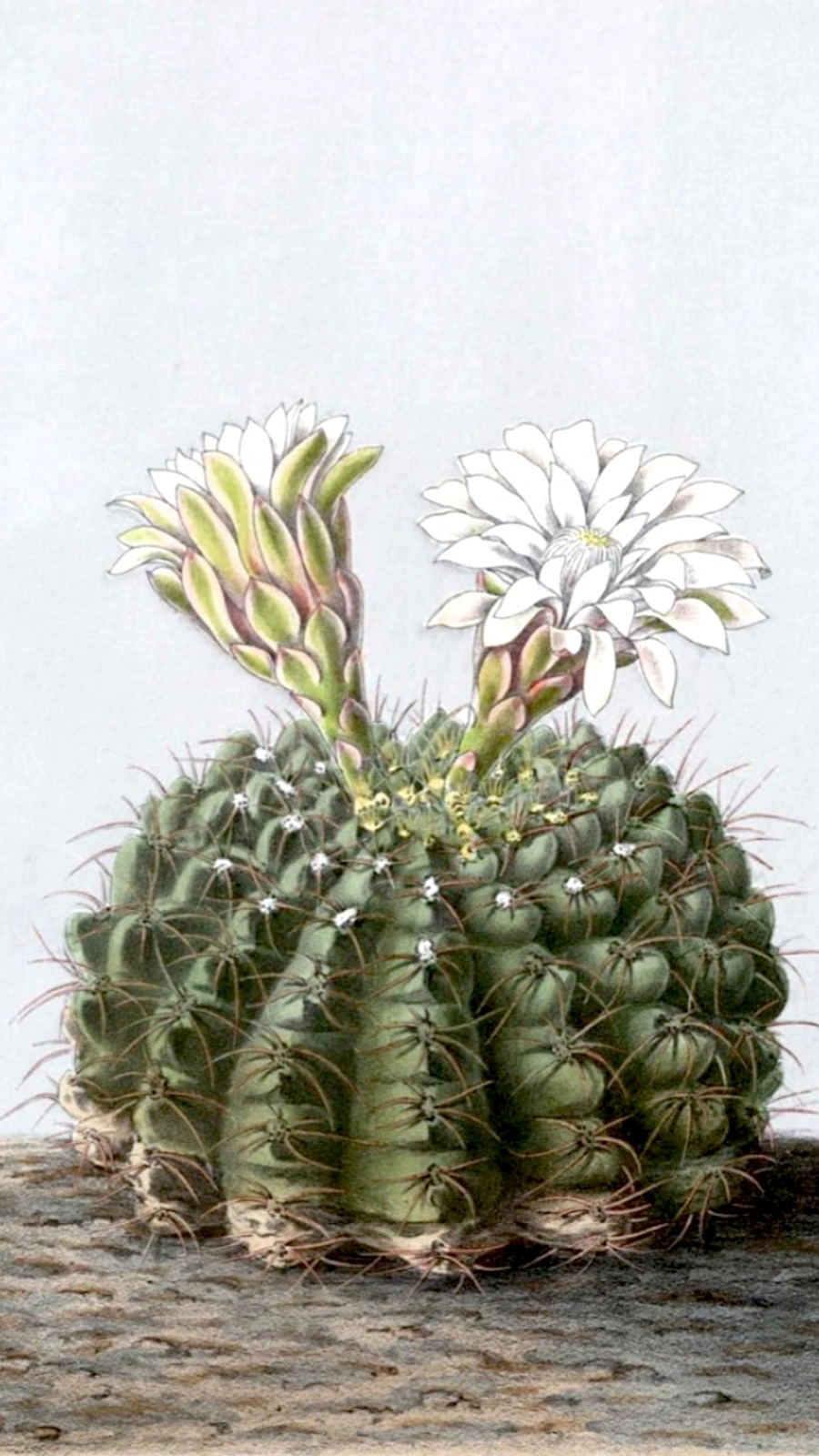
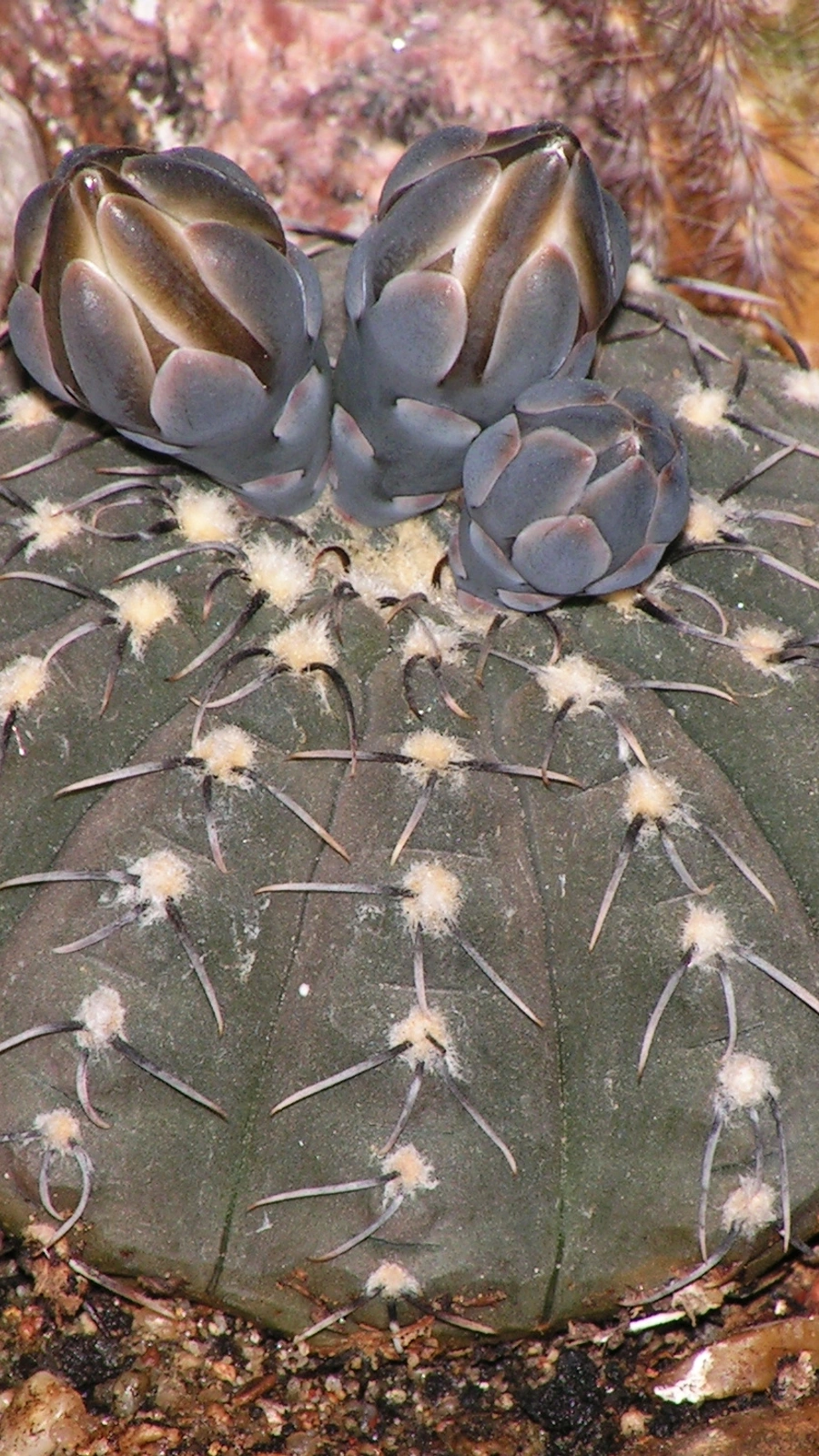
Chin Cactus (Gymnocalycium quehlianum)
Gymnocalycium quehlianum is a widely cultivated, slow-growing globose cactus highly favored by succulent enthusiasts for its flattened disk-like stem and showy, bi-colored summer blooms. It is a highly resilient succulent subshrub that easily adapts to windowsill culture 1.
Belonging to the family Cactaceae and the genus Gymnocalycium, the species epithet honors Leopold Quehl, a German cactus connoisseur. The genus name translates from Greek as 'naked calyx', referring to the characteristic hairless and spineless flower buds 2.
This species is endemic to central Argentina, particularly dominant in the rocky regions of Córdoba and San Luis. It thrives in subtropical, semi-arid environments, growing at elevations between 500 and 1500 meters above sea level under the light shade of grasses or small shrubs 1.
The body is solitary, flattened-globular, reaching up to 15 cm in diameter and 4-6 cm in height. The skin displays a dull grey-green, bronze, or purplish hue. Areoles bear 5 to 7 spider-like, radials that lie flat against the stem. In late spring and summer, it produces satiny white to pale pink flowers with a striking reddish throat.
It prefers bright, indirect sunlight or filtered sun. During the active growing season, it responds well to moderate watering, whereas it requires a completely dry rest period in winter 2. It can withstand brief temperature drops down to -5°C if kept bone dry.
Overwatering and poorly draining soil are the leading causes of root rot. Inadequate light causes etiolation, where the flattened stem loses its characteristic shape and stretches unnaturally.
Bright indirect sunlight or morning sun with light afternoon shade is best.
Allow soil to dry fully between waterings; keep almost completely dry in winter.
Extremely porous mineral mix with pumice, perlite, and coarse sand.
Spines are relatively soft and flat, making it safer than most cacti. Non-toxic.
Very easy to care for and highly recommended for beginners.
Native to the rocky hillsides and grassy plains of Córdoba and San Luis in Argentina, where it enjoys partial protection from harsh sun under low scrub vegetation.
