
Light
Direct Sun
Requires at least 6 hours of direct sunlight daily; partial shade will cause etiolation.
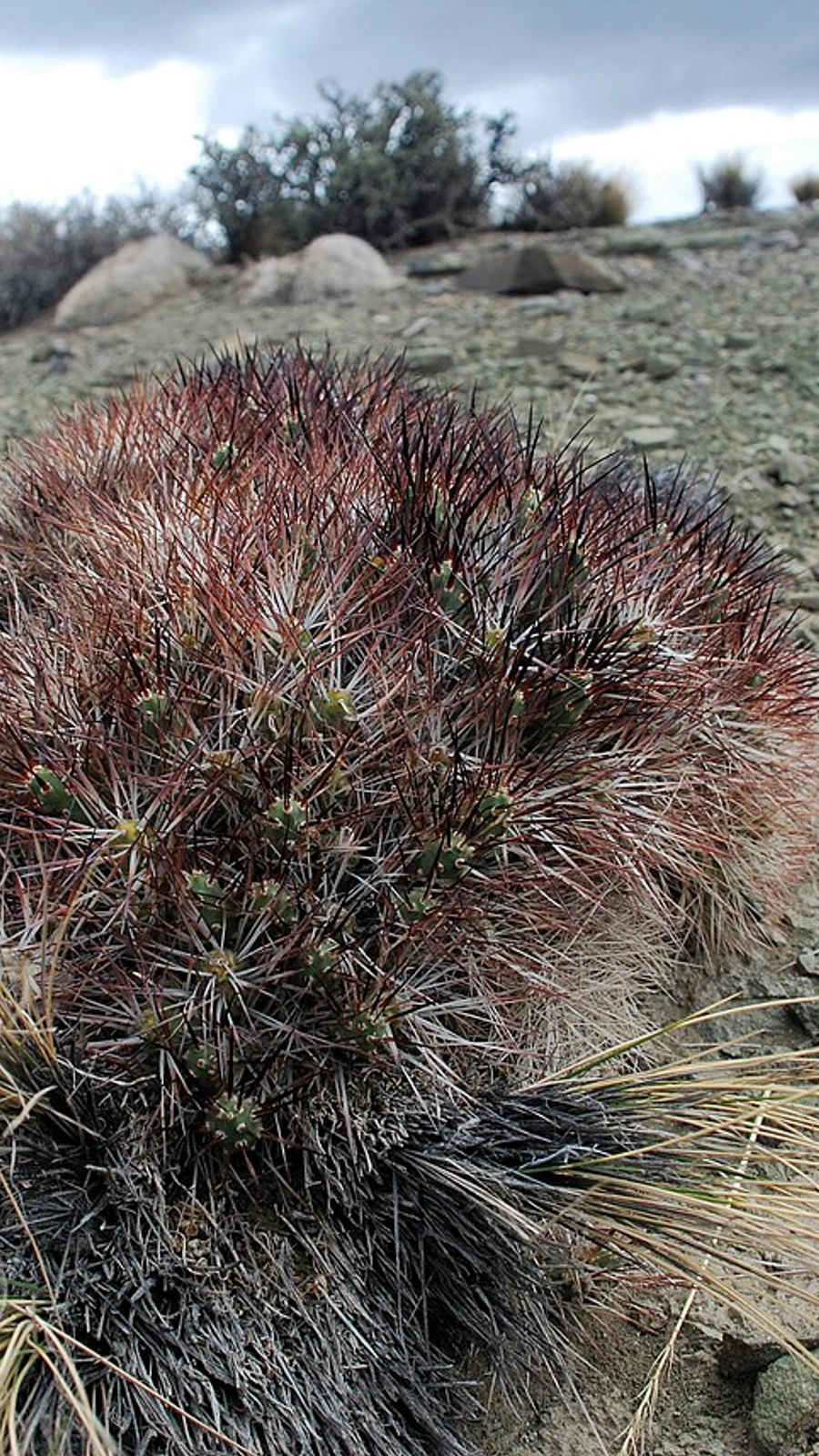
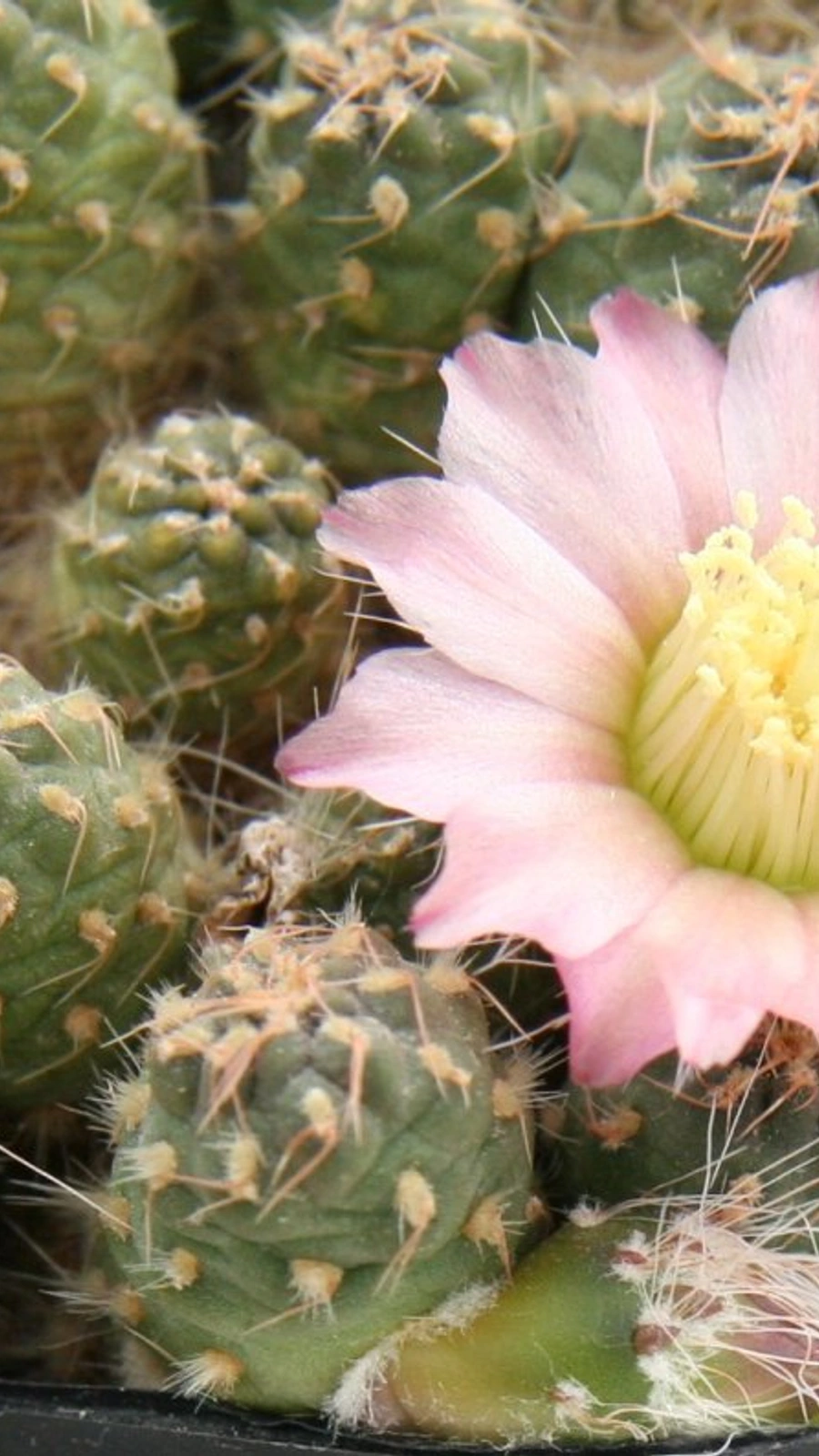
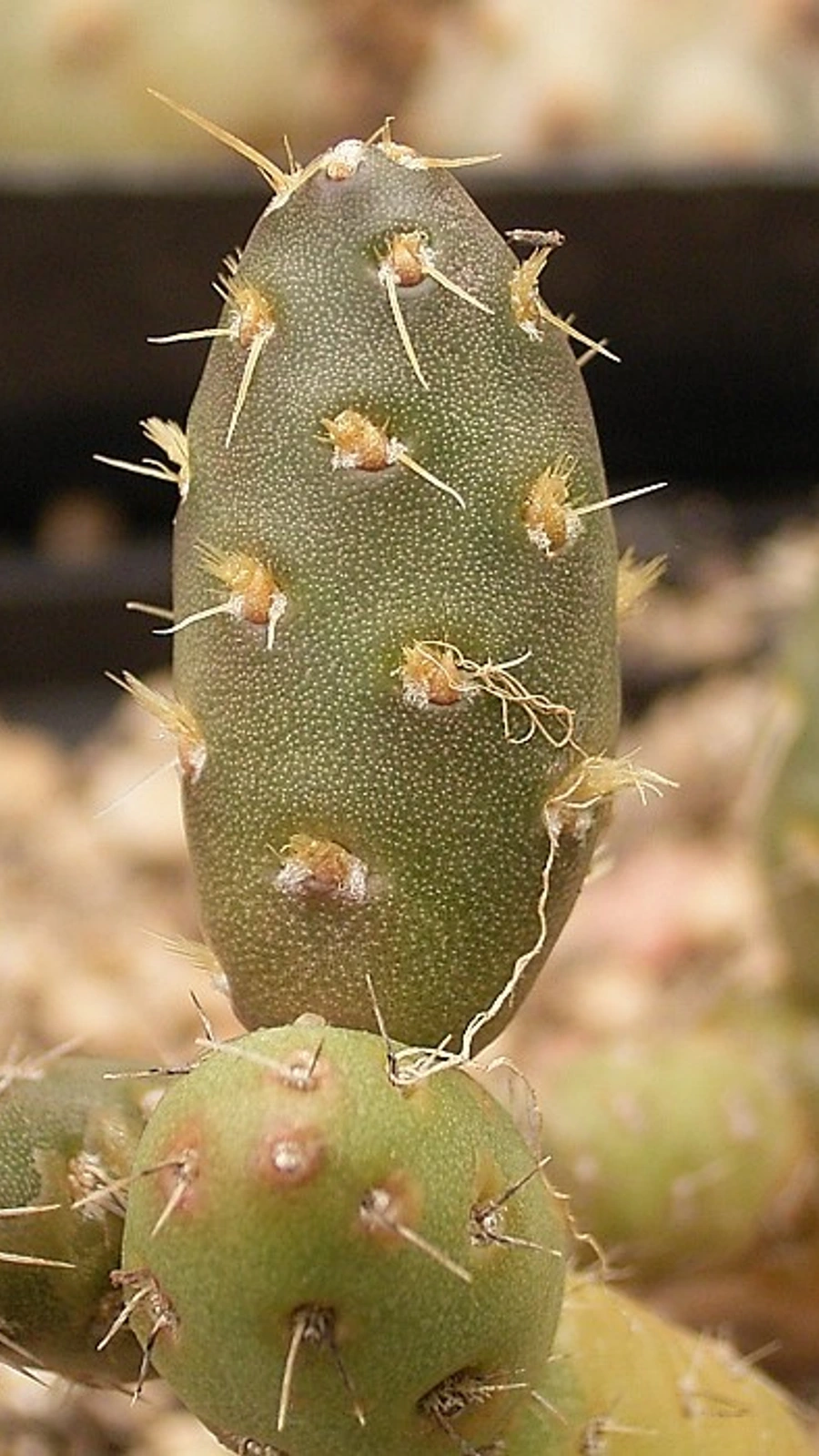 Reference image
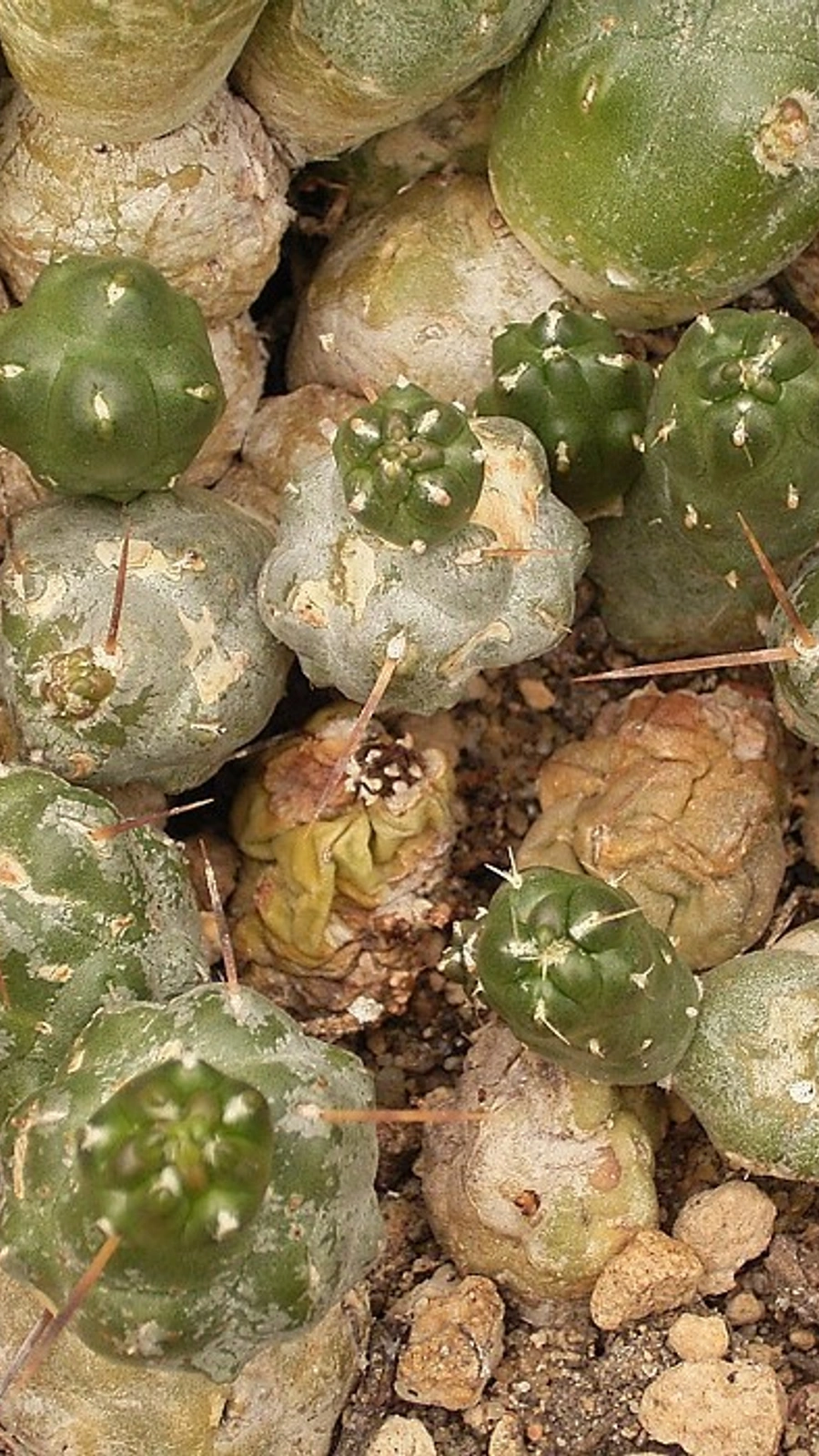 Reference image
Minute Maihueniopsis
Maihueniopsis minuta is a highly compact, cushion-forming alpine cactus belonging to the family Cactaceae 1. Renowned for its small egg-shaped segments and extreme resilience to harsh environments, it is a prized specimen for specialized succulent collectors.
Originally described under the genus Tephrocactus as Tephrocactus minutus, taxomomists later transferred it to the genus Maihueniopsis 2. The specific epithet "minuta" directly references its miniature stem segments and diminutive growth habit.
This species is native to the high-altitude regions of northwestern Argentina, spanning provinces like Salta, Jujuy, and Catamarca at elevations of 2,000 to 4,000 meters above sea level 1. It thrives in gravelly, rocky mountain slopes exposed to intense solar radiation, strong winds, and freezing night temperatures.
Maihueniopsis minuta forms low-growing, dense mats or cushions that barely rise above the ground. The individual stem segments are globose to ovoid, olive-green to greyish-green. The small areoles carry minuscule, sharp spines and irritating glochids 2. In late spring, it produces relatively large, bright yellow flowers.
In cultivation, this high-mountain specialist demands exceptional drainage and maximum air circulation. It should be grown in a highly mineral-based soil mix primarily composed of pumice, grit, and lava rock. Water sparingly during the warm growing season.
Overwatering and high ambient humidity are the primary causes of failure, quickly leading to root and stem rot 1. Keeping the plant in poorly lit indoor locations will cause etiolation, ruining its compact, cushion-like natural form.
Requires at least 6 hours of direct sunlight daily; partial shade will cause etiolation.
Never water until the soil is bone dry; keep completely dry during winter dormancy.
Maximize drainage by adding plenty of perlite, pumice, and lava rock to cactus soil.
Features small but sharp spines and irritating glochids; handle with tweezers or thick gloves.
A high-altitude alpine plant; highly sensitive to high humidity and stagnant air.
Naturally inhabits the high-altitude rocky slopes and alpine screes of the northwestern Argentine Andes under harsh, dry conditions.
