
Light
Bright Indirect Light
Requires abundant bright, filtered sunlight; protect from intense midday summer sun.
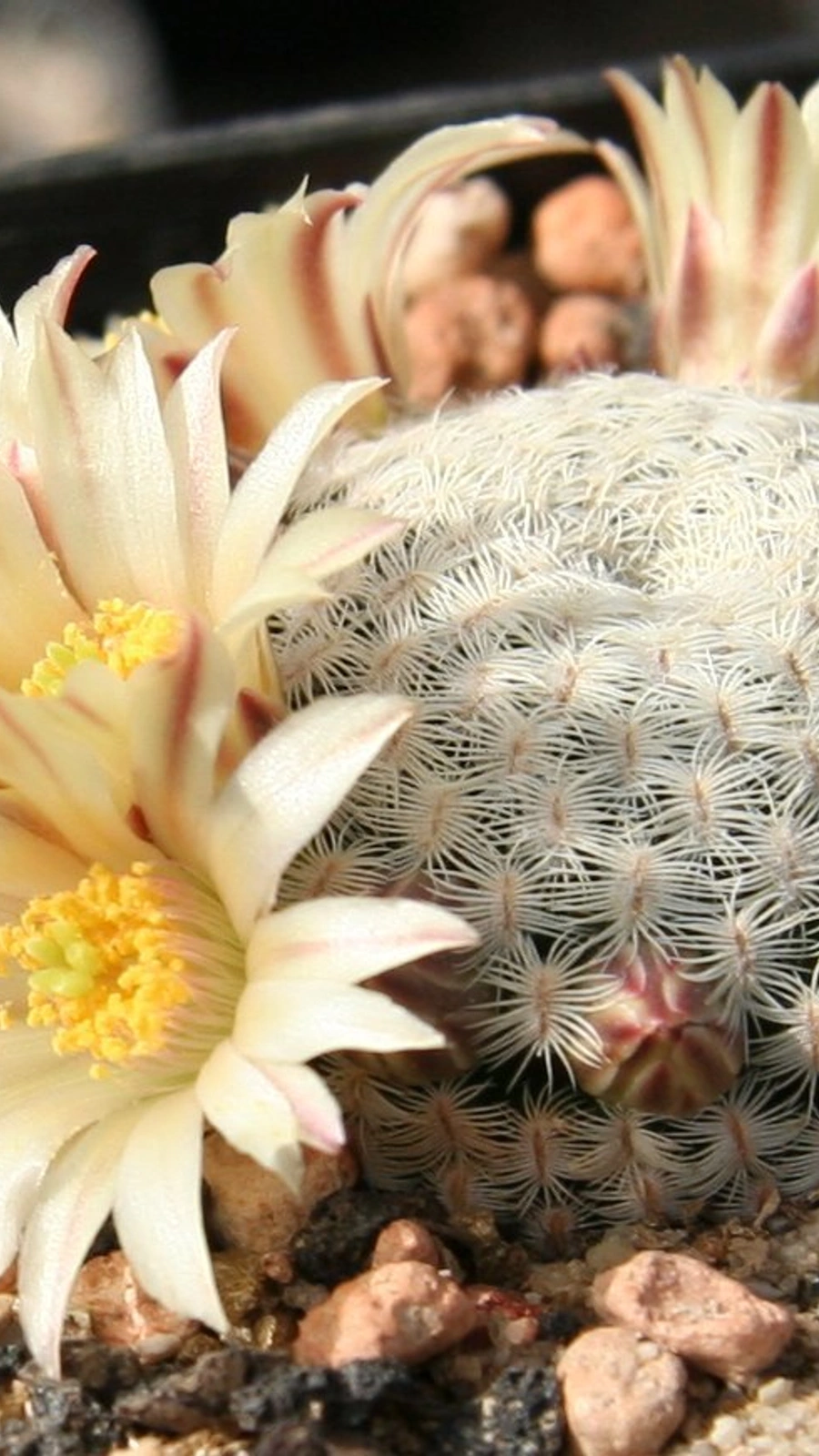
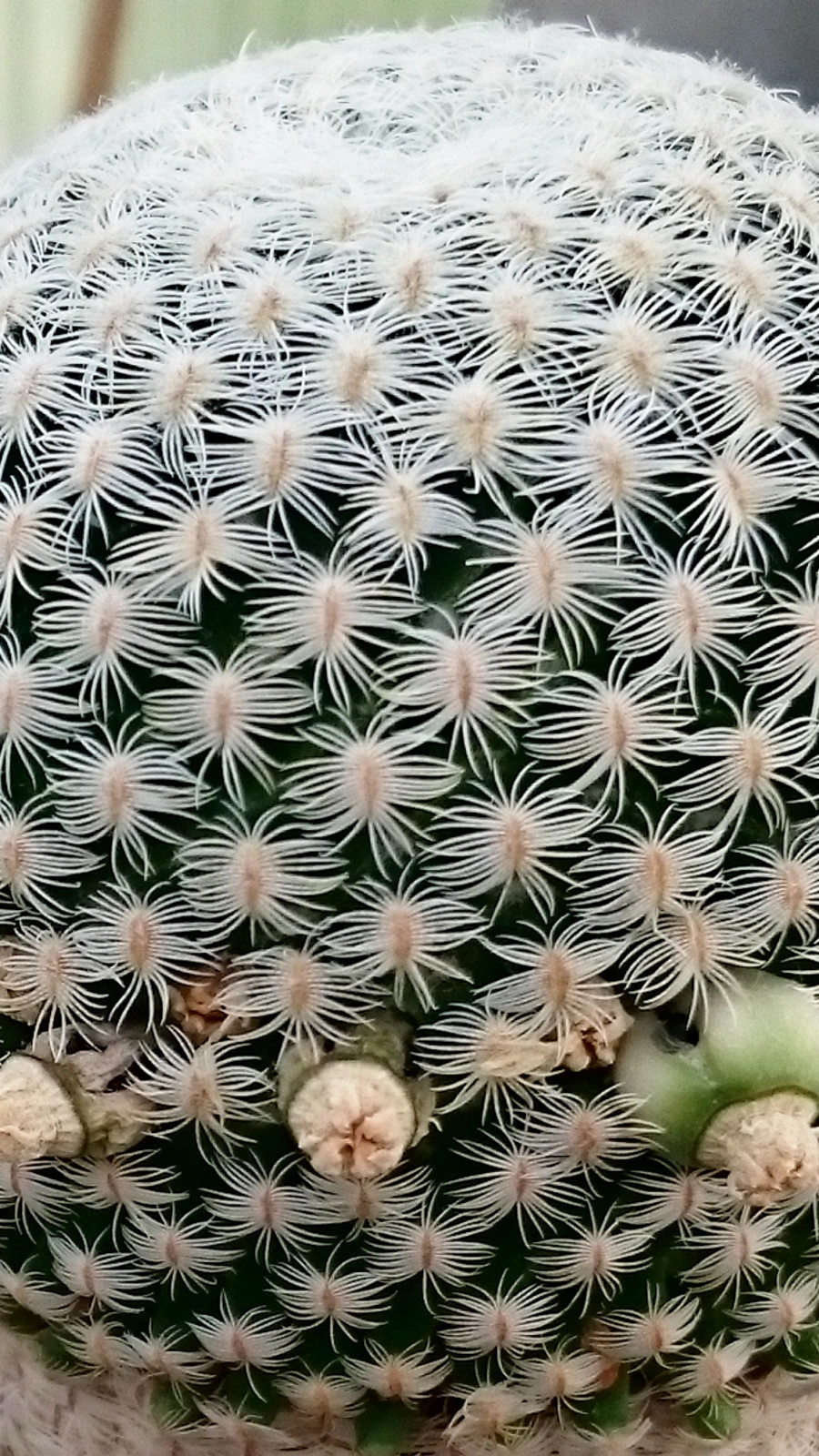
Solis-like Mammillaria
Mammillaria solisioides is a highly sought-after, miniature cactus species belonging to the Cactaceae family, renowned among collectors for its compact growth and symmetrical spine pattern 1. The specific epithet "solisioides" highlights its resemblance to the closely related Solisia genus (now consolidated under Mammillaria).
Originally described by Curt Backeberg in 1952 as Solisia solisioides, later taxonomic reviews integrated the species into the genus Mammillaria based on floral structures and modern genetic sequencing 2. It is commonly known as the Solis-like Mammillaria.
This species is endemic to southern Mexico, specifically found in the states of Puebla and Oaxaca. It is restricted to the Tehuacán-Cuicatlán Valley, where it grows on steep limestone slopes and dry scrublands 1. Due to heavy illegal collection and habitat degradation, it is listed as Critically Endangered (CR) on the IUCN Red List.
The stem is usually solitary, globose to slightly cylindrical, reaching only 2-4 cm in diameter. The small tubercles are completely covered by up to 25 pectinately arranged, creamy-white radial spines that lie flat against the stem. Central spines are absent. The bell-shaped flowers are yellowish-cream, blooming in late autumn or winter around the crown 2.
It demands an extremely porous, mineral-rich substrate with exceptional drainage. Although it enjoys bright conditions, protection from scorching midday sun is essential to prevent epidermal burns. Water thoroughly only when the substrate is completely dry, and maintain strict dry winter dormancy.
The most prevalent error is using peat-heavy organic soils and continuing irrigation during cold winter months, which quickly leads to lethal root rot. Insufficient light causes etiated, weak growth that ruins its symmetrical habit.
Requires abundant bright, filtered sunlight; protect from intense midday summer sun.
Allow soil to dry out completely before watering. Suspend watering during winter.
Highly porous, grit-rich mineral substrate containing pumice, sand, and limestone.
Non-toxic to pets, but the comb-like spines can prick; handle with care.
Moderate to hard due to its susceptibility to overwatering and root sensitivity.
Restricted to the dry limestone hillsides and semi-desert shrublands of southern Mexico, particularly endemic to the Tehuacán-Cuicatlán Biosphere Reserve.
