
Light
Full Sun
Requires full sun or intense direct light to thrive and bloom.
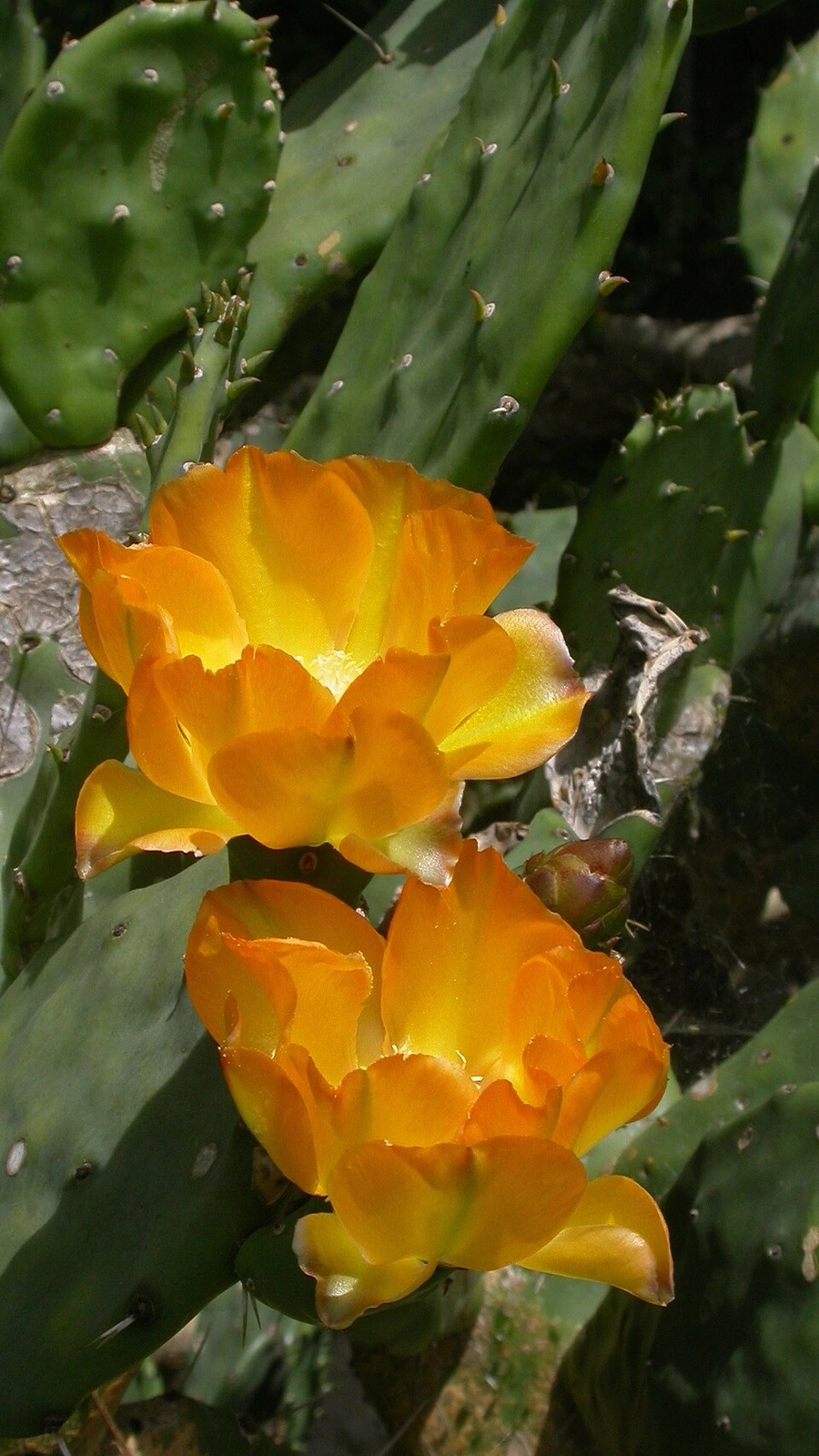
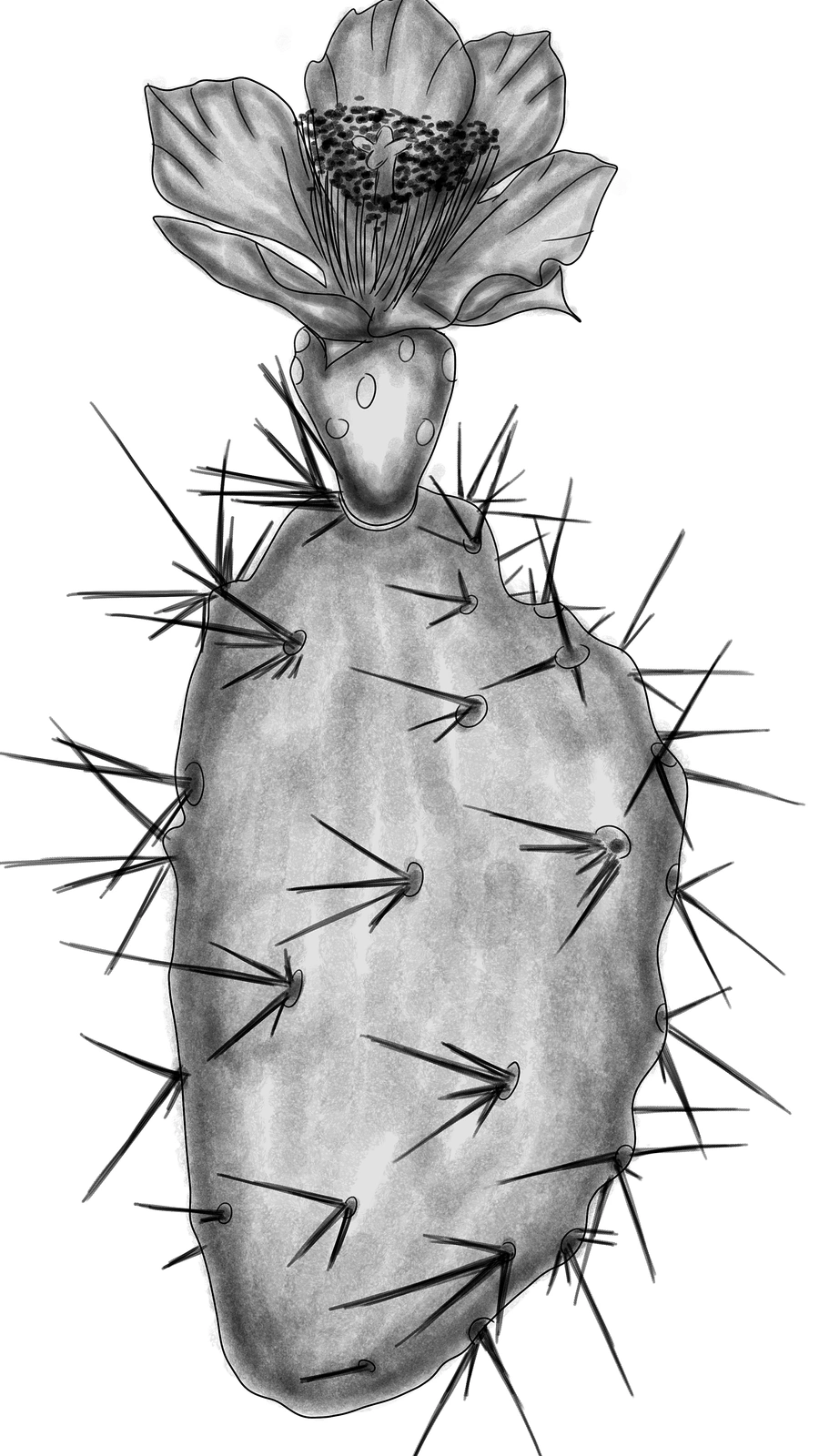
Orange Tuna Cactus
Opuntia elata is a shrubby cactus species belonging to the genus Opuntia within the Cactaceae family. Known for its smooth, glossy green pads and vibrant orange blooms, it is a highly resilient and ornamental succulent shrub.
Opuntia elata was formally described in 1834 1. The genus name "Opuntia" refers to the ancient Greek city of Opus, where a spiny plant was historically located, while the specific epithet "elata" translates to "tall" or "elevated" in Latin, reflecting its upright growth habit 2.
This species is native to southern South America, including regions of Argentina, Brazil, Paraguay, and Uruguay 1. It thrives primarily in seasonally dry tropical biomes, growing in rocky savannas, dry scrublands, and sandy plains.
Opuntia elata is an erect, branched shrub that can reach heights of 1 to 2 meters, developing a woody base over time. The stem segments (cladodes) are obovate to oblong, glossy dark green, and thick. The areoles are mostly spineless or bear only a few yellowish spines, though they do contain tiny, irritating glochids. During summer, it produces bright orange or yellow-orange cup-shaped flowers, followed by reddish-purple, pear-shaped fruits 2.
In cultivation, Opuntia elata requires full sun to maintain its compact growth and produce flowers. It is highly drought-tolerant and must be planted in gritty, well-draining soil. Water only when the potting medium is dry, and suspend watering almost completely during the cold winter dormancy 1.
Overwatering is the primary cause of failure, quickly leading to root rot. Growing the plant in dim light causes weak, leggy pads (etiolation) and prevents flowering.
Requires full sun or intense direct light to thrive and bloom.
Allow soil to dry out completely between waterings; keep dry in winter.
Excellent drainage is essential. Use a coarse mix of grit, pumice, and soil.
Not toxic to pets, but watch out for fine, irritating glochids (micro-spines).
Very easy to care for and highly tolerant of neglect.
Naturally distributed across the seasonally dry tropical zones of Argentina, Brazil, Paraguay, and Uruguay, thriving in rocky soils and open scrublands.
