
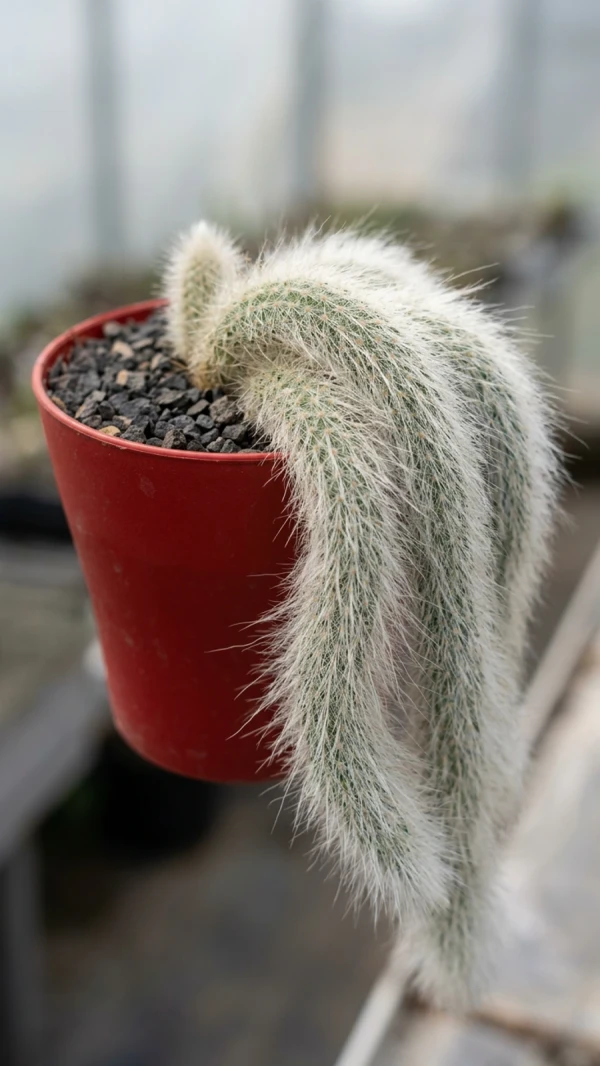
 Representative AI image
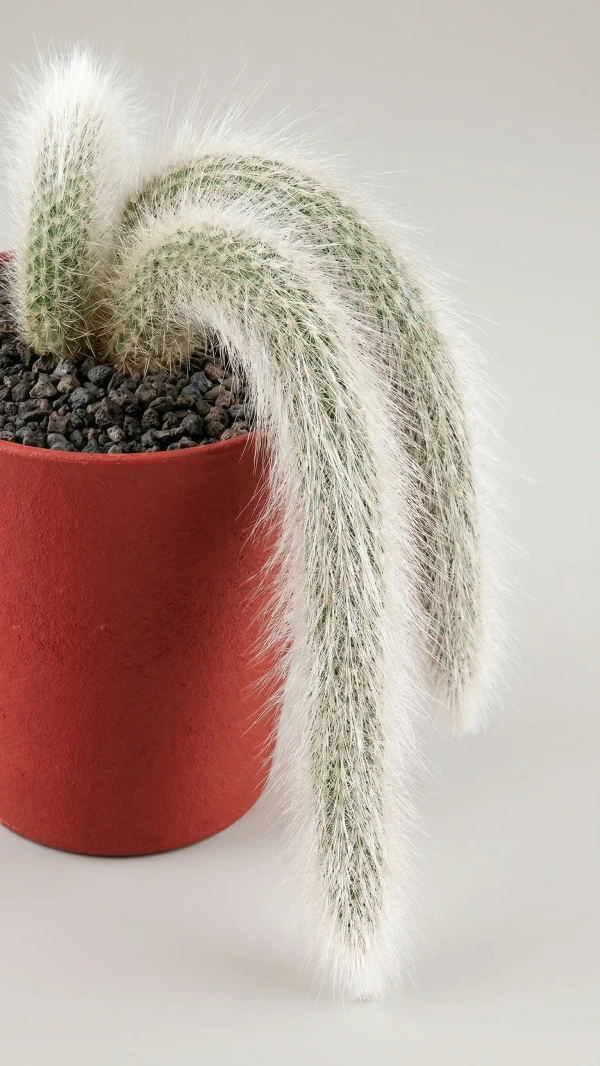 Representative AI image
Cleistocactus colademononis
Monkey's Tail Cactus
Cleistocactus colademononis (Monkey's Tail Cactus) - Bring Playfulness to Your Home
Cleistocactus colademononis, commonly known as the Monkey's Tail Cactus, is a truly unique cactus species, instantly recognizable by its long, cascading, and furry stems. This captivating plant boasts "tails" covered in soft, white, hair-like spines, creating an invitingly tactile texture. When displayed in hanging baskets or on elevated shelves, its stems gracefully trail downwards, adding a dynamic and exotic flair to your living space.
Upon maturity, typically in spring or summer, it produces vibrant red or pink tubular flowers. These blooms offer a striking contrast against its fuzzy stems, creating a spectacular visual display. The Monkey's Tail Cactus is remarkably easy to care for, making it an excellent choice for both seasoned collectors and those new to the world of cacti and succulents. With minimal water requirements and a love for bright light, it promises to bring joy and a lively, eye-catching presence to your home or office.
Optimal: 22 °C
The live `bright_indirect` operational enum is preserved; increase light gradually and monitor the stem beneath the hair-like spine cover for scorch behind hot glass.
Use a highly porous mix with abundant pumice and coarse mineral material, limit the organic fraction and choose a stable container for trailing stems.
Do not use a fixed-day calendar; water in a controlled cycle after the pot profile and root zone have dried, and extend the interval substantially in cool or low-light periods.
Live operational care class: moderate.
Frequently Asked Questions
What is the accepted name?
What is its native range?
How often is it watered?
What medium is suitable?
What light is suitable?
Are synonyms separate species routes?
Does one photograph prove identity?
Is conservation status based on retail stock?
Reviews
There are no reviews for this product yet.
Recently Viewed
Care reminder list
Get seasonal care reminders for this product at your preferred frequency. You can change the email address below and unsubscribe from any reminder email.
