KD_ECHINOCEREUS_POSELGERI_001

Echinocereus poselgeri

Rosebud Cactus

TRY 2,860
In Stock
Last one

Echinocereus poselgeri: The Enchantment of Rosebuds

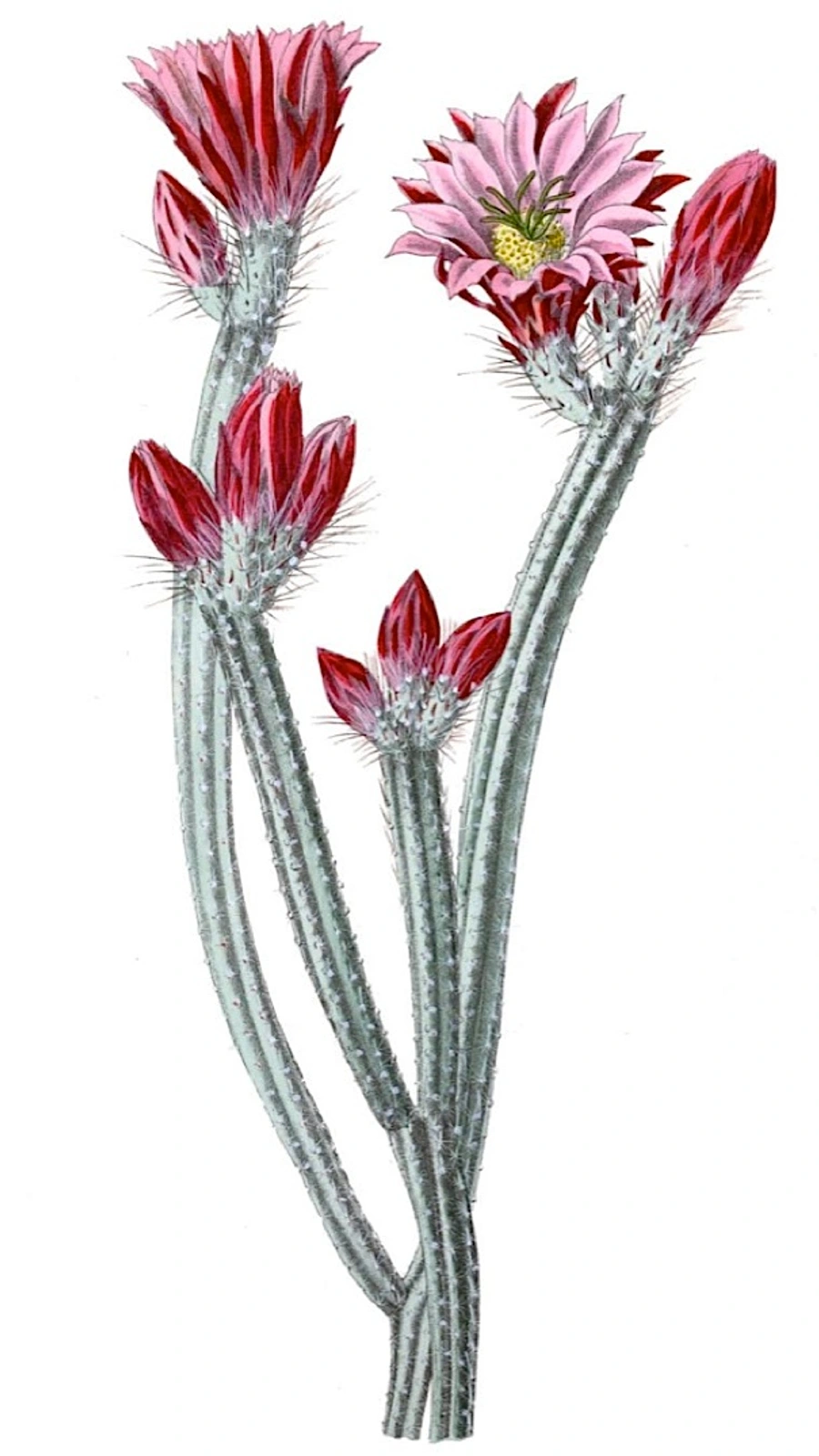
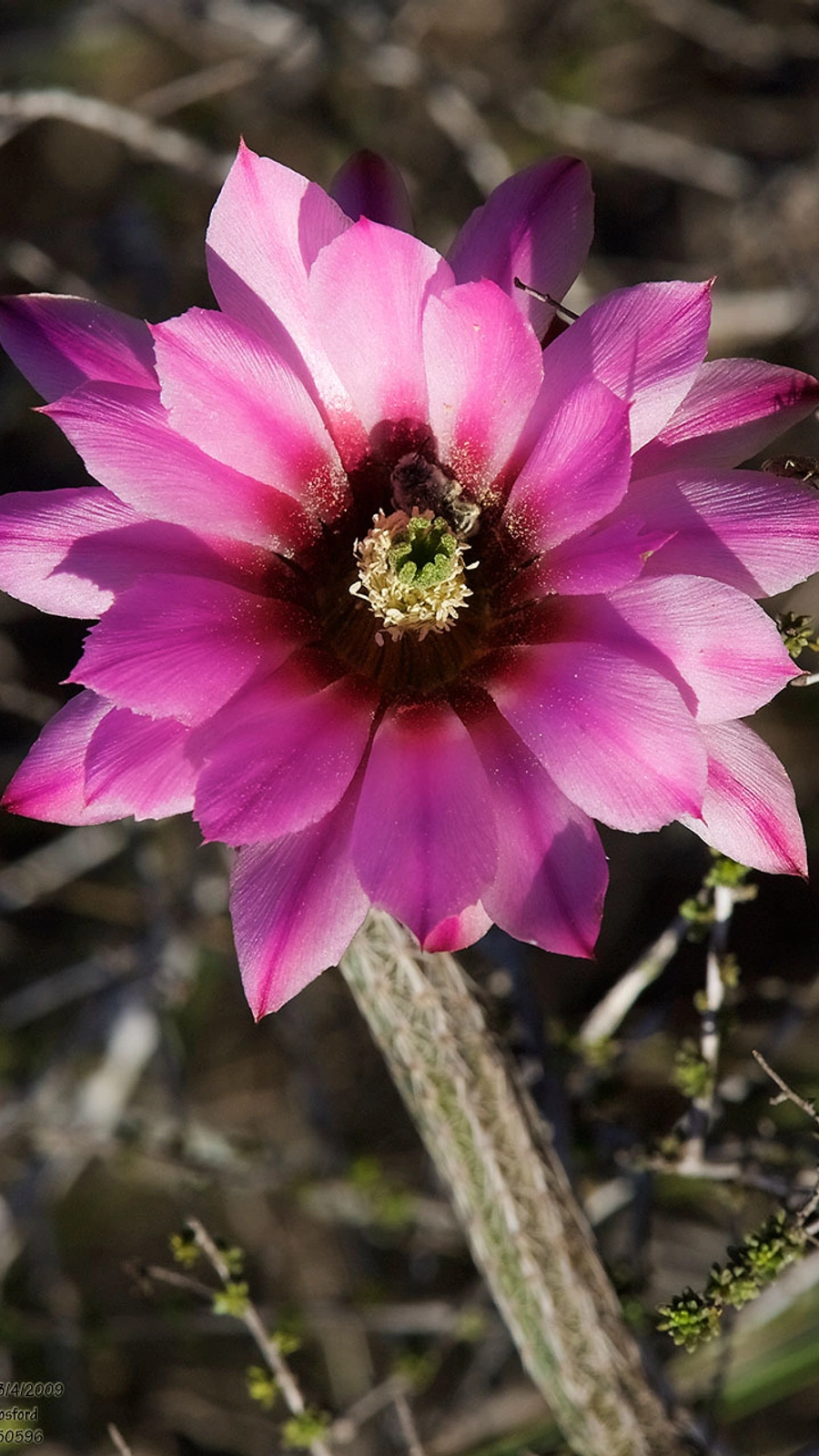
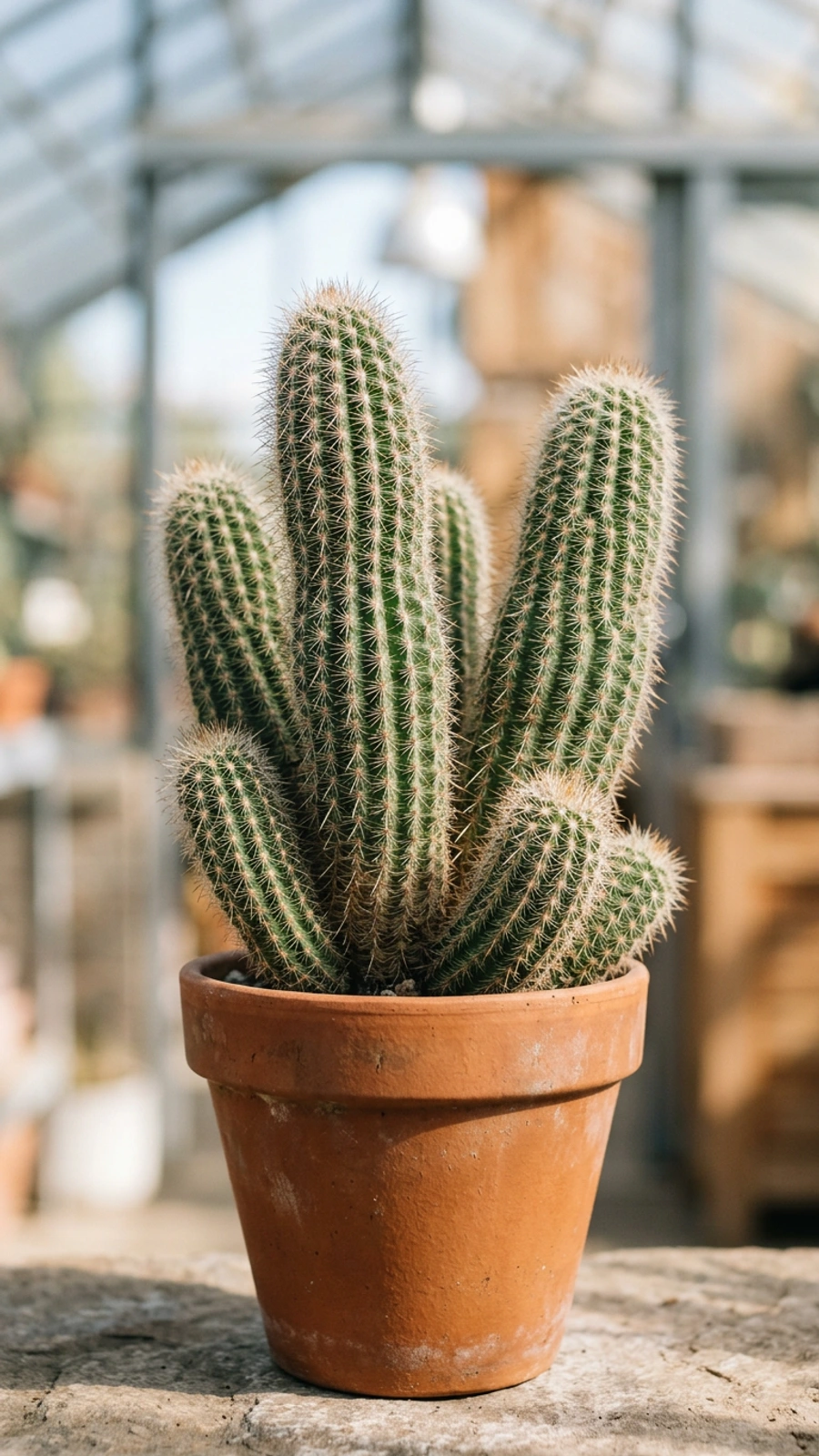
Echinocereus poselgeri, commonly known as the "Rosebud Cactus," is an elegant and resilient species. Distinguished by its cylindrical stems and prominent spines, this cactus offers a visual feast with vibrant flowers blooming in late spring or early summer under the right conditions. Its rose-like flowers, often in shades of pink or purple, are the origin of its charming common name.

Why Choose Echinocereus poselgeri?

  • Easy Care: Ideal for beginners in cactus collecting or those seeking low-maintenance plants.
  • Sun-Loving: Thrives in direct sunlight and exhibits its best growth when receiving ample light.
  • Flowering Period: Brings spring and summer to your home with spectacular, recurring blooms each year.

This special cactus carries the wild and captivating spirit of the desert to any environment it inhabits. It's a perfect choice to enrich your space with a minimalist touch or to complete your cactus collection with a rare beauty. With Kaktüs Doktoru's assurance, acquire a healthy and easy-to-care-for Echinocereus poselgeri and add joy to your plant-growing experience.

Free Shipping
Temperature
5-38 °C

Optimal: 25 °C

Light
Direct Sun

A south or west-facing window that receives at least 6 hours of direct sunlight is ideal. Insufficient light will lead to etiolated (stretched) growth.

Soil
Well-draining cactus and succulent mix

Use a specialized cactus and succulent mix that is airy and drains water quickly. Inorganic materials like pumice or perlite can constitute up to one-third of the soil blend.

Water
14-45 Days

Water thoroughly only after the soil has completely dried out. Avoid overwatering, especially in winter, as this can lead to root rot. When in doubt, it's better to underwater.

Difficulty
Easy

This cactus is relatively easy to care for when provided with the correct light and watering conditions. Its drought tolerance makes it suitable for beginner cactus enthusiasts.

Frequently Asked Questions

What is the ideal pot for Echinocereus poselgeri and when should it be repotted?
Well-draining ceramic or terracotta pots with drainage holes are ideal. Repotting should generally be done in spring when the plant outgrows its pot or its roots start emerging from the bottom. Only repot to a larger pot when necessary, not every year.
How often should the Rosebud Cactus be watered?
Watering frequency varies with the season. Water thoroughly when the soil is completely dry during summer, and once a month or less in winter. Always ensure the soil is completely dry before watering, as overwatering can lead to root rot.
How much light does this cactus need?
Echinocereus poselgeri thrives in abundant light, as it is exposed to direct sun in its natural habitat. Indoors, a south or west-facing window receiving at least 6 hours of direct sunlight is most suitable. Insufficient light will lead to weak and etiolated growth.
What is the best soil mix for Echinocereus poselgeri?
Use a specialized cactus and succulent soil mix that provides good drainage, containing sand, perlite, pumice, and a small amount of peat. This mix ensures water drains quickly and prevents root rot.
How can I encourage my Rosebud Cactus to bloom?
To encourage blooming, ensure your plant receives ample direct sunlight and undergoes a cool, dry dormancy period in winter. Fertilizing with a low-nitrogen, high-phosphorus cactus fertilizer in spring can enhance flowering.
How fast does Echinocereus poselgeri grow?
This cactus grows at a slow to moderate pace. Stems may elongate a few centimeters per year, and over time, it can produce new offsets to form clumps. Reaching full maturity may take several years.
What are the common pests of the Rosebud Cactus?
The most common pests are mealybugs, spider mites, and scale insects. You can remove them by applying alcohol with a cotton swab or using an appropriate insecticide. Good air circulation helps prevent pest infestations.
Does Echinocereus poselgeri need fertilizer?
During the growing season in spring and summer, you can use a balanced or low-nitrogen cactus and succulent fertilizer, mixed with water, once a month. Discontinue fertilization in winter.
How should Echinocereus poselgeri be cared for during winter?
During winter, the plant enters a dormancy period. Significantly reduce or completely stop watering, and keep the plant in a cool, frost-free location between 5-10°C (41-50°F). This dormancy encourages spring blooming.
Is Echinocereus poselgeri toxic to pets?
Echinocereus poselgeri itself is not listed as toxic and is not known to be poisonous to pets if ingested. However, due to its spines, which can cause physical irritation or injury, it is advisable to keep the plant out of reach of pets.

Reviews

There are no reviews for this product yet.

Care reminder list

Get seasonal care reminders for this product at your preferred frequency. You can change the email address below and unsubscribe from any reminder email.