KD_GYMNOCALYCIUM_HORSTII_001

Gymnocalycium horstii

Horst's Gymnocalycium

TRY 2,264
In Stock

Gymnocalycium horstii: Easy Care, Striking Beauty

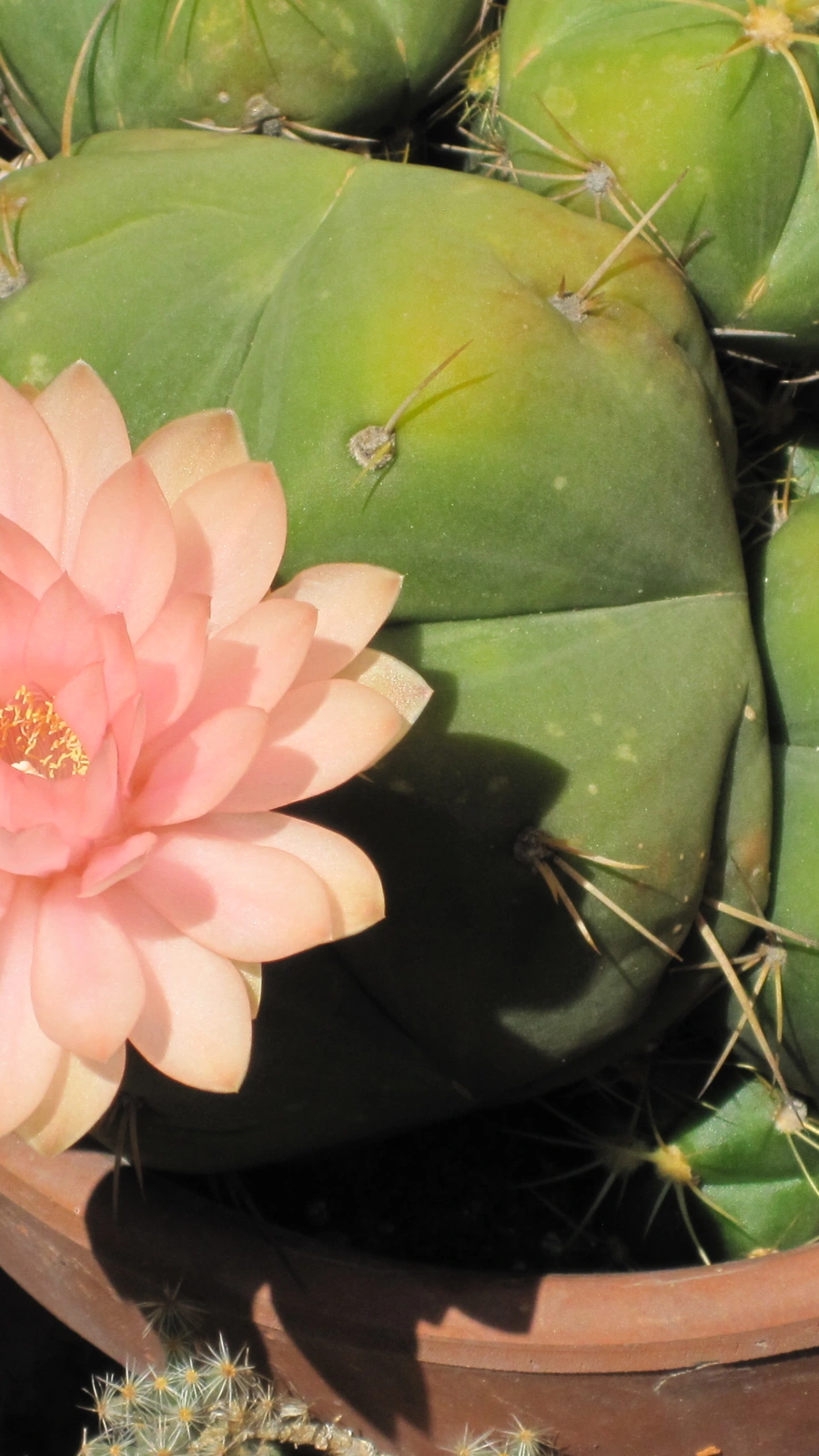
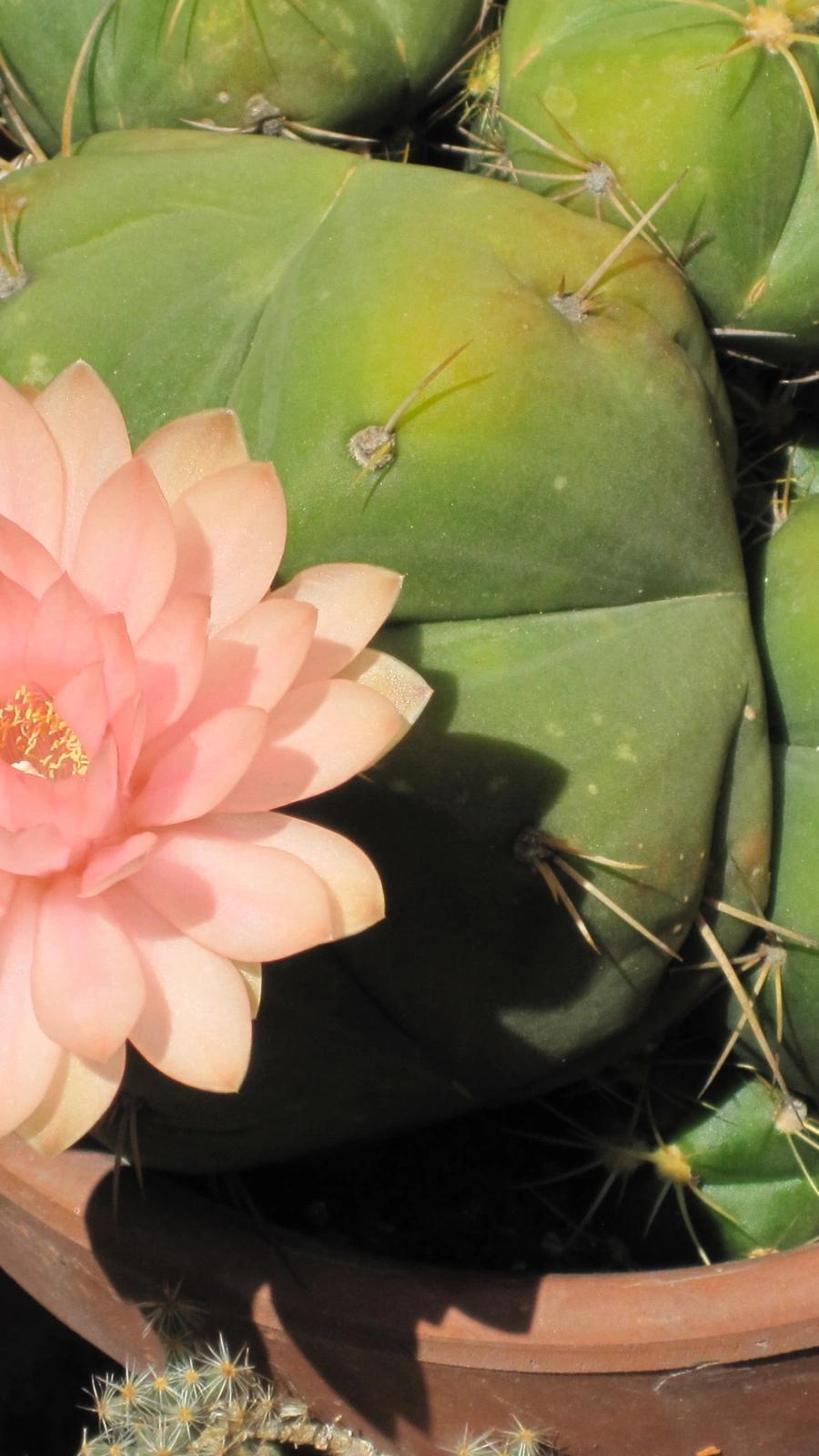
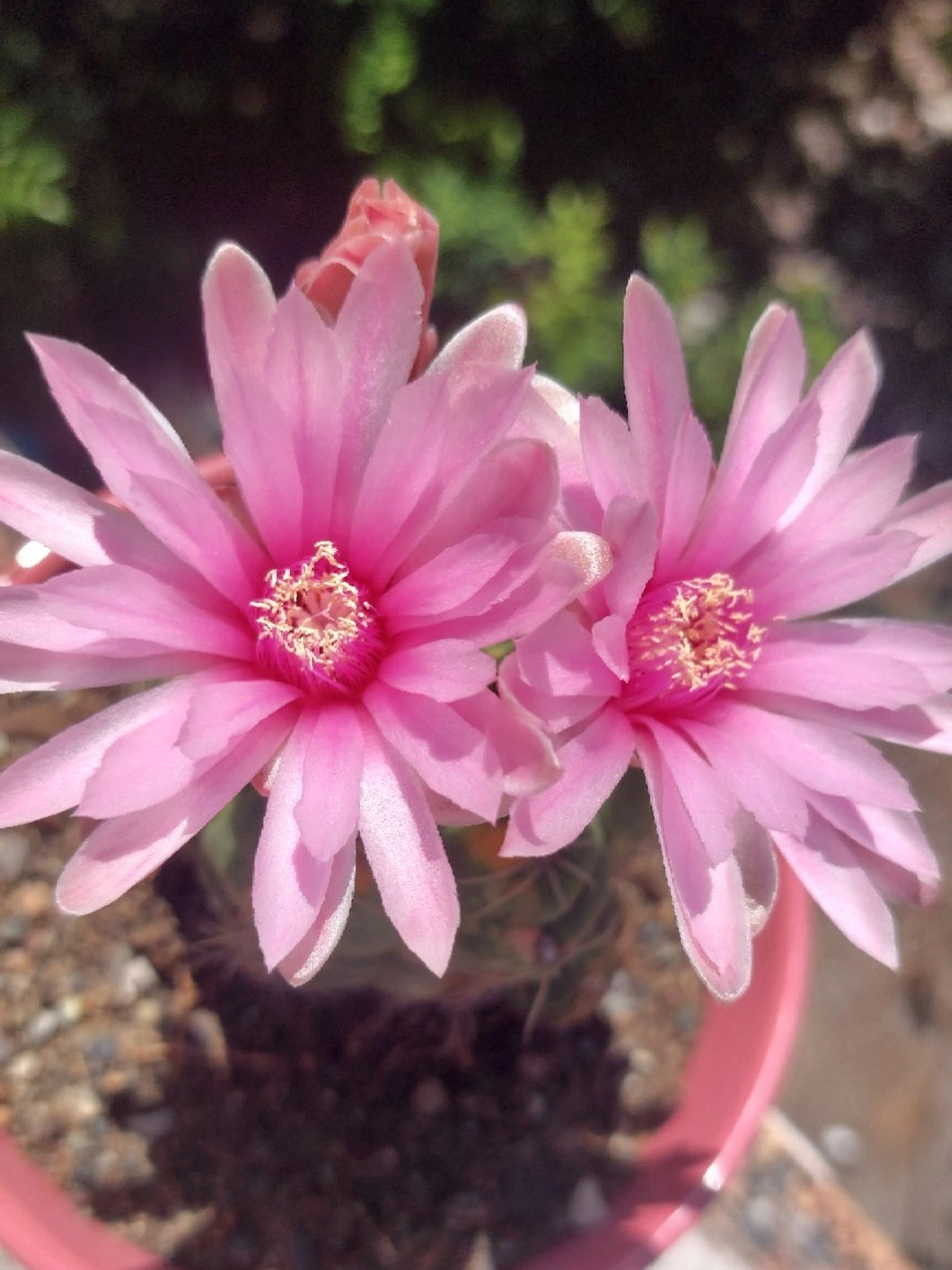
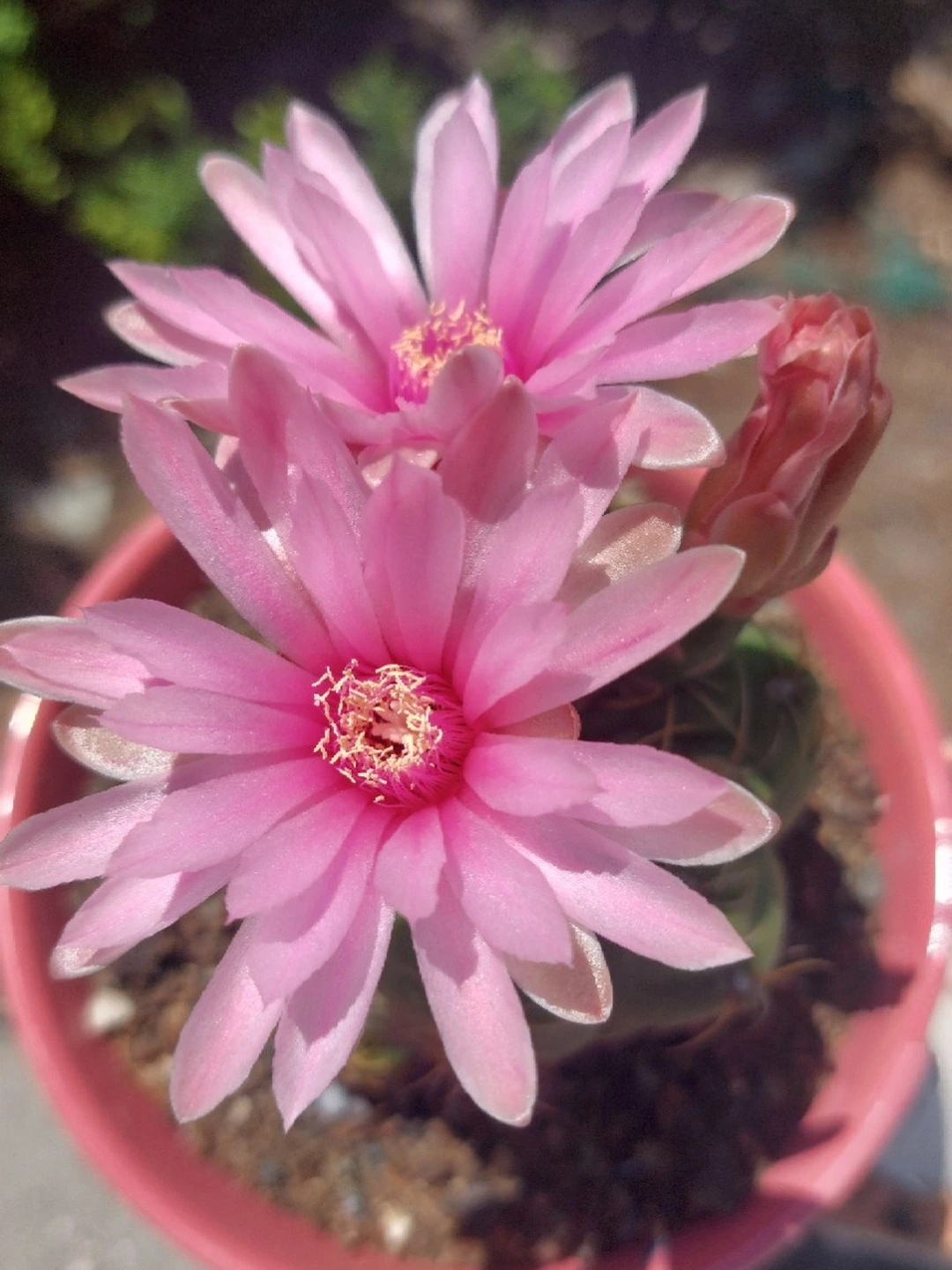
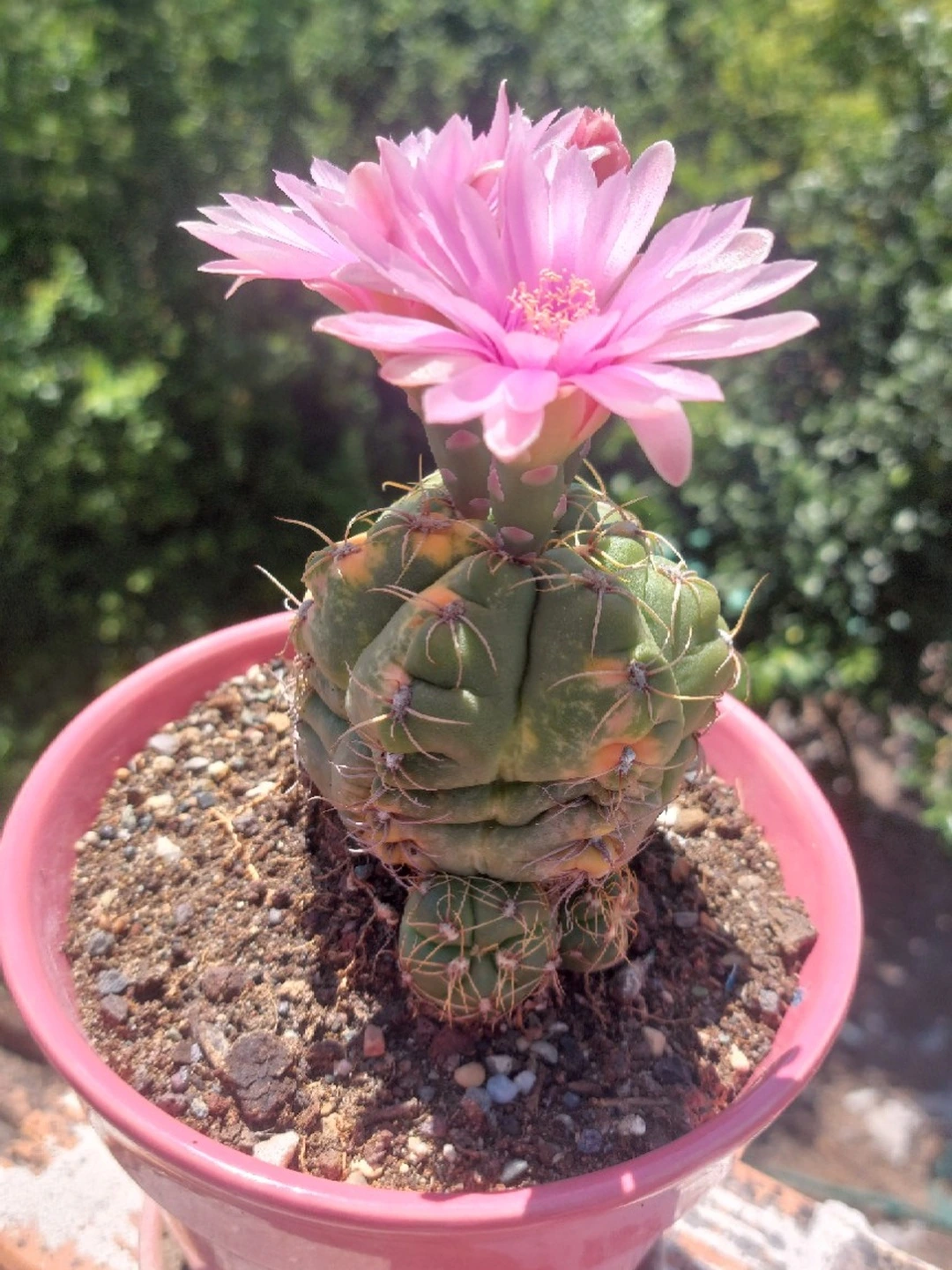
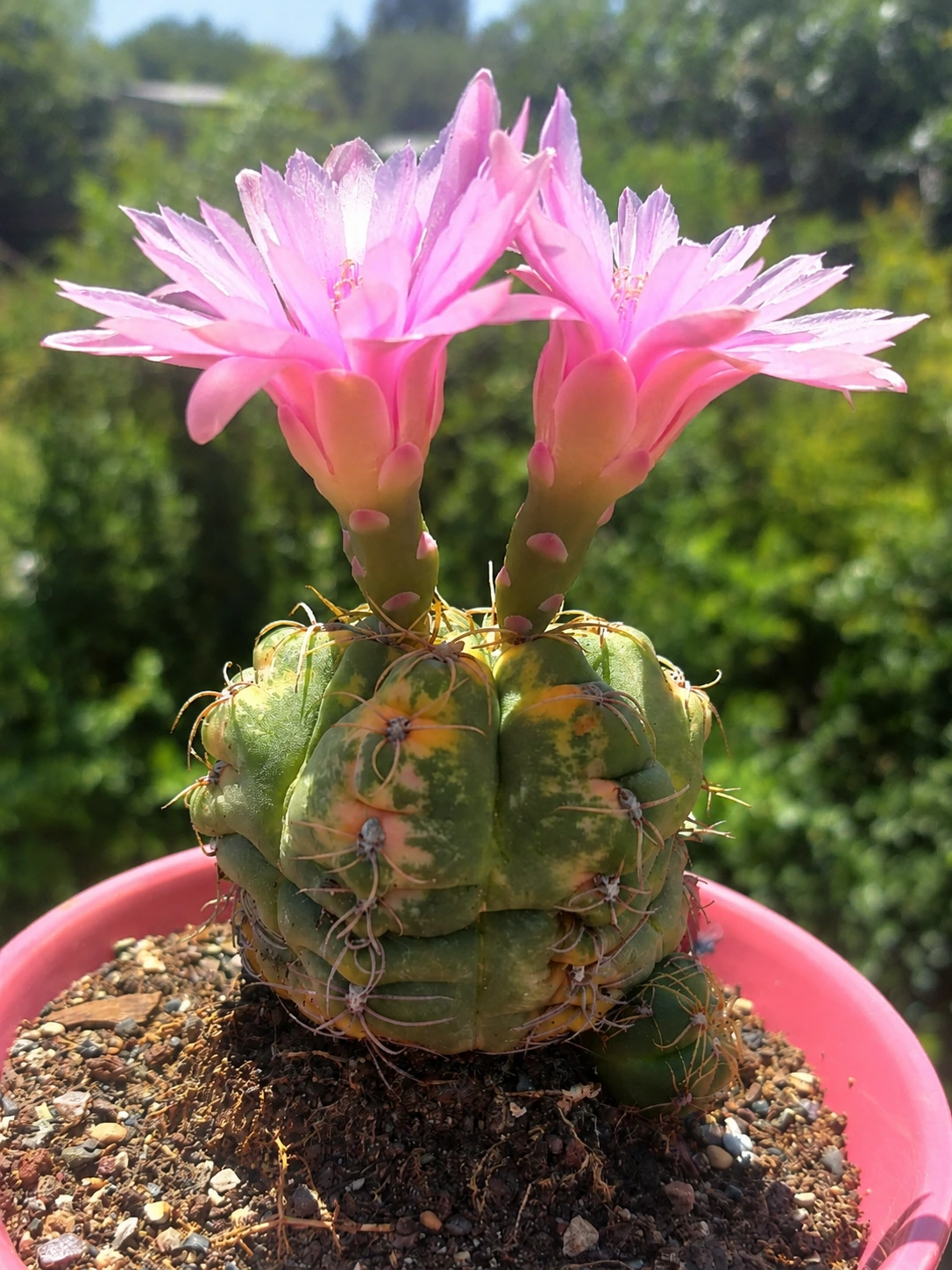
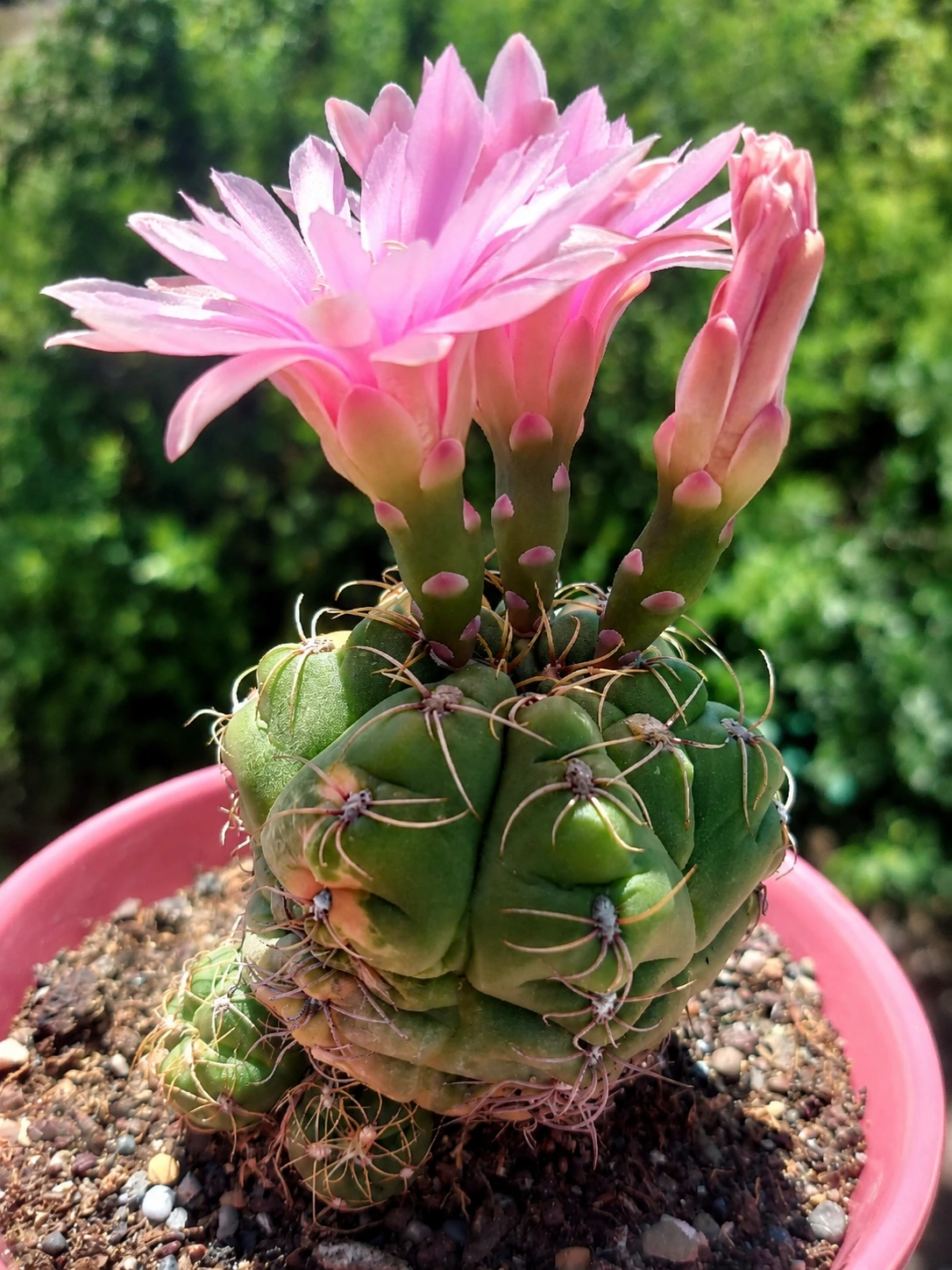
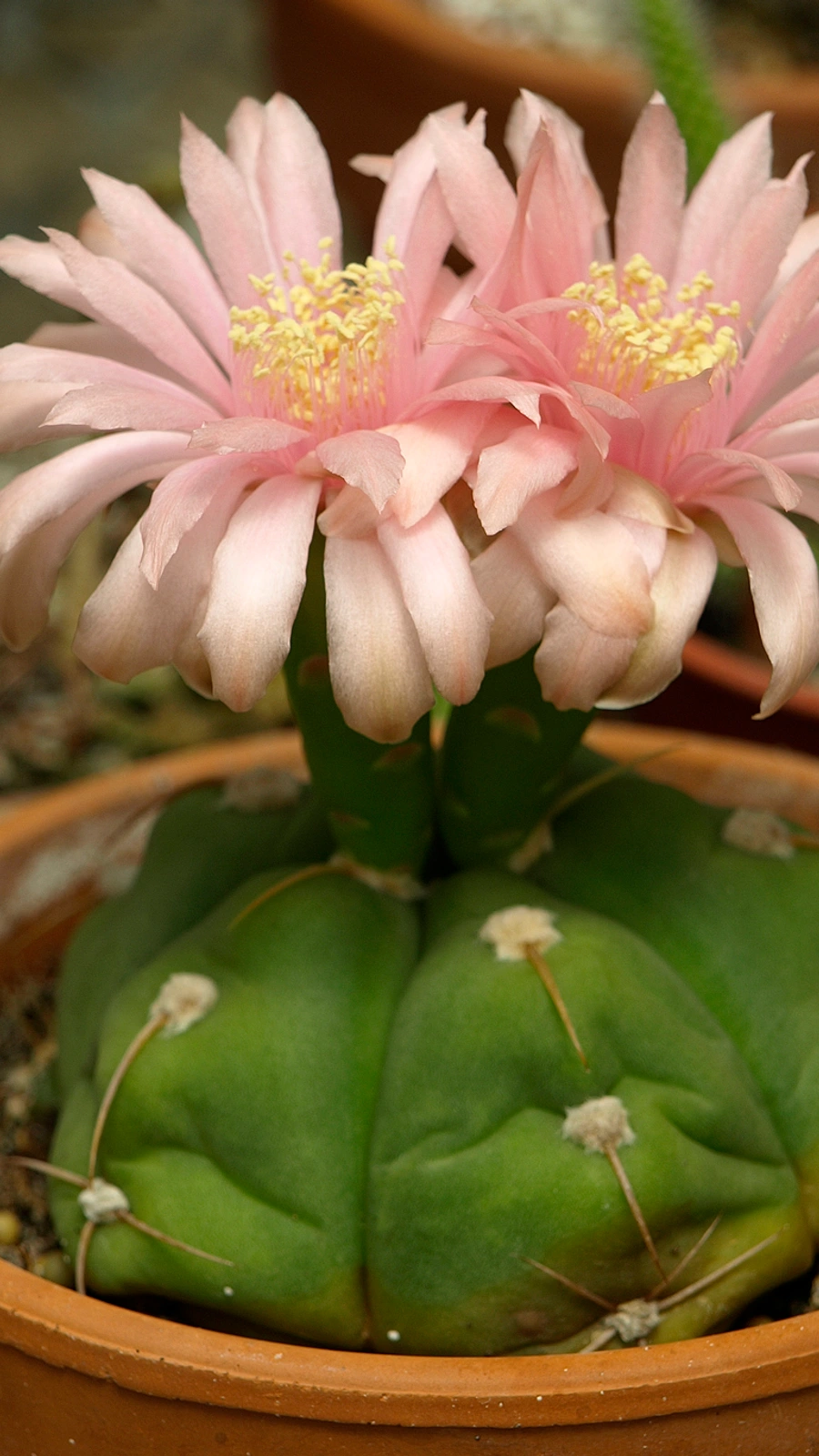
Elevate your cactus collection with Gymnocalycium horstii, carefully cultivated by Kaktüs Doktoru. This species, known for its broad, rounded body and distinct ribs, captivates with its stunning pink or white flowers that typically bloom in spring. Native to the rocky regions of Southern Brazil, this resilient cactus is an excellent choice for both novice and experienced collectors.

Why Choose Gymnocalycium horstii?

  • Minimal Maintenance: Requires very little water and attention, making it perfect for busy individuals.
  • Aesthetic Appeal: Its green or bronze-toned body and charming flowers add elegance to any setting.
  • Collector's Item: While not exceedingly rare, it is a cherished and sought-after Gymnocalycium among collectors.

If you're looking for an easy-to-care-for and visually impressive plant to enhance your home or office, Gymnocalycium horstii is the perfect fit. With Kaktüs Doktoru's quality, you can be assured your plant will thrive, healthy and strong.

Free Shipping
Temperature
8-32 °C

Optimal: 25 °C

Light
Bright Indirect Light

Prefers bright, filtered light. Protect from harsh midday sun. Morning sun or filtered afternoon sun is ideal.

Soil
Very well-draining cactus and succulent mix

Use a specially formulated, very well-draining cactus or succulent soil mix. Inert materials (pumice, perlite) should make up about a third of the soil.

Water
10-25 Days

Water thoroughly after the soil has completely dried out. Keep almost entirely dry in winter. Overwatering leads to root rot.

Difficulty
Easy

Relatively easy to care for, making it a suitable option for both beginners and experienced cactus growers alike.

Frequently Asked Questions

How much light does Gymnocalycium horstii need?
Horst's Gymnocalycium prefers a bright location but without direct midday sun. Morning sun or filtered afternoon sun is ideal. Insufficient light can lead to etiolation (stretching) of the plant.
How should this cactus be watered?
Watering should be generous after the soil has completely dried out. During winter, when the plant enters dormancy, watering should be almost entirely ceased. Overwatering is the primary cause of root rot.
What is the best soil mix for Gymnocalycium horstii?
A well-draining cactus or succulent soil is essential. Opt for a mix that includes mineral amendments like pumice, perlite, or coarse sand to ensure rapid water drainage. The pot should also have drainage holes.
Is Gymnocalycium horstii toxic to pets?
Generally, Gymnocalycium horstii is not considered toxic to pets. However, its spines can be irritating to curious animals. It's best to keep it out of reach of children and pets.
Does this cactus flower, and when?
Yes, Gymnocalycium horstii produces large, beautiful flowers. It typically blooms during the summer months, yielding pink or white flowers when provided with proper care and sufficient light. A winter dormancy period is important for flowering.
How large does Gymnocalycium horstii grow?
This cactus is a slow-growing species. Mature specimens typically reach a height and diameter of 10-15 cm. Over time, it can form clumps by producing offsets from the sides.
How should I care for Gymnocalycium horstii in winter?
During winter, the plant enters a dormant period. Almost entirely cease watering and keep the plant in a cooler (but above freezing) location. This dormancy period is crucial for spring flowering.
How often should I repot?
Since Gymnocalycium horstii is slow-growing, repotting can be done every 2-3 years, or when the plant has completely filled its pot. The best time for repotting is early spring.
Why isn't my cactus flowering?
There could be several reasons for a lack of flowering: insufficient light, inadequate winter dormancy, over- or under-watering, or nutrient deficiency. Review all care conditions.
How can I propagate Gymnocalycium horstii?
The easiest way to propagate this species is by separating offsets that grow from the base of the mother plant. Gently detach the offsets, allow the cut surfaces to dry and callous, and then plant them in separate cactus soil.

Reviews

There are no reviews for this product yet.

Care reminder list

Get seasonal care reminders for this product at your preferred frequency. You can change the email address below and unsubscribe from any reminder email.