
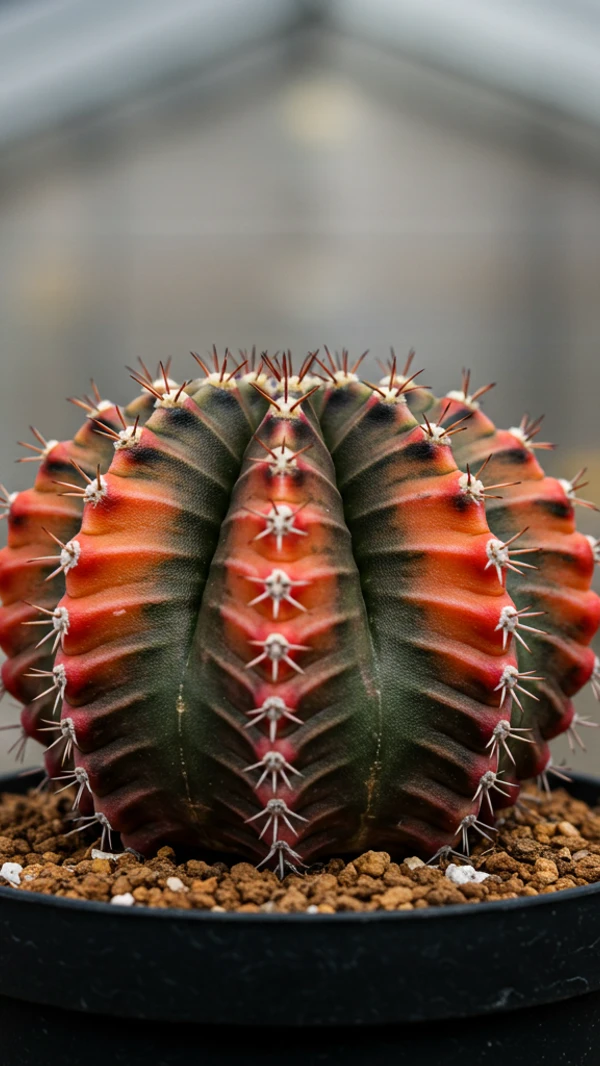
 Representative AI image
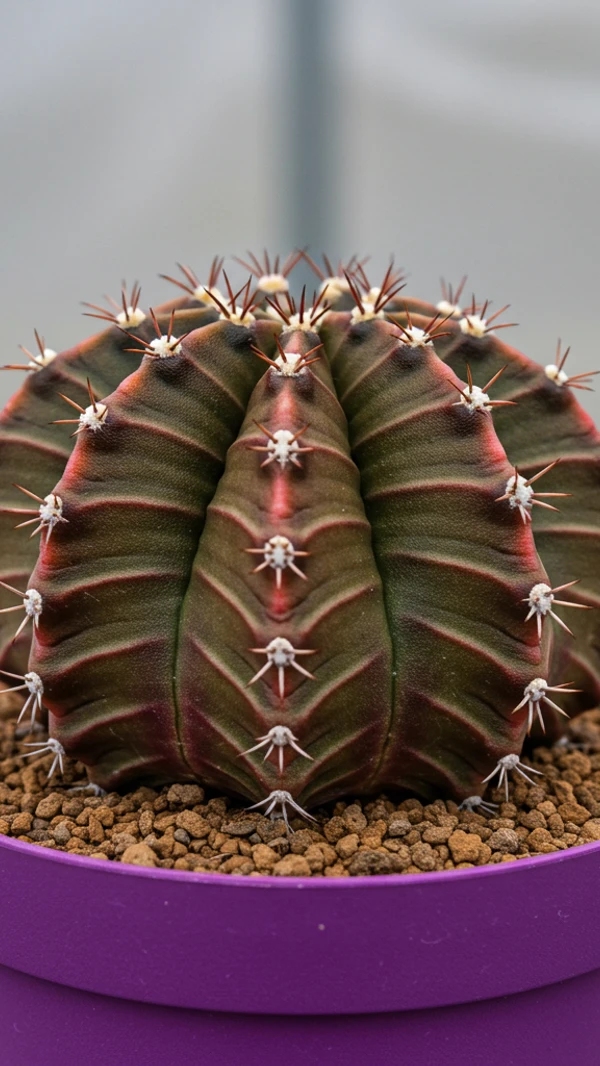 Representative AI image
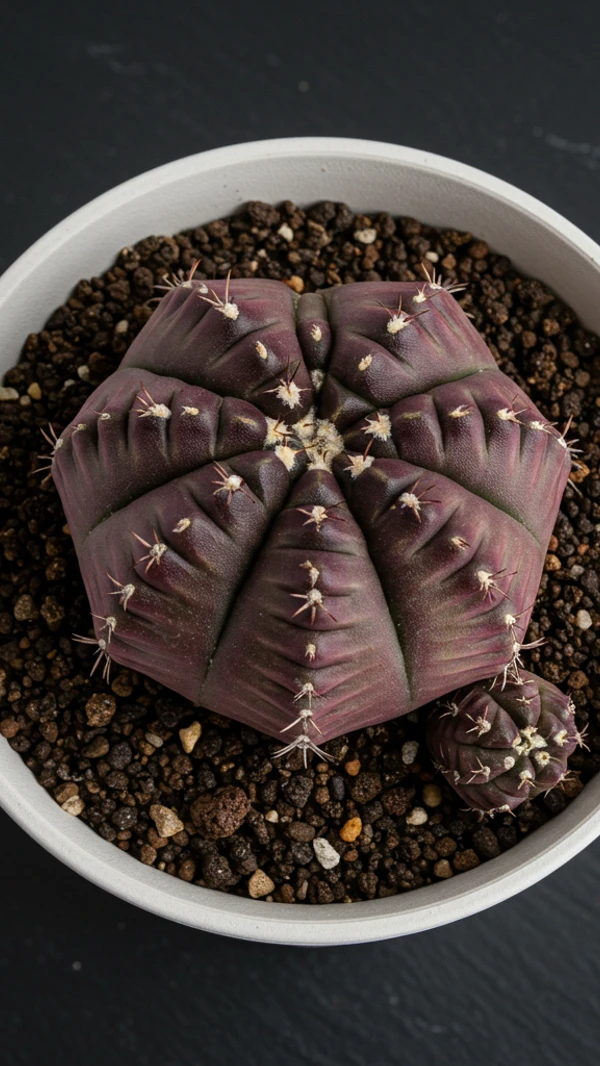 Representative AI image
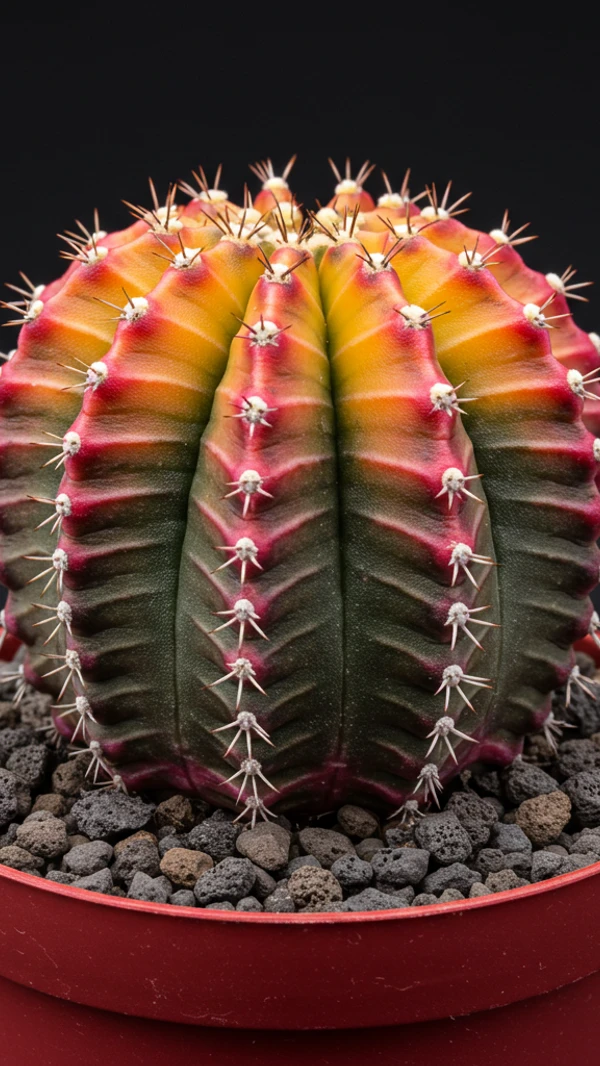 Representative AI image
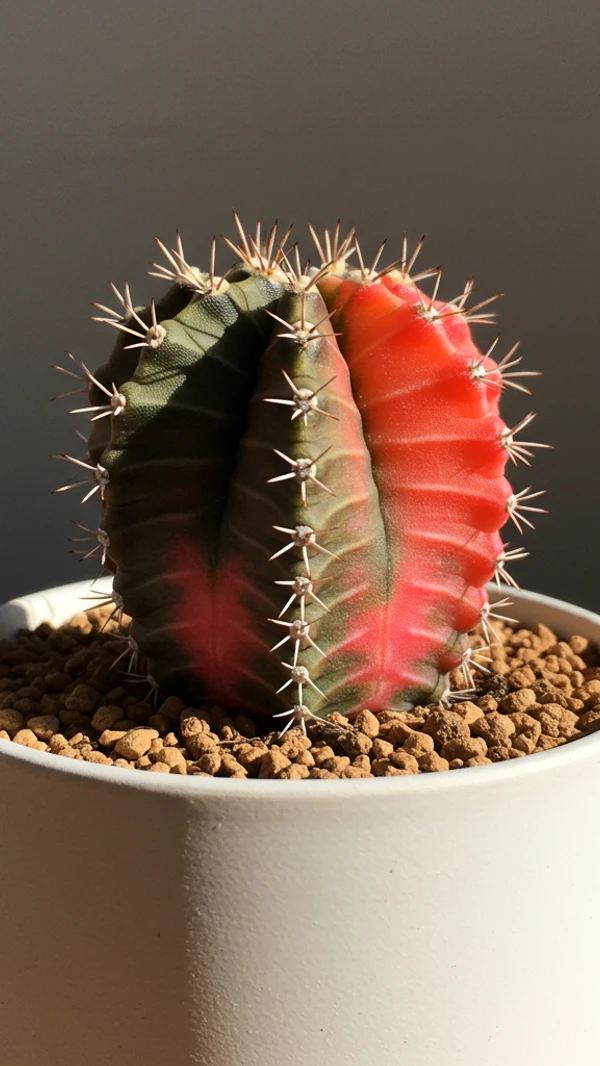 Representative AI image
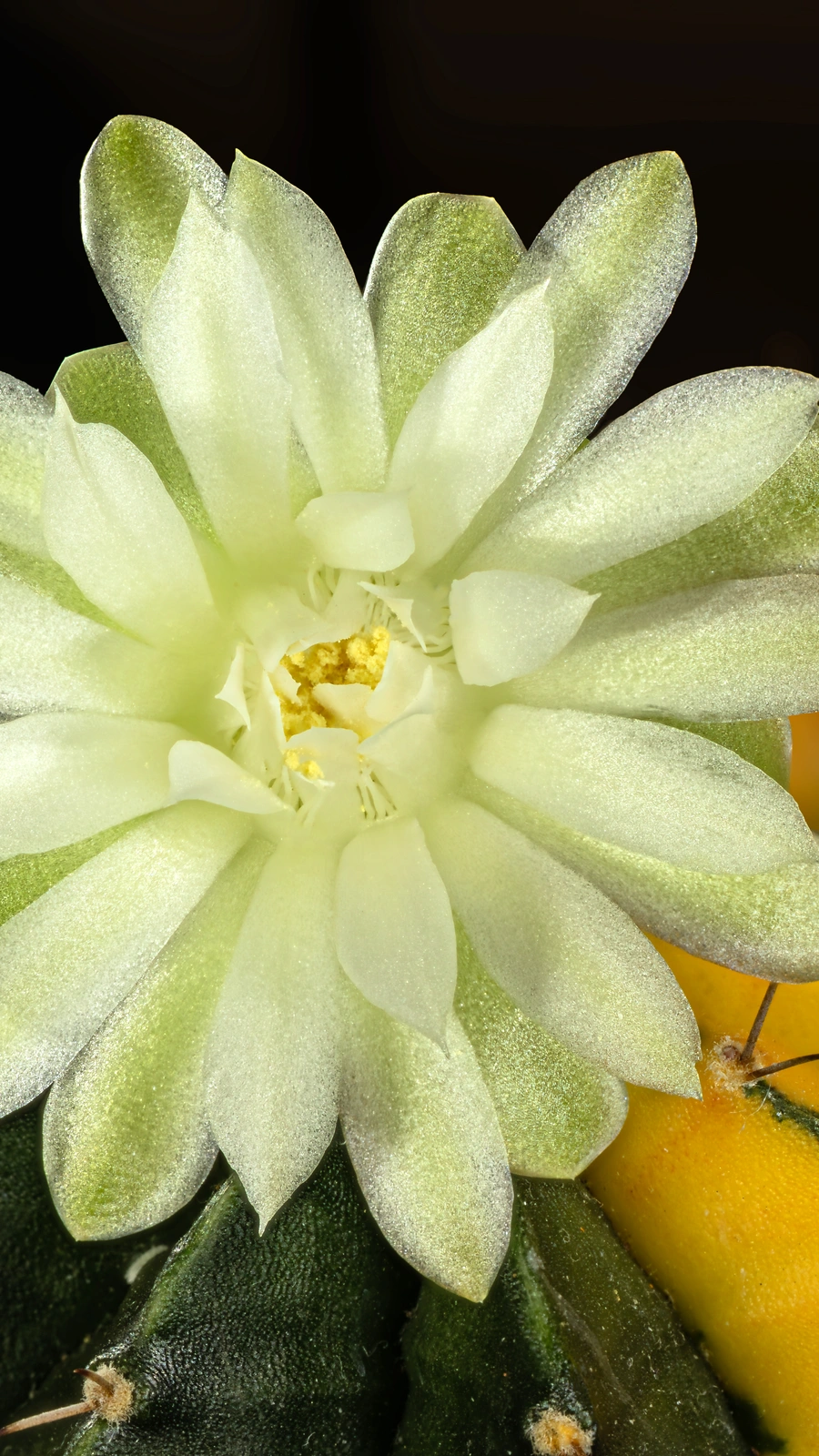 Reference image
Gymnocalycium mihanovichii
Moon Cactus
Gymnocalycium mihanovichii: The Moon Cactus, Brightening Homes with Vivid Colors
Gymnocalycium mihanovichii, with its vivid colors and easy care, is a favorite among cactus collectors. Especially in its 'Moon Cactus' form, where a colorful, chlorophyll-lacking top part is grafted onto a green rootstock, it displays striking shades of pink, yellow, or orange. This unique form instantly brings joy and a modern aesthetic to your indoor spaces.
Why Choose Gymnocalycium mihanovichii?
- Visual Delight: Its natural colors and unique form invigorate any corner.
- Low Maintenance: Ideal for those with busy lifestyles or beginners in cactus care.
- Conversation Starter: A distinctive piece that will capture guests' attention and spark conversations.
- Collector's Gem: A special species for cactus enthusiasts, offering various color and form options.
Each Gymnocalycium mihanovichii from Kaktüs Doktoru is carefully selected and delivered healthy. Ready to be placed in your home or office, it will add natural beauty to your living spaces.
Natural green-brown forms need a very bright position and controlled sun; chlorophyll-deficient grafted commercial forms scorch more readily, so their rootstock and colour form require separate product-level care.
An airy, fast-draining, mineral-forward mix appropriate to the natural or grafted root system.
Do not use a fixed calendar. Water deeply after complete drying and reduce frequency during cool or low-light periods.
The natural form is manageable; grafted chlorophyll-deficient forms are more demanding because rootstock health and scorch risk must be balanced.
Frequently Asked Questions
Where is Gymnocalycium mihanovichii native?
What is its conservation status?
How often should it be watered?
Can it take direct sun?
What growing medium is suitable?
Can it be identified by flower colour alone?
Is it safe around pets?
Does the commercial form represent the whole wild species?
Reviews
There are no reviews for this product yet.
Recently Viewed
Care reminder list
Get seasonal care reminders for this product at your preferred frequency. You can change the email address below and unsubscribe from any reminder email.
