
 Reference image
 Reference image
 Reference image
 Reference image
Maihueniopsis molfinoi
Molfino's Mountain Cactus
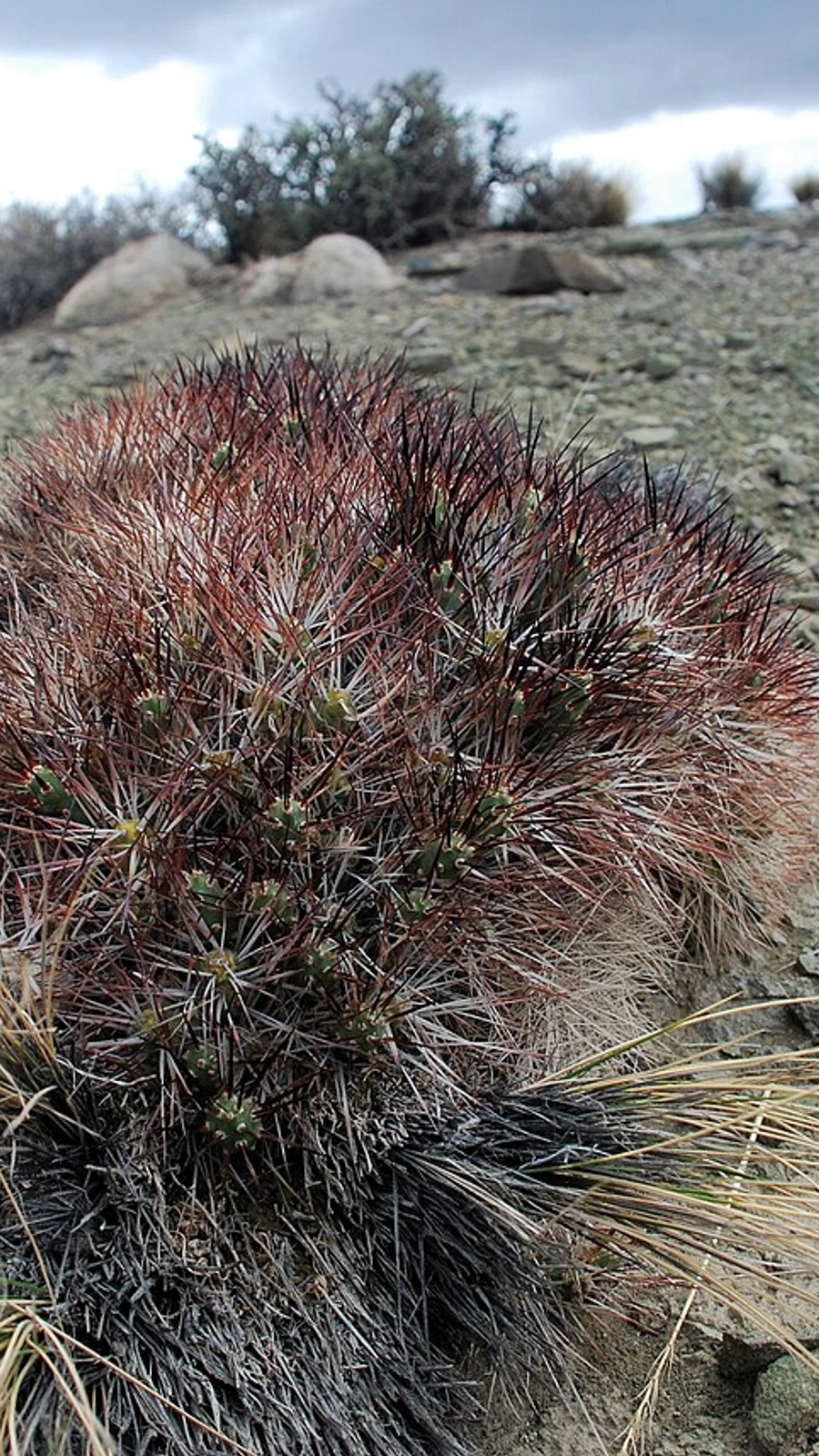
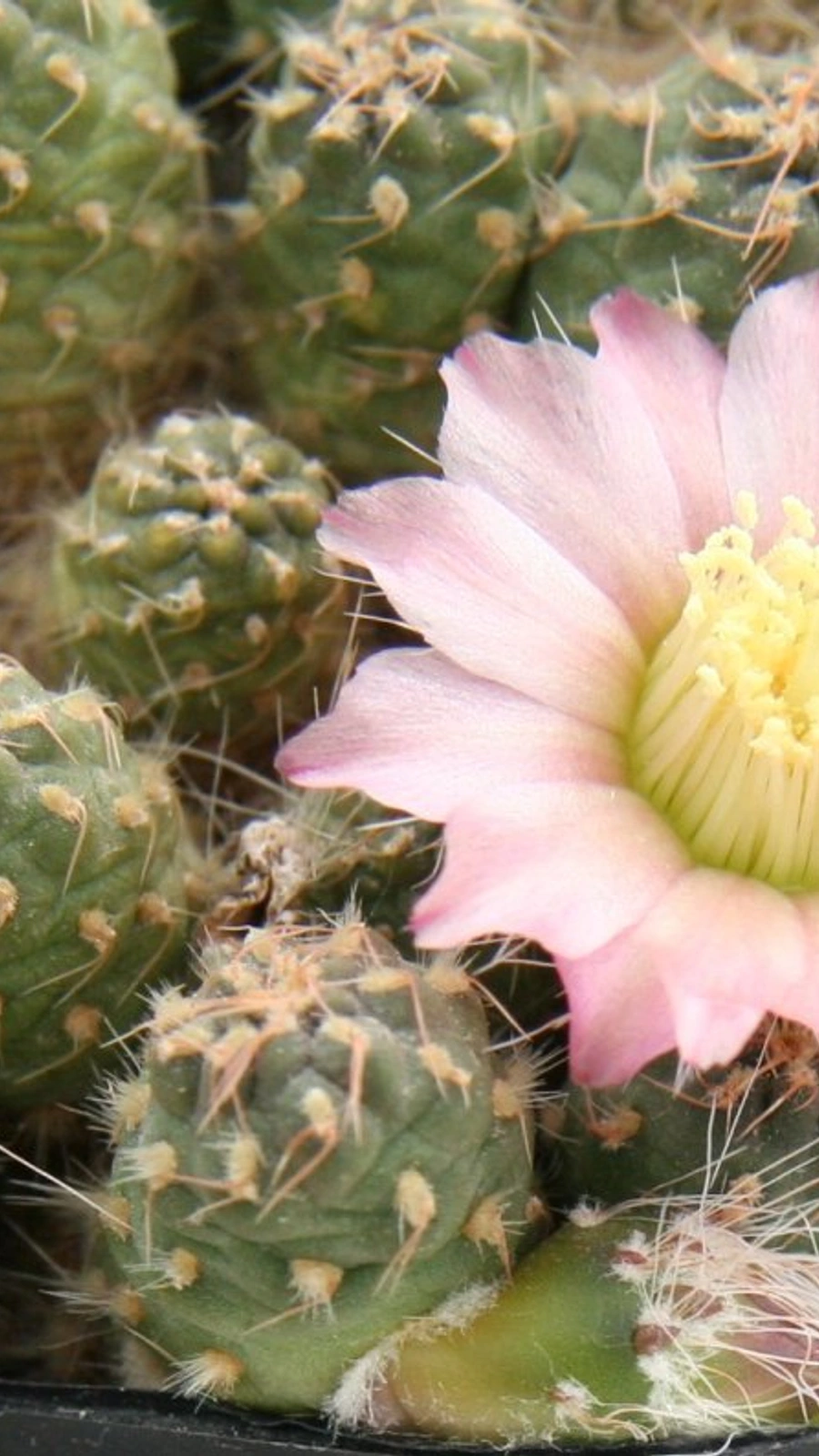
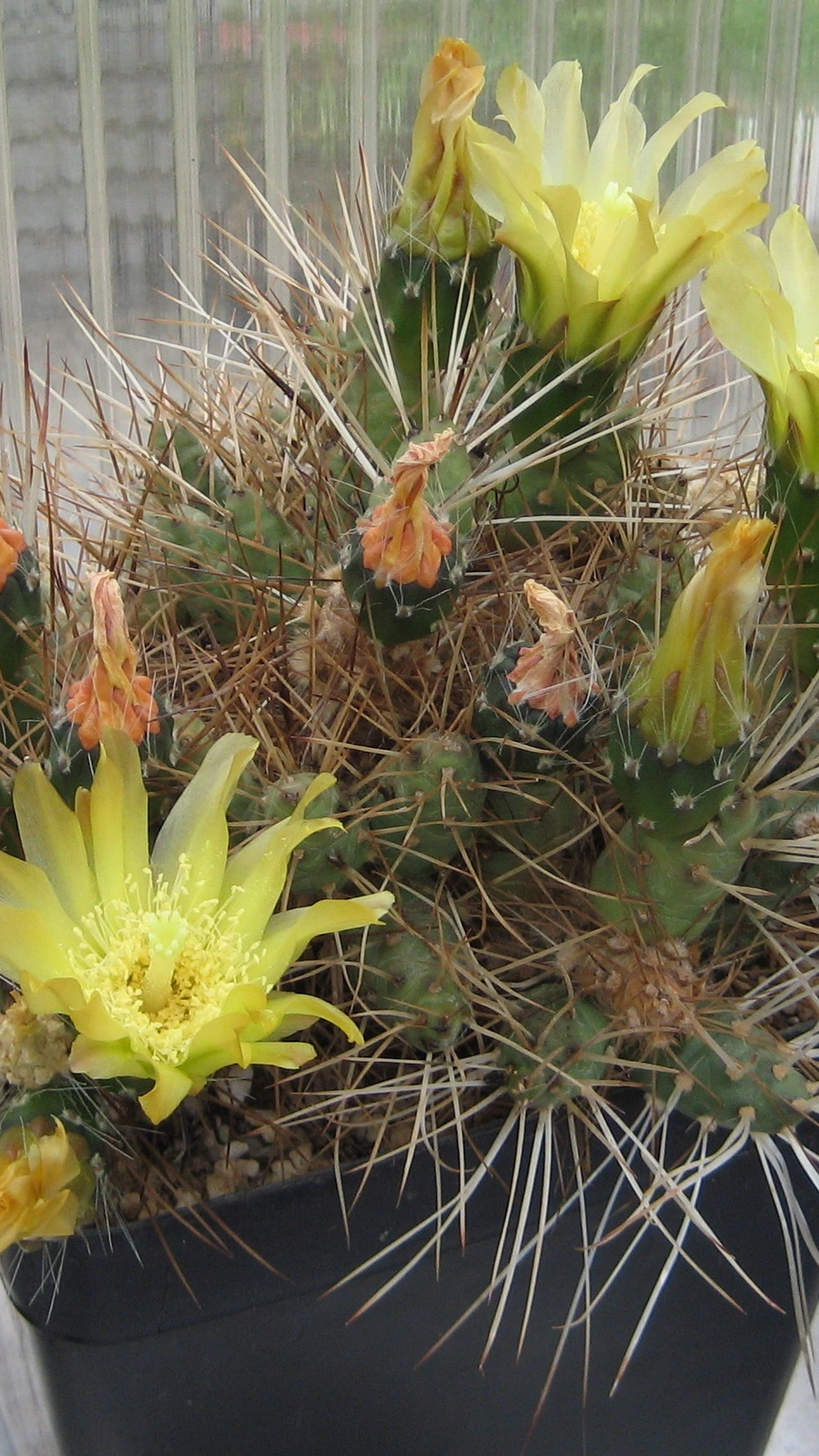
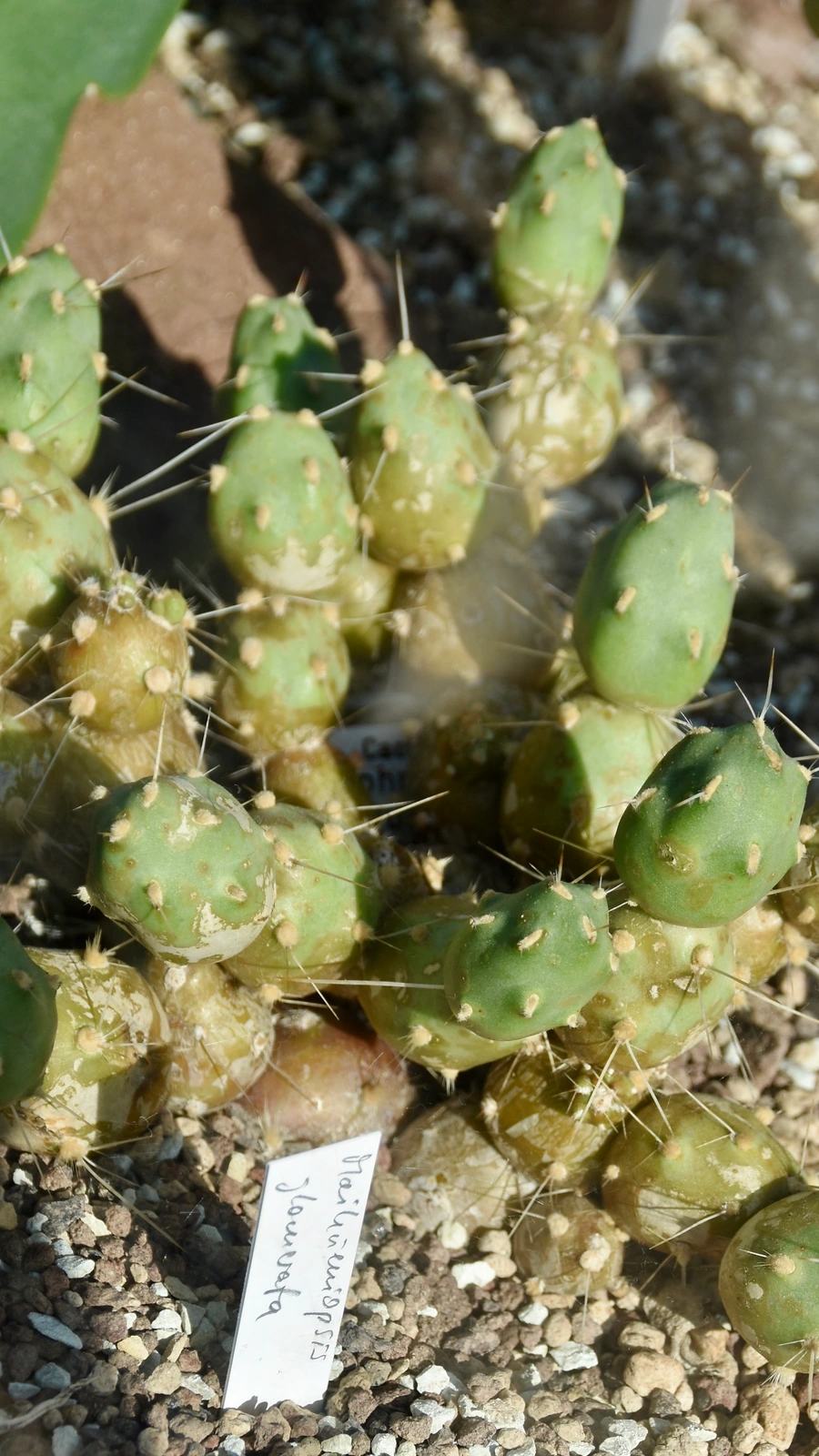
Maihueniopsis molfinoi is a distinctive cactus species native to the Argentine Andes, known for its unique appearance. It stands out with its thick, rounded, and segmented stem. Adapted to the harsh conditions of the desert, this species creates an exotic atmosphere in your home or collection. Its rarity makes it even more special for cactus enthusiasts. With proper care, it grows healthily and develops into a unique form over time. Ideal for those looking to add a one-of-a-kind piece to their collection.
Optimal: 22 °C
The live `full_sun` operational enum is preserved; transition gradually and observe body colour, wrinkling, temperature and airflow together.
Use a very fast-draining mix rich in pumice and coarse mineral fractions with little humus; avoid fine material that turns muddy around the roots.
Do not use a fixed-day calendar; water in a controlled cycle only after the root zone and mineral mix have dried throughout, and extend the interval substantially in cool or low-light periods.
Live operational care class: moderate.
Frequently Asked Questions
What is the accepted name?
What is its native range?
How often is it watered?
What medium is suitable?
What light is suitable?
Are synonyms separate species routes?
Does a product photograph prove identity?
Is conservation status based on retail stock?
Reviews
There are no reviews for this product yet.
Recently Viewed
Care reminder list
Get seasonal care reminders for this product at your preferred frequency. You can change the email address below and unsubscribe from any reminder email.
