
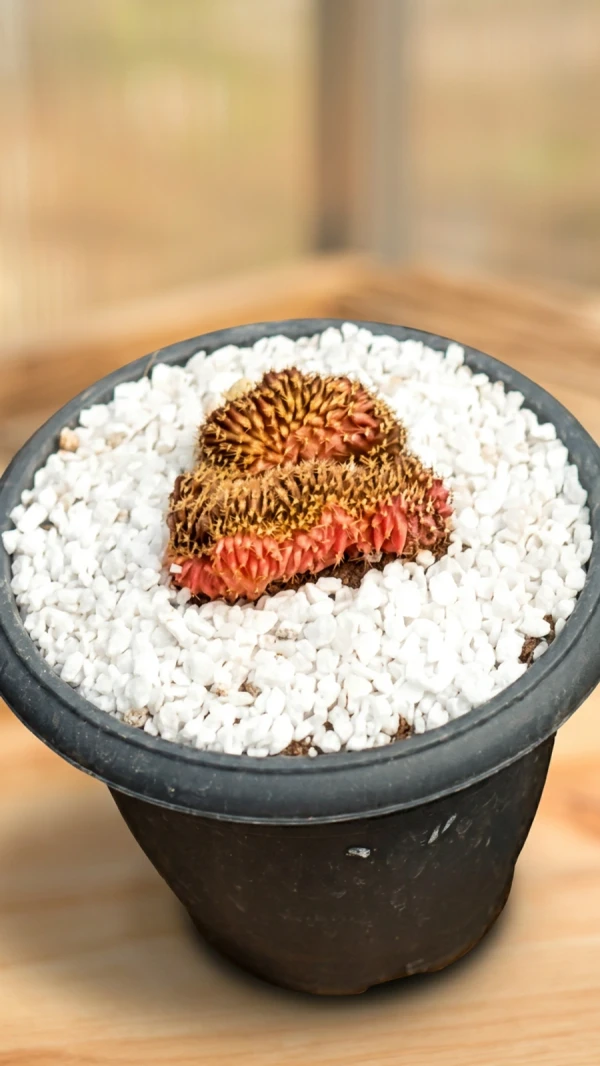
 Representative AI image
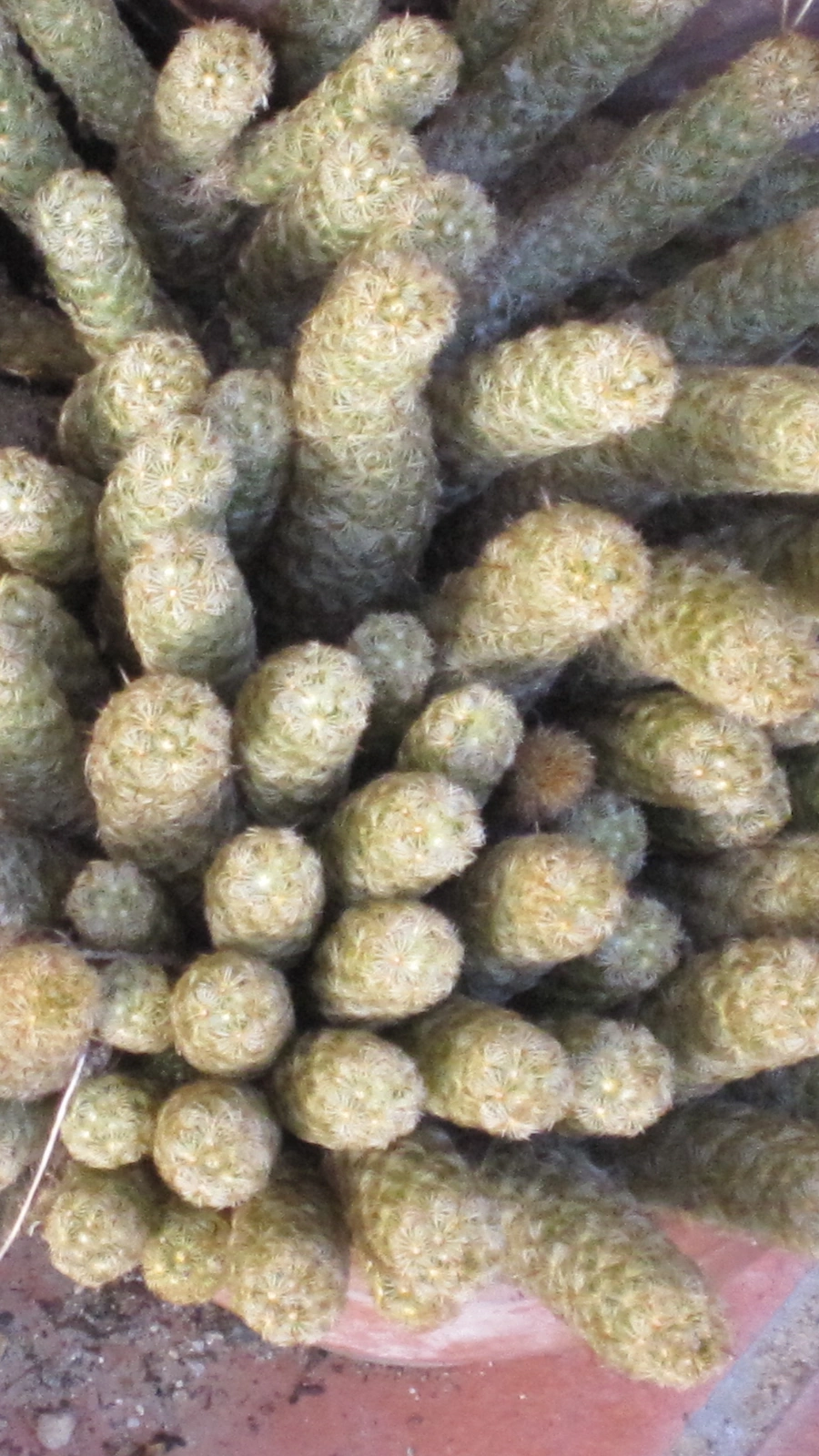 Reference image
Mammillaria elongata
Ladyfinger Cactus
Mammillaria elongata: Meet Your Ladyfinger Cactus!
Carefully cultivated by Cactus Doctor, Mammillaria elongata, commonly known as the 'Ladyfinger Cactus', is poised to become one of the most elegant and captivating members of your collection. This special species, native to Mexico, stands out with its slender, cylindrical, finger-like stems. Each stem is adorned with golden-yellow or brownish spines, growing in dense clusters to create a striking texture.
Why Choose Mammillaria elongata?
- Aesthetic Appeal: With its unique growth habit and dense spination, it's a plant that will delight you every time you look at it.
- Easy Care: Ideal for those new to the world of cacti. It offers maximum beauty with minimum effort.
- Perfect for Small Spaces: Thanks to its compact form, it easily finds a place on windowsills, desktops, or narrow shelves.
- Collector's Item: A favorite among both experienced cactus enthusiasts and beginners. Different varieties can add diversity to your collection.
This resilient and attractive cactus, with proper care, will provide an aesthetic touch to your home or office for many years. It may also offer surprises with its small, white or yellowish flowers that bloom in spring. With Cactus Doctor's assurance, add a healthy and easy-to-care-for Mammillaria elongata to your cart today!
A very bright position with gradually introduced morning or late-afternoon sun is suitable. In dense clusters, airflow and even light exposure to inner stems require separate attention.
A coarse, mineral-forward, airy, fast-draining cactus mix.
Do not use a fixed calendar. Water deeply after complete drying and reduce frequency during cool or low-light periods.
It is generally adaptable; the main risks are hidden moisture in dense clusters, weak airflow, and confusion of trade names with scientific identity.
Frequently Asked Questions
Where is Mammillaria elongata native?
What is its conservation status?
How often should it be watered?
Can it take direct sun?
What growing medium is suitable?
Can it be identified by spine colour alone?
Is it safe around pets?
Does the commercial form represent the whole wild species?
Reviews
There are no reviews for this product yet.
Recently Viewed
Care reminder list
Get seasonal care reminders for this product at your preferred frequency. You can change the email address below and unsubscribe from any reminder email.
