
Light
Bright Indirect Light
Bright indirect light or filtered sunlight is ideal.
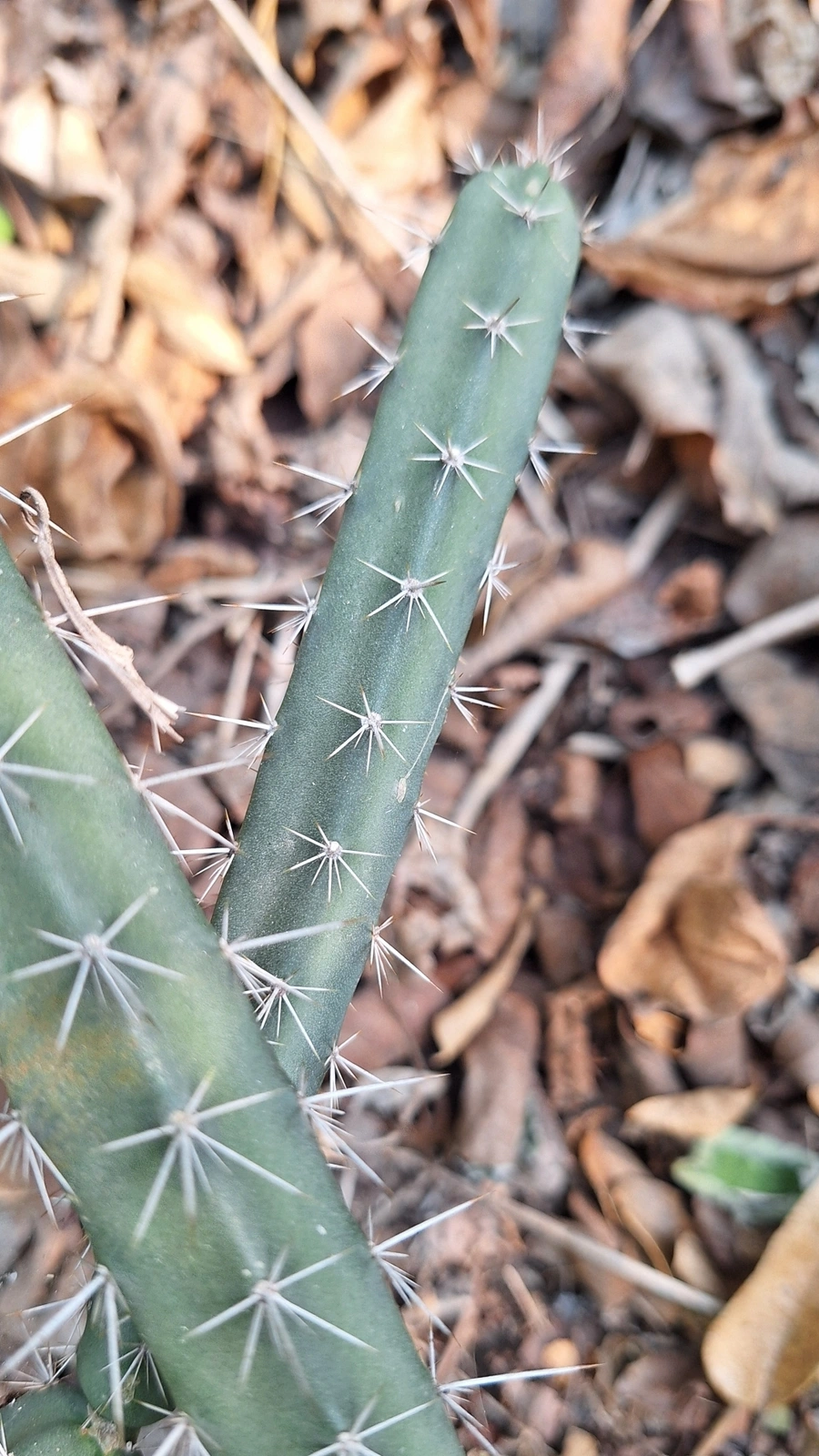 Reference image
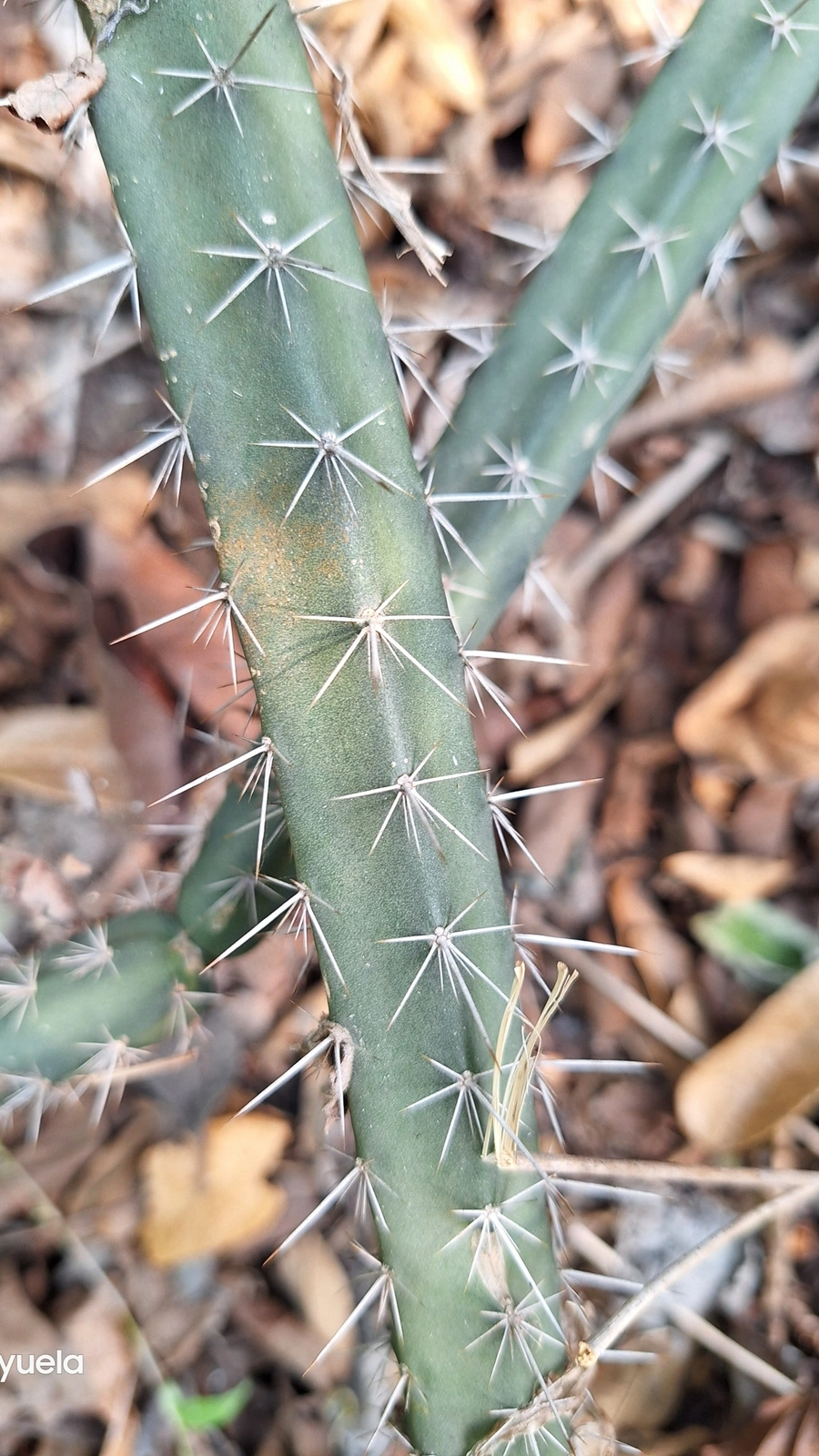 Reference image
Canoensis Acanthocereus
Acanthocereus canoensis is a rare, semi-scandent or shrubby cactus species belonging to the family Cactaceae. It is adapted to growing in the understory of seasonally dry tropical forests.
Originally described and placed within the genus Acanthocereus, its name reflects its thorny ribs, derived from the Greek 'akantha' (spine) and 'cereus' (wax candle) 1. It is recognized among specialists for its distinct growth habit.
This species is native to Central America, particularly Honduras, and parts of northern South America 2. It thrives in seasonally dry tropical biomes, often clinging to rocky terrain or shaded forest floors.
The stems are typically dark green with 3 to 5 prominent, wavy ribs. Areoles carry rigid, brownish-yellow spines. Its nocturnal flowers are large, funnel-shaped, pristine white, and highly fragrant to attract nocturnal pollinators like moths.
In cultivation, it requires highly porous, gritty soils and moderate watering during the growing season. Because of its tropical origins, it lacks frost tolerance and must be overwintered indoors in colder climates.
Overwatering is the primary cause of root rot, especially during cooler winter dormancy. Providing insufficient light also leads to weak, etiolated stem growth.
Bright indirect light or filtered sunlight is ideal.
Water thoroughly once soil is dry during summer; keep dry in winter.
Gritty, highly porous cactus soil mix with plenty of pumice or perlite.
Spines can cause physical injury; keep away from active pets and children.
Moderate care; susceptible to cold damage and overwatering.
Native to Honduras and surrounding regions of Central America, where it populates seasonally dry tropical forests, growing under the shade of trees or rocky ledges.
