
Light
Bright Indirect Light
Prefers bright, indirect light or filtered sun, as it naturally grows under the protective canopy of wild shrubs.
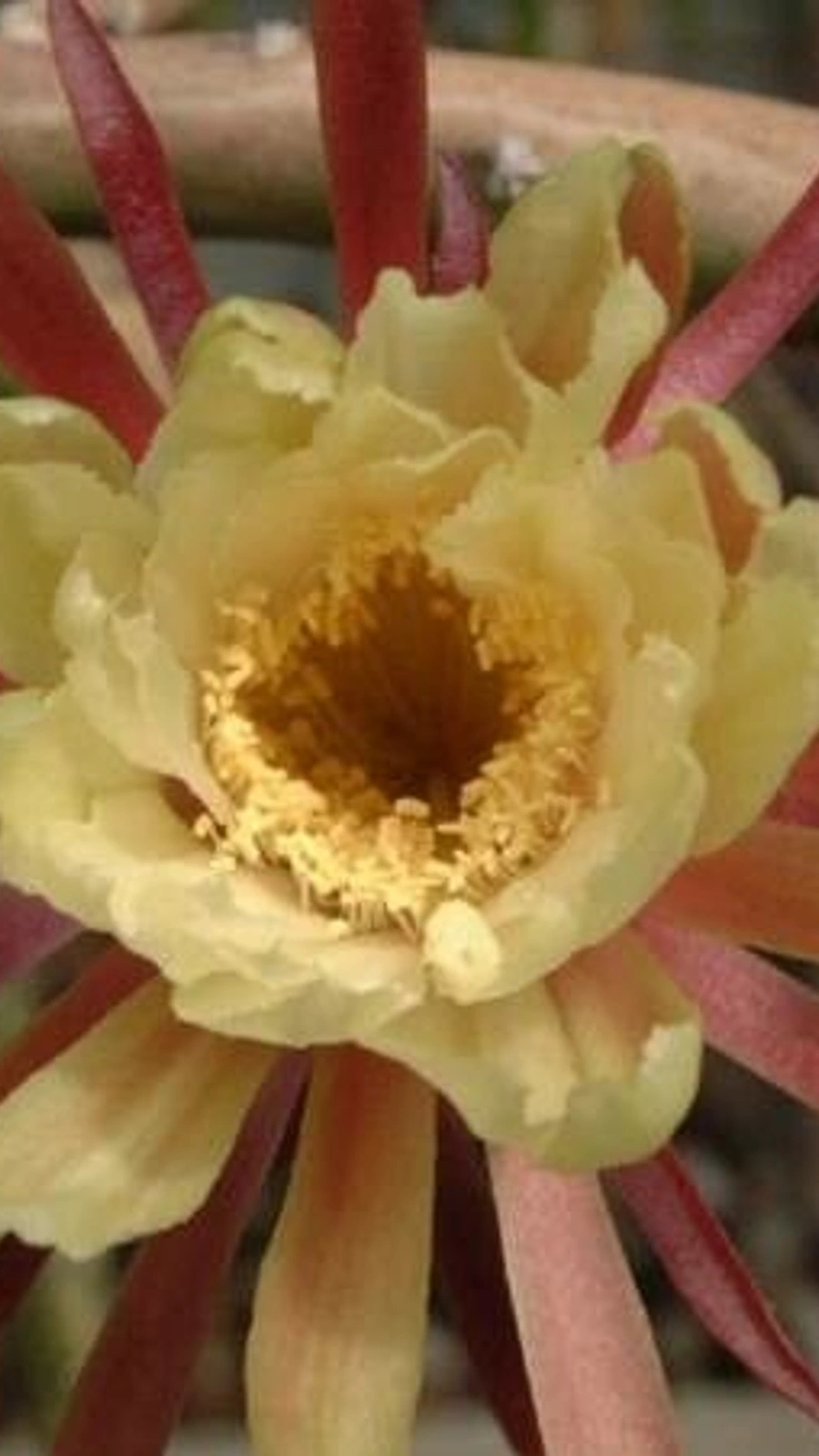 Reference image
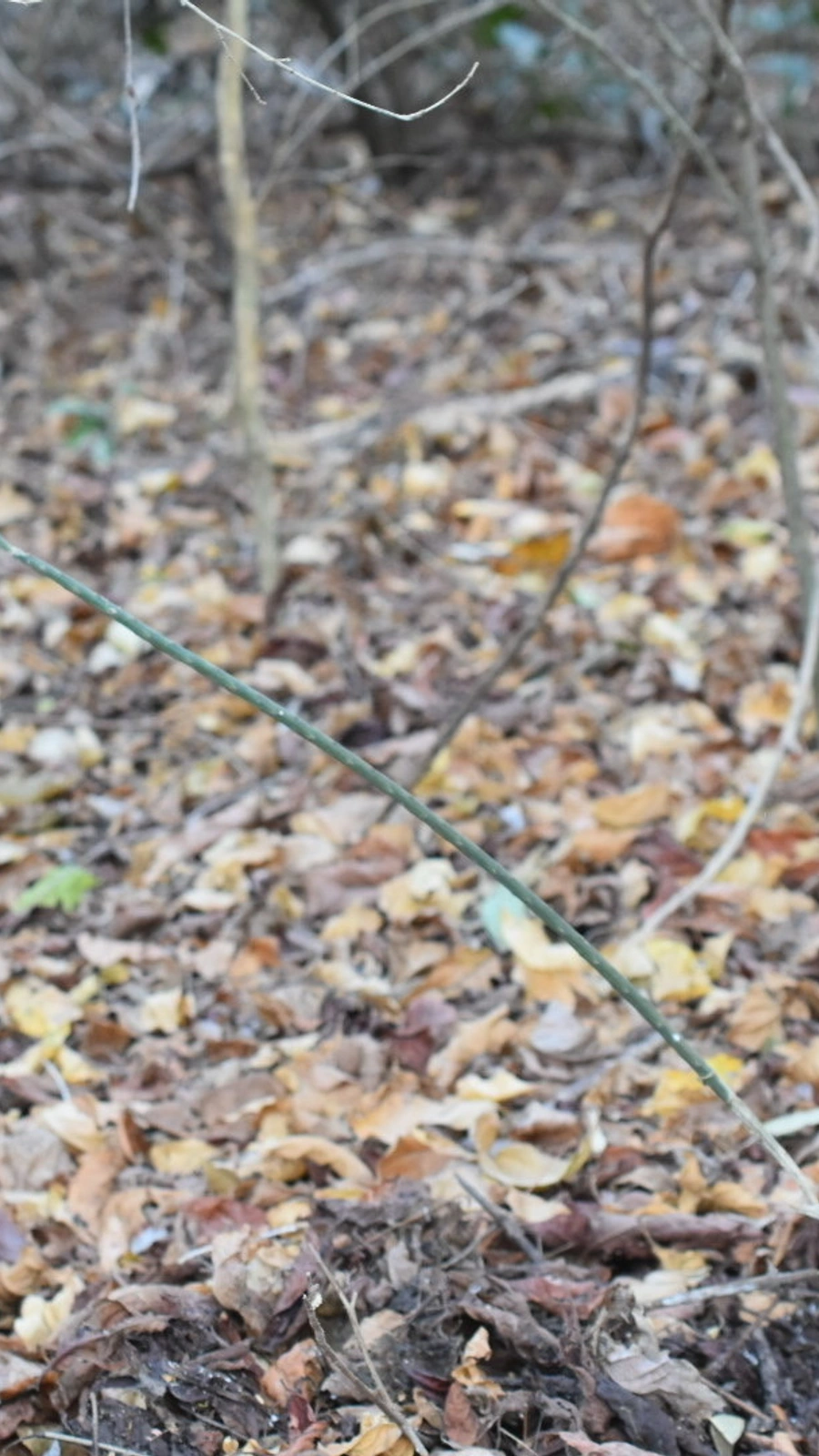 Reference image
Tuberous scrambling cactus
Acanthocereus fosterianus is an intriguing, scrambling succulent shrub belonging to the Cactaceae family. Characterized by its large subterranean tuberous root system and thin, sprawling branches, this cactus adapted to survive severe droughts in seasonally dry tropical environments by storing water underground 1.
Originally described under the genus Peniocereus as Peniocereus fosterianus, the species was named after the botanist Robert Foster. Recent molecular and phylogenetic reassessments have placed it within the expanded genus Acanthocereus due to floral morphology and genetic affinities 2.
This species is native to western and southern Mexico, including states such as Jalisco, Guerrero, Oaxaca, Chiapas, and the Yucatán Peninsula. It thrives in seasonally dry tropical forests and deciduous scrublands, often growing protected under the canopy of nurse shrubs 1.
The plant produces a massive, turnip-like underground tuber. Above ground, the stems are slender, grayish-green, typically featuring 3 to 4 wavy ribs with small, needle-like spines. It bears magnificent, large white nocturnal flowers that emit a sweet fragrance to attract moth pollinators.
In cultivation, Acanthocereus fosterianus requires deep pots to accommodate its large tuberous root system. The soil mix must be highly porous. It prefers filtered sunlight or partial shade, mimicking its natural under-shrub habitat, and should be watered only when the substrate is completely dry.
The most frequent mistake is overwatering, particularly during the winter dormancy period, which rapidly triggers tuber rot. Heavy, clay-rich soils and placing the plant in intense, unshaded midday sun will also lead to structural damage or sunburn.
Prefers bright, indirect light or filtered sun, as it naturally grows under the protective canopy of wild shrubs.
Highly drought-tolerant due to its tuberous roots. Allow the substrate to dry out entirely between waterings.
Requires an extremely porous mineral mix consisting of pumice, perlite, and coarse sand with minimal organic matter.
Has small, sharp spines that can cause minor skin irritation; handle with gloves and keep away from pets.
Moderate. Requires careful watering discipline to prevent the subterranean tuber from rotting.
Native to southern and western Mexico, where it populates seasonally dry tropical deciduous forests and scrublands, growing under the shade of native trees and bushes.
