
Light
Bright Indirect Light
Requires bright, indirect light; protect from scorching direct afternoon sun.
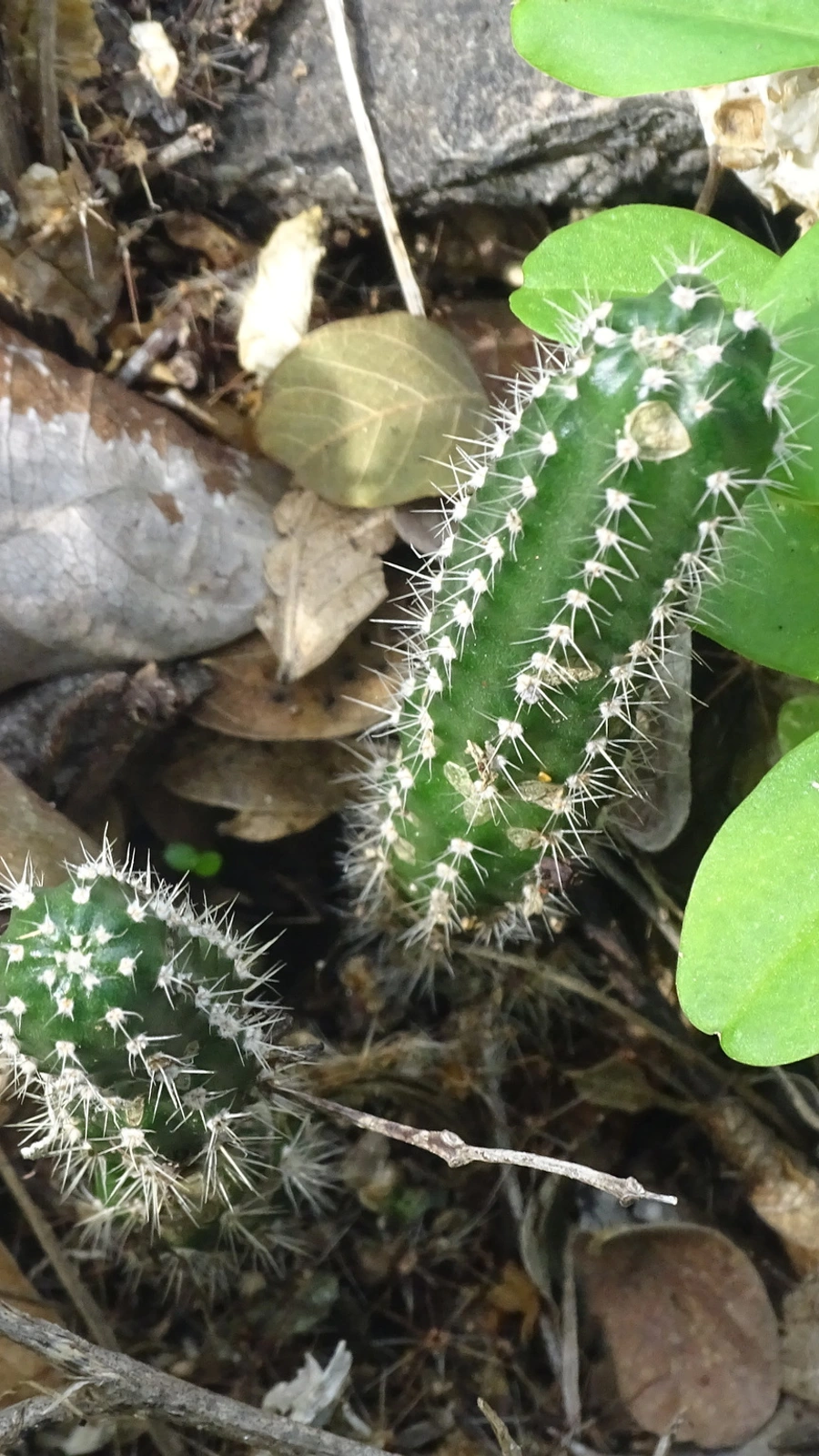 Reference image
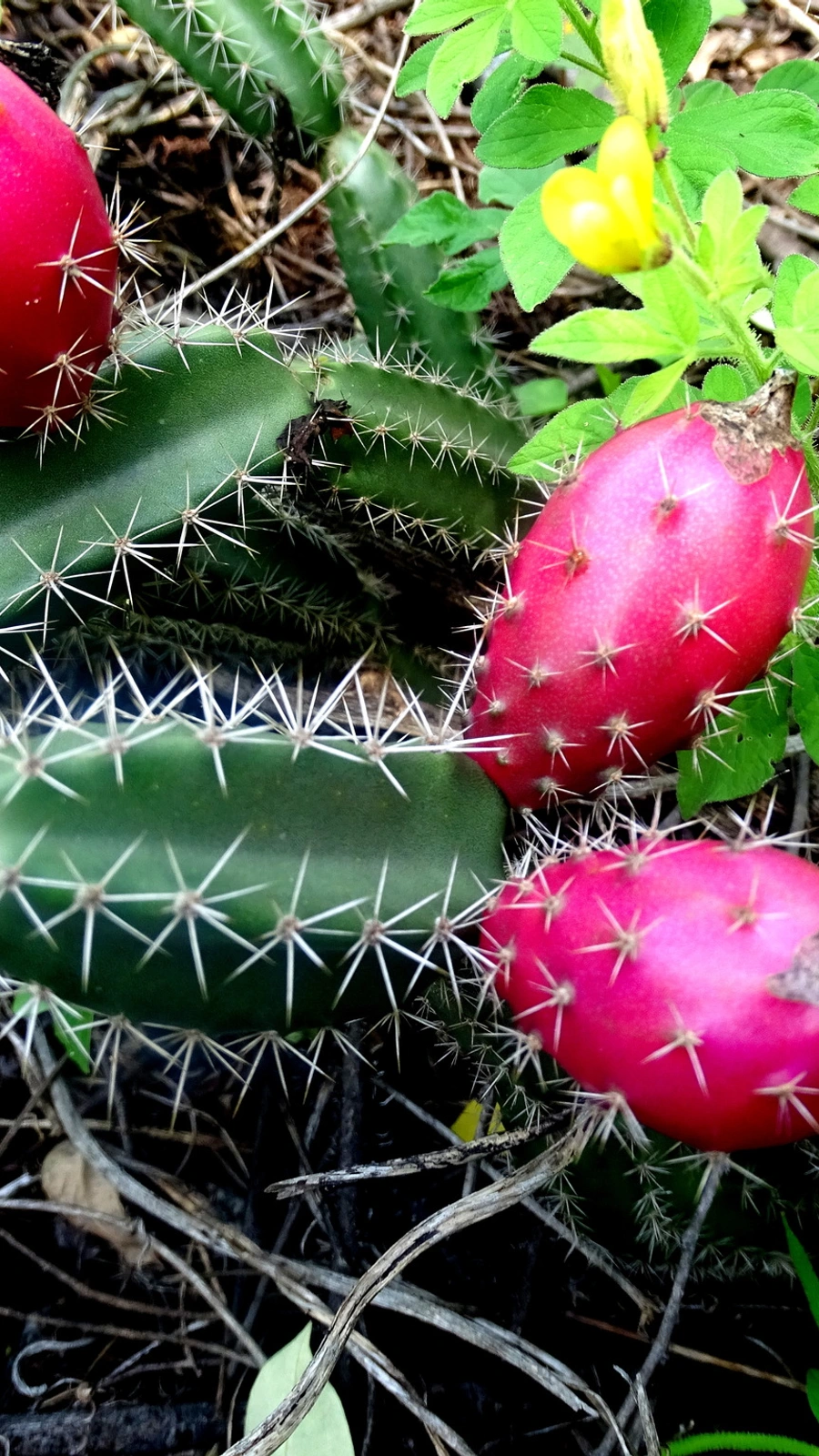 Reference image
Western Acanthocereus
Acanthocereus hesperius is a climbing or scrambling succulent shrub belonging to the Cactaceae family. Known for its tolerance to drought, it naturally anchors onto rocks and other vegetation.
The genus name derives from the Greek word "akantha" (thorn), while the specific epithet "hesperius" means western in Latin, referencing its distribution in Western Mexico 1.
This species is endemic to Mexico, specifically distributed throughout western states including Jalisco, Michoacán, Guerrero, and Oaxaca. It thrives in seasonally dry tropical biomes 1, 2.
It features slender, 3 to 5-ribbed green stems with small, sharp spines clustered on the areoles. Nocturnal, fragrant white flowers bloom under specific seasonal triggers 2.
In cultivation, it requires bright, indirect sunlight and highly porous, mineral-based substrate. It is highly susceptible to root rot if overwatered.
The most frequent mistakes include watering during its dormant winter season and placement in stagnant indoor air with insufficient light.
Requires bright, indirect light; protect from scorching direct afternoon sun.
Allow soil to dry out fully between waterings, reducing significantly in winter.
Excellent drainage is essential. Use a sandy, mineral-rich cactus mix with pumice.
Spines can cause physical injury; the plant tissue is also toxic to pets if ingested.
Moderate care level, requiring careful watering schedules and winter dormancy management.
Native to the seasonally dry tropical zones of Western and Southwestern Mexico, where it grows in deciduous forests and rocky, semi-arid scrublands.
