
Light
Bright Indirect Light
Prefers bright, indirect or filtered sunlight. Avoid direct, scorching midday sun.
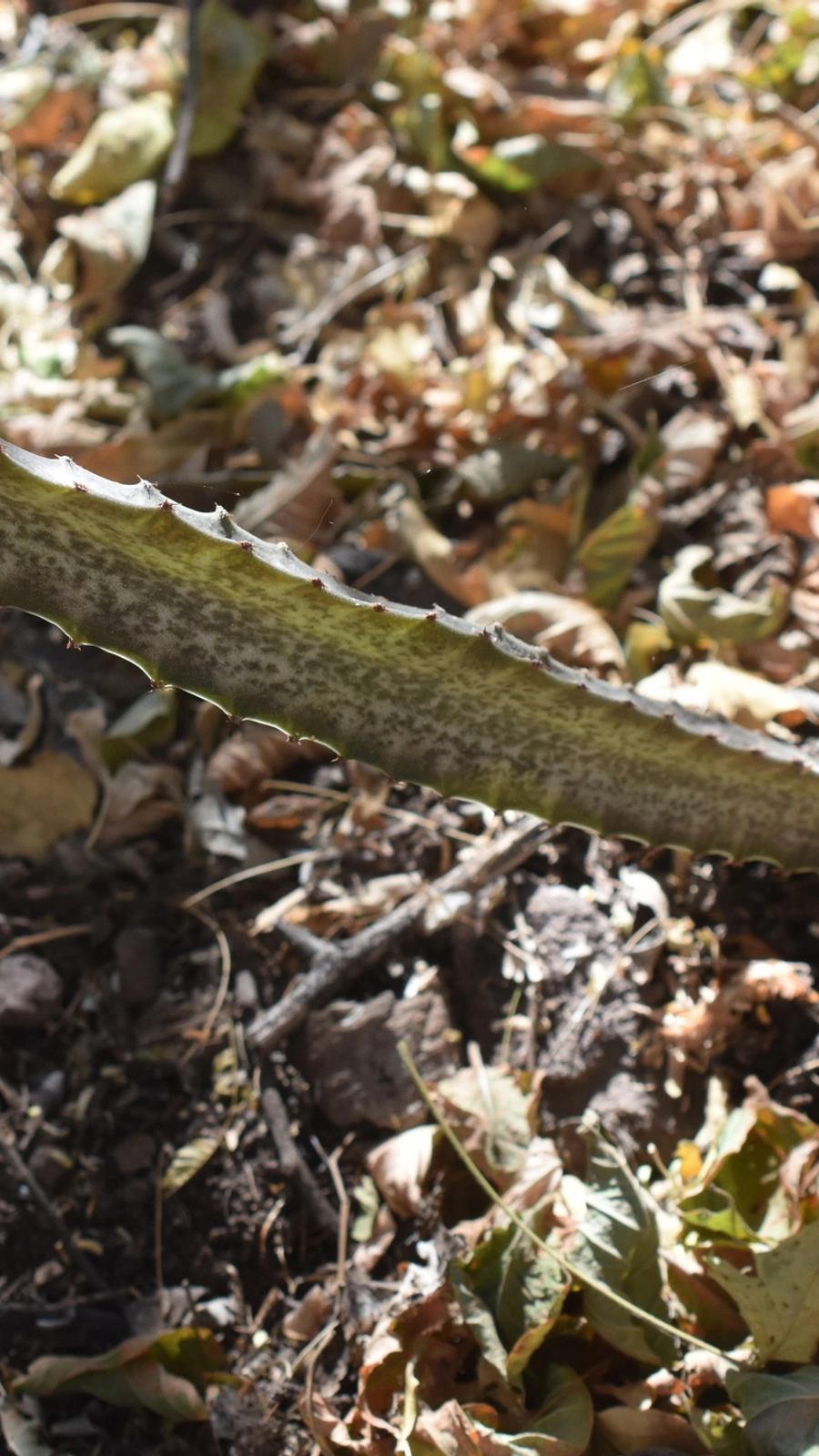 Reference image
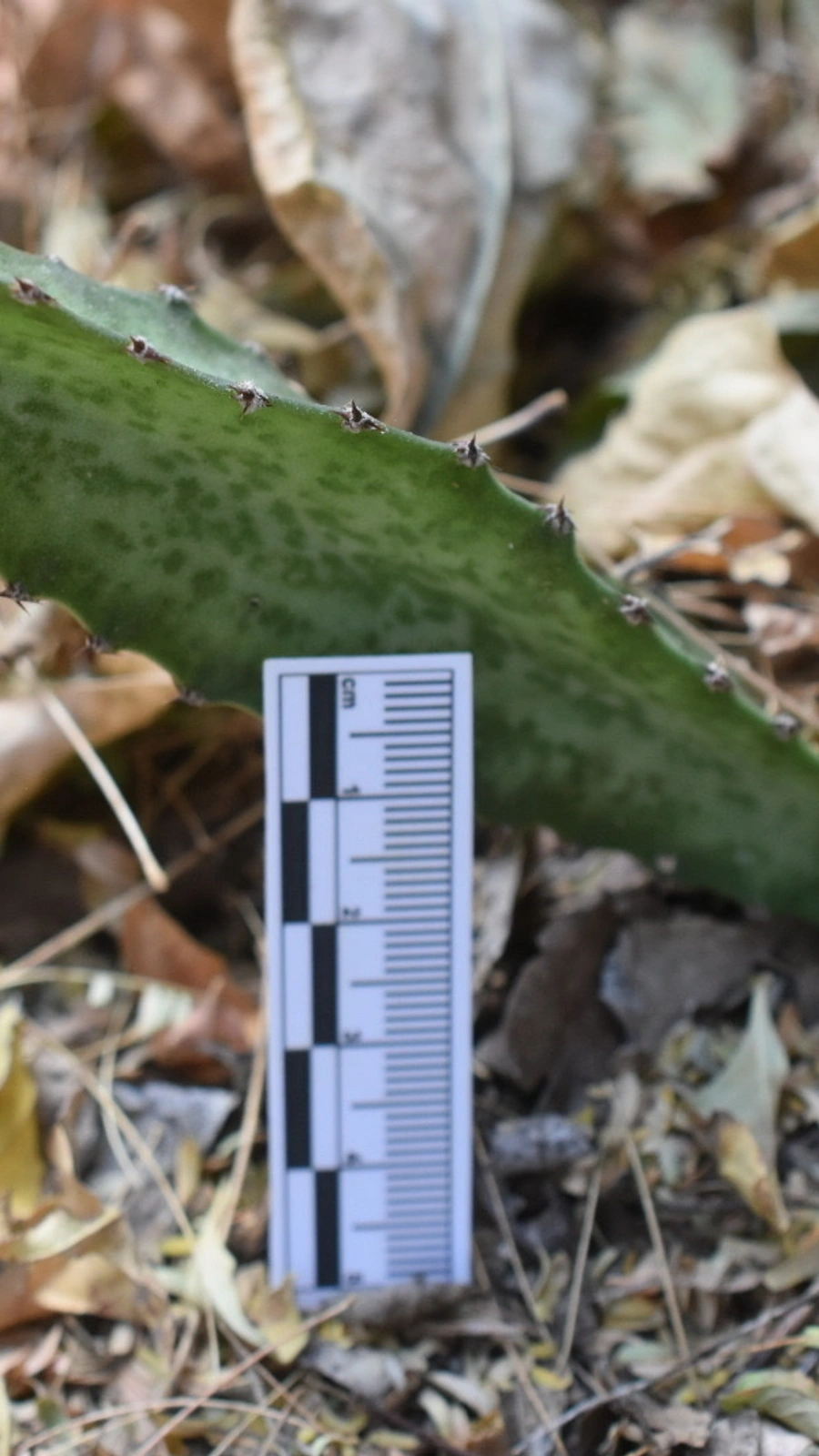 Reference image
Spotted Acanthorereus
Acanthocereus maculatus is a distinctive scrambling, succulent, and tuberous shrub belonging to the Cactaceae family. Unlike many desert cacti, it is adapted to seasonally dry tropical environments, often growing semi-shaded under larger vegetation 1.
Classified under the genus Acanthocereus, this species is recognized for its unique growth habit and root structure. The specific epithet "maculatus" translates to "spotted" or "stained," referring to the mottled appearance of its stems or areole regions 2.
This species is native to southwestern and central Mexico, including regions such as Jalisco, Colima, Michoacán, Guerrero, and Mexico State. It thrives in tropical deciduous forests and scrublands, usually on rocky soils under the canopy of shrubs 1.
The plant features thin, scrambling stems with 3 to 5 ribs and small spines clustered along the margins. The most notable botanical feature is its subterranean tuberous root system, which acts as a water storage organ during prolonged dry seasons 2. It produces large, nocturnal white flowers that are pollinated by moths.
In cultivation, Acanthocereus maculatus requires a well-draining, mineral-based substrate. It performs best in bright, filtered light or partial shade, mimicking its natural understory habitat. Watering should be thorough but infrequent, allowing the growing medium to dry out completely between sessions 3.
The most frequent mistakes include exposing the plant to intense, direct afternoon sun which scorches the stems, and overwatering in dense soils, which quickly leads to tuber rot 3.
Prefers bright, indirect or filtered sunlight. Avoid direct, scorching midday sun.
Water thoroughly once the substrate is completely dry. Reduce water drastically in winter.
Requires an extremely porous mineral mix rich in pumice, perlite, and coarse sand.
Equipped with small spines. Place out of reach of curious pets and young children.
Moderate care level due to sensitivity of the tuberous roots to excess water and rot.
Native to the dry tropical forests of central and southwestern Mexico, where it grows as an understory scrambling shrub protected from intense exposure.
