
Light
Bright Indirect Light
Bright indirect light or filtered morning sun is perfect.
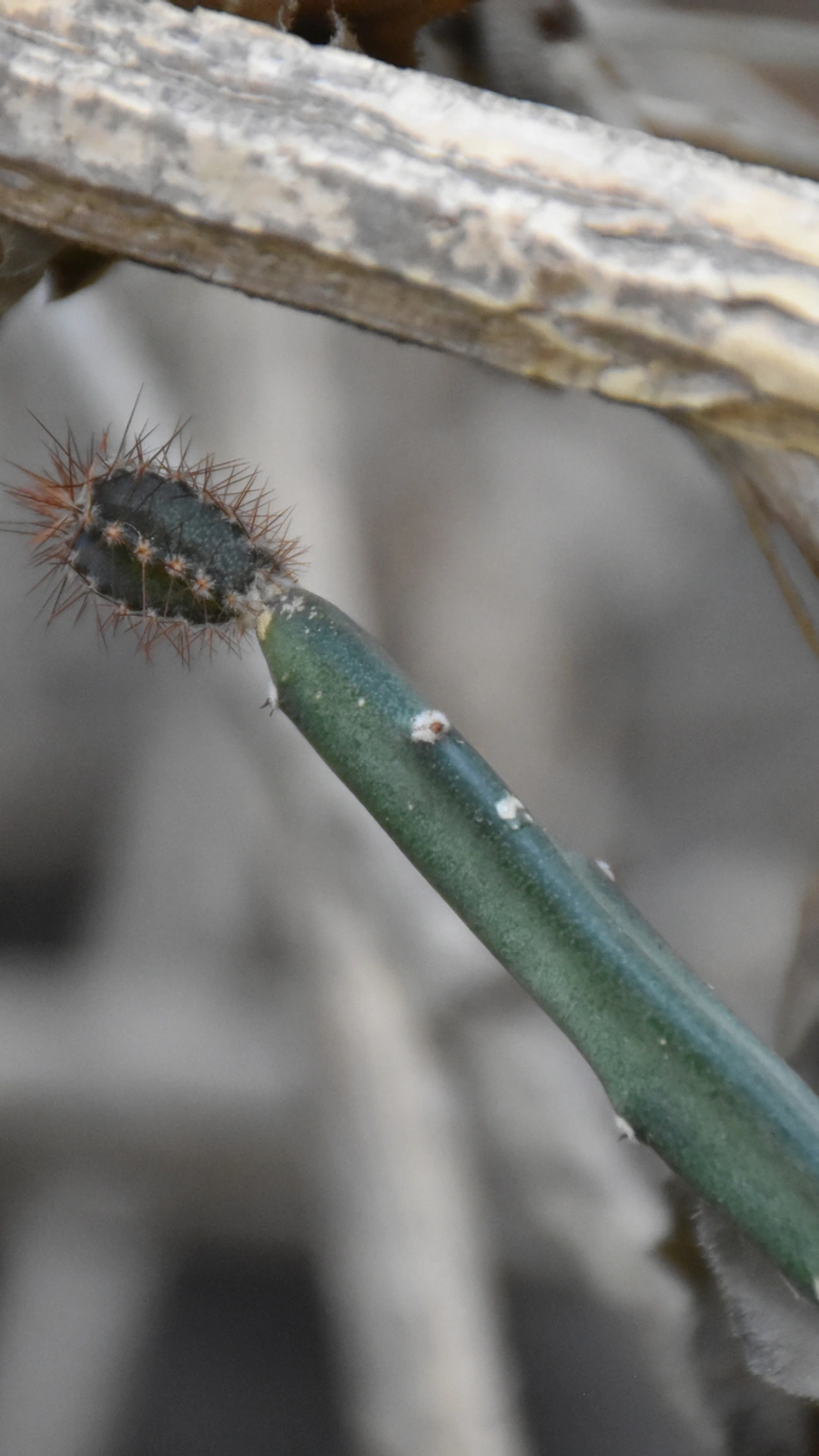 Reference image
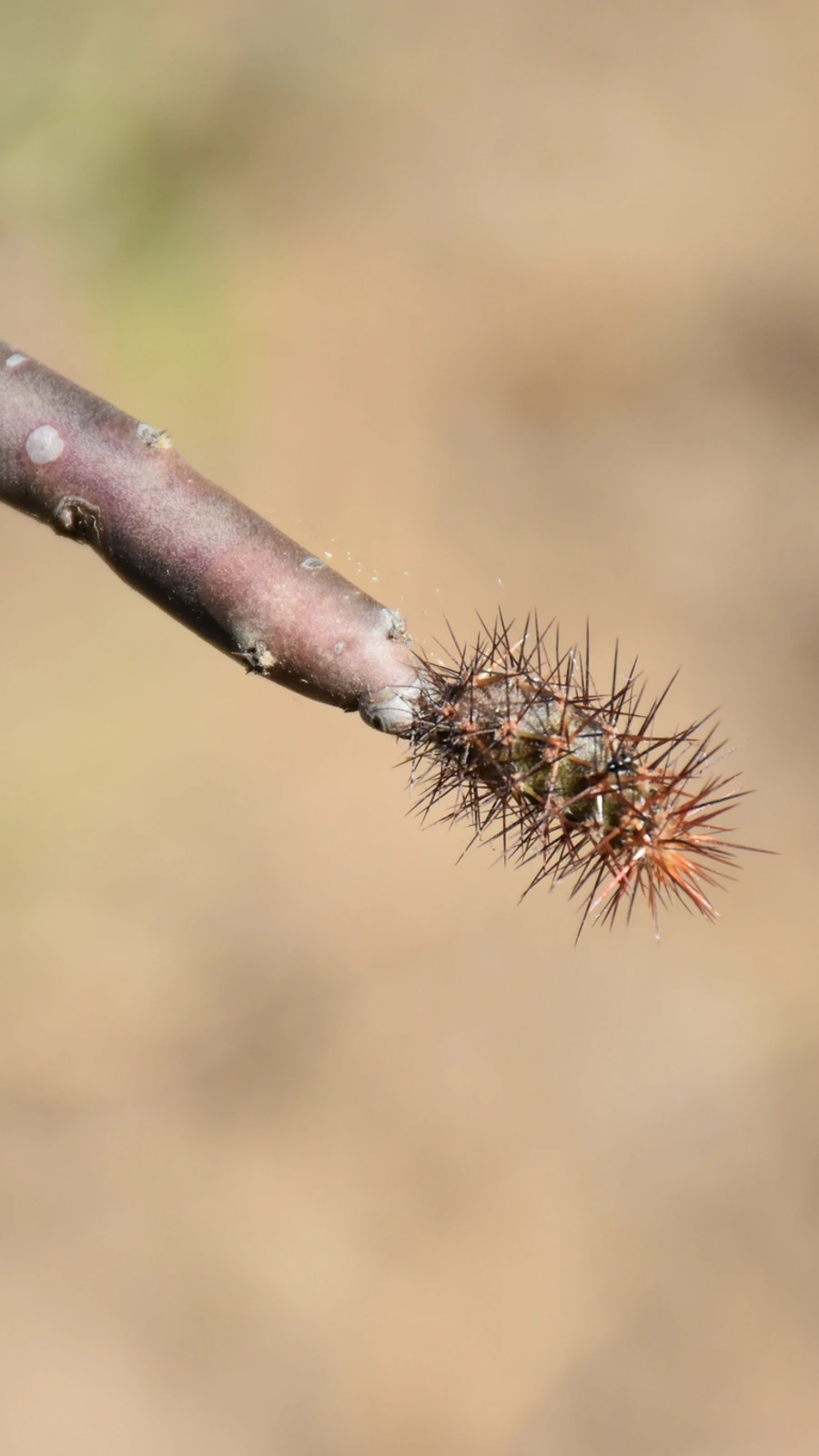 Reference image
Paradox Bush Cactus
Acanthocereus paradoxus is an exotic cactus species belonging to the genus Acanthocereus within the Cactaceae family. Highly appreciated by botanists and collectors, it is renowned for its unique adaptability to seasonally dry tropical environments and its unusual growth patterns 1.
Classified under the genus Acanthocereus, the species epithet "paradoxus" refers to its paradoxical morphology, which often exhibits unexpected variations in growth form and rib structure compared to typical columnar or climbing cacti 1.
This species is primarily native to Mexico, thriving in dry tropical forests and arid valley zones 2. It is naturally found growing on limestone slopes, clinging to rocky crevices, or sprawling under the light canopy of deciduous dry shrubs.
Acanthocereus paradoxus exhibits a semi-erect, scrambling, or shrubby growth habit. The stems are segmented, ribbed, and dull green to grayish-green. Areoles feature fine spines. It produces nocturnal, fragrant white flowers that open for a single night, eventually yielding colorful reddish-purple fruits 1.
In cultivation, a highly porous potting medium rich in pumice and coarse sand is essential. It performs best in bright, indirect sunlight or filtered morning sun, as intense midday heat can scorch the stems. Water thoroughly only when the soil has completely dried out 2.
The most frequent issue is root rot triggered by overwatering or stagnant soil moisture. Ensure the pot has drainage holes, and reduce watering drastically during the cold winter dormancy period.
Bright indirect light or filtered morning sun is perfect.
Water deeply only after the potting medium is entirely dry.
Use a specialized fast-draining cactus soil containing pumice and perlite.
Keep away from pets and children due to sharp spines; the plant itself is non-toxic.
Moderately easy if overwatering is strictly avoided.
Native to the seasonally dry tropical regions of Mexico, where it grows in scrublands and rocky slopes. It has evolved to withstand intense heat and extended dry periods in its native habitat.
