
Light
Bright Indirect Light
Bright indirect light or filtered sun; shield from intense midday solar radiation.
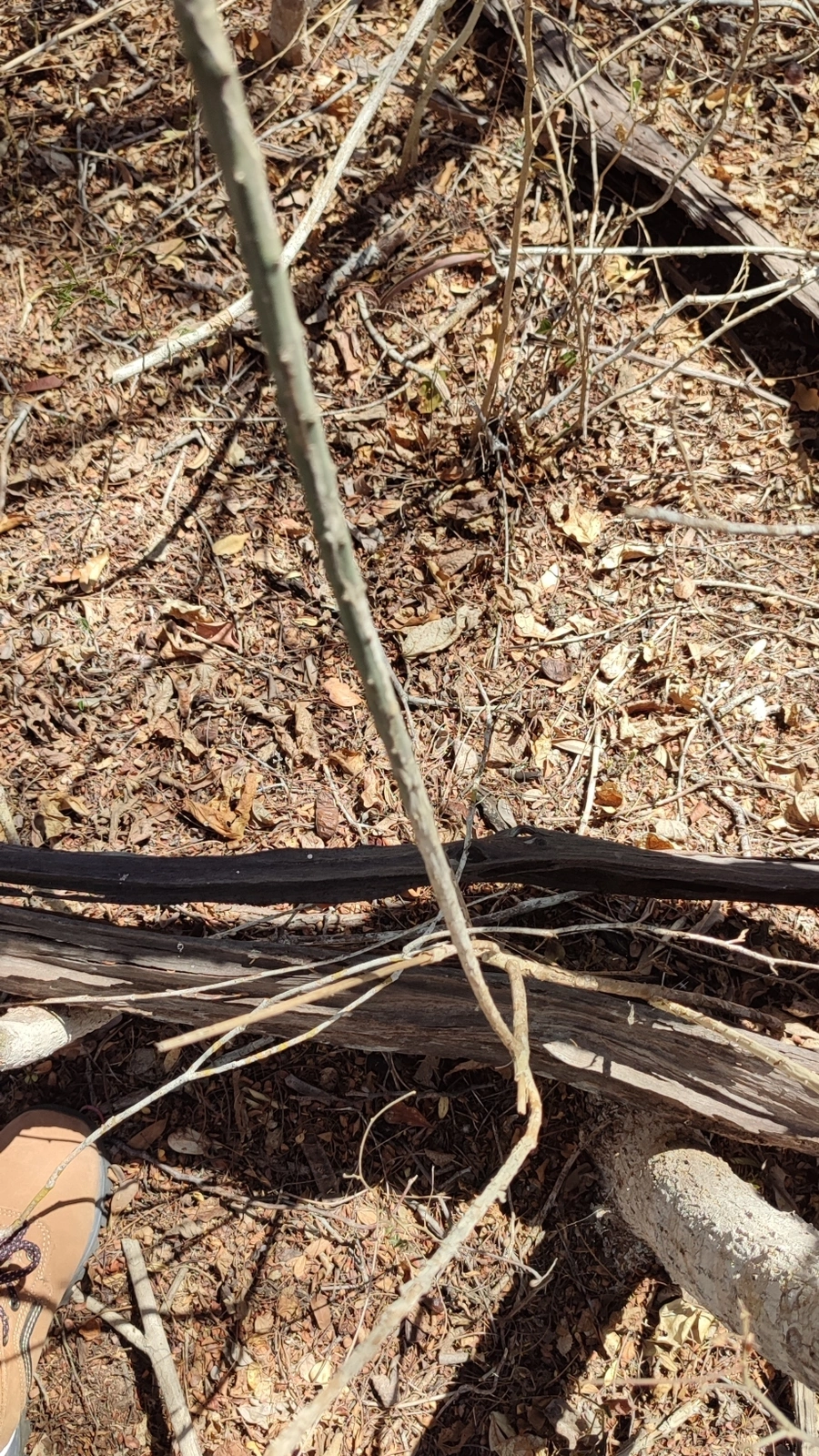 Reference image
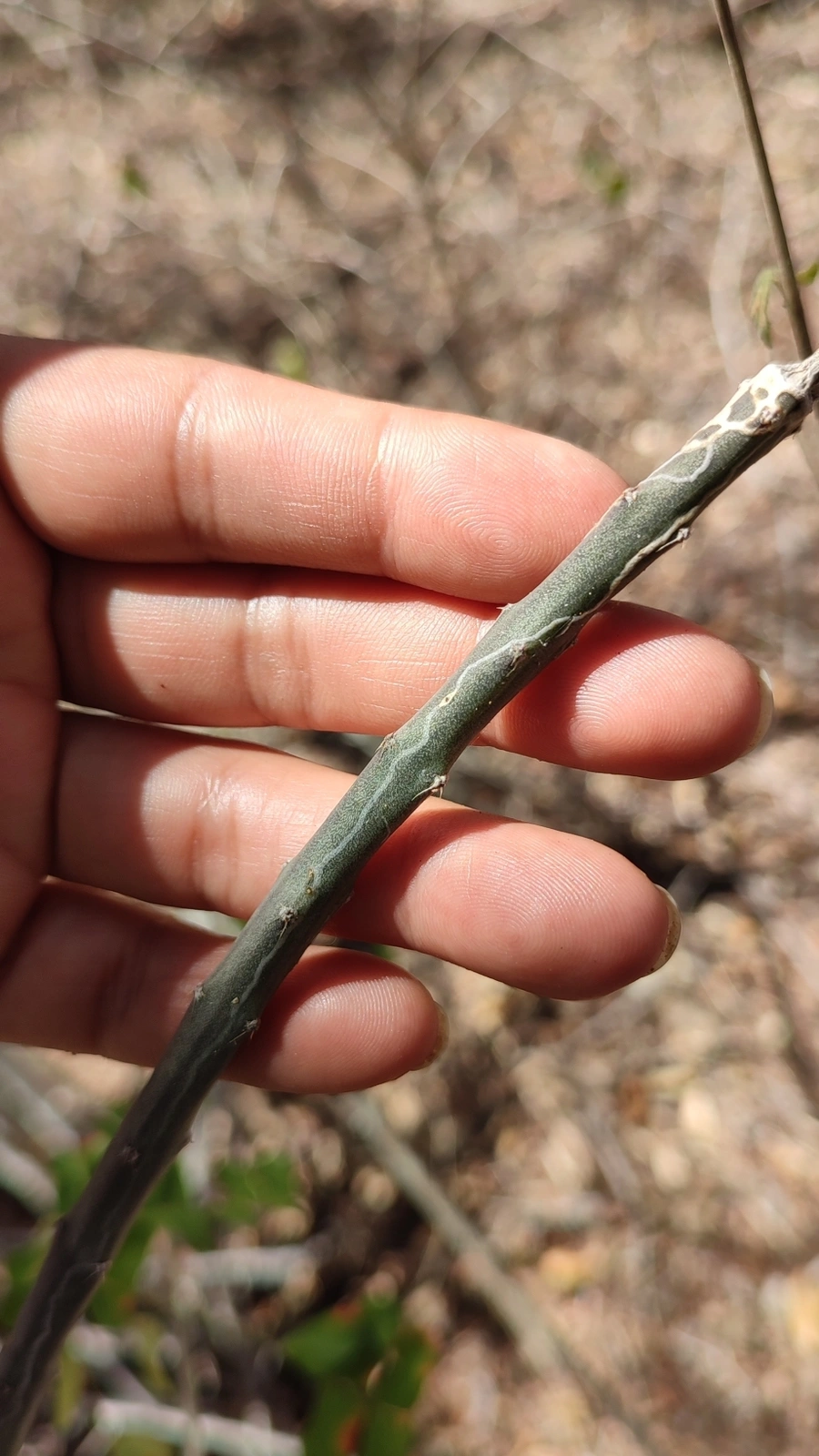 Reference image
Rose's Acanthocereus
Acanthocereus rosei is a scrambling, tuberous-rooted succulent shrub belonging to the family Cactaceae. Known for its nocturnal blooming habit and slender branches, it is a fascinating species for specialized collectors 1.
Named in honor of the prominent American botanist Joseph Nelson Rose, this species has been historically placed under the genus Peniocereus as Peniocereus rosei. Recent phylogenetic studies have integrated it into the expanded genus Acanthocereus 2.
This species is native to western and northwestern Mexico, spanning regions like Sinaloa, Nayarit, Jalisco, Colima, and Guerrero. It typically inhabits dry deciduous forests and arid shrublands, growing under the protection of larger shrubs 1.
It features thin, green to grayish-green segmented stems with 3 to 5 prominent ribs. The areoles carry short, needle-like spines. Below the surface, it forms a large, starchy tuberous root that helps the plant survive prolonged droughts. The funnel-shaped white flowers open at night and are strongly scented 1.
In cultivation, it thrives in bright filtered light or partial shade rather than harsh direct sunlight. A highly porous, mineral-rich potting mix is essential. Water thoroughly only when the substrate has completely dried out, and keep the plant dry during its winter dormancy.
Overwatering is the primary cause of failure, leading to the rapid decay of the underground tuber. Insufficient light results in weak, thin, and elongated stems. Keeping the plant in cold, damp soil during winter is highly detrimental.
Bright indirect light or filtered sun; shield from intense midday solar radiation.
Water only after the substrate has dried out completely; keep nearly dry in winter.
Highly porous, fast-draining mineral mix containing ample pumice or perlite.
Features small, sharp spines. Non-toxic to pets, but keep out of reach to avoid physical injury.
Moderate care level due to strict watering requirements and tuber rot susceptibility.
Native to the dry deciduous scrublands and arid coastal plains of western and northwestern Mexico, where it grows semi-protected under canopy shade.
