
Light
Bright Indirect Light
Bright indirect light or partial shade. Protect from scorching afternoon sun.
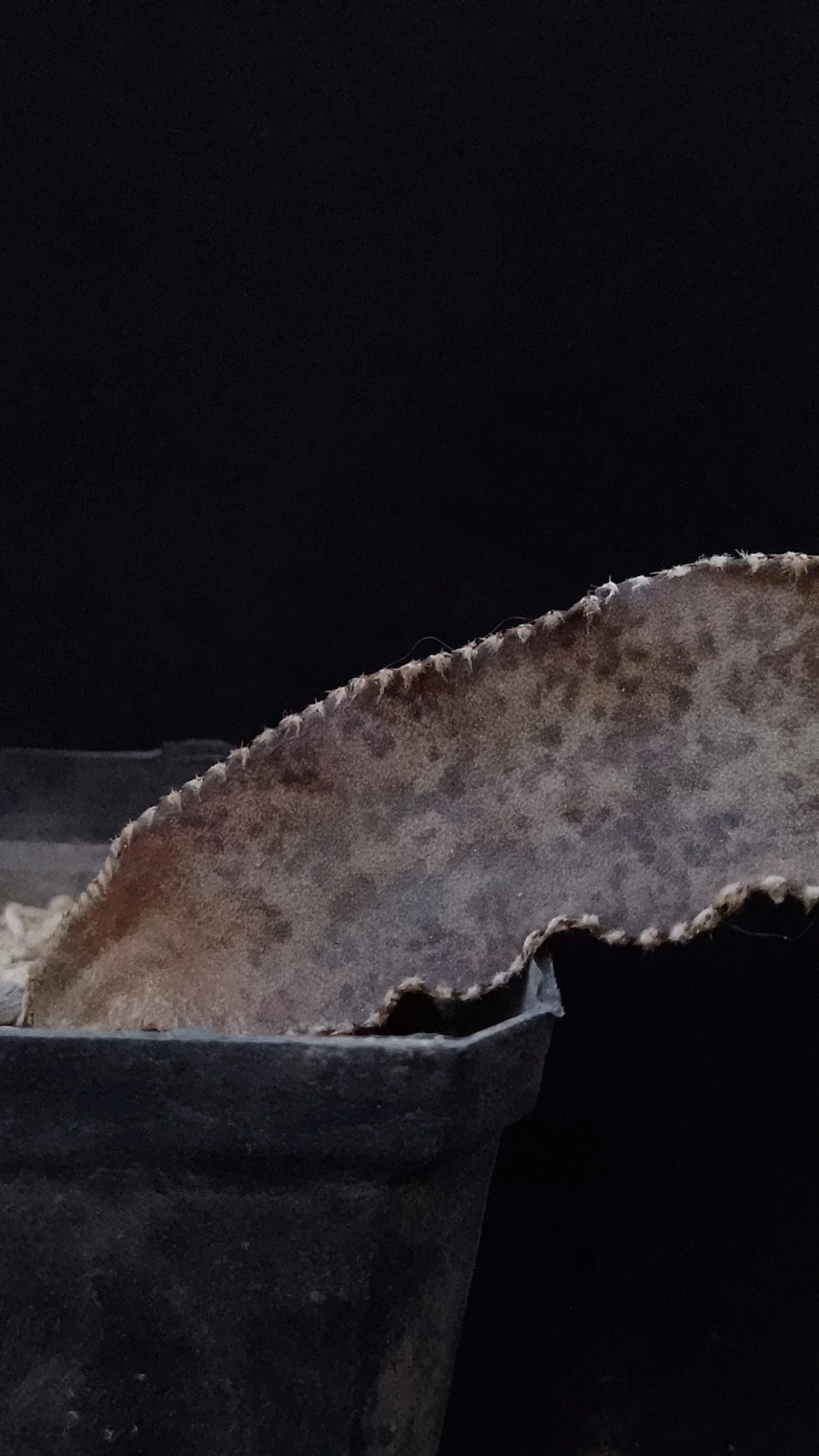 Reference image
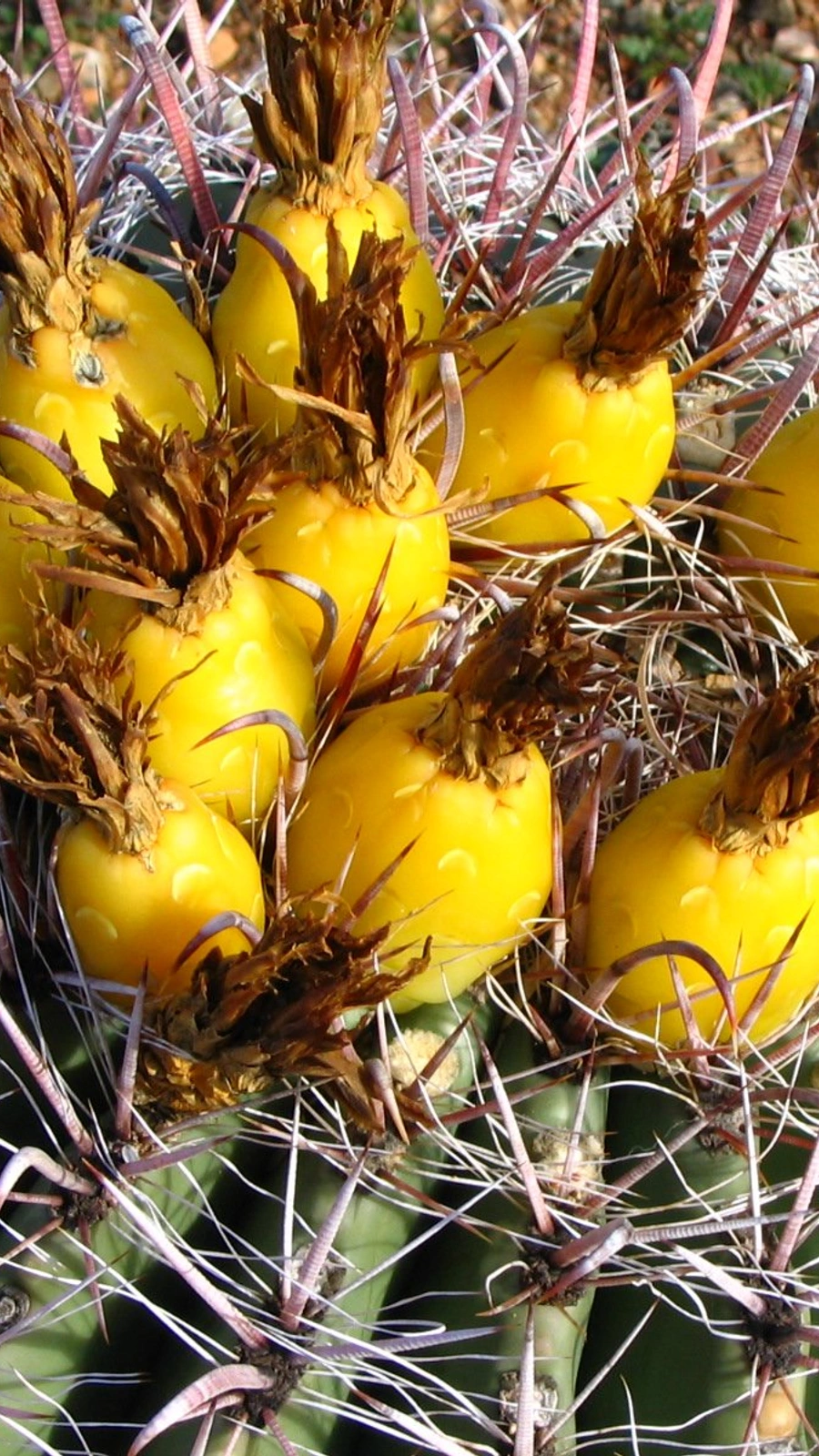 Reference image
Tepalcatepec Night-blooming Cereus
Acanthocereus tepalcatepecanus is a scrambling, semi-shrubby succulent cactus native to seasonally dry tropical ecosystems. Known for its slender, arching stems and large nocturnal blooms, this species is highly sought after by succulent collectors for its unique wild form and beautiful adaptation to dry forest understories 1.
The species is classified within the genus Acanthocereus of the Cactaceae family. Its specific epithet "tepalcatepecanus" refers to its type locality in the Tepalcatepec Basin of Mexico. It was previously classified under the genus Peniocereus as Peniocereus tepalcatepecanus before modern molecular studies reinstated it in Acanthocereus 2.
This species is endemic to southwestern Mexico, spanning states such as Michoacán, Jalisco, Guerrero, and Oaxaca. It thrives in deciduous tropical dry forests at elevations between 200 and 800 meters, typically growing under the light shade of larger shrubs and trees on rocky or gravelly soils 1.
It features cylindrical to slightly ribbed, grayish-green stems that can sprawl or climb up to 1-2 meters. The areoles bear small, slender spines that are more prominent on new growth and may become deciduous with age. The funnelform, nocturnal white flowers open for a single night, emitting a subtle fragrance 2.
In cultivation, it requires a very porous gritty mix to ensure rapid drainage. Unlike desert cacti, it prefers bright, filtered light over scorching, direct midday sun. Water thoroughly during the active summer growth period only when the soil is dry, and keep almost dry in winter 1.
Excessive watering and heavy, clay-rich soils are the main causes of root rot. Cold drafts combined with wet soil in winter will quickly damage the root system and cause unsightly fungal lesions on the stems.
Bright indirect light or partial shade. Protect from scorching afternoon sun.
Allow the substrate to dry out entirely between waterings. Reduce significantly in winter.
Mineral-rich soil containing pumice, perlite, and coarse sand for rapid drainage.
Possesses small, fine spines on younger stems. Keep away from curious pets.
Moderate. Requires careful monitoring of soil moisture, especially in winter.
Found in the seasonally dry deciduous tropical forests of southwestern Mexico, typically growing semi-shaded on rocky hillsides and rocky substrates.
