
Light
Bright Indirect Light
Prefers bright, indirect or filtered sunlight; avoid harsh midday sun.
 Reference image
 Reference image
Galeana Dwarf Cactus
Acharagma galeanense is an extremely rare and highly prized miniature cactus belonging to the family Cactaceae 1. Known for its restricted native range, it holds significant taxonomic and conservation value among succulent enthusiasts worldwide.
Originally classified under the genus Escobaria, subsequent morphological and phylogenetic analyses relocated this species to the genus Acharagma 2. The specific epithet 'galeanense' directly refers to its type locality near Galeana in Mexico.
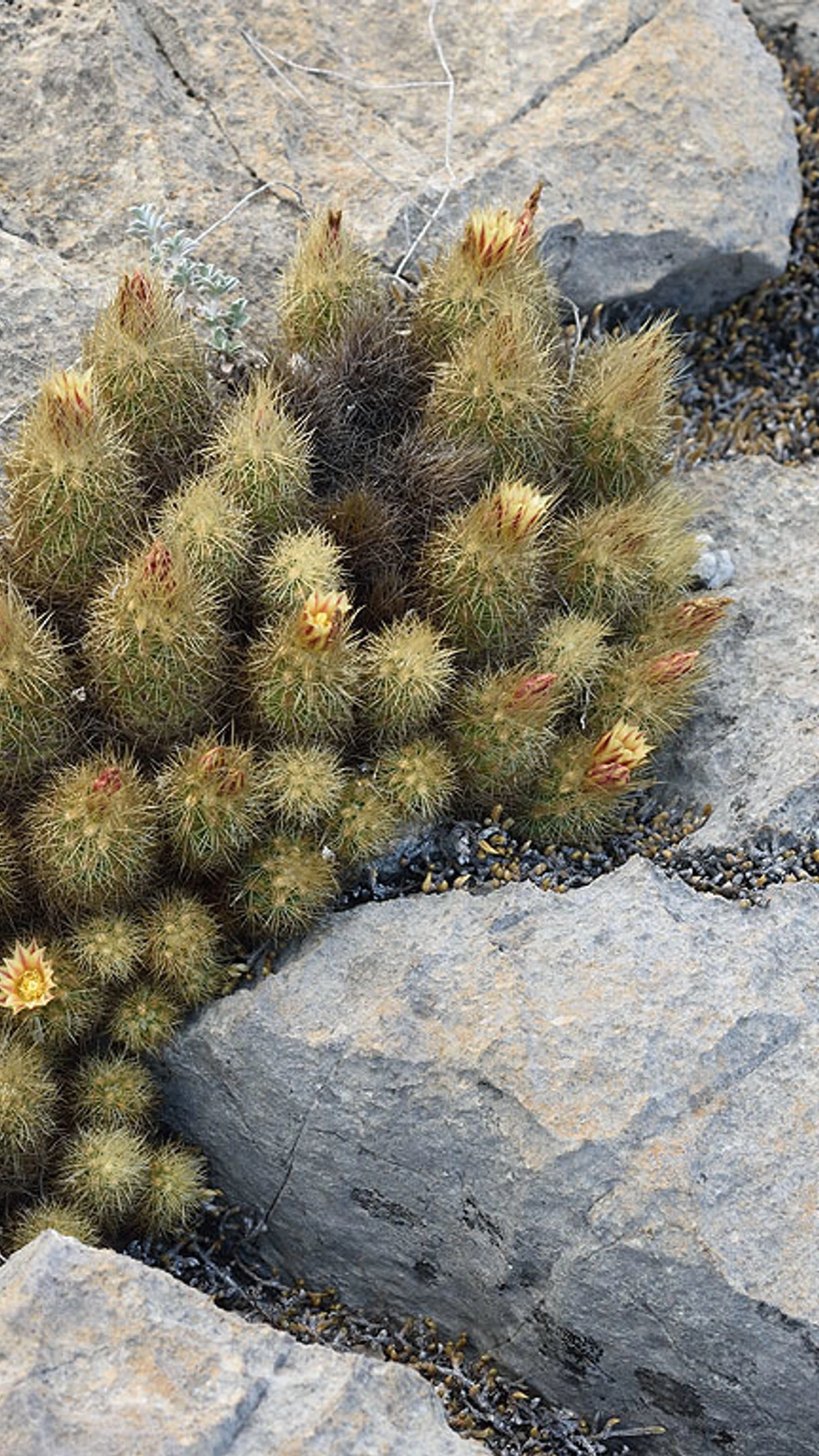
This species is micro-endemic to the semi-arid limestone hills near Galeana in Nuevo León, Mexico 1. It typically grows on steep, rocky limestone slopes, tucked within crevices or under the light shade of desert scrub vegetation, surviving in nutrient-poor mineral soils.
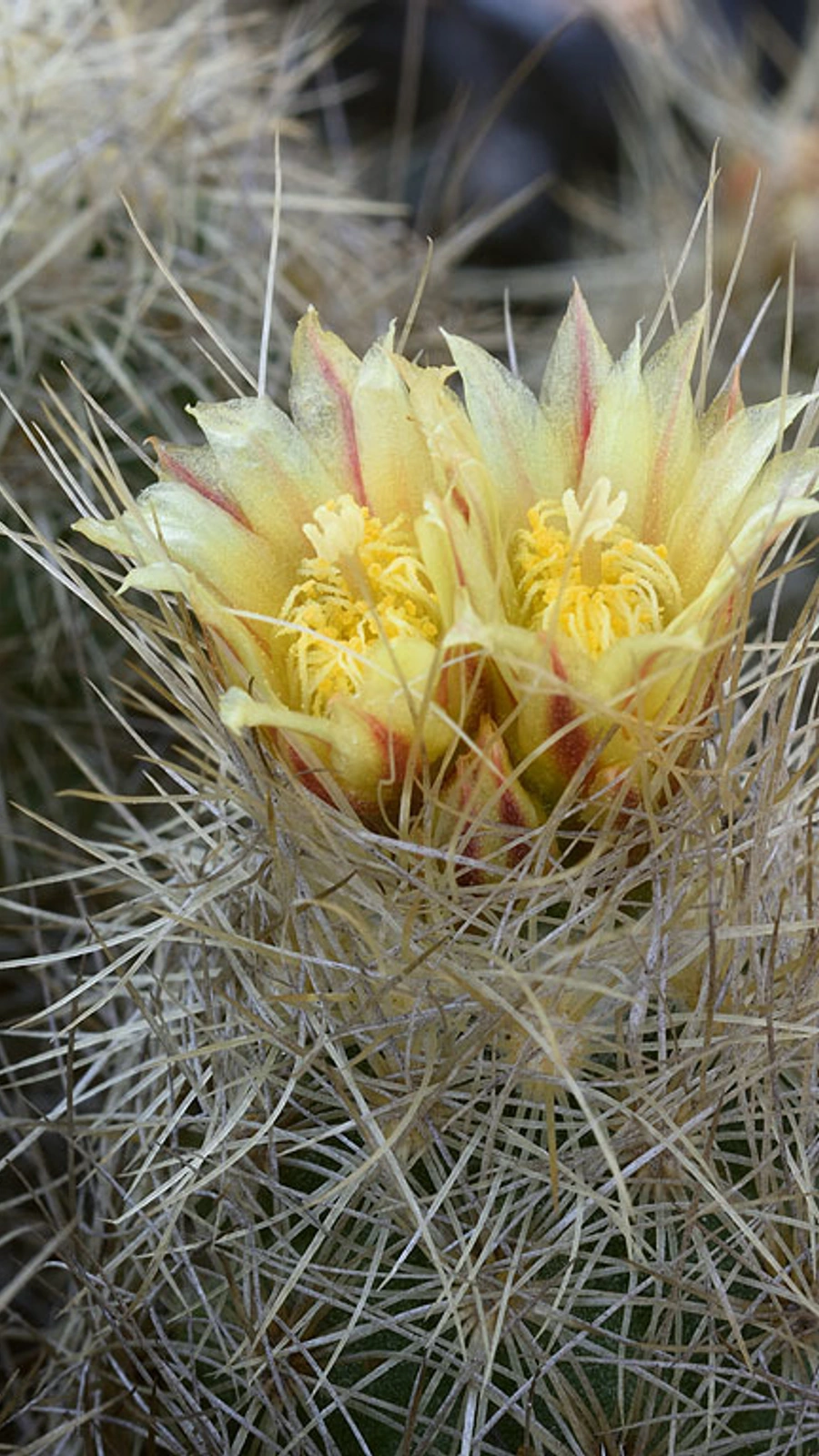
It is a small, solitary or sparsely clustering succulent subshrub with globose to short cylindrical stems. The epidermis is dark green to grayish-green, covered in distinct tubercles. The areoles bear fine, needle-like spines ranging from pale yellow to brownish. In late spring, small, attractive cream, yellow, or pinkish flowers emerge from the stem apex.
Cultivating Acharagma galeanense requires experience due to its extreme sensitivity to moisture. It demands a highly porous, purely mineral substrate rich in limestone grit and pumice. It performs best in bright, filtered sunlight with excellent air circulation.
The most prevalent failure in its care is overwatering, especially during the cold winter dormancy period, or using organic-rich soils. This quickly triggers fatal root rot 2.
Prefers bright, indirect or filtered sunlight; avoid harsh midday sun.
Allow soil to dry out completely between waterings; suspend watering in winter.
Strictly mineral-based, gritty soil mix with limestone and pumice.
Features sharp spines. Non-toxic, but should be handled with care and kept away from pets.
Hard/Expert. Highly vulnerable to overwatering and damp soil conditions.
Endemic to the high-altitude limestone mountains near Galeana in Nuevo León, Mexico, where it grows in arid, rocky habitats.
