
Light
Full Sun
Requires full direct sun; shade causes leggy growth and loss of vigor.
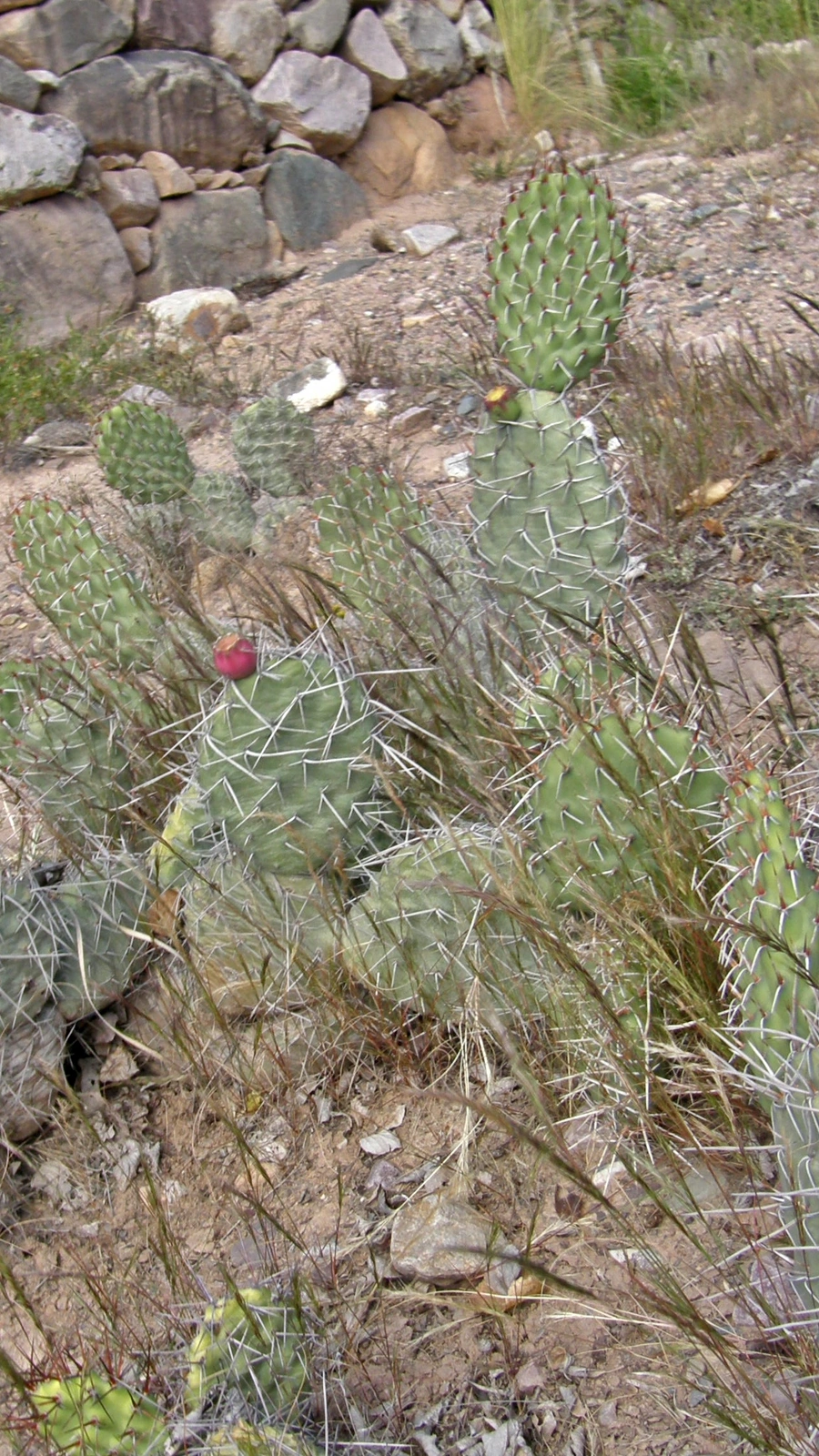 Reference image
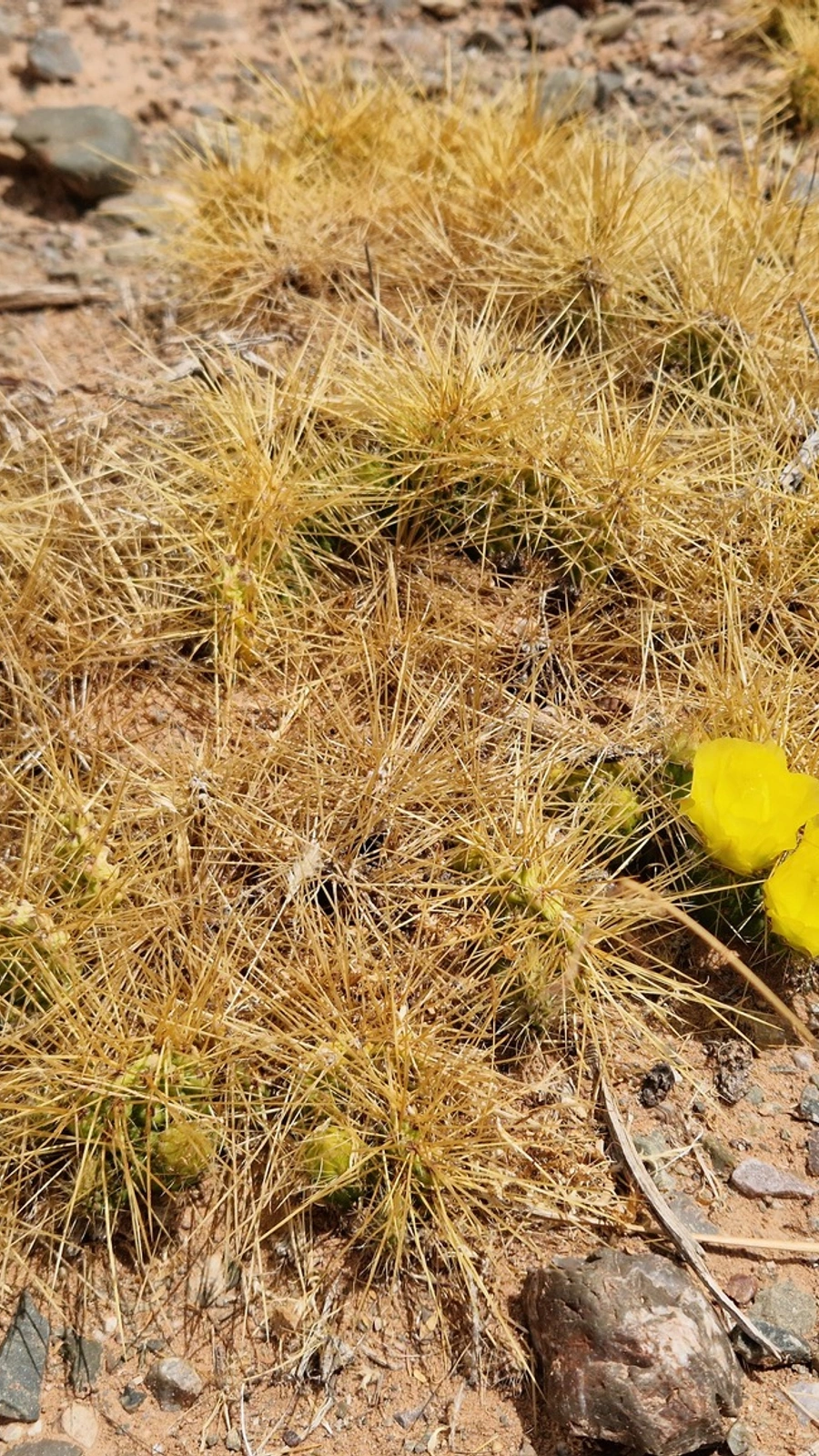 Reference image
Tilcara Airampoa Cactus
Airampoa tilcarensis is a highly resilient, succulent subshrub belonging to the Cactaceae family, well-adapted to arid environments and rocky terrains.
Belonging to the genus Airampoa, this species takes its name from the Tilcara region in northwestern Argentina. In historical botanical taxonomy, it has been associated with the genera Opuntia and Tunilla, but current phylogenetic classification places it within Airampoa due to distinct seed and stem characteristics 1.
Native to southern South America, specifically the high-altitude, arid valleys of northwestern Argentina (such as Jujuy, Salta, and Tucumán). It thrives in dry shrublands and desert biomes, growing among gravel and rocks 2.
This cactus forms low-growing, jointed mats composed of flattened, oval-shaped green segments. The areoles bear fine, sharp, glochid-like spines. Flowers are highly attractive, blooming in vibrant shades of yellow, orange, or red at the margins of the upper segments.
In cultivation, it requires minimal intervention. It demands full sun exposure, exceptional drainage, and minimal watering. Water only when the substrate is completely dry during the growing season, and withhold watering almost entirely during winter dormancy.
The most prevalent error is overwatering combined with poorly draining soil, which quickly leads to root rot. Keeping the plant in humid, warm indoor spaces during winter can also cause fungal infections and etiolation.
Requires full direct sun; shade causes leggy growth and loss of vigor.
Water only after the soil is 100% dry; keep dry during winter.
Use a gritty cactus mix rich in pumice, coarse sand, and perlite.
Possesses sharp, irritating spines; handle with gloves and keep away from pets.
Extremely drought-tolerant and easy to care for, perfect for neglect-friendly gardens.
Found naturally in the high-altitude arid and semi-arid valleys of northwestern Argentina, clinging to rocky slopes and gravelly dry soils of the Andes.
