
Light
Bright Indirect Light
Bright indirect light or filtered sun; avoid harsh direct midday sun.
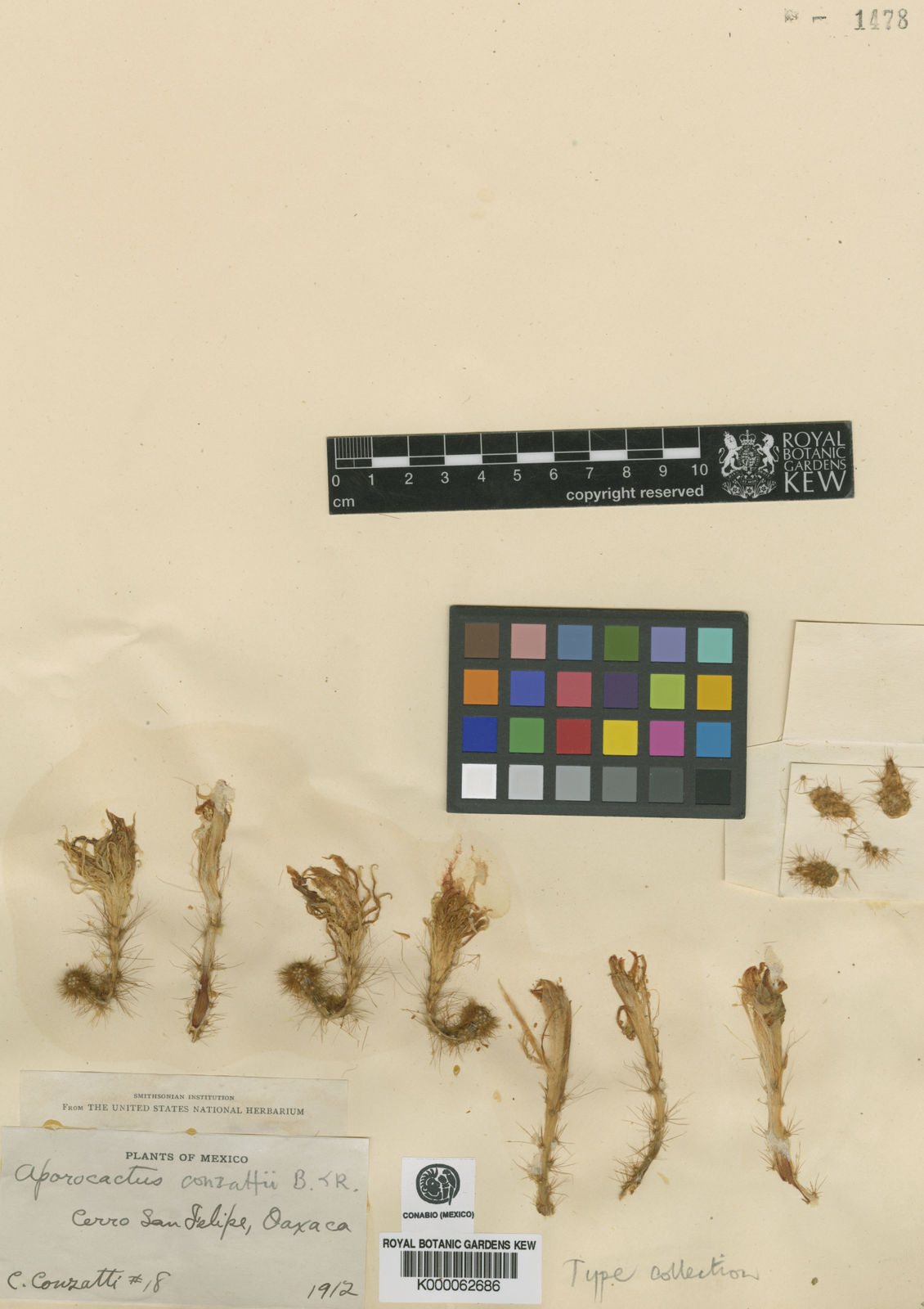 Reference image
Martius' Rat Tail Cactus
Aporocactus martianus, commonly known as Martius' Rat Tail Cactus, is an attractive epiphytic or lithophytic succulent subshrub belonging to the Cactaceae family. Highly appreciated for its cascading, pendulous growth habit and vibrant pinkish-red trumpet-shaped flowers, it makes an outstanding ornamental plant for hanging baskets 1.
Originally described by de Candolle and historically placed under Disocactus martianus, modern phylogenetic studies have reinstated it within the genus Aporocactus 2. The specific epithet honors the renowned German botanist Carl Friedrich Philipp von Martius, who extensively studied South American flora.
Native to southern and central Mexico, particularly throughout regions such as Oaxaca, Guerrero, Hidalgo, and Veracruz. It thrives in seasonally dry tropical forests, growing non-parasitically on tree trunks (epiphyte) or nestled within rock crevices (lithophyte) where organic detritus accumulates 1.
It features slender, cylindrical, light green stems reaching 1.5 to 2 cm in diameter and up to 1.5 meters in length. The stems carry 8 to 10 low ribs densely covered with fine, bristly, yellowish to brownish spines. During spring, it produces striking, diurnal, tubular red flowers that contrast beautifully against the green foliage.
This species prefers bright, indirect sunlight or filtered sun. Direct, harsh midday sun can scorch the stems. During the active growing season (spring and summer), water thoroughly once the topsoil dries out. In winter, enforce a cool, dry dormancy period to stimulate future blooming 2.
Overwatering in heavy, clay-rich soil is the primary cause of root and stem rot. Insufficient light leads to etiolation (pale, thin stems) and a complete lack of flowering.
Bright indirect light or filtered sun; avoid harsh direct midday sun.
Keep moderately moist in summer; keep nearly dry during winter dormancy.
Well-aerated, fast-draining potting soil enriched with peat and perlite.
Non-toxic to pets, but the dense, fine spines can cause skin irritation; handle with care.
Moderate; requires careful watering and a cool dry rest period in winter to bloom.
Native to the mountain forests and rocky ravines of central and southern Mexico, adapting to humid summers and dry winters.
