
Light
Full Sun
Requires full sun. Place in a south-facing window, conservatory, or greenhouse for optimal development.
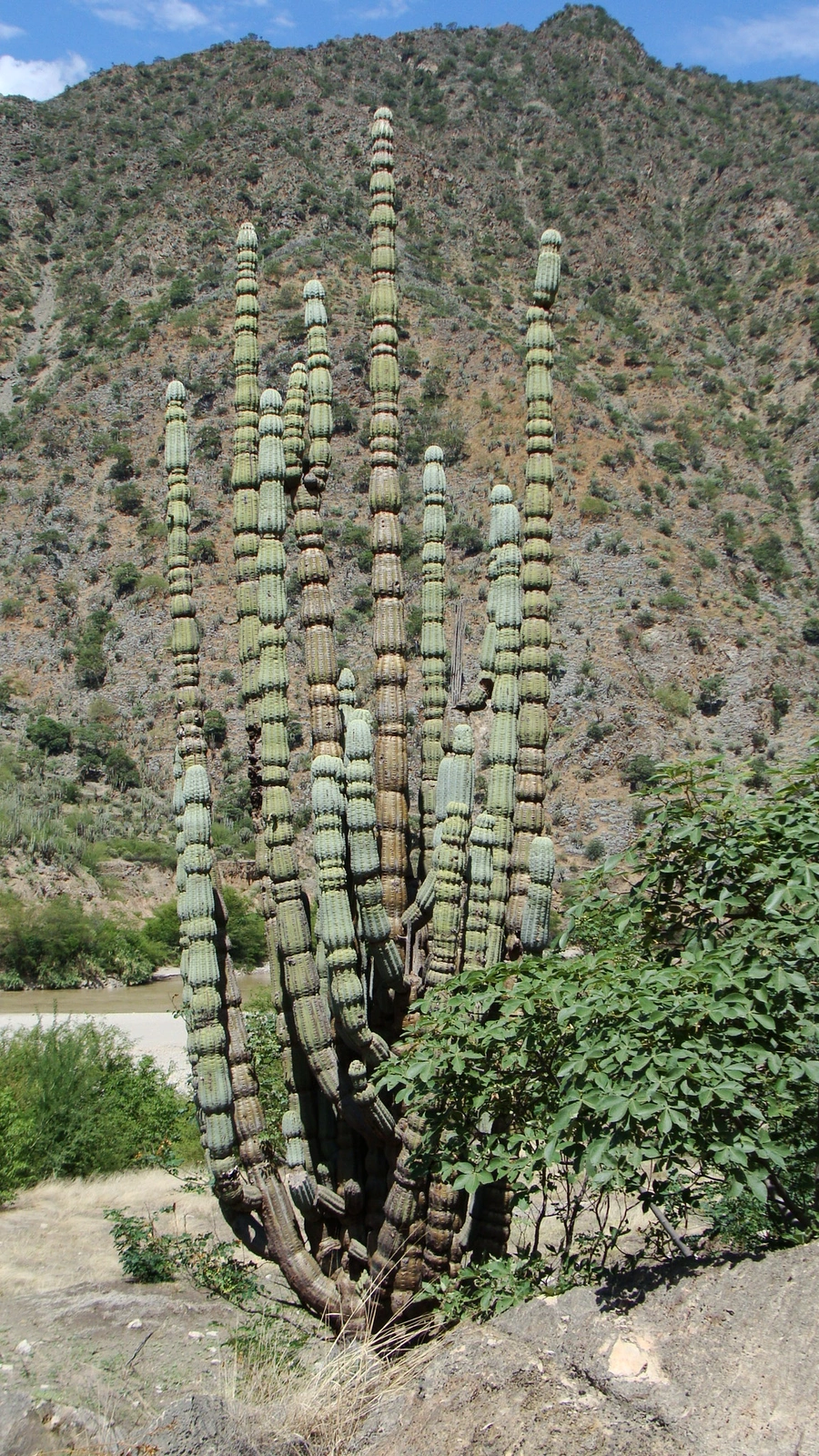 Reference image
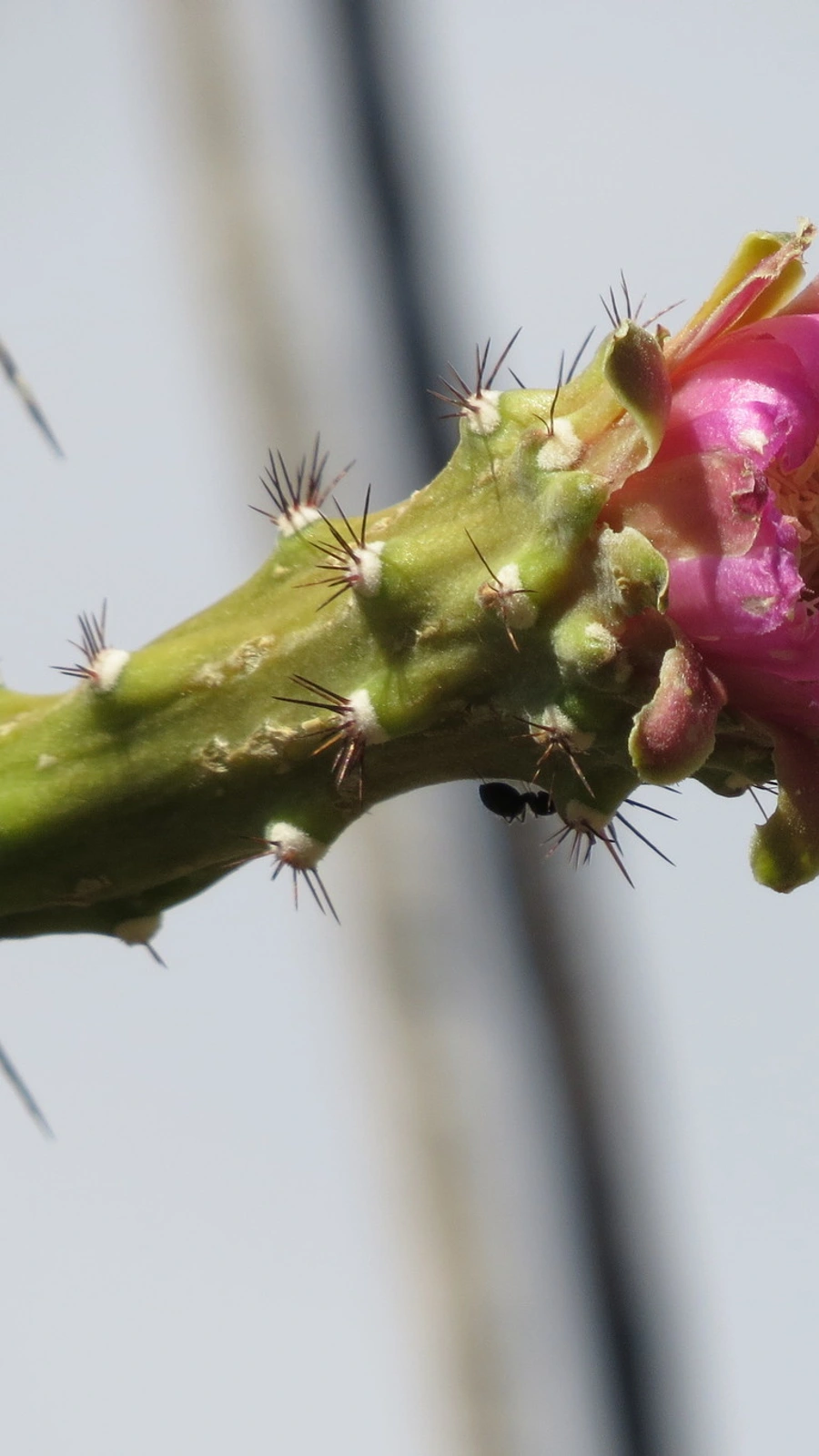 Reference image
Rauh's Spear Cactus
Armatocereus rauhii is a massive, tree-like columnar cactus species belonging to the Cactaceae family. In its natural environment, it stands as a dominant and majestic architectural element of dry valley landscapes 1.
The species epithet honors the renowned German botanist Werner Rauh, who contributed significantly to succulent research. The genus name Armatocereus translates from Latin as 'armed candle', referencing the formidable, spear-like spines that densely cover its ribbed branches 2.
This rare cactus is endemic to the arid valleys of northern and central Peru, particularly around the Huancabamba river drainage system. It thrives at elevations of 500 to 1000 meters above sea level, colonizing steep, rocky hillsides under harsh desert conditions 1.
In habitat, it can reach heights of 4 to 10 meters, developing a well-defined trunk. The stems are segmented, grayish-green or glaucous-blue, featuring deep ribs. Large, woolly areoles bear rigid, long, grayish-white radial and central spines. During summer, it produces large, nocturnal white or cream-colored flowers followed by prickly, edible reddish fruits 2.
In cultivation, it requires full sun exposure to maintain its robust spination and natural form. It must be potted in highly porous, mineral-rich substrates. Watering should follow the 'soak and dry' method, keeping the root zone completely dry during the winter dormancy period.
Overwatering, poor soil drainage, and low-light conditions are the primary causes of failure. Insufficient light leads to weak, stretched growth (etiolation), while excess moisture quickly triggers fatal root rot.
Requires full sun. Place in a south-facing window, conservatory, or greenhouse for optimal development.
Water thoroughly only when the soil is 100% dry in summer. Keep dry in winter.
Strictly mineral mix containing pumice, perlite, and coarse sand with minimal organic matter.
Fierce, rigid spines can cause deep puncture wounds. Keep away from pets and young children.
Moderate. Easy if watering is strictly controlled and strong light is consistently provided.
Native to the dry, rain-shadowed river basins of northern Peru, where it adapts to rocky terrain and extended dry seasons under intense equatorial sun.
