
Light
Bright Indirect Light
Thrives in direct sunlight or very bright indirect light; ideal for south-facing windows.
 Reference image
 Reference image
Ferrari's South Cactus
Austrocactus ferrarii is a distinctive, highly sought-after cactus species within the Cactaceae family, known for its resilience and unique high-altitude aesthetic. It has adapted beautifully to the arid conditions of southern South America 1.
The species was named in honor of Omar Ferrari, a prominent Argentine botanist and plant collector. The genus name Austrocactus reflects its distribution restricted primarily to the southern regions of South America 2.
Native to western and northwestern Argentina, particularly the pre-Andean regions of Mendoza and San Juan, this species thrives in dry shrublands and rocky deserts. It is found on gravelly slopes exposed to intense solar radiation and significant diurnal temperature fluctuations 1.
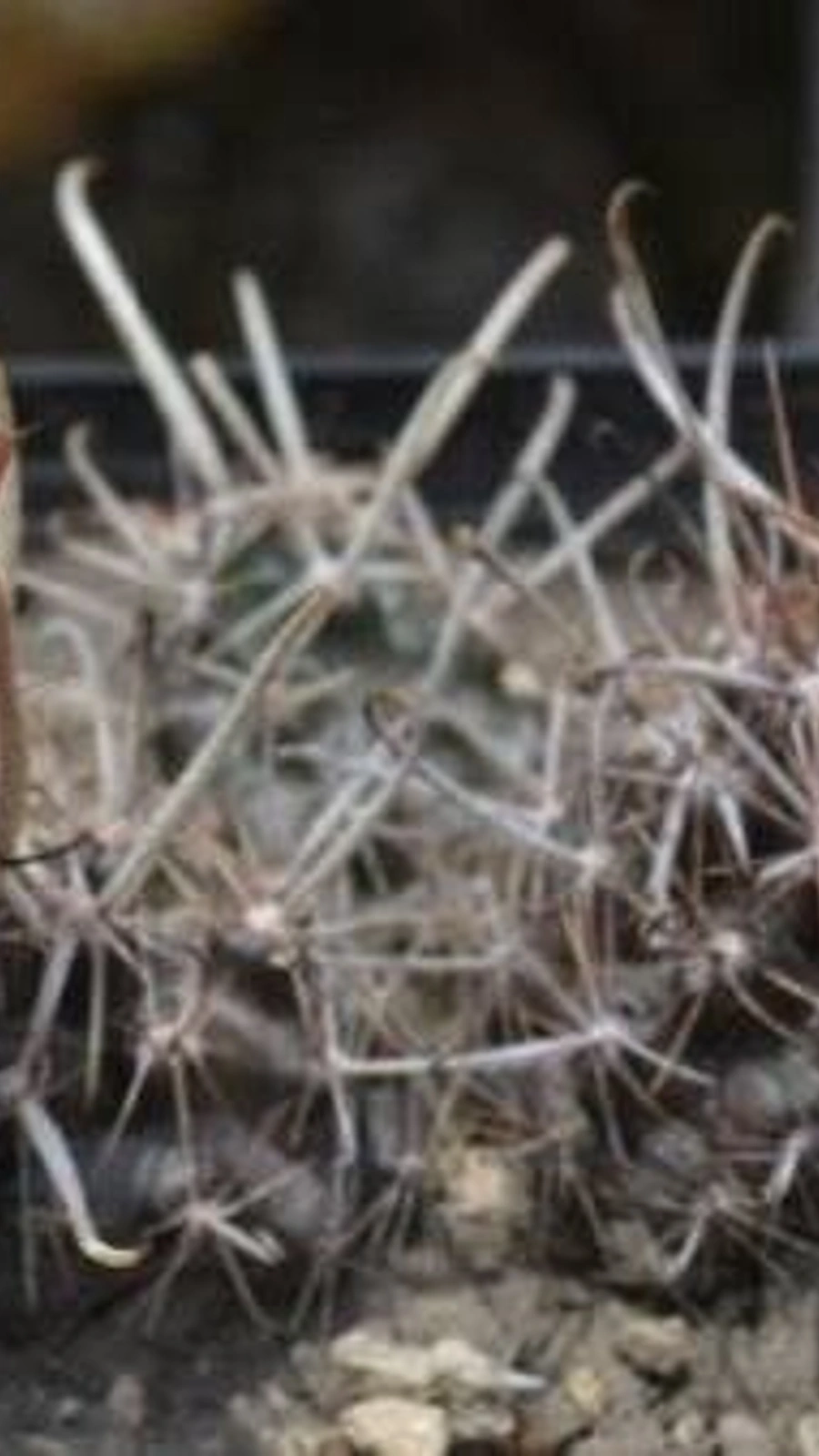
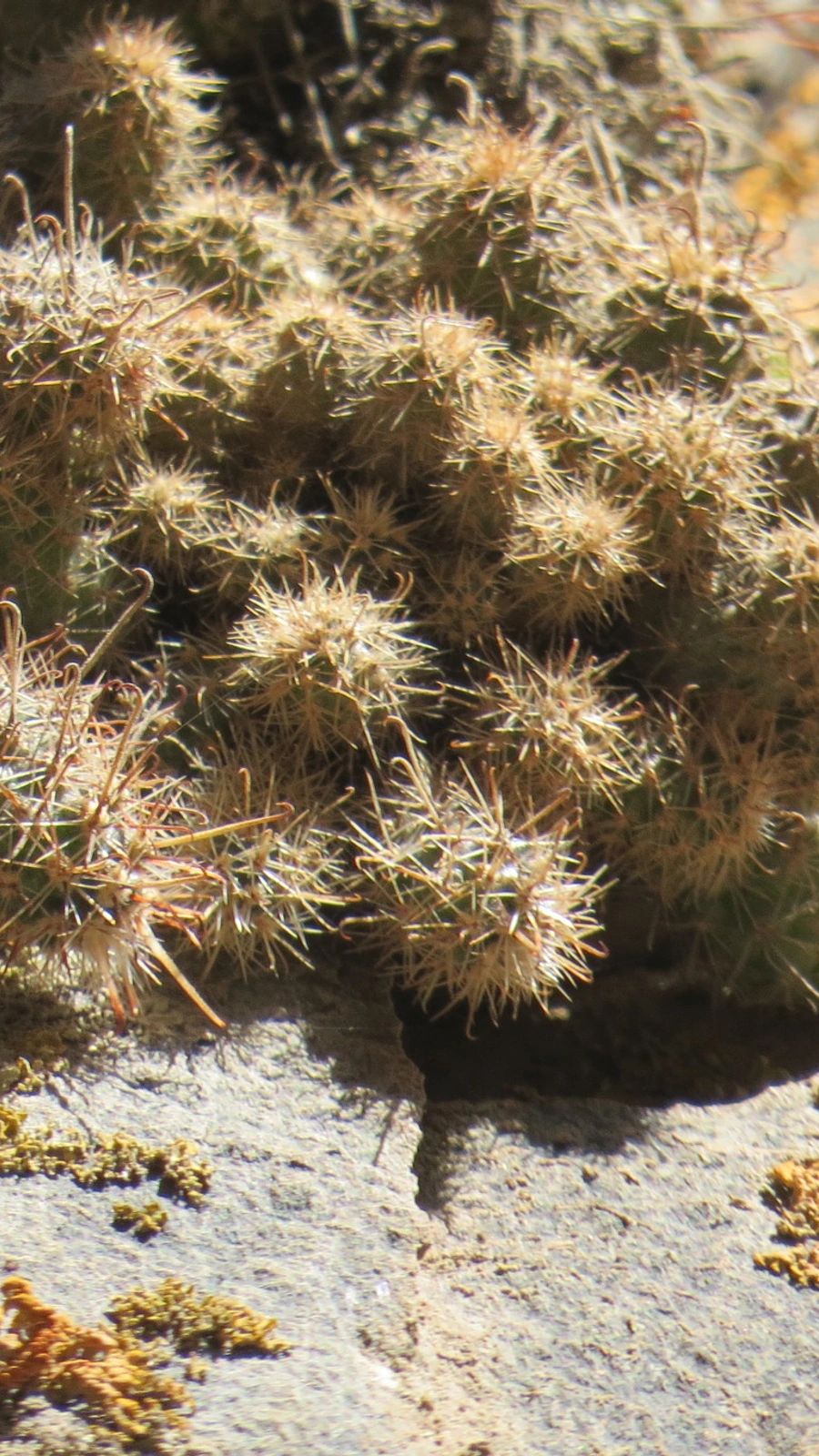
This cactus features a globose to short cylindrical stem with well-defined ribs. The areoles bear strong, rigid spines that range in color from gray to reddish-brown. During the blooming season, it produces copper-colored or yellowish-green flowers near the apex 2.
In cultivation, Austrocactus ferrarii requires a mineral-heavy substrate with outstanding drainage. Watering must follow a strict soak-and-dry method. Providing a cold, dry winter dormancy period is essential for healthy growth and robust spring flowering 1.
The most frequent cause of failure is waterlogging caused by organic-rich soils or excessive winter watering, which quickly induces fatal root rot.
Thrives in direct sunlight or very bright indirect light; ideal for south-facing windows.
Adopt the soak-and-dry method. Keep virtually dry during winter dormancy.
Requires excellent drainage. Use a mix of 70% mineral grit (pumice/gravel) and 30% organic soil.
Has sharp spines. Keep out of reach of pets and children. Non-toxic.
Moderate. Requires discipline with watering and providing cool winter temperatures.
Native to the dry rocky slopes and arid high-altitude deserts of Argentina. It grows in gravelly substrates that experience sharp temperature drops at night.
