
Light
Filtered Sun
Thrives in bright, filtered sunlight or direct morning sun.
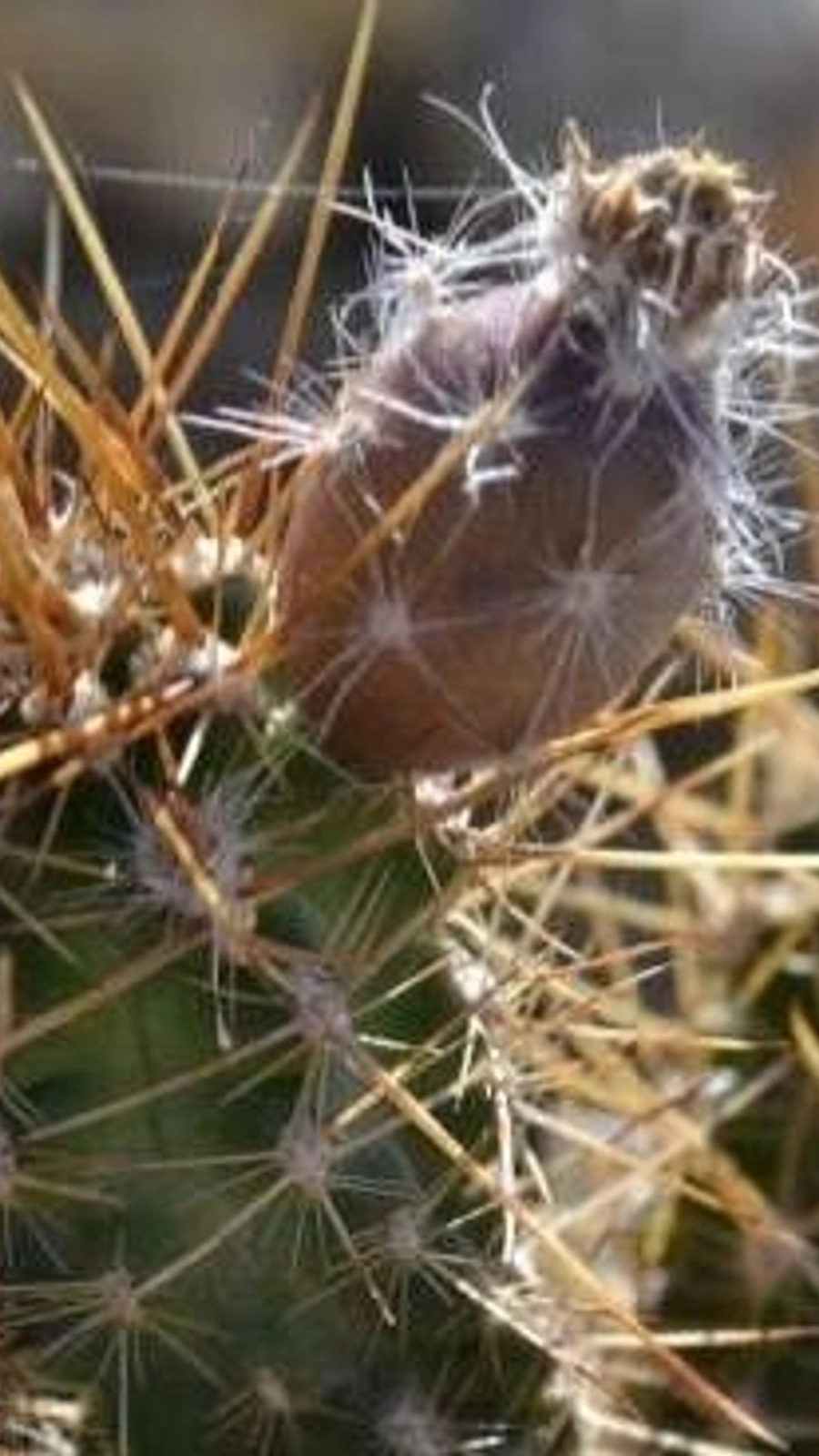 Reference image
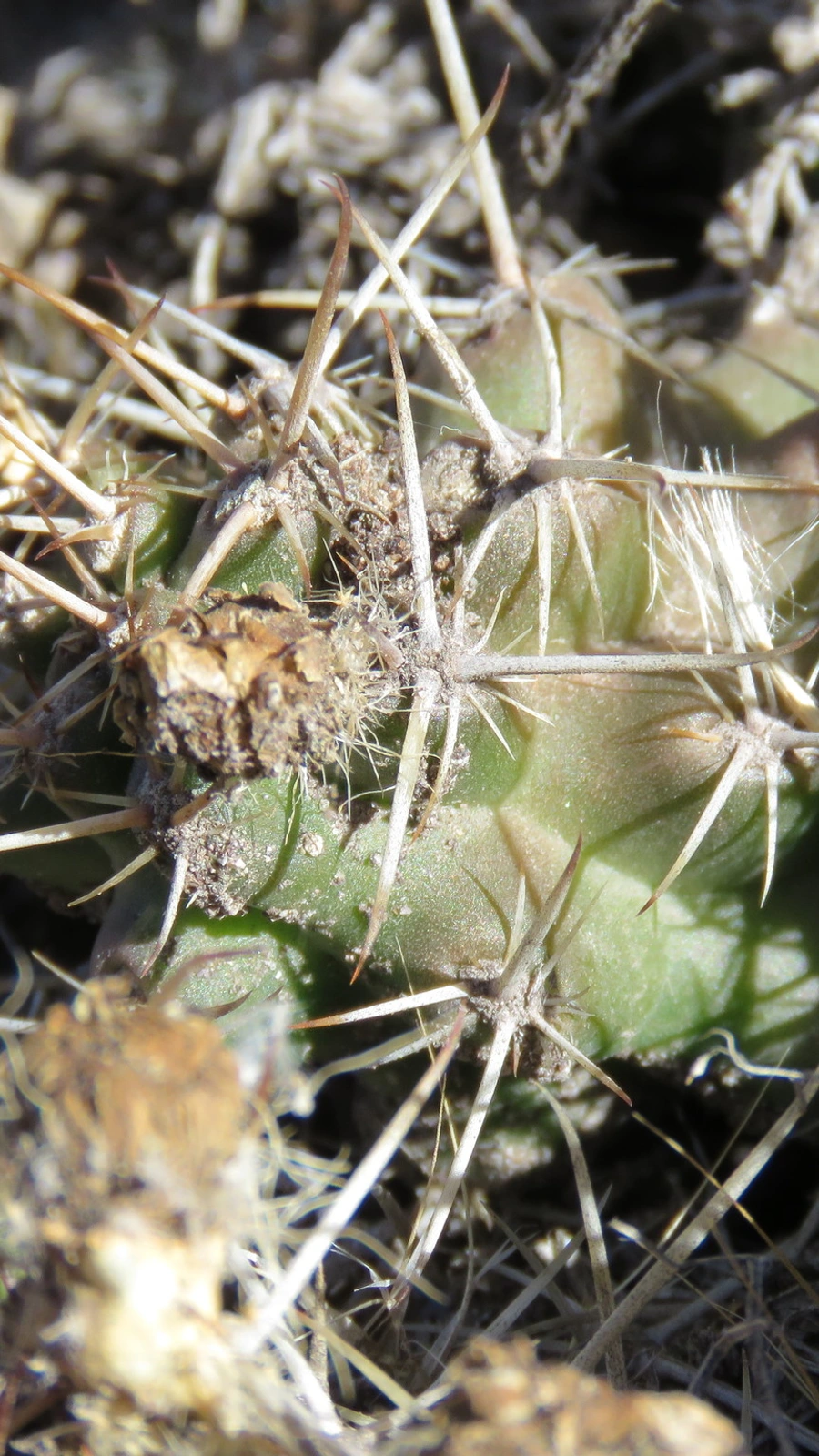 Reference image
Winter Austrocactus
Austrocactus hibernus is a rare and resilient succulent subshrub belonging to the Cactaceae family, native to the high-altitude Andean regions of Chile and Argentina 1. It is highly regarded for its extraordinary cold hardiness.
The species name 'hibernus' derives from Latin, meaning 'westerly' or 'wintry', referring to its cold alpine habitat. The genus Austrocactus represents cacti adapted to the extreme southern environments of South America 2.
This species occurs at elevations between 1500 and 2500 meters in the high Andes, particularly in regions like Maule and Valparaíso in Chile, as well as adjacent parts of Argentina. It thrives on rocky, exposed slopes 1.
The stems are typically cylindrical, ribbed, and clustering at the base. Spines are robust, greyish-brown, offering shielding from intense solar radiation. In late spring, it produces beautiful pale yellow to copper-orange funnel-shaped flowers 2.
In cultivation, it requires an extremely porous, mineral-heavy substrate. It prefers regular watering during the summer but must be kept bone-dry throughout the winter dormancy to survive freezing temperatures 1.
The most frequent mistake is watering during the winter resting period, which inevitably causes root rot. Lack of adequate sunlight leads to etiolation and weakens the plant.
Thrives in bright, filtered sunlight or direct morning sun.
Allow soil to dry out completely between waterings; keep dry in winter.
Use a grit-heavy, mineral-based cactus mix with low organic matter.
Non-toxic to pets, but has sharp spines that require careful handling.
Moderate difficulty due to strict requirements for dry winter dormancy.
Endemic to the high slopes of the Andes, where it is well-adapted to rocky soils, cold winter temperatures, and intense mountain sunlight.
