
Light
Bright Indirect Light
Requires bright, filtered sunlight; protect from intense midday summer sun.
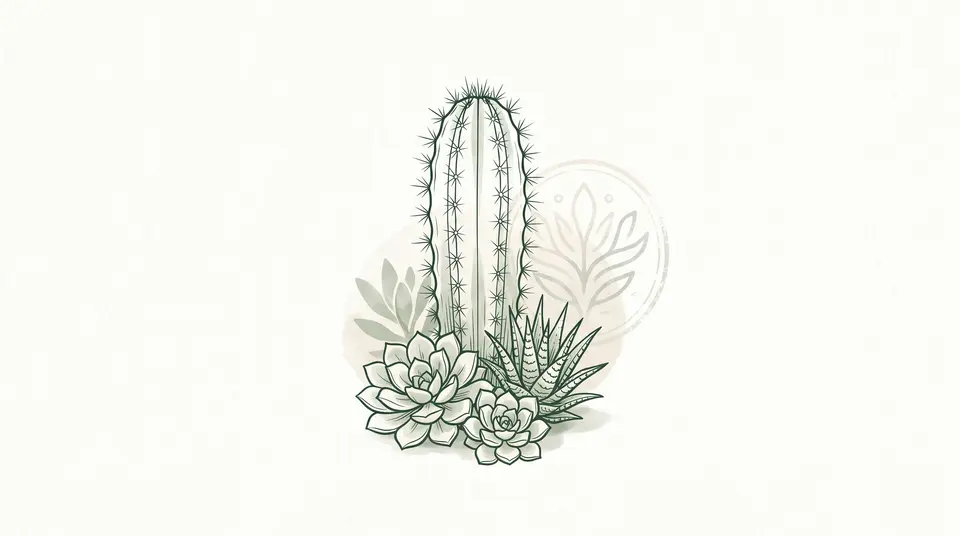 Reference image
Noble Southern Cactus
Austrocactus nobilis is a unique and resilient cactus species belonging to the family Cactaceae, native to the cold, windswept regions of Patagonia in Southern South America. Characterized as a succulent subshrub, this plant has evolved outstanding adaptations to withstand severe temperature fluctuations and dry environments 1.
Classified under the genus Austrocactus, this species is distinguished by its cylindrical ribbed stems and dense spination. Taxonomists separate it from related genera based on its specific floral structure and geographical isolation in the southern cone 2.
Its native range is restricted to Southern South America, including regions of Argentina and Chile. It thrives in temperate, semi-arid habitats, growing on gravelly slopes, volcanic soils, and rocky terrains where high winds and dramatic seasonal changes are common 1.
The stems of Austrocactus nobilis are cylindrical, pale green to grayish, bearing prominent ribs covered in dense areoles. The spines are strong, curved, and typically brownish-gray. During late spring to summer, it produces beautiful, funnel-shaped flowers in shades of pale yellow, bronze, or copper near the stem tips 2.
In cultivation, this species requires a sharp-draining mineral substrate and plenty of light. While exceptionally cold-tolerant, it must be kept dry during the winter months to prevent rotting. Good air circulation is highly beneficial.
The most frequent mistake is overwatering, particularly during the winter dormancy period. Inadequate light leads to etiolation (weak, stretched growth), and poor ventilation increases the risk of fungal infections.
Requires bright, filtered sunlight; protect from intense midday summer sun.
Allow soil to dry out completely between waterings in summer; keep dry in winter.
Requires an extremely gritty, mineral-rich substrate with excellent drainage.
Has sharp, stiff spines. Keep out of reach of curious pets and children.
Requires moderate care due to strict watering requirements and winter dormancy needs.
Found natively in the high-altitude, windswept, and gravelly volcanic slopes of southern Argentina and Chile, adapted to cold and dry conditions.
