
Light
Bright Indirect Light
Requires abundant bright, filtered sunlight; protect from harsh midday summer sun.
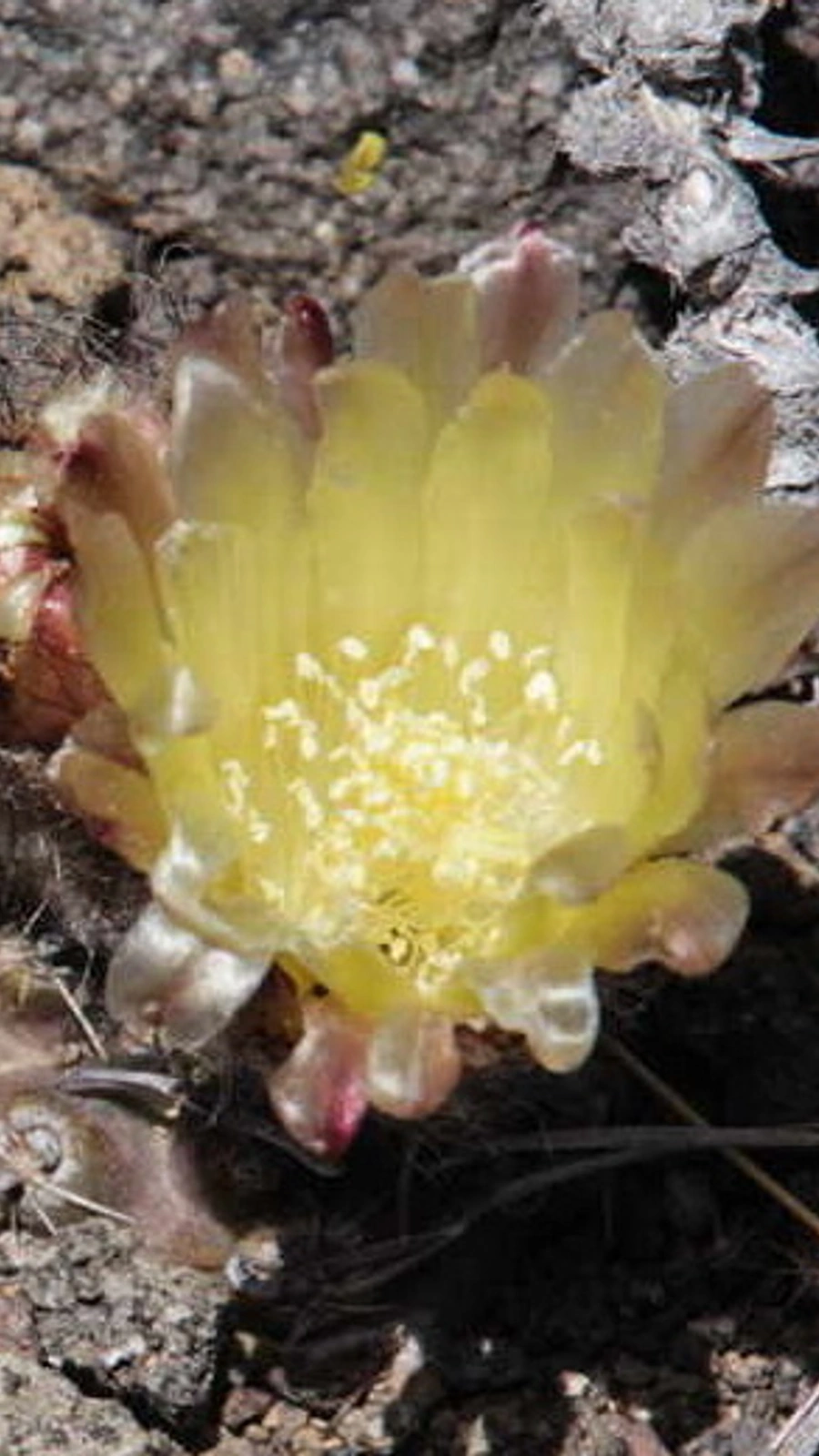 Reference image
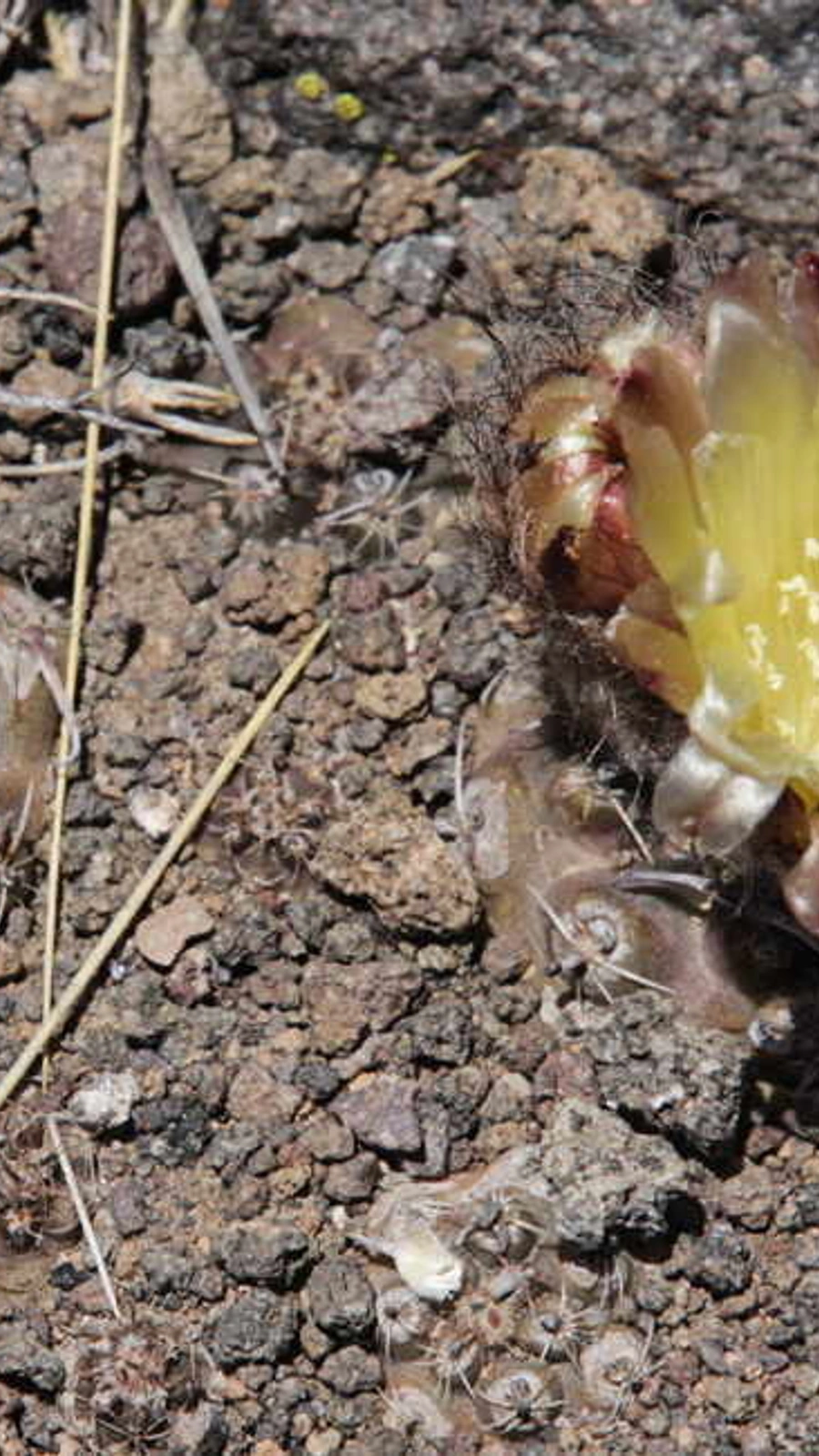 Reference image
Miniature South Cactus
Austrocactus pauxillus is an exceptionally rare, slow-growing miniature cactus belonging to the Cactaceae family 1. Characterized as a succulent subshrub, this highly sought-after species is a true gem for specialized succulent collectors due to its compact nature and distinctive aesthetic.
The genus name Austrocactus derives from the Latin "australis", meaning southern, referencing its natural distribution in South America. The specific epithet pauxillus translates to "little" or "tiny", perfectly describing the diminutive, neat growth habit of this cactus 2.
Native to southern South America, specifically western and southern Argentina (including regions like San Juan, Mendoza, and Chubut) 1. It thrives in arid shrublands, wind-swept Patagonian steppes, and rocky crevices where water drains almost instantly and soils are highly mineralized.
This cactus forms small, cylindrical stems that feature dark green to purplish-brown epidermis. The ribs are distinctly notched, bearing small areoles populated with fine, needle-like spines. During late spring, it produces funnel-shaped flowers near the stem tips, exhibiting delicate shades of pale yellow, bronze, or cream.
In cultivation, replicating its dry, mineral-rich habitat is essential. It requires a highly porous potting substrate with minimal organic matter. Water thoroughly during the growing season only when the soil is completely dry, and maintain a strict dry winter dormancy to prevent root loss.
The most prevalent issue is overwatering and using heavy, peat-rich soils, which leads to rapid root rot. Insufficient light causes the plant to stretch (etiolation), losing its characteristic compact form, while lack of a cool winter rest prevents successful spring flowering.
Requires abundant bright, filtered sunlight; protect from harsh midday summer sun.
Water only after the substrate dries out completely. Keep 100% dry in winter.
Highly mineral substrate consisting of pumice, lava rock, and coarse sand with very little peat.
Features small, sharp spines. Non-toxic to pets, but should be handled with care.
Moderate. Requires strict adherence to seasonal watering schedules and winter dormancy.
Native to the dry, stony slopes and arid steppes of western Argentina, where it endures harsh winds, cold winters, and high mineral soils.
