
Light
Bright Indirect Light
Requires bright, indirect light or filtered sun; shield from harsh midday summer sun.
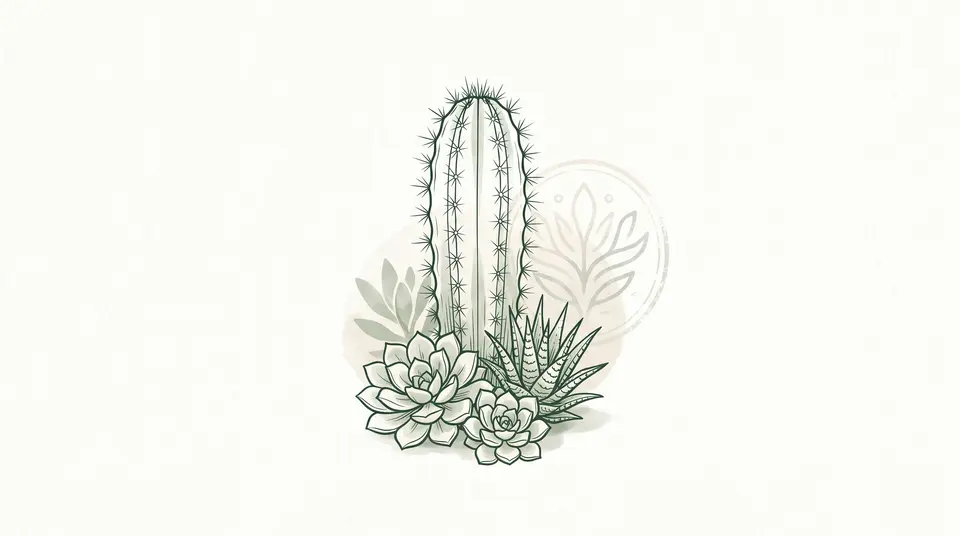 Reference image
Southern Cactus
Austrocactus praecox is a rare and resilient cactus species belonging to the family Cactaceae, noted for its frost tolerance and distinct wild beauty 1. Native to the harsh habitats of Southern South America, it has developed robust water-storing stems and a strong root system to survive extreme winds and drought.
This species is classified within the genus Austrocactus in the Cactaceae family 2. The specific epithet praecox translates from Latin as "precocious" or "early developing," referencing its tendency to flower at a relatively young age or early in the spring season.
Its primary native range spans Southern South America, particularly within the Patagonian steppes of Argentina 1. It thrives in arid, stony soils, gravelly slopes, and rocky terrains subjected to strong winds, intense solar radiation, and freezing winter temperatures.
The stems of Austrocactus praecox are cylindrical, growing erect or slightly decumbent over time. They feature prominent ribs lined with dense, sharp, and sometimes hooked spines. The diurnal flowers are funnel-shaped, presenting pale yellow, bronze, or cream tones, emerging near the stem tips.
In cultivation, this cactus requires excellent air circulation and abundant bright, indirect sunlight. Perfect drainage is mandatory; the potting medium must dry out completely between waterings. A cool, dry winter dormancy is essential to trigger spring blooms 2.
Overwatering during the winter rest period is the most common cause of failure, quickly leading to root rot. Using heavy, clay-rich soils that retain moisture or placing the plant in unventilated indoor spaces will compromise its health.
Requires bright, indirect light or filtered sun; shield from harsh midday summer sun.
Allow the potting mix to dry out completely before watering; keep dry during winter dormancy.
Thrives in mineral-rich, low-organic cactus soil with high contents of pumice and grit.
Equipped with sharp, sometimes hooked spines; handle with care and keep away from pets and children.
Moderate care difficulty due to strict watering needs and mandatory winter dormancy requirement.
Naturally distributed across the wind-swept, semi-arid Patagonian steppes of Argentina, inhabiting rocky, high-altitude slopes.
