
Light
Bright Indirect Light
Prefers bright, filtered sunlight. Protect from intense, direct mid-summer sun in non-ventilated areas.
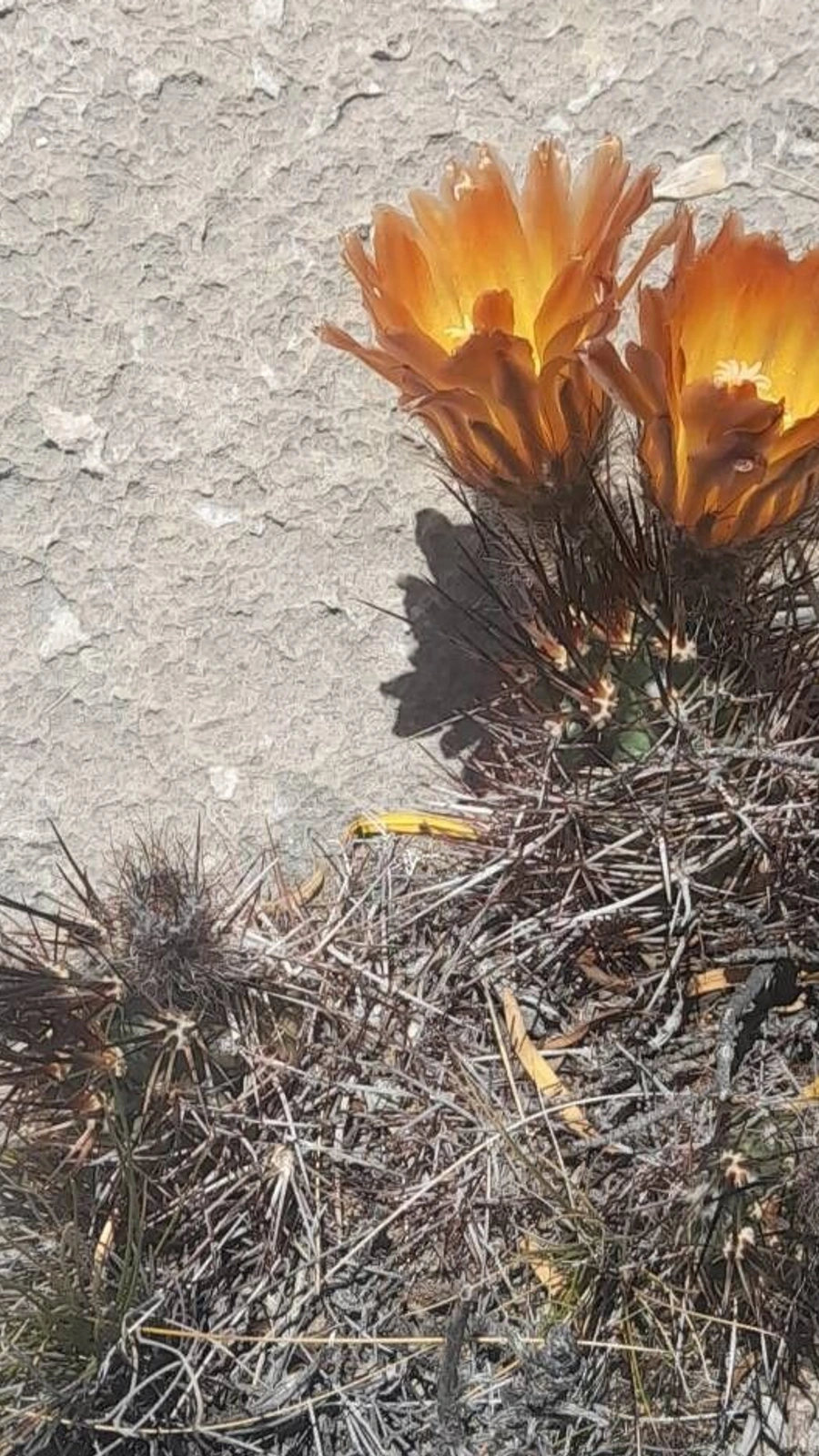 Reference image
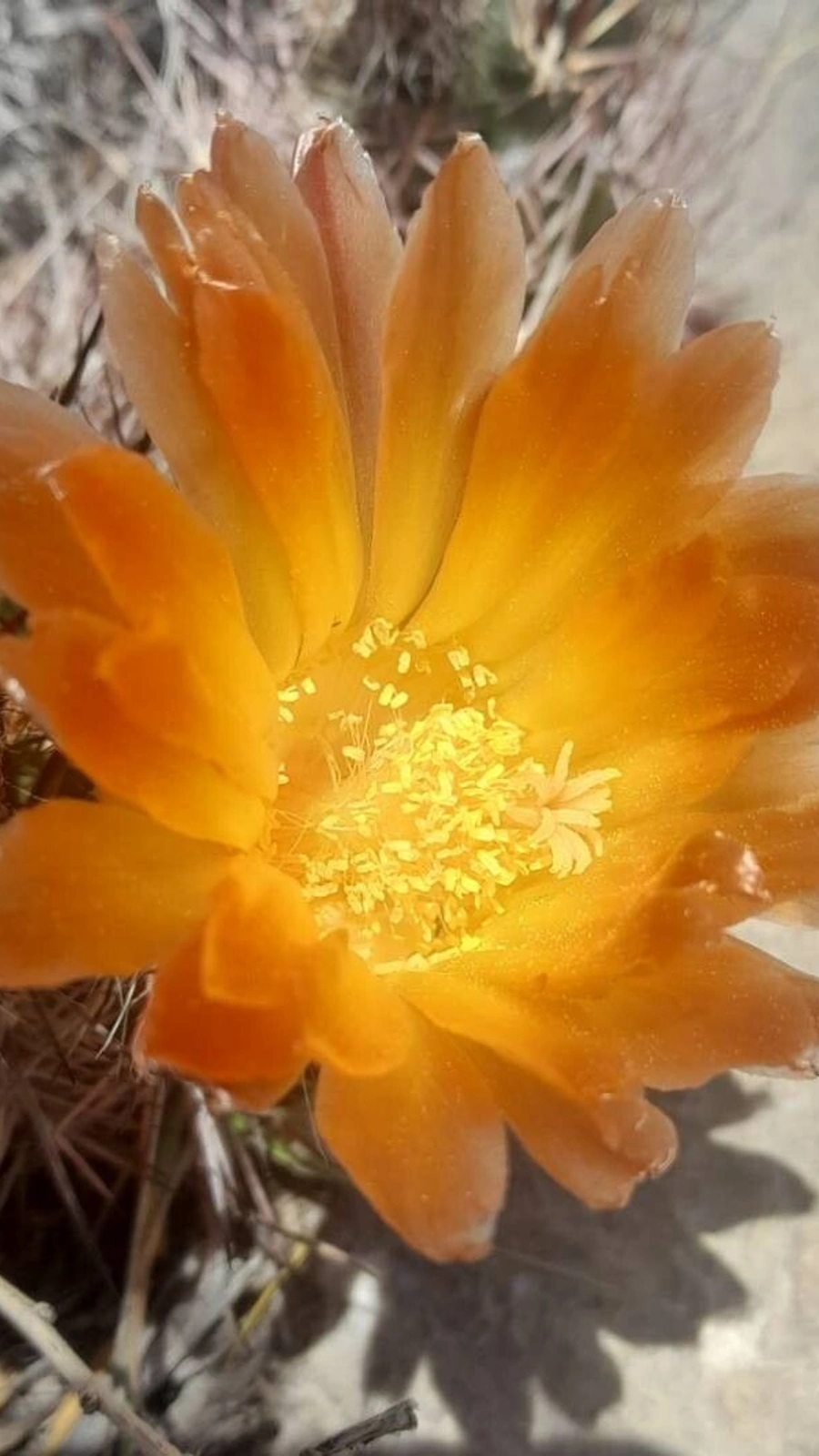 Reference image
Subandine Cactus
Austrocactus subandinus is a resilient cactus species native to the high-altitude regions of the Andes in Southern South America 1. It is characterized by its compact, spiny growth form adapted to harsh mountain climates.
Belonging to the family Cactaceae, the genus Austrocactus represents the southern cacti. The specific epithet subandinus refers to its primary habitat in the sub-Andean zones 2.
This species is naturally distributed across arid montane and desert shrublands in Argentina and Chile. It grows on rocky slopes at elevations between 1500 and 2500 meters, enduring extreme temperature swings 1.
The stem is cylindrical to globose, featuring distinct ribs and clusters of rigid, protective spines. During the growing season, it produces beautiful, funnel-shaped flowers ranging from pale yellow to coppery-orange.
In cultivation, it requires a very gritty, porous soil mix and exceptional drainage. It thrives under bright, filtered sunlight and benefits from cooler winter temperatures to stimulate spring blooming 3.
Overwatering, particularly during its winter dormancy, is the leading cause of root rot. High humidity without adequate air circulation can also trigger fungal infections.
Prefers bright, filtered sunlight. Protect from intense, direct mid-summer sun in non-ventilated areas.
Let the soil dry out fully between waterings. Keep completely dry in winter.
Requires an extremely porous mineral mix high in pumice, perlite, and coarse sand.
Equipped with sharp spines. Keep away from pets and children to avoid physical injury. Non-toxic.
Moderate. Requires strict water control in winter and a gritty soil mix to prevent rot.
Native to the rocky slopes and sub-alpine steppes of the high Andes, spanning arid regions of western Argentina and eastern Chile.
