Aztekium hintonii

Hinton's Aztekium

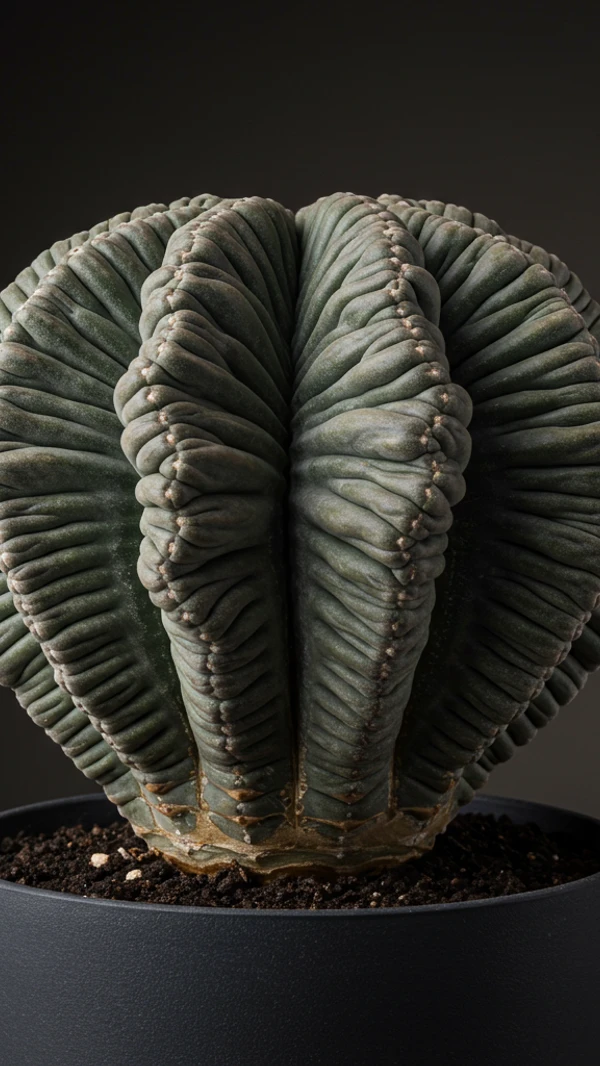
Aztekium hintonii is a rare and slow-growing cactus species belonging to the Cactaceae family, endemic to Mexico. It was introduced to the scientific world after its discovery by George S. Hinton in 1991. This species is one of the largest members of the Aztekium genus and is highly prized by cactus collectors due to its distinctive appearance. Although it typically features a single stem, it can form clusters over time by producing offsets from its base. The stem, which can reach 10-15 cm in diameter, is covered with 10-15 prominent, spiraling, and sharply edged ribs. The surface of these ribs is rough, grayish-green, giving the plant an aged, weathered look. Its areoles are located at the tips of the ribs and are usually covered with small, white wool; spines are almost absent or very fine 1. The plant's root system is generally fibrous and adapted to specialized gypsum soils.

Habitat and Ecology

In its natural habitat, Aztekium hintonii is found in specific gypsum beds within the state of Nuevo León, Mexico. Its ability to survive in these harsh, mineral-rich soils demonstrates the species' resilience and adaptability. Like other plant species that thrive in gypsum soils, Aztekium hintonii has developed a dependence on specific minerals. Due to habitat destruction and illegal collection activities, the species has been classified as Critically Endangered 2. Conservation efforts are vital for the future of this unique species.

Flowering and Reproduction

Aztekium hintonii produces small, typically white or pale pink flowers from the areoles at the plant's apex during late spring and early summer. These flowers generally open during the day and are short-lived. Despite being a slow-growing species, it can flower regularly and produce seeds under suitable conditions. Germination from seed is also a very slow process, and the development of young seedlings takes a long time. Consequently, its cultivation and propagation require patience and expertise.

References:

References

  1. Plants of the World Online (POWO). Aztekium hintonii. Retrieved from: https://powo.science.kew.org/taxon/urn:lsid:ipni.org:names:960787-1
  2. IUCN Red List of Threatened Species. Aztekium hintonii. Retrieved from: https://www.iucnredlist.org/species/151745/121487848
Light

Filtered Sun

Prefers bright, filtered light. Protect from intense, direct midday sun, which can scorch the plant.

Watering

18-50 Days

Allow the soil to dry out completely between waterings. Reduce or cease watering almost entirely during winter. Overwatering will lead to root rot.

Soil

Mineral-heavy, extremely well-draining cactus mix, preferably with limestone or gypsum content

Use a specialized, mineral-based cactus/succulent mix with very high drainage, preferably containing gypsum or limestone. Organic matter content should be very low.

Safety

Pet Friendly

Generally considered non-toxic, but it's not recommended for pets or children to chew on the plant. Ingesting any plant material can cause mild digestive upset.

Difficulty

Expert

Aztekium hintonii is suitable for expert-level collectors due to its slow growth rate and specific care requirements adapted to its unique habitat. Its cultivation demands patience and experience.

Native Habitat

Mexico (Nuevo León)

It naturally grows in specific, isolated gypsum-rich slopes and rocky terrains within the state of Nuevo León, located in northeastern Mexico. The region's challenging, mineral-rich soil conditions have shaped the plant's adaptations and its rare nature.

Frequently Asked Questions

How often should I water Aztekium hintonii?
Aztekium hintonii is extremely sensitive to overwatering. **Water sparingly only after the soil has completely dried out**. This might be every 2-3 weeks in summer, but in winter, it may not need watering for months or at all. Excellent drainage in the pot is vital.
What are the best light conditions for this cactus?
Bright, filtered sunlight is ideal. It should be protected from intense, direct midday sun, which can cause scorching. Morning sun or gentle afternoon sun is usually tolerated.
What type of soil should I use for Aztekium hintonii?
A **specialized soil mix** is essential for this plant. As it grows in gypsum soils in its natural habitat, choose a mix that is extremely well-draining, mineral-heavy (e.g., pumice, perlite, lava rock), and low in organic matter. Including gypsum or limestone would be beneficial.
Is Hinton's Aztekium toxic to pets?
Aztekium hintonii is generally considered non-toxic to pets. However, ingesting excessive plant material can lead to mild stomach upset. It's best to keep it out of reach of pets as a precautionary measure.
How fast does this cactus grow and when does it bloom?
Aztekium hintonii is an **extremely slow-growing** species. It may only grow a few centimeters over several years. Blooming typically occurs in late spring and early summer, producing small white or pale pink flowers from the plant's apex. It can take time for it to reach maturity and begin flowering.
What is the ideal temperature range for Aztekium hintonii?
The optimal growing temperature is between 20-30°C. It can tolerate short periods of cold down to 5°C in winter but must be protected from frost. Extreme heat (above 40°C) and sudden temperature fluctuations can stress the plant.
How can I propagate this cactus?
Propagating Aztekium hintonii is quite challenging and typically done from seed. The process of germination from seed is slow and demanding. It cannot be easily separated and rooted like species that produce offsets. Expert growers sometimes use grafting methods.
What are the common problems or diseases of Aztekium hintonii?
The most common problem is root rot, caused by overwatering. Fungal infections and pests (such as mealybugs), especially in humid conditions, can also occur. Good air circulation and proper watering regimes help prevent these issues.
Are there any tips to make caring for this cactus easier?
Patience is key. Try to mimic its natural habitat conditions: mineral-rich soil, excellent drainage, bright filtered light, and very little water. Providing a complete dormancy period, especially in winter, is important. Regularly inspect the plant to detect early problems.
Why is Aztekium hintonii considered 'expert' level for care?
Its specialized adaptation to gypsum soils in its natural habitat, extreme sensitivity to overwatering, exceptionally slow growth rate, and rarity make it require expert care. It can be challenging for the average cactus enthusiast and demands specific knowledge and experience.