
Light
Direct Sun
Requires intense direct sun to full sun for optimal growth and flowering, similar to its native high-altitude habitat.
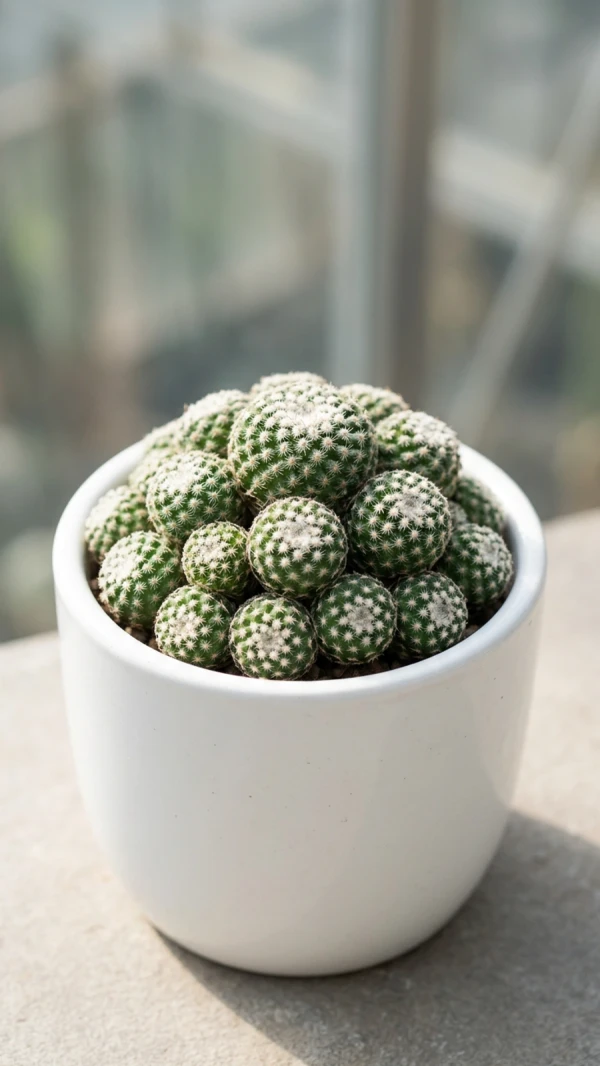
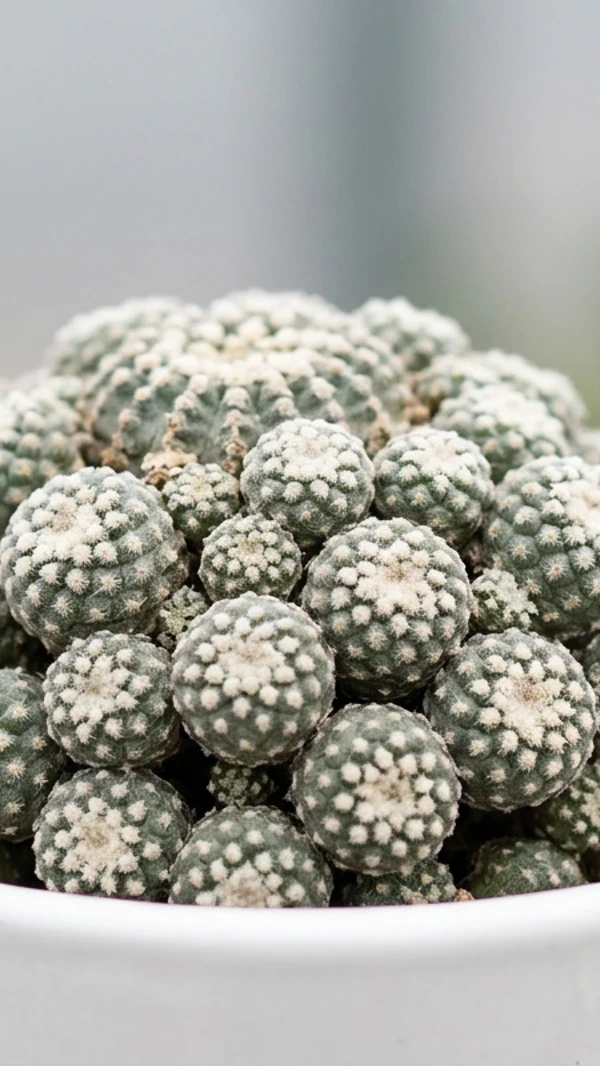
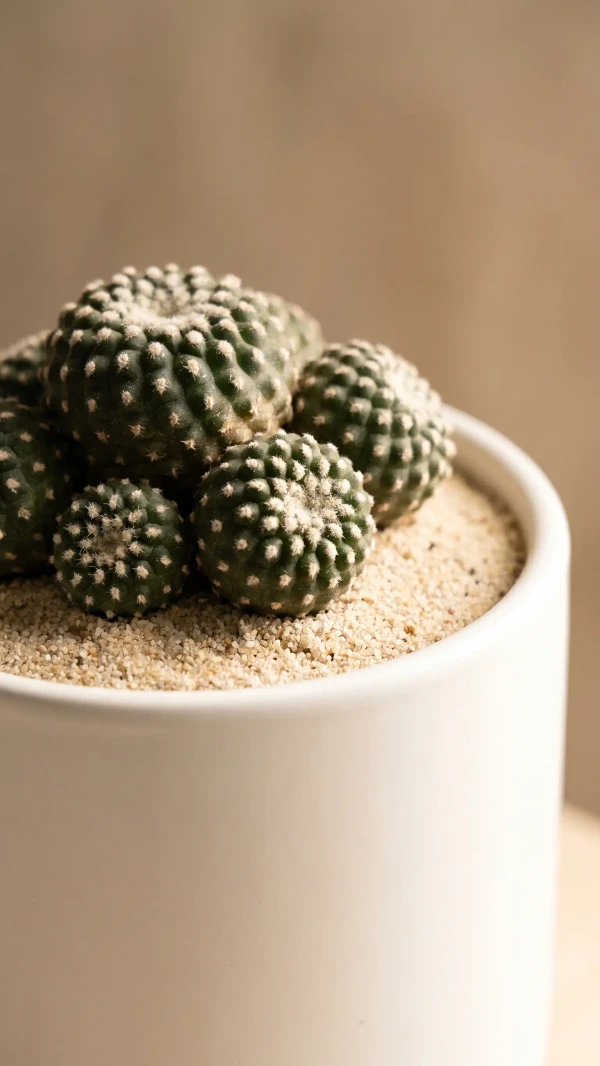
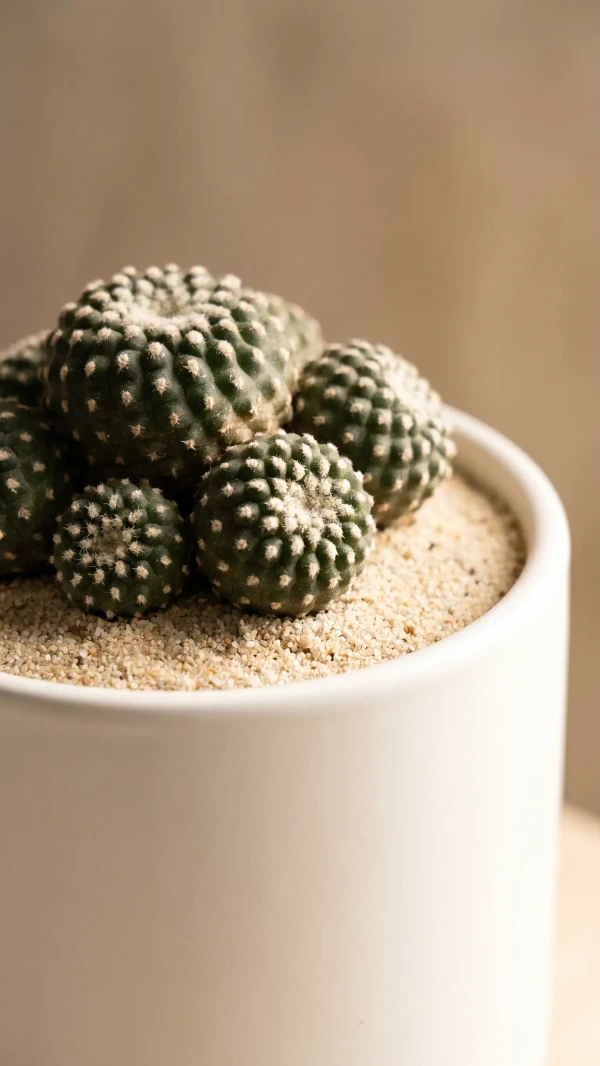
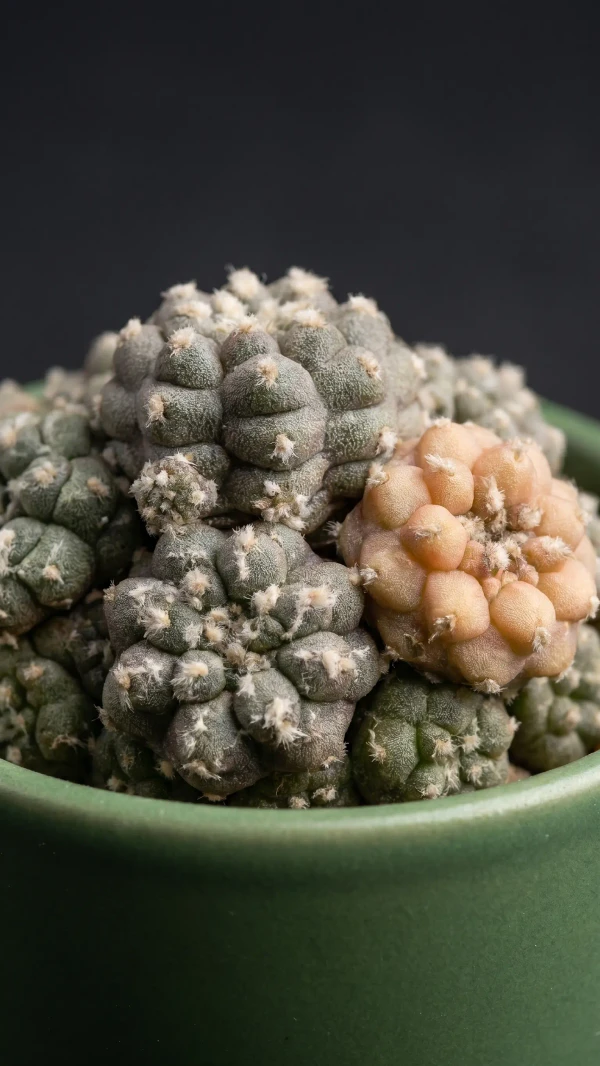
Liliput Cactus
Blossfeldia liliputana, often referred to simply as the Liliput Cactus, holds the remarkable distinction of being the world's smallest cactus. Native to the harsh, high-altitude environments of the Andes in Bolivia and Argentina, this fascinating succulent forms tiny, button-like stems that rarely exceed 1-2 cm in diameter. Its spineless, grey-green bodies blend seamlessly into the crevices of rocks, where they absorb moisture from mist and dew rather than directly from soil. This adaptation allows Blossfeldia liliputana to thrive in incredibly arid conditions, often growing epiphytically on rock faces or in minuscule pockets of decaying organic matter 1.
The plant's unique morphology is a testament to its extreme habitat. It features a highly specialized root system that anchors it firmly to rock surfaces and efficiently extracts minimal available water. This adaptation helps it survive in high-altitude desert habitats where water is scarce or quickly evaporates. The absence of spines also sets it apart from many other cacti, relying instead on its minute size and concealment within rock crevices as a defense mechanism against harsh conditions and herbivores.
When mature, Blossfeldia liliputana produces small, delicate white to pinkish-white flowers that emerge from the crown of the stem. These delicate blooms are relatively large for the plant's overall size, often appearing in late spring to early summer. The flowers may be ephemeral but ensure reproduction by forming seed capsules. The seeds themselves are microscopic, dispersed by wind or water runoff. Its tiny stature and specialized growing conditions have made it a coveted species among cactus collectors, presenting a challenge for cultivation outside its natural range 2. Despite its small size, its resilience and unique evolutionary adaptations make it a marvel of the plant kingdom.
Requires intense direct sun to full sun for optimal growth and flowering, similar to its native high-altitude habitat.
Water very sparingly; only when the substrate is completely dry. Overwatering is the quickest way to kill this miniature cactus.
Needs an extremely porous, mineral-based soil mix, often including pumice, akadama, or crushed granite, with minimal organic matter.
Blossfeldia liliputana is spineless and generally considered safe, but like all plants, keep out of reach of curious pets and children to prevent accidental ingestion or damage.
Considered challenging to cultivate due to its specific needs for drainage, watering, and light, best suited for experienced cactus enthusiasts.
Blossfeldia liliputana originates from the high-altitude, rugged slopes and rock crevices of the Andes Mountains in southern Bolivia and northern Argentina. It is found in arid to semi-arid montane environments, often clinging to vertical rock faces or growing in tiny pockets of accumulated detritus, where it captures moisture from atmospheric humidity and occasional rainfall. This harsh geography has shaped the plant's unique adaptations.
