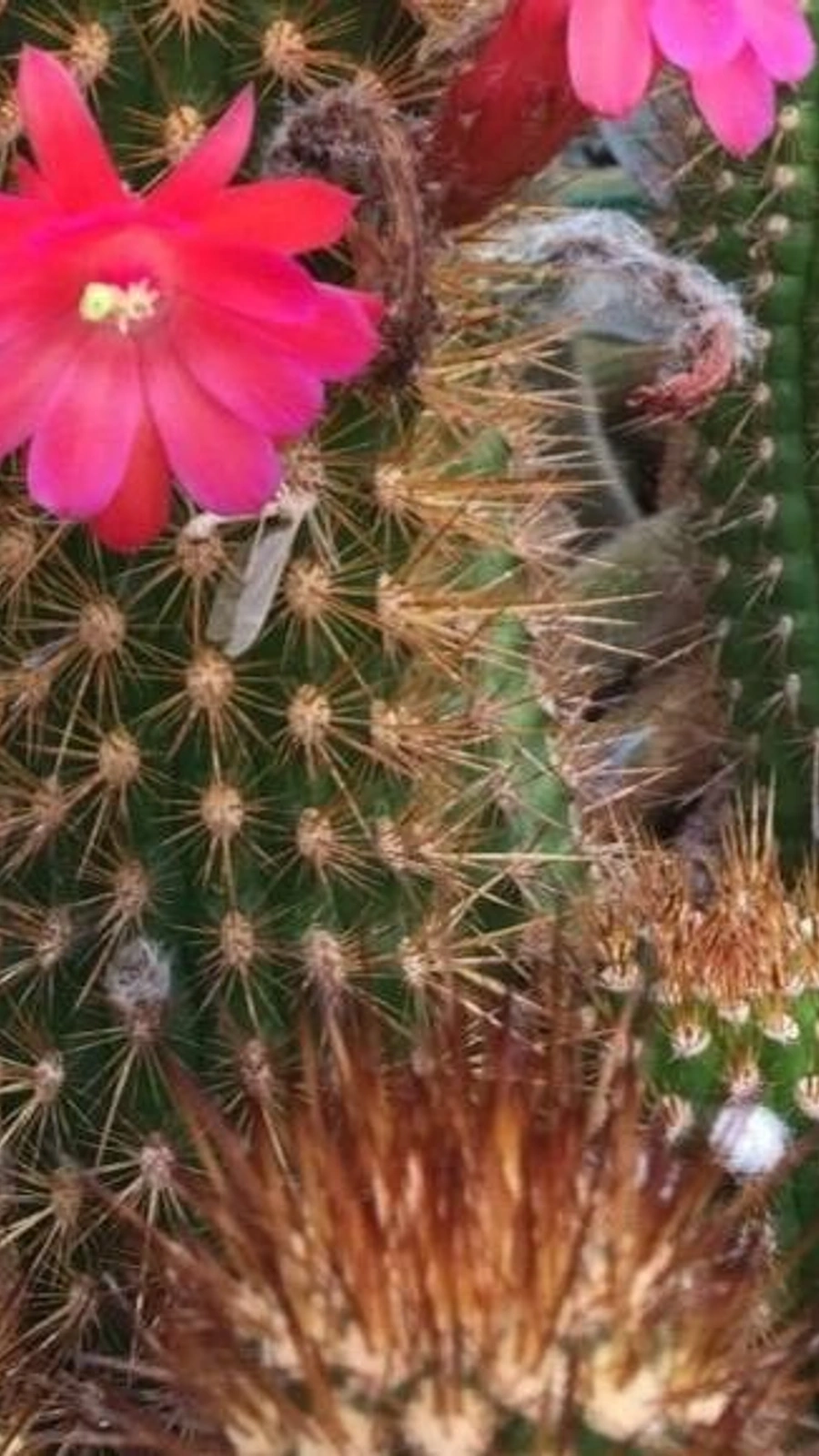
Borzicactus hutchisonii

Hutchison's Borzicactus

General overview

Borzicactus hutchisonii is an extraordinary, slow-growing columnar cactus prized by succulent enthusiasts for its architectural form and magnificent blooms. Having evolved in the rain shadows of the Peruvian Andes, it is built to survive extreme droughts 1.

Taxonomy and naming

Originally described in the 20th century, this species is classified under the genus Borzicactus 2. It has historically shared classification with Cleistocactus and Loxanthocereus, but recent phylogenetic research confirms its unique generic position within Cactaceae.

Native range and habitat

This species is endemic to Peru, growing on dry, rocky slopes and montane shrublands of the Andes at elevations of 1,500 to 2,500 meters 1. It thrives in well-drained rocky substrates under intense solar radiation.

Appearance

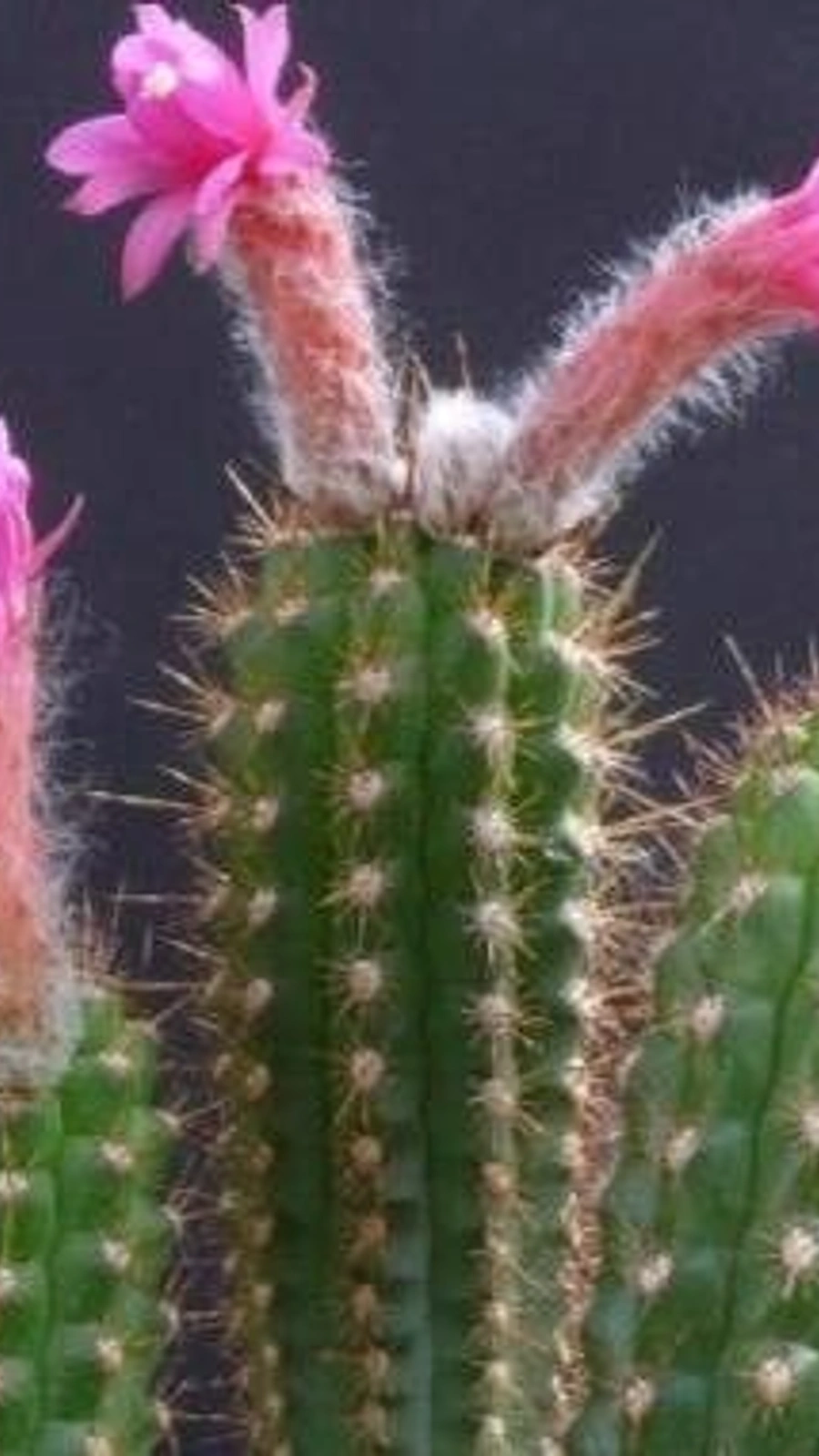
The plant forms erect or sprawling cylindrical stems branching from the base to create impressive sculptural clusters. Its distinct ribs are densely set with yellowish-brown spines. In late spring, it produces beautiful tubular, red-orange zygomorphic flowers designed for hummingbird pollination 2.

Care in cultivation

In cultivation, it demands maximum light exposure, preferably direct sunlight. A gritty, mineral-heavy substrate with high pumice or coarse sand content is vital. Water thoroughly only when the soil has dried out completely.

Common care mistakes

Overwatering and poor drainage are the leading causes of root rot. Inadequate light during the growing season causes etiolation, weakening the plant's structural integrity and preventing flowering.

References

  1. Plants of the World Online (POWO), Kew Royal Botanic Gardens.
  2. Anderson, E.F. (2001). The Cactus Family. Timber Press.
Light

Direct Sun

Requires at least 6 hours of direct sunlight daily.
Watering

12-35 Days

Never water unless the potting medium is bone dry.

Soil

Highly draining mineral cactus mix enriched with pumice and coarse river sand

Requires highly porous, low-organic soil with added pumice.

Safety

Contact/Ingestion Risk

Non-toxic, but sharp spines present a physical hazard to pets and children.

Difficulty

Moderate

Relatively easy if overwatering is strictly avoided.

Native Habitat

Peru, South America

Native to the dry, high-altitude valleys and rocky slopes of the Peruvian Andes, thriving in mineral-rich, arid soils.

Frequently Asked Questions

When should Borzicactus hutchisonii be repotted?
Repotting should typically be done every 2-3 years in early spring. Always choose a pot that is only one size larger and has adequate drainage holes.
How often should I water this cactus in winter?
During winter dormancy, watering should be drastically reduced. Water very lightly once every 30-40 days or keep it completely dry depending on the room temperature.
Will it grow in a room without direct sunlight?
No, this species requires direct sunlight to grow healthily and maintain its upright form. Inadequate light leads to weak, etiolated growth.
What should the soil mix be like?
Use a specialized cactus mix low in organic matter, consisting of 60-70% inorganic materials like pumice, lava rock, or coarse sand.
When does Borzicactus hutchisonii flower?
With sufficient sunlight and a proper winter rest, mature plants produce tubular reddish flowers between late spring and mid-summer.
What is its growth rate?
Like most columnar cacti, it is slow to moderate-growing. In home environments, gaining a few centimeters per year is standard.
Is it toxic to pets?
It is chemically non-toxic. However, its sharp and stiff spines can cause physical injury to the mouths or paws of curious pets.
Can it tolerate winter cold?
It can tolerate temperatures down to 5°C for short periods if kept completely dry. However, it must be strictly protected from frost.
What fertilizers should I use?
During the spring and summer active growth phase, apply a diluted, high-potassium cactus fertilizer at half-strength once a month.
How do you propagate this cactus?
It can be easily propagated by taking stem cuttings in spring or summer, letting them dry for a few days to callus over, and then planting them in gritty soil.