
Light
Bright Indirect Light
Prefers bright, indirect sunlight or morning sun. Protect from intense, direct midday summer sun.
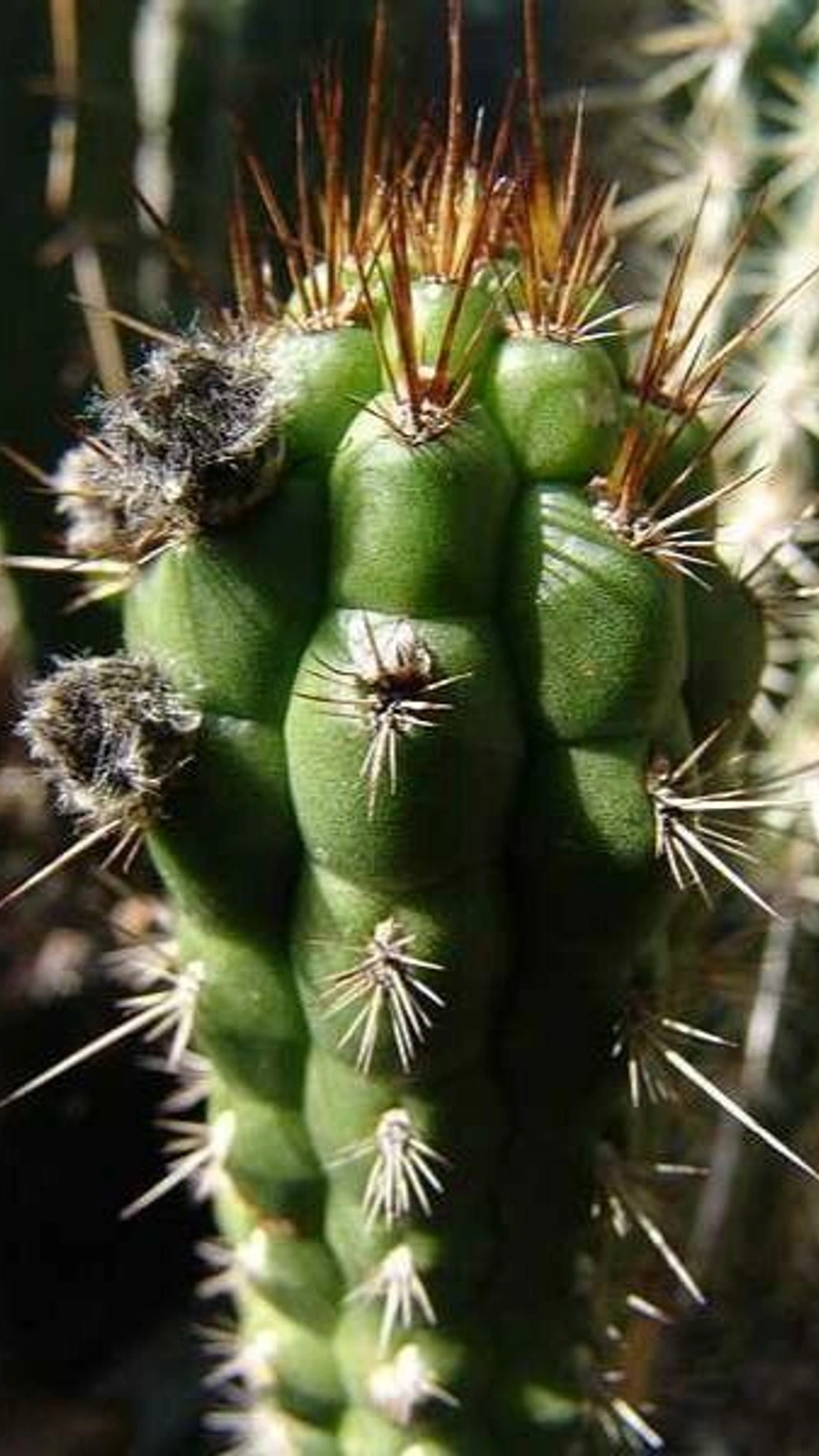 Reference image
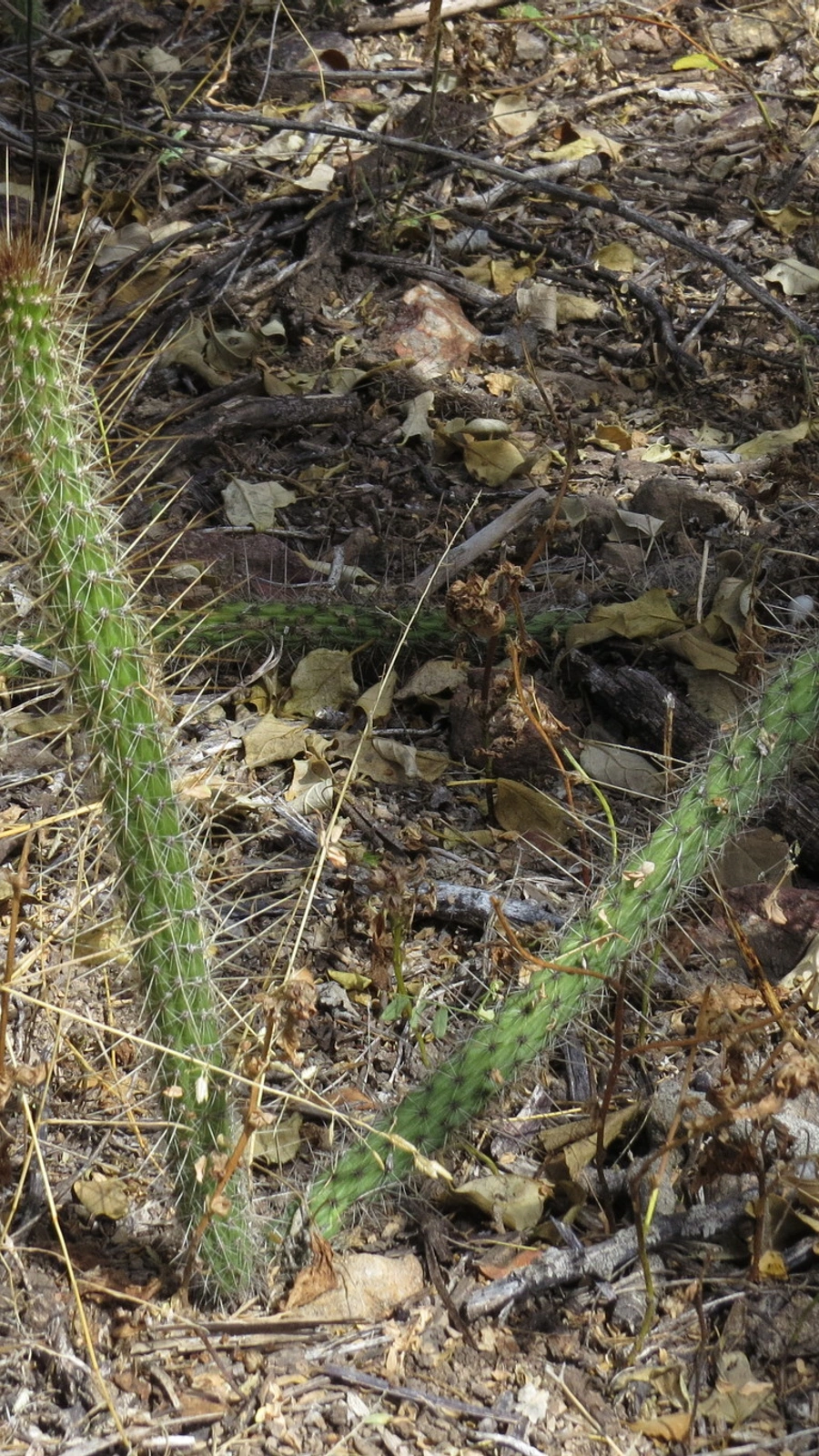 Reference image
Creeping Borzicactus
Borzicactus longiserpens is a unique succulent subshrub belonging to the Cactaceae family, characterized by its decumbent or creeping growth habit. In its native habitat, it cascades down rocky cliffs or spreads across the arid ground, making it an exotic and highly sought-after specimen for succulent enthusiasts 1.
Historically classified under genera such as Cleistocactus or Bolivicereus, modern phylogenetic evaluations and database updates by Plants of the World Online (POWO) place this species firmly within the genus Borzicactus 2. The specific epithet "longiserpens" translates from Latin to mean "long-creeping" or "long snake," highlighting its elongated, sprawling stems.
This species is endemic to Western South America, particularly the arid montane zones and dry shrublands of Peru 1. It thrives in high-elevation desert microclimates, nesting in rocky crevices and slopes where mineral-rich, organic-poor soils dominate.
The stems are cylindrical, slender, and elongated, growing prostrate or pendulous with age. Ribs are well-defined, adorned with closely spaced areoles that produce dense, yellowish-to-brownish spines. Its tubular flowers, typically in vibrant shades of red or orange, are evolutionary adapted to attract hummingbird pollinators 2.
In cultivation, a highly porous potting medium containing pumice, lava rock, and coarse sand is crucial. Water thoroughly during the active spring and summer growth phases, allowing the soil dry out completely between waterings. During winter, reduce watering to a minimum to respect its dormancy.
The most prevalent issue is waterlogging due to poor drainage or overwatering, which quickly causes root rot. Additionally, keeping the plant in a high-humidity environment during its cold winter rest can initiate fungal infections.
Prefers bright, indirect sunlight or morning sun. Protect from intense, direct midday summer sun.
Allow the potting medium to dry out completely between waterings. Suspend watering in winter.
Requires a fast-draining mineral mix rich in pumice, perlit, and coarse sand.
Non-toxic, but possesses sharp spines. Keep away from pets and children to avoid injuries.
Moderately easy if overwatering is avoided and adequate light is provided.
Found natively on the rocky mountain slopes and dry canyon walls of Peru, where it adapts to low-moisture environments and intense solar radiation.
