
Light
Bright Indirect Light
Thrives in bright, indirect light or filtered sunlight; protect from intense midday sun.
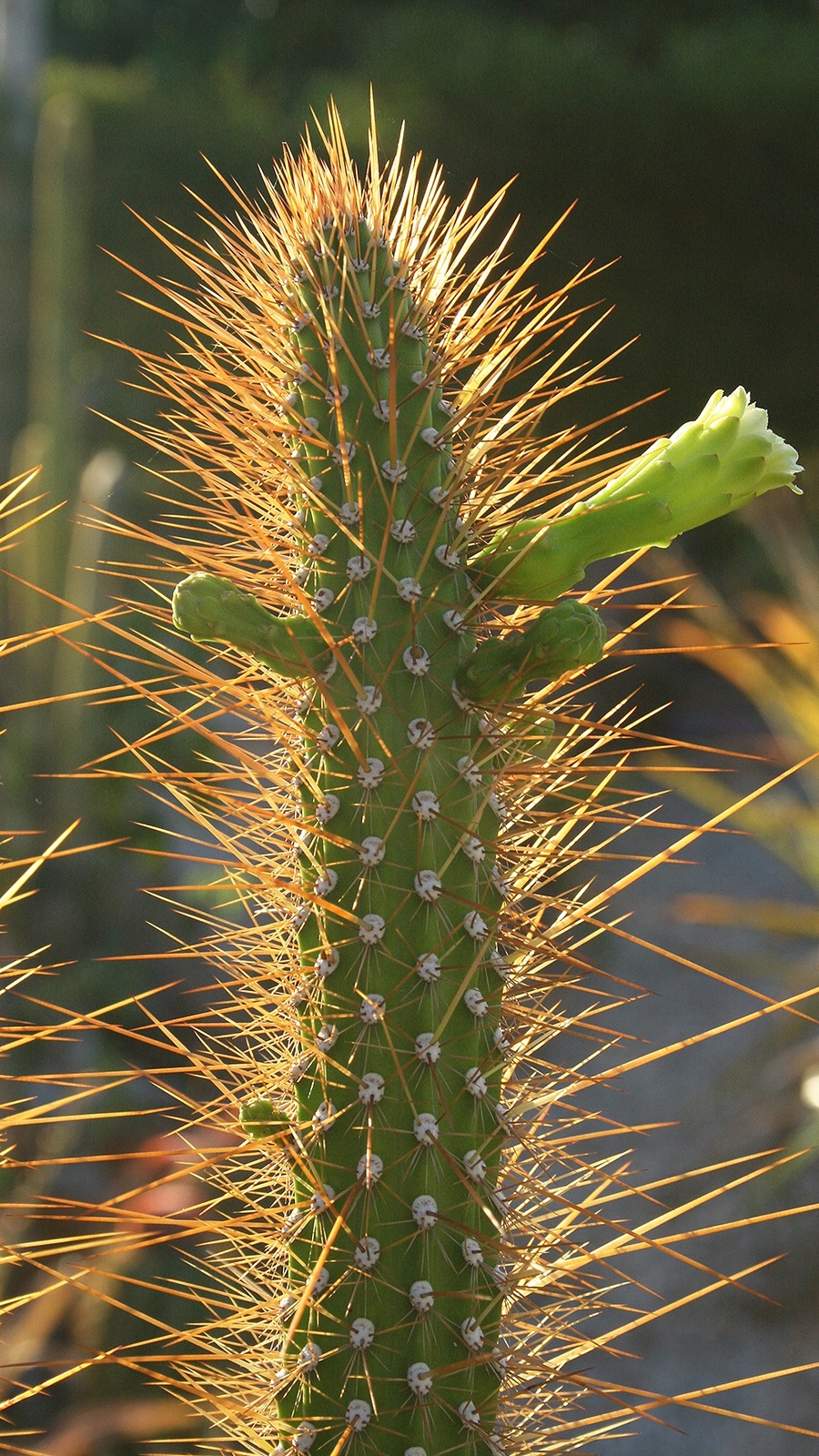 Reference image
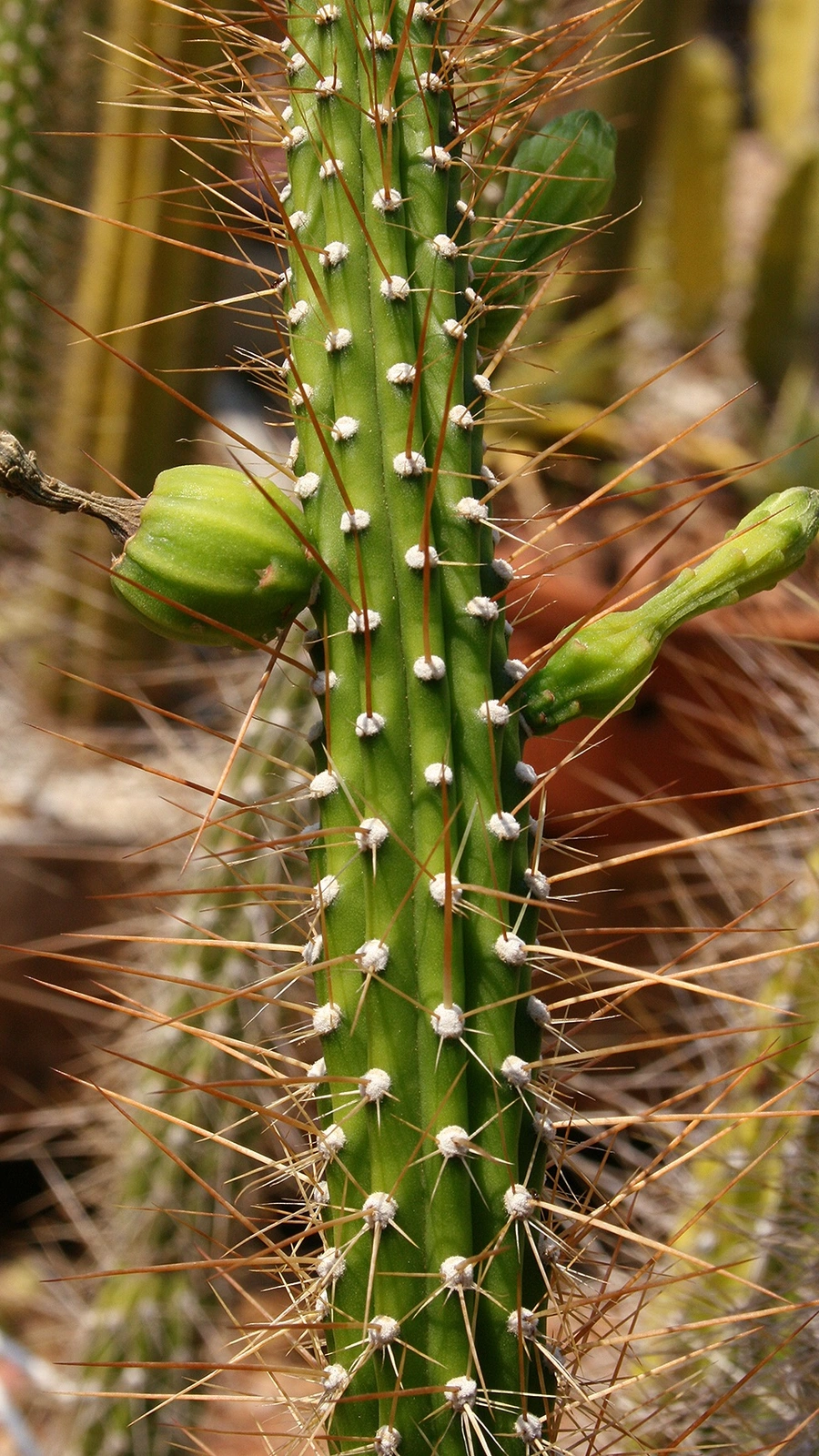 Reference image
Bragaia
Bragaia estevesii is one of the rarest and most unique members of the family Cactaceae. Exhibiting a limited natural distribution, this succulent shrubby cactus is named after the renowned botanist and cactus specialist Eddie Esteves Pereira. Its morphological structure, which differs from conventional globose or columnar cacti, makes it highly valuable for taxonomic studies and advanced plant collectors 1.
The genus Bragaia is a relatively recently described taxon in the cactus family. Molecular and phylogenetic studies indicate that this genus shares close evolutionary relationships with other shrubby, low-lying cacti found in eastern Brazil 2. The specific epithet honors Eddie Esteves Pereira for his vast contributions to South American succulent flora.
This unique cactus is endemic to the Caatinga biome of northeastern Brazil, spanning across states such as Bahia, Ceará, Pernambuco, Piauí, and Rio Grande do Norte. It thrives in seasonally dry tropical forests, growing primarily in rocky, limestone-rich crevices under dry conditions 1.
Bragaia estevesii is a semi-erect or scrambling, slender-stemmed succulent shrub. The stems are typically green to greyish-green, with small areoles bearing fine, needle-like spines. Its nocturnal flowers are tubular, cream-colored, or white, adapted for specialized pollinators 2.
In cultivation, it requires highly permeable, mineral-rich gritty cactus soil. Maintaining temperatures above 10°C during winter is critical. It should be watered only when the potting medium has dried out completely during the spring and summer, and kept dry in winter.
Overwatering and the use of heavy, water-retaining soils are the most common causes of root rot. Insufficient light exposure will quickly cause the stems to etiolate, losing their natural form and vigor.
Thrives in bright, indirect light or filtered sunlight; protect from intense midday sun.
Allow soil to dry out completely. Water sparingly in summer, and keep dry in winter.
Highly porous mineral substrate containing pumice, gravel, and minimal organic matter.
Non-toxic to pets, but has fine spines that can cause mechanical irritation. Handle with care.
Moderate. Requires careful watering management and strict protection from frost.
Native to the arid Caatinga biome of northeastern Brazil, specifically found in states like Bahia, Pernambuco, and Ceará, growing on rocky outcrops in seasonally dry tropical shrublands.
