
Browningia amstutziae

Amstutz's Browningia

Overview

Browningia amstutziae is a rare, arborescent cactus species belonging to the Cactaceae family. Known for its tree-like growth habit in its natural environment, this species is highly prized among succulent enthusiasts for its distinct bluish-grey epidermis and architectural structure.

Taxonomy and Naming

Named after the plant collector Erika Amstutz, who discovered crucial specimens, this species belongs to the genus Browningia. The genus is characterized by large, columnar, and often branched South American cacti 1.

Origin and Habitat

This species is native to the arid valleys and dry shrublands of western Peru. It thrives on steep, rocky slopes and in dry biomes where rainfall is highly seasonal and minimal 2.

Appearance

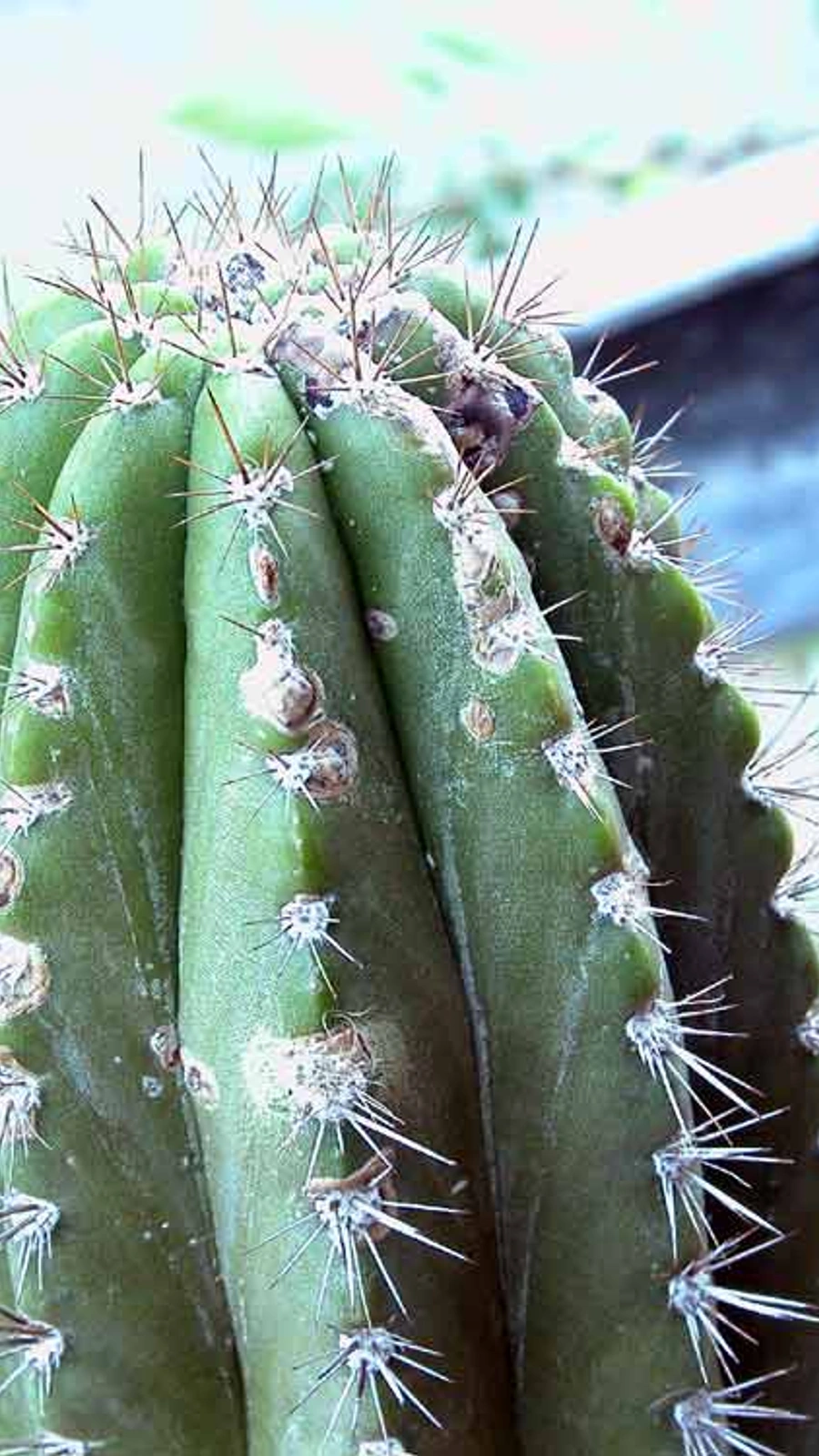
In its juvenile state, it grows as a single columnar stem. As it matures, it branches out to form a tree-like silhouette. The stems are segmented, ribbed, and have a beautiful glaucous blue-green hue, with spines becoming sparse or absent on older growth.

Cultivation

It requires bright, indirect sunlight to full sun. The potting medium must be highly porous to prevent waterlogged roots. Water thoroughly only when the substrate is completely dry, and suspend watering during the cold winter dormancy.

Common Cultivation Mistakes

Overwatering is the primary cause of failure, leading to root rot. Insufficient light causes etiolation, where the stem becomes weak, thin, and pale.

References

  1. Plants of the World Online (POWO), Kew Science. 'Browningia amstutziae'.
  2. GBIF Secretariat (2023). GBIF Backbone Taxonomy.
Light

Bright Indirect Light

Requires at least 6 hours of bright filtered sun or direct light daily.
Watering

10-30 Days

Water only when soil is bone dry in summer; keep dry in winter.

Soil

Well-draining cactus mix rich in pumice and coarse sand

Highly porous mineral mix with pumice, perlite, and coarse sand.

Safety

Pet Friendly

Non-toxic to pets, but handle with care due to occasional small spines.

Difficulty

Moderate

Moderate. Demands strict watering control to avoid root rot.

Native Habitat

Peru, Western South America

Native to the high-elevation arid valleys and rocky slopes of Peru, adapting well to severe droughts.

Frequently Asked Questions

Is Browningia amstutziae toxic to pets?
No, this cactus species is non-toxic to pets. However, its occasional spines can cause physical injury if handled roughly.
How often should it be watered in a pot?
In summer, water only after the soil has dried out completely (about every 10 days). In winter, reduce watering to once a month.
What is the best soil mix for this plant?
It grows best in highly porous cactus soil mixed with plenty of pumice, lava rock, and coarse sand to ensure rapid drainage.
How fast does Browningia amstutziae grow?
It is a very slow-growing cactus. In indoor cultivation, it may only grow a few centimeters per year.
Does it need direct sunlight?
Yes, it thrives in bright light. However, when moving it outdoors, acclimate it gradually to avoid sunburn.
What is the minimum temperature it can tolerate in winter?
It can tolerate temperatures down to 8°C (46°F). It must be protected from frost and kept completely dry during cold periods.
Does it bloom indoors?
Blooming indoors is extremely rare. Flowers usually only appear on very mature and large specimens grown under optimal conditions.
When should I repot the cactus?
Repot every 2-3 years in early spring, or when the roots begin to grow out of the drainage holes.
How do I maintain its bluish color?
To maintain its glaucous blue coloration, provide plenty of bright, filtered sunlight and good ventilation.
What does a shriveled stem mean?
Slight shriveling usually indicates underwatering; however, if the soil is wet, it is a sign of root rot.