
Light
Bright Indirect Light
Requires bright indirect light; benefits from some filtered direct sun.
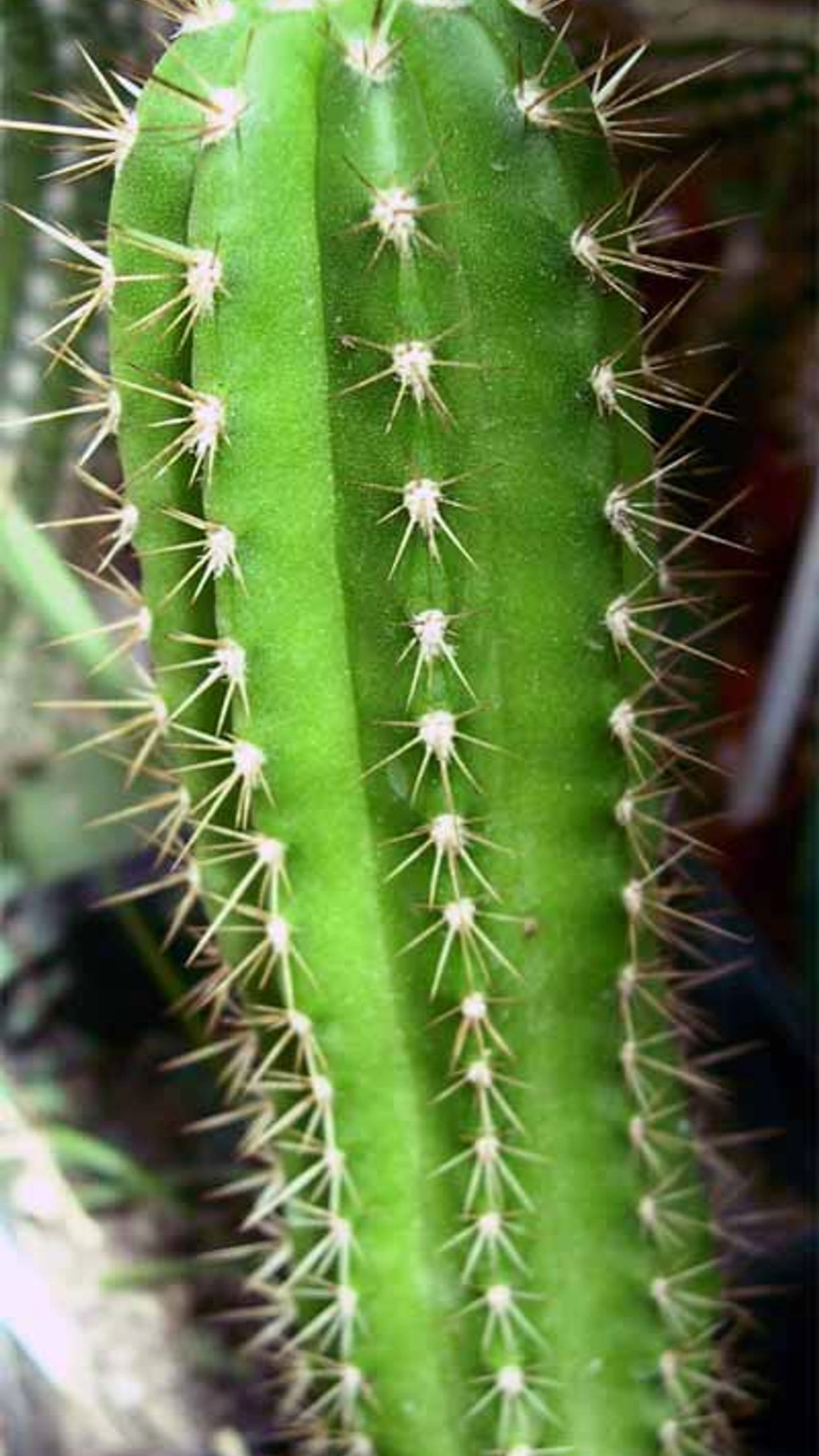 Reference image
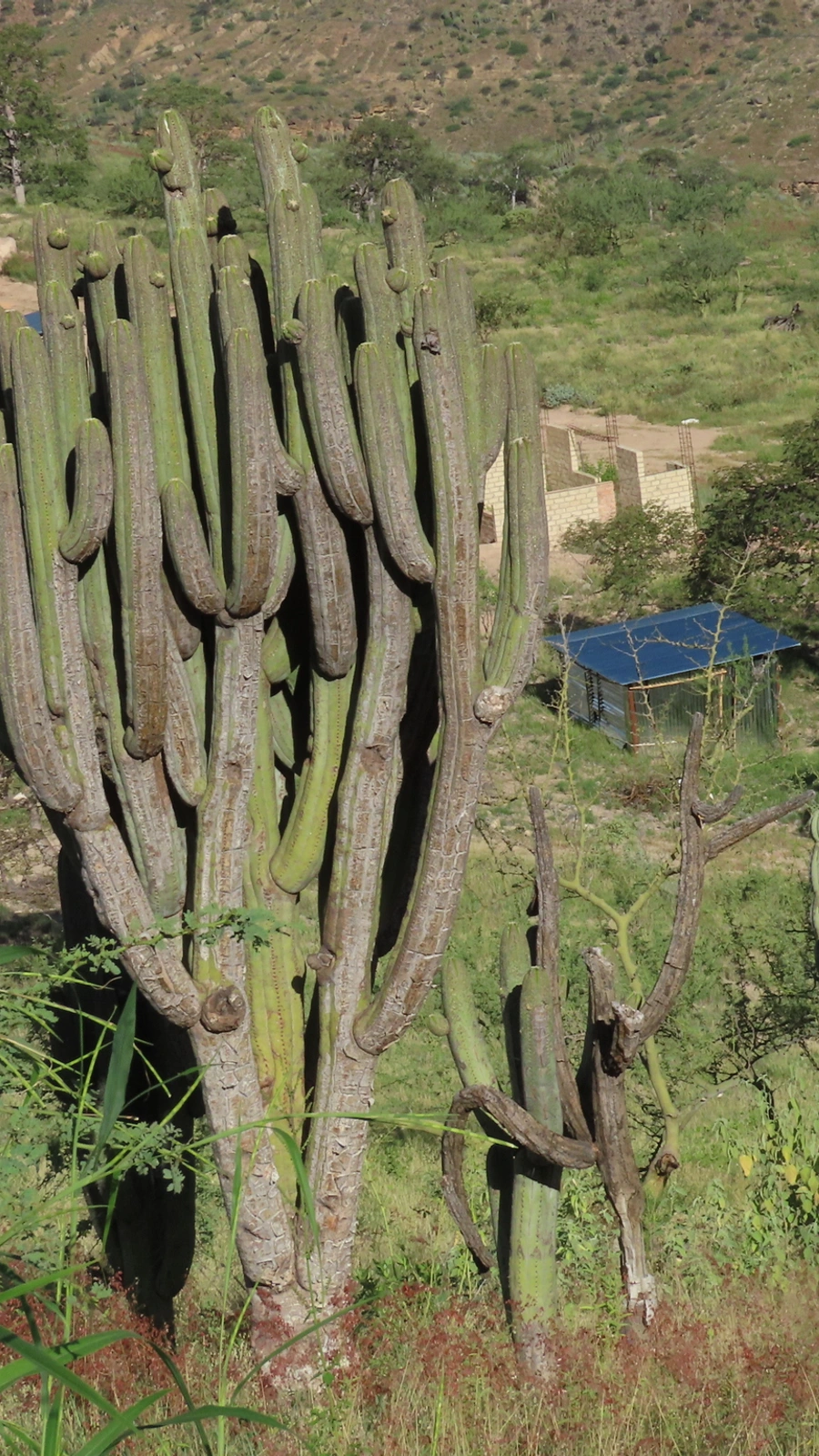 Reference image
Blue Columnar Cactus
Browningia pilleifera is a distinctive and rare arborescent cactus species belonging to the family Cactaceae. Known for its bluish-green succulent stems and prominent woolly areoles, it is highly sought after by succulent collectors for its sculptural form and slow, steady growth rate [1].
This species was originally described by Friedrich Ritter and later combined into the genus Browningia, which honors the American educator W.E. Browning. The specific epithet 'pilleifera' refers to the cap-like, felted felt or hair structures present on its fertile areoles [2]. Synonyms include Gymnanthocereus pilleifer.
Endemic to northern Peru, specifically the valley of the Marañón River. It thrives in seasonally dry tropical environments, clinging to steep rocky slopes and canyon walls. This harsh habitat has adapted the species to endure prolonged dry spells and intense solar radiation [3].
In the wild, Browningia pilleifera grows as a branched shrub or small tree reaching heights of 3-4 meters. The stems are glaucous blue-grey with well-defined ribs. Younger branches bear sharp spines, whereas mature flowering branches tend to become spineless, marked only by prominent velvety areoles. The nocturnal flowers are white [1].
In cultivation, it requires superb drainage and ample bright, indirect light. Water thoroughly only when the substrate is completely dry during summer, and suspend watering almost entirely during winter. It is frost-sensitive and should be overwintered above 8°C [2].
The most frequent pitfall is overwatering, which leads to root and stem rot. Placing the plant in low light conditions will cause etiolation, stretching, and loss of its signature blue coloration.
[1] Plants of the World Online (POWO), Kew Science: Browningia pilleifera. [2] GBIF Backbone Taxonomy: Browningia pilleifera (Ritter) Hutchison. [3] IUCN Red List of Threatened Species: Browningia pilleifera.
Requires bright indirect light; benefits from some filtered direct sun.
Water only when the soil is dry in summer; keep virtually dry in winter.
Must be potted in highly porous, mineral-rich, fast-draining soil.
Equipped with sharp spines on younger growth; handle with care and keep away from pets.
Moderate difficulty; requires strict watering discipline and frost protection.
Naturally distributed in the arid valleys and dry river canyons of northern Peru, notably along the Marañón River basin.
