
Light
Full Sun
Requires full sun, ideally 6+ hours of direct sunlight daily on southern exposures.
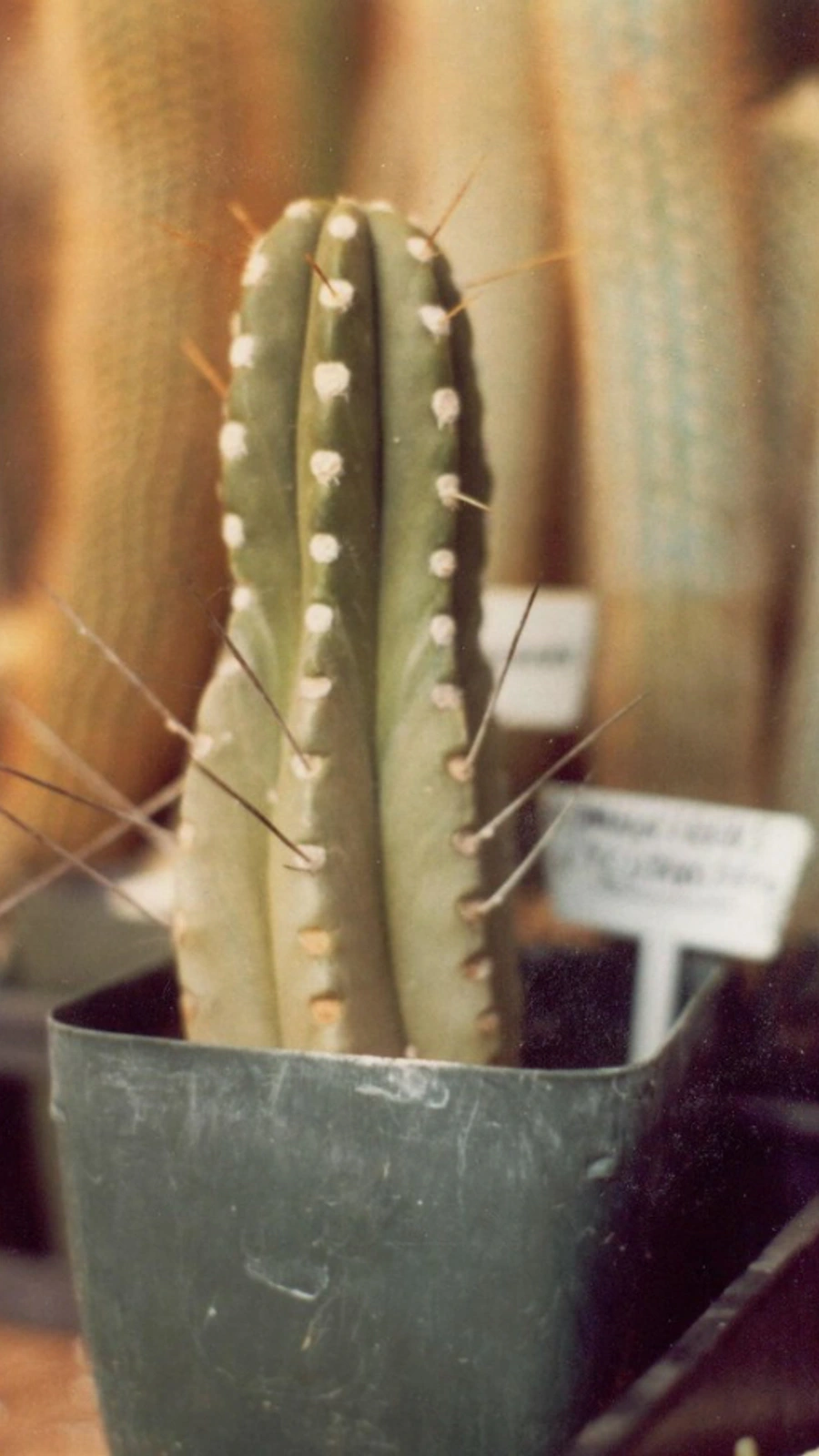 Reference image
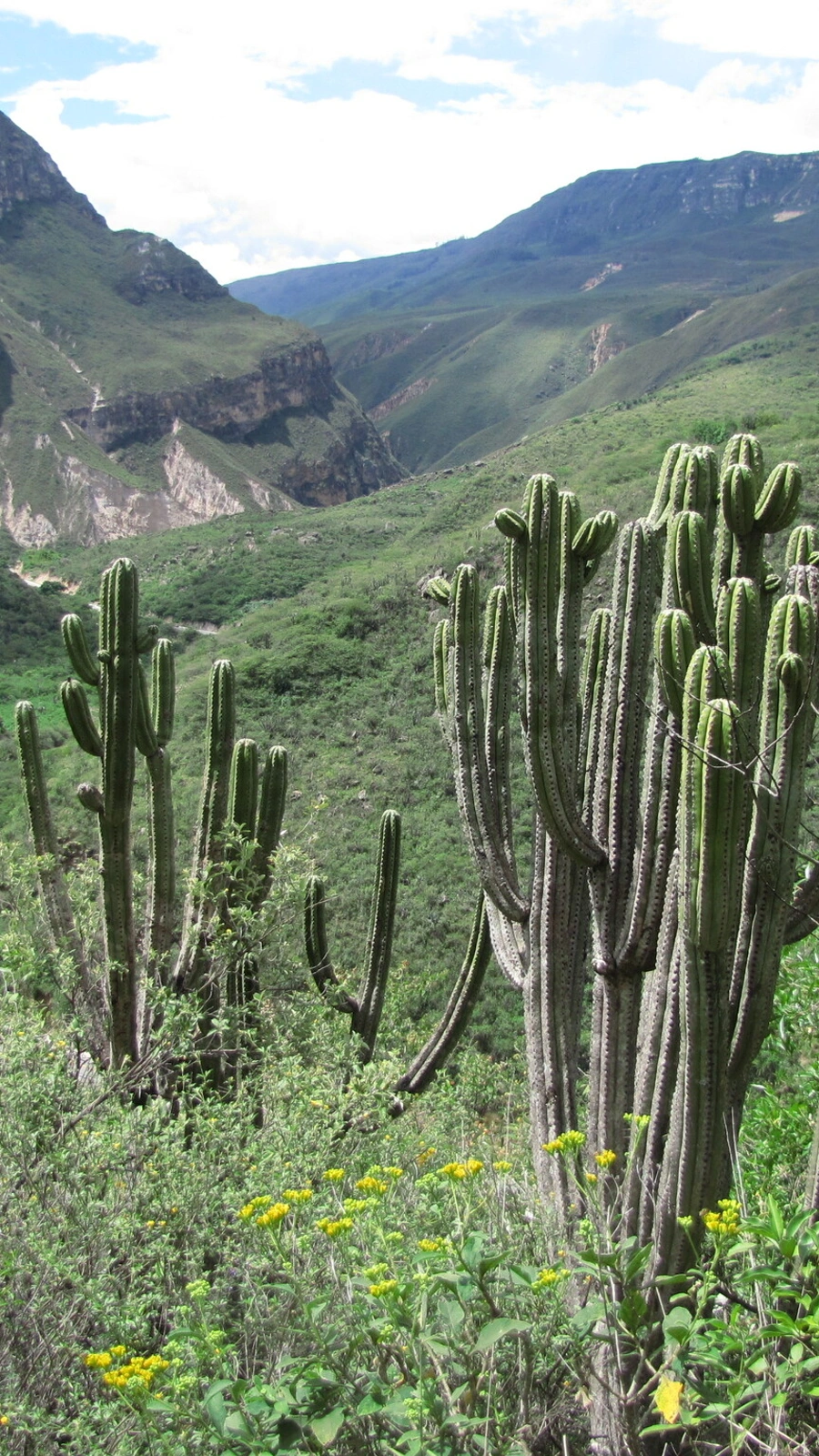 Reference image
Utcubamba Columnar Cactus
Browningia utcubambensis is a rare and majestic, tree-like columnar cactus belonging to the Cactaceae family 1. Endemic to the arid river valleys of Peru, this species is highly valued for its monumental architectural presence and glaucous, bluish-green stems.
The species is named after the Utcubamba River valley where it was discovered. It is classified under the genus Browningia due to its distinctive robust branching habit, spination, and nocturnal floral characteristics 2.
Native to northern Peru, it thrives in dry tropical forests and steep canyon slopes of the Utcubamba basin 1. It is adapted to extremely arid and hot microclimates, growing on rocky, well-draining substrates where water drains rapidly.
Initially growing as a solitary column, it eventually branches to form a massive arborescent structure. Stems are heavily ribbed, with a grey-green to blue-green waxy coating. Areoles bear strong, needle-like spines that fade to grey. Tubular, white flowers open at night and are typically pollinated by bats 2.
In cultivation, it requires full sun exposure and a highly porous mineral potting medium. Water should be applied only when the substrate is completely dry. During the winter rest period, watering must be suspended almost entirely to prevent root decline.
Overwatering and high humidity in poorly ventilated spaces are the primary causes of root rot. Insufficient light leads to etiolation, causing the stems to grow weak, pale, and thin.
Requires full sun, ideally 6+ hours of direct sunlight daily on southern exposures.
Water thoroughly only when the soil is bone-dry. Reduce drastically in winter.
Requires excellent drainage; use a mix high in pumice, grit, and coarse sand.
Has sharp, rigid spines. Keep out of reach of pets and children to avoid injuries.
Moderately easy if watering is strictly controlled and direct sunlight is provided.
Native to the dry, rocky canyons and slopes along the Utcubamba River basin in northern Peru, where it grows in seasonally dry tropical environments.
