
Light
Bright Indirect Light
Requires bright indirect light or filtered direct sun to prevent etiolation.
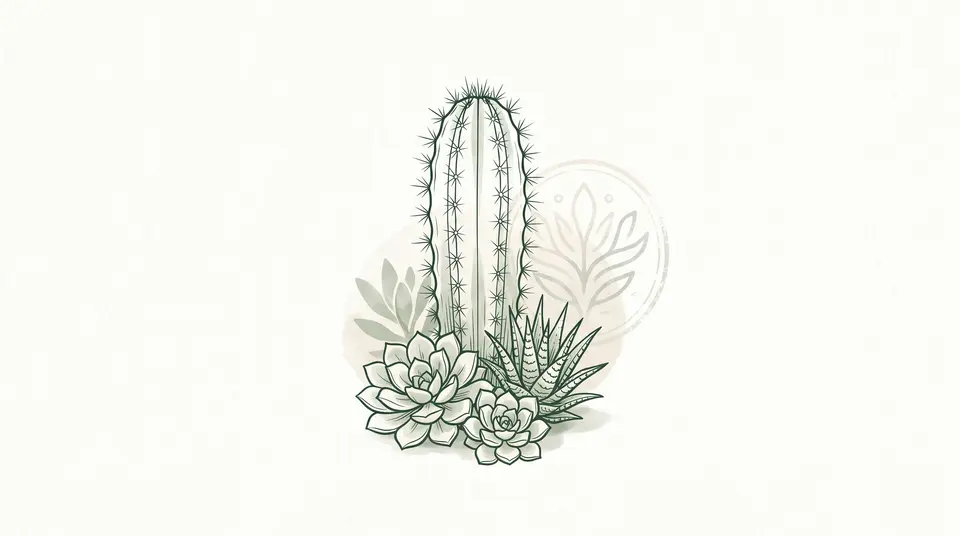 Reference image
Orange-shaped Cactus
Cactus aurantiiformis is a rare and intriguing globular cactus species, characterized by its distinctive depressed spherical body resembling an orange, which frequently sparks interest among botanical collectors.
The scientific name Cactus aurantiiformis points to the historical botanical era where many spherical Cactaceae members were broadly classified under the Linnaean genus Cactus 1. The specific epithet aurantiiformis stems from Latin, translating to "orange-shaped", referencing the plant's ribbed and flattened spherical growth habit.
While specific distribution data is scarce, this species is documented to inhabit semi-arid rocky hillsides where drainage is optimal and mineral content is high 2. It is highly adapted to intense sunlight and prolonged periods of drought.
The stem is deep green, organized in prominent vertical ribs with woolly aeroles. Spines are stout, slightly curved, and range from pale yellow to gray. Under optimal care, it yields small tubular orange or red-hued flowers at the apex.
Cultivating this species requires strict moisture control. It thrives in high-light conditions, preferably bright indirect sunlight, and demands a mineral-heavy substrate with minimal organic components.
The most prevalent issue is root rot induced by overwatering or planting in heavy, clay-rich soil without proper drainage. Lack of ventilation and inadequate light can also cause etiolation.
Requires bright indirect light or filtered direct sun to prevent etiolation.
Allow soil to dry out completely between waterings. Reduce drastically in winter.
Extremely porous cactus mix enriched with pumice, perlite, and coarse sand.
Non-toxic to pets, but features sharp spines that can cause physical injury.
Moderate; requires careful watering practices and good light management.
Originates from the semi-arid, rocky terrains and high-altitude slopes of South America, adapting to dry seasons and intense solar exposure.
