
Light
Full Sun
Requires at least 6 hours of direct sunlight daily; placement on south-facing windows is best.
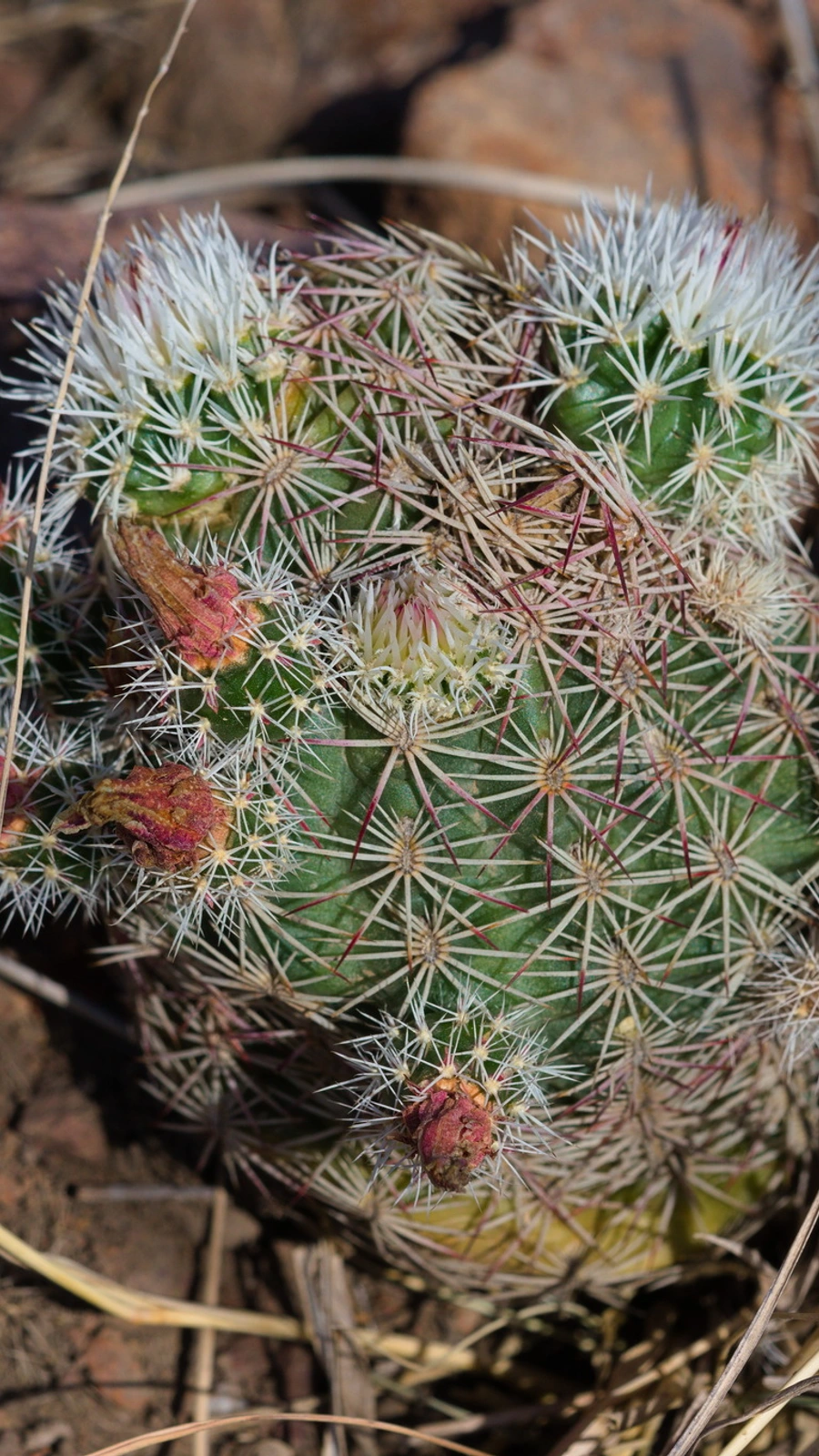 Reference image
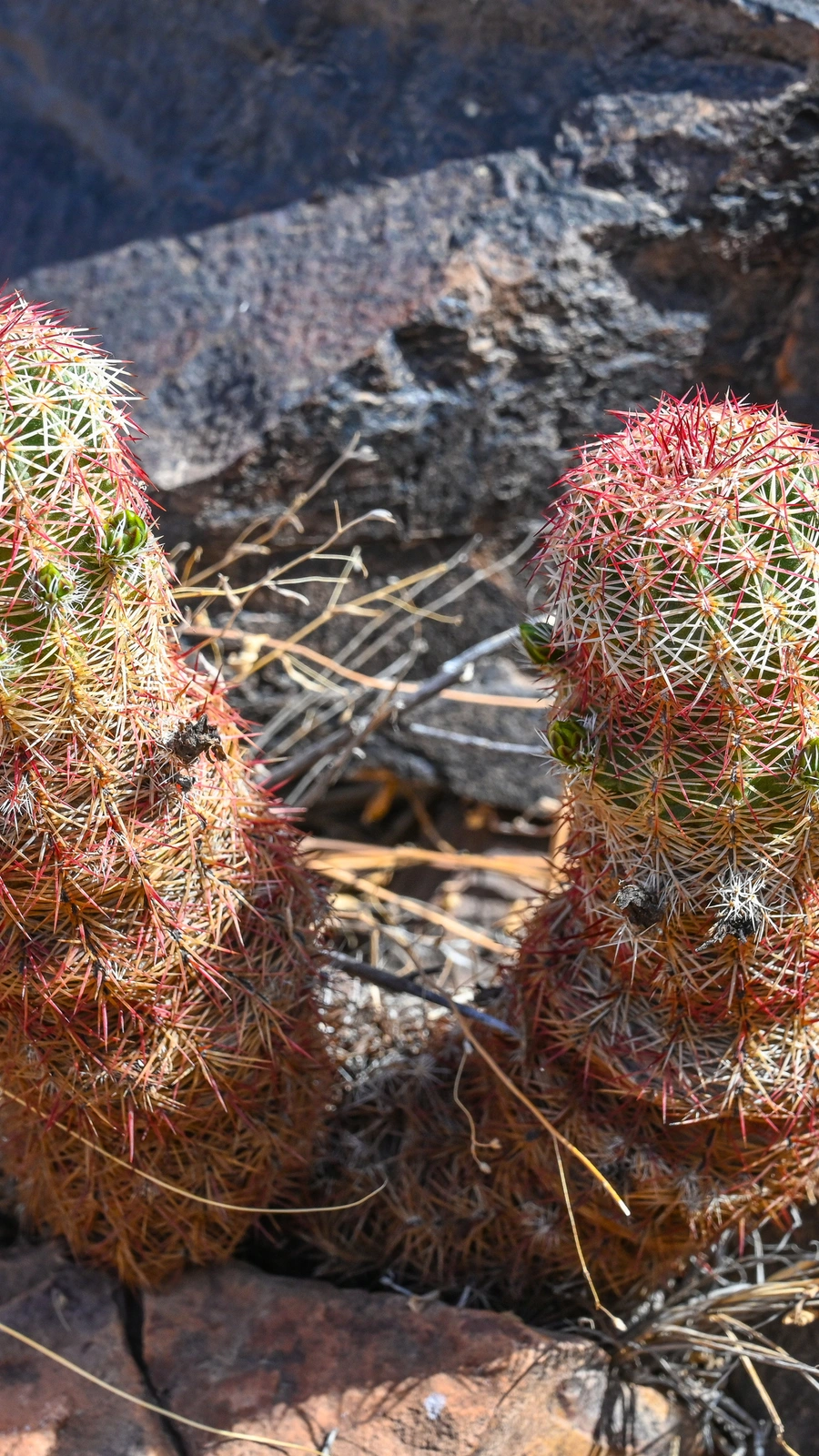 Reference image
Green-flowered Hedgehog Cactus
Cactus chloranthus (most widely accepted today under the taxonomical combination Echinocereus viridiflorus var. chloranthus) is a small, highly cold-hardy cactus species in the family Cactaceae, celebrated for its unique greenish-bronze blooms and dense, colorful spination 1.
Originally described by George Engelmann, this taxon is frequently listed in botanical literature as Echinocereus chloranthus 2. The specific epithet "chloranthus" combines the Greek words "chloros" (green) and "anthos" (flower), referring directly to the unusual coloration of its petals.
This resilient cactus is native to the Southwestern United States, particularly western Texas and southern New Mexico, extending southwards into northern Mexico (Chihuahua) 1. It thrives in gravelly, well-draining soils, limestone ledges, and desert grasslands at moderate to high elevations.
It features a cylindrical, usually solitary stem that can occasionally branch from the base with age. The ribs are covered in dense, pectinate spines displaying a spectrum of white, yellow, and reddish-brown colors. During spring, it bears small, tubular, lemon-green or brownish-green flowers along the sides of the stem.
In cultivation, Cactus chloranthus is valued for its hardiness and low maintenance requirements. It demands maximum sunlight and superb ventilation. Watering should be thorough during the active spring and summer months, but only after the substrate has dried out completely. Winter requires strict drought conditions.
The most prevalent issue is overwatering during the cold winter dormancy, which quickly causes root rot 2. Cultivating the plant in rich, organic soils or depriving it of bright, direct sunlight will lead to weak, etiolated growth and lack of blossoms.
Requires at least 6 hours of direct sunlight daily; placement on south-facing windows is best.
Water thoroughly in summer only when soil is bone dry. Keep absolutely dry in winter.
Thrives in mineral-rich, low-organic soil consisting largely of pumice, coarse sand, and grit.
Spines are sharp and can cause irritation; keep out of reach of pets and children. Non-toxic.
Extremely easy to care for and exceptionally frost-hardy, provided the soil remains completely dry.
Naturally distributed across the arid, rocky limestone hills of western Texas, New Mexico, and the northern parts of Chihuahua, Mexico.
