
Light
Full Sun
Requires full, direct sunlight; partial shade leads to weak growth.
 Reference image
 Reference image
Six-angled Column Cactus
Cactus hexagonus (currently widely accepted as Cereus hexagonus) is a monumental, columnar cactus species belonging to the Cactaceae family. Known for its rapid growth and distinct ribbed structure, it is a prominent feature in arid landscapes and large indoor collections 1.
Originally described by Carl Linnaeus under the name Cactus hexagonus, this species was later combined into the genus Cereus 2. The specific epithet 'hexagonus' refers to the common six-angled or six-ribbed cross-section of its vertical stems.
Native to South America, particularly southeastern Brazil (including Minas Gerais, Rio de Janeiro, São Paulo, and Espírito Santo), it thrives in rocky outcrops, dry shrublands, and open, sun-drenched savannahs 3.
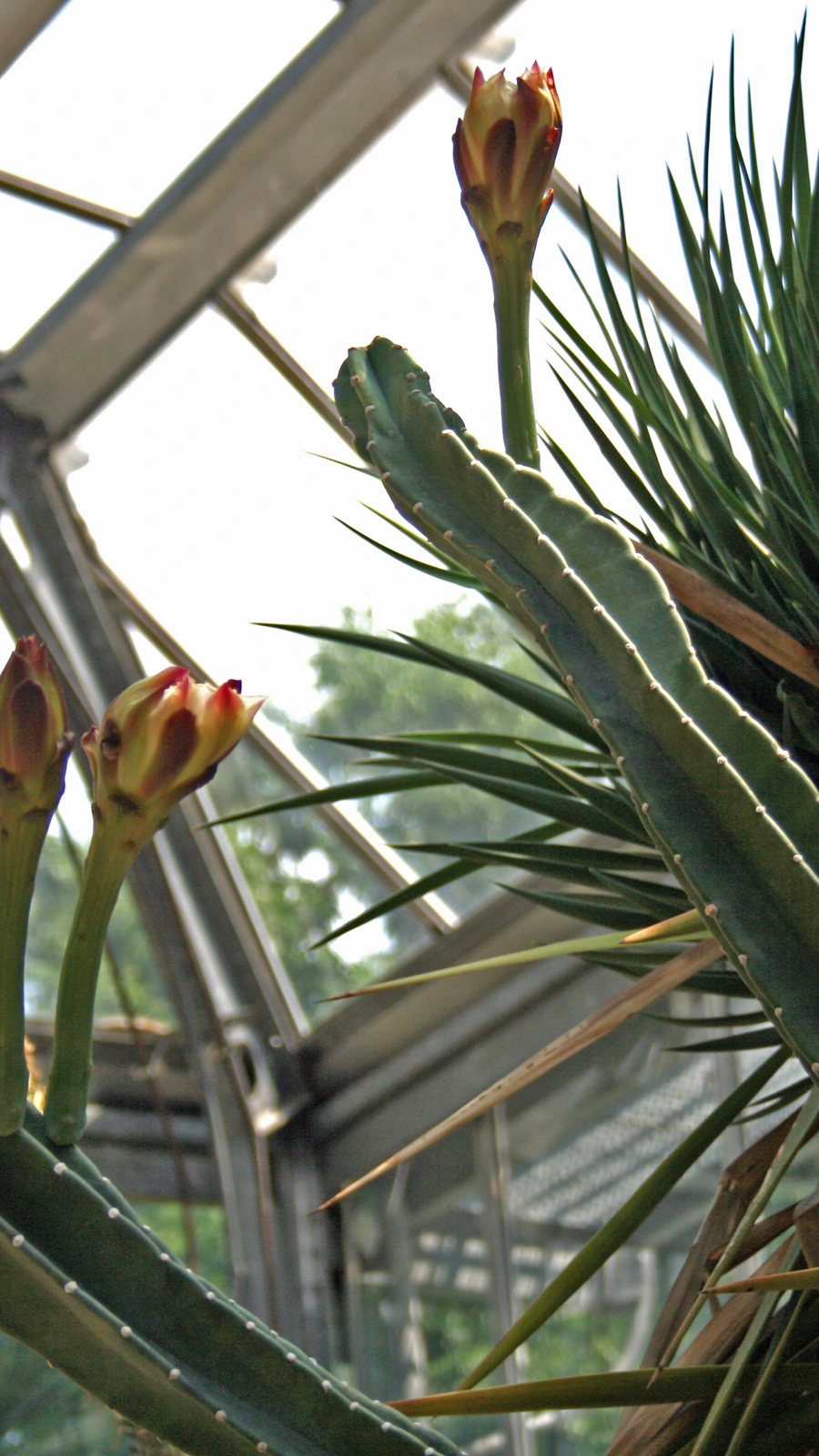
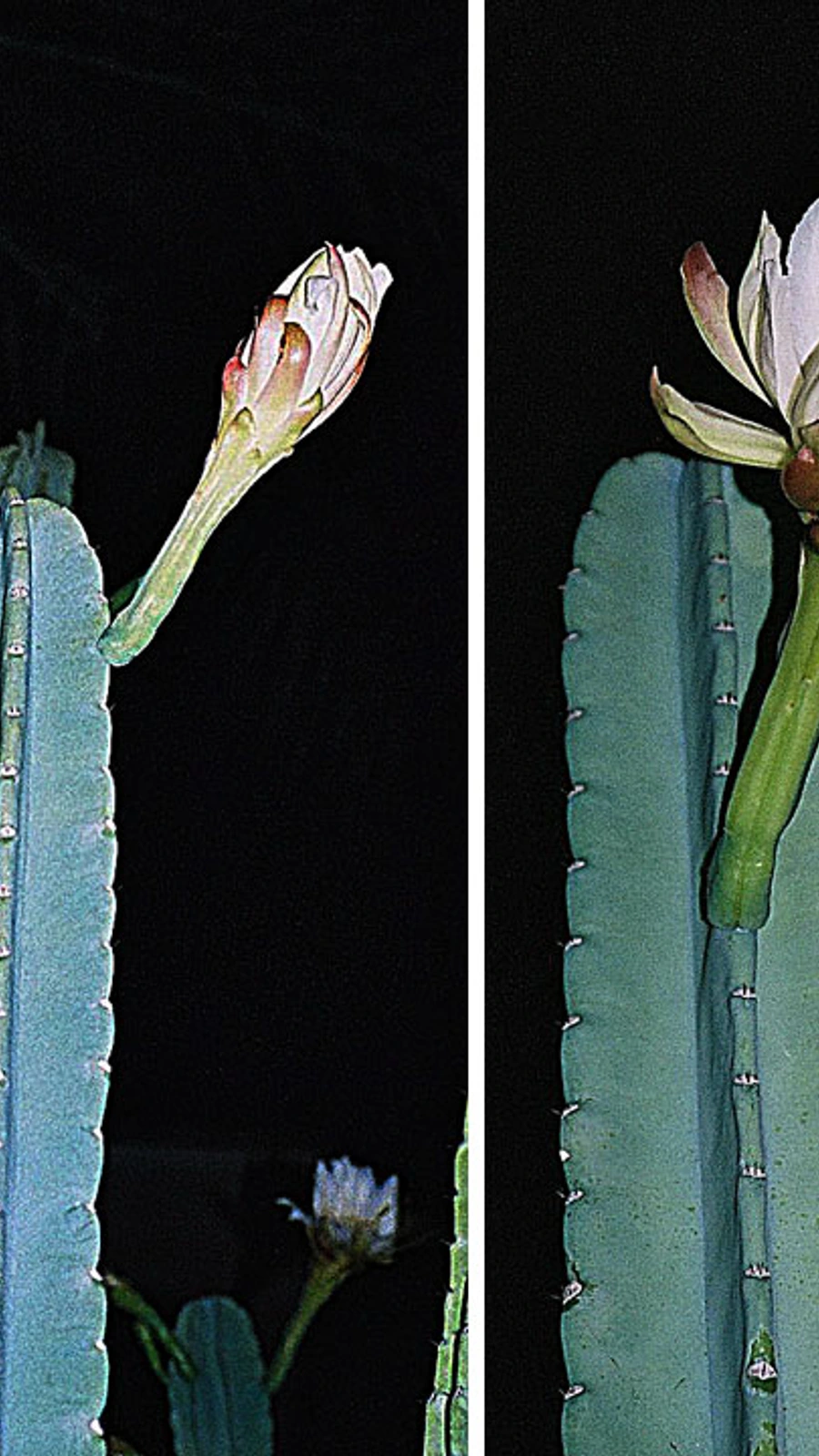
The stems are bluish-green when young, transitioning to a dull green as they mature, characterized by 6 to 7 deep ribs. Large, nocturnal white flowers bloom during the summer nights, designed to attract nocturnal pollinators like bats and moths 1.
This species demands full sun and exceptionally well-draining soil. Water thoroughly during the active growing season, allowing the potting medium to dry out completely between waterings. During winter, reduce watering to a minimum to mimic dry seasonal cycles.
Overwatering and the use of heavy, moisture-retaining soils are the leading causes of root rot. Inadequate light exposure leads to etiolation, resulting in weak, pale, and thin stem growth 2.
Requires full, direct sunlight; partial shade leads to weak growth.
Water only when the soil is dry. Keep completely dry in winter.
Use a porous, sandy potting mix with high gravel or pumice content.
Sharp spines can cause injury; handle with heavy gloves.
Highly resilient and very easy to care for, provided it is not overwatered.
Inhabits the dry rocky slopes and scrubby savannahs of southeastern Brazil, where it grows as a towering columnar element of the local vegetation.
