
Light
Bright Indirect Light
Enjoys bright, indirect sunlight or filtered sun. Avoid intense, direct afternoon sun.
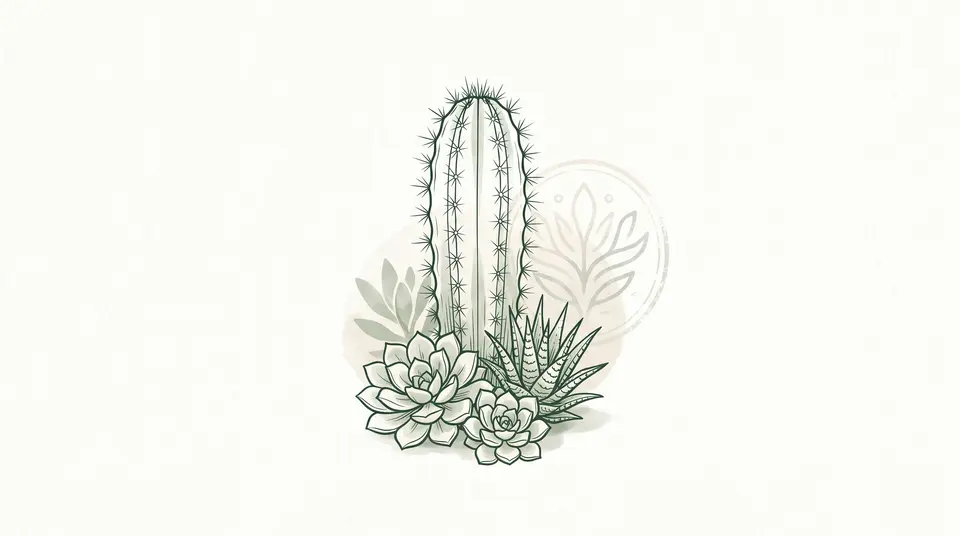 Reference image
Spotted Cactus
Cactus maculatus is a historically intriguing and taxonomically rare member of the Cactaceae family. Although the name Cactus is often treated as a broad historical synonym, this species is noted in specialized collections for its unique spotted epidermis and architectural growth habit 1.
Originally published under the generic name Cactus, modern botanical databases like Kew's POWO often align historical specimens of this nature with genera such as Acanthocereus or specific spotted Mammillaria variants 2. The specific epithet 'maculatus' is Latin for 'spotted', describing the pale, irregular markings across its green stems.
While specific wild collection data remains sparse, closely related taxa thrive in the semi-arid regions of Mexico and Central America. They typically grow on rocky hillsides and dry deciduous shrublands, adapted to long drought periods 1.
The stems are cylindrical to ribbed, characterized by a light green epidermis adorned with pale, spotted patterns. The areoles carry fine, needle-like spines. Flowers are nocturnal, opening with white to pale cream petals to attract nocturnal pollinators 2.
In cultivation, it requires an extremely porous substrate. Irrigation must be strictly controlled, allowing the medium to dry out entirely between cycles. It benefits from a diluted low-nitrogen fertilizer during the active spring and summer growth phases.
Overwatering is the primary cause of failure, quickly leading to root and stem rot. Insufficient light causes etiolation, where the stems stretch unnaturally and lose their characteristic patterns.
Enjoys bright, indirect sunlight or filtered sun. Avoid intense, direct afternoon sun.
Water thoroughly only when the soil is completely dry. Reduce significantly in winter.
Requires a highly porous, gritty cactus mix with excellent drainage.
Non-toxic to pets, but has sharp spines that require careful handling.
Moderately easy if you avoid overwatering and provide sufficient light.
Typically native to the semi-arid zones of Mexico and Central America, where it can be found growing in rocky soils, dry scrublands, and slopes under the light filtered shade of larger desert shrubs.
