
Light
Bright Indirect Light
Requires at least 6 hours of bright indirect or filtered direct sunlight daily.
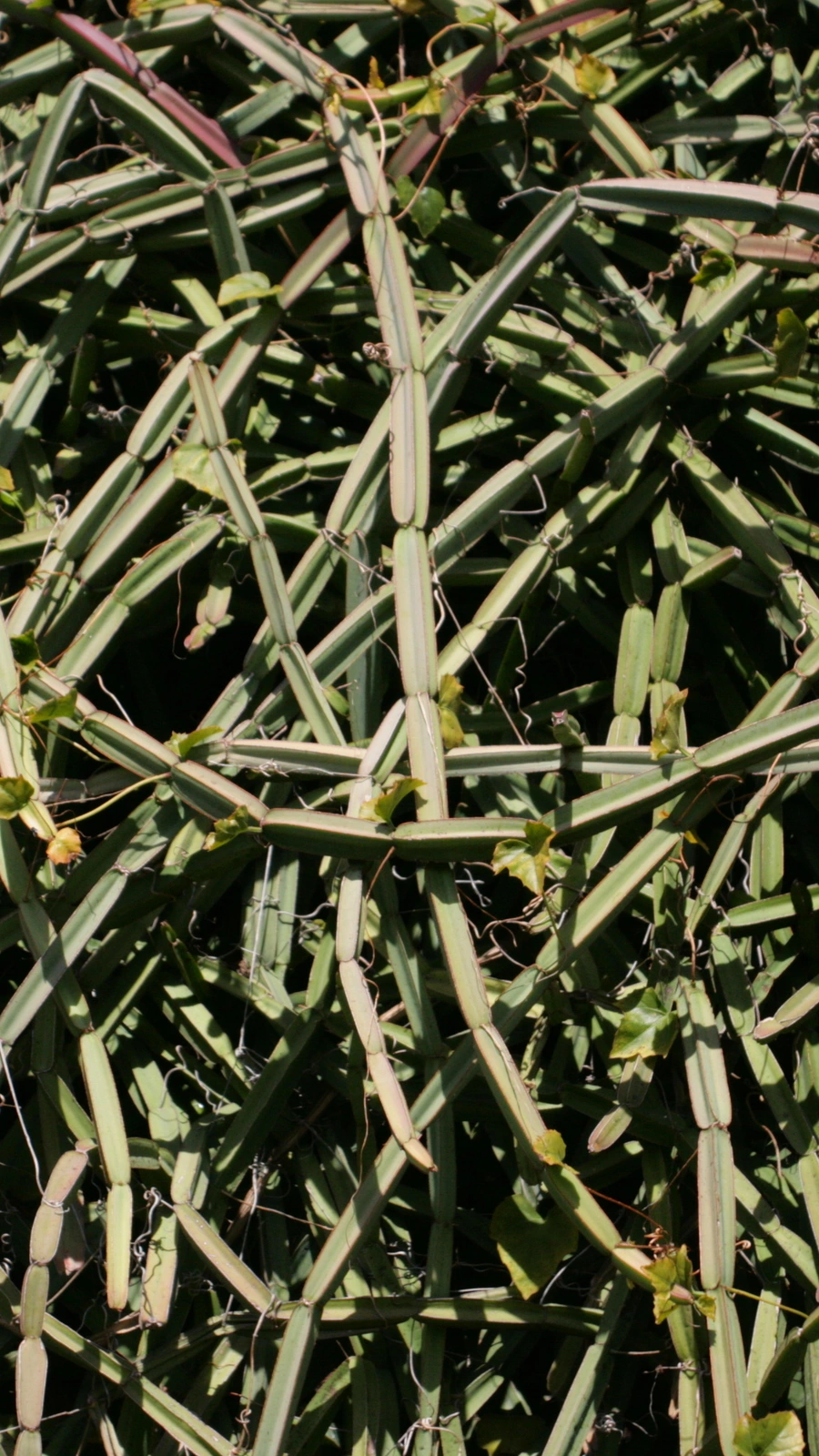 Reference image
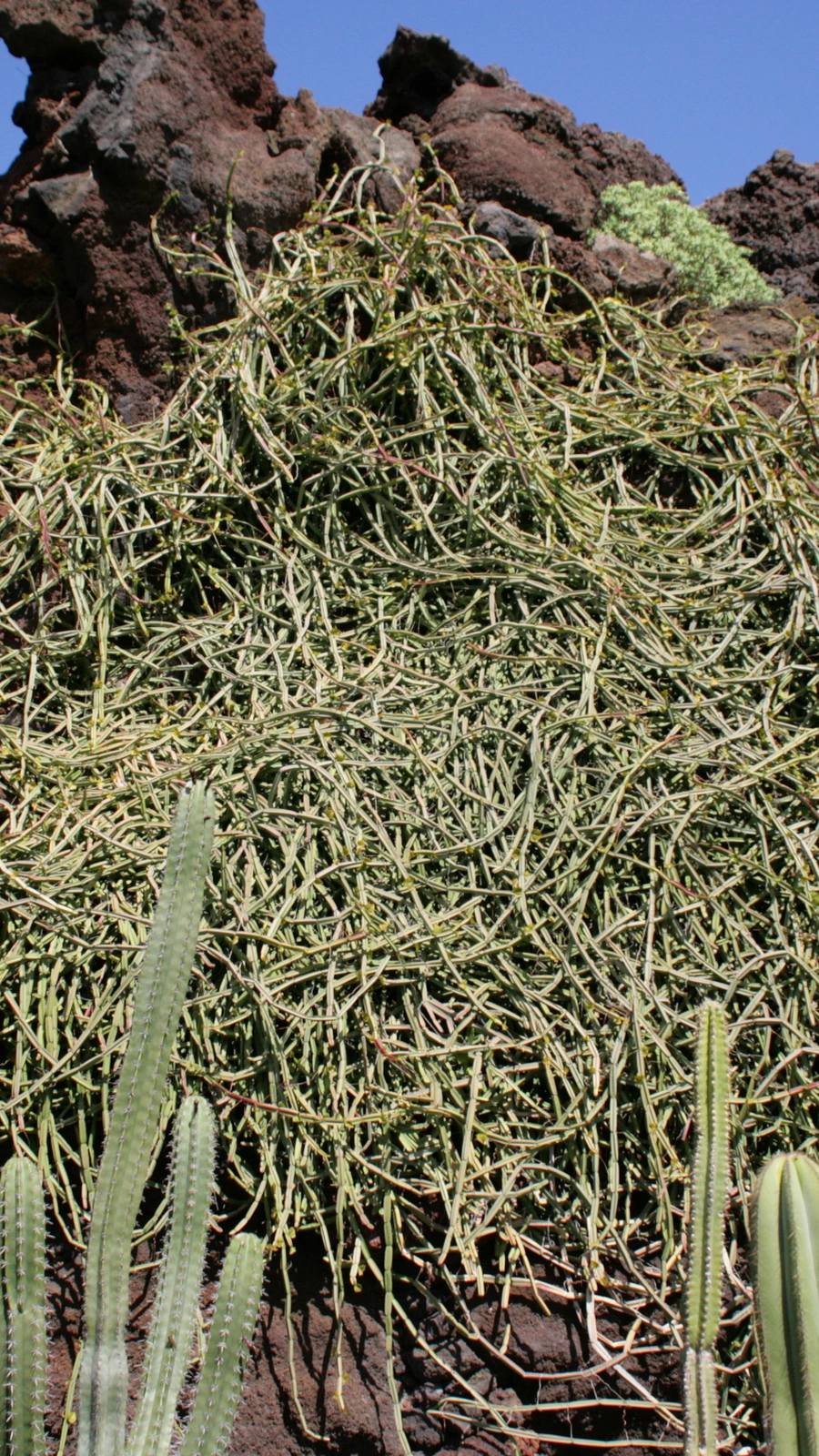 Reference image
Four-Angled Cactus
Cactus quadrangularis is a historical cactus taxon, currently widely treated in botanical nomenclature as a synonym of Acanthocereus tetragonus (L.) Hummelinck 1. It is characterized by its distinct four-angled ribbed stems and scrambling growth habit.
Originally described by Jacquin, this species has undergone several taxonomic reclassifications due to its variable vegetative form. Modern databases place it under the genus Acanthocereus 2.
This species is native to tropical regions of Central America, the Caribbean, and northern South America. It thrives in coastal scrublands, rocky terrains, and deciduous dry forests 3.
The stems are dark green, prominently four-angled, and lined with clusters of sharp greyish spines along the margins. It produces large, nocturnal white flowers that are pollinated by moths 4.
In cultivation, it requires bright, filtered sunlight and a highly porous substrate. It is relatively drought-tolerant but benefits from moderate watering during the active growing season.
Overwatering in compacted, heavy soils quickly leads to root rot. Insufficient light causes weak, spindly, and pale stem growth.
Requires at least 6 hours of bright indirect or filtered direct sunlight daily.
Allow the potting medium to dry out completely between waterings.
Prefers a sandy, well-draining substrate rich in pumice and coarse grit.
Non-toxic to pets, but possesses sharp spines that can cause mechanical injury.
Very easy to maintain, making it ideal for beginners and low-maintenance collections.
The species is widely distributed across the dry coastal regions and arid scrublands of tropical America.
