
Light
Direct Sun
Requires at least 6 hours of direct sunlight daily to maintain its structural form and pattern.
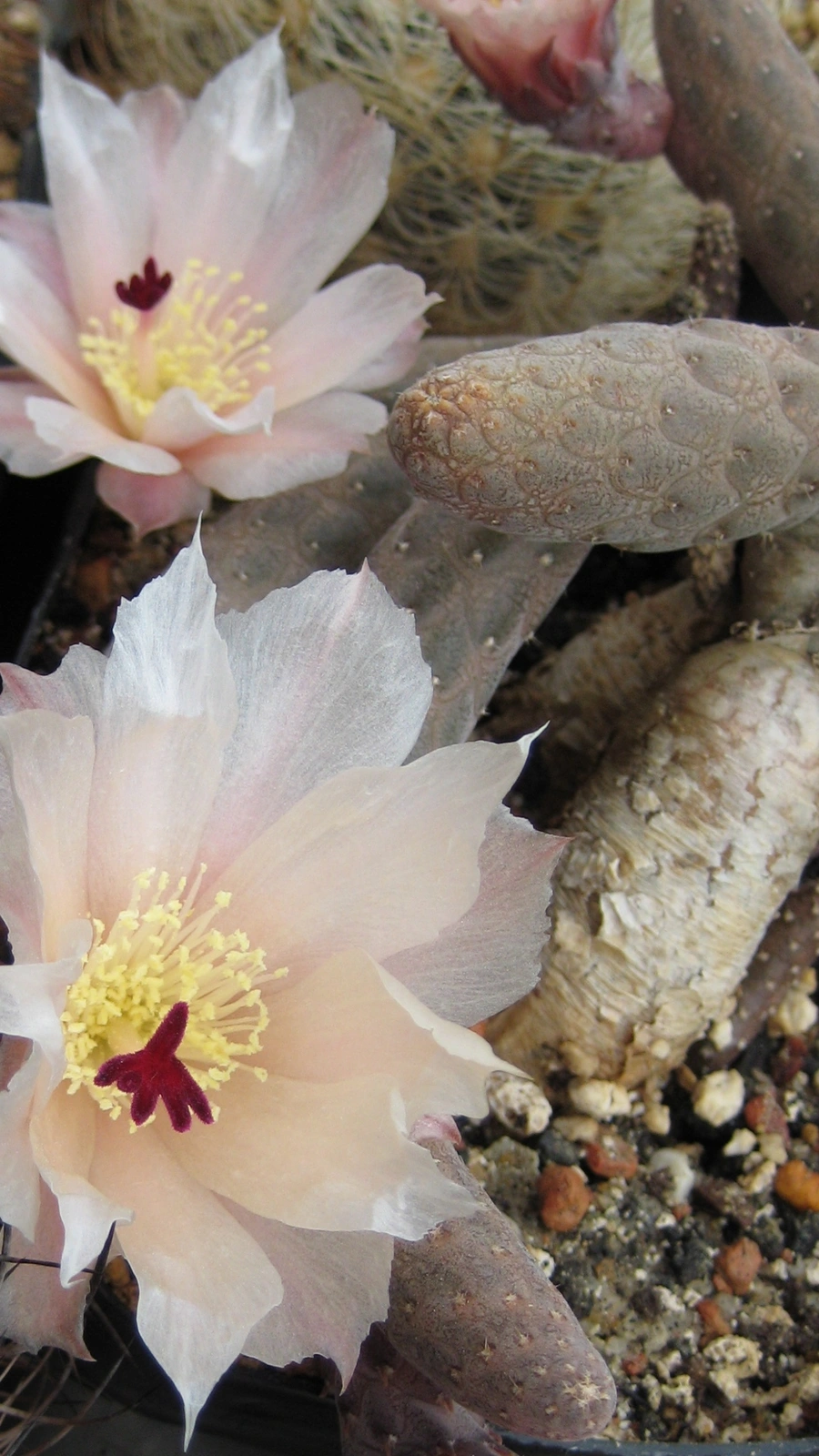 Reference image
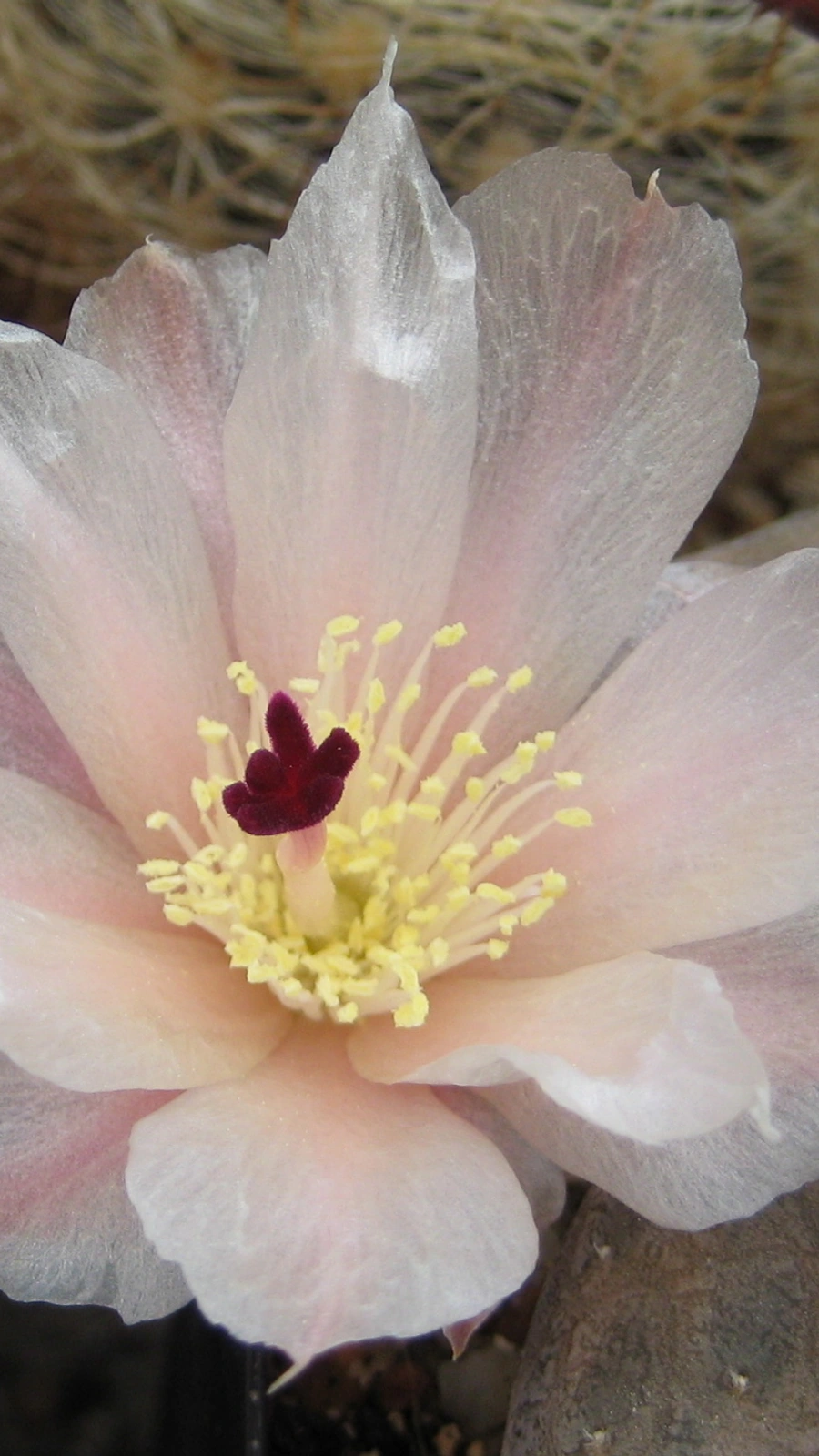 Reference image
Netted Cactus
Cactus reticulatus is a rare and unique cactus species within the family Cactaceae, characterized by its distinctive netted or reticulated surface pattern. It is highly valued among specialized succulent collectors for its geometric appeal.
The genus Cactus has undergone numerous revisions since Linnaeus. Historically, the name Cactus reticulatus has been associated with specific varieties of Mammillaria or Coryphantha due to changing taxonomic classifications 1. The specific epithet "reticulatus" refers to the network-like structure formed by its tubercles and spines.
This species is primarily native to the arid and semi-arid regions of Mexico. It thrives on rocky slopes, limestone cliffs, and dry shrublands where soil is mineral-rich, alkaline, and exceptionally well-draining 2. It is adapted to intense sunlight and prolonged periods of drought.
Cactus reticulatus displays a globose to slightly cylindrical growth habit. The epidermis features a complex network-like pattern created by the arrangement of its tubercles. Small, radial spines emerge from the areoles, outlining the reticulated ribs. Flowers are borne at the apex, showcasing shades of pale pink, yellow, or white.
In cultivation, it requires bright, direct sunlight to maintain its compact shape and prevent etiolation. Watering must be strictly limited to when the soil is bone-dry. During the winter dormancy, watering should be suspended almost completely to prevent root rot 3.
Overwatering and using heavy, organic-rich soils are the leading causes of plant loss. Lack of direct light leads to weak, elongated growth and a loss of its distinct reticulated pattern.
Requires at least 6 hours of direct sunlight daily to maintain its structural form and pattern.
Allow the soil to dry out completely between waterings; practice strict drought conditions in winter.
Utilize a mineral-based mix with high ratios of pumice, grit, and coarse sand for fast drainage.
Prickly spines can cause physical injury; keep away from curious pets and small children.
Moderate care level; requires precise control over watering and adequate sunlight exposure.
Typically found growing on steep, limestone-rich rocky slopes and canyon walls under full sun exposure.
