
Light
Bright Indirect Light
Prefers bright, filtered or indirect sunlight rather than harsh, direct midday sun.
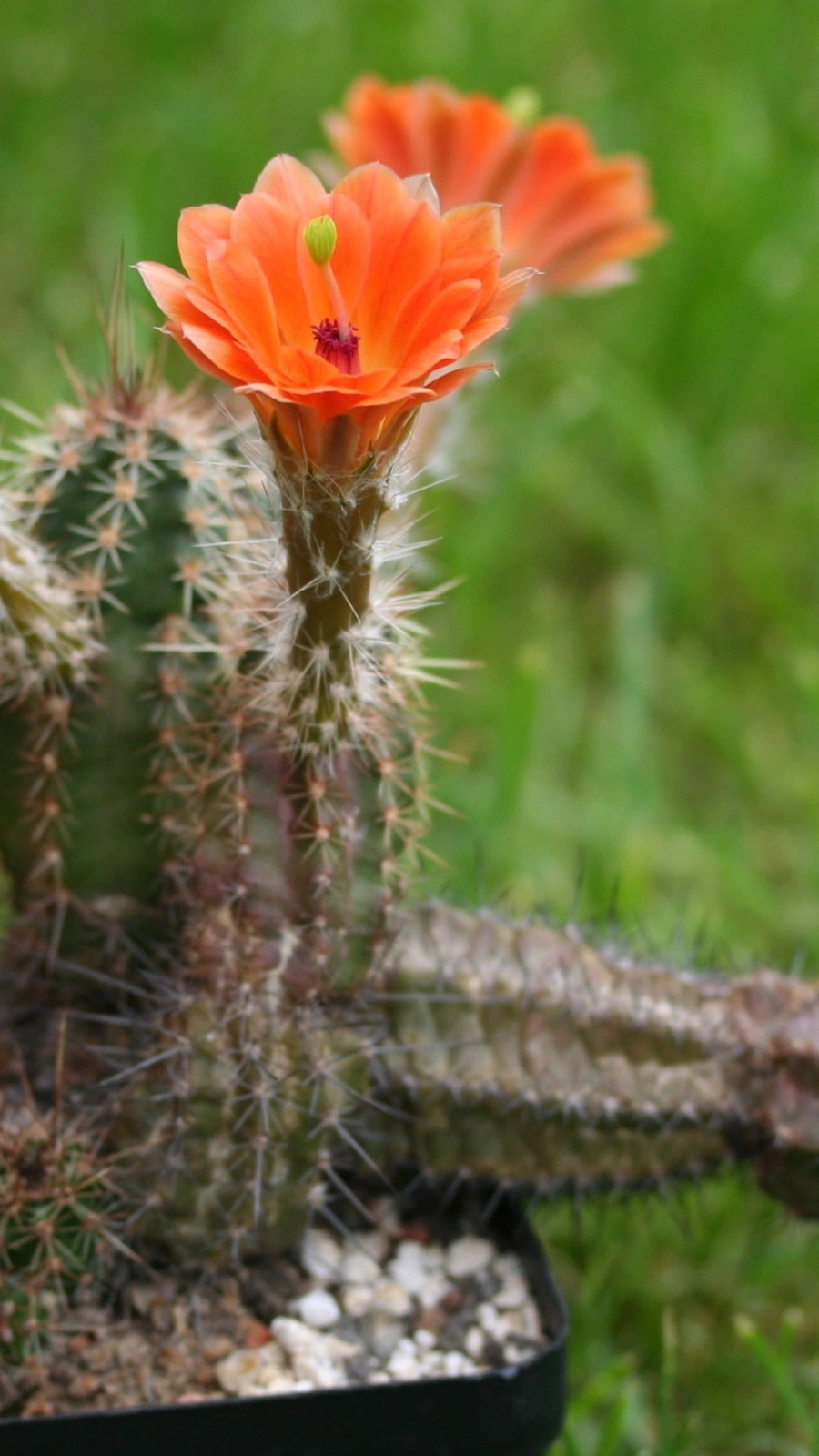 Reference image
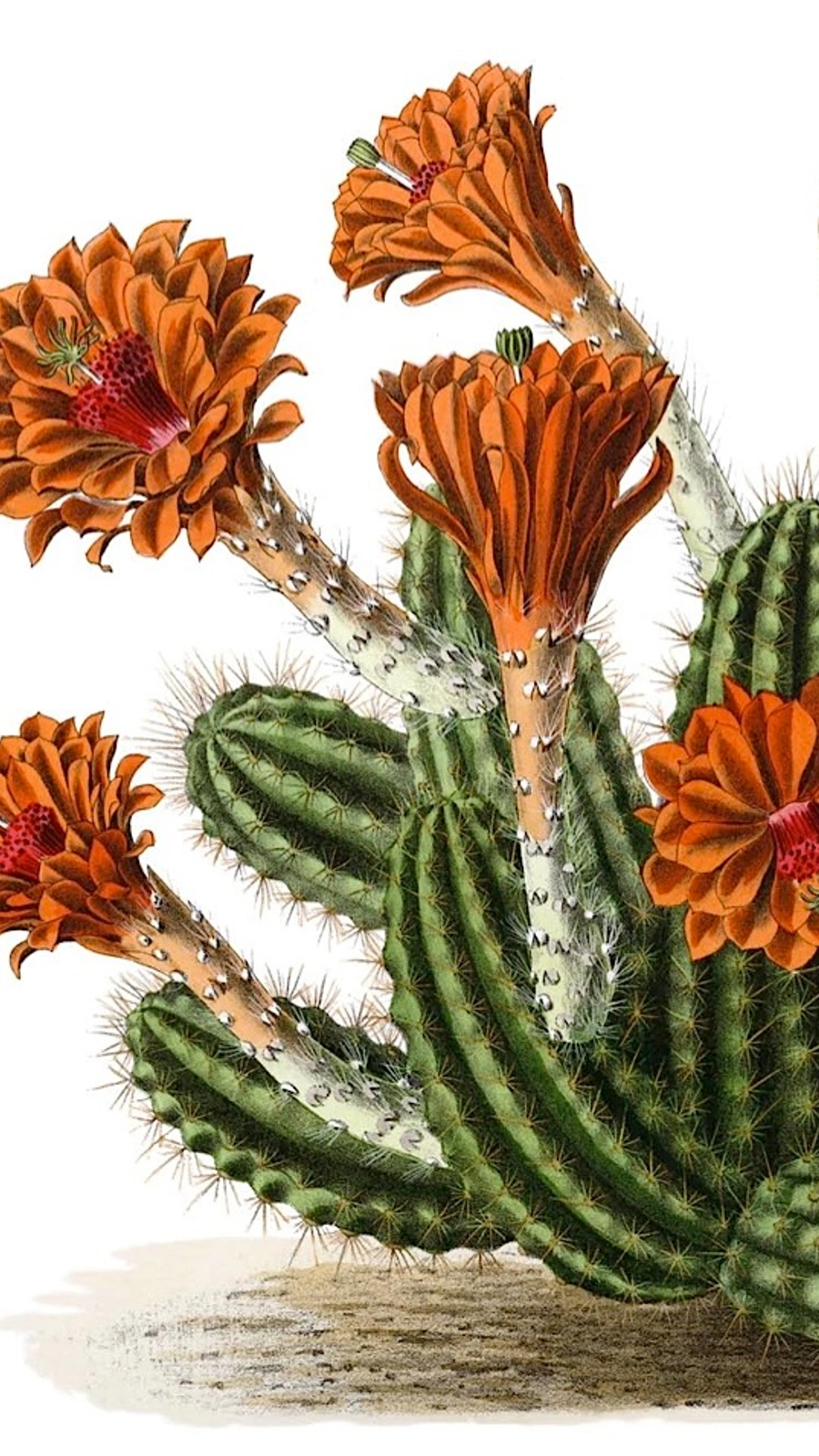 Reference image
Salm's Cactus
Cactus salmianus (currently widely accepted as Opuntia salmiana) is a delicate, slender-branched, shrubby cactus species belonging to the family Cactaceae. Compared to traditional heavy cacti, it is appreciated by collectors for its elegant, bushy growth form 1.
First described in the 19th century, this species was named in honor of the famous German botanist and succulent specialist, Prince Salm-Dyck. Synonyms include Opuntia salmiana and Salmonopuntia salmiana. It is classified under the subfamily Opuntioideae 2.
It is native to the southern regions of South America, specifically Argentina, Paraguay, Bolivia, and Brazil. It thrives in dry forests, scrublands, and calcareous plains, often growing under the light shade of dry shrubs 1.
This cactus features thin, cylindrical, segmented stems that often turn reddish or purple under bright light. Small, whitish areoles bear very fine, hair-like spines. The flowers are typically cream, pale yellow, or soft pink, followed by small, bright red, ornamental fruits 2.
It is highly adaptable and easy to cultivate indoors. Unlike desert cacti that require scorching sun, it prefers bright, indirect or filtered light. Water only when the potting medium has dried out completely.
Overwatering and using pots without drainage holes are the primary causes of root rot. Inadequate lighting results in weak, thin, and stretched stems (etiolation).
Prefers bright, filtered or indirect sunlight rather than harsh, direct midday sun.
Allow the soil to dry out completely before watering. Keep nearly dry in winter.
Use a well-draining cactus mix high in pumice, coarse sand, and perlite.
Lacks large spines but has tiny, irritating glochids; handle with care or use gloves.
An excellent and forgiving choice for beginners and busy plant owners.
Native to the dry scrublands and semi-shaded forest understories of Argentina, Paraguay, Bolivia, and Brazil.
