
Light
Full Sun
Enjoys full sun and direct light; south-facing windows are perfect.
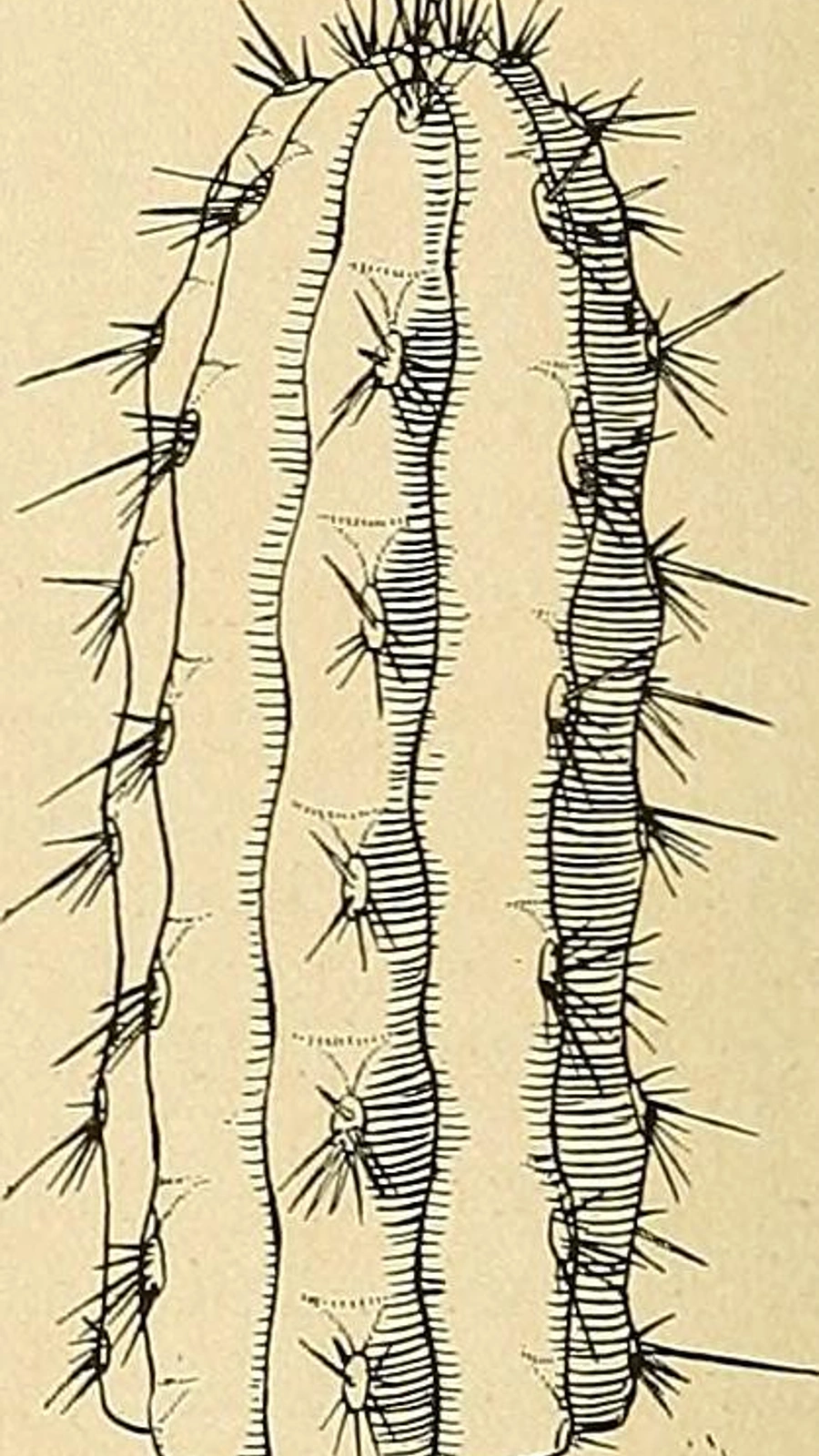 Reference image
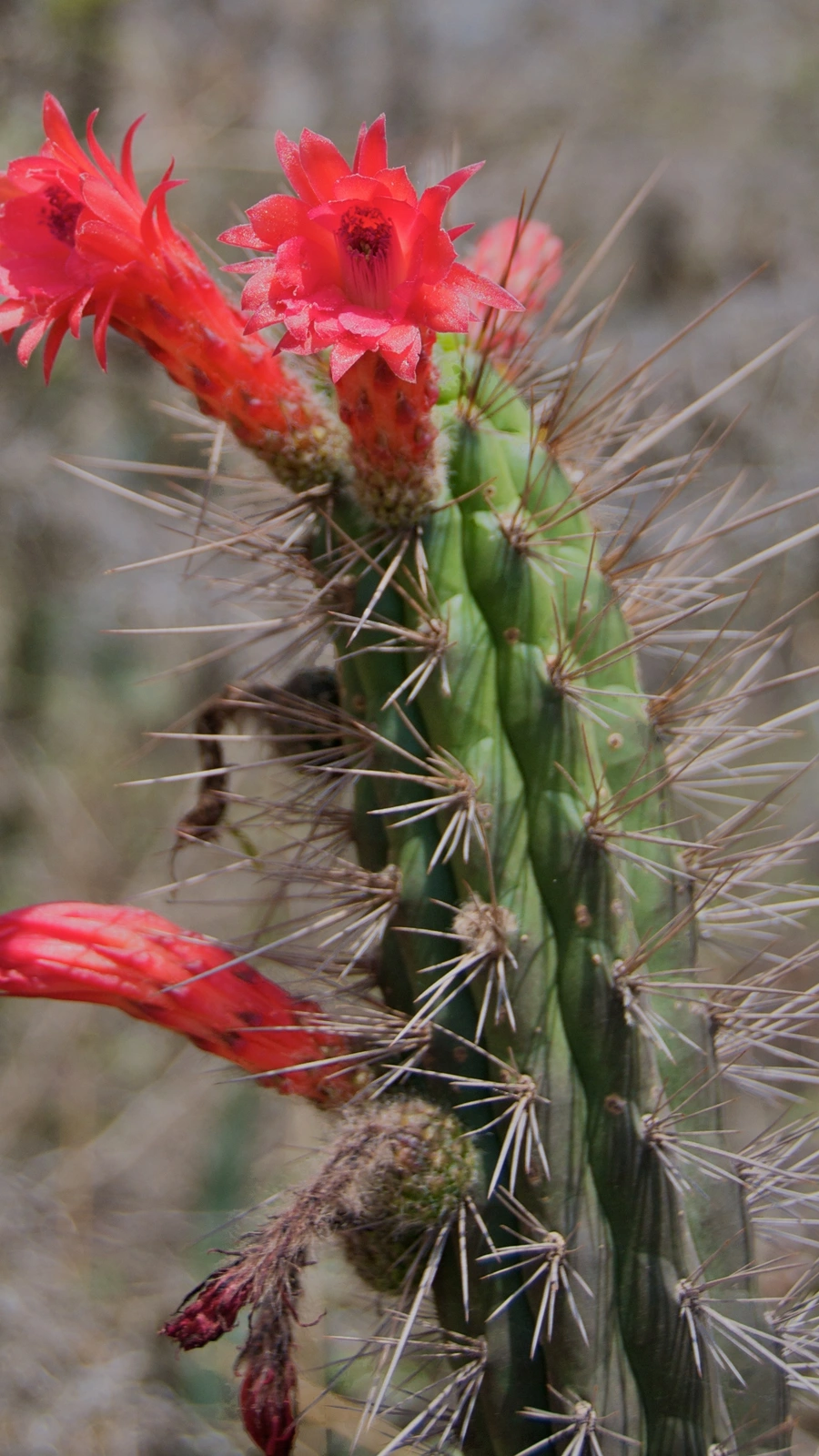 Reference image
Sepium Cactus
Cactus sepium is a fascinating and historically rich member of the Cactaceae family. Native to the arid and semi-arid regions of southern South America, this species showcases remarkable adaptation skills, making it a rugged yet beautiful addition to succulent collections 1.
The genus Cactus historically represented the earliest groupings of cacti classified by early botanists like Carl Linnaeus. Over time, species like Cactus sepium have undergone taxonomic revisions, with many being reclassified under modern genera. However, its historical records remain crucial for understanding botanical evolution 2.
This species is primarily native to Uruguay and surrounding areas in Southern South America. It thrives in open, rocky grasslands and sandy fields where the soil is highly permeable and the exposure to direct sunlight is constant 1.
Cactus sepium features a ribbed, cylindrical to globose green stem with well-spaced areoles. The spines emerging from these areoles are sharp and range from greyish-brown to yellow, offering protection from herbivores and intense sun. It produces charming, funnel-shaped blossoms during late spring.
In cultivation, it requires minimal intervention. Bright, direct sunlight is essential for maintaining its compact shape and promoting blooming. It thrives in porous, nutrient-poor soil and requires watering only when the substrate has dried out completely.
Overwatering is the primary cause of failure, quickly leading to root rot. Keeping the plant in dark or semi-shaded areas will cause etiolation, where the plant stretches weakly towards the light, losing its natural aesthetic form.
Enjoys full sun and direct light; south-facing windows are perfect.
Water deeply only after the potting medium dries out completely.
Gritty, mineral-heavy cactus soil with pumice or perlite.
Non-toxic to pets, but the sharp spines can cause physical injury.
Very easy; thrives on neglect as long as it gets enough sunlight.
Native to the rocky terrains and sandy open fields of Uruguay and adjacent southern South American regions.
