
Light
Filtered Sun
Requires bright, indirect or filtered sunlight. Avoid prolonged exposure to harsh, direct midday sun.
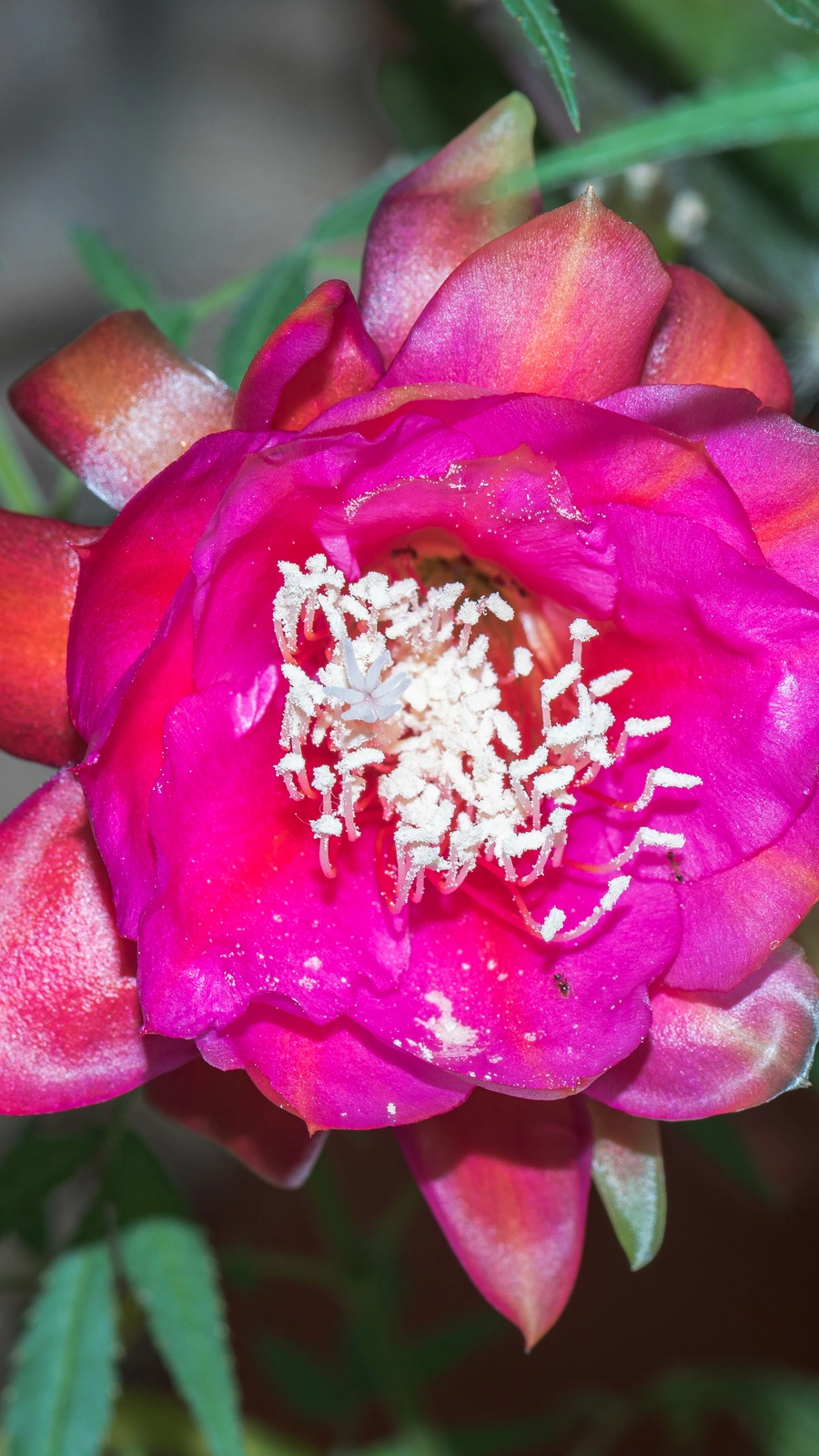 Reference image
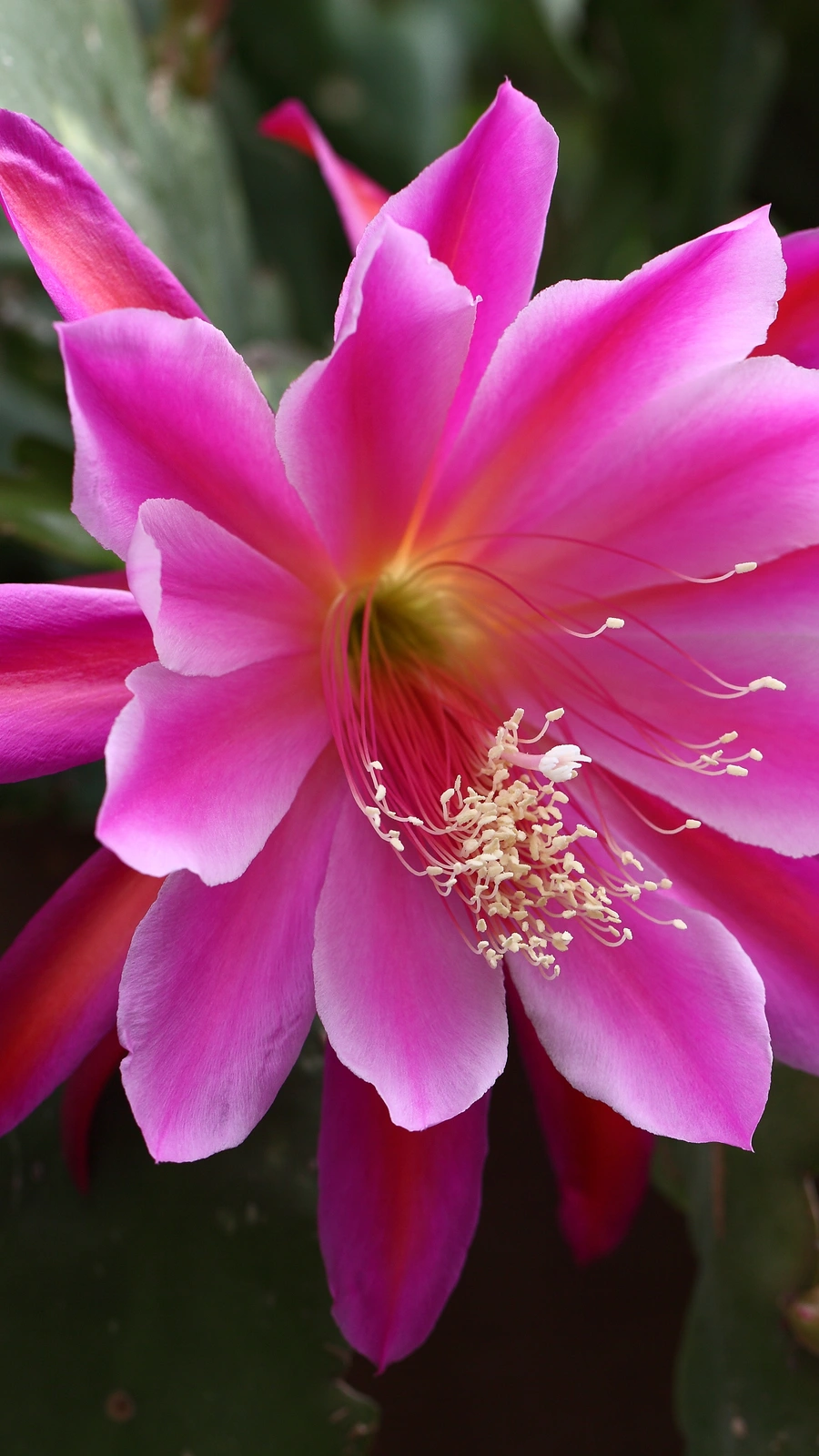 Reference image
Sun Cactus
Cactus speciosus (currently taxonomically accepted as Disocactus speciosus) is a highly ornamental semi-epiphytic or lithophytic cactus belonging to the family Cactaceae 1. Renowned for its magnificent, large, scarlet-to-pink blossoms, it is commonly known as the 'Sun Cactus' or 'Orchid Cactus' and is widely cultivated for its breathtaking spring flower display.
The species was first formally described in 1803 by the Spanish botanist Antonio José Cavanilles under the name Cactus speciosus 2. It was later classified under Heliocereus as Heliocereus speciosus, and modern phylogenetic studies have placed it within the genus Disocactus. The specific epithet 'speciosus' translates from Latin as 'showy' or 'splendid'.
Native to the mountainous regions of Mexico and Guatemala, this species typically thrives at elevations between 1,000 and 2,500 meters 1. It grows in humid oak and pine-oak forests, either climbing on trees as an epiphyte or scrambling over rocky cliffs as a lithophyte.
The stems are highly branched, green to reddish, featuring 3 to 5 prominent, wavy ribs. Areoles along the margins bear small clusters of short, yellowish spines. The funnelform flowers are up to 15 cm long and wide, displaying stunning scarlet-red petals with an iridescent purplish-blue sheen inside.
Unlike desert cacti, D. speciosus prefers a well-draining, organic-rich, slightly acidic potting medium. It requires bright, filtered sunlight and consistent moisture during its active spring and summer growing seasons, along with high humidity.
The most frequent issue is root rot caused by poorly draining soil or overwatering. Conversely, keeping the substrate bone-dry for extended periods during summer will stunt growth and prevent flowering.
Requires bright, indirect or filtered sunlight. Avoid prolonged exposure to harsh, direct midday sun.
Water thoroughly once the top soil starts to dry during summer; significantly reduce watering in winter.
Thrives best in a highly aerated, well-draining, rich mix containing peat, perlite, and orchid bark.
Non-toxic to pets, but features small spines that can cause mild mechanical skin irritation.
Moderate care level. Requires a cold winter resting period to bloom successfully.
Naturally occurs in high-altitude oak and pine-oak cloud forests of Central America, growing primarily as an epiphyte on trees or a lithophyte on moist cliffs.
