
Light
Bright Indirect Light
Requires bright, indirect sunlight. Protect from harsh, scorching midday summer sun.
 Reference image
 Reference image
Splendid Column Cactus
Cactus splendidus is an exquisite botanical taxon within the Cactaceae family, historically cataloged under the broad genus Cactus but often classified under modern synonyms such as Disocactus or Echinopsis in contemporary databases 1. It is highly appreciated by collectors for its robust structural beauty and vivid flowers.
The specific epithet "splendidus" translates from Latin as "magnificent" or "splendid", referencing its striking appearance when in full bloom 2. Due to historic taxonomical shifts, this name remains a vital record of early succulent classification and historical nomenclature.
Native to the semi-arid mountainous regions and rocky slopes of Central and South America, it thrives in environments characterized by porous, mineral-rich soils and high solar exposure 3. It is well-adapted to surviving extended periods of drought.
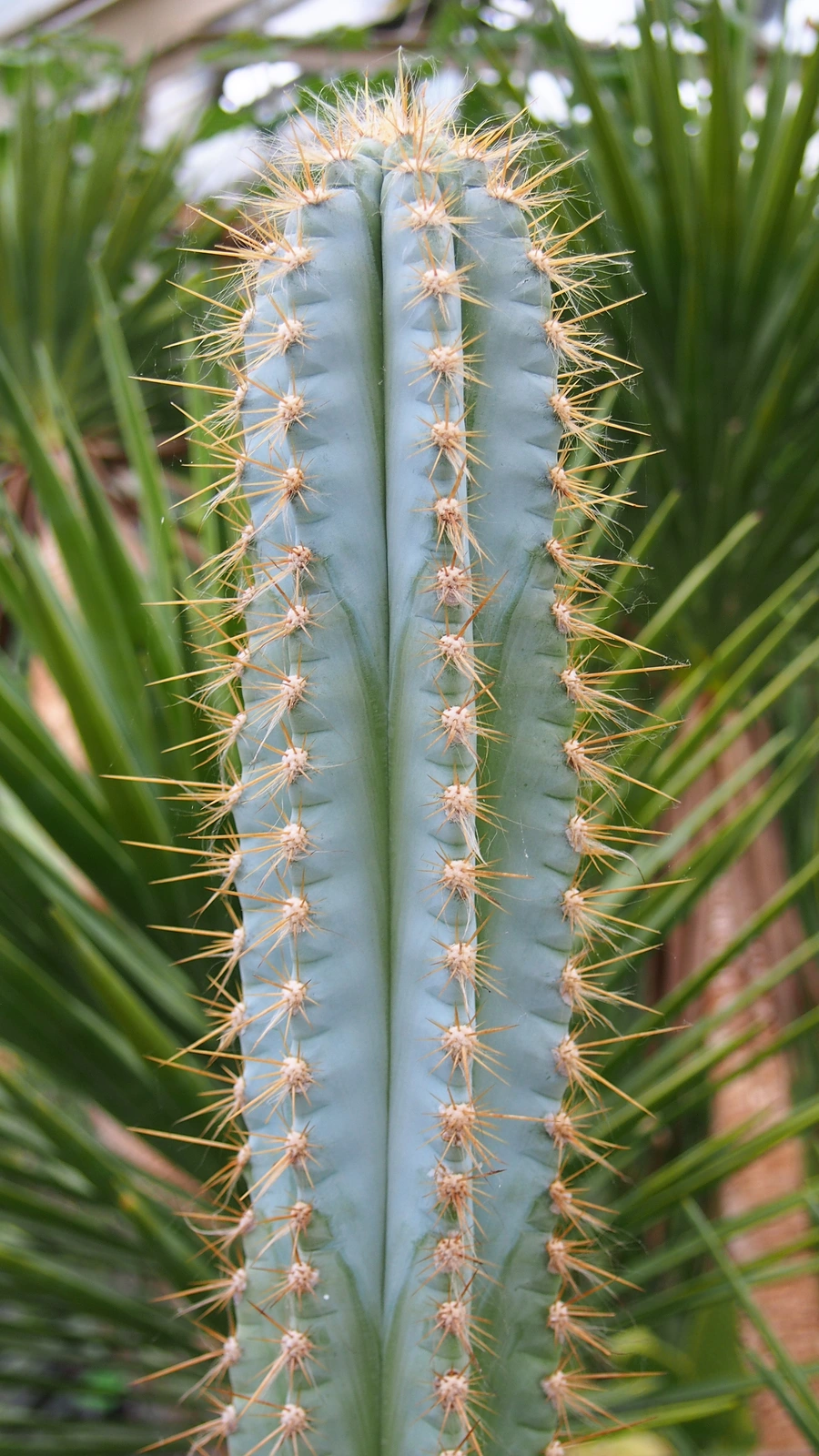
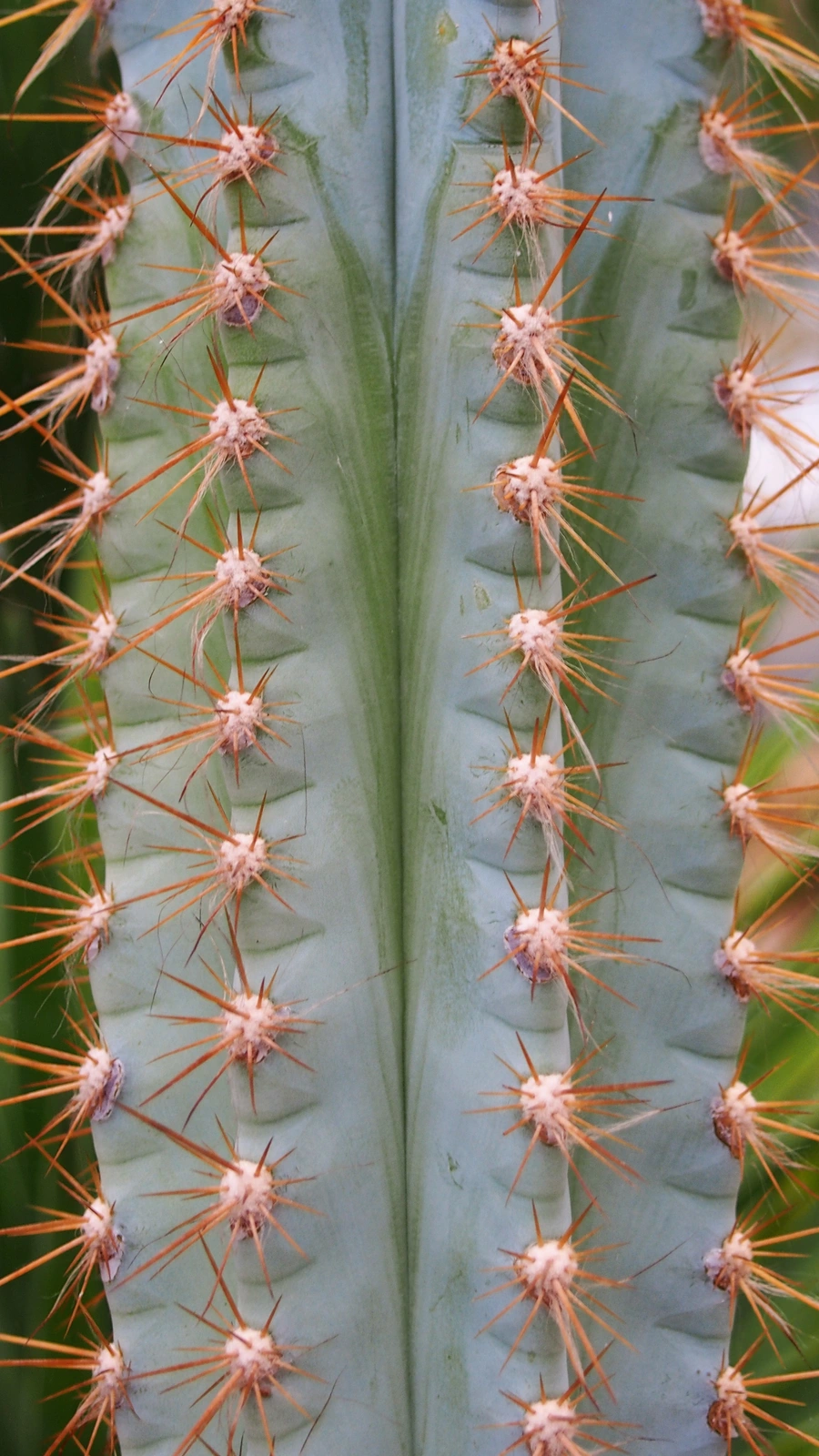
It features a prominently ribbed, cylindrical green stem lined with dense areoles producing sharp, golden-brown spines. During the active growing season, it produces large, funnel-shaped, vibrant red or deep pink flowers that emerge laterally from the stem.
In cultivation, it requires bright, filtered sunlight and excellent airflow. Water deeply but infrequently, allowing the potting medium to dry out completely between waterings to prevent root rot. During winter dormancy, keep the plant dry and cool.
The most prevalent mistakes include overwatering, planting in containers without drainage holes, and providing insufficient light, which leads to etiolation (weak, stretched growth).
Requires bright, indirect sunlight. Protect from harsh, scorching midday summer sun.
Allow the potting mix to dry out fully before watering again. Keep almost dry in winter.
Highly porous, well-draining cactus mix with added pumice, coarse sand, or perlite.
Features sharp spines that can cause mechanical injury. Keep away from pets and kids.
Moderate care level; very forgiving if watering is kept strictly minimal.
This cactus species originates from the semi-arid zones, rocky slopes, and mountain ranges of Central and South America. It grows wild in gritty, well-drained soils that dry quickly after seasonal rains, benefiting from high air circulation and intense light.
