
Light
Bright Indirect Light
Requires bright, indirect or filtered sunlight. Avoid harsh, direct afternoon sun.
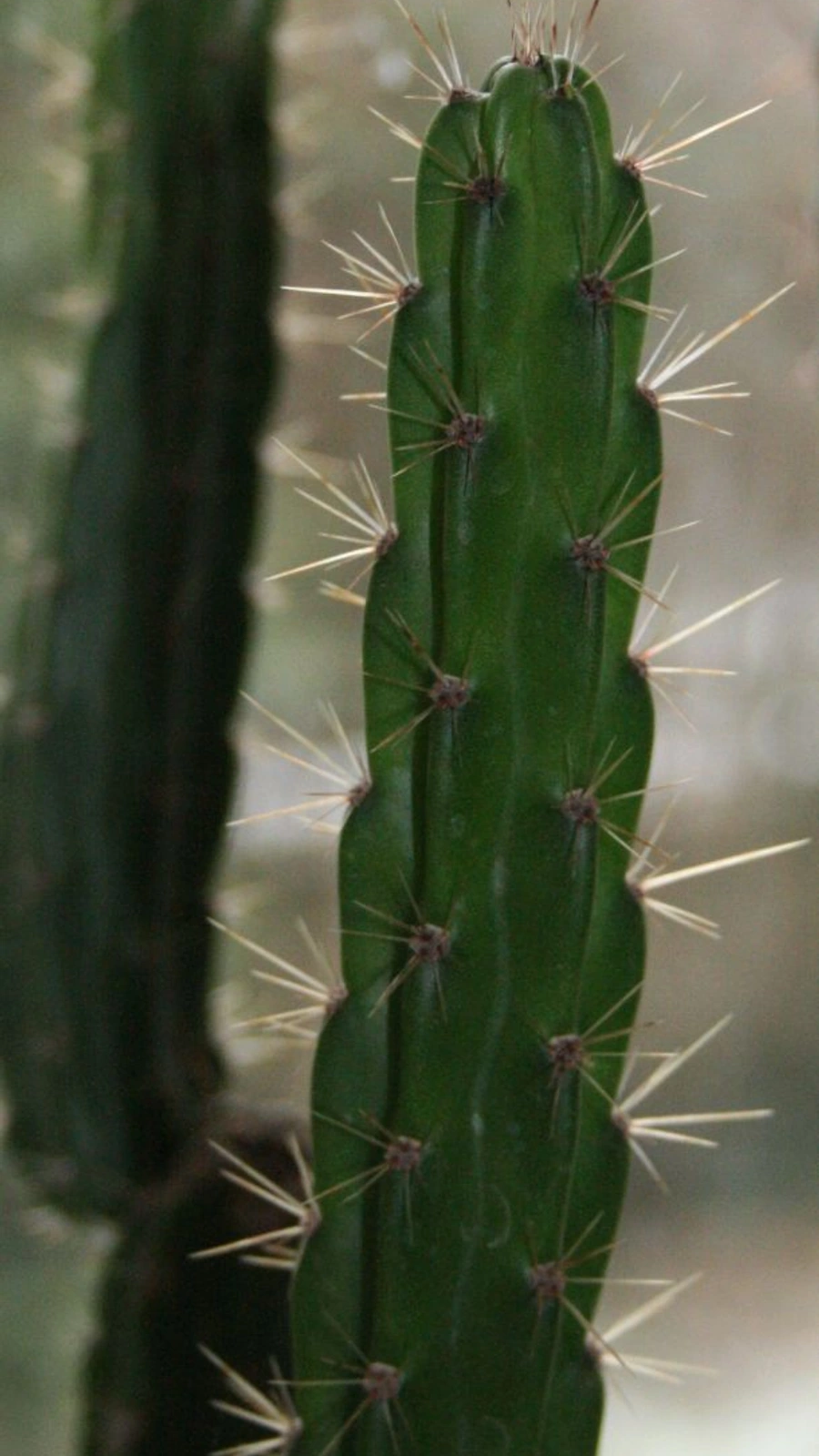 Reference image
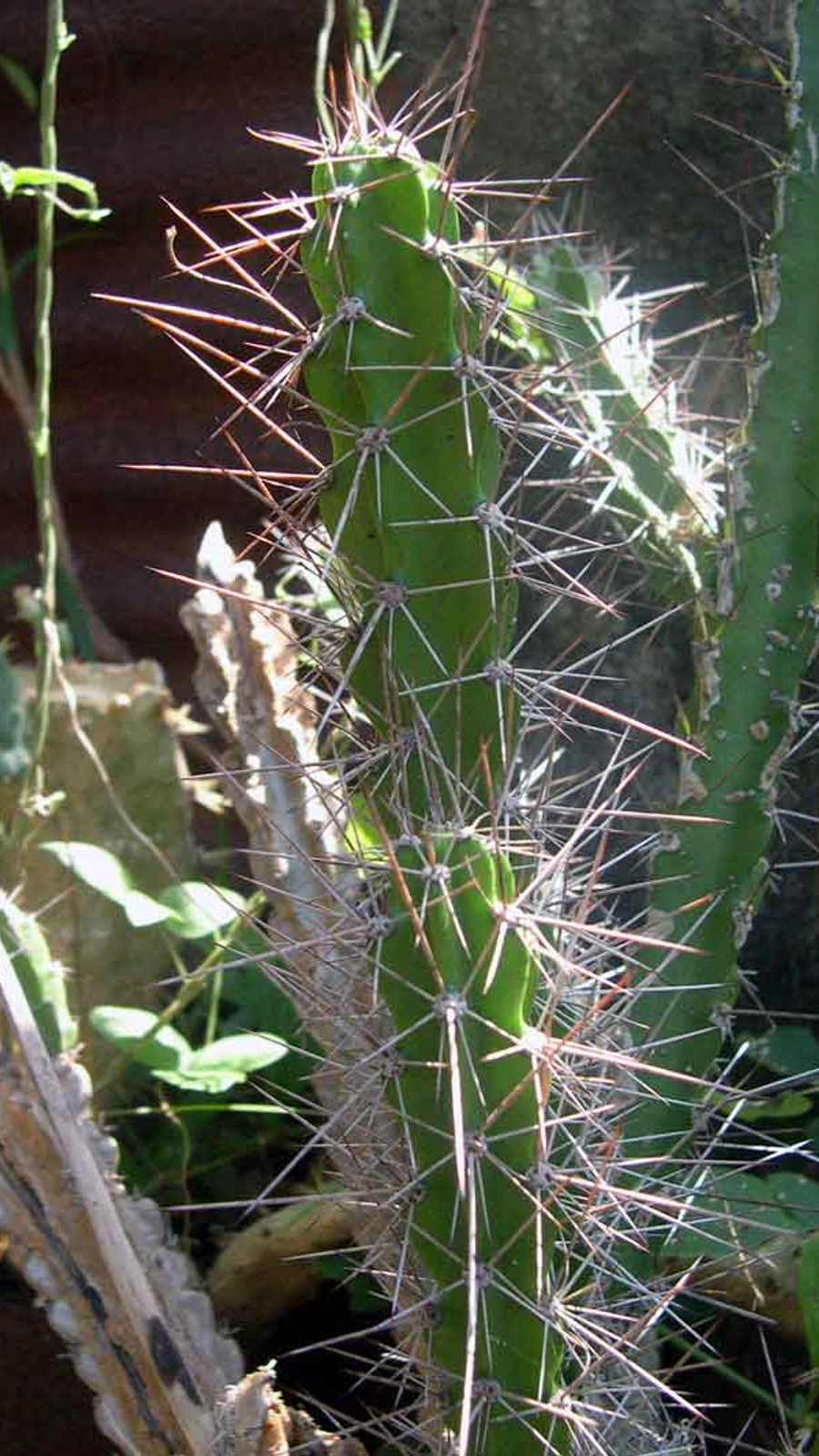 Reference image
Peanut Cactus
Cactus sylvestris (widely recognized in modern botany as Chamaecereus silvestris or Echinopsis chamaecereus) is a highly popular, low-growing clumping cactus commonly known as the Peanut Cactus 1. It is beloved for its prolific growth habit and stunning seasonal blooms.
Historically described under various genera, its synonyms include Cereus silvestris and Lobivia silvestris. While contemporary classification often places it within the broad genus Echinopsis, the name Chamaecereus remains widely used in horticultural trade and literature 2.
This species is native to the mountainous regions of Argentina, specifically within the Tucumán province. It thrives on rocky outcrops and gravelly soils, often sheltered under sparse vegetation in semi-arid conditions 1.
The plant features prostrate, cylindrical, pale green stems that cluster heavily, resembling peanuts in shell. Each stem has multiple ribs lined with tiny, soft, whitish bristles. In late spring, it produces a spectacular show of funnel-shaped, vibrant orange-red flowers that emerge along the stems 2.
It prefers bright, indirect sunlight or filtered sun. During the active growing season, water thoroughly only when the substrate is completely dry. In winter, a cold and dry dormancy period (around 5-10°C) is essential to stimulate next spring's flower buds.
Overwatering and poor drainage are the leading causes of root rot. Lack of sufficient light causes the stems to stretch thin (etiolation), losing their compact charm. Keeping the plant too warm in winter often results in a failure to bloom.
Requires bright, indirect or filtered sunlight. Avoid harsh, direct afternoon sun.
Let the soil dry out completely between waterings. Restrict watering to almost zero in winter.
Needs a very porous, gritty potting mix formulated specifically for cacti and succulents.
Non-toxic to cats and dogs, but the soft spines can still cause minor irritation if handled roughly.
Very easy to care for, making it an excellent choice for beginners.
Originates from the high-altitude rocky slopes and dry mountain scrublands of Argentina, notably within the Tucumán province.
