
Light
Bright Indirect Light
Requires abundant bright, indirect light. Protect from harsh afternoon sun to prevent sunburn.
 Reference image
 Reference image
Tamaulipas Cactus
Cactus tamaulipensis is a rare and intriguing member of the Cactaceae family, primarily native to northeastern Mexico. Named after the state of Tamaulipas, this species is highly valued by succulent collectors and xeriscape enthusiasts due to its distinctive morphology and localized distribution 1.
The genus name Cactus dates back to Carl Linnaeus, who initially categorized almost all known cacti under this single umbrella. Over time, botanical revisions have refined these classifications, but Cactus tamaulipensis remains an important historical and regional reference in Mexican botanical literature 2.
This species is native to the arid and semi-arid regions of northeastern Mexico, specifically found within Tamaulipas, Coahuila, and Nuevo León. It thrives in gravelly, limestone-rich soils on rocky slopes, often sheltered by low shrubs or desert grasses 1.
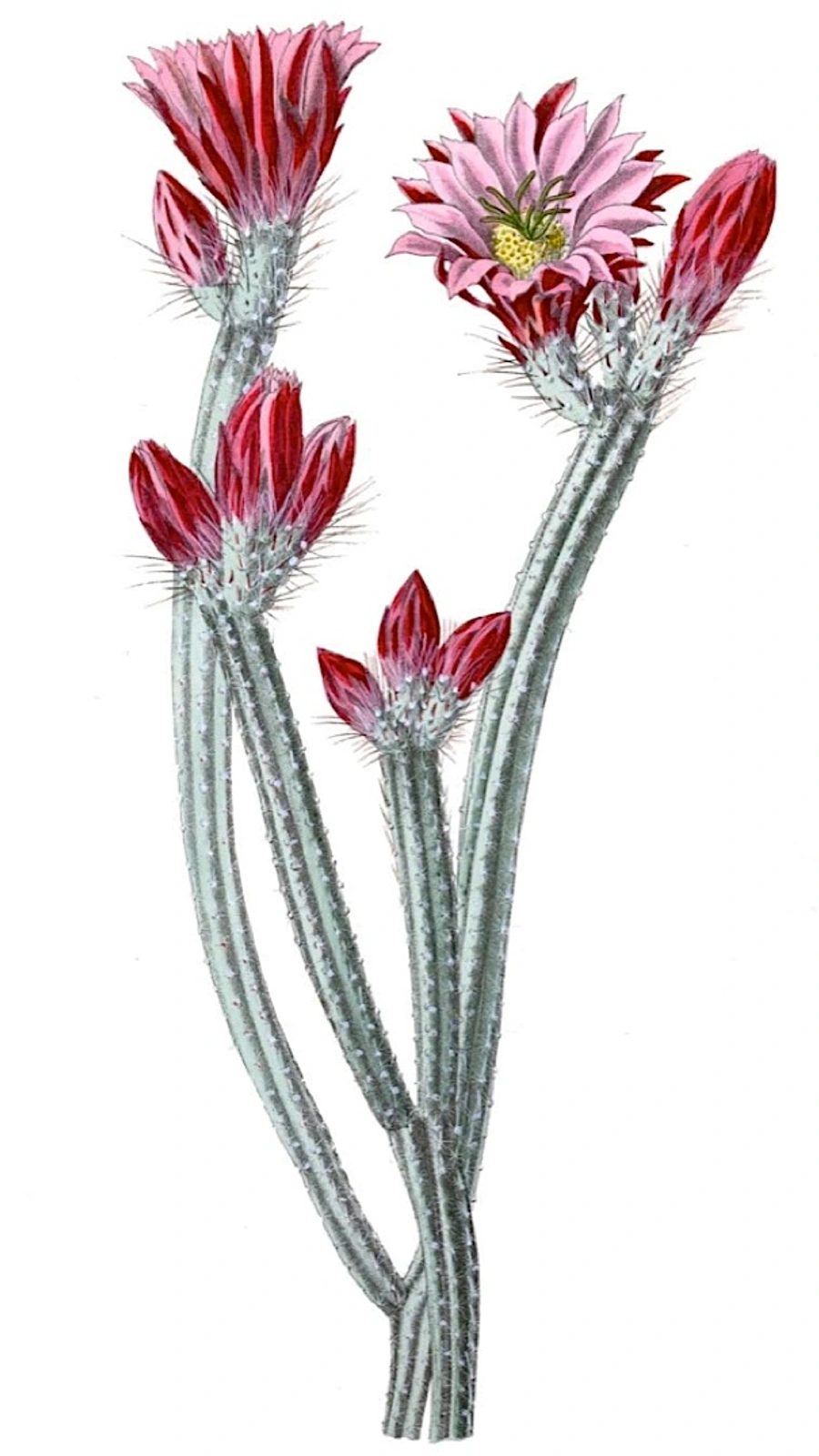
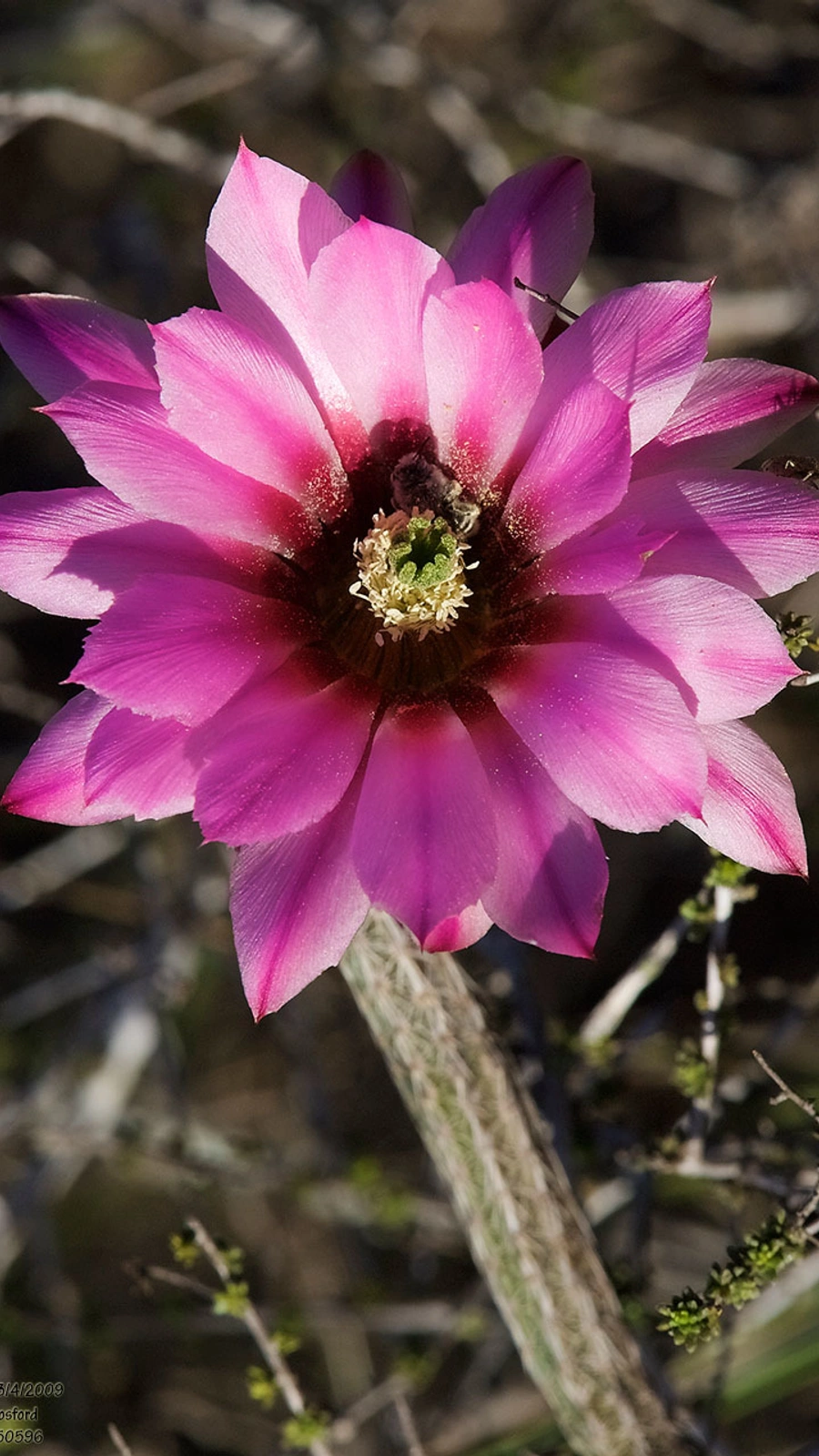
Typically exhibiting a globular to slightly cylindrical stem, the plant features prominent ribs adorned with woolly gray-white areoles. Spines emerging from these areoles are sharp, rigid, and range from pale brown to ash-gray. Under optimal conditions, small, funnel-shaped flowers in shades of pink, yellow, or cream emerge from the plant's apex 2.
Cultivation requires highly porous, mineral-based soil mixes with excellent drainage. While it enjoys abundant light, protection from the harsh midday summer sun prevents epidermis scorching. Watering should follow a strict 'soak and dry' method.
Overwatering is the primary cause of failure, leading to rapid root rot. Keeping the substrate damp during the cold winter dormancy period will quickly destroy the root system 1.
Requires abundant bright, indirect light. Protect from harsh afternoon sun to prevent sunburn.
Water thoroughly only when the soil is completely dry, approximately every 12 days in summer and monthly in winter.
Demands a highly porous, gritty mix consisting of pumice, perlite, and coarse sand with very little organic matter.
Has sharp spines that can cause mechanical injury. Keep out of reach of children and pets, though it is non-toxic.
Moderate difficulty. Requires strict watering discipline and a cool winter rest period.
Naturally distributed across the arid and semi-arid shrublands of northeastern Mexico, growing on rocky, limestone-rich slopes.
