
Light
Bright Indirect Light
Bright indirect light or filtered sun; avoid harsh midday direct sun.
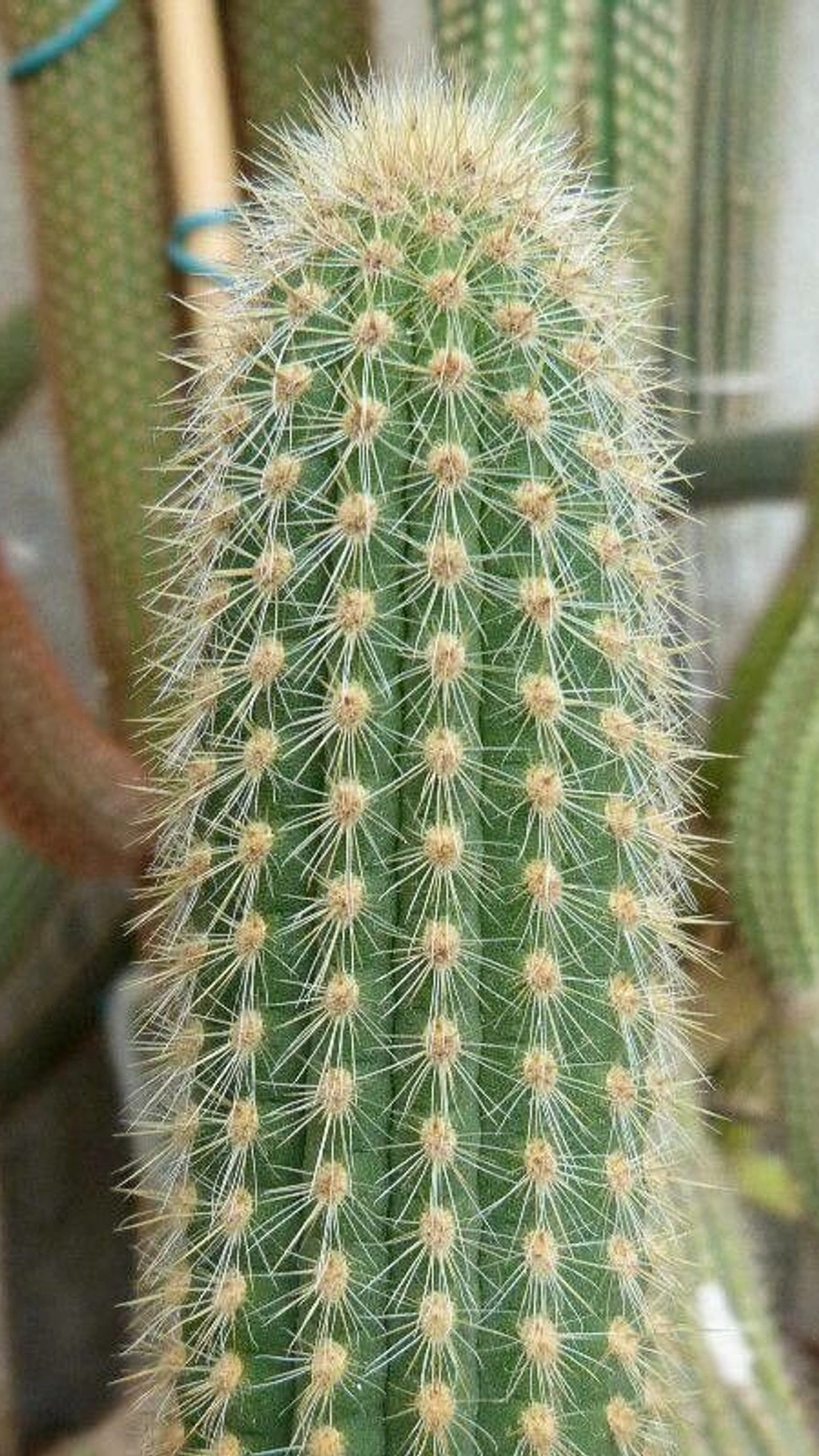 Reference image
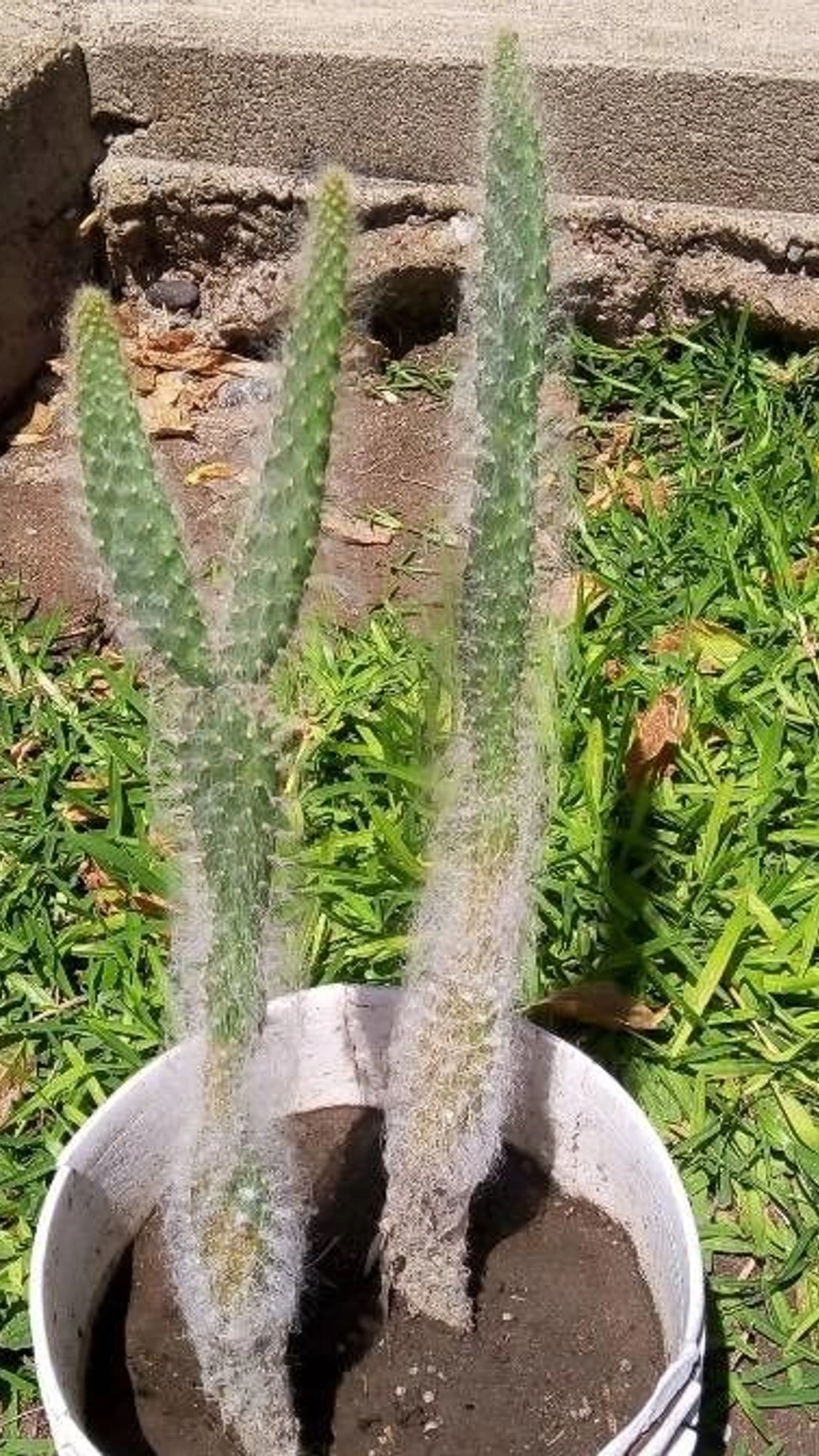 Reference image
Golden Headed Cactus
Cephalocleistocactus chrysocephalus is an upright, columnar cactus species belonging to the Cactaceae family. It develops a shrubby or treelike form in its native habitat and is highly appreciated for its golden-haired pseudocephalium at the top of the stems.
Classified under the tribe Trichocereeae, this species was originally placed within the genus Cleistocactus but was later transferred to Cephalocleistocactus due to its specialized flowering structures 1. The specific epithet 'chrysocephalus' is derived from Greek, meaning 'golden-headed', referring to the dense yellow woolly top 2.
This species is native to western South America, specifically endemic to the dry valleys and rocky slopes of Bolivia. It typically thrives in high-elevation desert scrub and dry shrublands where soil drainage is exceptional 1.
Its columnar stems can reach heights of 1.5 to 3 meters. The stems have numerous fine ribs densely covered with bright golden-yellow spines. During the blooming season, a lateral pseudocephalium develops near the apex, producing tubular, reddish-yellow flowers 2.
It requires plenty of bright, indirect or filtered sunlight to preserve its golden spine color. Watering should be deep but infrequent during the summer, allowing the medium to dry completely, while winter watering must be virtually suspended. It is frost-sensitive and should be kept above 5°C 2.
Overwatering and using heavy, compacted soils are the primary causes of root rot. Lack of sufficient light leads to weak, etiolated growth and loss of the characteristic golden spine density.
Bright indirect light or filtered sun; avoid harsh midday direct sun.
Allow soil to dry out completely between waterings; keep almost dry in winter.
Extremely well-draining cactus potting mix with high mineral content.
Armed with dense, sharp golden spines; handle with care and keep away from pets.
Moderate care; requires strict watering discipline and frost protection.
Native to the dry, rocky inter-Andean valleys of Bolivia, thriving in arid shrublands with excellent natural drainage and intense solar radiation.
